10 Best Foods to Eat in Akita: A 2026 Local Dining Guide
What to eat in Akita: kiritanpo nabe, Hinai-jidori chicken, Inaniwa udon, and 7 more dishes, plus where to eat near Akita Station in 2026.
On this page
Last updated July 2026, this guide covers what to eat in Akita, from signature hot pots to seasonal street food. Akita's food identity runs on rice, cold-water seafood, and a fermentation tradition built for long winters. Below are 10 dishes to prioritize, from kiritanpo nabe near Odate to summer-only Babahera ice cream, plus where to eat within walking distance of Akita Station.
Why Akita's Winters Shaped This Menu
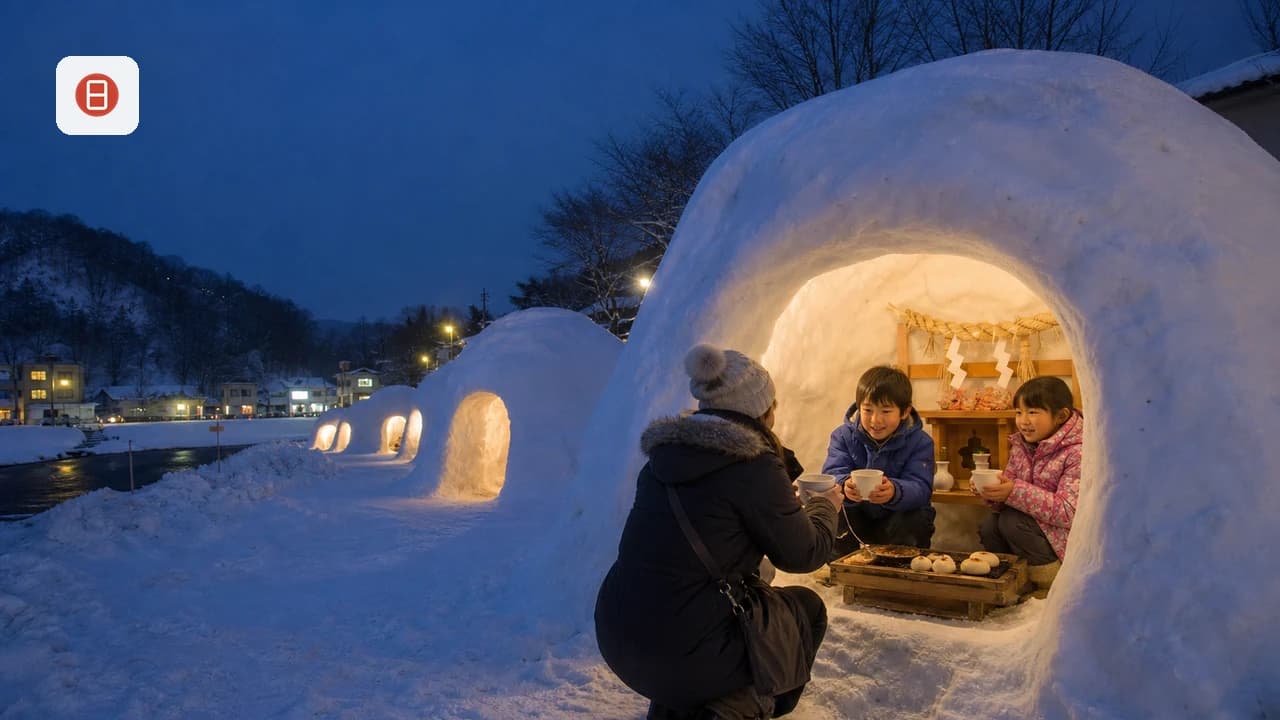
Akita Prefecture faces the Sea of Japan, and the prefecture logs the shortest daylight hours and heaviest snowfall in the Tohoku region. That combination pushed cooks toward methods that store a harvest through months of cold. Smoking preserves daikon into iburigakko. Fermenting preserves sandfish into hatahata-zushi. Simmering turns chicken and rice into kiritanpo nabe. Akita Komachi rice and soft mountain water also built one of Japan's stronger sake-producing regions. Several of these dishes pair naturally with a local pour. Summer brings a lighter counterpoint: cold Inaniwa udon and roadside Babahera ice cream.
10 Best Foods to Eat in Akita
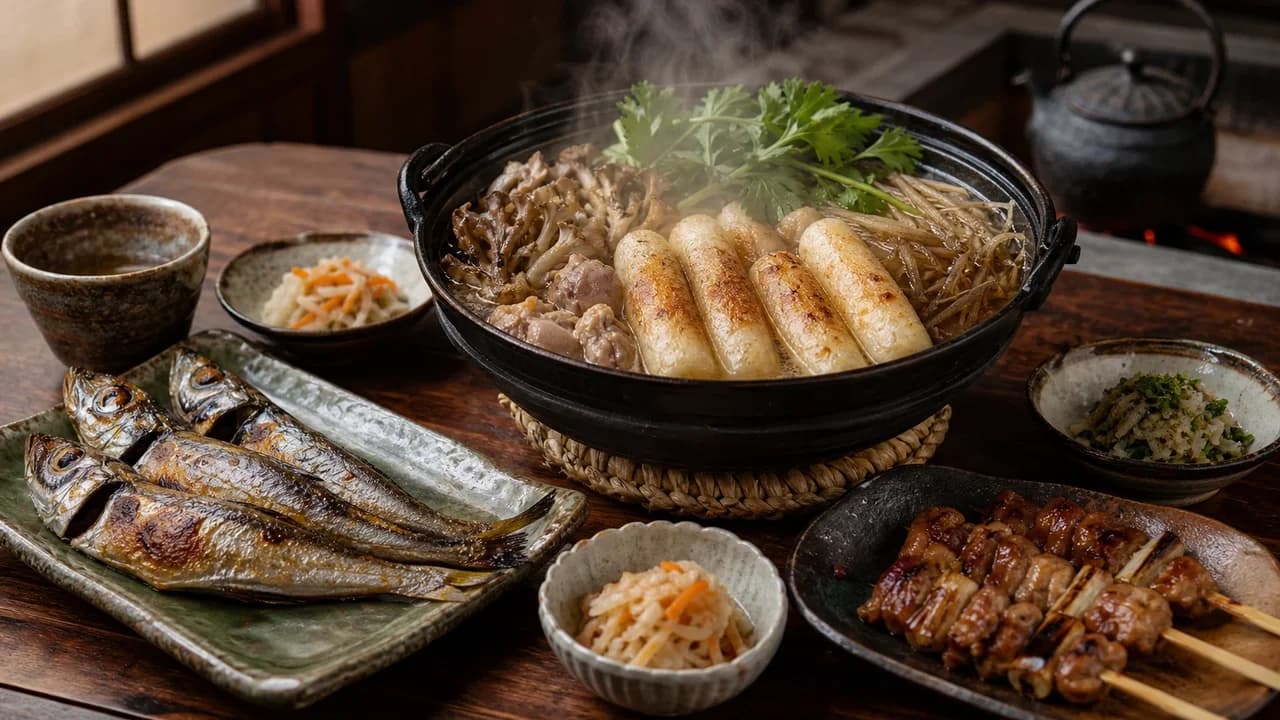
Akita's table runs through three ingredients: Akita Komachi rice, cold-climate seafood, and slow fermentation. This list moves from the signature hot pots to coastal catches, pickle culture, and the street snacks that round out a full day of eating.
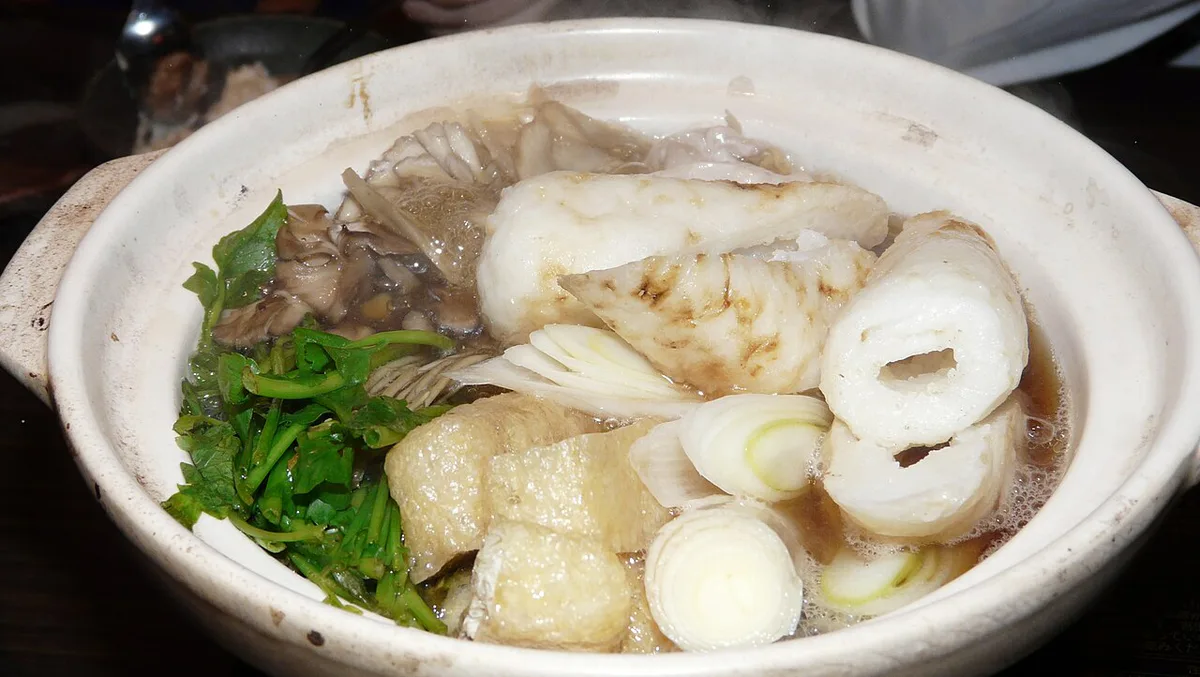
- Kiritanpo Nabe
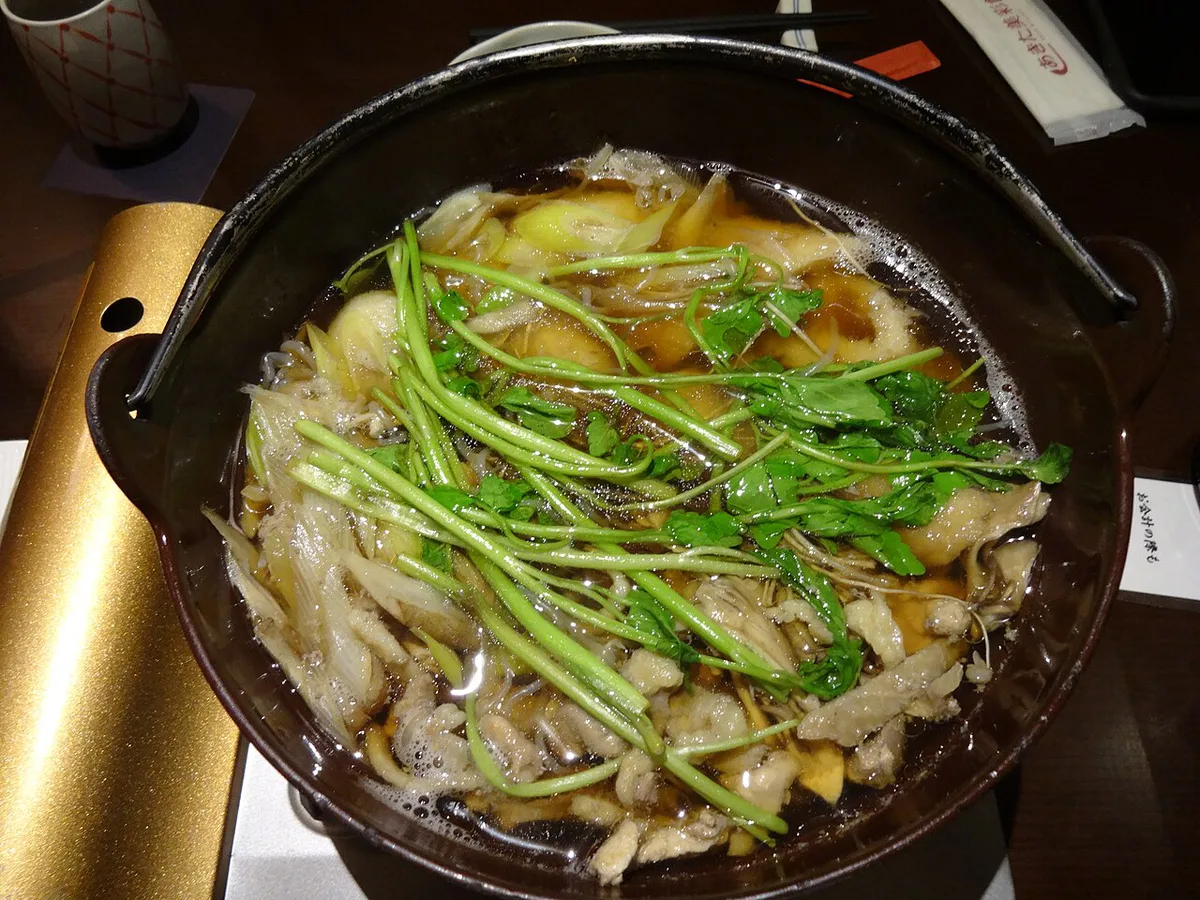
- Freshly pounded Akita Komachi rice is pressed onto cedar skewers, toasted over charcoal, then simmered in a chicken hot pot with mushrooms, burdock, and scallions.
- Odate-area woodcutters started the tradition, skewering leftover rice to eat with miso paste while working in the mountains.
- It is traditionally served mid-September through March; the kiritanpo and Hinai chicken guide covers where to book a nabe dinner.
- Hinai-jidori Chicken (Oyakodon)
- Hinai-jidori ranks among Japan's three major branded chicken breeds, alongside Nagoya Cochin and Satsuma-dori, and is often compared to Kobe beef for its reputation among poultry.
- Birds are raised 150 to 170 days, roughly three times longer than a standard broiler, which builds a firm, pheasant-like texture.
- Oyakodon, a chicken-and-egg rice bowl, is the easiest way to taste it at lunch; see the Hinai-jidori chicken guide for where to order it.
- Inaniwa Udon
- Hand-stretched and sun-dried, this udon is thinner and chewier than standard noodles and is regarded as one of Japan's three great udon styles.
- Locals date its origin to more than 300 years ago in the Inaniwa area of Yuzawa.
- Cooks serve it cold with dipping sauce in summer and hot in broth through winter.
- Hatahata (Sandfish)
- Hatahata, or Japanese sandfish, is caught mainly in December, when winter thunderstorms roll in off the Sea of Japan and give the fish its thunder-linked name.
- It has no scales, so cooks broil, fry, dry, and pickle it in equal measure.
- Salted and fermented with rice and koji, it becomes hatahata-zushi, traditionally eaten around New Year; the Akita seafood and hatahata guide covers where to find it in season.
- Ishiyaki Hot Pot
- On the Oga Peninsula, cooks drop fire-heated stones straight into a wooden bucket of fish soup, flash-boiling it at the table.
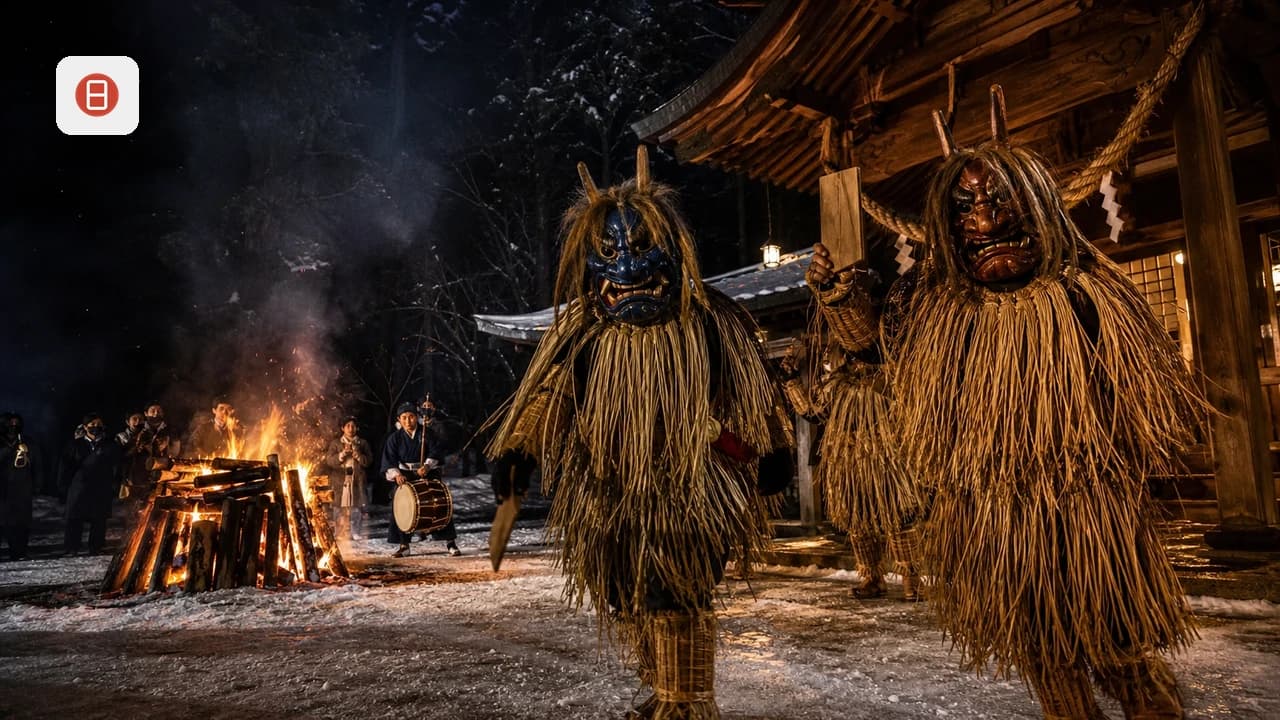
- The style pairs well with a stop at the peninsula's Namahage folklore sites the same day; see the Oga Peninsula day trip guide for routing.
- Expect the broth to reflect whatever catch is running that week, since it is built around fresh coastal fish.
- Iburigakko (Smoked Daikon Pickles)
- Daikon radish is hung and smoked over apple, chestnut, or cherry wood for several weeks, then pickled in rice bran, sugar, and salt for months.
- Gakko is the Akita dialect word for pickles, and iburigakko specifically means smoked pickles.
- Izakayas often serve thin slices on cream cheese as a bar snack; the iburigakko pickle guide has more pairing ideas.
- Akita Sake
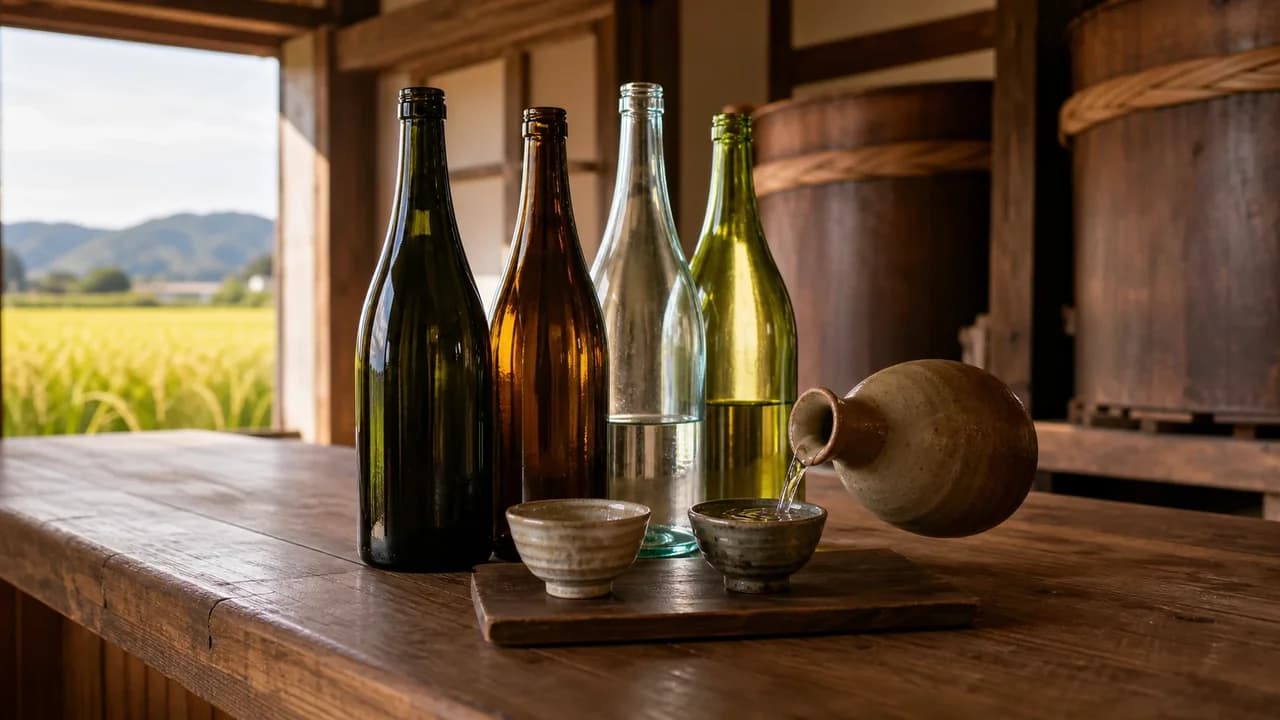
- Soft water and Akita Komachi rice make the prefecture one of Japan's stronger sake-producing regions.
- Roughly two-thirds of Akita's breweries have been brewing for more than a century.
- A tasting flight pairs naturally with kiritanpo nabe or iburigakko; the Akita sake and rice guide breaks down styles by brewery.
- Yokote Yakisoba
- Yokote City in southern Akita fries these noodles in a milder, less tangy sauce than typical yakisoba.
- Each plate is topped with a sunny-side-up egg and served with fukujinzuke pickles on the side.
- It works well as a quick lunch between sightseeing stops in the Yokote area.
- Jumonji Ramen
- Jumonji, a district of Yokote, is known for a light, soy-based ramen broth.
- Noodles are curly and medium-thick, a contrast to the heavier kiritanpo nabe.
- Order it for a lighter meal after a rice-and-chicken-heavy dinner the night before.
- Babahera Ice Cream
- The name blends baba (grandmother) and hera (spatula), describing the roadside vendors who scoop it from tabletop tubs.
- A single scoop typically mixes two flavors, usually strawberry and banana, swirled into a rose shape.
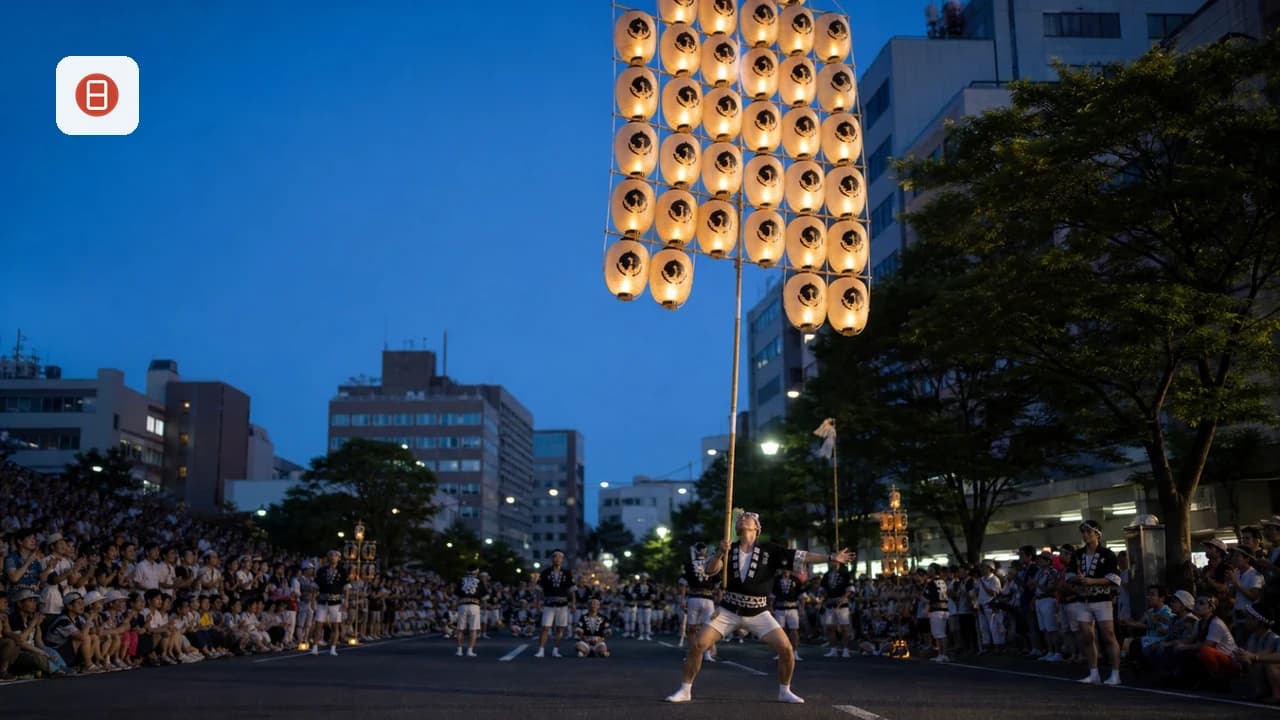
- It is a summer-only street food that mostly disappears by autumn, so plan around the Akita Kanto Festival Travel Guide in early summer to catch both.
Comparing Akita's Big Three: Kiritanpo, Udon, and Chicken
Short on time and want to pick just one meal? This table lines up the three most-ordered dishes by setting, richness, and time to budget, in our editorial assessment. Order kiritanpo nabe for a full dinner. Choose Inaniwa udon for a fast lunch. Pick Hinai-jidori oyakodon when you want chicken without committing to a whole hot pot.
| Dish | Best Setting | Richness | Time to Budget |
|---|---|---|---|
| Kiritanpo Nabe | Sit-down dinner, often reservation-only | Heavy | 45-90 minutes |
| Inaniwa Udon | Lunch counter or teishoku set | Light | 15-30 minutes |
| Hinai-jidori Oyakodon | Casual lunch bowl | Medium | 20-40 minutes |
Where to Eat Near Akita Station
Most travelers base near Akita Station, where the food hub covers all three of the Big Three dishes within a short walk. For a longer list beyond these three, see the Akita city restaurant picks. Pick a hotel using the where to stay in Akita guide so dinner stays a short walk, not a taxi ride.
- Honke Abeya
- Known for Hinai-jidori chicken, this is one of the most-cited spots for oyakodon and yakitori near the station area.
- Confirm today's hours and table availability directly, since walk-in service around dinner can fill fast.
- Sato Yoske
- A long-running Inaniwa udon specialist, useful for a fast, light lunch between sightseeing stops.
- Cold udon with dipping sauce is the standard order in warmer months.
- Maiko Bento at the Akita Cultural Industry Facility Matsushita
- This boxed lunch echoes dishes historically served during Akita Maiko performances, pairing local rice and seasonal sides in one set.
- It works as a culture-forward alternative to a nabe dinner when a sit-down meal does not fit the schedule.
Vegetarian and Vegan Considerations in Akita
Akita cuisine leans on bonito or fish-based dashi and centers Hinai-jidori chicken, so vegetarians need a specific plan rather than hoping for options. Ask for Inaniwa udon with a sesame dipping sauce, goma dare, instead of the standard fish-based tsuyu broth. Iburigakko and other Akita pickles are typically vegetarian, since the brine is rice bran, sugar, and salt rather than dashi. Odate's edamame-based soft serve is another safe, dashi-free option worth asking about. Confirm ingredients directly with staff, because recipes vary by shop and some broths default to a fish stock base.
Hinai-jidori is raised 150 to 170 days, roughly three times longer than standard broilers, creating the premium breed so central to Akita cuisine that vegetarians need specific planned alternatives rather than improvising.
Practical Tips for Eating Your Way Through Akita
A teishoku-style Inaniwa udon lunch costs noticeably less than a multi-course kiritanpo nabe dinner for two, since the nabe is typically shared rather than ordered as a single plate. Check each restaurant's own site for current 2026 menu pricing, as neither source here lists fixed yen figures. Getting to the right town matters as much as picking the dish. Odate is the base for kiritanpo, Yokote covers yakisoba and ramen, and the Oga Peninsula covers ishiyaki and seafood. Start with the getting to Akita guide for train and route options. Then build stops around food using the Akita itinerary planning guide. A Kakunodate day trip pairs well with a kiritanpo lunch on the way back. The Akita attractions guide covers sightseeing to combine with an Oga Peninsula seafood stop.
Inaniwa udon takes 15-30 minutes and costs noticeably less than a shared kiritanpo dinner, making it the efficient choice when balancing time and budget against Akita's heavier signature hot pot.
- Looking for Babahera in winter
- Babahera is a warm-season roadside treat and is largely unavailable once cold weather sets in.
- Time a visit using the best time to visit Akita guide if a scoop is a priority.
- Skipping reservations for kiritanpo specialty shops
- Dinner-hour kiritanpo nabe service at dedicated shops can fill up, especially from mid-September through winter.
- Call or book ahead rather than walking in for a nabe dinner.
- Expecting hatahata outside winter
- Hatahata is primarily a December catch tied to Sea of Japan winter storms, so summer menus rarely feature it fresh.
- Order hatahata-zushi instead if visiting outside the winter window, since the fermented version keeps longer.
For trip-planning details, see Akita Prefecture - Wikipedia.
Explore food in other cities
Frequently Asked Questions
What is Akita's most iconic food?
Kiritanpo nabe is the dish most associated with Akita, built from pounded rice skewers simmered in a chicken hot pot. Hinai-jidori chicken oyakodon runs a close second for many visitors.
When is hatahata (sandfish) in season in Akita?
Hatahata is caught mainly in December, tied to winter storms off the Sea of Japan. Outside that window, look for the fermented hatahata-zushi version instead of fresh fish.
Can vegetarians find food to eat in Akita?
Vegetarian options exist but require asking, since most dashi is fish-based and chicken is central to the cuisine. Order Inaniwa udon with a sesame dipping sauce instead of the standard fish broth, and lean on iburigakko and other rice-bran pickles.
Where should visitors eat near Akita Station?
Honke Abeya and Sato Yoske both sit within the station food hub and cover Hinai-jidori chicken and Inaniwa udon respectively. Confirm current hours before visiting, since restaurant details change.
Is Babahera ice cream available year-round?
No, Babahera is sold roadside mainly from spring through early autumn and mostly disappears in winter. Plan a summer date, ideally around the Akita Kanto Festival, to catch it.
Explore Akita's Food Scene
From smoke-cured pickles to Sea of Japan seafood and one of the country's best native chicken breeds, use these guides to plan exactly what to eat and where to eat it across Akita City, Kakunodate, and Odate.
Signature Dishes
- Akita attractions hub: tickets, hours & maps
- Hinai Jidori Chicken in Akita
- Akita Seafood Hatahata: Where to Eat Sandfish and Shottsuru
- A Guide to Akita's Smoked, Pickled Daikon
- Akita Food Guide
Drink & Rice Culture
Where to Eat
Plan Your Trip
Free guide: Japan's Hidden Gems
12 under-the-radar places beyond Tokyo & Kyoto — with the best season to visit each and a local tip you won't find in the guidebooks.
You might also like

Continue reading
More guides you'll find useful