9 Best Foods to Eat in Gujo Hachiman
What to eat in Gujo Hachiman: 9 local dishes from river ayu to miso kei-chan, plus where to eat, when kitchens close, and 2026 prices in yen.
On this page
Last updated August 2026. What to eat in Gujo Hachiman starts with water: the same canal current that once doused fires now shapes the soba, tofu, and sweetfish on nearly every local menu. This mountain town in Gifu Prefecture pairs river-fresh Gujo ayu and miso-stirred kei-chan chicken with winter staples like smoked tofu and sour pickled cabbage.
Gujo Hachiman's Water-First Food Culture
A 1652 fire destroyed much of Gujo Hachiman. Rebuilders answered with mizu-fune, stone basins fed by canal water for drinking, washing, and firefighting. Its upper tier stays reserved for drinking. Dishes and vegetables get rinsed in the lower tier instead. Runoff from the lower tier flows back into the canals, where carp still gather to feed. That same water feeds the soba, the miso, and the sake described in the Gujo Hachiman water system guide. Gujo-shi itself spans seven distinct areas, from high plateau country down to the old castle town center. Most kitchens sit a few minutes' walk from the canals, inside the same lanes covered by the castle and canal district guide.
The 9 Best Foods to Eat in Gujo Hachiman
Gujo Hachiman's food splits into three broad categories: river specialties, mountain preservation dishes, and a short list of restaurants worth planning a visit around. Here are nine dishes to eat, running from summer sweetfish to a century-old bowl of ramen.
- Gujo Ayu (Sweetfish)
- Gujo ayu is river sweetfish caught with yana fish traps in the Nagara and Yoshida rivers, in season from July through September.
- Restaurants typically prepare it three ways: unseasoned with a dab of miso, salt-grilled, or deep-fried, and the bones stay soft enough to eat the whole fish.
- Shinbashi-tei, on the Yoshida River, plates a seasonal Gujo Tennen Ayu Set with all three styles, and late-season menus add ochiayu made from fish heading downstream to spawn. Exact timing and yana-trap viewing spots are in the Gujo ayu season guide.
- Kei-chan (Gujo Miso Chicken)
- Kei-chan is Gujo's everyday soul food: chicken stir-fried with cabbage in a pungent miso base, usually cooked tableside on an iron plate.
- Recipes vary by household and restaurant, since most families and shops keep their own miso blend for the marinade.
- It works as a low-commitment starter dish if you're new to Gujo cuisine. The Gujo kei-chan chicken guide lists specific restaurants and typical prices.
- Hida Beef
- Hida beef is Gifu Prefecture's wagyu, served in Gujo Hachiman as a grilled steak or piled onto a soba bowl.
- Soba no Hirajin's Soba and Hida Beef Bowl set pairs the beef with cold soba and a Japanese yam pancake topped with egg.
- It sits at the top of the local price range, closer to a splurge than an everyday order.
- Tsukemono Steak (Pickled Steak)
- Tsukemono steak grills long-fermented, sour pickled Chinese cabbage and turnip on an iron plate, topped with a cracked egg.
- It began as a way to make aged winter pickles palatable, and it still appears on home tables and izakaya menus alike. Mountain dishes like it are covered in the Gujo mountain food guide.
- Seasoning splits by family between miso and soy sauce; Izumisaka and Akari both serve versions in town.
- Motai Iburi Tofu
- Motai Iburi tofu is smoked tofu from the Motai area of Yamato-cho, made with Gujo miso and natural bittern, then dried and smoked over cherry chips.
- The texture and aroma land closer to smoked cheese than typical tofu, and it began as a preserved food for travelers passing through the old post town.
- Try it at the Yamato Motai Workshop, at Hachiman Ryukyo-no-sato, or at roadside stations including Meiho and Yamato.
- Gujo Wasabizuke (Pickled Horseradish)
- Gujo wasabi grows in limestone cave water at Jaana Shimizu in Wara-cho, one of the few spots cold and constant enough for the plant.
- Makers salt and pickle the stalks, then soak them in soy sauce or vinegar for a sharp, sticky condiment.
- Hachiman Wasabiya sells jars of it in town, and it pairs well with rice, sashimi, or a bowl of soba.
- River-Water Soba
- Soba here is made fresh with domestic buckwheat flour and canal-fed local water.
- Soba no Hirajin, on the bank of the Yoshida River, is a Showa-era shop with window seats and an English picture menu.
- Order it cold for the firmest bite, or as a set with Hida beef and grated yam, sometimes listed as the Soba and Hida Beef Bowl.
- Sougian's Retro Matcha Sweets
- Sougian, a minute's walk from Soba no Hirajin, serves the Sougian Parfait. It layers roasted tea jelly, matcha ice cream, red bean paste, and rice-flour dumplings.
- In summer it adds a limited "Castle in the Sky" matcha shaved ice, and seasonal parfait versions rotate with strawberry in spring or sweet potato and chestnut in autumn.
- The dining room mixes tatami seating with Meiji-era Western furnishings, and hot or iced matcha tea is brewed from local water.
- Chuka Soba Ramen at Matsubaya
- Matsubaya has served Chinese-style ramen, called chuka soba, since 1914, and is now run by the fourth generation of the same family.
- The broth stays light despite a deep umami flavor, and the tempura chuka soba adds a whole fried shrimp on top.
- It's a good stop when you want something other than soba or river fish, without leaving the old town's lanes.
The Big Three, Compared: Ayu vs. Kei-chan vs. Hida Beef
Ayu, kei-chan, and Hida beef make up Gujo Hachiman's most-ordered trio, and each hits a different price point and season. Kei-chan works as the easiest entry point: familiar stir-fry format, year-round availability, and a moderate price. Gujo ayu is the most seasonal of the three, tied to river conditions between July and September. Hida beef sits at the top of the price range, closer to a special-occasion order than a quick lunch. Use the table below to match a dish to your budget and how much time you have in town.
Mid-week restaurant closures and typical early closing hours make year-round, budget-friendly kei-chan (¥1,200-¥2,000) the most reliable option compared to seasonal ayu or premium Hida beef for time-limited visits.
| Dish | Local Price Range | Best Season | Editorial Note |
|---|---|---|---|
| Gujo Ayu (Sweetfish) | About ¥3,000-¥4,000 for a restaurant set | July-September, plus ochiayu in autumn | Most seasonal of the three; whole fish, bones included |
| Kei-chan (Miso Chicken) | Roughly ¥1,200-¥2,000 | Year-round | In our editorial assessment, the easiest starting point for first-time visitors |
| Hida Beef | About ¥3,500-¥6,000 for a beef-forward set | Year-round | Priciest of the three; best treated as a splurge order |
Where to Eat: Restaurant Picks and the Days They Close
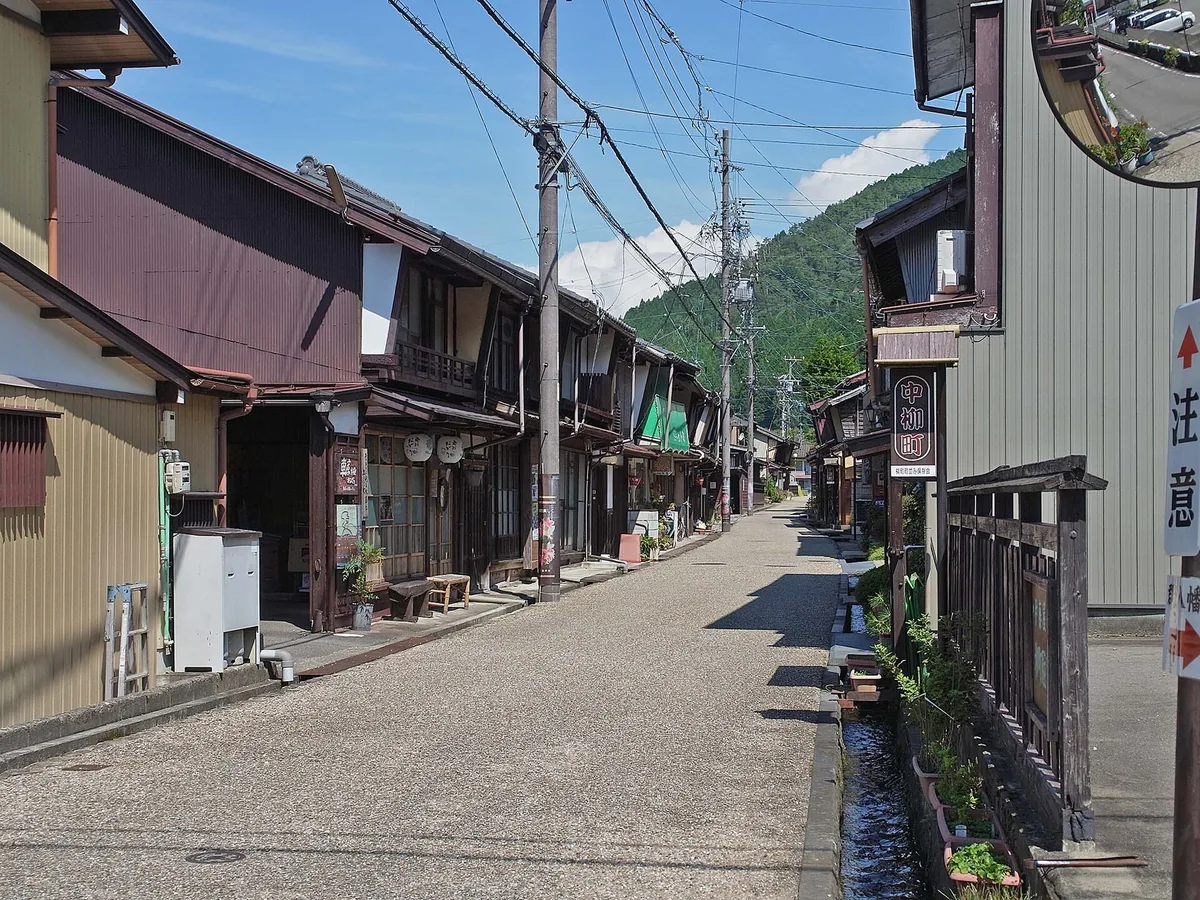
Many of Gujo Hachiman's best kitchens are single-location, family-run shops, so closures land midweek rather than on weekends. Confirm hours before building a route around one restaurant, since a Tuesday or Thursday closure can undo an afternoon plan. Distance from Gujo-Hachiman Station also matters, since several standout kitchens sit a 15-minute walk or more from the platform. The three restaurants below cover eel, soba, and a fine-dining option inside a historic building.
| Restaurant | Specialty | Closed | Hours & Price |
|---|---|---|---|
| Sumibiyaki Unagi Uotora | Grilled eel (unagi) and ayu | Tuesdays | Lunch 11:00am-2:30pm, dinner 5:00pm-8:00pm; about ¥3,000 lunch, ¥4,000 dinner; 15-minute walk from Gujo-Hachiman Station |
| Soba-sho Matsui | Soba and tempura | Thursdays | From 11:00am; both lunch and dinner run around ¥1,000; in Kajiya-machi |
| RISTORANTE Suzumeno Iori | Italian-French fusion in a historic building | Tuesdays | Lunch 11:30am-2:00pm, dinner 5:00pm-9:00pm |
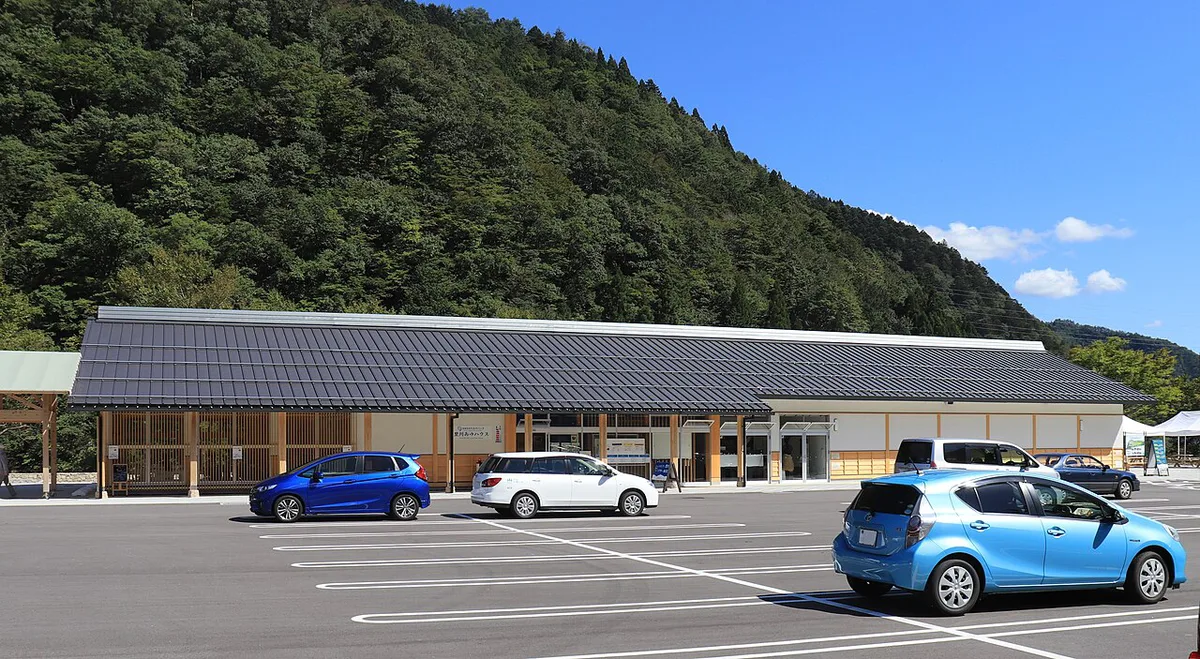
Roadside Stations and Mountain Markets Beyond the Center
Food culture in Gujo Hachiman extends past the old town lanes, into a network of roadside stations called michi-no-eki. At Meiho Roadside Station (Surusumi-no-sato), the Okami-san cafeteria serves tsugijiru, a clear soup built from kelp, dried shiitake, and dried sardine broth with cubed tofu. The dish traces back to a mountain pass in the Kanmizu area of Meiho, originally served alongside rice at temple memorial services. Motai Iburi tofu also turns up at roadside stations in Yamato, Shirotori, Takasu, Minami, and Wara, sold alongside produce grown in the surrounding hills. These roadside stations make sense if you're renting a car and want a stop beyond the old town center.
The Sample Kobo Experience: Gujo Hachiman's Plastic Food Legacy
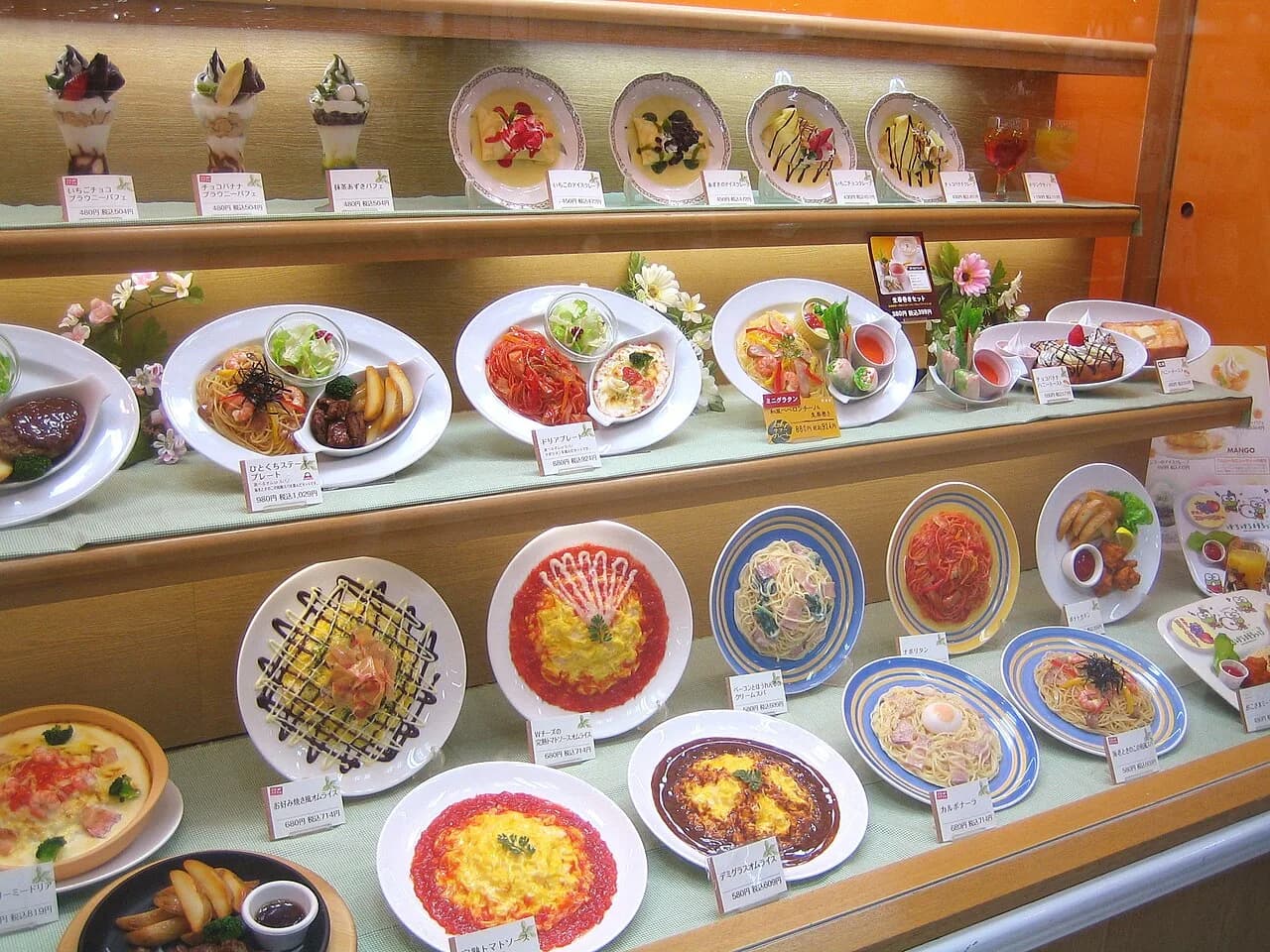
Gujo Hachiman is also the hometown of Takizo Iwasaki, the pioneer of Japan's realistic plastic food samples now displayed outside restaurants nationwide. Despite a population under 40,000, the town produces more than half of Japan's plastic food samples, an industry that grew directly out of Iwasaki's original designs. At Sample Kobo, a 15-minute walk from Gujo-Hachiman Station, visitors build a replica at a Food Replica Workshop that runs 20 to 60 minutes depending on the course. Course choices include tempura with lettuce, a dessert tart, or a melted-ice-cream smartphone stand, with staff guiding you through picture-based instructions. Guidebooks at the counter are in Japanese, but the accompanying images are detailed enough to follow without much staff help. Treat it as a craft stop rather than a meal, a companion to the ayu or kei-chan you eat elsewhere in town. Current course details and pricing sit in the food replica workshop guide.
Know Before You Go: Hours, Closures, and Budgeting
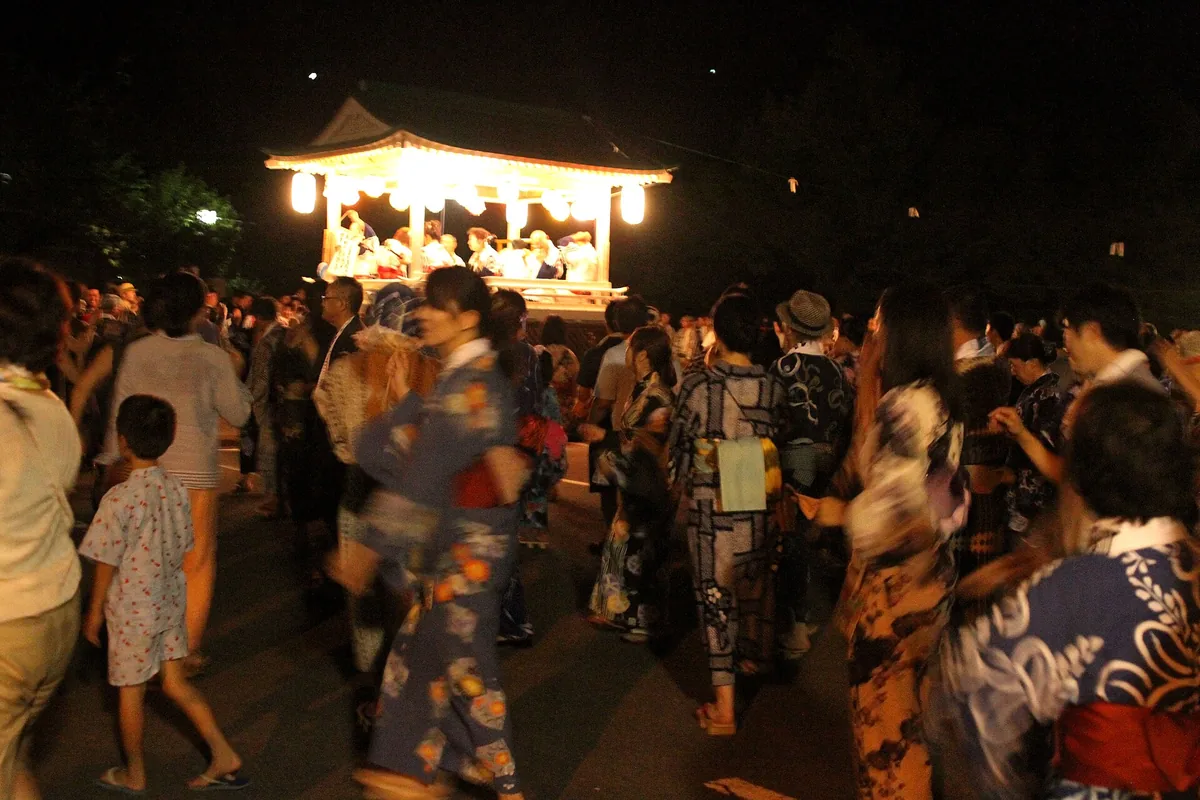
A common mistake is assuming every shop opens every day. Uotora and Suzumeno Iori both close on Tuesdays; Soba-sho Matsui closes on Thursdays instead. Most non-izakaya restaurants wind down by 5:00pm or 6:00pm, earlier than a typical dinner hour in a bigger city. Plan lunch as the anchor meal if you're visiting outside Gujo Odori season. Budget dining is possible too, especially around ramen, dango, and cafe snacks. Lower-cost and plant-based options are covered in the budget and vegetarian dining guide. During Gujo Odori season, roughly mid-July through early September, the Gujo Hachiman Tourism Association extends its hours to 9:00am-6:00pm daily, up from the usual 9:00am-5:00pm.
| Meal Type | Typical Local Price |
|---|---|
| Soba or kei-chan | ¥1,200-¥2,000 |
| Unagi or Hida beef set | ¥3,500-¥6,000 |
How This Guide Was Verified
Food availability, access details, seasonal rules, and the time-sensitive claims in this guide were checked on August 22, 2026 against the official sources below. Independent restaurant menus, prices, opening days, and sell-outs can change, so confirm the operator's same-day notice before making a special trip.
Explore food in other cities
Frequently Asked Questions
What is the best time of year to eat Gujo ayu?
Gujo ayu season runs July through September, when restaurants grill the sweetfish fresh from the Nagara and Yoshida rivers. Look for ochiayu dishes in autumn too, when the fish head downstream to spawn. Exact timing and yana-trap viewing spots are in the Gujo ayu season guide.
Which restaurants in Gujo Hachiman close midweek?
Sumibiyaki Unagi Uotora and RISTORANTE Suzumeno Iori both close on Tuesdays. Soba-sho Matsui closes on Thursdays instead. Call ahead or check current hours before building a route around any single restaurant.
How much should you budget for a meal in Gujo Hachiman?
Soba and kei-chan generally run ¥1,200 to ¥2,000 per person. Unagi and Hida beef sets cost more, typically ¥3,500 to ¥6,000. The budget dining guide lists lower-cost options if you're watching spend.
Can vegetarians find food to eat in Gujo Hachiman?
Motai Iburi tofu, soba, and Gujo wasabizuke pickles all suit vegetarian travelers, though ask about dashi stock before ordering soba broth. Sougian's matcha parfaits and shaved ice make an easy vegetarian dessert stop too.
Is Sample Kobo about food you actually eat?
No, Sample Kobo teaches the craft of Japan's plastic food replicas, not edible cuisine. Workshops run 20 to 60 minutes and produce a keepsake like a tempura or dessert-tart replica. Treat it as a between-meals activity rather than a dining stop. Course options are listed in the food replica workshop guide.
How do you get to Gujo Hachiman for a food-focused day trip?
Gujo-Hachiman Station sits on the Nagaragawa Railway's Etsumi-Nan Line. Most restaurants and food shops sit within a 15-minute walk of the station, including Sumibiyaki Unagi Uotora and Sample Kobo. Pair the trip with the castle and canal district guide for a fuller day plan.
How long does the Gujo Odori festival run, and does it change dining hours?
Gujo Odori runs 30-plus nights, from mid-July into early September. During the festival, the Gujo Hachiman Tourism Association extends its own hours to 9:00am-6:00pm daily. Some restaurants stay open later too, to catch the crowds heading to and from the dancing.
Explore Gujo Hachiman Food and Dining
Use these guides to compare local dishes, dining areas and practical food experiences in Gujo Hachiman.
Food and Dining Guides
Free guide: Japan's Hidden Gems
12 under-the-radar places beyond Tokyo & Kyoto — with the best season to visit each and a local tip you won't find in the guidebooks.
You might also like


Continue reading
More guides you'll find useful