Gujo Hachiman Budget and Vegetarian Food Guide
A 2026 guide to cheap and vegetarian food in Gujo Hachiman, with budget tiers, dashi tips, and self-catering options for this small food town.
On this page
Last updated August 2026, this guide covers cheap and vegetarian food in Gujo Hachiman for travelers balancing a tight budget with plant-based eating. The town's visible food scene leans on grilled chicken and river fish, so vegetarian travelers need a different plan than the standard restaurant list. Use the decision box below to match your diet strictness and budget ceiling to a realistic day-trip or overnight plan.
Who This Cheap and Vegetarian Food Guide Fits
Not every traveler needs the same plan for eating cheap and vegetarian in Gujo Hachiman. Match your dietary strictness, trip length, and budget ceiling against the profiles below before picking a route through town. The right combination changes which tier of the budget breakdown further down makes the most sense for your visit.
- Strict vegetarians and vegans should build the day around self-catering and convenience-store staples, since dashi appears by default in most local cooking.
- Flexible eaters who don't mind asking about broth can add a casual noodle shop once they confirm the stock is vegetable-based.
- Day-trippers have the least flexibility and should lean on convenience-store and bakery meals that don't need a reservation or a fixed opening window.
- Overnight guests can spend more time tracking down a confirmed vegetarian-compatible eatery and shifting meals around limited hours.
- A low budget ceiling points toward groceries, packaged foods, and bakery items whose current prices and labels you can check on site.
- A moderate budget ceiling opens up a sit-down noodle bowl once its broth and current menu price are confirmed.
- Travelers passing through on a train connection can treat the station area as the default fallback for a fast, checkable meal.
- Groups with mixed diets should read the section further down on pairing this plan with the town's meat-and-fish specialty foods.
The Vegetarian Challenge in a Chicken-and-Fish Food Town
Gujo Hachiman's food identity centers on two proteins, grilled chicken and river fish. Gujo's grilled keichan chicken anchors much of the town's casual dining scene. River-caught ayu sweetfish plays a similar role at riverside grill spots in warmer months. Neither dish fits a vegetarian diet, and side dishes at the same restaurants may use fish-based stock. That doesn't mean going hungry on a budget; it means steering toward different categories of food instead. Rice, plain grilled or boiled vegetables, and tofu-based dishes are starting points to ask about, not allergy-safe guarantees. Udon and soba noodles can work too, but only once you've confirmed that the broth and toppings do not use bonito-based dashi. Mountain vegetable and miso dishes covered elsewhere on this site may look vegetarian-friendly, but some preparations still use fish stock or meat. Confirm the specific recipe and, for a serious allergy, shared-kitchen handling before ordering. A menu photo showing green vegetables does not establish that the finished dish is vegetarian.
Budget Tiers for Cheap and Vegetarian Food in Gujo Hachiman
Treat eating cheaply in Gujo Hachiman as a set of tiers, not a single restaurant list. Each tier trades cost against time, flexibility, and how much ingredient-checking it requires. Self-catering gives strict vegetarians the most control over ingredients, while a convenience store is the fastest fallback and a casual noodle shop requires checking the broth and toppings. Prices for groceries, onigiri, bentos, drinks, and café items change frequently and are not standardized across town, so compare the current shelf label or menu instead of budgeting from fixed figures. Festival selection and pricing also shift each year. Buying a grocery multi-pack may cost less per item than buying separate convenience-store portions, but check the live price before deciding.
| Tier | Typical Cost | Best For | What to Check |
|---|---|---|---|
| Self-catering (grocery run) | Compare current shelf prices | Strict vegetarians, longer stays | Read labels; fish-based flakes can appear in dried and packaged goods |
| Convenience store | Check current labels for each item | Day-trippers, fast fallback meals | Some fillings and dressings use fish flakes or fish-based sauce |
| Bakery or café | Check the current menu | Breakfast or a quick snack | Confirm butter and egg content if you're strictly vegan |
| Casual noodle shop | Check the current menu | Flexible eaters willing to ask about broth | Many broths use bonito-based dashi unless the venue confirms otherwise |
| Vending machines / bottled drinks | Check the displayed price | Hydration between meals, any budget tier | Read the label; drinks are not a meal substitute |
| Festival food stalls | Verify current stall pricing and selection locally | Festival nights only | Seasonal and inconsistent; not a reliable everyday fallback |
A Sample Cheap Vegetarian Day in Gujo Hachiman, Budgeted
Here's how the tiers above might stack into one full day. Treat it as a shopping pattern rather than a fixed-price itinerary, because actual costs depend on the current store and menu labels.
This sample day clusters meals across four points, using convenience and self-catering options that let day-trippers sidestep restaurant timing constraints.
- Breakfast: a bakery item or self-catered rice and vegetables, priced from the current shelf label.
- Midday: a packaged rice item and bottled drink after checking both ingredients and current prices.
- Afternoon snack: fruit or another clearly labeled packaged item from a grocery stop.
- Evening: a self-catered meal or a vegetable-and-tofu dish whose stock and ingredients the restaurant has confirmed.
- Daily total: add the live prices for your chosen items; no reliable town-wide fixed total applies.
Transport, Timing, and Small-Town Hours to Plan Around
Gujo Hachiman is a small town, and its food options thin out fast once evening arrives. Confirm current opening hours locally before committing to a sit-down meal, since kitchens can close earlier than in a larger city. A day trip built around convenience-store and bakery meals removes most of the timing risk entirely. An overnight stay gives more room to track down a confirmed vegetarian-compatible option, but still means checking hours before crossing town. Keep a self-catering backup near your accommodation or the train station, so a closed kitchen doesn't leave you without a plan. This matters most during Gujo Odori dance festival evenings in summer, when regular kitchens may run different hours around the event. Confirm the current year's festival schedule and stall lineup locally, since both shift annually and neither is fixed in advance. A backup meal near the transport stops stays the safer bet on any night when your first choice turns out to be closed. Off-season months can mean even fewer open kitchens in the evening, so build in a self-catering fallback by default rather than as a last resort. None of the timing risk changes the food categories available; it only changes how much you need to plan ahead.
How to Communicate Vegetarian and Vegan Needs
Stating a dietary restriction clearly upfront avoids most mix-ups, and it works the same way across small-town Japan generally. Vegetarian in everyday Japanese cooking often still includes fish-based dashi by default, so being specific matters more than the label alone.
Vending-machine drinks display a price and packaged drinks carry ingredient labels, but travelers with allergies should still read the label rather than assuming every drink is suitable.
- State the restriction plainly and early, ideally before you sit down or place an order.
- Ask specifically about dashi, since many broths and simmered dishes use bonito flakes or fish stock as a default base.
- Check condiments and side dishes too, since miso soup, pickles, and sauces can carry the same hidden stock.
- Carry a short written note if you're not confident speaking the request aloud, especially at a counter-service spot.
- Confirm cooking oil and shared grill surfaces if you're avoiding cross-contact with meat or fish entirely.
- Ask whether a dish is vegetarian and whether it uses dashi as two separate questions, since staff may answer only the first.
- Vegan travelers should also confirm eggs, dairy, and honey, since a vegetarian-labeled dish may still include one of those.
- Note any specific allergy or restriction separately from the general vegetarian request, since staff may treat them differently.
- When in doubt, default to a self-catering or convenience-store meal rather than guessing at an unfamiliar kitchen's ingredients.
Pairing a Budget Vegetarian Day with the Rest of Gujo Hachiman
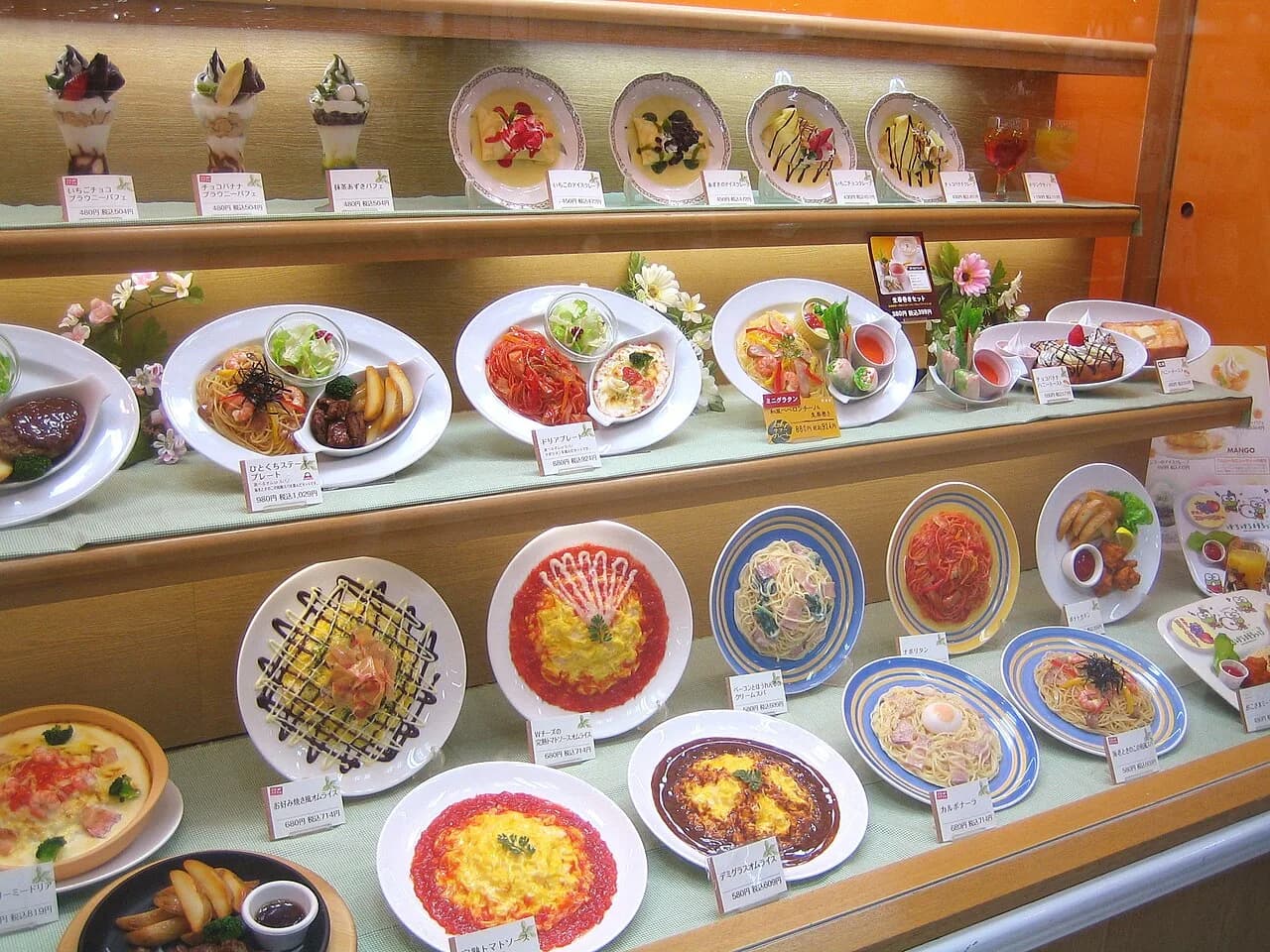
A cheap, vegetarian-focused food plan still fits around a full day of sightseeing. Pair your meals with a walk through Gujo Hachiman's main attractions so the eating logistics don't dictate the whole itinerary. A workable pattern is a self-catered or convenience-store breakfast, a midday bakery stop, and an evening meal chosen from the budget tiers above. Travelers curious about the town's wider food culture can browse the town's food sample displays for context on what everyone else is eating. If your group includes travelers building a fuller food-and-drink itinerary, Gujo Hachiman's sake and water guide covers a side of town this article doesn't. Building the itinerary this way keeps the food plan supporting the day instead of controlling it. None of that replaces careful planning, so check the main Gujo Hachiman food guide for the full picture before you finalize a day.
How This Guide Was Verified
Food availability, access details, seasonal rules, and the time-sensitive claims in this guide were checked on August 22, 2026 against the official sources below. Independent restaurant menus, prices, opening days, and sell-outs can change, so confirm the operator's same-day notice before making a special trip.
Frequently Asked Questions
Is Gujo Hachiman realistic for a strict vegetarian on a budget?
Expect a workable but limited plan built mainly around self-catering and clearly labeled packaged foods rather than a wide restaurant list. Check current shelf prices and confirm any sit-down option's ingredients before ordering, since dashi appears in many local dishes by default.
How do I handle dashi and bonito-based broths as a vegetarian?
Ask directly whether a broth or simmered dish uses dashi, since bonito flakes and fish stock are the default base in much of the town's cooking. Miso soup, pickles, and some vegetable dishes can carry the same stock, so check condiments too. Treat a vegetarian label on a menu as a starting point, not a guarantee.
Is a day trip enough time to eat well on a budget here?
A day trip works fine for convenience-store and bakery meals but leaves little room to track down a confirmed vegetarian sit-down option. An overnight stay gives more flexibility to check hours and ask about ingredients without rushing.
Is self-catering or a convenience store a realistic vegetarian fallback?
Yes. Self-catering gives you the most control over ingredients, while clearly labeled packaged foods provide a faster fallback. Check current shelf prices and read every ingredient label; onigiri, dressings, and side dishes may contain fish-based stock or flakes.
How does this guide work for a mixed-diet travel group?
Split the day rather than force one diet on the whole group. Meat-and-fish-eating companions can follow the keichan chicken guide for their meals. They can also check the ayu sweetfish guide for a second local option. Vegetarian travelers stick to the budget tiers in this guide instead. Regroup for sightseeing using the attractions guide so the diet split doesn't affect the rest of the day.
What about festival nights, do vegetarian options change?
Festival nights bring extra food stalls, but selection and pricing shift from year to year. Verify current offerings locally rather than expecting a fixed vegetarian option. A self-catering backup or a convenience-store meal near the transport stops stays the safer fallback on those nights.
Are mountain vegetable dishes automatically vegetarian in Gujo Hachiman?
Not automatically. Some mountain vegetable and hoba-leaf preparations use a fish-based stock or include meat, so confirm the specific version before ordering. Treat the dish category as a starting point for a question, not a guarantee.
Free guide: Japan's Hidden Gems
12 under-the-radar places beyond Tokyo & Kyoto — with the best season to visit each and a local tip you won't find in the guidebooks.
You might also like


Continue reading
More guides you'll find useful