Gujo Hachiman Sake Tasting
Plan a Gujo Hachiman sake tasting: which local breweries to visit, how the town's water shapes the sake, and what to confirm before you go.
On this page
Last updated August 2026, a Gujo Hachiman sake tasting means visiting two family-run breweries rather than booking one ticketed experience. Hirano Jozo makes Bojoh and Nunoya Harashuzojo makes Genbun, and both draw on the same spring water that shapes the town's canals. This guide covers what each brewery offers, how to pair sake with local soba and ayu, and what to confirm before you go.
Quick Answer: What Gujo Hachiman Sake Tasting Actually Offers
Gujo Hachiman sake tasting centers on two independent breweries, not a single bookable tour. Hirano Jozo produces Bojoh and Nunoya Harashuzojo produces Genbun. Both breweries sit along the road that follows the Nagaragawa River. Both ask visitors to arrange a visit in advance rather than accepting walk-ins. A soba restaurant called Niwaka pours all 4 of Harashuzojo's sakes alongside its noodles. That makes it the simplest way to taste local sake without touring a brewery. For broader context on the region's fermented foods, see the Gujo Hachiman food guide.
Why Gujo Hachiman's Water Shapes Its Sake
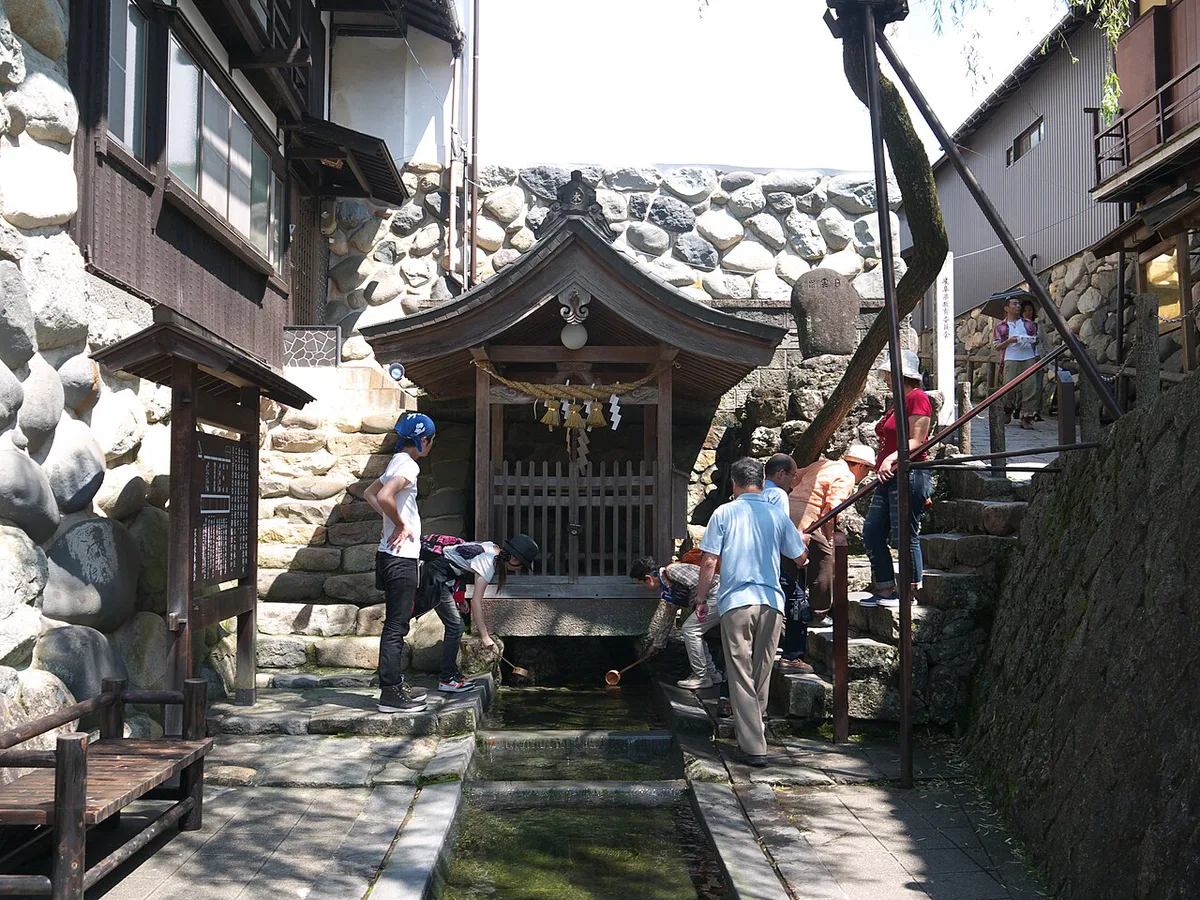
Sake brewing depends on water quality more than any other ingredient. Hirano Jozo draws its brewing and washing water from a local source known as Kokindenjunosato. That follows an old brewing saying: good sake starts with good water. Nunoya Harashuzojo also relies on Gujo's water, both for fermenting Genbun and for the soba served next door at Niwaka. That same water table feeds the springs and canals covered in the Gujo Hachiman attractions guide. A sake stop and a water-sights walk fit naturally into one day.
The Local Breweries, Compared: Hirano Jozo and Nunoya Harashuzojo
Hirano Jozo, led by chief brewer Yoshihiro Hioki, aims for a dry, light style. Nunoya Harashuzojo, run by twelfth-generation head Motofumi Hara, has brewed since 1740. Its identity is built on flower-yeast fermentation rather than the standard brewing method. The table below compares what each brewery is known for and how to plan around it. Nunoya Harashuzojo's current tourism listing gives direct-sales hours of 9:00-17:00, with Sundays, holidays, and irregular dates closed; tour and tasting details still require advance confirmation. Niwaka is useful for trying Harashuzojo sake with soba without arranging a brewery visit.
Though Nunoya has brewed since 1740 using flower-yeast fermentation while Hirano Jozo favors dry refinement, both produce sake equally suited to the area's grilled ayu and keichan chicken.
| Brewery | Signature sake | What makes it distinctive | Reservation approach |
|---|---|---|---|
| Hirano Jozo | Bojoh | Dry, light style; Junmai-ginjo uses a 55% rice-polishing ratio and pairs with grilled ayu; Dai-ginjo is the priciest bottling with a clean, fruity profile | Tours by reservation; an annual open-brewery event pours a limited Fudo-sake |
| Nunoya Harashuzojo | Genbun | Established 1740; flower-yeast brewing (cherry blossom, chrysanthemum, and about 30 other strains) with local Akitakomachi rice shaved 50-70% | Visits by advance reservation only |
Planning Your Visit: Reservations, Timing, and What to Confirm First
Both breweries ask visitors to arrange tours in advance rather than assuming a walk-in tour. Nunoya Harashuzojo publishes direct-sales hours of 9:00-17:00, with Sundays, holidays, and irregular dates closed, but tour times, tasting availability, and any fee still need direct confirmation. Confirm the current process with Hirano Jozo, Nunoya Harashuzojo, or the Gujo Hachiman tourism association. Driving directions given by locals are relative rather than turn-by-turn. Hirano Jozo sits north off the road that follows the Nagaragawa River. Harashuzojo is about 25 minutes further along the same route from Niwaka. Build in extra time to confirm the route on the day, since neither address substitutes for a precise map pin. Hirano Jozo also holds a once-a-year open-brewery event. Visitors can taste new-season sake there, plus a limited bottling called Fudo-sake brewed with water from a local shrine. No fixed date is published, so check current status before planning a trip around it.
Pairing Gujo Hachiman Sake With Local Food
Niwaka, a soba restaurant near Harashuzojo, is the simplest way to taste local sake without touring a brewery. It is run by Hogen Hara, whose brother Motofumi Hara heads Harashuzojo next door. Niwaka crushes local buckwheat with stone mills and uses water piped in from the brewery. It pours all 4 of Harashuzojo's sakes alongside the noodles. The house recommendation is soba in cold broth with spicy grated radish. Hirano Jozo's Junmai-ginjo, made with a 55% rice-polishing ratio, is the classic match for grilled ayu. See the grilled ayu guide for where to order it around town. Dai-ginjo, the brewery's most refined bottling, pairs better with sashimi than with grilled dishes. Sake sits in the same fermentation lineage as Gujo's miso and soy sauce, covered in the local miso and mountain food guide. Grilled keichan chicken is another common match for the dry, food-forward style both breweries favor. Check the keichan chicken guide for restaurant picks. Travelers who don't drink can still get the food-and-water story through Niwaka's soba and the alcohol-free stops in the Gujo Hachiman food sampling guide.
Costs and What to Budget For
Neither Hirano Jozo nor Nunoya Harashuzojo publishes a tasting fee, tour price, or bottle price list. Budget flexibly rather than expecting one set ticket cost. Ordering sake by the glass at Niwaka alongside a soba lunch is the most reliable low-cost option. That keeps the stop closer in price to a restaurant meal than to a formal paid brewery tour. Bottles of Bojoh or Genbun bought at the breweries or from shops in town cost more than a single glass. Confirm current bottle pricing on site, since none is published online. If you plan to carry bottles home, pack them in checked luggage wrapped in clothing rather than a carry-on. Glass bottles and liquids over standard carry-on limits aren't permitted in cabin bags. Travelers building a wider food budget for the trip can cross-check overall costs in the Gujo Hachiman budget food guide.
Getting There and Around Gujo Hachiman
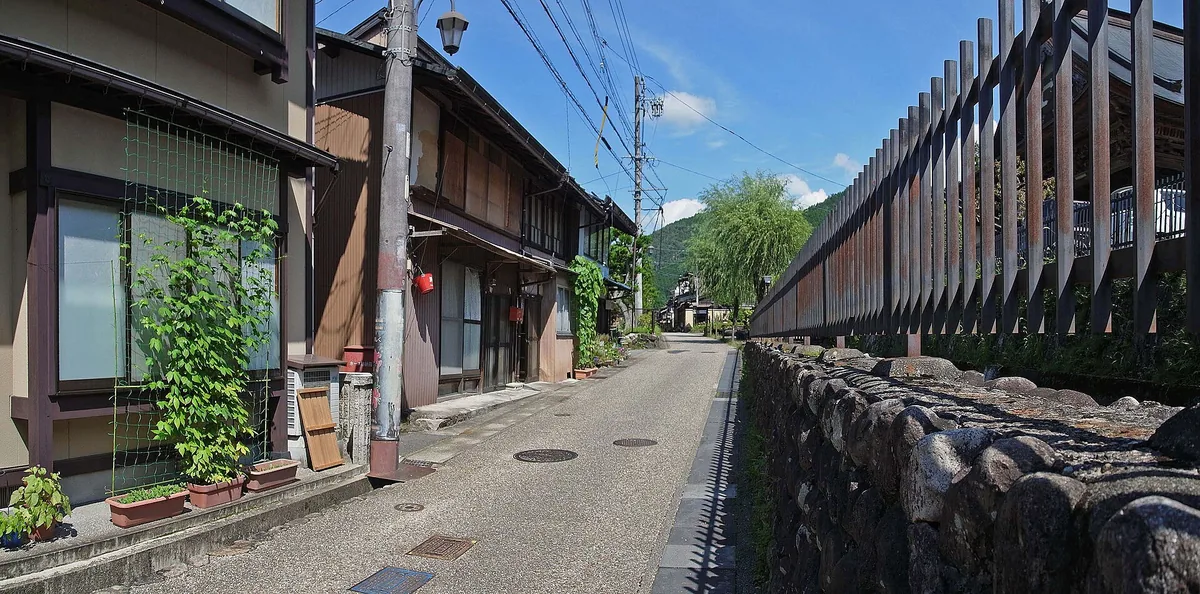
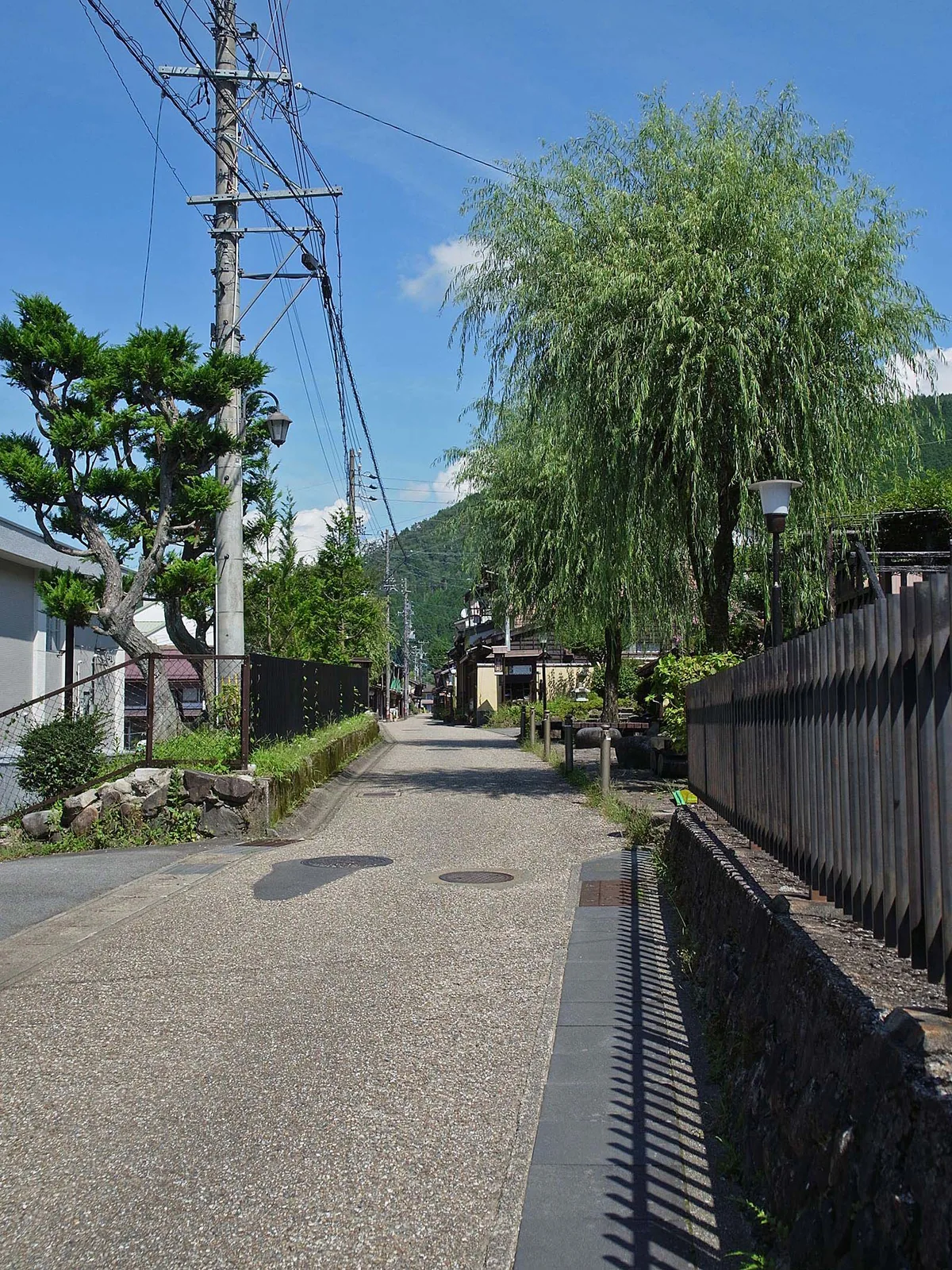
Both breweries and Niwaka sit along the road that follows the Nagaragawa River, outside the walkable historic core. Locals describe the route as a series of turns rather than fixed addresses. A car and a live map are more reliable than memorized directions. No public transit schedule for reaching either brewery is published in available sources. Confirm current bus or taxi options with the Gujo Hachiman tourism association before relying on them. Pair the drive with the historic town center on the same day, since the two areas sit close enough to combine into one outing.
Since brewery visits demand advance reservations and car travel outside the walkable town center, Niwaka offers all 4 of Harashuzojo's sakes as part of an ordinary meal, requiring neither a reservation nor special planning.
Mistakes to Avoid
A few planning mistakes come up often for this trip.
- Expecting walk-in tastings: both Hirano Jozo and Nunoya Harashuzojo require advance reservations.
- Confusing these breweries with the separate, bookable sake tour based in Ogaki, a different town.
- Trusting relative driving directions alone instead of confirming the route with a live map.
- Assuming that direct-sales hours guarantee a tour or tasting; Nunoya Harashuzojo lists 9:00-17:00 for sales, but visits still require advance confirmation.
- Skipping Niwaka entirely: it pours Harashuzojo sake alongside soba without requiring a brewery tour.
Not to Confuse With: Ogaki's Sake and Water Tour
Searches for sake tasting in this part of Gifu sometimes surface a different experience based in Ogaki, a separate town. That is not the historic center covered in this guide. The Ogaki product pairs mizu-manju making and masu-box crafting with a brewery tour and tasting, sold as one 6-hour itinerary starting at JR Ogaki Station. As of the published schedule, it runs April 1 through October 31, 2026, on Monday, Wednesday, Thursday, and Friday. Groups run 2 to 8 people, and the sake-tasting option is restricted to guests 20 and older. None of those dates, hours, or age rules apply to visiting Hirano Jozo or Nunoya Harashuzojo directly in Gujo Hachiman.
How This Guide Was Verified
Food availability, access details, seasonal rules, and the time-sensitive claims in this guide were checked on August 22, 2026 against the official sources below. Independent restaurant menus, prices, opening days, and sell-outs can change, so confirm the operator's same-day notice before making a special trip.
Frequently Asked Questions
Which sake breweries can you visit in Gujo Hachiman?
Two independent breweries operate in Gujo Hachiman. Hirano Jozo makes Bojoh, and Nunoya Harashuzojo makes Genbun. Both sit along the road that follows the Nagaragawa River, and both require advance reservations.
Do Gujo Hachiman's sake breweries require reservations?
Arrange brewery visits in advance. Nunoya Harashuzojo lists direct-sales hours of 9:00-17:00, with Sundays, holidays, and irregular dates closed, but those shop hours do not guarantee a tour or tasting. Confirm visit details with the brewery or tourism association.
How does Gujo Hachiman's water affect its sake?
Hirano Jozo brews and washes with water from a local source called Kokindenjunosato. Nunoya Harashuzojo also draws on Gujo's water for both its sake and the soba served at Niwaka next door.
What food pairs well with Gujo Hachiman sake?
Hirano Jozo's Junmai-ginjo is a natural match for grilled ayu, a local sweetfish. At Niwaka, Harashuzojo sake is served with soba, including soba in cold broth with spicy grated radish. Grilled keichan chicken is another common pairing with a dry local sake.
Is Gujo Hachiman sake tasting the same as the Ogaki sake tour?
No, they are different experiences in different towns. The Ogaki product is a bookable 6-hour itinerary combining mizu-manju making, masu making, and a brewery tour, restricted to guests 20 and older for the tasting option. Visiting Hirano Jozo or Nunoya Harashuzojo in Gujo Hachiman is a separate, self-arranged stop with its own reservation process.
How much time should you plan for a Gujo Hachiman sake tasting stop?
Plan at least half a day if you want a brewery reservation plus lunch at Niwaka, since the breweries sit outside the walkable town center. A quicker option is ordering sake by the glass at Niwaka alongside soba, which fits into one lunch stop.
Free guide: Japan's Hidden Gems
12 under-the-radar places beyond Tokyo & Kyoto — with the best season to visit each and a local tip you won't find in the guidebooks.
You might also like


Continue reading
More guides you'll find useful