Gujo Miso and Mountain Cuisine
What makes Gujo miso and mountain cuisine distinct, the snow-season brewing tradition behind it, and where in Gujo Hachiman to taste and buy both.
On this page
Last updated August 2026, this guide breaks down what sets Gujo miso and mountain cuisine apart from other Japanese regional food traditions. Gujo miso is a home-brewed soybean-and-barley paste with a rougher grain texture than red or white miso, shaped by generations of snow-season household brewing in Gujo Hachiman. This guide covers where to taste and buy it across Hachiman, Shirotori, and Yamato, plus how it connects to Kei-chan and tamari soy sauce.
What Makes Gujo Miso Different
Gujo miso is a home-brewed style built from soybeans and barley, not a factory product classified as red or white miso. Fermenting the mix as koji gives it a rougher grain texture and a plain, forceful flavor that local producers describe as distinct from both classic styles. Shigeki Wakimoto, CEO of the Shirotori brewery Marusho Jozojo, has described the combination as giving Gujo miso more depth. He says the aroma is fuller than a single-grain miso typically produces. It shows up daily across Gujo Hachiman's kitchens, from miso soup to fried dishes to Kei-chan, the region's stir-fried chicken. This page focuses specifically on miso, tamari, and the wider mountain-cuisine dishes built around them, rather than repeating the full food overview covered elsewhere in the cluster. For the fuller picture of the town's food scene, start with the Gujo Hachiman food guide before diving into miso specifics here.
The Tradition Behind It: Snow, Season, and Household Brewing
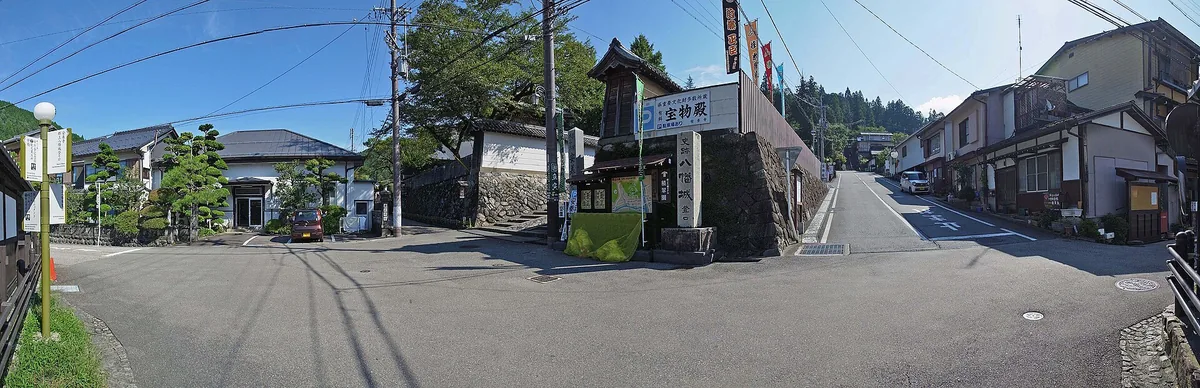
Gujo Hachiman sits in a heavy-snowfall part of Gifu Prefecture, and that snow shaped how households made miso for generations. Brewing happened in the coldest months, when fewer airborne germs could contaminate the batch. Neighbors pooled soybeans and barley and took turns brewing together overnight, turning a solitary kitchen task into a shared seasonal event. Each batch then matured for about a year, so households ate the previous year's miso while the new batch fermented in the background. That overlap meant the miso pot never really emptied. It's the detail that separates Gujo's tradition from most home-brewing stories elsewhere in Japan.
Tamari Soy Sauce and the Gujo Fermentation Family
Tamari soy sauce comes from the same fermentation family as Gujo miso, made through a related process using soybeans and koji. When it dissolves into a batch of miso, the result lands somewhere between a soy sauce and a miso paste. The edge is rounder and softer than either ingredient on its own. Local cooks treat tamari less as a separate condiment and more as a companion product to miso. Shops that sell one typically sell the other, which matters when planning where to stop and taste both. Tasting the two side by side at a shop that sells both is a direct way to notice how closely related they are.
Where to Taste Gujo Miso and Mountain Cuisine
Miso soup and fried dishes carry Gujo's miso into daily meals. Kei-chan is the dish most visitors associate with it: chicken stir-fried in a miso-based sauce that softens the flavor's edge. For the full history and where to order it, see the dedicated Kei-chan chicken guide. Ayu, the river sweetfish grilled whole over open flame, is a separate mountain-cuisine specialty rather than a miso dish. It has its own sweetfish guide worth reading alongside this one. Restaurants and izakaya around Hachiman's old town often include Kei-chan and miso-based dishes on standard menus, though it's worth checking current offerings when you visit. Travelers who want a broader tasting pass through several dishes at once, including miso-based ones, should check the food sampling guide for that format.
Where to Buy Gujo Miso and Soy Sauce
Four shops anchor Gujo's miso and soy sauce trade, and they aren't clustered in one place. Hachiman is the town center most travelers use as a base. Shirotori and Yamato are separate towns within Gujo City, not neighborhoods you can reach on foot from central Hachiman. Confirm transit options and travel time before building a same-day shop-hopping plan. If time is limited, Daikokuya Shoten in Hachiman is the only one of the four within the town center most visitors already walk through. That makes it the practical stop for a quick visit. Marusho Jozojo, the Shirotori brewery, has been making miso for more than 110 years since its founding in 1910, according to CEO Shigeki Wakimoto. Wakimoto credits soft water from the Nagaragawa River system for the mellow character of Gujo's miso. That's the same water system behind the town's sake production. Read the sake and water guide for that connection. Otsubo Soy Sauce, also in Shirotori, focuses on tamari and other soy sauce products rather than miso. Pair a stop there with a miso shop if you want both in one trip. None of these shops has published current hours or prices in the sources behind this guide. Confirm both directly with each shop, or through Gujo's official tourism information, before visiting.
Marusho Jozojo has brewed Gujo's distinctive soybean-and-barley miso for 110 years, maintaining the rougher grain texture and fuller aroma that distinguish it from red or white varieties.
| Shop | Product | Town within Gujo City |
|---|---|---|
| Daikokuya Shoten | Miso | Hachiman |
| Marusho Jozojo (Marusho Brewery) | Miso | Shirotori |
| Otsubo Soy Sauce | Soy sauce | Shirotori |
| Miso Brewery Hatanaka Shoten | Miso | Yamato |
Mountain Cuisine Beyond Miso: What Else Defines Gujo's Table
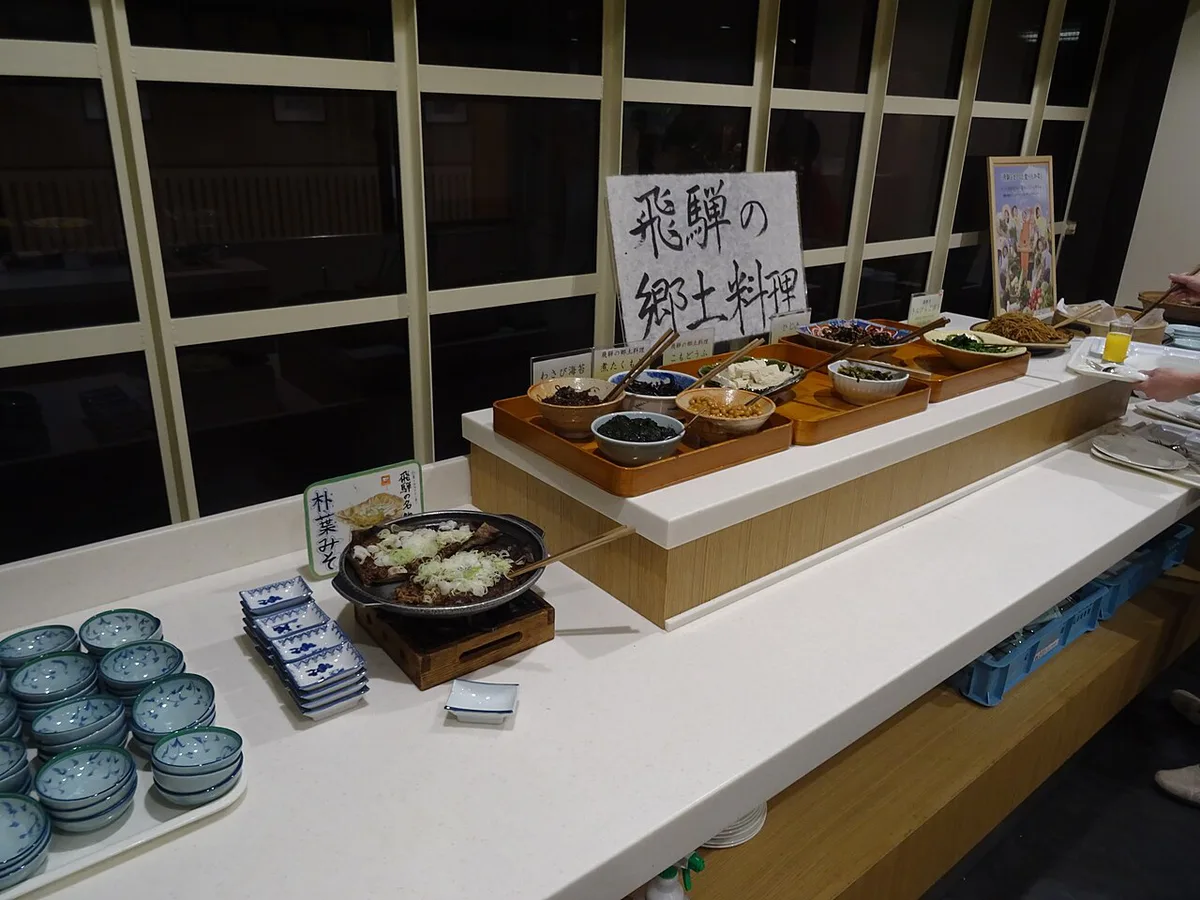
Miso is not the only fermented or foraged staple on Gujo's table. Tofu, pickled vegetables, and sansai, the wild mountain greens gathered each spring, appear on menus across town and the wider Gifu region. Hoba miso, grilled on a dried magnolia leaf, is a well-known Gifu and Hida mountain-cuisine technique. Treat it as a regional tradition rather than a Gujo-only specialty unless a specific restaurant confirms it as part of the local repertoire. What is more clearly Gujo-specific is the miso itself, the tamari that comes with it, and Kei-chan as the dish built around both. A meal built around Kei-chan, a side of pickled vegetables, and simmered sansai gives a fuller sense of Gujo's mountain-village table than miso alone. Vegetarian travelers may find Gujo's table easier to navigate than a miso-and-chicken-focused day might suggest, thanks to tofu, pickles, and sansai. The budget and vegetarian food guide covers that angle in more depth.
Planning Your Visit: Time, Cost, and Access
None of the shops covered here have published current prices or hours in the sources behind this guide. Treat any specific figure you see elsewhere as unconfirmed until you check it directly with the shop or through Gujo's official tourism information. As a general anchor, a jar of miso or a bottle of tamari soy sauce to take home costs less than a sit-down Kei-chan meal. It's a packaged grocery item, not a cooked dish, so the price gap makes sense. Since no admission fee applies to browsing these shops, the main cost decision is what you choose to buy, not whether you can visit. If choosing between a shop visit and a sit-down Kei-chan meal on a tight schedule, prioritize the meal. Packaged miso and soy sauce travel well and can be picked up on the way out of town. Shirotori and Yamato sit apart from central Hachiman, so factor in travel time between towns rather than assuming a single walkable loop. A shop stop fits better as part of a longer day around Hachiman's town center than as a standalone errand. The Gujo Hachiman attractions guide lists what else sits within reach if you want to pair the visit with sightseeing.
Mistakes to Avoid When Exploring Gujo's Miso and Mountain Cuisine
A few assumptions trip up first-time visitors chasing Gujo's food culture.
- Expecting a red or white miso flavor profile instead of Gujo's own rougher-textured soybean-and-barley style.
- Assuming Daikokuya Shoten, Marusho Jozojo, Otsubo Soy Sauce, and Hatanaka Shoten sit within walking distance of each other, when they span Hachiman, Shirotori, and Yamato.
- Skipping tamari soy sauce as an afterthought, when it comes from the same fermentation process as the miso itself.
- Buying only miso and missing tamari soy sauce, when the two are typically sold side by side at the same shops.
- Labeling hoba miso grilling as a Gujo original, when it's a broader Gifu and Hida mountain-cuisine technique.
- Showing up to a shop without confirming hours or prices first, since none are published in the sources behind this guide.
- Treating Kei-chan and ayu as generic mountain dishes instead of following their own dedicated guides for where to eat them.
How This Guide Was Verified
Food availability, access details, seasonal rules, and the time-sensitive claims in this guide were checked on August 22, 2026 against the official sources below. Independent restaurant menus, prices, opening days, and sell-outs can change, so confirm the operator's same-day notice before making a special trip.
Frequently Asked Questions
What makes Gujo miso different from red or white miso?
Gujo miso is a home-brewed soybean-and-barley paste, not a factory-classified red or white miso. Fermenting it as koji gives it a rougher grain texture and a stronger, plainer flavor than either classic style.
Where can travelers buy authentic Gujo miso and soy sauce?
Four shops sell it. Daikokuya Shoten is in Hachiman. Marusho Jozojo and Otsubo Soy Sauce are in Shirotori. Miso Brewery Hatanaka Shoten is in Yamato. Shirotori and Yamato are separate towns from central Hachiman, so confirm travel time before planning a single-day shop route.
What dishes commonly use Gujo miso?
Miso soup and fried dishes use it daily in home and restaurant kitchens. Kei-chan, the local stir-fried chicken dish, is the specific dish most visitors seek out. It has its own dedicated guide elsewhere in this cluster.
Is Gujo miso and mountain cuisine worth a dedicated stop in Gujo Hachiman?
It's worth a stop if fermented food and mountain-village history interest you, especially the snow-season communal brewing tradition behind it. Pair the stop with a walk through central Hachiman's food shops rather than treating it as a full separate itinerary.
How much time should travelers set aside for miso shops and mountain-cuisine tasting?
Sources behind this guide don't document specific visit durations, so treat timing as flexible rather than fixed. Visiting one or two shops fits comfortably alongside a broader walk around Hachiman's town center. If you're adding Shirotori or Yamato, budget extra time for travel between towns, since they aren't within walking distance of central Hachiman.
Free guide: Japan's Hidden Gems
12 under-the-radar places beyond Tokyo & Kyoto — with the best season to visit each and a local tip you won't find in the guidebooks.
You might also like


Continue reading
More guides you'll find useful