Hoba Miso and Keichan: A Guide to Hida Cuisine in Shirakawa-go
Learn what hoba miso and keichan are, their Hida cuisine origins, and where to try both in Shirakawa-go, from farmhouse breakfasts to Ogimachi restaurants.
On this page
Last updated July 2026, this guide covers hoba miso and keichan Hida cuisine in Shirakawa-go. Hoba miso is sweet miso grilled tableside on a dried magnolia leaf, while keichan is chicken stir-fried in a garlic-miso marinade over a tabletop griddle. Both dishes trace back to Hida's harsh mountain winters, and today they anchor menus from Ogimachi's farmhouse restaurants to the broader Shirakawa-go food guide.
Hoba Miso and Keichan: The Two Dishes Behind Hida Cuisine
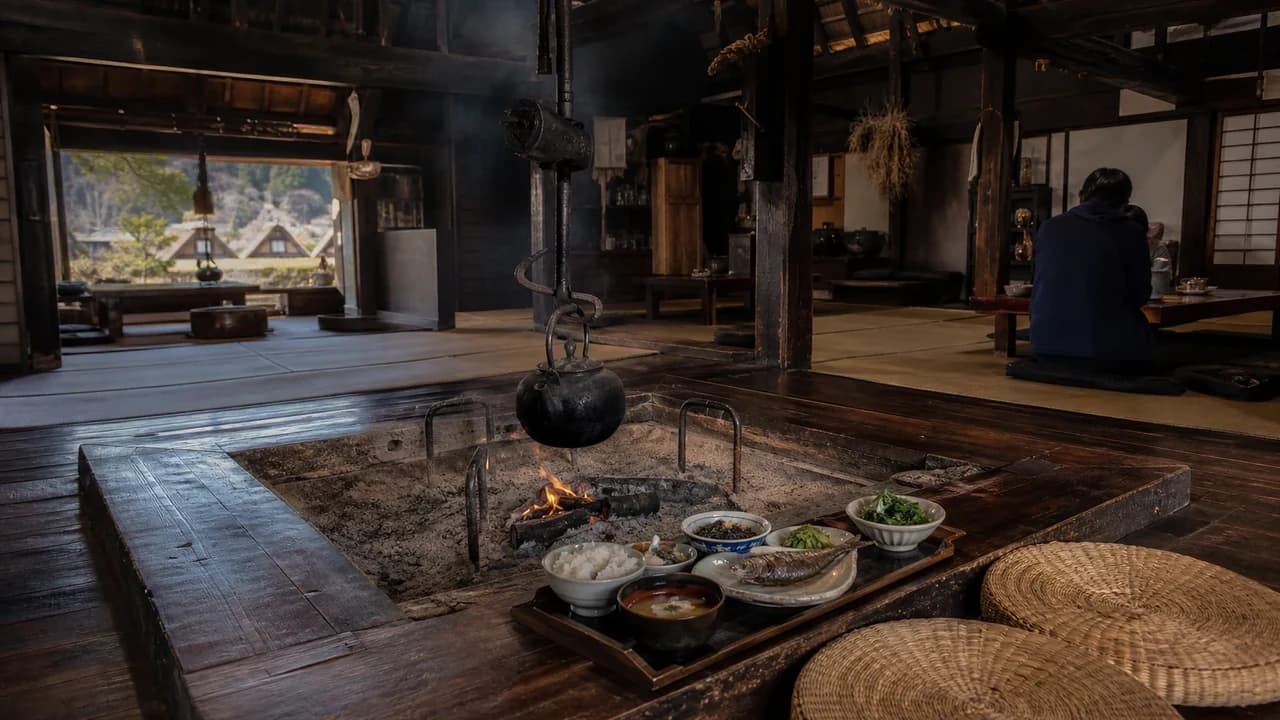
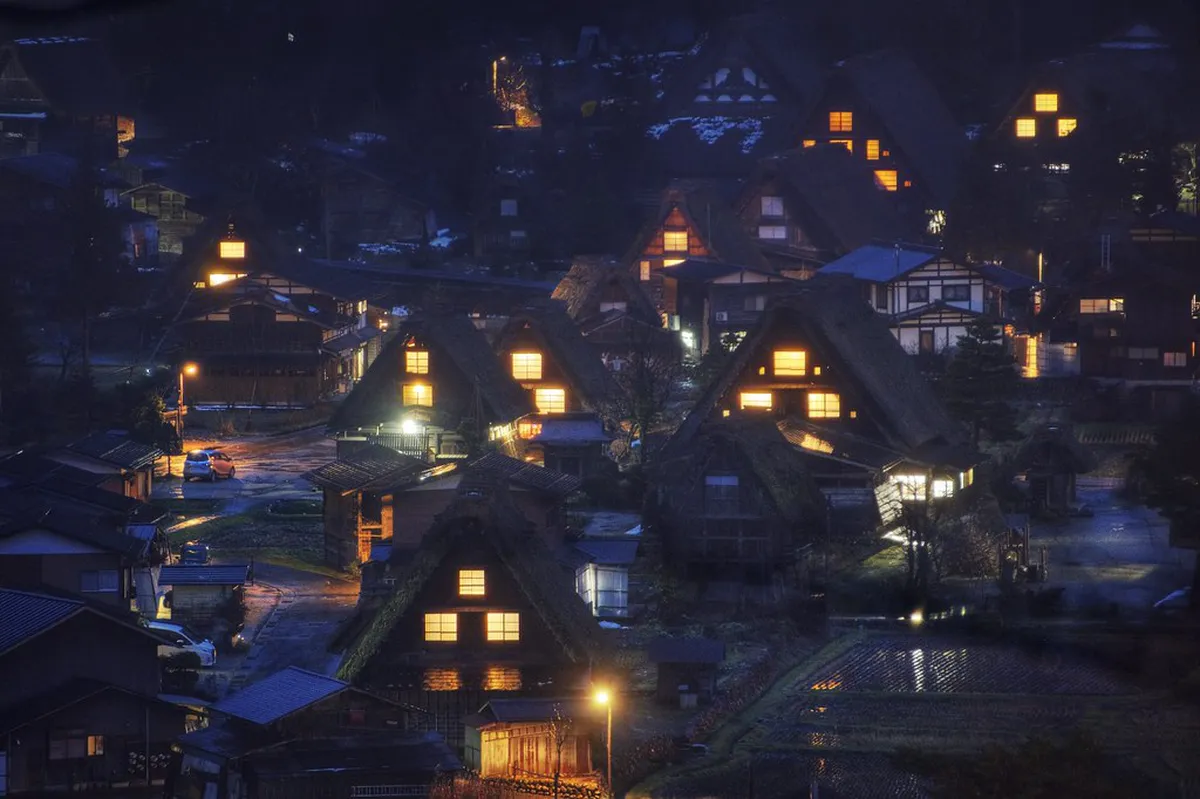
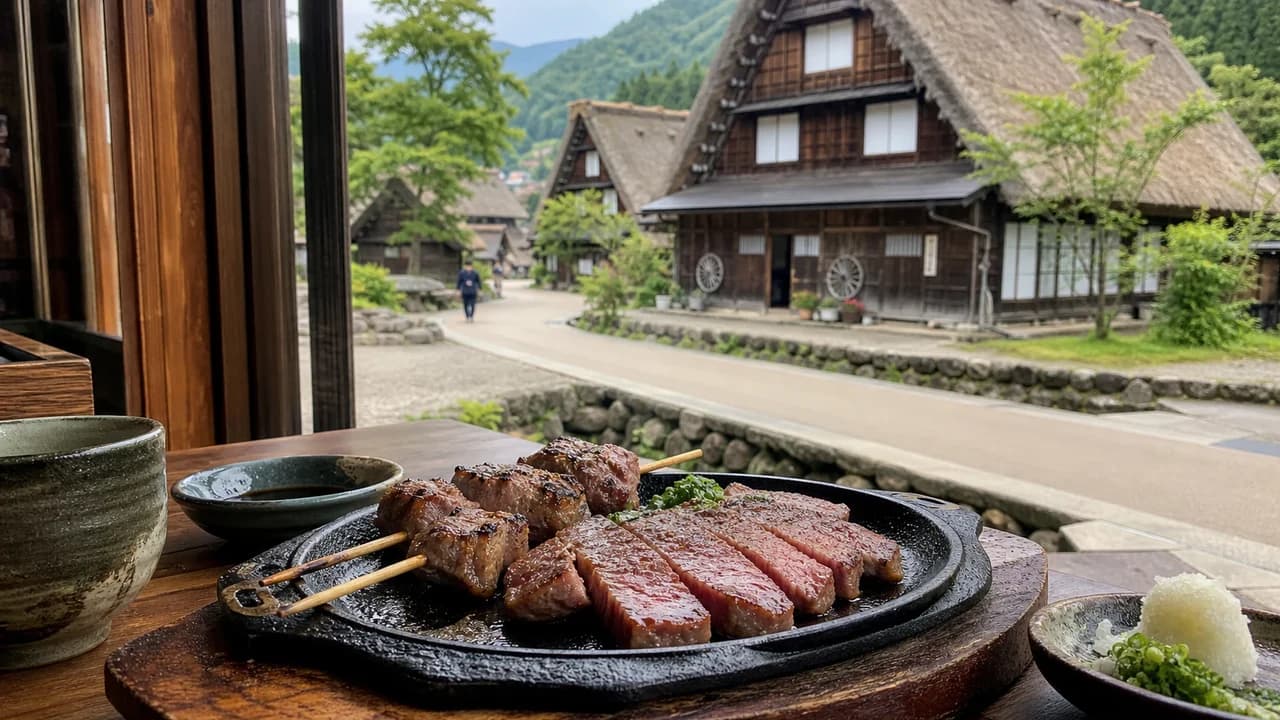
Shirakawa-go sits inside a UNESCO World Heritage village of steep, thatched-roof gassho-zukuri farmhouses, and the food served in those houses reflects centuries of mountain isolation. Hoba miso and keichan are the two dishes locals point to first when asked what Hida cuisine actually means. Sweet koji miso and the aroma of a dried magnolia leaf define hoba miso. Keichan pairs miso-marinated chicken with garlic and cabbage in a hot skillet. Both dishes show up across the region's dining scene, from farmhouse dinners to everyday restaurant menus across the village. For general trip planning beyond food, the Shirakawa-go official tourism site is a reliable primary resource.
Hoba Miso: Grilled Miso on a Magnolia Leaf
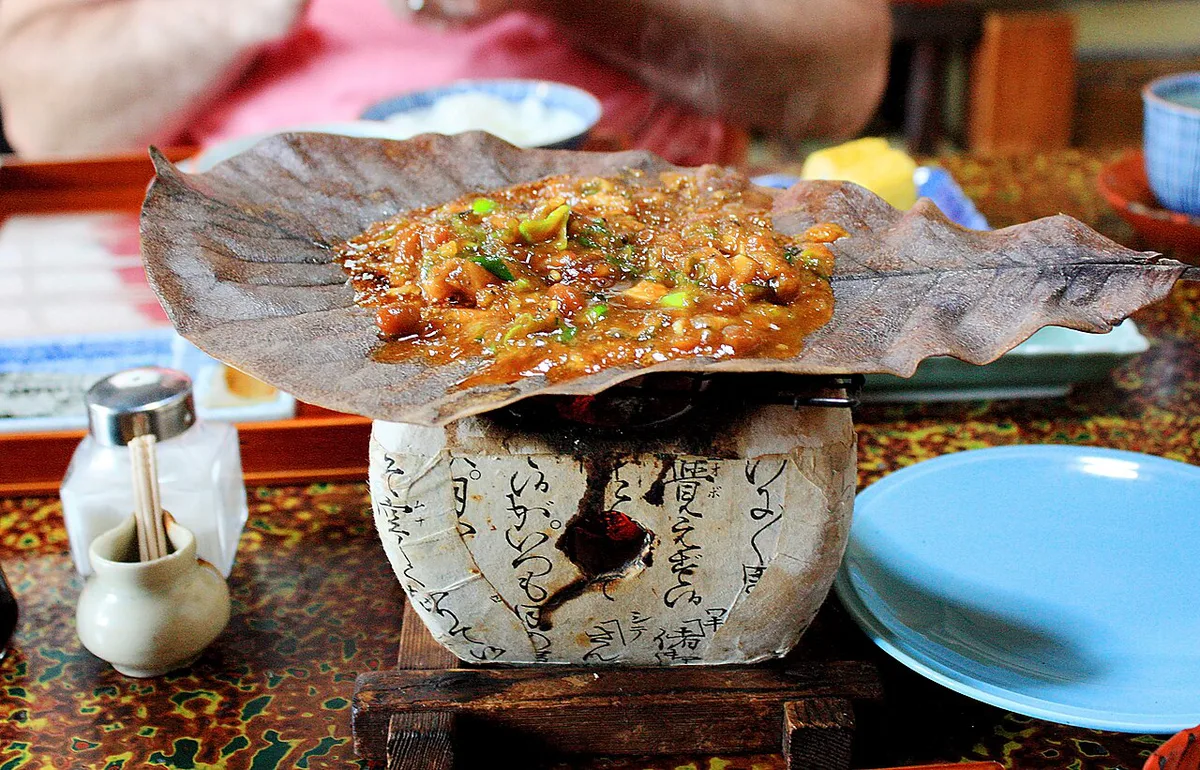
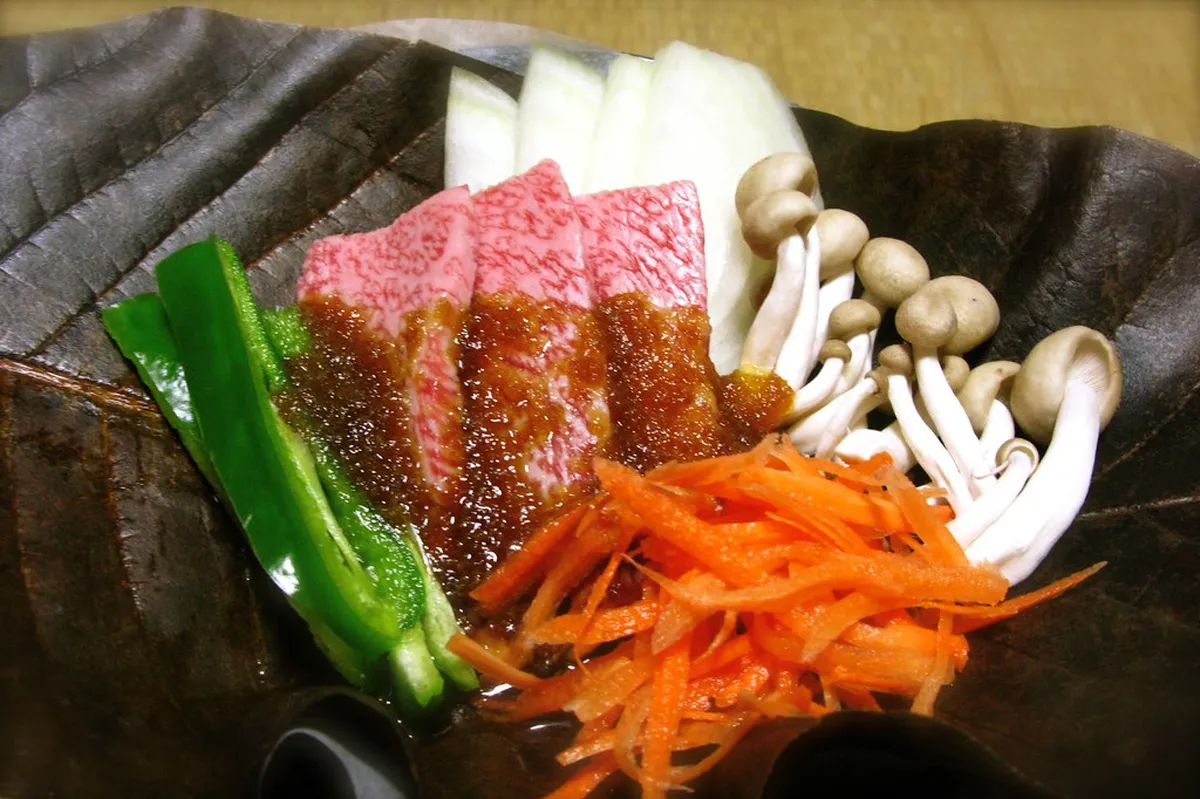
Hoba miso began as a way to stretch scarce food through Hida's mountain winters. Frozen tsukemono pickles were once thawed on a large ho, or Japanese magnolia, leaf. Cooks topped the pickles with miso and warmed the mixture over a fire. A second origin story credits somabito, the mountain woodsmen who felled and hauled timber in the Hida forests. They are said to have grilled miso on a magnolia leaf used as an improvised plate. The dried leaf still does real work today. It resists direct heat, keeps the miso from scorching on the coals, and releases its own aroma into the mixture as it warms. In fall, magnolia leaves are cured in salted water for about three days, then dried for use. That curing process is what gives the leaves their distinctive scent. Cooks soak the dried leaves in water for about 20 minutes before grilling. That step keeps the leaf from catching fire over an open flame. The base mixture is koji miso, sometimes loosened with sake, mirin, or sugar. Cooks top it with sliced scallions and shiitake mushrooms before it goes over the heat. Many Shirakawa-go and Takayama kitchens now finish the dish with Hida beef laid across the miso. That upgrade turns a rice-stretching side dish into the region's best-known pairing of beef and miso.
In early summer, the same green magnolia leaves also wrap vinegared rice for hoba-zushi. It is a separate regional specialty worth knowing about, even outside the scope of this guide.
- Koji miso base, often loosened with sake, mirin, or sugar
- Sliced scallions and shiitake mushrooms
- A dried, salt-cured magnolia (hoba) leaf as the cooking surface
- Optional Hida beef, the modern upgrade found on many menus
Keichan: Hida's Miso-Garlic Chicken Stir-Fry
Keichan is chicken stir-fried in a marinade of miso or soy sauce, garlic, and ginger, then cooked with cabbage on a hot griddle. Hida restaurants often bring the dish to the table on a tabletop grill. The sizzle and aroma become part of the meal, instead of something finished out of sight in a back kitchen. Regional style shifts across the Hida area, with Gero, Gujo, and Shirakawa-go each known for their own version. Ask your server which local style is on the menu, since seasoning ratios shift from town to town. Expect the marinade to lean more savory than sweet, a contrast to hoba miso's rounder, sweeter base. Where hoba miso often plays the role of a light side dish or a breakfast course, keichan is built to be dinner. The dish also works well shared, since a hot skillet of chicken and cabbage naturally invites a table to eat family-style rather than order individual plates. It pairs well with Shirakawa-go's doburoku sake, the cloudy, home-brewed rice sake served at several village restaurants, which cuts through the marinade's garlic and umami. Because keichan cooks quickly on a hot surface, kitchens can turn a table around faster than a full farmhouse dinner, which matters on a tight Shirakawa-go schedule.
Hoba Miso vs. Keichan: Which Should You Order
Both dishes are worth trying, but travelers with only one Hida meal on the schedule can use a few criteria to decide. Hoba miso brings a sweet-savory miso flavor with a smoky aroma from the leaf. Keichan brings a garlic-forward, umami-heavy marinade built around a full plate of food.
Hoba miso emerged as a survival food during Hida winters when temperatures dropped toward -4°F, but the dish now appears year-round on Shirakawa-go menus, extending far beyond the harsh mountain season that once made it essential for farm families.
It started as a winter dish but is now served year-round in Shirakawa-go, including outside the cold months covered in the Shirakawa-go best time to visit guide. Cost tends to track with what sits on top of the miso, or beside the chicken. A plain hoba miso set costs less than one finished with Hida beef. A keichan set generally lands closer to an everyday dinner price than a specialty beef course. Confirm current prices directly with the restaurant or your farmhouse host, since seasonal ingredients and beef markups shift pricing through the year.
| Criteria | Hoba Miso | Keichan |
|---|---|---|
| Flavor profile | Sweet-savory miso, aromatic smoke from the leaf | Garlic, ginger, and umami-forward miso or soy marinade |
| Best meal | Breakfast or a light lunch | A hearty, social dinner |
| Typical setting | Farmhouse hearth or a quick Ogimachi stop | Tabletop grill, often shared |
| Budget note | Affordable, pricier once Hida beef is added | Closer to a casual dinner than a specialty dish |
Where to Eat Hoba Miso and Keichan in Shirakawa-go
The most memorable way to eat hoba miso in Shirakawa-go is inside a working gassho-zukuri farmhouse. Guests sit near the irori sunken hearth that has heated these houses for generations. Many Shirakawa-go farmhouse stays serve hoba miso as part of the included breakfast, grilled tableside over a small shichirin clay stove. For day-trippers who are not staying overnight, several Ogimachi restaurants serve both hoba miso and keichan at lunch. That is the more practical option on a tight schedule.
Hida's best-known miso producer, Kusakabe Miso Shoyu Jozo, is based in Takayama rather than Shirakawa-go. The company has been making miso and soy sauce there since 1890, and its koji miso shows up in hoba miso across the wider Hida region. Travelers combining both towns on one trip can plan the connection through the Shirakawa-go from Takayama route guide. Look for Kusakabe's miso, or a plate of keichan, while working through the Hida beef restaurant picks in Takayama.
Timing the meal around your arrival route helps too.
| Quick Ogimachi Lunch | Farmhouse Dinner | |
|---|---|---|
| Setting | A restaurant table in the village center | Seated on tatami near the irori hearth |
| Pace | Fast, fits a day-trip schedule | Slow, part of an overnight stay |
| Typical dishes | Hoba miso teishoku, sometimes keichan | A multi-course meal built around hoba miso, often with keichan or Hida beef |
| Best for | Day-trippers with limited time | Travelers booked into a farmhouse stay |
- Arriving via the Nagoya to Shirakawa-go route: confirm current bus schedules and build in a lunch stop in Ogimachi.
- Arriving via the Tokyo to Shirakawa-go route: use the same approach and check timing before you go.
- Doing a Kanazawa day trip: pair the visit with a hoba miso or keichan lunch rather than rushing straight to the viewpoint.
How to Eat Hoba Miso: Etiquette, Timing, and Cost
At a farmhouse table or a restaurant grill, the miso starts as a thick paste spread across the leaf. Watch the edges: once the miso begins to bubble and turn a shade darker, it has caramelized enough to eat. Use chopsticks to scoop a small amount at a time, working around the leaf rather than mixing the whole portion at once. Pair each bite with steamed rice. Both hoba miso and keichan are built as okazu, dishes meant to season plain rice rather than stand alone. Ordering rice alongside either dish is not optional if you want the full effect.
Winter is why hoba miso exists in the first place. Hida winters bring temperatures that can drop toward -4°F, and the dish once carried farm families through months with almost no fresh produce. It is now served year-round in Shirakawa-go, including around the Shirakawa-go winter light-up season and well outside it.
Cost tends to track with what sits on top of the dish, whether that is Hida beef on hoba miso or extra chicken in a keichan portion. Confirm current prices directly with the restaurant or your farmhouse host, since menus and beef markups change through the year. If time only allows a quick bite between stops, several Shirakawa-go food stalls sell smaller portions that work as a snack rather than a full teishoku. The Shirakawa-go itinerary guide is useful for slotting a proper sit-down meal into a one-day visit.
Mistakes to Avoid With Hoba Miso and Keichan
A few habits separate a satisfying Hida cuisine meal from a rushed one.
Treat a Hida cuisine stop as part of the itinerary, not an afterthought squeezed between viewpoints. Build it around time at the village's other Shirakawa-go attractions, and extend the trip into the wider Japan Alps Travel Guide circuit if the schedule allows.
- Do not eat the magnolia leaf itself. It is a cooking surface and aroma source, not food.
- Avoid letting the miso burn black. Scrape it off the leaf once it caramelizes and turns a shade darker, rather than leaving it over the heat too long.
- Skip the rice and you miss the point. Both dishes are designed as okazu, meant to season a bowl of steamed rice rather than be eaten alone.
- Keichan is not a side dish. Treat it as the main event at dinner, especially in a shared, social setting.
- Confirm current opening times with the restaurant or your farmhouse host before you arrive, since not every kitchen serves both dishes at every hour.
How Keichan Changes Between Gero, Gujo, and Shirakawa-go
Keichan has no single standardized recipe. Gero and Gujo restaurants use house marinades, while Shirakawa-go kitchens often serve versions influenced by the wider Hida region.
- Miso-based marinades taste rich and mildly sweet, making them a natural match for steamed rice.
- Soy-based versions are lighter but saltier, with garlic and ginger remaining prominent.
- Some menus use firm mature chicken, while others choose softer young chicken or a mixture of cuts.
Cabbage is the usual vegetable because it softens in the rendered juices and seasoned marinade. Ask whether the kitchen cooks the dish completely or leaves the final grilling to guests. On a tabletop griddle, spread thick pieces toward the hottest center. Keep cabbage near the cooler edges until the chicken loses its pink color. Use separate utensils for raw chicken if the restaurant provides them.
Shirakawa-go visitors should treat labels such as “Gero-style” as a clue, not a fixed recipe. The marinade base and chicken cut reveal more than the town name.
Check before you go: Confirm current restaurant and shop details in the Shirakawa-go Tourist Association directory, and verify seasonal access with the Japan National Tourism Organization.
Frequently Asked Questions
What is the difference between hoba miso and keichan?
Hoba miso is sweet miso grilled tableside on a dried magnolia leaf, usually with scallions, shiitake, and sometimes Hida beef. Keichan is chicken stir-fried in a garlic-miso or soy marinade with cabbage on a hot griddle. Hoba miso works as a light side dish or breakfast course. Keichan is built as a full dinner.
Can travelers eat the magnolia leaf?
No, the dried hoba leaf is a cooking surface and aroma source, not food. It resists heat, keeps the miso from burning directly on the coals, and releases fragrance into the miso as it grills. Scoop the miso off the leaf and leave the leaf itself behind.
Where can travelers try hoba miso and keichan in Shirakawa-go?
Many gassho-zukuri farmhouse stays serve hoba miso as part of an included breakfast, grilled near the irori hearth. Day-trippers can find both dishes at several Ogimachi restaurants at lunch.
Is hoba miso only available in winter?
No. Hoba miso started as a winter survival food in the Hida region, but it is now served year-round in Shirakawa-go. Travelers visiting in spring, summer, or fall will still find it on most menus.
How much should travelers budget for a hoba miso or keichan meal?
Exact prices vary by restaurant and season, so confirm current menu prices with the restaurant or your farmhouse host directly. As a general guide, a plain hoba miso set costs less than a version topped with Hida beef. A keichan set runs closer to a casual dinner price than a specialty beef course.
Should first-time visitors order hoba miso or keichan?
If time allows only one meal, choose based on when you are eating. Hoba miso suits a farmhouse breakfast or a light Ogimachi lunch. Keichan suits a hearty, social dinner, especially paired with local doburoku sake. Travelers with more time should try both, since they represent different sides of Hida cuisine.
Free guide: Japan's Hidden Gems
12 under-the-radar places beyond Tokyo & Kyoto — with the best season to visit each and a local tip you won't find in the guidebooks.
You might also like


Continue reading
More guides you'll find useful