Riverside Dining in Gifu: Kawadoko Terraces, Ukai Boats, and Miyagawa River Restaurants (2026)
Riverside dining in Gifu means kawadoko terraces and ukai boat dinners on the Nagara River, plus Miyagawa river restaurants in Takayama, with 2026 hours and prices.
On this page
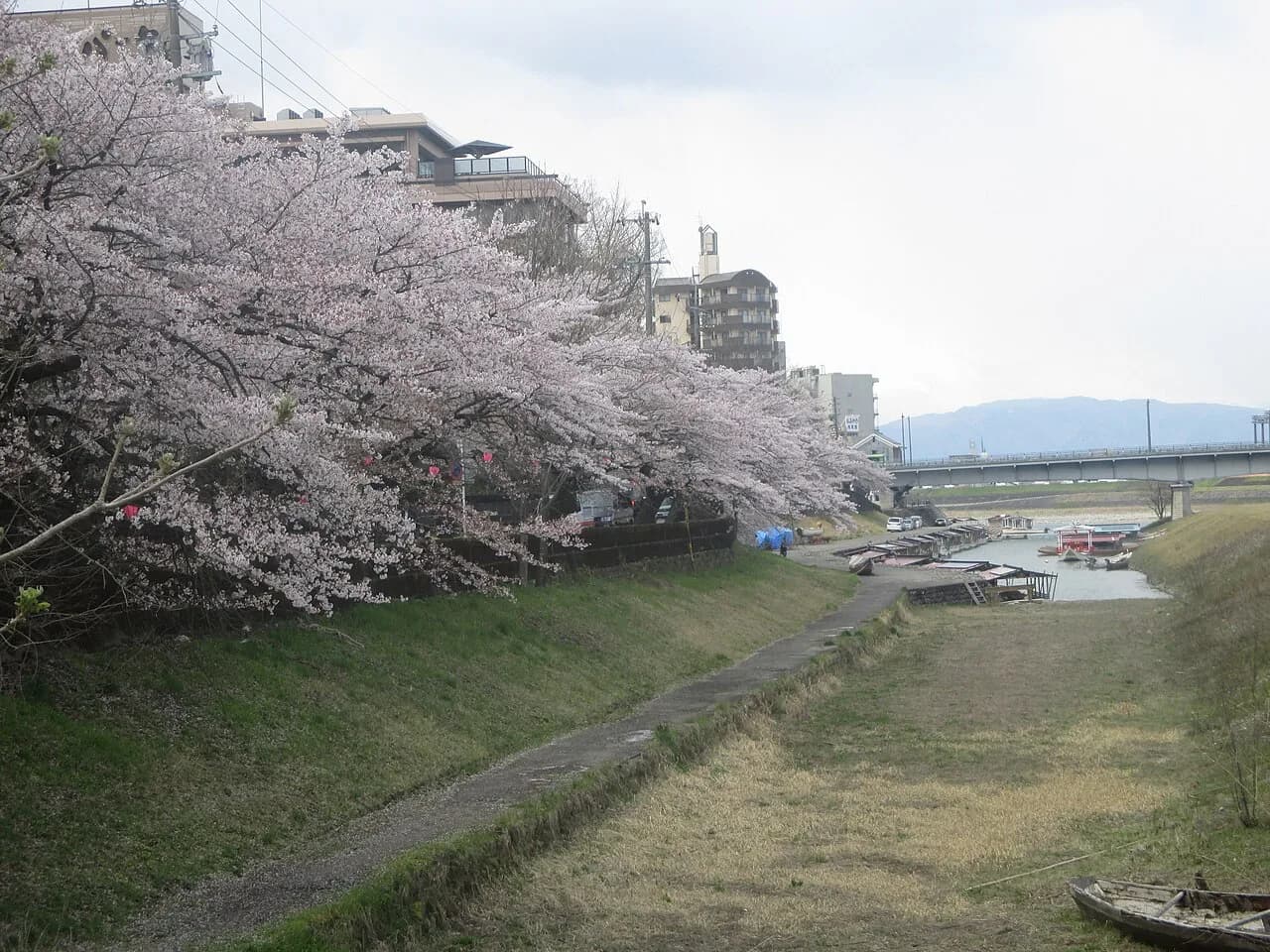
Last updated July 2026, riverside dining in Gifu splits into two separate hubs. Gifu City sets up open-air kawadoko terraces over the Nagara River, typically from mid-May through mid-October. Takayama lines the Miyagawa River with window-view restaurants near the red Nakabashi Bridge, a distinct destination from Gifu City itself.
The Riverside Dining Experience in Gifu
Kawadoko means a platform built out over the riverbank, so diners sit above moving water instead of behind a window. Gifu City's version rises along the Nagara River each summer, mostly through the Kawaramachi district near the old town. Takayama's riverside dining looks different: fixed restaurants line the Miyagawa River without a seasonal platform structure. Locals often describe the Nagara River as one of Japan's clearest, part of why the region's ayu sweetfish tastes so clean. Pick the city that matches the trip before booking a table, since the two riverside scenes don't overlap. Beyond the riverbank, the Gifu food guide covers Gifu's wider food scene. Nearby sights appear in the 9 Best Things to Do in Gifu (2026) guide. River towns worth pairing with a riverside evening appear in the Day Trips From Gifu Travel Guide guide.
Which Riverside Experience Fits Your Trip
Choosing between them depends on what matters most for the evening: atmosphere, weather certainty, or a specific dish. Matching each priority to a specific district or restaurant makes the choice easier, as shown below.
- Best for traditional culture: an ukai-bune cormorant fishing dinner on the Nagara River, timed to the May 11-October 15 season.
- Best for a river view without the boat: a kawadoko terrace table in Kawaramachi during the mid-May to mid-October season.
- Best for families or a rain backup: a fixed-seating restaurant in Takayama near Nakabashi Bridge, where the meal doesn't depend on weather or a moving boat.
- Best for a first Hida beef tasting: Wakachiya's sukiyaki set by the Miyagawa River, or Steak House Kitchen Hida for a steak-focused menu.
Gifu City: Kawadoko Terraces on the Nagara River
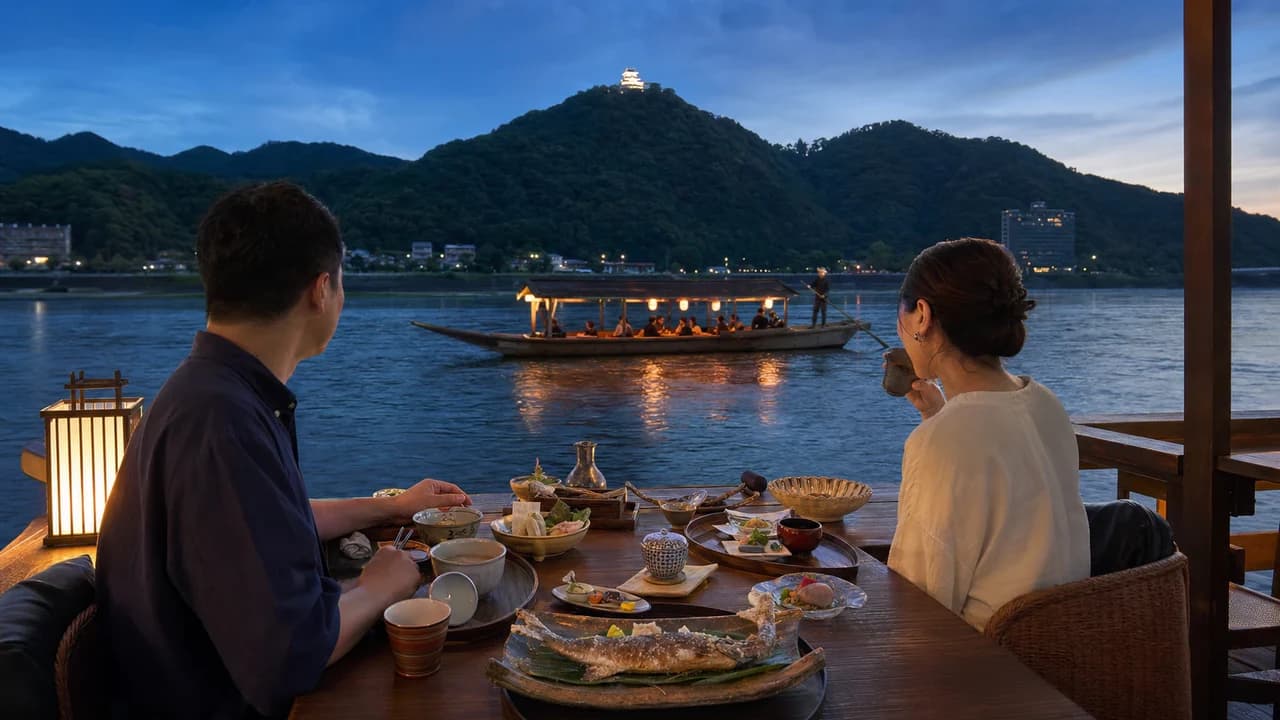
Kawaramachi's streets run down to the Nagara River, and ryokan and restaurants around Nagaragawa Onsen and Kawaramachi set up open-air kawadoko platforms each summer. Season dates generally span mid-May through mid-October, though exact opening and closing dates shift year to year, so confirm current listings before booking. Diners sit on wooden decking just above the current, often within view of Gifu Castle on Mount Kinka. Several Nagaragawa Onsen ryokan pair the terrace dinner with an overnight stay, an option worth checking if you'd rather not head back to a hotel after dark. Evening tables catch cooler river air, a welcome contrast to Gifu's humid summer heat. Specific addresses in the district appear in the Kawaramachi food guide. For the hilltop view above the river, see the Gifu Castle and Mount Kinka guide. Kawadoko season details, alongside the rest of the year, appear in the Best Time To Visit Gifu Travel Guide guide. Another Gifu City sight worth combining with a riverside evening appears in the Gifu Great Buddha Shoho-ji Travel Guide guide. Getting from Gifu Station to Kawaramachi takes longer than the short walks around Takayama Station, so confirm current bus or taxi options if arriving with limited time before a reservation.
Dining Afloat: Ukai-bune Cormorant Fishing Boats
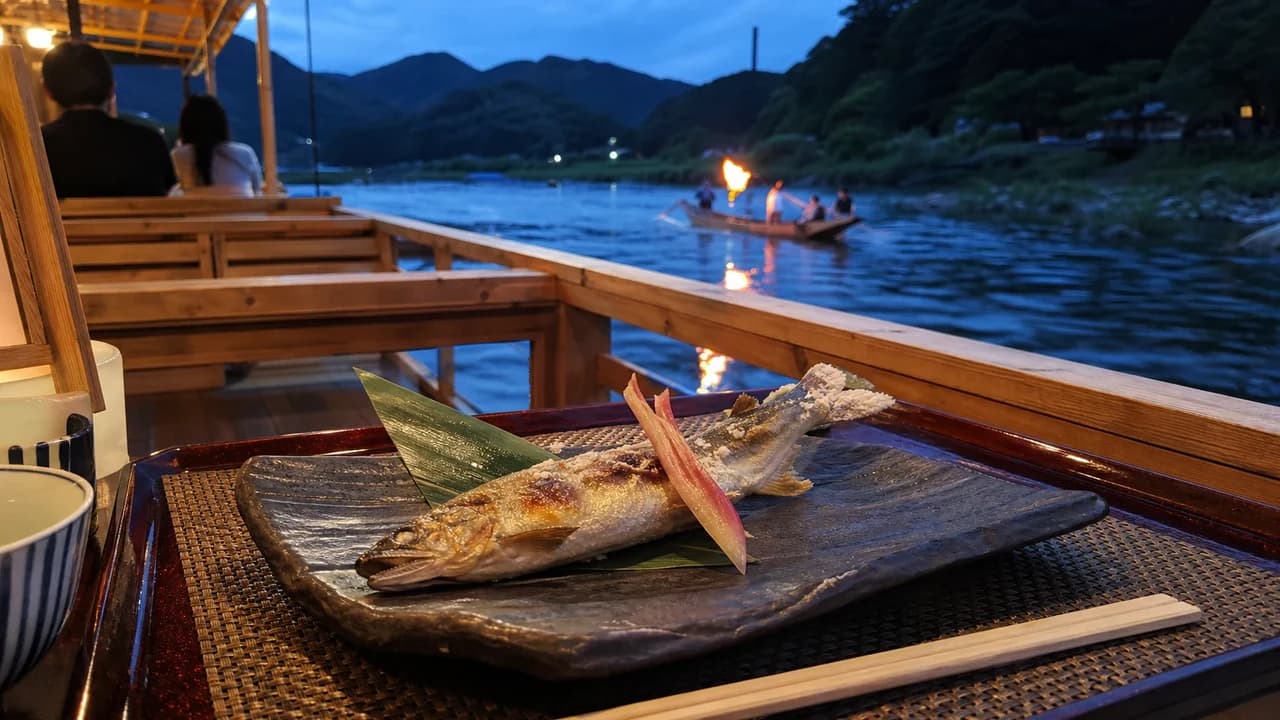
Beyond the fixed terraces, Gifu City runs dinner service aboard ukai-bune, boats that follow the cormorant fishing masters as they work the river after dark. Ukai season runs from May 11 through October 15 under current seasonal listings. A terrace meal stays stationary, letting a table linger over courses at its own pace. A boat meal moves with the fishing fleet and suits travelers who want the demonstration up close. Cormorant fishing on the Nagara carries roughly 1,300 years of history, led by trained usho masters whose skills pass down across generations. Bring a light jacket even in summer, since the river air cools quickly once the sun sets. Pairing the boat meal with a local pour from the Sake Breweries Near Gifu: Best Regions, Tours, and Tasting Tips guide rounds out the evening.
Ayu Sweetfish: the Signature Catch of the Nagara
Ayu sweetfish season runs from June through October, tied closely to the kawadoko and ukai calendars. These fish feed on river algae, which gives the meat a clean, faintly sweet flavor that locals compare to melon. Riverside kitchens usually prepare it as shioyaki: whole fish, skewered, and grilled over charcoal with salt. Order it at a Kawaramachi terrace or another Nagara riverside restaurant during the summer months for the freshest catch. JNTO's overview of Gifu's local flavours names ayu alongside Hida beef as one of the prefecture's defining dishes. Outside the June-to-October window, expect ayu on menus in preserved or dried forms rather than fresh off the grill. Off-season options, including how ayu is served outside summer, appear in the ayu sweetfish guide.
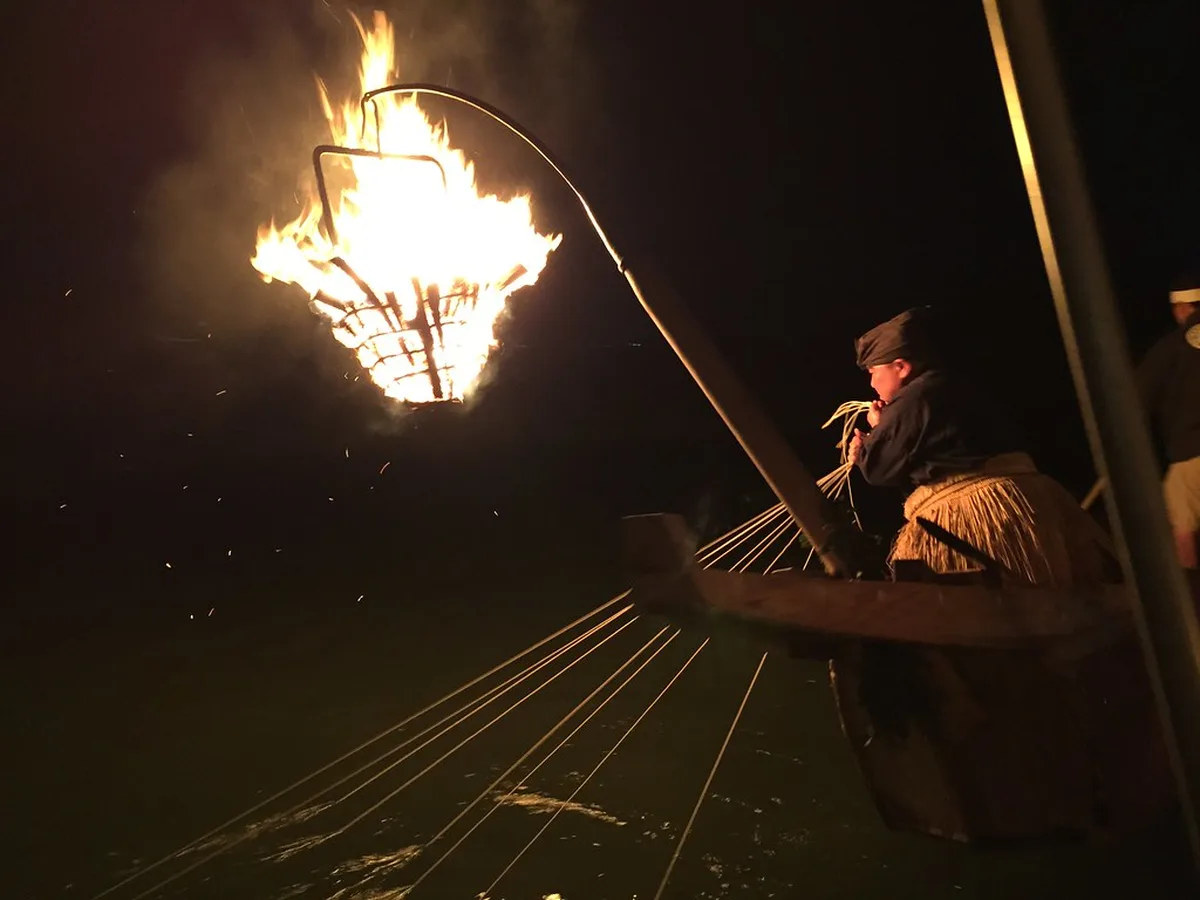
Ayu season runs June–October, but ukai-bune dinners run May 11-October 15. Visitors can experience the 1,300-year-old fishing tradition before June or after October without the freshest catch.
Takayama: Riverside Tables Along the Miyagawa
Takayama sits apart from Gifu City, and its riverside dining centers on the Miyagawa River near the red Nakabashi Bridge in the Sanmachi Suji area. Restaurants here skip the seasonal kawadoko platforms. Fixed dining rooms offer river views instead, through large windows or, at some addresses, a riverside patio. Three venues near the bridge show the range on offer. Wakachiya's building sits directly beside the river next to Nakabashi Bridge, and both it and Bocca Buona list English menus, a straightforward pick for international visitors. Aji no YOHEI sits farther out toward the interchange, so plan on driving or taking a taxi rather than walking from Takayama Station. Sanmachi Suji's preserved merchant houses sit a short walk from the same restaurants, making the riverside meal easy to pair with an afternoon walk through the old town. Confirm current hours before visiting, since last-order times run early at most of these restaurants. Ask specifically whether a table includes an open-air deck or only a window view, since not every riverside listing includes outdoor seating.
| Restaurant | Style | Price | Hours | Closed | Distance from Takayama Station |
|---|---|---|---|---|---|
| Hidagyu Sukiyaki Nakabashi Wakachiya | Hida beef sukiyaki; English menu and staff | ¥5,000 | 10:30am-7:00pm (L.O. 6:00pm) | No regular closing day | 13-minute walk, next to Nakabashi Bridge |
| Italian Cuisine Bocca Buona | Pasta and pizza; English menu | Lunch from ¥1,000; dinner from ¥2,000 | Lunch 11am-3pm (L.O. 2pm); dinner 5:30-10pm (L.O. 9pm) | Wednesdays | 15-minute walk |
| Aji no YOHEI | Teppanyaki and local Japanese cuisine; English menu and staff | ¥3,500 (lunch or dinner) | Lunch 11am-3pm (L.O. 2:30pm); dinner 5-8:30pm (L.O. 8pm) | Irregular closures | About 30 minutes by car from Takayama Interchange |
Specialty Cuisines and Where to Find Them
Hida beef anchors most riverside menus in both cities. Steak House Kitchen Hida, Honba No Aji Maruaki, and Jukusei Hidagyu Yakiniku GYU-SUKE each specialize in the marbled wagyu, prepared as steak, yakiniku, or aged (jukusei) grilled cuts. Hanelu Cafe Yanagase Store and Shiki No Gochisou Mitsuiwa serve lighter local fare for a casual stop between sightseeing. Kaki to Gibier no Omise takes a different route, focusing on persimmons and game meat, a pairing rooted in Gifu's mountain harvest traditions. Persimmons show up across the prefecture's menus in autumn, both fresh and dried into hoshigaki. Cuts and price tiers get fuller treatment in the Hida beef guide than a single riverside stop can offer.
Planning Your Riverside Meal: Timing, Reservations, and Costs
Dinner outranks lunch here if cormorant fishing is the goal. Ukai boats work the river after dark, so a daytime visit misses that part of the experience entirely. Both kawadoko terraces and ukai-bune dinners typically need advance booking, especially on summer weekends. Ask about covered seating when booking during Japan's rainy season, since some kawadoko platforms close in heavy rain. Last-order times run early across the district. Wakachiya's dinner L.O. is 6:00pm, and Bocca Buona's dinner L.O. is 9:00pm, so check each restaurant's specific cutoff instead of assuming one citywide rule. Near Takayama Station, Wakachiya is about a 13-minute walk and Bocca Buona about 15 minutes; Aji no YOHEI sits roughly 30 minutes away by car from the Takayama Interchange. Budget roughly ¥1,000 to ¥2,000 for a casual lunch, in line with Bocca Buona's published rates. Set aside ¥3,500 to ¥5,000 for a dedicated Hida beef or sukiyaki dinner, matching Aji no YOHEI and Wakachiya's listed prices. Lighter riverside cafe fare in Kawaramachi tends to undercut both of those tiers. Placing a riverside dinner alongside daytime sightseeing is easier with the Gifu itinerary guide. Neighborhoods within reach of Kawaramachi appear in the Where To Stay In Gifu Travel Guide guide. Train options for reaching the city before a dinner reservation appear in the How to Get to Gifu: 2026 Travel Guide guide. Travelers based in Nagoya can time a single visit using the Gifu Day Trip From Nagoya Travel Guide guide.
Gifu City's iconic kawadoko and ukai-bune experiences require advance reservations, especially on summer weekends, but Takayama's riverside restaurants like Wakachiya (13-minute walk) may accept walk-in diners.
Common Mistakes to Avoid
A few planning mistakes come up often with Gifu's riverside dining scene. Most are easy to avoid with basic advance planning.
- Visiting outside kawadoko season: the terraces and ukai-bune boats run roughly mid-May through mid-October, not year-round.
- Skipping insect repellent: riverside terraces sit close to the water after dark, when insects are more active.
- Assuming every riverside restaurant has outdoor seating: some listings offer only a window view rather than a deck or patio.
- Arriving after last order: several restaurants stop taking orders by 8:00pm or 9:00pm, earlier than typical dinner hours elsewhere.
- Skipping a reservation: kawadoko terraces and ukai-bune boats both fill up on summer weekends.
- Confusing the two cities: Gifu City's Nagara River kawadoko and Takayama's Miyagawa River restaurants are separate destinations, not one stop.
Getting to the Nagara and Miyagawa Riverside Districts
Gifu City’s riverside dining area is not within a convenient short walk of JR Gifu Station. Take a Gifu Bus from JR Gifu Station or Meitetsu Gifu Station toward Nagarabashi. The ride usually takes about 15 minutes, depending on traffic.
Leave at the Nagarabashi stop for Kawaramachi, the cormorant-fishing boat office, and restaurants around the Nagara River. Kawaramachi begins near the southern end of Nagara Bridge. Allow extra time to find a specific ryokan terrace before a fixed dinner departure.
Takayama’s Miyagawa dining cluster is easier to reach on foot. From Takayama Station, walk east toward the preserved Sanmachi Suji district and the red Nakabashi Bridge. The main river-view restaurants around Nakabashi are generally 12 to 15 minutes from the station.
These routes lead to different cities and rivers. Check whether a booking names Nagara River in Gifu City or Miyagawa River in Takayama before planning rail connections.
Check before you go: Use the official Visit Gifu food and drink guide for current local listings, and cross-check seasonal food traditions with the Japan National Tourism Organization.
Frequently Asked Questions
When does kawadoko season run in Gifu?
Kawadoko terraces along the Nagara River typically operate from mid-May through mid-October, though exact opening and closing dates shift each year. Confirm current dates before booking a terrace table, since the season does not run year-round. Ukai boat dinners follow a similar window, from May 11 through October 15.
What's the difference between a kawadoko terrace and an ukai-bune boat dinner?
A kawadoko terrace is a fixed platform built out over the riverbank, so the table stays still while the water moves below it. An ukai-bune dinner happens aboard a boat that follows the cormorant fishing masters, so the meal moves with the fleet after dark. Terrace seating suits a longer, unhurried meal, while a boat seat puts diners closest to the fishing demonstration itself.
Do Gifu riverside restaurants require reservations?
Most kawadoko terraces and ukai-bune dinners need advance booking, especially on summer weekends. Some Takayama restaurants near Nakabashi Bridge, including Wakachiya and Bocca Buona, list English menus, which can simplify booking for international visitors. Walk-in seating is possible at some fixed restaurants, but riverside terraces are the least likely to have same-day availability.
Is Takayama's riverside dining the same as Gifu City's kawadoko?
No. Takayama's Miyagawa River restaurants run fixed dining rooms with river views, without the seasonal kawadoko platforms that Gifu City sets up each summer. Treat the two cities as separate riverside dining trips rather than one combined stop.
What should you bring for an evening riverside meal?
Bring insect repellent, since terraces sit close to the water after dark when insects are more active. A light layer also helps, because river-adjacent seating runs cooler than an indoor dining room even in summer. Check ahead whether the table is covered, since some kawadoko platforms close entirely in rain.
How much should you budget for a riverside dinner in Gifu?
A casual lunch near the Miyagawa River, similar to Bocca Buona's published rates, runs roughly ¥1,000 to ¥2,000. A dedicated Hida beef or sukiyaki dinner, matching Aji no YOHEI and Wakachiya's listed prices, runs roughly ¥3,500 to ¥5,000. Kawadoko terrace pricing varies by restaurant, so confirm the current set menu cost when booking.
How far are the riverside restaurants from the train station?
Near Takayama Station, Wakachiya is about a 13-minute walk and Bocca Buona about 15 minutes, both toward the old town by the river. Aji no YOHEI sits farther out, roughly 30 minutes by car from the Takayama Interchange. In Gifu City, allow extra time to reach Kawaramachi from Gifu Station and confirm current bus or taxi options.
Free guide: Japan's Hidden Gems
12 under-the-radar places beyond Tokyo & Kyoto — with the best season to visit each and a local tip you won't find in the guidebooks.
You might also like


Continue reading
More guides you'll find useful