Best Time To Visit Gifu Travel Guide
Discover the best time to visit Gifu with our seasonal guide — cherry blossoms, ukai nights, autumn foliage, and practical travel tips for 2026.
On this page
The best time to visit Gifu is late April to May, when mild temperatures and lighter crowds make sightseeing genuinely easy. October to early November runs a close second, delivering vivid foliage around Gifu Castle without peak summer heat. Updated June 2026 — this guide reflects current ukai season dates, festival calendars, and seasonal closures across the prefecture.
If watching cormorant fishing on the Nagara River is your main goal, the ukai season runs from May 11 to October 15. Summer evenings at the river are electric, though midday sightseeing in Gifu's basin heat deserves a realistic plan. Late spring and early autumn are the shoulder windows most visitors find most rewarding overall.
Gifu City sits in a broad western plains basin, making its summers noticeably hotter than mountain destinations like Takayama. Understanding where in the prefecture you plan to base yourself shapes the ideal timing significantly. This guide breaks down all four seasons so you can match your travel goals to the right window.
Last updated June 2026.
Best Time to Visit Gifu: Season Comparison
Spring delivers cherry blossoms at Gifu Park and on Mount Kinka from late March through early April. Daytime temperatures reach 15–20°C / 59–68°F, making outdoor sightseeing genuinely comfortable before the peak tourist season. This window is one of the strongest shoulder opportunities for first-time visitors to the city.
Summer runs from late June through September, with temperatures regularly hitting 33–36°C / 91–97°F in the Gifu basin. Humidity climbs sharply after the tsuyu rainy season ends around mid-July, based on typical Japan Meteorological Agency climate data. Evening cormorant fishing viewings on the Nagara River remain a genuine summer highlight despite the daytime heat.
Autumn from late October through mid-November delivers the most photogenic conditions at Gifu Castle and around Gifu Park. Foliage crowds return but rarely match the intensity of the spring cherry blossom peak at city-level attractions. Accommodation prices in November rise slightly compared with midsummer, particularly at riverside ryokan properties.
Winter from December through February is Gifu City's quietest and most affordable season for accommodation and transport. Northern Gifu — especially Shirakawa-go and Takayama — sees heavy snowfall and hosts some of the prefecture's most dramatic events.
| Season | Months | Temp | Crowds | Prices | Key Events | Best for |
|---|---|---|---|---|---|---|
| Spring | Late Mar–May | 15–20°C / 59–68°F | Moderate–High | Moderate | Cherry blossoms; ukai opens May 11 | First-timers, photographers |
| Summer | Jun–Sep | 33–36°C / 91–97°F | Moderate | Low–Moderate | Ukai through Oct 15; Gujo Odori (Jul–Aug) | Ukai fans, festival lovers |
| Autumn | Oct–mid-Nov | 12–22°C / 54–72°F | Moderate–High | Moderate–High | Takayama Autumn Matsuri (Oct 9–10); foliage | Photographers, hikers |
| Winter | Dec–Feb | 2–8°C / 36–46°F | Low (city) | Low | Shirakawa-go snow illumination (Jan–Feb weekends) | Budget travelers, onsen seekers |
Spring and Summer in Gifu
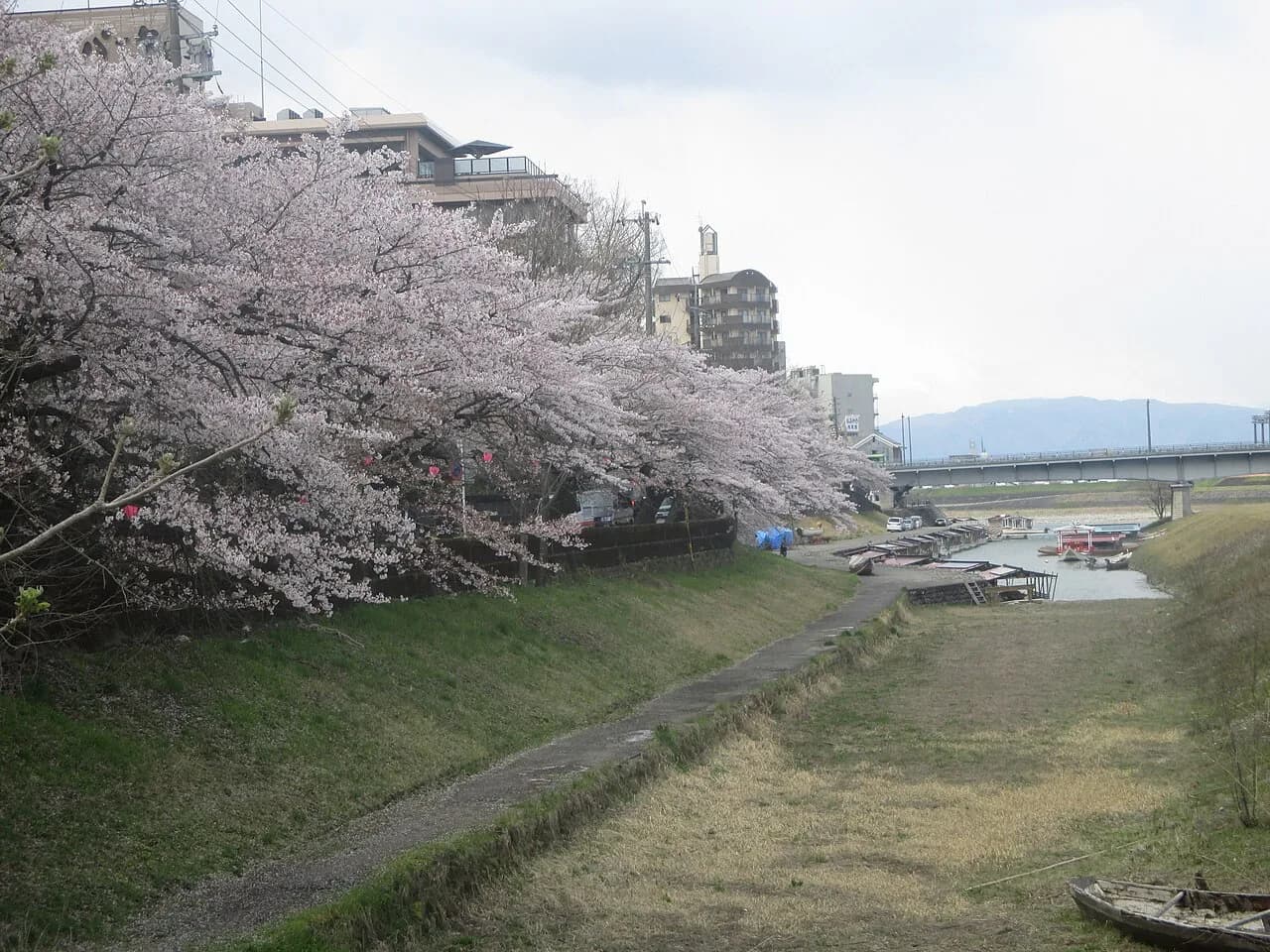
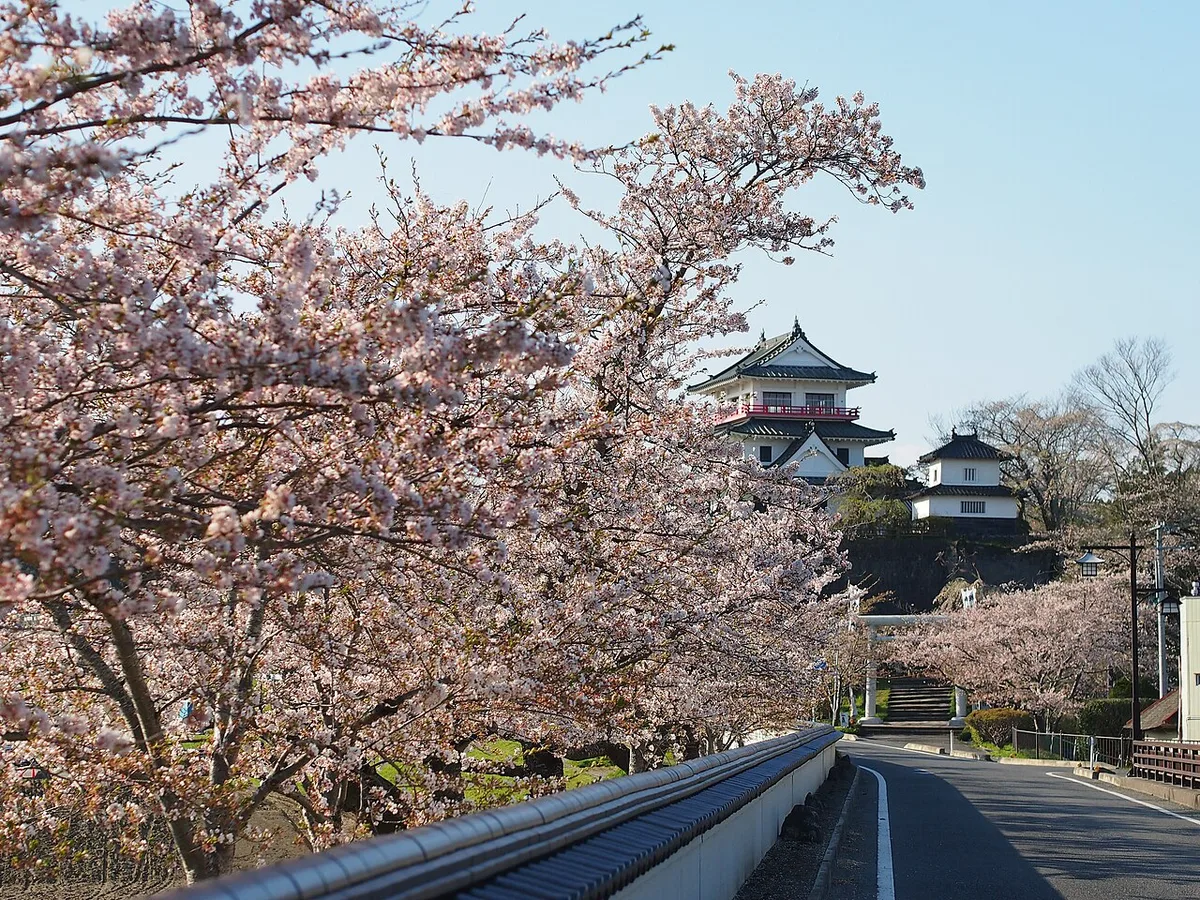
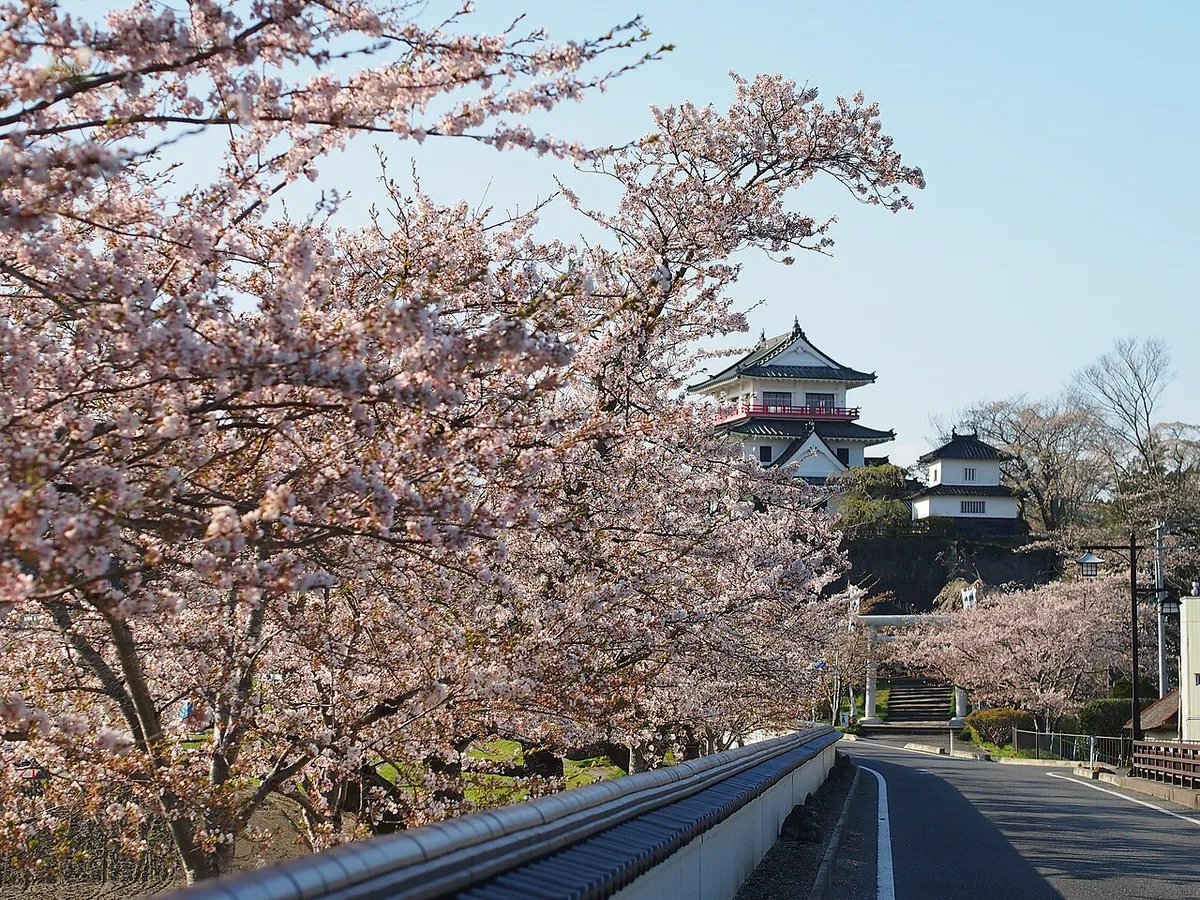
Cherry blossoms at Gifu Park typically peak in late March to early April, framing the hill that leads up to Gifu Castle. The Mount Kinka ropeway runs daily during peak bloom, making the castle easily accessible for all fitness levels. Weekend crowds can be significant, so a midweek visit keeps queues short and the experience more relaxed.
Late April and May offer a genuine sweet spot once blossoms have faded and summer heat has not yet arrived. Temperatures settle around 18–24°C / 64–75°F, ideal for walking Gifu's historic Kawaramachi old town in real comfort. Accommodation rates are more moderate than during peak blossom weeks, and most attractions are fully open.
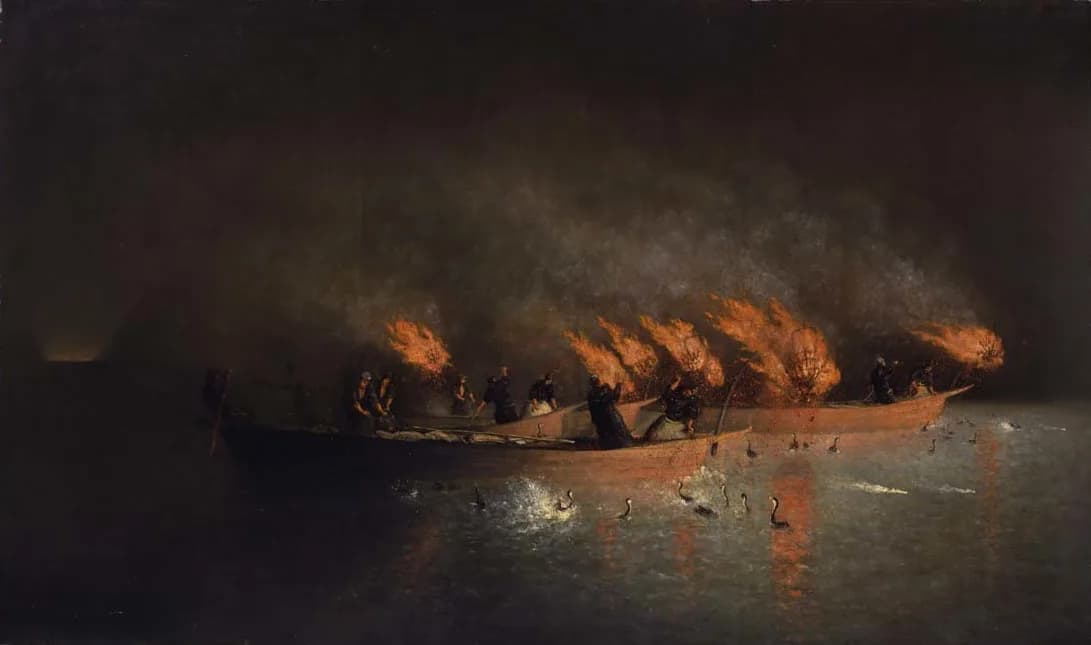
The Nagara River ukai season opens on May 11, adding a dramatic evening spectacle to late spring visits. Watching the torch-lit boats and diving cormorants after dark is unlike anything else available in central Japan. Book ukai viewing boats well ahead for popular May and June dates, as they sell out quickly.
Gifu City's basin geography traps summer heat, with July and August highs regularly reaching 35°C / 95°F. Midday sightseeing on Mount Kinka becomes uncomfortable; plan castle visits for early morning or take the shaded ropeway. Evening ukai viewings on the river are a strong summer reason to visit despite the daytime temperature challenge.
Book Nagara River ukai viewing boats at least 4–6 weeks ahead for May and June dates, as evening sessions sell out quickly during peak season.
Autumn and Winter in Gifu Prefecture
October brings the first foliage colours to Gifu Park, with gold and amber tones appearing from late October onward. Mount Kinka's maple trees peak in early to mid-November, ringing Gifu Castle in vivid red and orange. The Takayama Autumn Matsuri on October 9 and 10 draws some of Japan's most enthusiastic festival crowds nearby.
In our experience, early November is the single best week for Gifu City visitors who want foliage without peak crush. Daytime temperatures hover around 12–18°C / 54–64°F, cool enough for long walks but not cold enough for heavy layers. Accommodation rates in the city climb only slightly in November compared with the busy spring blossom window.
Winter transforms northern Gifu into a dramatically different landscape, particularly around Shirakawa-go and Gero Onsen. Shirakawa-go's snow illumination events run on select January and February weekends, drawing photographers from across Japan. Gero Onsen stays open year-round and is arguably most rewarding when snow blankets the Hida River valley below.
The ukai season ends on October 15 and does not reopen until May 11 the following year. The Mount Kinka ropeway may suspend service briefly for maintenance checks in late January or early February. Some smaller restaurants and gift shops along the Nagara River waterfront reduce hours or close entirely from December through February.
When Is Gifu Cheapest to Visit?
January and February are the most affordable months for Gifu City, outside the New Year holiday rush. Hotel rates drop noticeably compared with spring and autumn peaks, and popular attractions rarely queue. Check our Gifu accommodation guide for options across all price bands during the low season.
Mid-November through early December is a secondary budget window once peak foliage has faded. Crowds thin quickly after the maple leaves drop, and the weather stays pleasant around 8–14°C / 46–57°F. Travelers who can visit between November 15 and December 10 often find both good value and comfortable conditions.
Golden Week from late April to early May and the Obon holiday in mid-August push prices up sharply. Booking ryokan near the Nagara River at least six weeks ahead is strongly recommended during those peak windows. Being flexible by even two or three days on either side of those dates can save significant accommodation costs.
Pick X If: Your Ideal Season in Gifu
Gifu rewards different visitors at different times, and no single season is universally the best choice for everyone. The decision comes down to what you want most — a specific sight, a festival, or a budget target. The traveler profiles below cover the most common timing questions readers ask when planning a central Japan trip.
Ukai and budget travel rarely align, since the fishing season runs through the warmer and moderately priced months. Prioritizing the experience you value most will narrow your ideal Gifu window quickly and clearly.
Families with children often do best in late April or early May, when heat is not yet extreme. The Mount Kinka ropeway and Gifu Park's open grounds provide easy, engaging sightseeing for all ages and fitness levels.
- Visit in late April to May if you want
- Comfortable temperatures and easing post-blossom crowds in the city.
- The opening weeks of the Nagara River ukai cormorant fishing season.
- Lower accommodation prices before the Golden Week holiday surge.
- Visit in October to early November if you want
- Vivid autumn foliage around Gifu Castle and Mount Kinka.
- Cooler walking weather ideal for long sightseeing days.
- The Takayama Autumn Matsuri and harvest-season regional festival events.
- Visit in summer (June to September) if you want
- Evening ukai viewings on the Nagara River at their peak.
- Full summer festival calendars including the Gujo Odori dance festival.
- Long daylight hours and a lively riverfront atmosphere near the castle.
- Visit in January or February if you want
- The lowest hotel rates of the year in Gifu City.
- Snow-covered Shirakawa-go and Gero Onsen at their most atmospheric.
- A quiet, uncrowded visit with minimal queues at all major attractions.
- Visit in late March to early April if you want
- Cherry blossoms at Gifu Park and on Mount Kinka.
- Vibrant festival energy before the full heat of summer arrives.
- Iconic spring photography at Gifu Castle and along the Nagara River.
What to Pack for Gifu
Packing for Gifu depends heavily on which part of the prefecture you plan to visit and the season. Gifu City's lowland basin climate differs sharply from the snowy mountain conditions around Shirakawa-go and Takayama. Getting the layers right makes a significant difference in how much you enjoy outdoor attractions.
For any season, comfortable walking shoes with grip are essential for the paths around the ropeway station. A compact rain jacket handles the prefecture's spring drizzle and the tsuyu rainy season in June.
If visiting northern Gifu in winter, layering is essential — mountain towns like Shirakawa-go can drop below -5°C / 23°F. Gifu City winters are far milder, rarely falling below 2°C / 36°F, requiring only a standard winter coat.
- Spring packing essentials for Gifu
- Light layers for 15–20°C days with cool evenings.
- A packable rain jacket for April drizzle and early showers.
- Sun protection for extended time outdoors in Gifu Park.
- Summer packing essentials for Gifu
- Lightweight breathable clothing for high heat and humidity.
- A portable fan or cooling towel for daytime sightseeing.
- A light long-sleeve layer for air-conditioned indoor spaces.
- Autumn packing essentials for Gifu
- A mid-layer fleece for cool November evenings outdoors.
- Comfortable walking shoes with grip for Mount Kinka paths.
- A compact daypack for day trips to Takayama or Shirakawa-go.
- Winter packing essentials for Gifu
- A warm insulated jacket for northern Gifu mountain areas.
- Waterproof boots if visiting Shirakawa-go in heavy snow conditions.
- Thermal base layers for sub-zero Takayama and mountain winter nights.
Seasonal Travel Support Checks
Before fixing your Gifu dates, we'd use the station-area tourist information centers as a practical safety net rather than a last-minute stop. Gifu Station and major hubs such as Takayama Station are the right places to confirm current bus notices, local maps, and discount excursion tickets before heading into mountain areas.
For spring and autumn foliage trips, check local weather the night before because Gifu City, Takayama, and Shirakawa-go can feel like separate climates on the same day. JR Tokaido Line trains from Nagoya to Gifu usually take about 20 minutes, but onward mountain routes need more buffer in winter snow or summer storm periods.
We would also download the Japan Connected-free Wi-Fi app before arrival, then keep the Japan Meteorological Agency and Gifu disaster information pages bookmarked. Those checks matter most from June to September, when heavy rain can affect riverfront plans and rural bus timing.
Frequently Asked Questions
When is the best time to visit Gifu for ukai cormorant fishing?
The Nagara River ukai season runs from May 11 to October 15 each year. Evening viewings are most atmospheric in June and July, when warm temperatures and long summer twilight make the torch-lit boats particularly dramatic. Book in advance, as popular dates during summer festivals sell out weeks ahead.
Is summer a good time to visit Gifu?
Summer is rewarding if your main goal is experiencing ukai on the Nagara River or the Gujo Odori festival in nearby Gujo-Hachiman. However, daytime temperatures regularly exceed 33°C / 91°F in Gifu's basin, making midday outdoor sightseeing uncomfortable. Plan castle visits for early morning or late afternoon to stay comfortable.
What is closed in Gifu during winter?
The Nagara River ukai season ends October 15 and does not resume until May 11 the following year. The Mount Kinka ropeway may close briefly for maintenance checks in late January or February. Some riverside restaurants and gift shops also reduce hours or close entirely between December and February.
How does Gifu's weather differ between the city and the mountains?
Gifu City is a hot lowland basin with summer highs reaching 35°C / 95°F and mild winters around 2–8°C / 36–46°F. Northern Gifu, including Takayama and Shirakawa-go, sees heavy snowfall and sub-zero winter temperatures. The gap between north and south can exceed 10°C / 18°F on the same winter day.
Is Gifu worth visiting as a day trip from Nagoya?
Gifu City sits just 20 minutes from Nagoya by JR local train, making it one of the easiest day trips in central Japan. Check our guide to getting to Gifu for current timetables and rail pass tips. A full day covers Gifu Castle, a Nagara River walk, and the Kawaramachi district comfortably.
Gifu offers a genuinely distinct experience in every season, from spring cherry blossoms to winter snowscapes in the north. For most visitors, late April to May or October to early November delivers the best all-around conditions. The Nagara River ukai season, running May 11 to October 15, remains Gifu's single most distinctive experience.
Plan your transport early and review our Gifu day trip from Nagoya guide for practical logistics and timing. Booking accommodation near the Nagara River four to six weeks ahead is wise during cherry blossom and autumn foliage peaks. With the right seasonal timing, even a single day in Gifu leaves a lasting impression.
Free guide: Japan's Hidden Gems
12 under-the-radar places beyond Tokyo & Kyoto — with the best season to visit each and a local tip you won't find in the guidebooks.
You might also like


Continue reading
More guides you'll find useful