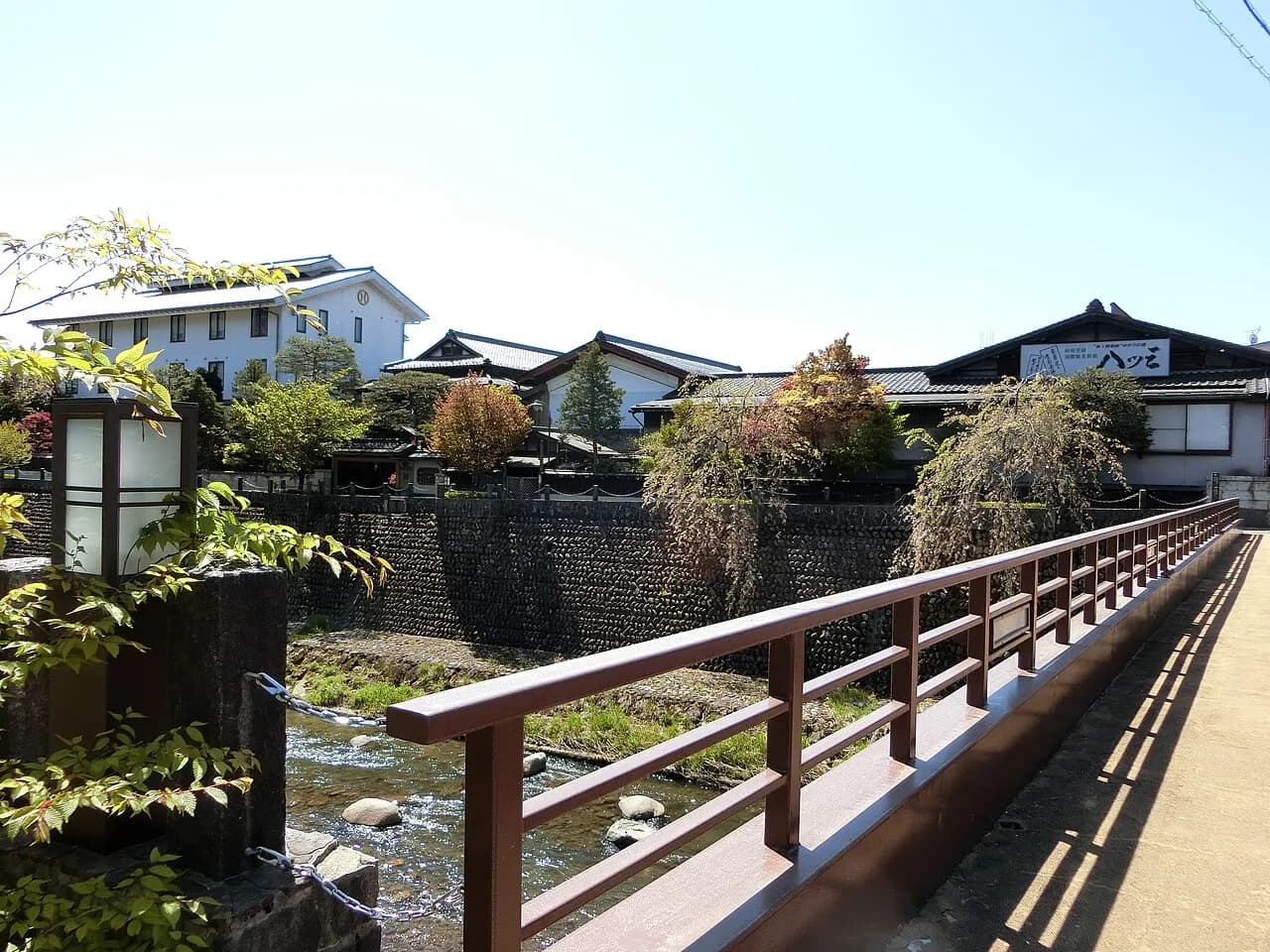
Nagara River Cormorant Fishing Ukai Travel Guide
Plan nagara river cormorant fishing ukai with top picks, neighborhood context, timing tips, and practical booking advice for a smoother trip.
On this page
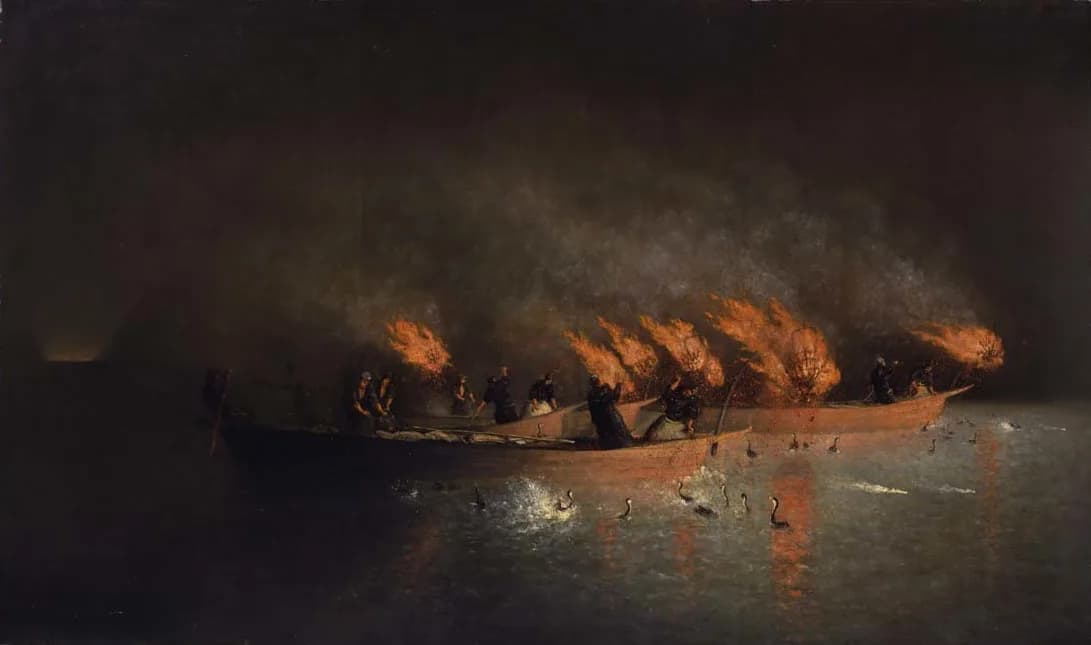
Few experiences in Japan match the atmosphere of ukai on the Nagara River. Every summer evening, wooden boats drift through dark water under burning kagaribi fire baskets. Cormorant masters in traditional grass skirts guide up to a dozen birds on leashes to catch ayu, the prized sweetfish. The tradition has continued on these waters for more than 1,300 years.
The nagara river cormorant fishing ukai season opens on May 11 and closes on October 15. Most visitors come as a day trip from Nagoya, roughly 20 to 30 minutes away by train. Planning ahead matters, because viewing boat seats fill fast on clear summer nights.
Last updated June 2026.
What Is Ukai on the Nagara River
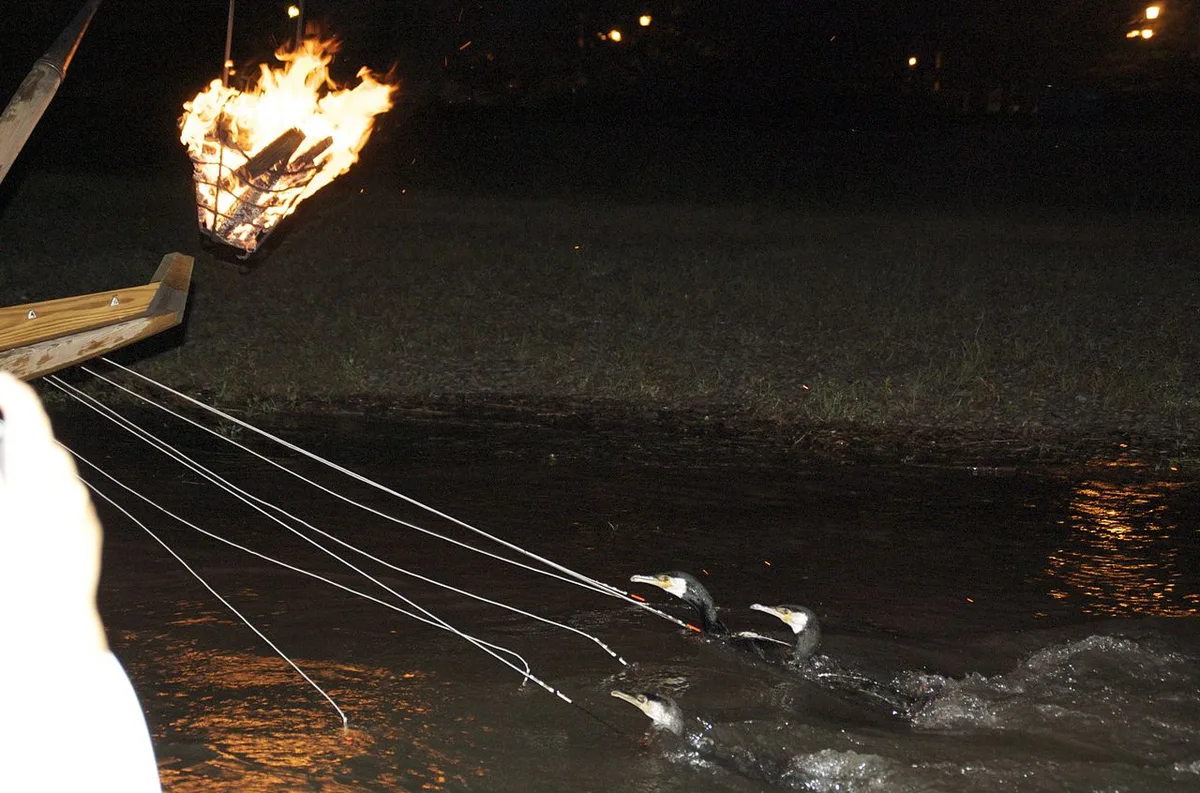
Ukai is a traditional fishing practice where trained cormorants dive and catch fish on command. Each usho, or cormorant fishing master, works up to 10 to 12 birds on individual leashes from a single wooden boat. A soft string around each bird's neck stops it from swallowing larger fish, which the usho then retrieves.
The nagara river cormorant fishing ukai tradition stretches back more than 1,300 years. Famous admirers have included warlord Oda Nobunaga, haiku master Matsuo Basho, and Charlie Chaplin, who visited Gifu twice for the spectacle. In 1890, the Imperial Household Ministry elevated the Nagara River usho to official status under the Imperial Household Agency.
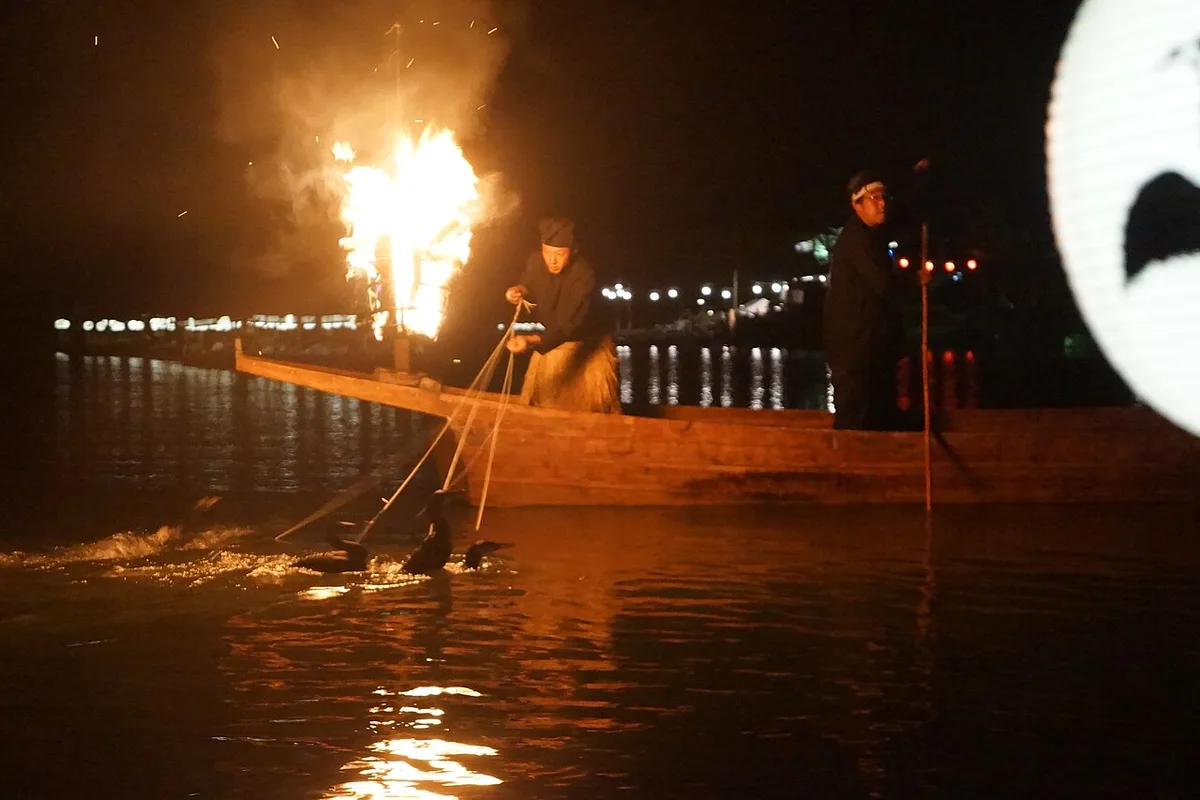
The usho wear a traditional grass skirt called koshimino, along with straw headgear, to protect themselves from the fire's heat. Six to twelve cormorants work from each wooden boat, lit by hanging iron baskets called kagaribi that burn cypress and pine. The firelight draws fish to the surface, giving the diving birds their advantage in the shallow current.
Ukai Season: When and When Not to Go
The nagara river cormorant fishing ukai season opens on May 11 and closes on October 15 every year. Evening shows begin at sunset, with most boats departing from the Nagarabashi area between 6:00 and 7:00 PM. The performance lasts roughly two to two and a half hours, so a same-day return to Nagoya is easy.
Shows are cancelled on full-moon nights, when natural light overpowers the kagaribi fire's effect on the dark water. Performances are also called off when the Nagara River runs too high or too muddy after heavy rainfall. Always verify the schedule on the official Gifu UKAI site before you leave your accommodation.
For the most reliable conditions, visiting in July or August offers the highest chance of clear nights. September and October are atmospheric alternatives, with cooler air and river mist adding to the mood. Early-season visitors in May and June encounter thinner crowds, though rainy season weather can be unpredictable. Our guide on Best Time To Visit Gifu Travel Guide covers seasonal conditions beyond the ukai window.
Shows are cancelled on full-moon nights and when the river runs too high or too muddy after heavy rainfall. Always verify the schedule on the official Gifu UKAI site before you travel.
Watching Ukai: Viewing Boats and Tickets
The standard way to watch nagara river cormorant fishing ukai is from a roofed yakata-bune viewing boat. These flat-bottomed boats carry between 15 and 50 passengers and depart from near the Nagarabashi area in Gifu City. Guests enjoy a bento dinner on board while the ukai performance unfolds ahead on the water.
Fares for a yakata-bune seat run roughly 3,000 to 3,500 yen per adult, with children paying a reduced rate. The ticket covers the boat ride and the performance; dinner and drinks cost extra and are ordered on board. Some Nagaragawa onsen hotels bundle boat access with accommodation and dinner as an all-in ukai package.
Book your seat well in advance, especially for July and August, when boats fill quickly on clear evenings. Reservations can be made through local accommodation providers, tour operators, or the official Gifu City UKAI booking portal. The fleet numbers around 45 vessels, but popular dates sell out days or weeks ahead of the show.
- Season window
- The ukai season opens May 11 and ends on October 15 each year.
- Shows are cancelled on full-moon nights or when the river runs too high.
- Departure area
- Viewing boats leave from near Nagarabashi in central Gifu City.
- Arrive early, as boarding begins roughly 30 minutes before the display.
- Ticket cost
- Adult seats on a yakata-bune boat cost approximately 3,000 to 3,500 yen.
- Dinner and drinks are priced separately and ordered on the boat.
- Booking advice
- Reserve your place well ahead for peak July and August evenings.
- Nagaragawa onsen hotels often bundle lodging, dinner, and boat access together.
Oze Ukai: Japan's Oldest Cormorant Fishing
Gifu City hosts the most widely known nagara river ukai, but a second site just upstream deserves attention. The Oze ukai, held in the Oze district on the same river, claims to be Japan's oldest ukai tradition. Its usho hold the title of purveyors to the Imperial Household, a designation that predates even the Gifu City operation.
Oze runs a smaller operation, with fewer viewing boats and a more intimate riverbank atmosphere. Visitors who prefer to avoid larger Gifu City crowds and want a quieter setting find Oze worth considering. Both sites use the same traditional technique, the same bird species, and the same usho costume.
For a day trip from Nagoya to Gifu, the Gifu City ukai is the more practical choice given its direct transit links. Oze requires additional transport beyond the Gifu City centre and suits visitors with more flexibility in their schedule. If your itinerary allows it, combining a Gifu City afternoon with an Oze evening show creates a genuinely distinct experience.
Getting to Gifu for Ukai from Nagoya
Gifu sits roughly 30 kilometres north of Nagoya, making it a straightforward train journey from the city. From Nagoya Station, the Nagoya Railroad (Meitetsu) runs direct to Meitetsu Gifu Station in about 30 minutes. The JR Tokaido Line is a slightly faster option, linking Nagoya to JR Gifu Station in around 20 minutes.
From either Gifu Station, take a Gifubus to the Nagarabashi area, a journey of around 20 minutes. The bus stop for the viewing boat zone is a short walk from the Nagarabashi stop itself. Allow extra time on ukai evenings, as buses fill with visitors heading to the same departure point. Our full guide to getting to Gifu from Nagoya and surrounding cities covers all transport options in detail.
Many visitors on a Nagoya day trip find the overall journey comfortable and worth the planning. The Nagarabashi departure area is surrounded by restaurants where you can eat before boarding the boat. Walking the riverbank in the hour before sunset is a pleasant way to settle in before the show begins.
What to Combine with Your Ukai Evening
A ukai evening typically starts around 6:00 PM, leaving most of the afternoon free for Gifu sightseeing. Starting at Gifu Castle on Mount Kinka gives you panoramic views over the very river you will watch that night. A ropeway connects the park below to the castle summit, and the round trip takes about 90 minutes.
The Kawaramachi old town district sits close to the ukai departure zone and rewards a leisurely afternoon stroll. Traditional craft shops, tea houses, and local souvenir sellers line the preserved wooden-building streets. The Nagaragawa Ukai Museum near the river explains the full 1,300-year history of the tradition and opens through the afternoon.
If time allows, the Gifu Great Buddha at Shoboji Temple is a 15-minute detour from the town centre. The statue stands 13.7 metres tall and is made from thousands of paper sutras, an unusual construction method. Dinner can be taken on the yakata-bune itself, combining the meal and the performance in one efficient booking.
DIY, Hotel Package, or Private Guide
Most travellers can plan nagara river cormorant fishing ukai independently: take the train to Gifu, ride the bus about 20 minutes to Nagarabashi, reserve a 3,000 to 3,500 yen viewing-boat seat, and add dinner separately. This keeps costs controlled, but it means handling ticket timing, weather checks, and the late return yourself.
A Nagaragawa onsen package suits visitors who want the easiest evening. These plans usually combine lodging, dinner, and the boat, so we would choose one when travelling with family, arriving with luggage, or wanting to avoid a post-show train transfer. The trade-off is less flexibility and a higher total spend.
A private guide makes sense when you want a full Gifu day around the ukai. Typical add-on costs still include the boat at about 3,400 yen per adult, museum entries such as 500 yen for the Ukai Museum and 200 yen for Shoboji, plus dinner that can run around 5,000 yen per person.
Frequently Asked Questions
When is the Nagara River ukai season in 2026?
The 2026 ukai season on the Nagara River opens on May 11 and closes on October 15. Evening performances begin at sunset, typically between 6:00 and 7:00 PM. Shows are cancelled on full-moon nights and when the river runs too high or too muddy after rain, so always verify the schedule before you travel.
How much do ukai viewing boat tickets cost in Gifu?
Adult seats on a yakata-bune viewing boat typically cost between 3,000 and 3,500 yen per person, with children paying a reduced fare. The ticket covers the performance; dinner and drinks are ordered and paid separately on board. Nagaragawa onsen hotel packages bundle the boat fare with lodging and dinner in a single booking.
Can I watch cormorant fishing on the Nagara River from the bank?
Yes, watching from the Nagara River bank is free, though you will be some distance from the action. A yakata-bune boat puts you on the water directly, far closer to the usho and their birds. Most visitors find the on-water experience significantly more immersive than the free riverbank view.
What is the difference between Gifu City ukai and Oze ukai?
Gifu City hosts the larger operation with around 45 boats and straightforward train access from Nagoya. Oze ukai, just upstream, is smaller, quieter, and older, with its usho holding the title of purveyors to the Imperial Household. Both sites use the same traditional ayu-catching method and usho costume.
Is nagara river cormorant fishing ukai worth adding to a short Japan itinerary?
Ukai is one of the most memorable evening experiences in the Nagoya region and pairs well with an afternoon of Gifu sightseeing. The two-hour show combined with Gifu Castle and Kawaramachi makes a satisfying full day. Our complete Gifu day itinerary helps you plan the timing from arrival to departure.
Nagara river cormorant fishing ukai is one of Japan's most atmospheric summer experiences, and Gifu City delivers it within easy reach of Nagoya. The combination of firelit water, skilled usho, and trained cormorants creates a scene that photography alone struggles to fully capture. With the season running from May 11 to October 15, there is a generous window to plan your visit.
Book your viewing boat early and verify the weather and moon schedule in advance. Pair the ukai evening with an afternoon at Gifu Castle or a stroll through Kawaramachi for a complete day. Either way, the Nagara River after dark is a rare spectacle that consistently rewards the effort of planning it.
Cormorant fishing is just one highlight — see our full guide to things to do in Gifu to plan the rest of your visit.
Free guide: Japan's Hidden Gems
12 under-the-radar places beyond Tokyo & Kyoto — with the best season to visit each and a local tip you won't find in the guidebooks.
You might also like


Continue reading
More guides you'll find useful