Kawaramachi Old Town Gifu Travel Guide
Plan your visit to Kawaramachi old town Gifu with top picks, neighborhood context, timing tips, and practical booking advice for a smoother trip.
On this page
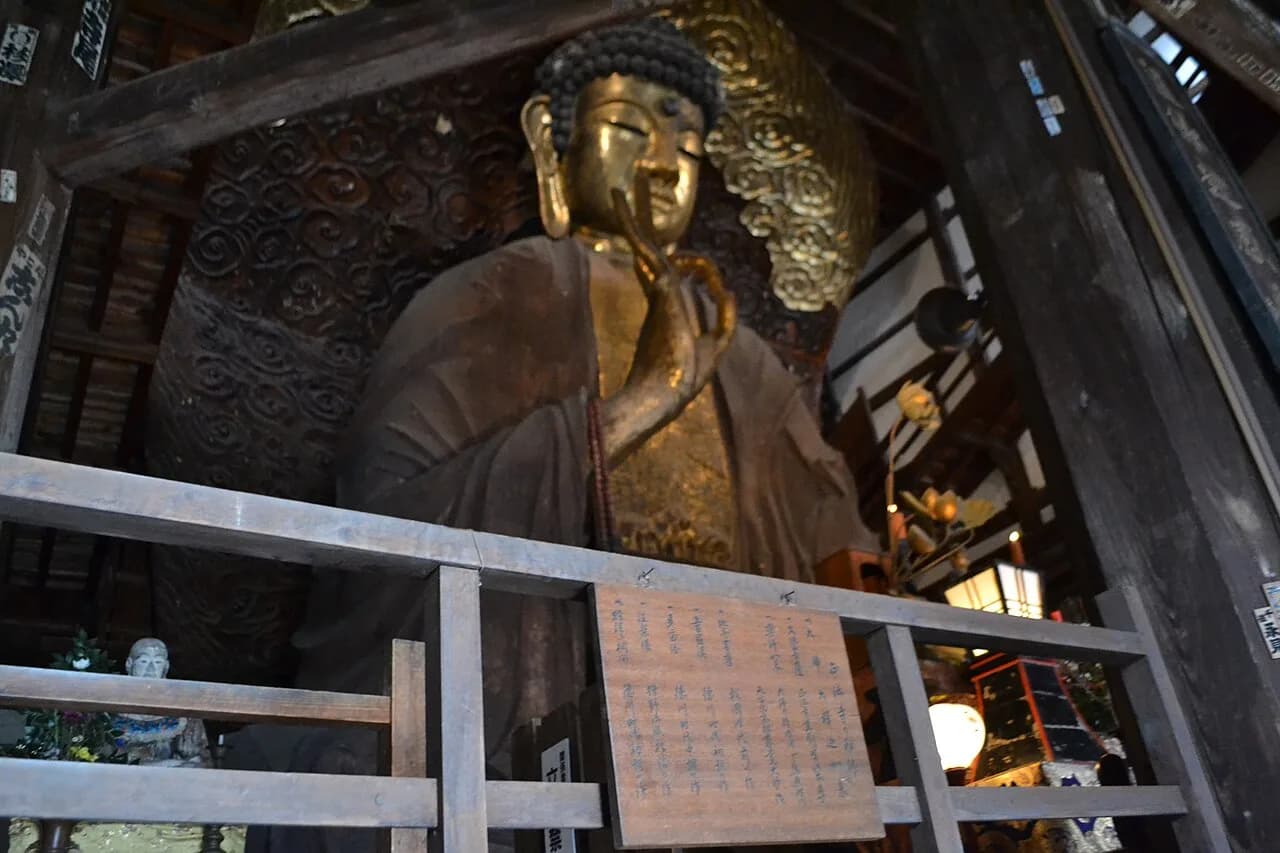
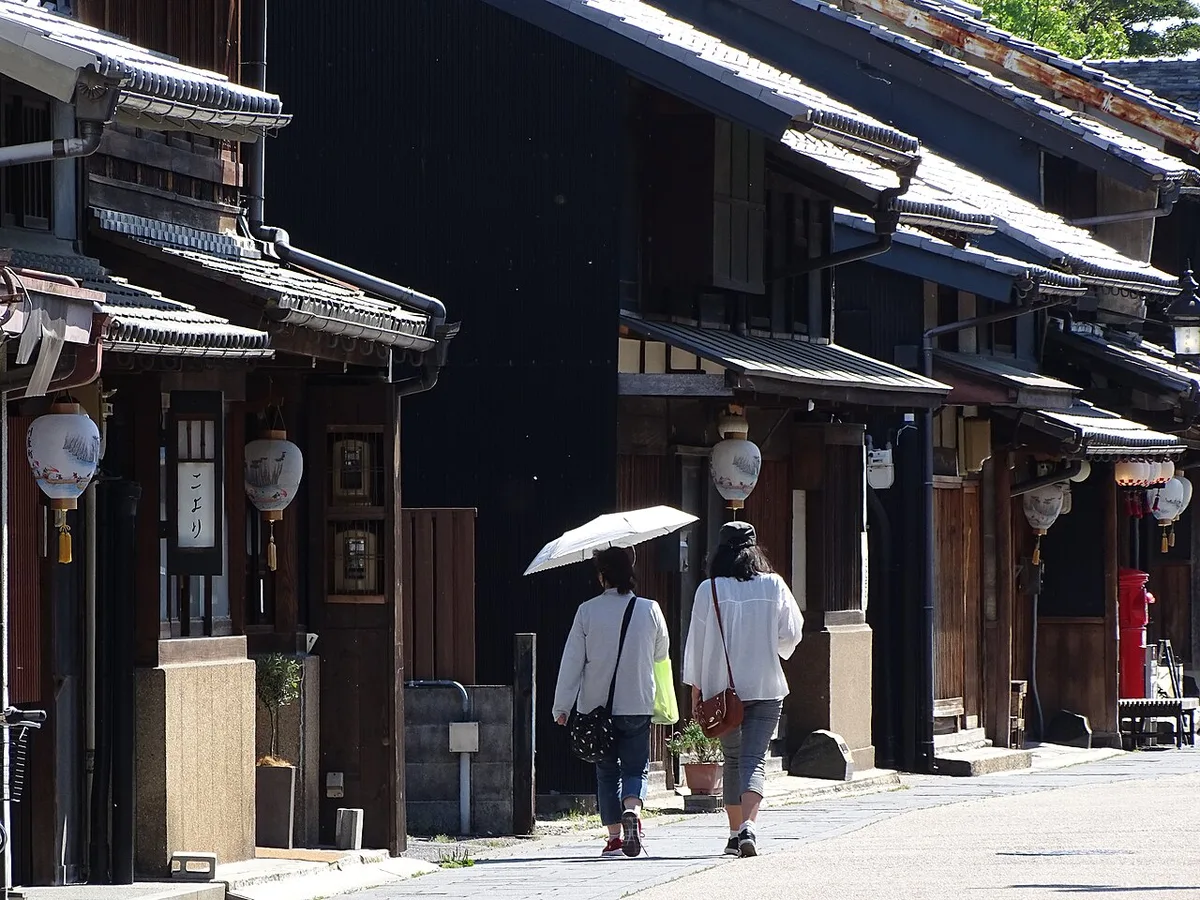
Kawaramachi is Gifu City's old riverside merchant quarter, stretching along the Nagara River below Mt Kinka and Gifu Castle. Rows of Edo and Meiji-era machiya — lattice-front wooden townhouses — line the narrow main street of the Tamaicho district. The area takes its character from the river-trade era, when merchants dealt in kawara clay tiles, washi paper, and traditional crafts along these banks.
Today the district holds small craft shops, sake merchants, machiya cafes, and the boat docks where cormorant fishermen moor their vessels for the evening ukai performances. The street is compact and free to explore, sitting a 5-10 minute walk from Gifu Park. Combining a night in the city — see the guide to Where To Stay In Gifu Travel Guide — with a Kawaramachi morning covers the old town and the castle in one relaxed trip.
Last updated June 2026.
Must-See Kawaramachi Attractions
The machiya townhouses along Tamaicho are the centerpiece of Kawaramachi, their latticed wooden facades and clay-tile roofs largely intact from the Meiji period. Many buildings have been converted into cafes and craft shops while keeping their original structure, so browsing the interiors feels like stepping back 150 years. This is one of the few surviving machiya streetscapes in Gifu Prefecture outside of Takayama, yet it draws a fraction of the crowds.
Gifu chochin paper lanterns and wagasa oil-paper umbrellas are the district's two signature crafts, rooted in the river-trade economy that shaped this area for centuries. Several shops sell finished lanterns and umbrellas; a few offer short demonstrations or try-it sessions worth adding to your schedule. Prices for a simple chochin start around ¥1,500, while hand-painted wagasa run from ¥5,000 upward depending on size and detail — verify current pricing with individual shops.
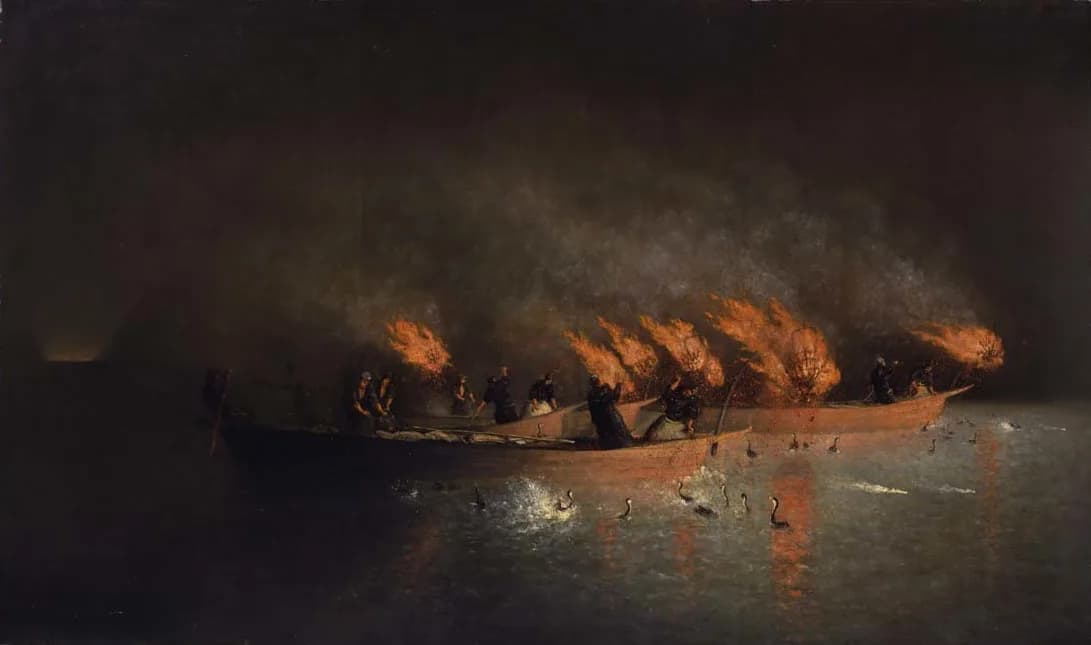
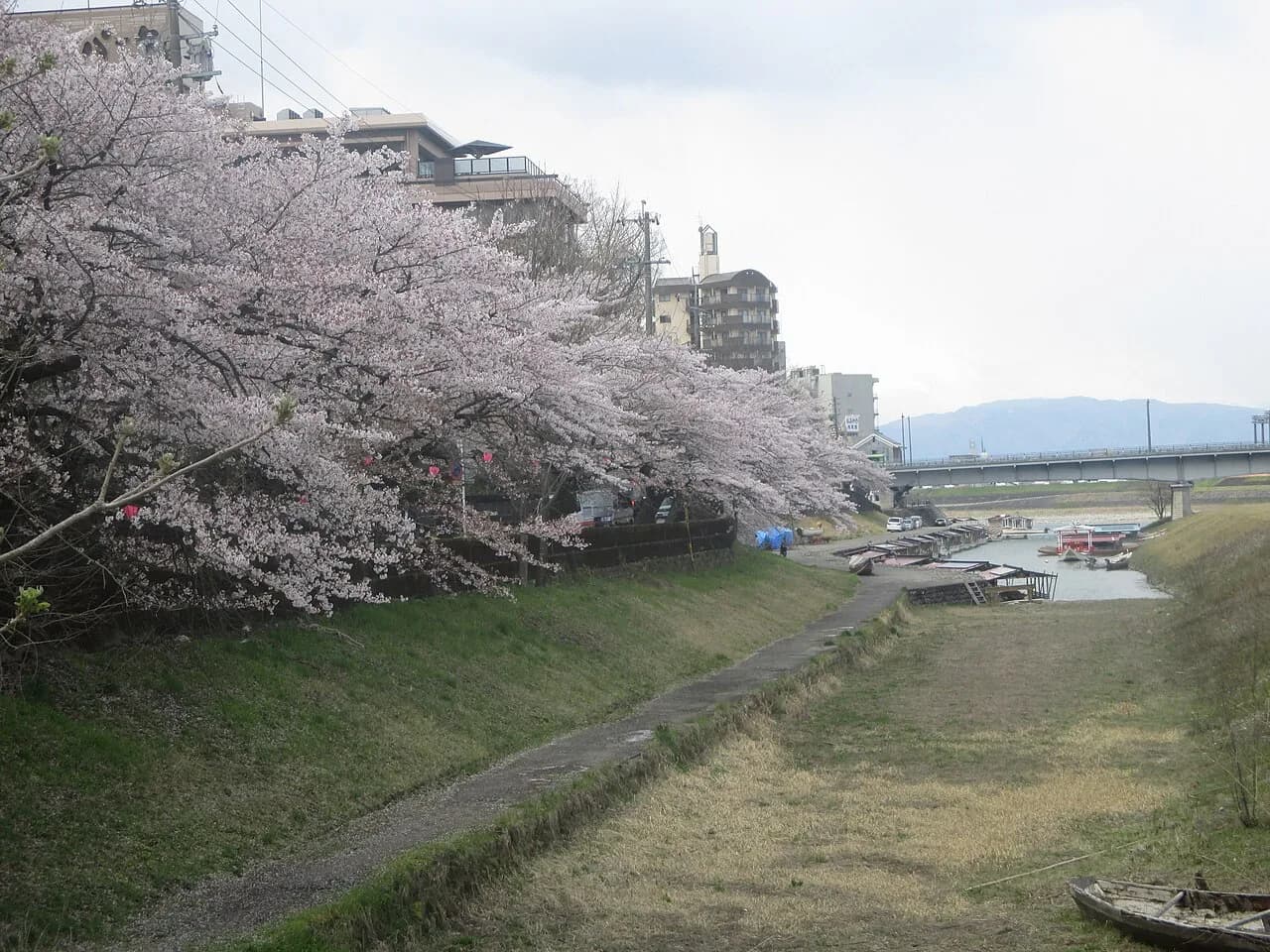
At the southern end of the street, the Nagara River ukai docks hold the narrow wooden fishing boats used in the evening cormorant-fishing performances. Ukai runs May through mid-October, and the docks come alive with lantern light after dusk as fishermen and their birds work the dark water. Even outside season, the dock area is a calm riverside spot worth a short detour.
- Machiya Townhouses (Tamaicho Street)
- Free to enter where open; most photogenic in soft morning light before crowds arrive.
- Several buildings function as cafes or craft shops with original interior woodwork intact.
- A leisurely end-to-end stroll of the main street takes around 20 minutes.
- Gifu Chochin Lantern Shops
- Traditional paper lanterns start at roughly ¥1,500 for small decorative styles.
- Some shops offer brief demonstrations of the lantern-making and assembly process.
- Look for the cylindrical red and gold designs linked to Gifu's festival culture.
- Wagasa Oil-Paper Umbrella Studios
- Hand-painted umbrellas range from around ¥5,000 to well over ¥20,000 for large decorative pieces.
- A few studios allow visitors to watch artisans at work or try a simple painting step.
- Kawaramachi is one of only a handful of places in Japan where this craft is still actively practiced.
- Nagara River Ukai Docks
- Cormorant-fishing boats are moored here and active between May and mid-October each year.
- Evening ukai performances require advance tickets arranged through the Gifu tourism board.
- The riverside dock area is accessible on foot from the south end of Tamaicho street.
Art, Craft, and Culture in Kawaramachi
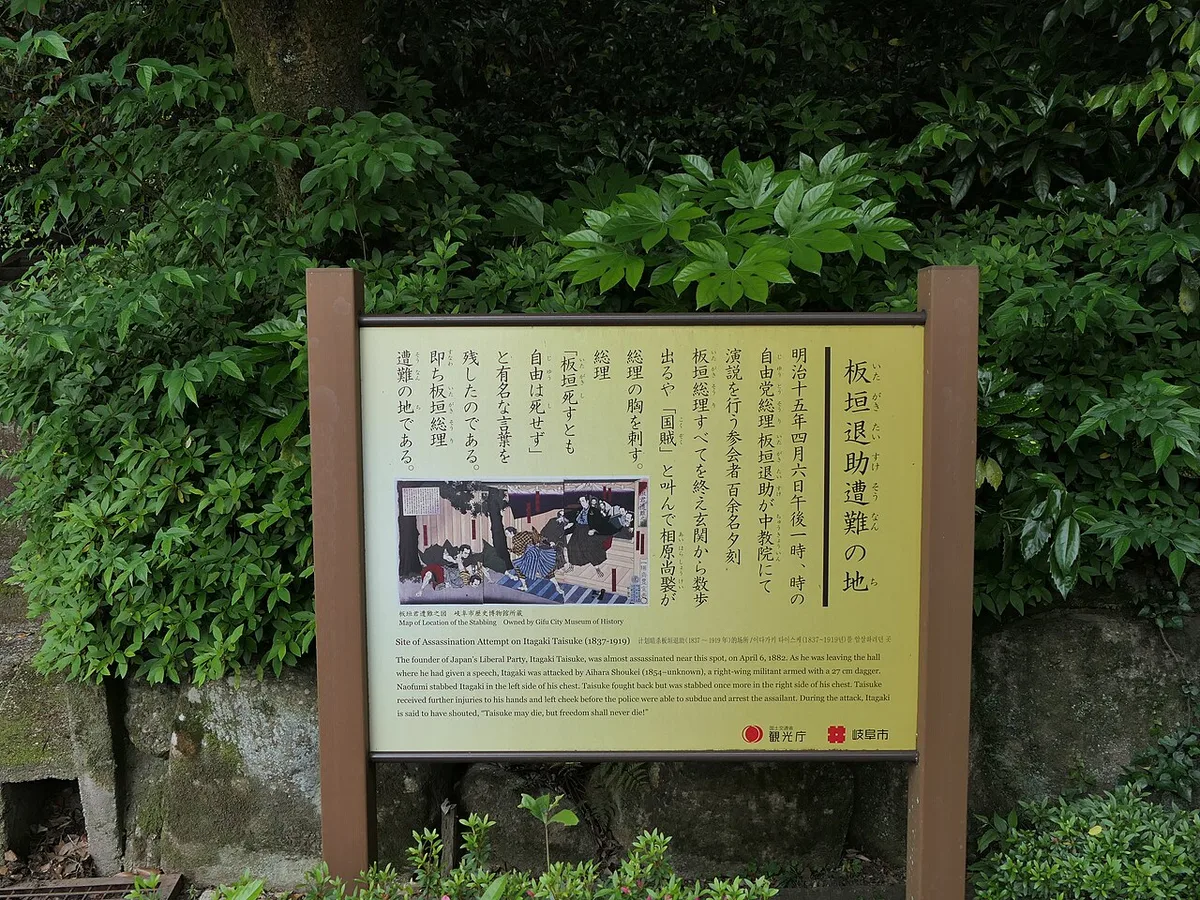
The Gifu Museum of History and the Gifu City Museum of Art are both reachable from Kawaramachi by a short bus ride into the Gifu Park precinct. The history museum covers the castle's feudal era and the Oda Nobunaga connection; the art museum focuses on regional painters and folk craft. Both charge modest entry fees around ¥200-¥300 and take 60-90 minutes to visit properly.
In October, the Mino Washi Akari Art Festival in nearby Mino City uses traditional washi paper lanterns to illuminate an Edo-era merchant district after dark. Mino City is around 40 minutes from Gifu Station by train, and same-day combinations — Kawaramachi in the morning, Mino Akari in the evening — are popular with culture-focused visitors. The festival runs for several days in mid-October and draws significant crowds, so book accommodation early if you plan to attend.
Kawaramachi's craft scene is small in scale but genuinely local — the lantern and umbrella trades here differ from the woodcarving and lacquerware found in Takayama. Browsing without buying is fully accepted; shopkeepers are typically unhurried and happy to explain their craft. For a broader look at the city's heritage, see the full guide to Gifu City attractions.
Parks and Outdoor Spots Near Kawaramachi
Gifu Park is the natural next stop after Kawaramachi, a 5-10 minute flat walk north along the Nagara River. The park contains the lower ropeway station for Gifu Castle on Mt Kinka, a traditional Japanese strolling garden, and a pond popular with local families. Cherry blossoms in late March and early April transform the park into one of Gifu City's most visited seasonal destinations.
The Nagara River embankment path south of the old town runs flat alongside the water toward central Gifu City. Walking the path at dawn reveals herons and cormorants resting on the rocks — the same birds used in the evening ukai performances. The river walk from Kawaramachi back toward Gifu Station takes roughly 35-40 minutes at a relaxed pace.
Both the park and the riverside path are free to enter, making them suitable for travelers who want a full morning outside without added cost. Linking Kawaramachi, the river embankment, Gifu Park, and the castle ropeway creates a natural half-day loop covering old town, river views, garden, and mountain scenery.
How to Plan Your Kawaramachi Visit
Budget 1 to 2 hours for the Kawaramachi street itself; paired with Gifu Park and the castle ropeway, the full loop fills a comfortable half-day. Most shops open around 10 am and close by 5-6 pm, with some closing on Tuesdays or Wednesdays. Multiple recent visitors report finding many shops shut on slow weekday afternoons, so weekday mornings or weekend visits give a more active street experience.
The district is located at Tamaicho, Gifu 500-8008, about 10-15 minutes from Gifu Station by bus. From the station, take a Gifu Bus heading toward Gifu Park (roughly ¥210, 15 minutes) and walk south toward the river to reach the old town. The walk from Gifu Station along the Nagara River embankment is also pleasant and takes about 35-40 minutes in good weather.
Getting to Gifu from Nagoya is straightforward: a JR rapid train from Nagoya Station covers the distance in about 20 minutes. Read the full guide to getting to Gifu from Nagoya and beyond for train times, fares, and IC card tips. Gifu Station has both JR and Meitetsu lines, so access from multiple directions in central Japan is easy.
For a structured day plan that places Kawaramachi in a full city sequence, the Gifu itinerary guide covers a recommended route from the station through the old town and up to the castle. Morning visits to Kawaramachi work best before tour groups arrive at Gifu Park around midday. Evening stays can extend the day if ukai season is running — riverside viewing seats fill quickly on summer nights.
Most shops open around 10 AM and close by 5–6 PM, with some closing on Tuesdays or Wednesdays. Weekday mornings or weekend visits tend to find more active shops.
Day Trips and Road Trips from Gifu
Gifu is a practical base for central Japan: Nagoya is 20 minutes by express train, Kyoto is around 50 minutes via shinkansen, and Takayama is 2 hours by limited express through the mountains. Kanazawa, Matsumoto, and Gujo Hachiman are all reachable in under 2.5 hours, covering traditional towns, alpine scenery, and summer festival culture. Many travelers use Gifu as a two-night base to reach several of these destinations without paying Kyoto or Tokyo accommodation prices.
Gero Onsen, one of Japan's three great hot spring resorts, is 1.5 hours south by limited express from Gifu Station. An old-town morning in Kawaramachi followed by an afternoon at Gero's outdoor baths is a popular same-day pairing for visitors with a JR pass. See the full day trips from Gifu guide for transport times, prices, and seasonal tips for each destination.
Shirakawa-go, the UNESCO-listed gassho-zukuri farmhouse village, is reachable in about 1.5 hours by highway bus from Gifu or Nagoya. Closer excursions include Mino City's washi paper district (under 1 hour by train) and the Nagataki wisteria park in May. The mountain routes to Takayama and Shirakawa-go are best handled by bus or rental car, as they are not practical by bicycle or local train.
Best Season and Weather for Kawaramachi
Spring and autumn are the easiest seasons for a Kawaramachi walk. Late March to early April brings cherry blossoms around Gifu Park and the Nagara River, while October to November usually gives clear walking weather and better conditions for pairing the old town with Mino City's washi lantern events. We would plan a morning start in both seasons, because the narrow street photographs better before the midday sun flattens the wooden facades.
Summer is worthwhile mainly for the ukai season, but July and August in Gifu are hot and humid, often reaching the low to mid-30s C. Carry water, use the riverside path early, and save indoor cafes or craft shops for the hottest hour. Winter is quiet and free of crowds, but shop openings can be thinner from December through February; treat the street as a short architecture stop rather than a full shopping plan.
Frequently Asked Questions
How much time should you plan for Kawaramachi old town Gifu?
Most visitors spend 1-2 hours exploring Kawaramachi street. Adding Gifu Park and the castle ropeway extends the visit to a comfortable half-day of around 3-4 hours. Set expectations that the street is short — the architecture, not the shop count, is the main draw.
Is Kawaramachi old town in Gifu worth visiting?
Kawaramachi is worth visiting if you are already in Gifu City, especially paired with the park and castle. The machiya architecture is authentic and the street is far less crowded than Takayama's old town. Arrive on a weekday morning when shops are most likely to be open and active.
How do you get to Kawaramachi from Nagoya?
Take a JR rapid train from Nagoya Station to Gifu Station in about 20 minutes. From there, board a Gifu Bus toward Gifu Park (roughly ¥210, 15 minutes) and walk south to the old town. Total travel time from central Nagoya is around 40-45 minutes.
When does cormorant fishing run on the Nagara River?
The Nagara River ukai cormorant-fishing season runs May 11 through October 15 each year, with evening performances held most nights weather permitting. Tickets must be booked in advance, especially for weekends and the July-August peak. See the full Nagara River cormorant fishing guide for booking and viewing details.
Kawaramachi old town is one of Gifu City's quieter pleasures — a short, authentic streetscape that rewards slow walkers over sightseers in a hurry. The machiya facades, craft shops, and river docks work best as part of a half-day loop that also takes in Gifu Park and the castle. Come on a weekday morning, allow a couple of hours, and the old town delivers exactly what the architecture promises.
Free guide: Japan's Hidden Gems
12 under-the-radar places beyond Tokyo & Kyoto — with the best season to visit each and a local tip you won't find in the guidebooks.
You might also like


Continue reading
More guides you'll find useful