Meiji Mura Inuyama Travel Guide
Plan your visit to Meiji Mura Inuyama: explore 60+ Meiji-era buildings, ride a steam locomotive, and get practical tips on hours, tickets, and getting there.
On this page
Museum Meiji-mura in Inuyama preserves over 60 historic buildings from Japan's transformative Meiji era, spanning 1868 to 1912. Spread across roughly one million square metres beside Lake Iruka, it ranks among the world's largest open-air museums. Walking the site, visitors step inside relocated churches, schools, hospitals, and factories that once stood across Japan, the United States, and Brazil.
The museum sits about 25 kilometres north of central Nagoya, making it a natural half-day or full-day excursion from the city. Most visitors arrive via Inuyama Station on the Meitetsu line, followed by a roughly 20-minute bus ride to the museum gates. Knowing which buildings to prioritise and how much time to allow makes the difference between a rushed loop and a genuinely satisfying visit.
Last updated June 2026.
What Makes Meiji Mura Worth Visiting
The Meiji era was Japan's great opening, as Western technologies, architectural styles, and ideas poured in at an extraordinary pace. Many buildings from that period did not survive the earthquakes, fires, and post-war redevelopment that swept through Japanese cities. Architect Yoshiro Taniguchi and entrepreneur Motoo Tsuchikawa established Museum Meiji-mura in 1965 to rescue what remained.
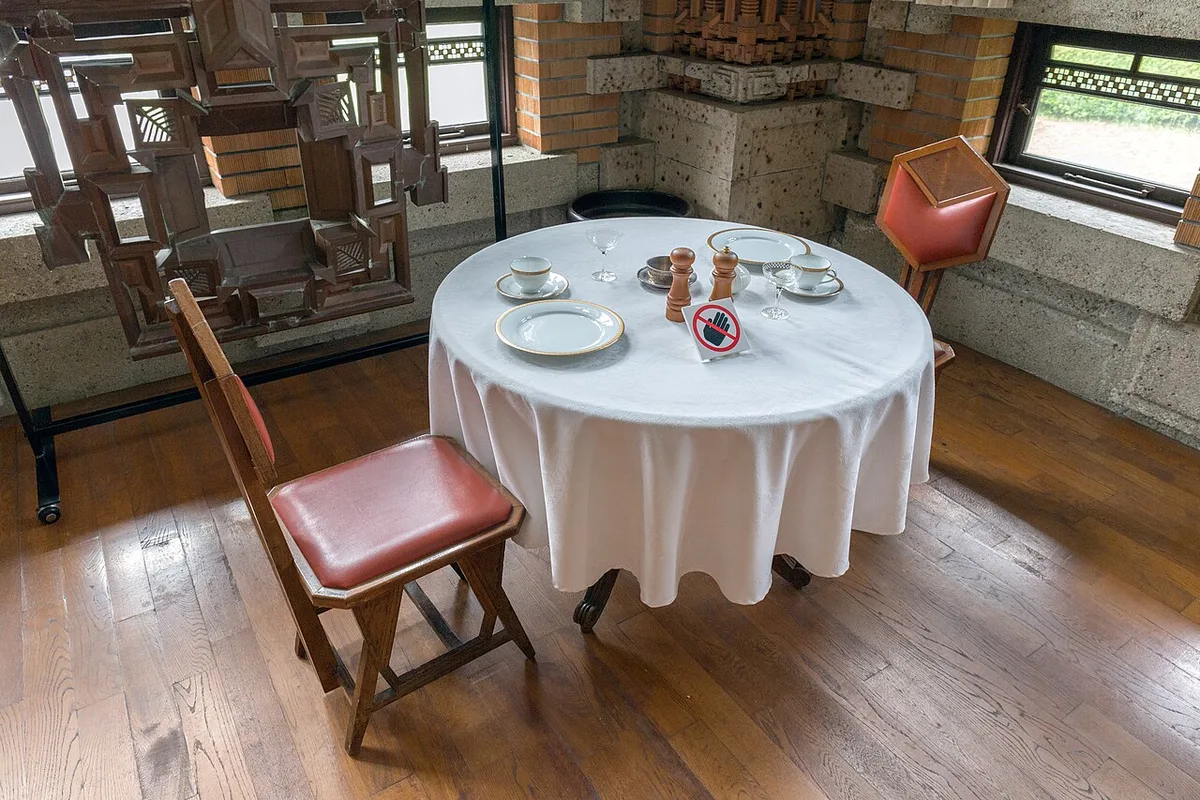
The museum's standout exhibit is the reconstructed entrance hall and lobby of Frank Lloyd Wright's Imperial Hotel, originally built in Tokyo in 1923. Wright designed the hotel on a floating foundation to resist seismic shocks, and it famously survived the 1923 Great Kanto Earthquake. The lobby was carefully disassembled and moved to Meiji Mura in 1976, where it remains one of the most-visited features on the site.
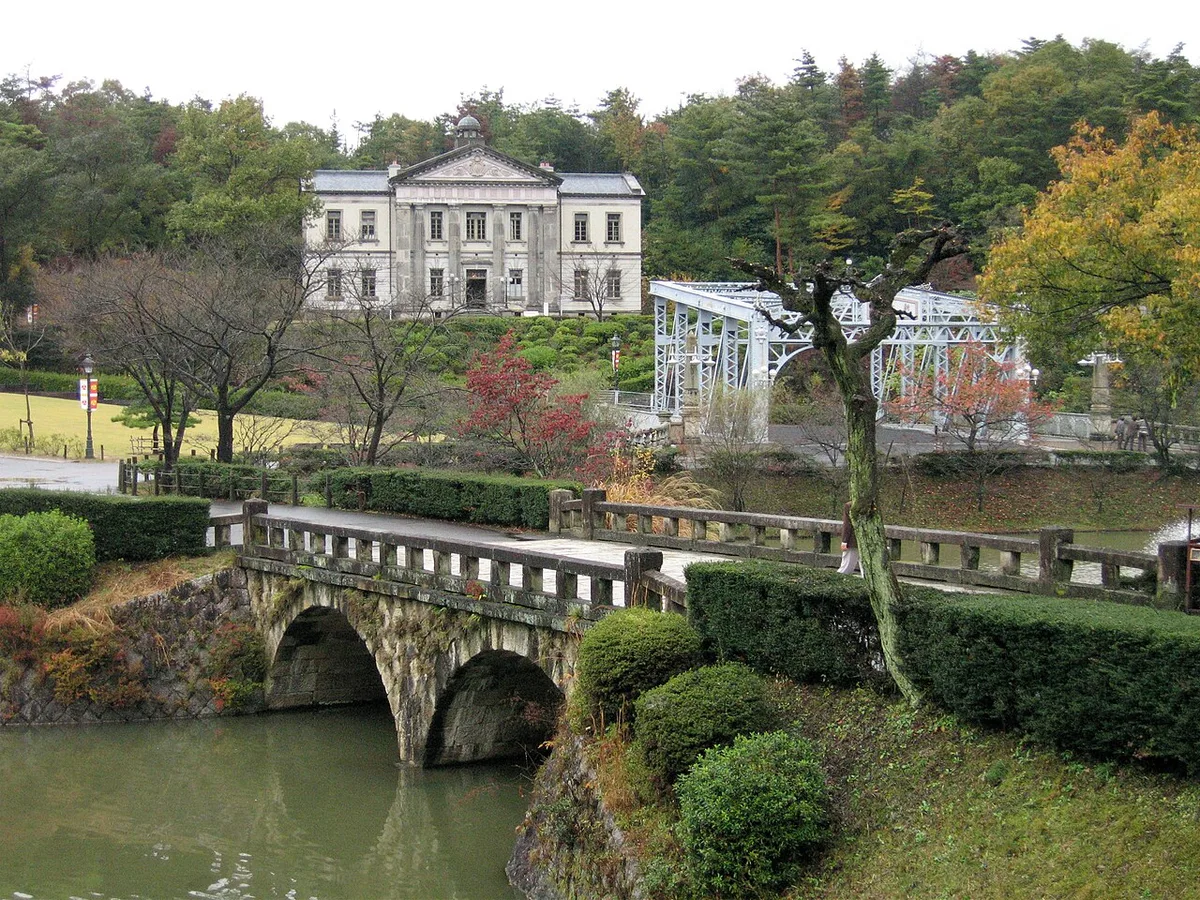
Beyond the Imperial Hotel lobby, the collection includes a 150-year-old lighthouse said to be the oldest Western-style lighthouse in Japan. A Japanese Evangelical Church from Seattle and a house relocated from Registro in Brazil add an unexpected global dimension to the collection. Each structure carries layered histories, making Meiji Mura a standout among all Inuyama's top attractions for a day trip.
Must-See Buildings at Meiji Mura
The museum divides its grounds into five numbered zones, each containing clusters of relocated structures from different parts of the Meiji world. Picking up a printed map at the entrance is essential — the site is large and even attentive visitors can miss entire corners. We suggest starting near the main gate, working systematically through each zone, and saving the Imperial Hotel lobby for a dedicated stop.
The St. Francis Xavier Cathedral is especially photogenic in the morning, when low light catches the wooden Gothic facade from the south. Most buildings are open to enter, and the restored interiors — period furniture, signage, and artefacts — give each structure genuine depth.
- Frank Lloyd Wright's Imperial Hotel Lobby
- Reconstructed entrance hall and lobby from Tokyo's iconic 1923 hotel.
- Survived the 1923 Great Kanto Earthquake thanks to its innovative floating foundation.
- Relocated to Meiji Mura in 1976 and remains the museum's single most celebrated exhibit.
- St. Francis Xavier Cathedral
- Wooden Gothic structure originally built in Kyoto during the Meiji era.
- One of the few surviving wooden Gothic buildings remaining in Japan today.
- Especially photogenic in morning light when approached from the south side.
- Japan's Oldest Western-Style Lighthouse
- Built roughly 150 years ago and considered the oldest of its kind in Japan.
- Nearby indoor displays show historical beacon lamps that still illuminate today.
- A short climb provides open views across the surrounding museum grounds.
- Japanese Evangelical Church from Seattle
- Originally a community church built for Japanese immigrants in Seattle, Washington.
- One of the few overseas-origin buildings in the collection, adding a global layer.
- Its presence reflects how Meiji-era Japanese communities settled far from the home islands.
Rides and Activities at the Museum
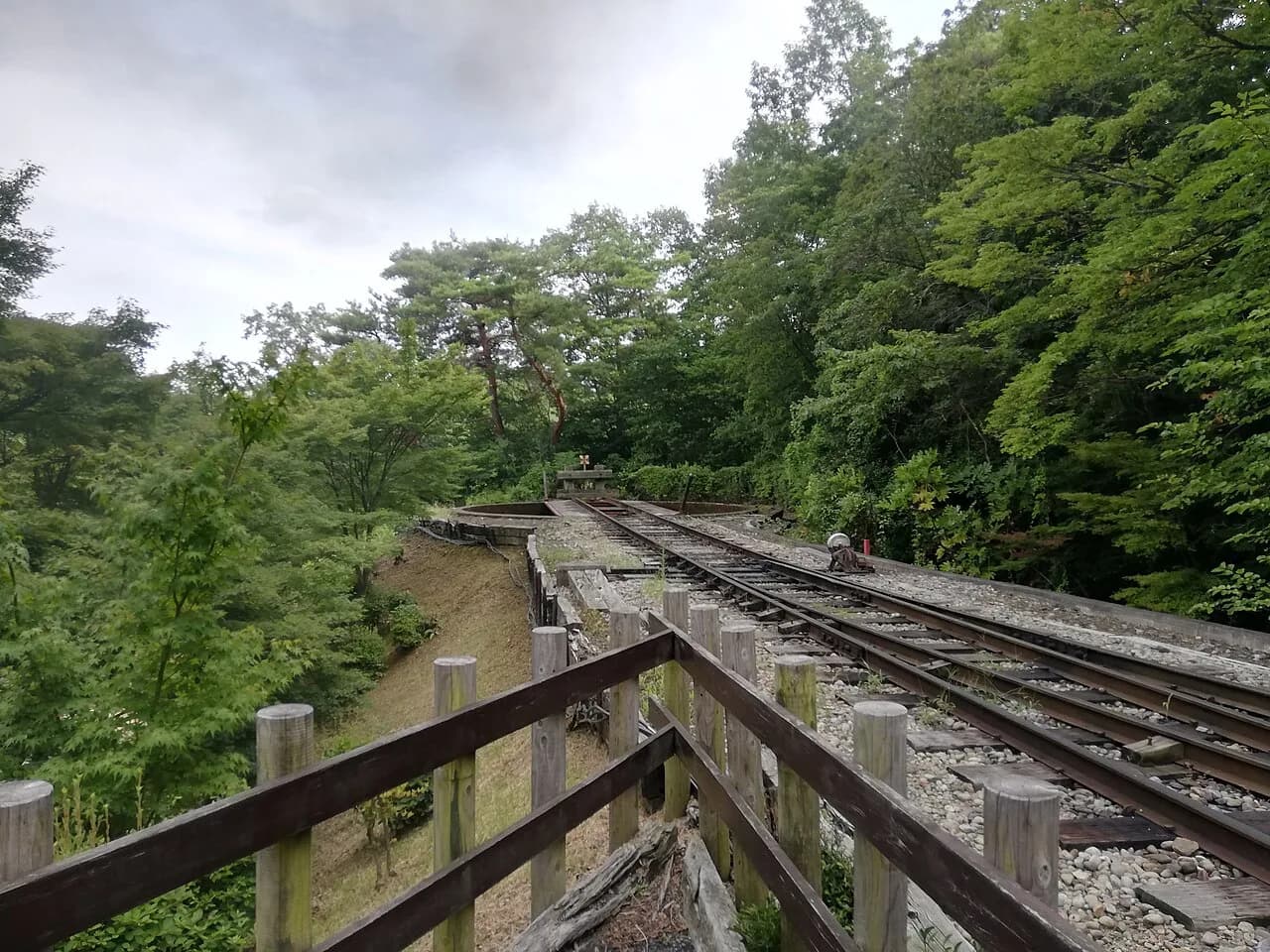
Riding the working vehicles at Meiji Mura is one of the visit's genuine pleasures. A Meiji-period steam locomotive runs along a short route through the grounds, while a restored Kyoto streetcar travels a separate track. Both rides require an additional ticket beyond standard admission, purchased at boarding points throughout the day.
Queues for the locomotive and streetcar build from mid-morning, so riding early in your visit avoids the longest waits. The museum also hosts seasonal events, theatrical performances, and craft workshops, with programming changing through the year. Check the museum's schedule online a few weeks before your trip, as popular events can fill ahead of arrival.
Photography is a strong draw at Meiji Mura, where Japanese and Western architectural styles sit side by side across the same hillside. The lakeside path near the lighthouse provides compositions with water in the background, making it a worthwhile detour for photographers.
Admission, Hours, and Best Times to Go
Adult admission runs around 2,000 yen, with reduced rates for university students, children, and group bookings. Combo tickets covering both the steam locomotive and streetcar rides are available and typically offer better value than buying separately. Confirm current prices on the official Japan tourism listing before your visit, as seasonal promotions and holiday surcharges do apply.
The museum generally opens at 9:30 and closes at 17:00, though seasonal hours vary and some winter periods include scheduled closure days. Arriving at the 9:30 opening gives the clearest access to buildings and the shortest queues for vehicle rides. For exact hours by month, the Japan Guide Meiji Mura page keeps updated seasonal schedules.
Spring from late March through May and autumn from October into November offer the most comfortable outdoor walking conditions at the site. Summer visits are hot on the exposed hillside, so carrying water and wearing sun protection matters from June through August. Winter is the quietest period and suits travellers who prefer fewer crowds, though some attractions run on reduced hours.
Spring and autumn offer the most comfortable outdoor walking conditions and the best light for photography. Summer visits are hot on the exposed hillside, so carry water and wear sun protection from June through August.
Getting to Meiji Mura from Inuyama
The standard public transport route from Nagoya to Meiji Mura takes roughly 50 minutes in total. Take a Meitetsu Inuyama Line train from Nagoya Station to Inuyama Station, a journey of about 30 minutes. From the station's north exit, a direct Meitetsu Bus service runs to the museum and takes roughly 20 minutes.
Buses depart at regular intervals through the day, aligning well with museum opening and closing times. Our complete guide to getting to Inuyama covers train connections from Nagoya, Gifu, and other nearby cities. A taxi from Inuyama Station to the museum takes about 15 minutes and costs roughly 2,000 to 2,500 yen one way.
Drivers arriving from central Nagoya can expect 40 to 50 minutes by road, with parking available at the museum entrance. A separate parking fee applies, so factor this into your budget if you plan to self-drive.
Exploring Inuyama After Meiji Mura
Meiji Mura fits naturally into a broader Inuyama day that pairs open-air history with one of Japan's most original castle towns. Budget four to five hours at Meiji Mura and arrive at opening to leave the afternoon free. From there, Inuyama Castle: A Complete — one of Japan's twelve surviving original keeps — sits about seven kilometres away and closes at 17:00.
The Honmachi castle-town streets line the approach to the castle with traditional machiya townhouses, tea shops, and craft stalls. Castle admission is 550 yen, and the top-floor views across the Kiso River valley are among the finest in the wider region.
The Uraku-en garden near the castle contains the Jo-an teahouse, a designated National Treasure and one of Japan's finest historic tea rooms. Our Inuyama day-trip itinerary maps a practical sequence that fits Meiji Mura, the castle, and the castle town without doubling back.
Frequently Asked Questions
How much does Meiji Mura cost to enter?
Adult admission to Meiji Mura is around 2,000 yen as of 2026, with reduced rates for students and children. Combo tickets covering the steam locomotive and streetcar rides are available and offer better value. Confirm current prices on the official museum website before visiting, as seasonal pricing and holiday surcharges do apply.
How long should you spend at Meiji Mura?
Plan at least four to five hours for a satisfying visit; a full day is better if you want to explore all five zones without rushing. The site covers roughly one million square metres with over 60 buildings. Arriving at the 9:30 opening maximises your time and keeps queues shorter for the vehicle rides.
Is Meiji Mura easy to get to from Nagoya?
Yes — the trip from Nagoya takes around 50 minutes by public transport. Take a Meitetsu Inuyama Line train to Inuyama Station (about 30 minutes), then a direct bus to the museum (about 20 minutes). Buses run regularly from the station's north exit throughout the day.
What is the best season to visit Meiji Mura?
Spring (late March to May) and autumn (October to November) offer the most comfortable conditions and the best light for photography. Summer is hot on the open hillside, so carry water and sun protection. Winter is quietest but some rides run on reduced schedules; check the best time to visit Inuyama guide for seasonal detail.
Can you combine Meiji Mura with Inuyama Castle in one day?
Yes, but timing matters. Budget four to five hours at Meiji Mura and arrive at the 9:30 opening; that leaves the late afternoon for Inuyama Castle, roughly seven kilometres away. The castle closes at 17:00, so arriving there by around 15:30 gives a comfortable visit to the top floor and grounds.
Museum Meiji-mura rewards visitors who slow down, read the context panels, and step inside the buildings rather than photograph them from outside. Half a day covers the highlights, but a full day reveals the breadth that makes this one of Japan's most distinctive museums. Building in extra time is rarely a decision visitors regret.
Combining Meiji Mura with Inuyama Castle and the castle-town streets creates an excursion spanning two very different eras of Japanese history. Check the museum's schedule and seasonal hours before you go, and factor in time for at least one vehicle ride. Both the steam locomotive and the Kyoto streetcar are small details that turn a museum visit into a genuinely memorable experience.
Free guide: Japan's Hidden Gems
12 under-the-radar places beyond Tokyo & Kyoto — with the best season to visit each and a local tip you won't find in the guidebooks.
You might also like


Continue reading
More guides you'll find useful