Inuyama Castle: A Complete Travel Guide
Plan your visit to Inuyama Castle, one of Japan's five National Treasure keeps, with entry fees, timing tips, nearby shrines, and day-trip advice for 2026.
On this page
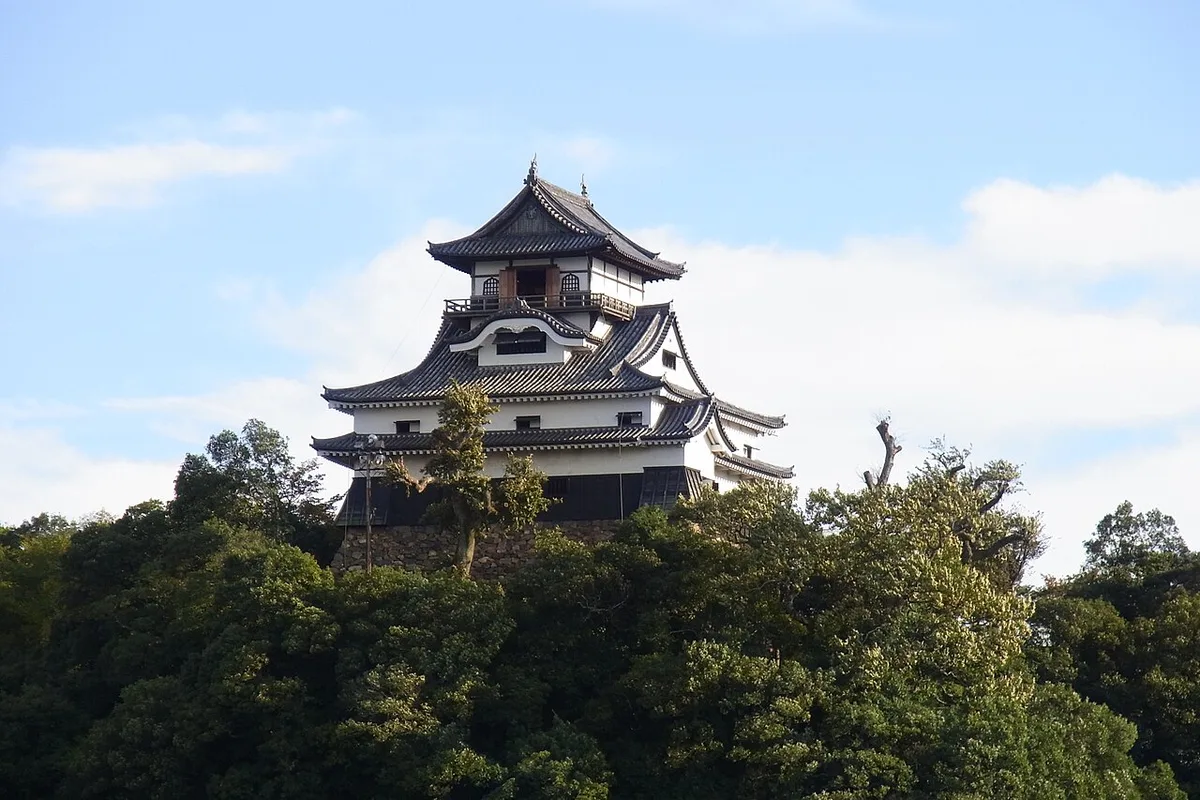
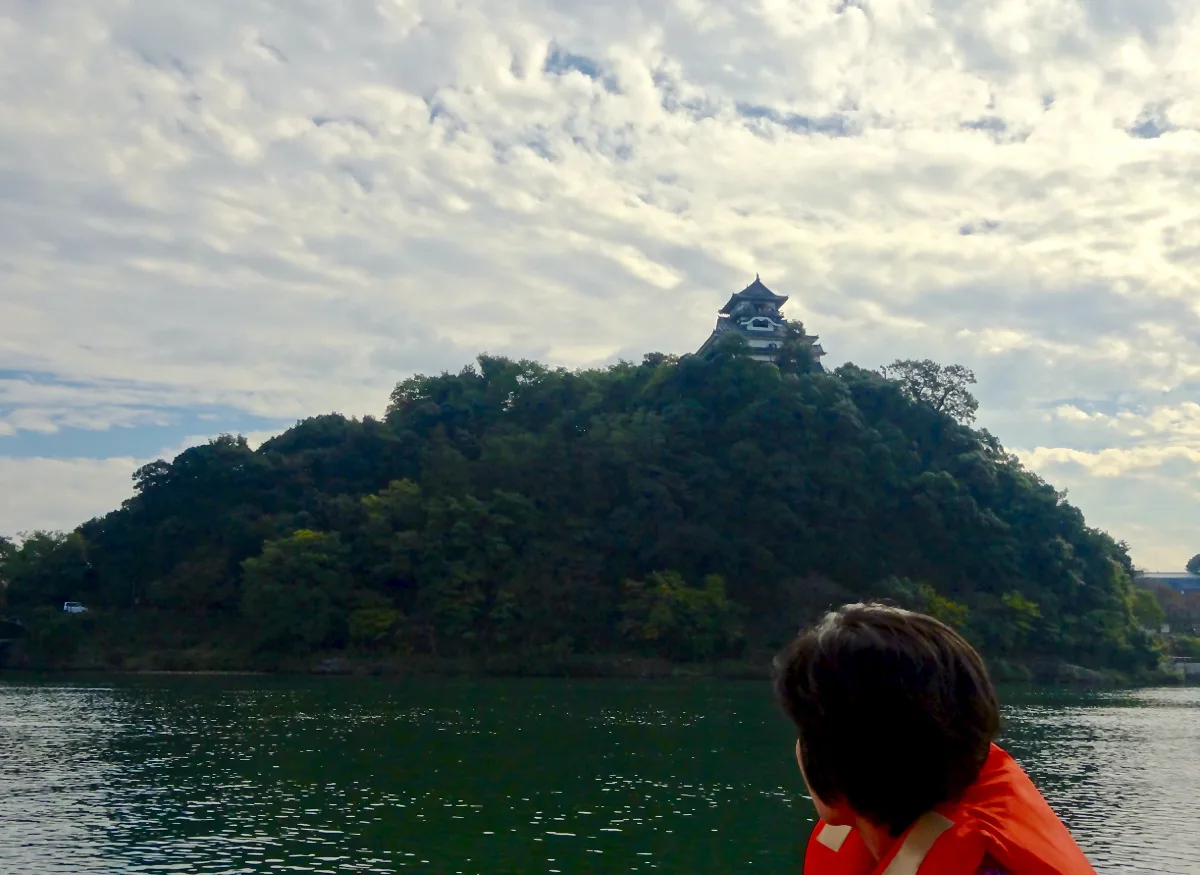
Inuyama Castle stands on a bluff above the Kiso River, its dark wooden keep visible long before you reach the base of the hill. Built around 1537, it is considered the oldest surviving original castle keep in Japan. Of the twelve original castle keeps still standing, only five carry National Treasure designation — and Inuyama is one of them.
Reaching Inuyama from Nagoya takes about 30 minutes on the Meitetsu line, making it one of the most rewarding day trips in central Japan. Below the castle, a shrine lined with fox statues and heart-shaped prayer boards sits at the base of the hill. A castle-town street stretches back toward the station, full of wooden buildings, street food stalls, and craft workshops.
This guide covers entry fees, visit times, and what to expect inside the castle itself. It also covers the shrines, museums, and riverside experiences that fill out a full day in Inuyama. Use the sections below to plan based on your available time and interests.
Last updated June 2026.
Inuyama Castle: A National Treasure
Inuyama Castle was built around 1537 by Oda Yojiro Nobunyasu, an uncle of the warlord Oda Nobunaga. Its main keep has stood untouched since the feudal era, making it one of just twelve original castles remaining in Japan. In 1935, it received designation as a National Treasure — a status shared by only four other castle keeps across the country.
The castle was privately owned by the Naruse family for generations, unique among all Japanese castles. The family transferred ownership to a public foundation in 2004, and it has been open to visitors ever since. Because it is entirely original, there are no modern additions inside — no elevators, no installed electricity, and no staged museum rooms.
Entry costs 550 yen for adults and 110 yen for children under 14. Opening hours run from 9:00 to 17:00, with last entry at 16:30, and the castle closes from December 29 to 31. You can locate it on Google Maps at the northern end of Inuyama's castle hill.
The interior climb involves steep, narrow original wooden stairs, so sturdy footwear is worth wearing. Shoes must be removed at the entrance and carried up in a plastic bag provided at the gate. At the top, a wraparound balcony delivers a full 360-degree view over Inuyama, the Kiso River, and on clear days, the distant Nagoya skyline.
Sturdy footwear is recommended for the steep, narrow wooden stairs inside the keep. Shoes must be removed at the entrance and carried up in a plastic bag.
Sanko Inari Shrine and Haritsuna Shrine
Two shrines sit near the base of the castle hill and are easy to visit before or after the main climb. Sanko Inari Shrine is the more photographed of the two, known for its walls of pink heart-shaped wooden prayer boards. Visitors write wishes for love, marriage, or a happy household on the boards and hang them alongside hundreds of others.
Beyond the prayer boards, the shrine has classic Inari features: red torii gates, white fox statues, and a compact inner courtyard. Entry is free, with weekday hours from 8:30 to 16:30 and weekend hours extended to 17:00. A small section near the entrance lets visitors wash coins for good fortune, similar to Zeniarai Benten in Kamakura.
Haritsuna Shrine stands a few minutes closer to the castle and feels quieter by comparison. It is the origin point of the Inuyama Matsuri Festival, one of Japan's celebrated spring festivals, held here since 1635. Stone lanterns line the approach, and the shrine sells seasonal charms and fortune papers during the spring cherry blossom season.
Donden Kan: Inuyama Festival Floats Museum
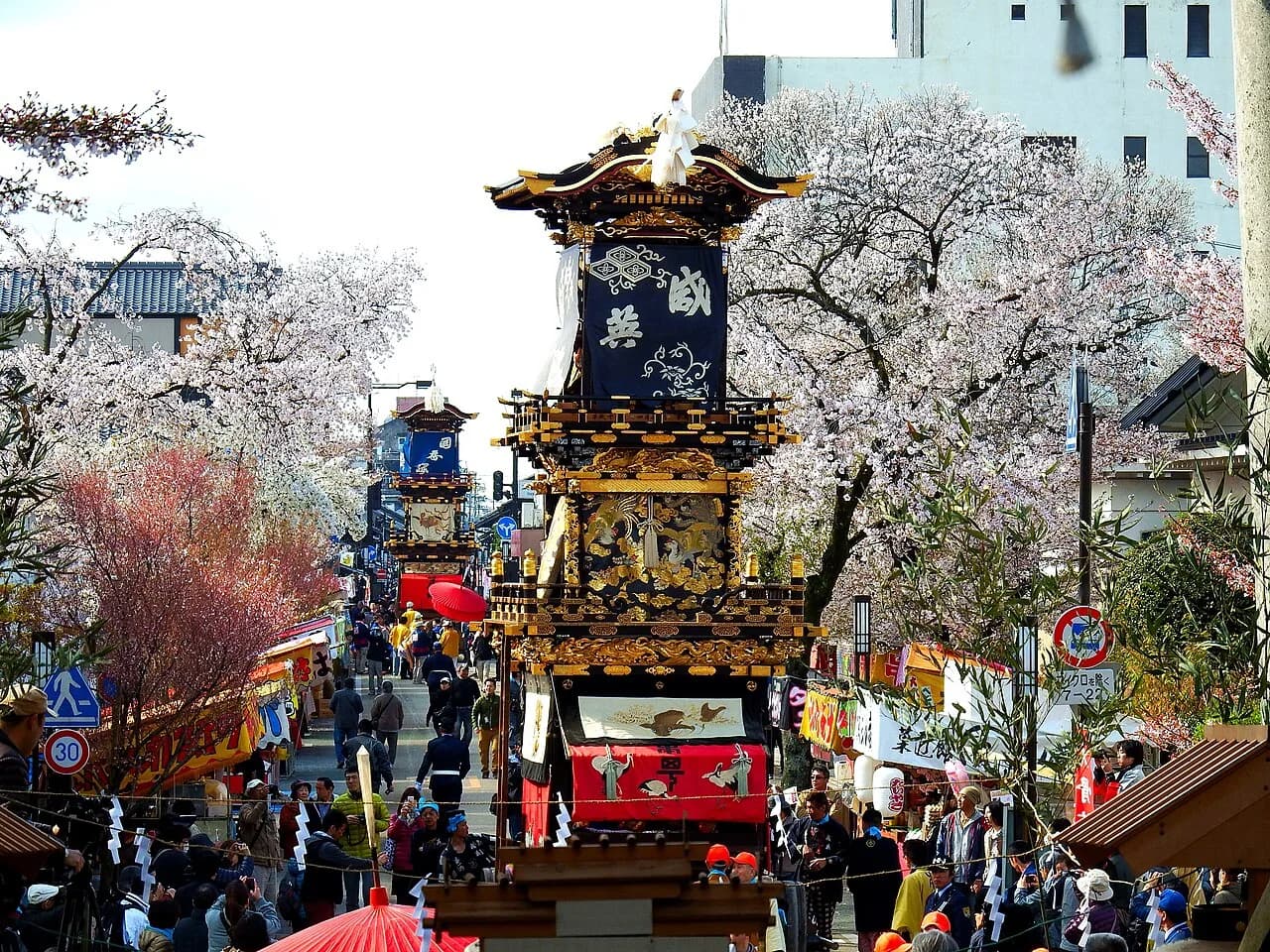
The Inuyama Matsuri takes place on the first weekend of April each year, when eight-meter-tall floats are paraded through the streets. If your visit falls outside April, the Donden Kan museum lets you see the floats up close year-round. The museum houses several original festival floats, each decorated in gold leaf and lacquer and topped with mechanical karakuri dolls.
Entry costs 100 yen for adults and is free for junior high school students and younger. Hours run from 9:00 to 17:00, and the museum is a short walk from the castle along Honmachi street. The floats are notably large indoors, and their craftsmanship is easier to examine here than during the festival itself.
The Inuyama Matsuri holds UNESCO Intangible Cultural Heritage status, reflecting its significance in Japanese festival culture. Each float carries karakuri mechanical dolls that perform automated movements, animated by a system of strings and levers. The official Inuyama festival page has English-language schedule and event details if you are planning a spring visit.
Honmachi Castle Town and Showa Alley
The street connecting Inuyama Station to the castle is lined with old wooden buildings housing food stalls, craft shops, and cafes. This area is called Showa Alley — a reference to the postwar era when these streets formed the commercial heart of the town. It gets noticeably busier from around 11:00, so arriving early gives a calmer, more atmospheric experience.
Street food worth trying includes dango (sweet rice-flour dumplings), wagyu beef sushi, and soft-serve ice cream. Some stalls carry moriguchi-zuke ice cream, a pickled radish flavor that sounds unusual but draws consistent curiosity. Budget 30 to 45 minutes here if you want to browse at a relaxed pace and stop for a light snack.
Kimono rental shops operate along the street for those who want to explore the castle town in traditional dress. Inuyama Biyori offers yukata and kimono from 4,400 yen, with no advance reservation required and hours from 10:00 to 18:00 (closed Tuesdays). Our Honmachi castle town guide covers the best food stops, souvenir shops, and cafes in order of the street.
A premium Inuyama Yaki pottery workshop is one of the area's most distinctive hands-on experiences. The session covers wheel throwing, hand-building, and decorating, with your finished pieces fired in one of Japan's last climbing kilns. You can book your pottery experience here — a family-run studio with resident cats is part of what makes the visit memorable.
More to Explore: Gardens, Museums, and River
Urakuen Garden, a short walk from the castle, holds several teahouses built across different centuries. Its centerpiece is Jo-an, constructed in Kyoto in the 17th century by Oda Uraku — a brother of Oda Nobunaga — and later relocated here. Jo-an carries its own National Treasure designation and is considered one of Japan's finest surviving examples of teahouse architecture.
Entry to Urakuen is 1,200 yen for adults and 600 yen for children, with hours from 9:30 to 17:00 (closed Wednesdays). Our Urakuen and Jo-an teahouse guide covers the garden layout and what to look for inside Jo-an's famously low bamboo ceilings. This is the most architecturally significant stop in Inuyama after the castle itself, and worth the entry fee for anyone interested in tea culture.
The Karakuri Exhibition Museum introduces visitors to karakuri ningyo — wooden mechanical dolls that predate modern robotics by centuries. Entry is 300 yen for adults and 100 yen for elementary school students, with opening hours from 9:00 to 17:00. The museum hosts periodic live demonstrations by one of the last practicing craftsmen from a family with ties to the tradition since the 17th century.
Meiji Mura is a large open-air architecture museum about 15 minutes from central Inuyama by bus or taxi. It houses over 60 buildings from the Meiji Period (1868–1912), including the entrance hall of Tokyo's demolished Imperial Hotel. Entry is 2,000 yen for adults, with hours from 9:30 to 17:00 — plan at least two hours here, and see our Meiji Mura Inuyama for which buildings to prioritize.
From June to October, cormorant fishing (ukai) takes place on the Kiso River in the shadow of the castle. Trained cormorant birds catch ayu sweetfish while a handler manages the catch from a lantern-lit wooden boat at dusk. Outside the cormorant season, a private boat cruise along the river includes a lunch box and local sake — you can book the exclusive boat ride here.
Getting to Inuyama and Planning Your Visit
Inuyama is served by the Meitetsu Nagoya Inuyama Line, departing from Nagoya's Meitetsu terminal. The journey takes about 25 to 30 minutes, with trains running frequently throughout the day. Both Inuyama Station and Inuyamayuen Station are valid stops — Inuyamayuen puts you at the riverside for the most scenic approach to the castle.
Starting from Inuyamayuen lets you walk along the Kiso River, lined with cherry blossoms in spring and golden ginkgo in autumn. From there, you continue uphill past Haritsuna Shrine and Sanko Inari Shrine before reaching the castle gate. This river approach takes around 15 to 20 minutes on foot and feels significantly different from arriving directly at the entrance.
Spring (late March to early April) is peak season, with cherry blossoms on the river walk and the Matsuri on the first weekend of April. Autumn (October to November) offers cooler air and turning maples without the festival-period crowds. Weekday mornings before 11:00 are consistently the least crowded window for the castle climb. For a full breakdown of seasonal trade-offs, see our guide on the Best Time to Visit Inuyama: 2026 Guide.
A full day in Inuyama comfortably fits the castle, both shrines, the castle-town street, and Urakuen without rushing. The castle alone takes 40 to 60 minutes including the climb and rooftop views; Urakuen adds another 45 to 60 minutes. If you want to include Meiji Mura, treat it as a half-day extension rather than squeezing it into a tight itinerary.
Momotaro Shrine: When to Add It
Momotaro Shrine is the best extra stop if we want something playful after the castle, especially with children or anyone interested in Japanese folk tales. The shrine is dedicated to Momotaro, the peach-born hero who defeats ogres with animal companions, and the grounds are filled with colorful storybook statues rather than formal castle-town architecture.
Entry is free, and typical daytime hours are 10:00 to 16:00. The trade-off is access: it sits north of the main castle area, around 40 minutes on foot from Inuyamayuen Station, so most short day trips are better using a taxi or skipping it. Add it when you have a car, a slow full day, or younger travelers who need a lighter stop after steep castle stairs. For a tighter half-day, prioritize the castle, shrines, Honmachi, and Urakuen instead.
Frequently Asked Questions
How much does it cost to enter Inuyama Castle?
Entry to Inuyama Castle costs 550 yen for adults and 110 yen for children under 14. The castle is open from 9:00 to 17:00 with last entry at 16:30, and it closes December 29 to 31. No advance booking is needed — tickets are purchased at the gate on arrival.
How long does it take to visit Inuyama Castle?
Most visitors spend 40 to 60 minutes at the castle itself, including the steep stair climb, a look at the small interior displays, and time on the wraparound rooftop balcony. Adding Sanko Inari Shrine and Haritsuna Shrine at the base of the hill extends your total time on the castle hill by another 20 to 30 minutes.
Is Inuyama a good day trip from Nagoya?
Inuyama is one of the most rewarding day trips from Nagoya, taking only 25 to 30 minutes on the Meitetsu line. The castle, two shrines, the Honmachi castle-town street, and optional experiences like Urakuen or a river cruise fill a full day. Our Inuyama attractions guide covers every key stop with practical details.
What makes Inuyama Castle different from other Japanese castles?
Inuyama Castle is one of only twelve Japanese castles whose original keep has survived intact since the feudal era, and one of just five designated as a National Treasure. It was privately owned by the Naruse family until 2004, making it the only Japanese castle ever held in private hands. Its interior has no modern additions — no elevators, no installed lighting.
What is there to do near Inuyama Castle?
Sanko Inari Shrine and Haritsuna Shrine sit at the base of the castle hill and are both free to enter. Honmachi street below offers street food, kimono rental, and craft workshops. Urakuen Garden (1,200 yen) and the Karakuri Exhibition Museum (300 yen) are within a 10-minute walk, and Meiji Mura open-air museum is a short bus ride away.
Inuyama Castle earns its National Treasure status through survival rather than grandeur. An original wooden keep standing since 1537, it overlooks the same Kiso River it has watched for nearly five centuries. For a castle in Japan, that kind of unaltered authenticity is genuinely rare.
The area around the castle adds real depth to a day visit. Shrines, a castle-town street full of food and craft, the Jo-an teahouse, and seasonal cormorant fishing on the river all sit within walking distance. None of these require advance planning — they build naturally into a single day's loop from the station.
From Nagoya, the journey is short enough that even a half-day visit works. For those who want to stay overnight and explore at a slower pace, our guide on Where To Stay In Inuyama Travel Guide covers the best ryokan and guesthouses near the castle. Either way, Inuyama is consistently worth the detour.
Free guide: Japan's Hidden Gems
12 under-the-radar places beyond Tokyo & Kyoto — with the best season to visit each and a local tip you won't find in the guidebooks.
You might also like


Continue reading
More guides you'll find useful