Inuyama Honmachi Castle Town Street Guide
Explore Inuyama Honmachi castle town: Edo-era machiya, dango and gohei-mochi street food, float and karakuri museums, and the pink-heart Sanko Inari Shrine.
On this page
Last updated June 2026.
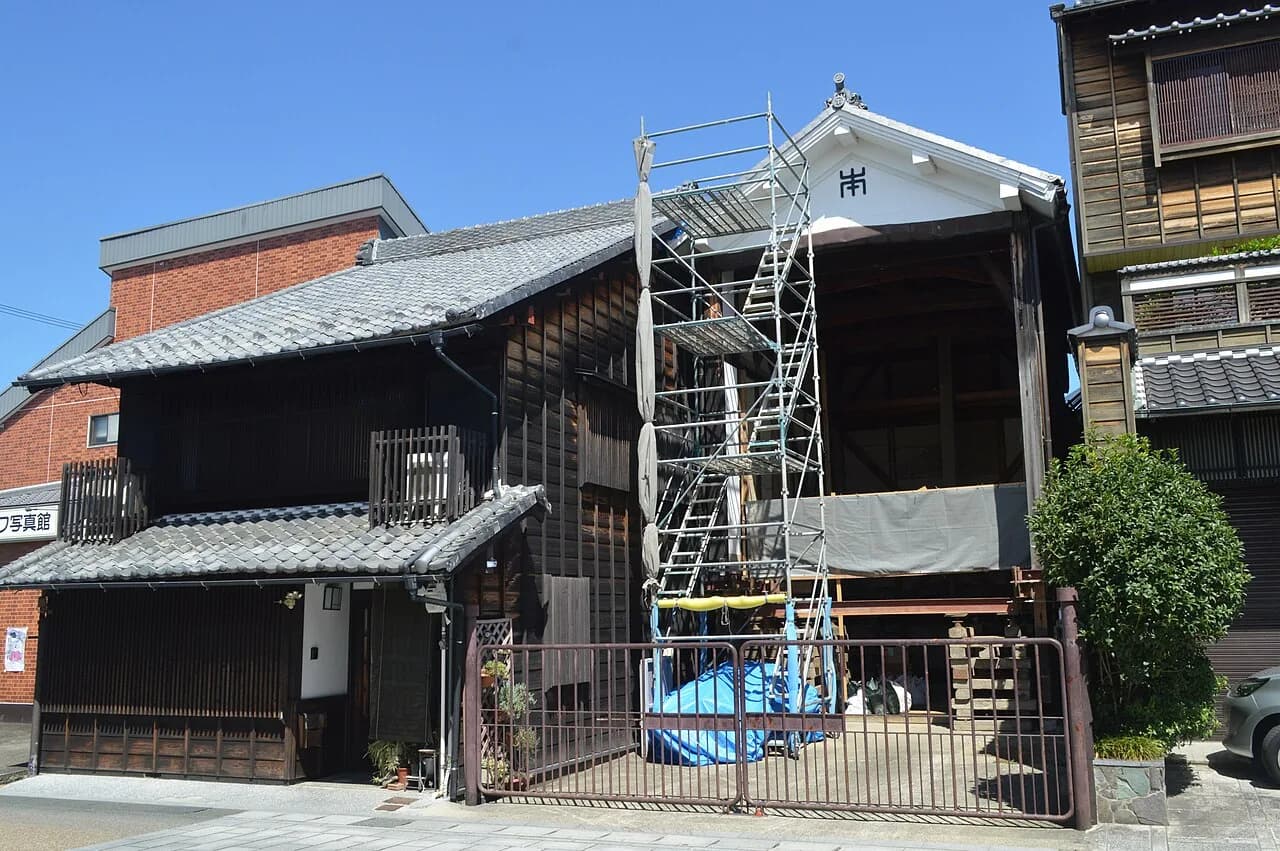
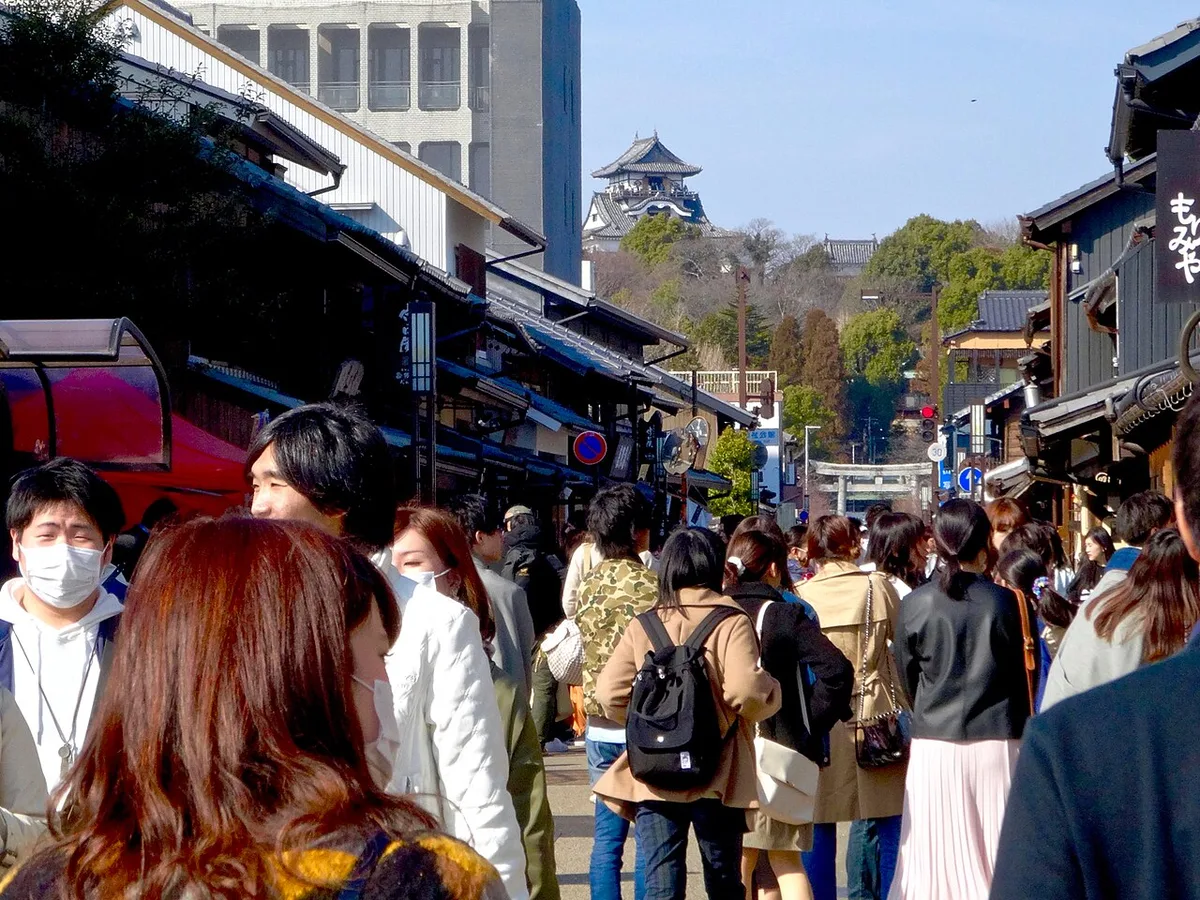
Honmachi-dori is the heart of Inuyama honmachi castle town, an Edo-era street running from near the station up to Inuyama Castle. Dark wooden townhouses line both sides, and most now hold sweet shops, food stalls, cafes and craft stores. We love this stretch because it stays free to wander and rewards a slow, unhurried pace.
You can walk the main street end to end in about 10 minutes, but the snacks and shops easily fill one to two hours. This guide focuses on the old-town walk itself, not the wider day-trip logistics from Nagoya. For getting here and timing, see our notes on getting to Inuyama by train before you set out.
Walking Honmachi-dori, Inuyama's Castle Town Street
Inuyama castle town sits at the foot of the National Treasure Inuyama Castle, where the Edo-period street grid still survives. Honmachi-dori is the main spine, stretching north from near Meitetsu Inuyama Station toward the castle hill. It is about a 10-minute walk from the station's west exit to the start of the old street.
The buildings here are machiya, traditional wooden townhouses with lattice fronts and low eaves. Narrow side alleys branch east and west, so it pays to slow down and look past the main road. A relaxed stroll along the core streets takes roughly one to two hours.
Walking uphill from the station toward the castle keeps the route easy on your legs. Many shops open between 10:00 and 10:30, so arriving early means quieter lanes and shorter queues. This is also a living, working town, so treat open doorways and side lanes as private unless signs say otherwise.
Many shops and stalls open between 10:00 and 10:30, so arriving early in the morning gives you quieter lanes, shorter food queues, and better light for photography before the afternoon crowds arrive.
Sweet Shops and Street Food on Honmachi
Inuyama markets itself as a skewered street-food town, and Honmachi-dori is where you taste why. Stalls and counters sell small portions, so you can graze your way up the street without committing to a full meal. We suggest buying one item at a time and pacing yourself between the station and the castle.
Local specialties run from sweet to savory, with several rooted in the area's history. Pair a few snacks with a sit-down stop so you are not eating on the move. Many shops cluster near the middle of the street, which makes comparison easy.
- Dango
- Sweet rice-flour dumplings on skewers, sold warm at several Honmachi counters.
- Gohei-mochi
- Grilled rice cakes brushed with a sweet-savory miso or walnut sauce.
- Dengaku
- Skewered tofu or vegetables coated in miso and grilled over coals.
- Kushiyaki skewers
- Grilled meat and vegetable skewers that make an easy savory break.
- Genkotsu candy
- A regional sweet once given to castle retainers, now a popular souvenir.
Machiya Shops, Sake, and Craft Stops
Beyond food, the machiya along Honmachi hold cafes, sake sellers, and small craft shops. Renovated townhouses blend old timber frames with modern interiors, so the scenery shifts every few doors. Browsing these stores is part of the walk, even if you only window-shop.
Local sake and craft pieces make good souvenirs to carry home from the trip. District names like Kajiya-machi (blacksmiths) and Uoya-machi (fishmongers) survive on signboards. Reading those plaques as you go turns an ordinary stroll into a short history lesson.
Weekends bring the street to life, with more stalls open and a livelier crowd. Renting a kimono nearby is a popular way to dress for the old-town setting. If you want a quieter browse, a weekday morning suits unhurried shopping best.
Dondenkan Festival Float Museum and Karakuri Puppets
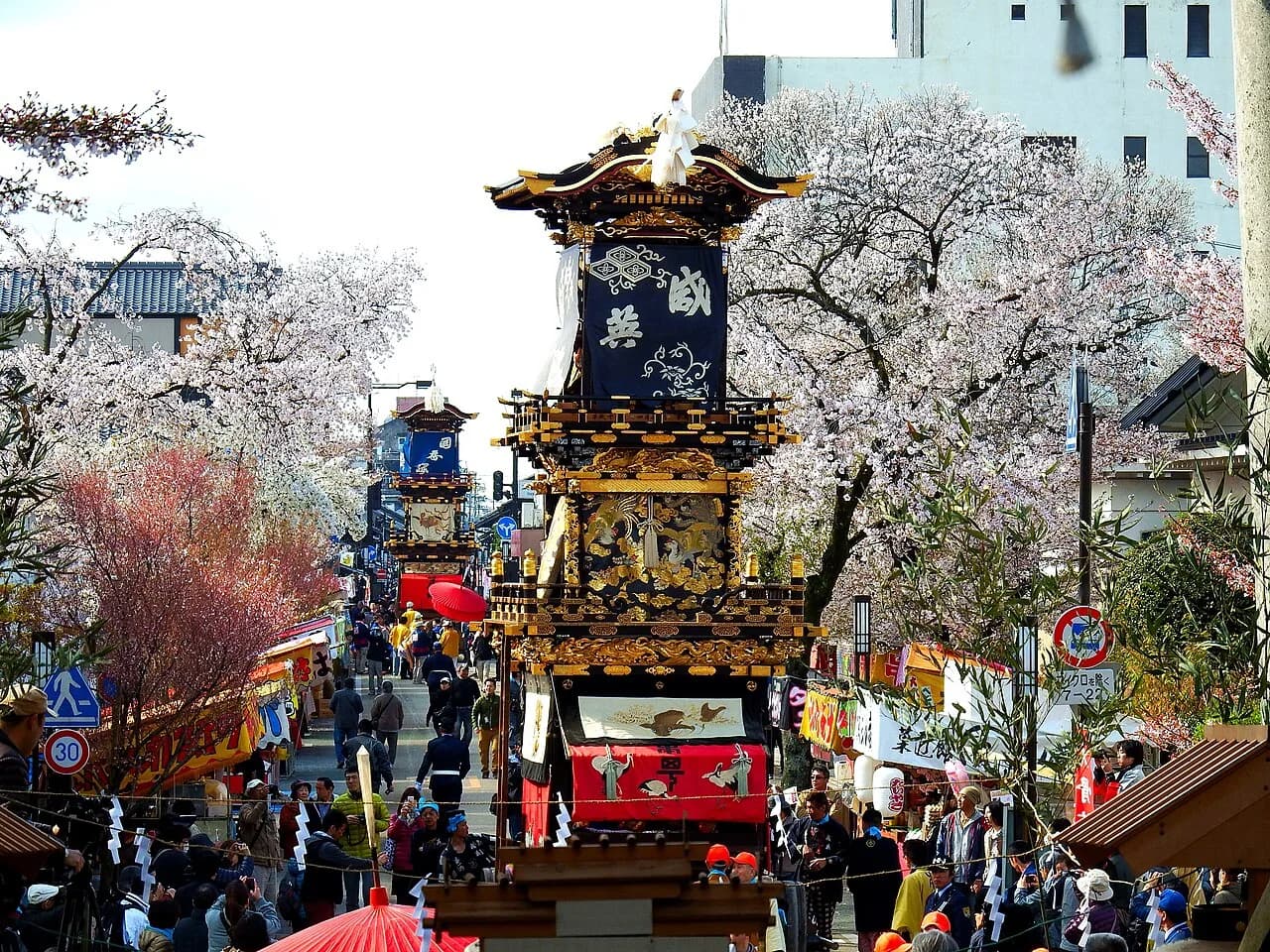
Two small museums sit right on the castle-town route and reward a short stop. The Dondenkan, or Inuyama Festival Floats Museum, displays towering floats from the Inuyama Matsuri. These three-tiered floats are decorated in gold and lacquer, and standing beside them shows their real scale.
Entry to the float museum is modest, often around 100 yen, which makes it an easy add-on. It is also a fine rainy-day option when you want to stay off the open street. The Inuyama Festival itself runs the first weekend of April, but the floats stay viewable year-round here.
A short walk away, the Karakuri museum focuses on Japan's mechanical puppets. These wooden automatons once served tea and rode atop festival floats across the country. Periodic workshops feature a master craftsman, so check the schedule if the mechanisms intrigue you.
Sanko Inari Shrine: Pink Hearts and Money Washing
At the top of the street, near the castle hill, a row of red torii marks Sanko Inari Shrine. It is best known for hundreds of pink, heart-shaped ema plaques that hang around the grounds. Visitors write wishes for love and a happy home, which makes it a favorite matchmaking stop.
The shrine is free to enter and folds naturally into the walk up toward the castle. A money-washing pond lets you rinse coins in the sacred water for good fortune. Ask at the shrine office if you are unsure how the money-washing custom works.
Because the shrine sits on the approach to Inuyama Castle: A Complete, you barely detour to reach it. Step aside before photographing the ema so you do not block the path of worshippers. Early visitors usually find the heart plaques far easier to photograph without crowds.
How to Plan Your Honmachi Castle Town Walk
The smoothest plan walks uphill from the station, snacking and shopping along Honmachi-dori as you go. Weekday mornings around 10:00 to 11:00 feel calmest, before the afternoon rush builds. Weekends are lively and fun, but expect queues at the most popular skewer counters.
We think the street pairs best with two nearby anchors at the top of the hill. Climb to the castle keep for Kiso River views, then slow down at the Uraku-en garden and Jo-an teahouse. If you visit in early April, the Inuyama Matsuri float festival transforms the same streets.
Remember that residents live and work along these lanes every day. Stop to eat rather than walking with food, and return wrappers to the shop or a bin. For a fuller route, our Inuyama day itinerary ties the street, castle, and shrine together.
Urakuen Garden and Jo-an Teahouse
If Honmachi-dori gives you the lively side of Inuyama, Urakuen gives you the quiet counterweight. The garden sits near the castle area, so we would treat it as a deliberate pause after the street-food stretch rather than another quick photo stop. Plan about 45 to 60 minutes if you want time for the paths, tea-house views, and a short rest.
The main reason to go is Jo-an, a National Treasure tea house linked to Oda Urakusai, Oda Nobunaga's younger brother. Typical admission is around 1,200 yen for adults and 600 yen for children, with hours commonly 9:30 to 17:00 and Wednesday closures, though same-day checks matter before you build the route around it. It suits travelers who prefer architecture, gardens, and tea culture; families focused on snacks and shrine photos may prefer to spend that hour on Honmachi itself.
Frequently Asked Questions
What is Inuyama Honmachi castle town?
It is the preserved Edo-era street, Honmachi-dori, running from near Inuyama Station up to Inuyama Castle. Wooden machiya townhouses now hold sweet shops, street-food stalls, cafes, and craft stores. You can wander it free, with the Dondenkan float museum and Sanko Inari Shrine along the way.
How long does it take to walk Honmachi-dori?
A relaxed stroll along the main street takes about one to two hours. Adding street-food tastings, the float and karakuri museums, and a stop at Sanko Inari Shrine easily fills a half day. Walking uphill from the station toward the castle keeps the route easy on your legs.
What street foods should I try on Inuyama Honmachi?
Inuyama is known as a skewered street-food town. Look for dango, gohei-mochi grilled rice cakes, miso dengaku, and kushiyaki skewers. Genkotsu candy is a regional sweet and a popular souvenir. Buy small portions one at a time, and finish each snack while stopped rather than walking.
Is Sanko Inari Shrine worth visiting?
Yes, especially if you enjoy photogenic spots. The shrine is free and famous for hundreds of pink, heart-shaped ema plaques tied to wishes for love. There is also a money-washing pond for good fortune. It sits on the approach to the castle, so it barely adds a detour to your walk.
When is the best time to walk Inuyama castle town?
Weekday mornings from about 10:00 to 11:00 are calmest, since many shops open around then. Weekends are livelier with more stalls but bigger queues. Early April brings the Inuyama Matsuri float parade, while spring cherry blossoms near the castle add extra appeal to the same streets.
Honmachi-dori turns a quick castle visit into a half-day of grazing, browsing, and history. The mix of machiya shops, skewered snacks, small museums, and a heart-filled shrine gives the street real depth. Walk it slowly, eat while stopped, and let the Edo-era grid set your pace.
Pair the street with the castle and Uraku-en for a balanced Inuyama day. Arrive early on a weekday if you want the quietest lanes and the best photos. However you time it, the old castle town rewards travelers who linger over those who rush.
Free guide: Japan's Hidden Gems
12 under-the-radar places beyond Tokyo & Kyoto — with the best season to visit each and a local tip you won't find in the guidebooks.
You might also like


Continue reading
More guides you'll find useful