Uraku-en Jo-an Teahouse Inuyama Travel Guide
Visit Uraku-en and the Jo-an teahouse in Inuyama with 2026 ticket prices, opening hours, transport tips, and how to pair the garden with Inuyama Castle.
On this page
Uraku-en is a traditional garden in Inuyama that shelters Jo-an, one of Japan's three teahouses ranked as National Treasures. We rate this quiet corner near Inuyama Castle as a rewarding stop on any day trip from Nagoya. This guide covers Jo-an's history, the Uraku-en Jo-an teahouse Inuyama entry fee, opening hours, and how to reach the garden.
Last updated June 2026.
Why Visit Uraku-en and Jo-an Teahouse
Uraku-en sits next to the Meitetsu Inuyama Hotel, a short walk from Inuyama-yuen station and the castle hill. The compact garden pairs mossy paths, stone lanterns, and tea pavilions with the headline draw of Jo-an itself. Most travelers spend 30 to 60 minutes here, which fits neatly beside other things to do in Inuyama.
Honest reviews note the garden is subtle rather than flashy, so it rewards visitors who enjoy tea culture and history. If you love manicured Japanese gardens, the careful upkeep and calm atmosphere make the stop feel worthwhile. Those chasing big spectacle may prefer to keep the visit short and move on to nearby sights.
First-time visitors often ask whether the garden justifies the fee, and the answer depends on your interests. Garden and history lovers tend to leave satisfied, while spectacle-seekers may prefer the castle and old town. Either way, the short visit slots neatly into a wider Inuyama plan.
Jo-an: A National Treasure Teahouse
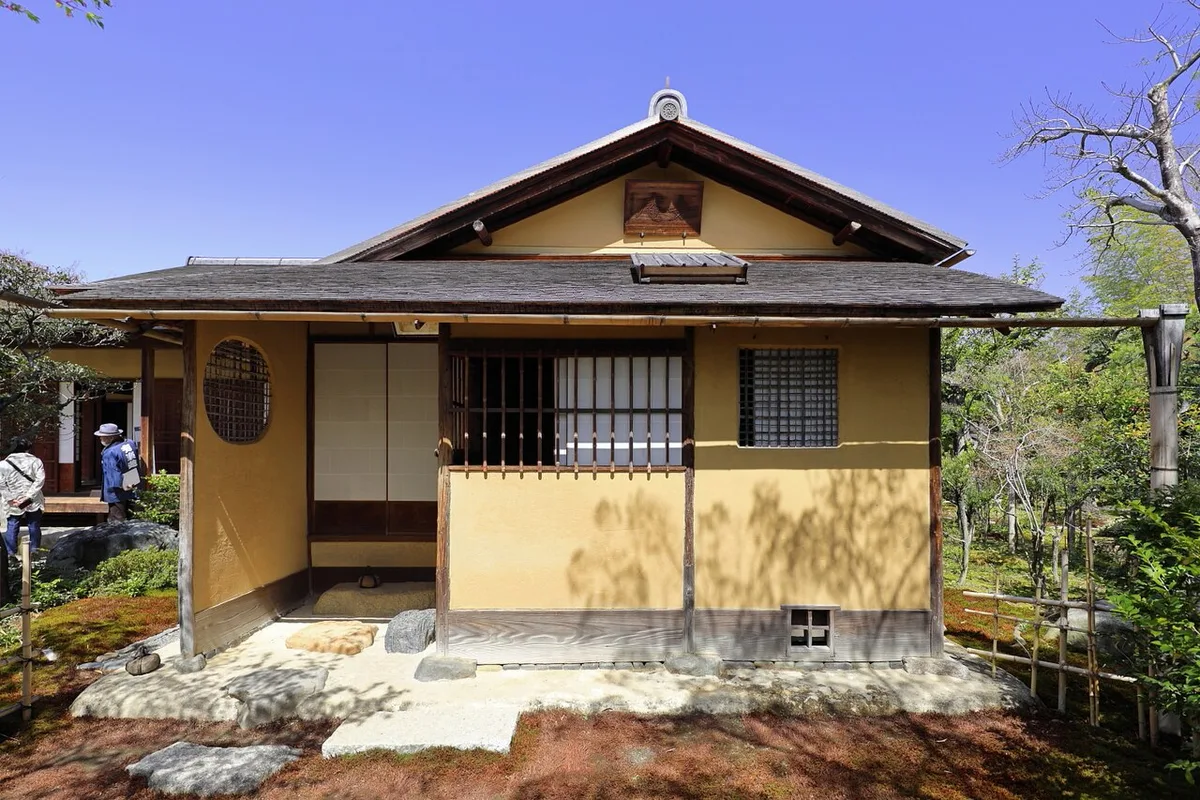
Jo-an was built in 1618 by Oda Urakusai, a tea master and younger brother of the warlord Oda Nobunaga. Urakusai trained under Sen no Rikyu, and his design choices still shape how scholars read early tea architecture. The teahouse first stood in the grounds of Kennin-ji temple in Kyoto before later moves around the country.
The structure was relocated to Inuyama in 1972, where it became the centerpiece of Uraku-en garden. Japan designated Jo-an a National Treasure, placing it beside Tai-an and Mitsu-an as the country's three treasured teahouses. Direct entry inside Jo-an is restricted to protect the fragile interior, so most visitors admire it from the garden path.
- Jo-an at Uraku-en, Inuyama
- Built in 1618 by Oda Urakusai and relocated here in 1972.
- The only one of the three you can pair with a feudal castle.
- Tai-an at Myoki-an, Kyoto
- A tiny two-mat room linked to the famed tea master Sen no Rikyu.
- Viewing usually requires advance permission and is rarely open to drop-ins.
- Mitsu-an at Ryuko-in, Kyoto
- Tucked inside a Daitoku-ji subtemple that opens only on rare occasions.
- Among the hardest of the three teahouses for casual visitors to see.
Strolling Uraku-en Garden and Tea Pavilion
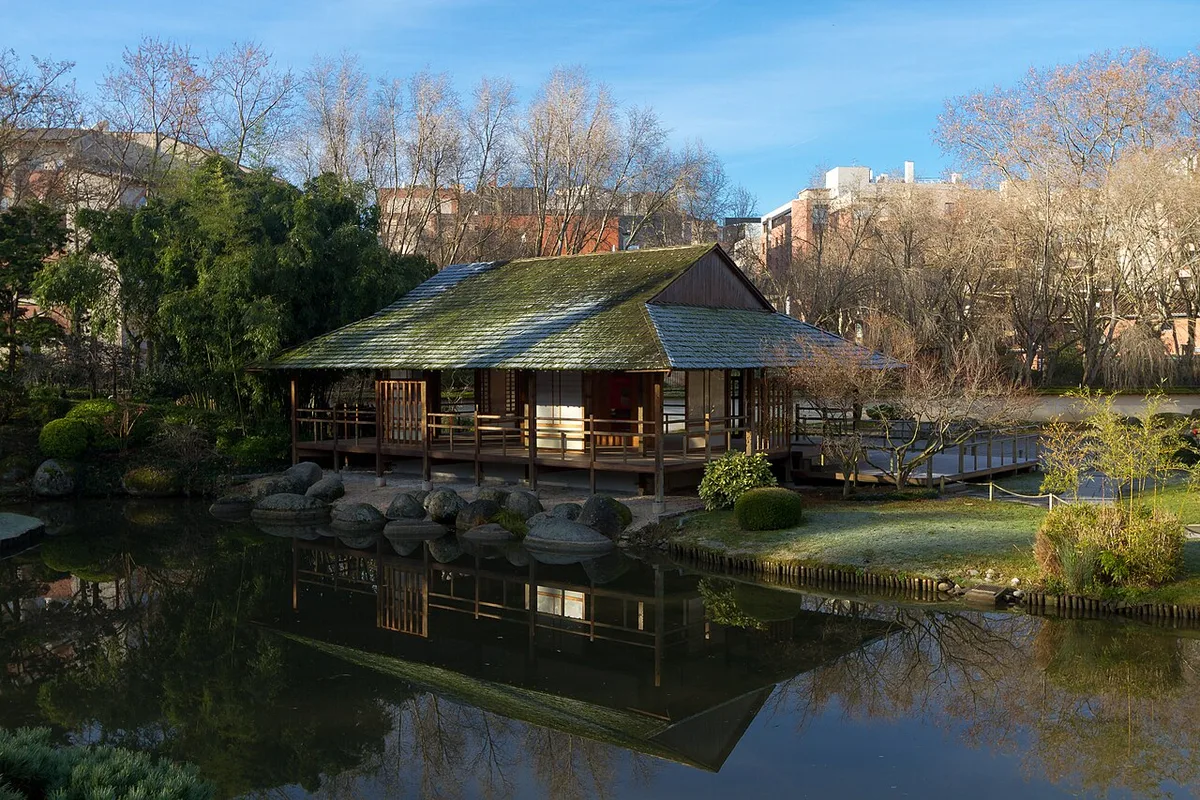
Beyond Jo-an, Uraku-en lays out winding gravel paths, clipped shrubs, and a pond that mirrors the seasonal foliage. Several buildings sit with their sliding doors open, letting you glimpse tatami rooms and tea utensils inside. We suggest moving slowly, since the garden's quiet detailing is the whole point of the visit.
A separate pavilion called Ko-an was added in 1986 for hosting tea ceremonies on the grounds. Here you can sit and enjoy a bowl of matcha green tea paired with a Japanese sweet. The tea costs an extra fee on top of admission, but many travelers call it the highlight.
The Ko-an pavilion serves matcha tea with a sweet for an additional fee beyond garden admission.
Spring cherry blossoms and autumn maples make the garden especially photogenic, drawing slightly larger crowds. Weekday mornings stay calmest, so early arrivals get the quiet paths largely to themselves. Our notes on the Best Time to Visit Inuyama: 2026 Guide can help you match the season to your trip.
Uraku-en Tickets, Hours, and Matcha Fees
Adult admission to Uraku-en runs about 1,200 yen in 2026, and the garden generally opens from 09:00 to 17:00. Winter months bring shorter hours, so confirm the current schedule before you travel on the official Meitetsu Uraku-en page. The matcha and sweet at the tea pavilion carry a separate charge beyond the garden ticket.
Tickets are usually bought at the counter on arrival, and queues can build during busy weekends. Guests at the neighboring hotel and some transport passes occasionally include discounted or free entry. Budget travelers should weigh the fee against the visit's quiet, niche appeal before committing the time.
- Admission
- Adults pay roughly 1,200 yen for garden entry in 2026.
- Opening hours
- Open about 09:00 to 17:00, with shorter winter hours.
- Matcha and sweet
- Available at the Ko-an pavilion for an extra fee beyond admission.
- Time needed
- Plan 30 to 60 minutes, or longer if you take tea.
- Location
- Beside the Meitetsu Inuyama Hotel, near Inuyama-yuen station and the castle.
Getting to Uraku-en in Inuyama
Inuyama sits about 25 to 30 minutes from Nagoya by Meitetsu limited express, which makes a half-day trip simple. From central Nagoya, trains on the Meitetsu Inuyama Line reach Inuyama and the nearby Inuyama-yuen station directly. For full route options and fares, see our guide to How to Get to Inuyama: 2026 Transit Guide from the city.
Inuyama-yuen station sits closest to Uraku-en, while Inuyama station anchors the main castle-town shopping street. From either stop, the walk to the garden takes roughly 10 to 15 minutes past the castle hill. Drivers will find limited parking nearby, so most visitors rely on the frequent Meitetsu trains instead.
Plan your transport early if you visit on a weekend, when limited expresses fill with day-trippers from Nagoya. Buying an IC card before boarding keeps the transfers smooth and saves fumbling for coins. From the station, simple signage and the castle skyline make the short walk easy to follow.
Pairing Uraku-en With Inuyama Castle
Uraku-en works best as part of a wider loop rather than a standalone trip from Nagoya. Just up the hill stands Inuyama Castle: A Complete, one of Japan's oldest original wooden keeps. Climbing its steep top floor rewards you with wide views over the Kiso River and the town below.
Below the castle, the Honmachi castle town lines an old street with snack stalls and craft shops. We like to end the day here with skewers, soft-serve, and a slow wander before the train back. Allow a full half day to enjoy the garden, castle, and Honmachi without rushing between them.
Families and culture fans can extend the loop to the open-air Meiji Mura museum nearby. Mapping these stops in advance keeps the day flowing instead of doubling back across town. Pacing it this way preserves Uraku-en's calm mood rather than turning it into a rushed checkbox.
Frequently Asked Questions
How much does Uraku-en in Inuyama cost?
Adult admission to Uraku-en is around 1,200 yen in 2026, covering the garden and views of the Jo-an teahouse. A bowl of matcha with a sweet at the Ko-an pavilion costs extra. Hotel guests and some transport passes occasionally get discounted or free entry, so ask at the counter.
What are Uraku-en's opening hours?
Uraku-en generally opens from 09:00 to 17:00, with shorter hours in the winter months. Last entry usually falls before closing, so aim to arrive by mid-afternoon. Because seasonal schedules and closures change, confirm the current times on the official Meitetsu Uraku-en page before you set out.
Why is the Jo-an teahouse a National Treasure?
Jo-an is one of only three teahouses designated National Treasures in Japan, alongside Tai-an and Mitsu-an in Kyoto. Built in 1618 by tea master Oda Urakusai, it is prized as an early masterpiece of tea architecture. Inuyama gives it a setting beside a feudal castle that the Kyoto pair lack.
Is Uraku-en worth a day trip from Nagoya?
For garden and history fans, yes, though it shines as one stop rather than the whole reason to come. We suggest pairing it with the castle and old town for a fuller half day. See our Inuyama Itinerary One Day: Castle Town Guide to slot the garden into a smooth route.
How long should you spend at Uraku-en?
Most visitors spend 30 to 60 minutes wandering the paths and viewing Jo-an from the garden. Add roughly another 20 to 30 minutes if you stop for matcha and a sweet at the tea pavilion. Weekday mornings are quietest, so early arrivals enjoy the calm without large tour groups.
Uraku-en and the Jo-an teahouse reward travelers who slow down and appreciate quiet, historic Japanese craftsmanship. At about 1,200 yen and open near 09:00 to 17:00, it is an easy, affordable add-on near the castle. Pair it with Inuyama Castle and Honmachi, and this small garden becomes a calm highlight of your day trip.
Free guide: Japan's Hidden Gems
12 under-the-radar places beyond Tokyo & Kyoto — with the best season to visit each and a local tip you won't find in the guidebooks.
You might also like


Continue reading
More guides you'll find useful