Sogi-sui Spring Gujo Hachiman Travel Guide
Plan your visit to Sogi-sui Spring in Gujo Hachiman: Japan's first Famous Water, the kabata system, best seasons, and nearby attractions for 2026.
On this page
Sogi-sui (宗祇水) is one of the most celebrated natural springs in Japan, found in the old quarter of Gujo Hachiman in Gifu Prefecture. In 1985, it became the very first site selected for Japan's 100 Famous Waters (Meisui Hyakusen) by the Environment Agency. That designation reflects both the purity of the snowmelt-fed water and the way it has shaped daily community life in this mountain town for centuries.
What sets Sogi-sui apart from ordinary tourist springs is the living kabata system that channels its flow through four distinct communal uses. Admission is free and the spring is open around the clock, so you can visit at any hour of the day. Bring a clean cup or refillable bottle to taste the water directly from the first basin — it is cold, clear, and genuinely good.
What Is Sogi-sui Spring?
The name Sogi-sui comes from a legend rooted in the Muromachi period, roughly the 14th to 16th centuries. The court poet Sogi visited Gujo Hachiman and received transmission of the Kokin Wakashū, a classical Japanese poetry anthology, from the local castle lord. When Sogi departed for Kyoto, the lord composed a farewell poem at this very spring, and the water took the poet's name from that day forward. That literary legacy gives the site a depth that goes well beyond its physical beauty.
Sogi-sui is also known locally as Hakun-sui, meaning 'white cloud water', a reference to the clarity and coolness of the flow. Gifu Prefecture designated it a historic site in 1974, more than a decade before the national Famous Waters recognition arrived. The spring sits near the confluence of the Kodara and Yoshida rivers, which explains its reliable year-round output.
A small shrine dedicated to the water deity stands beside the spring, framed by willow trees that overhang the stone basins. The combination of the shrine, the willows, and the sound of running water creates a calm that visitors consistently describe as memorable. Even a short twenty-minute stop here makes the atmosphere of old Japan feel immediately present.
The Tiered Kabata Water System
The kabata at Sogi-sui is a traditional communal water-use sequence that divides the spring's flow into four distinct tiers. Each tier has a specific purpose, and the water moves downstream from cleaner uses to less critical ones before re-entering the town canal. This system is a living example of the environmental etiquette that earned Gujo Hachiman its enduring reputation as a water town.
Informational panels near the spring explain each stage clearly in both English and Japanese. The sight of local fish swimming in the lower canal basins shows how clean the outflow remains even after passing through the full cycle. Reading the panels before tasting the water from the first basin adds meaningful context to what could otherwise feel like a brief stop.
- First basin: drinking water
- The uppermost tier is reserved exclusively for drinking straight from the spring.
- Water here is cold, clean, and safe to taste directly from the stone basin.
- Second basin: washing rice and vegetables
- The second tier is used by residents to rinse produce before cooking.
- Locals still use this basin today, keeping the tradition genuinely alive and functional.
- Third basin: washing dishes
- Dishes and utensils are cleaned in this downstream tier after produce washing.
- The lower placement ensures that no residue reaches the drinking water above.
- Fourth tier: return to the town canal
- Water from the final basin flows back into the town's wider canal network.
- Fish in the canal act as a natural indicator of water quality throughout the full system.
Practical Information: Hours, Access, and Cost
Sogi-sui is free to enter and open 24 hours a day, every day of the year. The address is Hachiman-cho Honmachi, Gujo City, Gifu Prefecture 501-4216, and you can view its location on Google Maps before you go. Most visitors spend around 20 minutes at the spring itself before continuing along the historic old-town streets.
By train, take the Nagara River Railway's Etsumi-Nan Line to Gujo Hachiman Station, then walk for about 30 minutes into the old quarter. A local bus from the station stops closer to the Hachiman-cho area during peak tourist seasons, cutting the walk considerably. Our complete guide to getting to Gujo Hachiman covers train times and fares from Nagoya and other regional hubs.
By car, take the Tokai-Hokuriku Expressway to Gujo Hachiman IC and follow signs toward the city center. Paid parking is available near the old-town district, with most lots charging roughly 500 to 800 yen for a few hours. Arriving before 10 AM on weekends is the simplest way to secure a space without a long wait. For event calendars and any seasonal access updates, check the official Gujo City tourism website before finalizing your plans.
Bring a clean cup or refillable bottle to taste the water directly. Most visitors spend around 20 minutes at the spring itself before continuing along the historic old-town streets.
Best Time to Visit Gujo Hachiman
Spring is one of the most rewarding seasons at Sogi-sui, roughly late March to early May, when cherry blossoms line the canal paths. Mild temperatures make walking the old-town streets genuinely comfortable, and the lighter crowds of early spring keep the experience relaxed. Our month-by-month guide to visiting Gujo Hachiman covers weather patterns, festival dates, and accommodation tips.
Summer brings the legendary Gujo Odori dance festival, which runs from mid-July through early September with all-night dancing on select dates. Children play freely in the clear canal water throughout the town, and the festive atmosphere makes Sogi-sui feel especially lively to visit. The Gujo Odori festival is counted among Japan's three great Bon dances and draws visitors from across the country.
Autumn foliage in October and November frames the shrine and willow trees at Sogi-sui in warm red and gold tones. Winter visits are quieter and often snow-dusted, which adds a strikingly peaceful mood to the stone basins and shrine lanterns. Each season delivers a genuinely different atmosphere, so the spring rewards a return visit when schedules allow.
Nearby Attractions to Pair With Sogi-sui
Sogi-sui sits within the old quarter of Gujo Hachiman, making it a natural starting point for a half-day walk through the historic streets. The Igawa-komichi water lane is a five-minute walk north and offers a narrow canal path where locals still interact with the running water daily. Together, these two water sites give a clear picture of how intimately this town's life has always revolved around its rivers and springs.
Gujo Hachiman Castle sits above the town on a forested hill and takes about 15 minutes to reach on foot from Sogi-sui. The hilltop castle delivers panoramic views of the river valleys below and is one of Japan's few remaining mountaintop fortresses still open to visitors. Combining the castle, Sogi-sui, and Igawa-komichi into a single morning or afternoon is very manageable for most walkers.
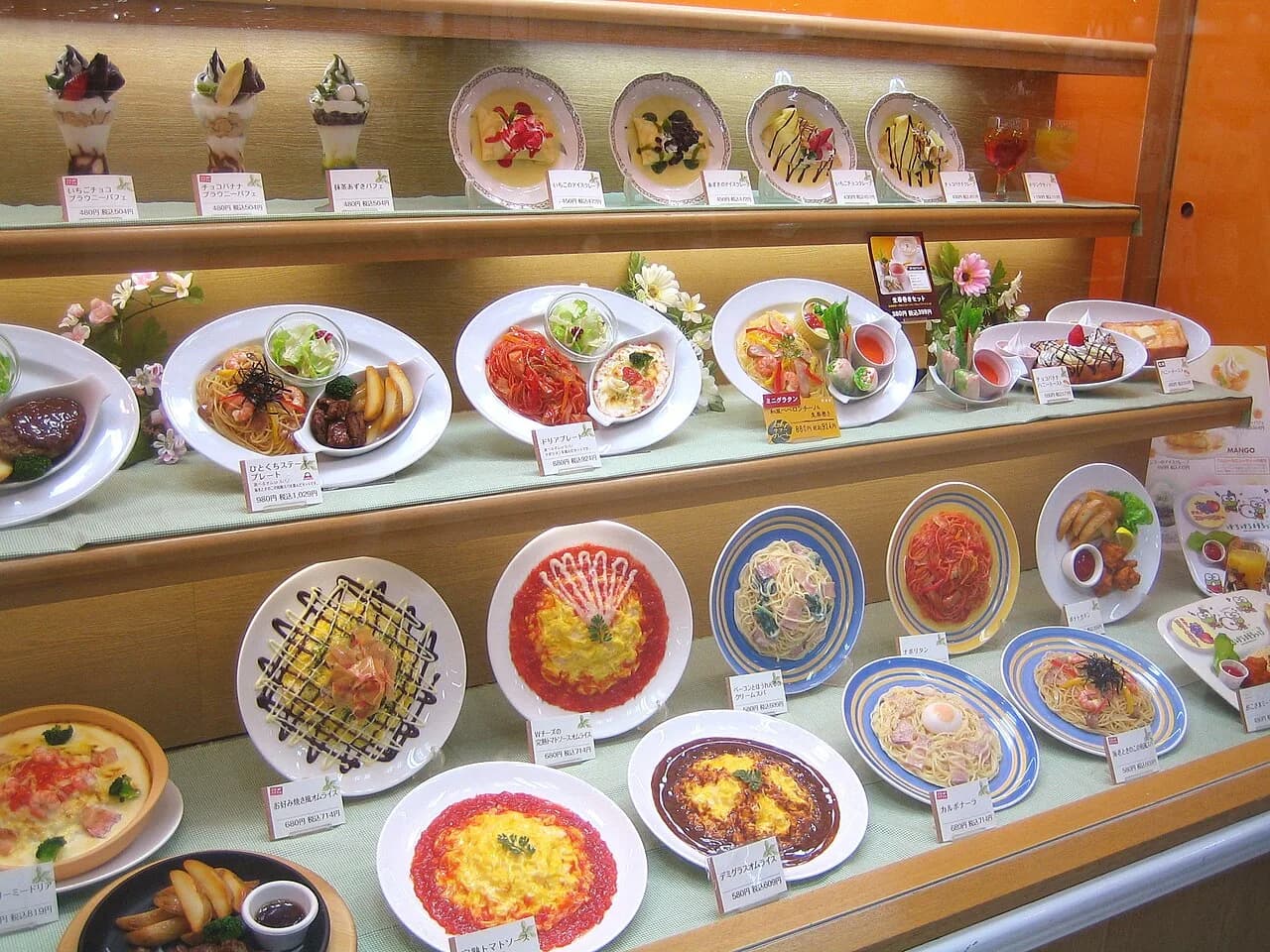
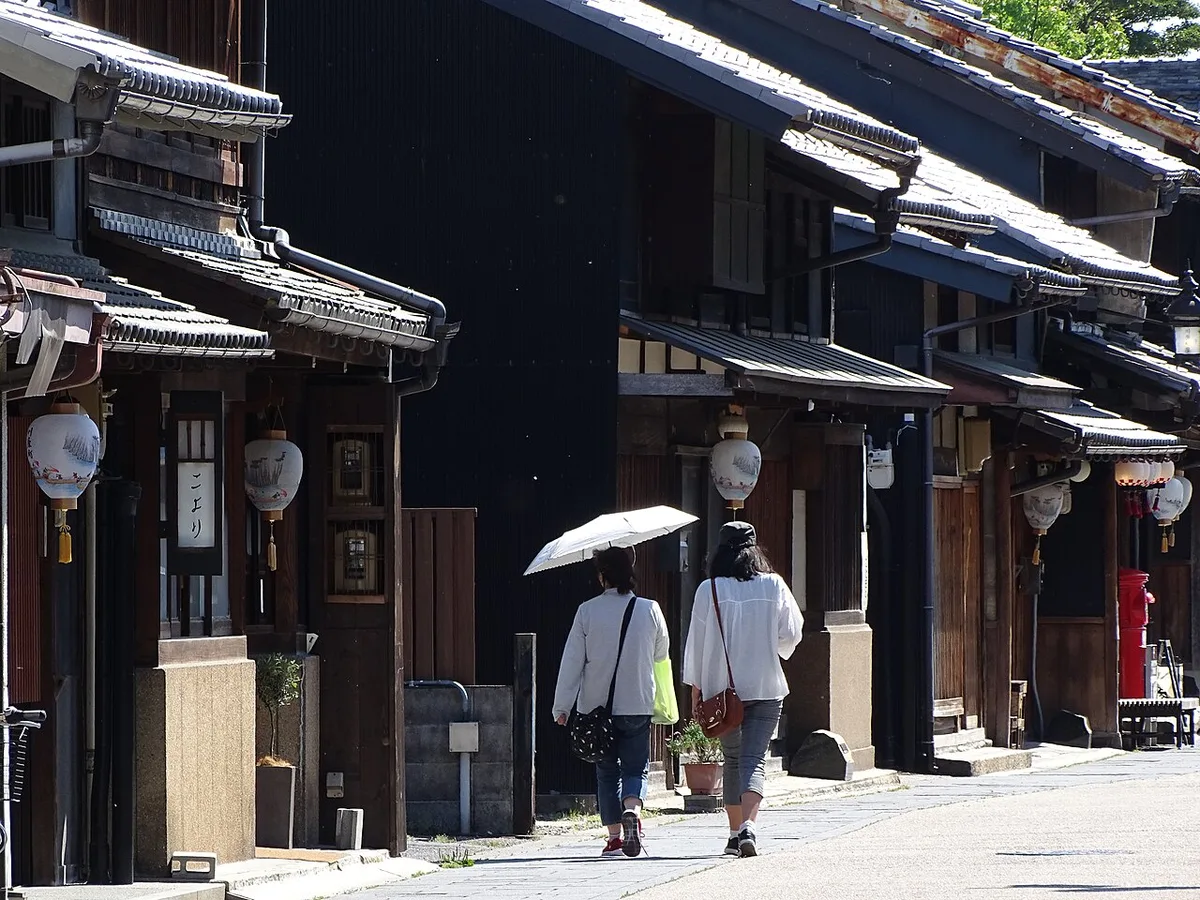
Gujo Hachiman is also Japan's recognized center for plastic food samples, and several factory showrooms near the old town let visitors try making their own. The food sample workshops are a memorable addition for families or anyone who enjoys hands-on craft experiences alongside sightseeing. Yanaka Lane, just a short walk from Sogi-sui, offers a photogenic stretch of old merchant buildings ideal for a slow afternoon stroll.
Frequently Asked Questions
Is Sogi-sui Spring free to visit?
Yes, Sogi-sui is completely free and open 24 hours a day. There are no tickets, no timed entries, and no reservations needed. Simply walk to Hachiman-cho Honmachi in the old quarter of Gujo Hachiman. Bring a clean cup or bottle to taste the water from the first drinking basin.
Can you drink the water at Sogi-sui?
Yes, the uppermost basin at Sogi-sui is designated for drinking and the water is safe to taste. It is fed by snowmelt and underground springs, remaining cold and clear year-round. Many visitors bring a small bottle to fill. The tiered kabata system keeps the drinking basin uncontaminated by the lower-tier uses.
How much time do you need at Sogi-sui Spring?
Most visitors spend around 20 minutes at the spring itself. Reading the information panels and tasting the water takes about ten minutes, and another ten is enough to absorb the shrine and willow atmosphere. Budget a half-day if you plan to walk Igawa-komichi and explore other Gujo Hachiman attractions nearby.
What is the kabata water system at Sogi-sui?
The kabata is a traditional tiered water-use sequence that channels Sogi-sui's flow through four stages: drinking, washing rice and vegetables, washing dishes, and finally returning water to the town canal. Each stage sits downstream of the previous one to prevent contamination. It is a living cultural practice, not a museum display.
What is the best season to visit Sogi-sui in Gujo Hachiman?
Spring (late March to early May) and autumn (October to November) offer the most visually rewarding conditions, with blossoms or foliage framing the spring and shrine. Summer adds the energy of the Gujo Odori festival and children playing in the canals. Winter is quiet but beautiful when snow dusts the lanterns and stone basins.
Sogi-sui spring captures something rare: a site where daily civic life, literary history, and natural beauty converge in a single small space. The kabata water system is not a reconstruction — it continues to function as it has for generations, and that continuity is the real draw. Spend 20 minutes here or make it the anchor of a full old-town walk; either way, it earns its place on any Gujo Hachiman itinerary.
Combining Sogi-sui with Gujo Hachiman Castle and Igawa-komichi makes for a very complete half-day without retracing your steps. Our Gujo Hachiman itinerary guide maps a practical route through all the old-town highlights in one loop. Arrive early, bring a bottle for the spring, and let the sound of water guide the rest of your morning.
Free guide: Japan's Hidden Gems
12 under-the-radar places beyond Tokyo & Kyoto — with the best season to visit each and a local tip you won't find in the guidebooks.
You might also like


Continue reading
More guides you'll find useful