
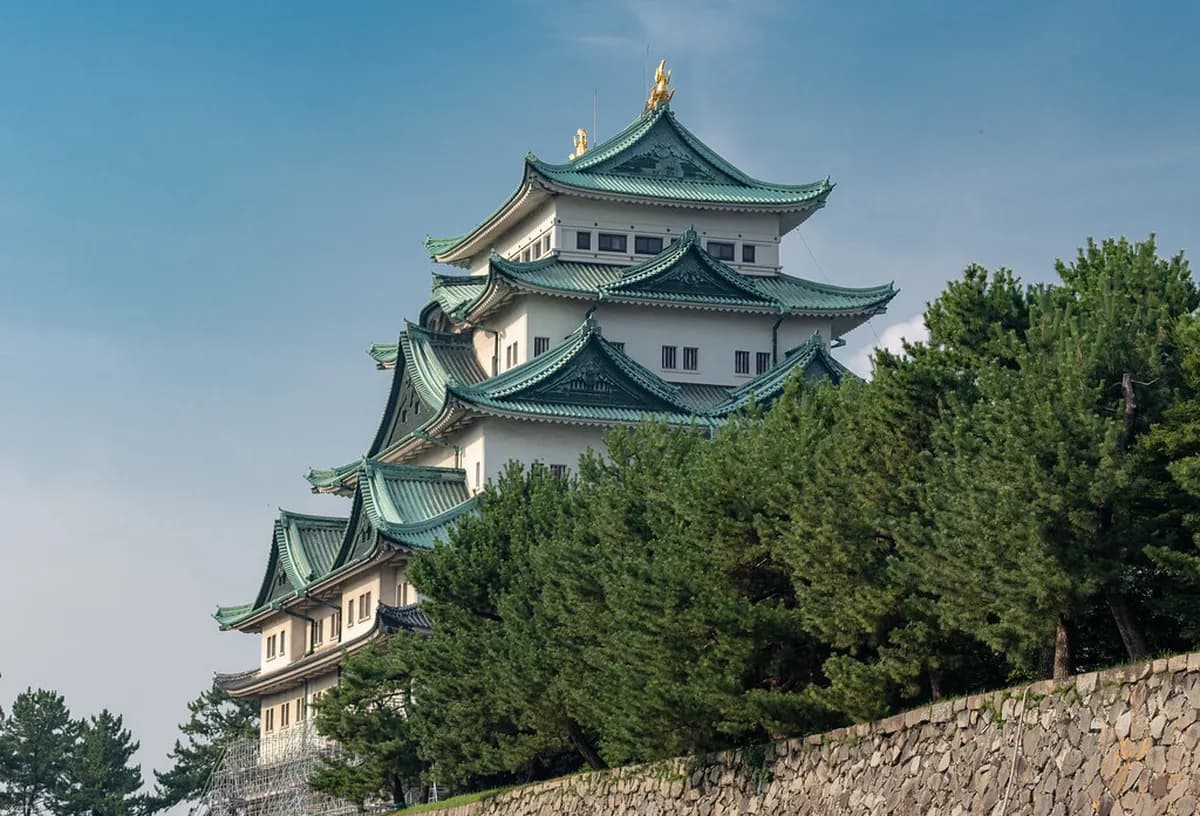
Nagoya Castle stands as a powerful symbol of the city's samurai heritage and historical resilience. This grand fortress once served as the heart of the Owari branch of the Tokugawa clan.
Our comprehensive nagoya castle visitor guide provides everything you need to navigate this massive historic site. You will find details on the opulent palace, the reconstructed grounds, and the ongoing wooden keep project.
Visitors can explore beautiful gardens while learning about the legendary golden shachihoko perched high on the roof. Expert tips will help you avoid crowds, find free guided tours, and discover the best local food nearby.
Whether you are a history buff or a casual traveler, this guide ensures a smooth and memorable visit in 2026. Discover why this landmark remains one of the most important cultural properties in Japan.
The Strategic History of Nagoya Castle
Shogun Tokugawa Ieyasu ordered the construction of this fortress in 1610 to secure a vital transport route between Osaka and Edo (present-day Tokyo). This massive project involved twenty different feudal lords, called Daimyo, from across the country. The move from nearby Kiyosu Castle to this site is known locally as the Kiyosu Goshi — an operation in which an entire town, including its temples, shrines, and bridges, was relocated.
Tokugawa Yoshinao, Ieyasu's ninth son, became the first lord of the Owari region with Nagoya as its main city. The castle served as a primary residence for the Owari Tokugawa family for over two centuries. Its architecture set a standard for castle design throughout the peaceful Edo period (1603–1868).
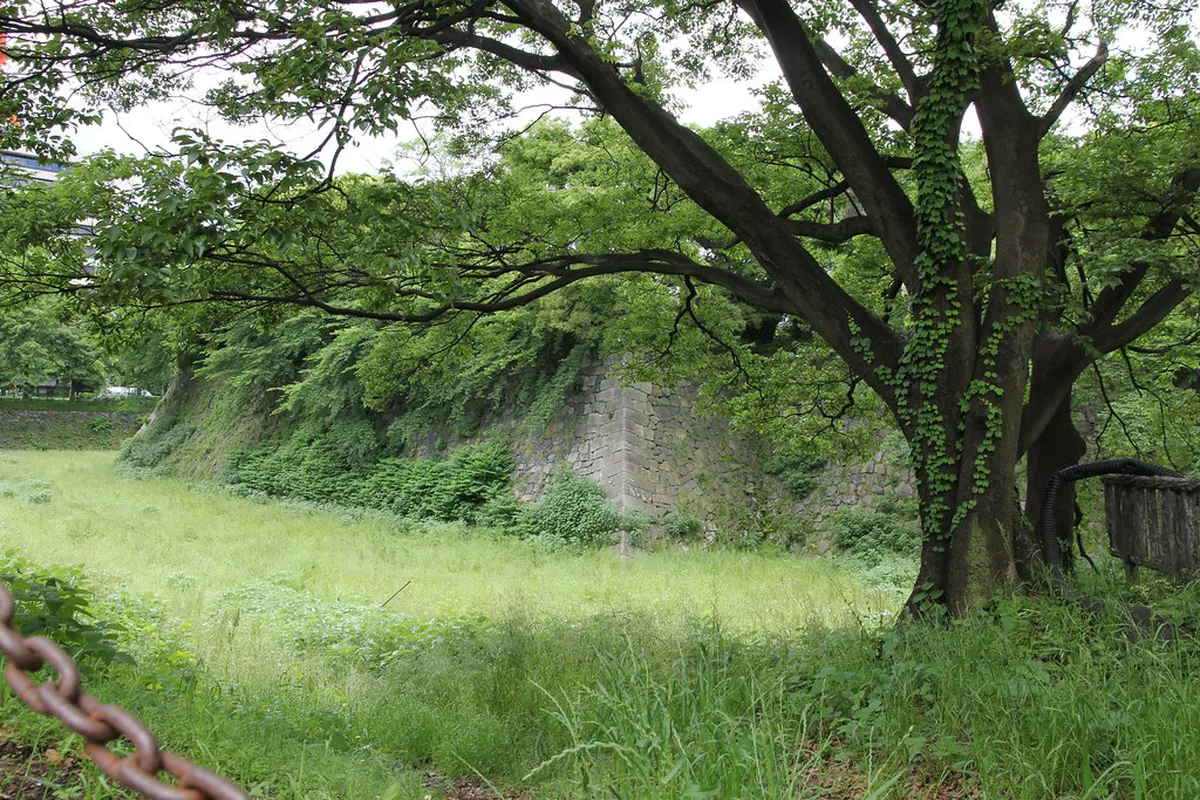
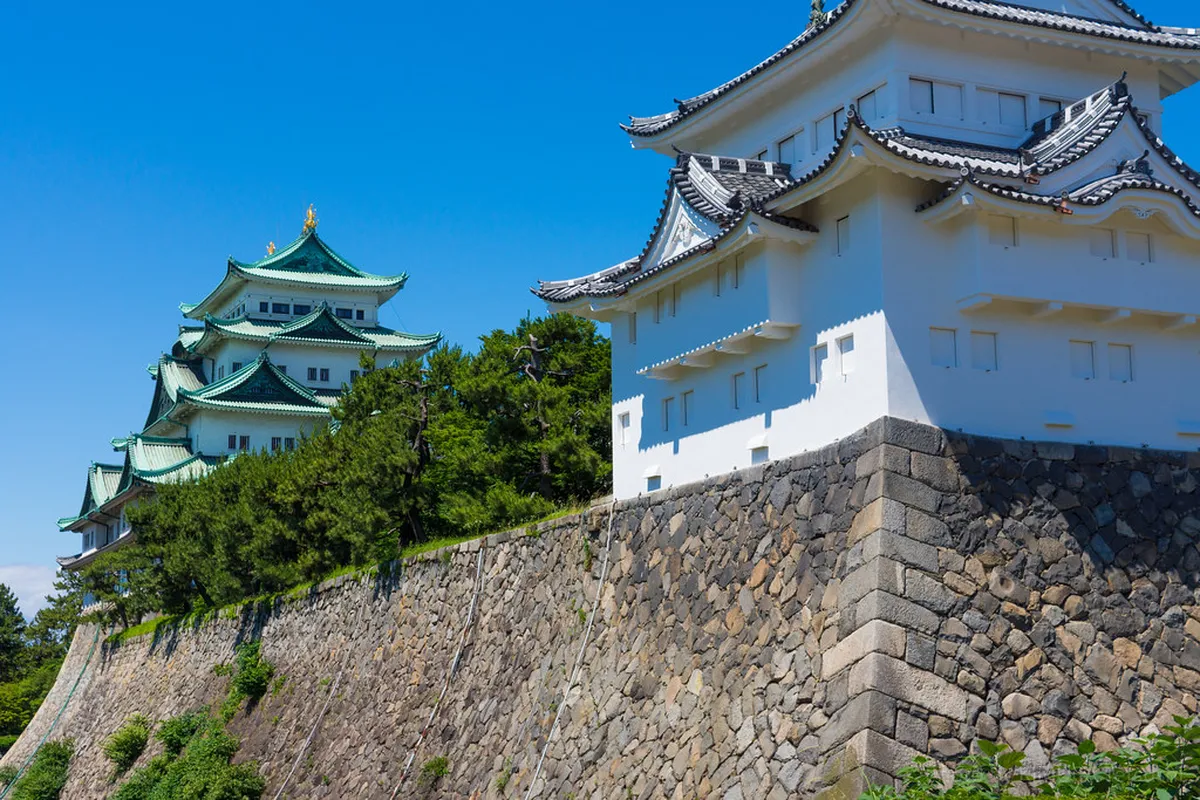
Air raids during World War II destroyed the majority of the original wooden buildings in May 1945. The city eventually rebuilt the main keep using concrete in 1959 to restore the skyline. Today, the site blends a long-term wooden reconstruction project with carefully preserved stone walls, corner towers, and moats that date back to the early 17th century.
One detail worth seeking out: the massive stone walls still bear the carved family crests of the Daimyo who funded their construction. Each lord marked his contribution to the fortifications. You can find these crest carvings embedded in the stone as you walk the perimeter — a quiet reminder of the feudal politics that built the city.
Inside the Opulent Honmaru Palace
The Honmaru Palace is the undisputed highlight of any visit to Nagoya Castle in 2026. This structure was meticulously reconstructed over ten years using only traditional materials and historical building plans, then fully reopened to the public in 2018. It is built entirely from high-quality Hinoki cypress wood, without a nail of concrete in sight.
Inside, visitors can admire vibrant screen paintings and sliding doors covered in genuine gold leaf. These artworks recreate the original 17th-century masterpieces by the famous Kano school of painters. Each room served a specific social purpose — the Jorakuden hall, for instance, was built exclusively to house the Shogun during his rare visits, and its ceiling paintings show the peak of Edo-period artistic ambition.
One room particularly surprises visitors: a tiger-themed chamber where the painted tigers look distinctly un-tigerlike. The artist had never seen a real tiger and worked only from written descriptions, producing creatures that are somewhere between a cat and a myth. It is a charming reminder of Japan's pre-modern isolation from the wider world.
Please remember that visitors must remove their shoes and use provided slippers to protect the delicate wood floors. Photography is allowed in most areas, but you must keep your flash turned off. Entry to the palace is included in the standard 500 JPY admission ticket — there is no separate fee.
The Main Keep Closure and Reconstruction Timeline
It is important to know before you arrive that the main castle keep is currently closed to visitors. The city closed the concrete structure in 2018 due to earthquake safety concerns. You can still view its impressive exterior and the golden shachihoko from the ground — and the exterior silhouette makes for a strong photograph from the inner moat pathway.
The main castle keep is currently closed to visitors due to earthquake safety concerns and an ongoing wooden reconstruction project. The Honmaru Palace and surrounding gardens remain fully open. The new wooden keep is expected to be completed around 2032.
Nagoya has launched an ambitious project to replace the concrete keep with a full wooden reconstruction using traditional building techniques and the original 1610 architectural plans. Officials currently estimate that the new wooden keep will be completed by 2032, though dates have shifted before. Check the Nagoya Castle Official Website for the latest construction updates before your visit.
While the keep interior is inaccessible, the surrounding grounds and the Honmaru Palace remain fully open. The city often holds special exhibitions near the construction zone explaining the traditional carpentry methods being revived for the project. Seeing the scale of the stone foundations — and imagining a seven-story wooden tower rising from them — gives a unique sense of what the original castle must have felt like.
Symbols of Power: The Golden Shachihoko
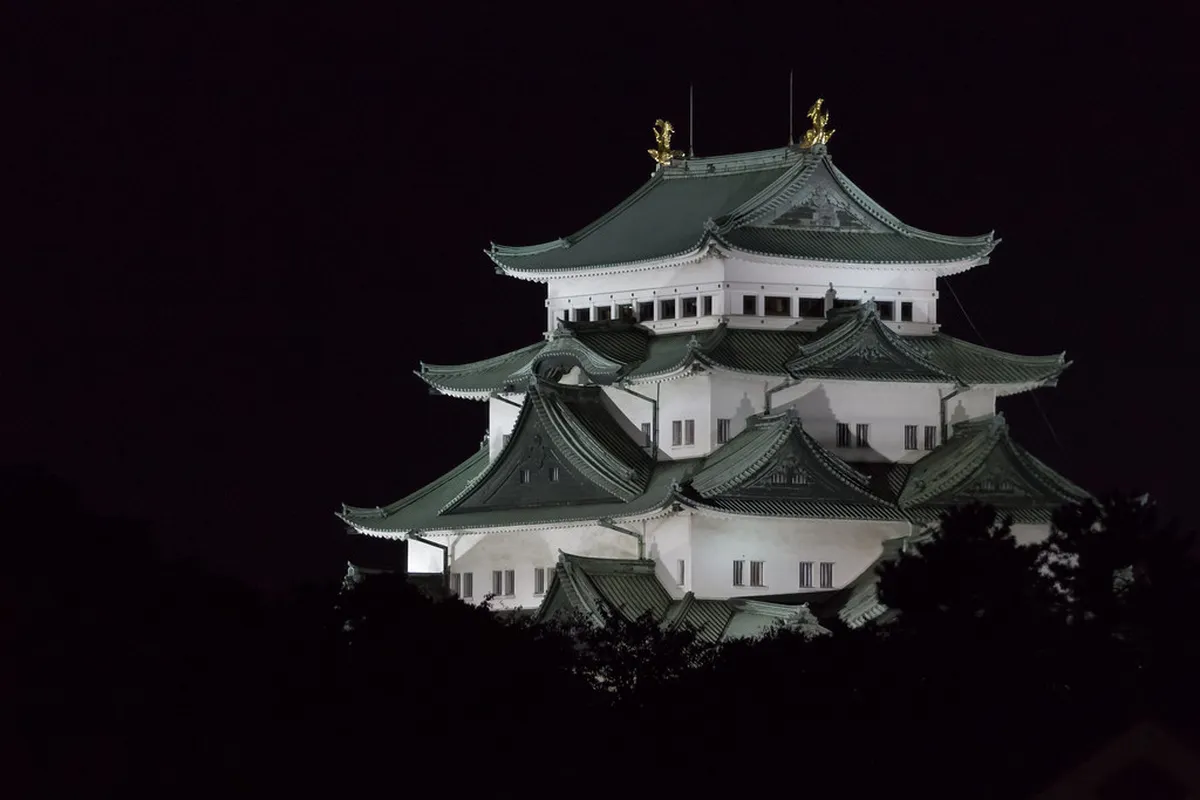
The golden shachihoko are the most recognizable icons of Nagoya and its historic castle. These mythical creatures feature the head of a tiger and the body of a carp, drawn from Japanese folklore. They were originally believed to protect the wooden buildings from fire by summoning rain — a practical piece of mythology for an age when wooden citadels burned easily.
Each of the two ornaments is covered in 18-karat gold plates weighing over 40 kilograms. They stand more than two meters tall, though from the ground they appear much smaller. They represent the immense wealth and authority of the Tokugawa Shogunate and have since become the symbol not just of the castle but of all of Nagoya.
During special events, replicas are often displayed at ground level for closer inspection and photos. You will find the shachihoko motif reproduced on souvenirs, manhole covers, sweets, and local snacks throughout the city. If you want the best photograph of the originals on the rooftop, position yourself near the southeast corner of the inner moat — that angle captures the keep and the ornaments against an open sky.
Practical Visitor Info: Tickets and Opening Hours
The castle grounds are open daily from 09:00 to 16:30, with last entry at 16:00. The site is closed from December 29th through January 1st for the New Year holidays. Most visitors should allow at least two to three hours to explore the palace and gardens comfortably.
Adult entry costs 500 JPY. Children in junior high school and younger enter free. Nagoya residents aged 65 and over pay 100 JPY with proof of residency. Tickets are purchased at vending machines at the Main Gate or East Gate — cash is the safest option as smaller stalls inside the park may not accept cards.
| Visitor type | Admission |
|---|---|
| Adults | ¥500 |
| Junior high school and younger | Free |
| Nagoya residents aged 65+ | ¥100 (with proof) |
| High school students (Mei-Guru pass combo) | ¥400 |
If you plan to take the Mei-Guru Sightseeing Bus for a full day of sightseeing, buy the 500 JPY one-day bus pass: it brings entry to the castle down to 400 JPY for high school students and older, effectively saving you money while also covering transport between Nagoya's major sights. Many travelers combine this visit with a trip to the Atsuta Jingu shrine, which is also on the bus route.
Large coin lockers are available near both entrance gates for those traveling with luggage. This is a valuable service since the palace interior has narrow corridors and strict bag policies. Storing your bag before entering lets you walk the gravel paths and wooden floors without restriction.
How to Get to Nagoya Castle via Subway and Bus
The most efficient subway route is the Meijo Line to Nagoyajo Station (previously named Shiyakusho Station). It is less than a five-minute walk to the East Gate from the station exit. From Sakae, the ride is only two stops. From Nagoya Station, take the Higashiyama Line to Sakae and transfer to the Meijo Line — the total journey takes roughly 15 minutes and costs around 240 JPY.
Alternatively, the Mei-Guru Sightseeing Bus stops directly at the castle's main entrance. A single journey from Nagoya Station costs 210 JPY for adults and takes about 20 minutes. The Mei-Guru also connects several major Nagoya sights, including the Toyota Commemorative Museum, making it the practical choice for a multi-stop day. Full schedules are posted on the Nagoya City Transportation Bureau (Mei-Guru Bus) website.
Walking from the main shopping districts takes over 30 minutes on foot. Most paths inside the castle grounds are paved, but some areas feature uneven gravel or stone steps. Using public transit saves your energy for the extensive walking the site itself demands.
Free Guided Tours and the Ninomaru Garden
One of the most underused resources at Nagoya Castle is the free English-language guided tour offered by volunteers from the Aichi Goodwill Guides Network (AGGN). Guides gather at the Main Gate and East Gate every day at 12:30 and will walk you around the grounds for no charge. No reservation is needed for groups of fewer than five people. For a private tour at a different time, contact AGGN at guide-desk@aggn.jp at least seven days in advance.
Free AGGN English-language guided tours depart daily at 12:30 from both the Main Gate and East Gate — no reservation needed for groups under five. The guides know details like which stone bears the Kato Kiyomasa crest, context that no museum panel provides.
These guides are typically local Nagoya residents with deep knowledge of the castle's history and architecture. They know which stone in the outer wall bears the Kato Kiyomasa crest, how the corner watchtowers functioned during peacetime, and which room in the Honmaru Palace was reserved for the Shogun's use. A one-hour tour with them adds context that a self-guided walk simply cannot replicate.
After the tour, spend time in the Ninomaru Garden, which adjoins the inner grounds. This classic Japanese landscape garden features walking paths, sculpted hills, a central tea house, and seasonal plantings that change with the calendar — cherry blossoms in spring, hydrangea in summer, maple leaves in autumn, and plum blossoms in winter. When it was first designed, it was the largest garden attached to any lord's residence in Japan. The garden is included in your standard admission and rarely feels crowded.
Seasonal Events and the Omotenashi Busho-tai
Nagoya Castle hosts a major festival in each of the four seasons. Spring draws the largest crowds when over 1,000 cherry blossom trees surround the moats, typically reaching full bloom between late March and early April. During the Spring Festival, the castle extends its hours until 20:00 and illuminates the blossoms each night. Summer brings the Bon Odori festival from August 6th to 15th, with traditional dancing near the main gate from 18:00 to 20:00. Autumn features a chrysanthemum-growing competition and access to normally closed areas including a corner tower. New Year's celebrations run through January 1st with food stalls and performances.
A unique highlight is the Omotenashi Busho-tai, a performance group of six generals and four soldiers dressed as famous samurai warlords from Nagoya's history. They perform choreographed sword fights and interact with guests near the main gates, particularly on weekends. Check the performance schedule board at the castle entrance on the day of your visit — times shift seasonally. After the show, the performers typically walk the grounds and will pose for photographs.
Separately, the Hattori Hanzo Ninja group performs at the castle on select dates, offering a chance to watch acrobatic ninja demonstrations and take souvenir photos. Both the samurai and ninja performances are included in the standard admission and are genuinely family-friendly. After a performance, consider visiting the Osu Kannon temple for more local culture in the afternoon.
Dining and Shopping at Kinshachi Yokocho
Kinshachi Yokocho is a dedicated dining and shopping district split into two zones immediately outside the castle gates. Both zones are the natural place to refuel after a morning on the castle grounds, and both serve distinct audiences.
The Yoshinao Zone, near the Main Gate, occupies traditional wooden buildings and focuses on classic Nagoya cuisine from the Edo period. This is where to try hitsumabushi (grilled eel over rice), miso katsu (pork cutlet in red miso sauce), and miso nikomi udon (noodles simmered in thick Hatcho miso). The atmosphere is deliberately nostalgic and suits a long sit-down meal. Expect slightly longer queues at peak times on weekends.
The Muneharu Zone, near the East Gate, takes a modern direction with trendy cafes, fusion food, bubble tea, and creative desserts. It stays open later than the Yoshinao Zone and works well for a quick coffee before catching a late subway. Both zones carry souvenir shops with gold-themed gifts, golden shachihoko keychains, and premium Japanese sweets. For a broader look at the city's food scene and other attractions, see our full Nagoya city guide.
Frequently Asked Questions
Is the Nagoya Castle main keep open to visitors?
No, the main keep is currently closed for safety reasons and a long-term wooden reconstruction project. Visitors can still explore the stunning Honmaru Palace and the surrounding gardens. For more details on the city, see our Nagoya attractions guide.
How much does it cost to enter Nagoya Castle?
Adult tickets cost 500 JPY, while children in junior high school or younger can enter for free. Senior citizens who reside in Nagoya may qualify for a discounted rate of 100 JPY. Most visitors find the palace interior well worth the modest entry fee.
How do I get to Nagoya Castle from Nagoya Station?
The easiest way is taking the subway Higashiyama Line to Sakae, then transferring to the Meijo Line for Shiyakusho Station. Alternatively, use the Mei-Guru Sightseeing Bus for a direct route from the station. Both options take roughly 20 to 25 minutes total.
How much time should I spend at Nagoya Castle?
Plan to spend between two and three hours to fully enjoy the site at a comfortable pace. This allows enough time to tour the Honmaru Palace and walk the perimeter of the moats. You may want extra time if you plan to eat at Kinshachi Yokocho.
Nagoya Castle remains an essential stop for anyone traveling through central Japan in 2026. While the main keep is undergoing an exciting wooden reconstruction, the Honmaru Palace offers world-class beauty and history that more than justifies the trip. Its golden halls and cypress-wood rooms provide a rare look into the lifestyle of the powerful Tokugawa Shoguns.
Catch the free AGGN volunteer tour at 12:30 for context that most visitors miss. Refuel at Kinshachi Yokocho afterward — the Yoshinao Zone for authentic Nagoya cuisine, the Muneharu Zone for a quicker modern bite. The castle never disappoints, whatever the season brings.
For more Nagoya planning, see our Nagoya itinerary guide.


