

Nagoya serves as the beating heart of Japan's industrial prowess. The Nagoya region offers a rare window into how a humble loom company became one of the world's most influential car manufacturers. Few destinations anywhere let you trace that entire arc — from Sakichi Toyoda's first automatic loom to the hydrogen-powered Mirai — under a single roof. This guide tells you exactly what to see, how long to allow, and what first-timers consistently miss.
The Toyota Commemorative Museum of Industry and Technology occupies the original red-brick factory where the Toyota Group began. Opened to the public in 1994, it draws over 500,000 visitors a year and ranks among Nagoya's most-visited paid attractions. Whether you are an engineering enthusiast, a family with curious kids, or a business traveler with a half-day to spare, the museum rewards your time at every level of interest.
Toyota Commemorative Museum of Industry and Technology
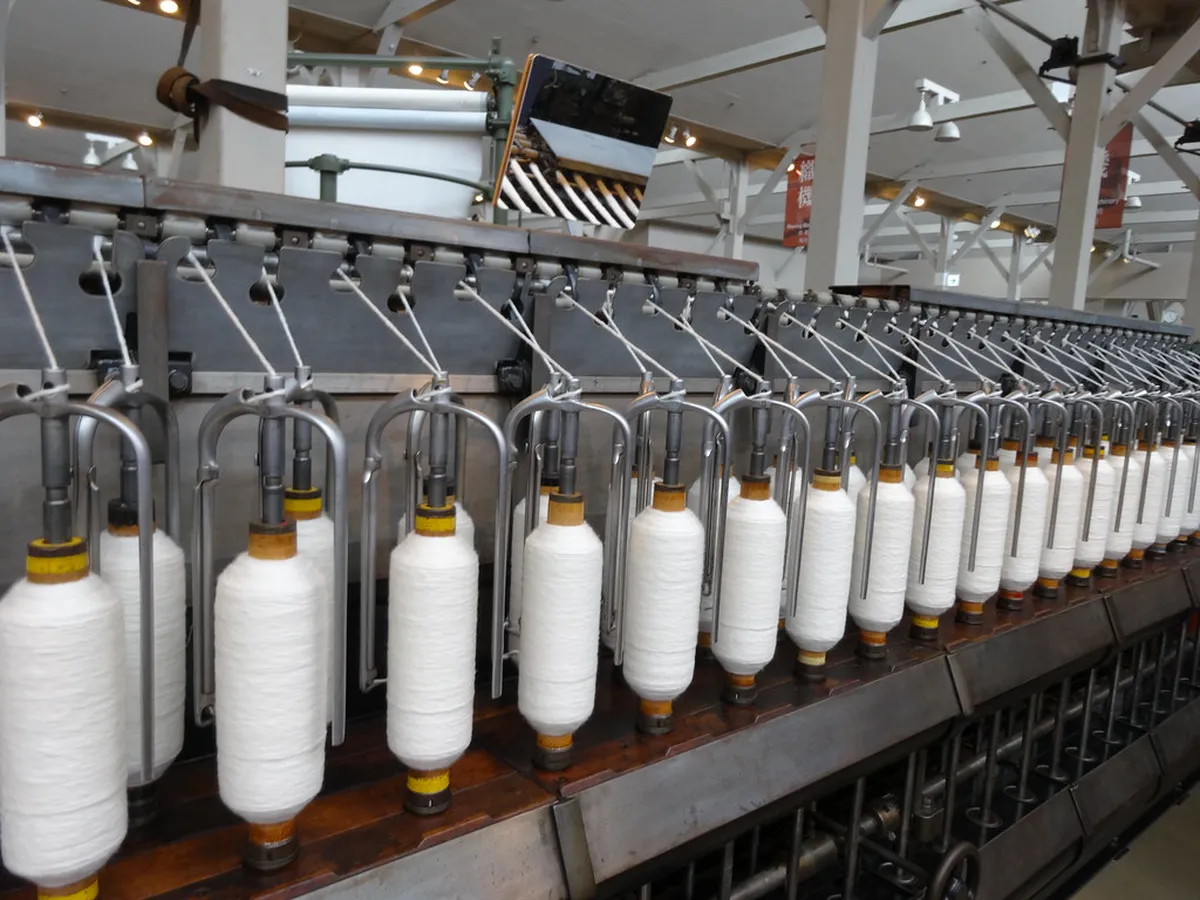
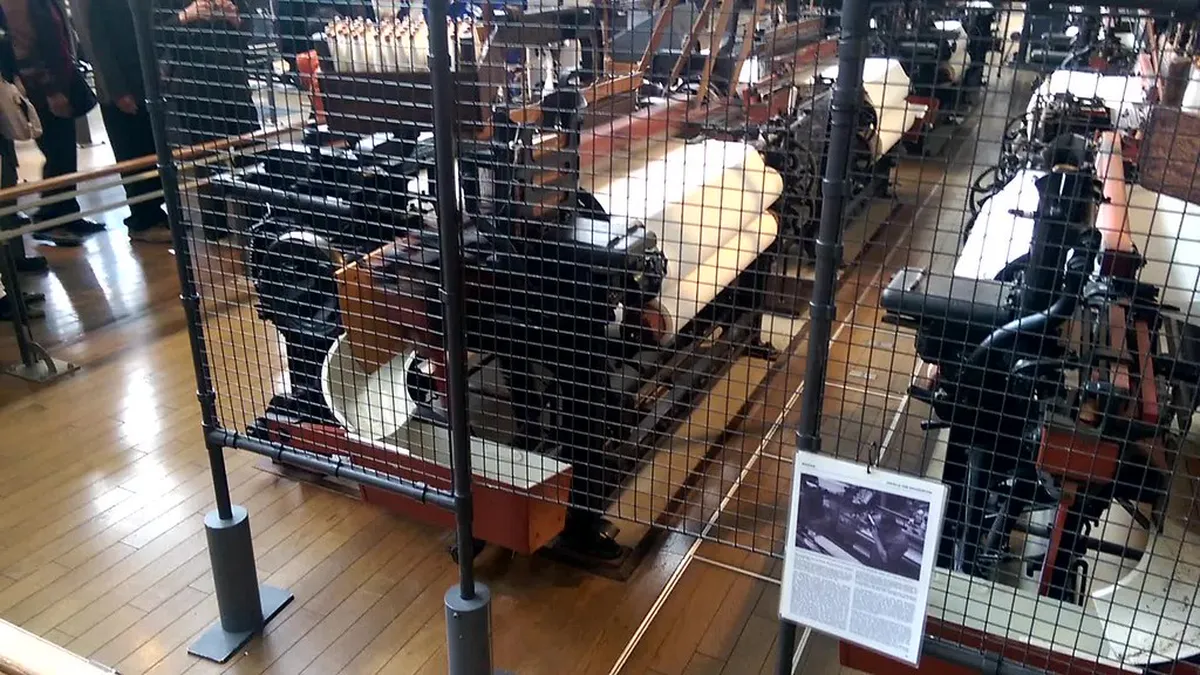
The museum divides into two main pavilions that together tell the complete Toyota story. The Textile Machinery Pavilion opens the narrative with working looms from different eras, including the automatic loom that Sakichi Toyoda patented in 1924. Staff operate these machines several times a day so you can watch threads interlace at speeds impossible on a hand-driven frame. The mechanical ingenuity on display is genuinely surprising even for visitors who arrive with little interest in textiles.
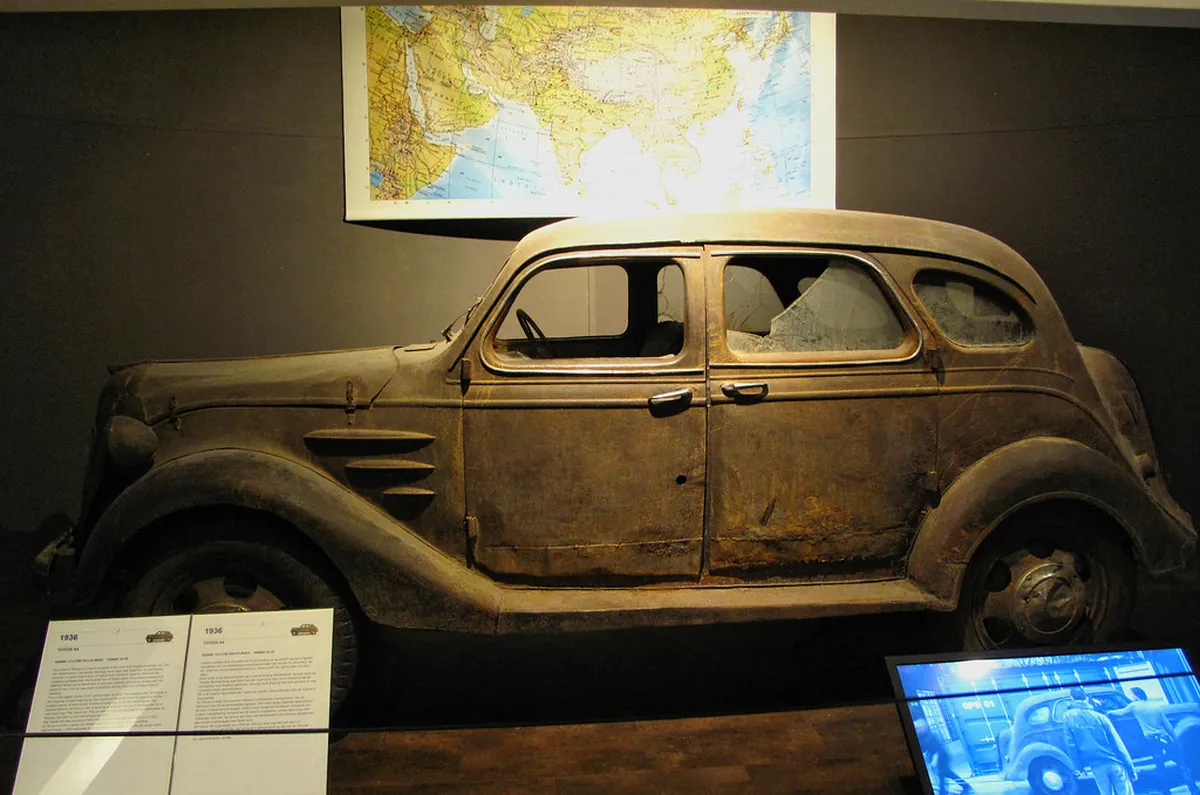
The Automobile Pavilion picks up where textiles leave off, showing how Kiichiro Toyoda converted his father's patent profits into Japan's first mass-produced passenger car. Full-scale robotic arms perform welding demonstrations on a simulated assembly line, the closest most visitors will ever get to a live car factory without a formal tour reservation. Highlights include a replica of the 1936 Model AA sedan and a cutaway display of a modern hybrid powertrain that makes the Prius's energy-flow genuinely legible.
The Technoland zone, aimed at families, lets children operate mechanical linkages, build simple circuits, and test gear ratios. It sits toward the rear of the main building and is easy to skip if queues form — plan to arrive there early or after the lunch-hour peak. The Toyota Group History Gallery nearby is often overlooked: it holds original documents, photographs, and personal artifacts from the Toyoda founding family that put a human face on the corporate legend.
Admission in 2026 is ¥1,000 for adults, ¥600 for seniors (65+), ¥500 for university students, ¥300 for junior and senior high students, and ¥200 for elementary students. The museum is open Tuesday to Sunday from 09:30 to 17:00, with last entry at 16:30. It is closed on Mondays and during the year-end holiday period.
| Visitor type | Admission |
|---|---|
| Adults | ¥1,000 |
| Seniors (65+) | ¥600 |
| University students | ¥500 |
| Junior / senior high students | ¥300 |
| Elementary students | ¥200 |
English Tours and What Non-Japanese Speakers Miss
Free 45-minute guided tours in English run every day the museum is open. The Textile Machinery Pavilion tour starts at 14:00 and the Automobile Pavilion tour starts at 15:15. No reservation is needed — join at the entrance to each pavilion at the designated time. These tours are one of the most underused features of the museum: most visitors walk past the exhibits reading only the English-translated captions, which omit a lot of the operational detail the guides convey in person.
Free 45-minute English-language guided tours run daily: Textile Machinery Pavilion at 14:00 and Automobile Pavilion at 15:15. No reservation needed — just join at the pavilion entrance. These tours are consistently the most underused resource in the museum.
If your schedule does not align with tour times, the museum provides English audio guides for rent at the front desk. Signage throughout is bilingual, but the audio guide adds context on specific machines that the panels leave out. Staff at the information counter speak enough English to answer basic questions about demonstration schedules, which are posted near the pavilion entrances each morning.
One practical note for solo travelers: the Plaza Workshop, where visitors make a small craft souvenir using actual manufacturing techniques like metalworking or textile weaving, runs sessions in Japanese only. An instructor is present and the steps are hands-on enough that language rarely becomes a barrier for simple projects, but arrive a few minutes early to observe another group finishing before you start.
I. Diving Deep into the Toyota Kaikan Museum: The Heartbeat of Toyota City
Many visitors confuse the Commemorative Museum in Nagoya with the Toyota Kaikan Museum in Toyota City, about 50 kilometres to the east. These are distinct sites with different purposes. The Kaikan focuses on Toyota's present and future: current production vehicles, fuel-cell technology, partner robots, and, most significantly, factory tours of the Honsha Plant assembly line.
The factory tour at the Kaikan typically runs around 2.5 hours and includes bus transfer to the plant floor. You see robotic welding in real time — dozens of arms moving in choreographed sequences that produce a complete body shell in minutes — followed by the human-assisted assembly line where workers install interior components, wiring looms, and wheels. The "Just-in-Time" principle becomes tangible when you watch parts arrive at each station exactly as needed, with no visible stockpile on the floor.
Booking is essential and competitive. English-language tours fill months in advance, especially from March through November. Spots are available on the official Toyota Global site under the factory tour section. Provide names and nationalities for all participants during registration. Tours do not run on weekends or company holidays, so plan your Toyota City day for a weekday.
II. Unraveling the Broader Tapestry: The Other Pillars of Toyota's Heritage
Three Toyota-affiliated museums serve different interests, and choosing wrongly costs you half a day. The Commemorative Museum covers industrial origins from looms to early cars — best for history and engineering depth. The Kaikan in Toyota City covers current technology and factory process — best for those fascinated by how cars are made today. The Toyota Automobile Museum in Nagakute presents a global collection of classic vehicles from many manufacturers — best for car enthusiasts who want breadth over corporate narrative.
The Nagakute museum is a 40-minute subway and bus ride from Nagoya Station. Its collection includes a Benz Patent-Motorwagen, pre-war American classics, and European icons alongside Toyota's own early models. An Annex Building focuses specifically on Japanese domestic automotive history. If you can only pick one Toyota site on a single Nagoya trip, the Commemorative Museum is the logical anchor: it is closest to central Nagoya, has the strongest connection to the city's identity, and covers the most ground conceptually.
For broader scientific context, the Nagoya City Science Museum pairs well with the Commemorative Museum as a half-day addition. It features one of the world's largest planetarium domes and hands-on science exhibits that complement the industrial focus of the Toyota site. Both are within a 20-minute subway ride of each other.
III. The Philosophy Driving Toyota's Museum Vision: More Than Just Metal
The concept of Monozukuri — the art and science of making things with care — runs through every exhibit in the building. It explains why the museum spends so much time on looms before it touches a single car. Sakichi Toyoda's innovations were not just mechanical; they embodied the idea that a maker's obligation is to eliminate defects and waste at the source, not inspect them out at the end. That principle, codified later as Jidoka, is visible in the loom that stops itself the moment a thread breaks.
Kaizen — continuous improvement through small, consistent steps — is the second thread running through the displays. Interactive exhibits let you adjust variables in a simulated production process to see how minor changes accumulate into significant efficiency gains. The lesson is intentional: Toyota uses these museums to make its corporate philosophy legible to the public, not just to celebrate product milestones.
The CSR Gallery, located near the exit of the Automobile Pavilion, covers Toyota's investments in disaster relief, STEM education partnerships, and mobility solutions for people with disabilities. It rounds out the picture of a company that presents itself as a social institution rather than purely a commercial one. This section tends to be less crowded and worth a calm ten-minute read before leaving.
V. What Makes These Museums Stand Out? Unique Insights and Personal Reflections
The Commemorative Museum earns its reputation through working machinery. Unlike most industrial museums where equipment sits behind glass, the looms here actually run. The sound — a rhythmic clatter of shuttles and heddles — is visceral in a way that no exhibit label can replicate. That operational authenticity is the strongest differentiator against any competitor site in the region.
The red-brick factory shell contributes as much as the exhibits inside. The building was constructed in 1911 and has been preserved rather than renovated into a generic museum space. Natural light enters through original windows, and the exposed ironwork overhead belongs to the original structure. Walking through it feels more like visiting a factory that paused production yesterday than a heritage site that reconstructed the past.
First-time visitors most commonly underestimate the time needed for the Automobile Pavilion. The textile section typically takes 45 to 60 minutes; the automobile section takes the same or longer. Add Technoland for families and the History Gallery for detail-oriented travelers and you are looking at a solid three hours minimum. Arriving at 09:30 when the museum opens gives you the pavilions before school groups arrive, typically from 10:30 onward on weekdays.
Avoid the third week of May when school excursion season peaks across Aichi Prefecture — groups can number in the hundreds. The museum is closed on Mondays and over the year-end holiday period. Weekday mornings are consistently the quietest times to visit.
IV. Crafting Your Ultimate Toyota Museum Pilgrimage: A Practical Guide
The museum is a short walk from Sako Station on the Meitetsu Nagoya Line. From Nagoya Station, board a Meitetsu train toward Inuyama and ride three stops — travel time is about six minutes. A taxi from Nagoya Station takes five to eight minutes and costs roughly ¥700 to ¥900. The Noritake Garden is a ten-minute walk southeast and makes a natural pairing for an afternoon: its restored factory buildings and craft museum share the same industrial-heritage character.
The museum is fully accessible. Wheelchairs and strollers are available at no charge from the front desk. Elevator access connects all floors, and accessible restrooms are located near the main entrance and at the rear of each pavilion. The official museum website has a detailed barrier-free map under the Visit section.
- Operating hours: 09:30 to 17:00 (last entry 16:30), Tuesday to Sunday
- Closed: Mondays, year-end holidays
- Adults: ¥1,000 | Seniors (65+): ¥600 | University students: ¥500
- Junior/senior high students: ¥300 | Elementary students: ¥200
- Free English tours: Textile Pavilion at 14:00, Automobile Pavilion at 15:15
- Plaza Workshop sessions: check the board at the front desk for same-day availability
Weekday mornings are the quietest. Avoid the third week of May when school excursion season peaks across Aichi Prefecture and groups can number in the hundreds. The gift shop near the main exit stocks model kits, Sakichi Toyoda biography books in English, and loom-woven textiles made in the on-site workshop — all reasonable souvenirs at ¥500 to ¥3,000.
VI. Key Innovations You'll Discover (Toyota Kaikan Focused)
The Kaikan's Environmental Technologies zone centers on the Toyota Mirai, the hydrogen fuel-cell vehicle that produces electricity by combining hydrogen and oxygen, emitting only water vapor. Cutaway displays show the fuel-cell stack, the high-pressure hydrogen tank, and the motor in clear cross-section. Interactive screens let you trace the energy flow from hydrogen fill-up to wheel torque. It is one of the clearest explanations of hydrogen mobility available to the general public anywhere in Japan.
The Safety Technologies zone demonstrates Toyota Safety Sense, the suite of camera-and-radar systems that now ships in most Toyota models globally. Simulators let you test pre-collision braking and lane-departure alerts under controlled conditions. Physical displays show structural crumple zones alongside data on how crash energy is managed. The partner robot section, where bipedal and industrial robots perform tasks with millimetre precision, is the visual highlight for most visitors — arrive for a scheduled demonstration rather than viewing static machines.
Nagoya Castle
After a morning at the museum, many travelers make Nagoya Castle their afternoon stop. The fortress is about 15 minutes by taxi or 25 minutes by subway from Sako Station. The contrast is deliberate: the castle represents the feudal authority that defined this region for centuries before industrial capitalism took over. Standing beneath the golden shachihoko dolphins on the keep roof and then walking back to the red-brick factory district clarifies Nagoya's dual identity better than any guidebook passage can.
The Honmaru Palace within the castle grounds underwent a 30-year restoration that finished in 2022. The interior — reconstructed using traditional Japanese carpentry with no nails or modern adhesives in the main chambers — is worth the separate admission. Gold-leaf paintings on the sliding screens were completed by contemporary artisans following Edo-period techniques. Visiting on weekday afternoons avoids the peak crowds that arrive on Saturday mornings.
Chubu Electric Power Mirai Tower
The Mirai Tower, formerly known as the Nagoya TV Tower, rises 180 metres above the Hisaya Odori park in the Sakae district. It was Japan's first television broadcast tower, completed in 1954, and underwent a full renovation in 2021. The observation deck at 100 metres provides a clear panorama of the city grid and, on days with good visibility, the Kiso Mountain range to the northeast. Evening visits are the most atmospheric: the tower illuminates in a color that changes monthly, and the Sakae district below comes alive with restaurant foot traffic.
The Sky Promenade at the Midland Square building nearby offers a partially open-air observation experience at a similar height. Combining both at the end of a museum day makes a logical close to a full Nagoya itinerary. The Sakae subway station, served by the Higashiyama and Meijo lines, is a 2-minute walk from the tower base and connects back to Nagoya Station in eight minutes.
Frequently Asked Questions
Is the Toyota Commemorative Museum of Industry and Technology worth it?
Yes, it is highly recommended for all travelers. The entry fee is very affordable, and the interactive exhibits provide great value for the price. It is one of the top-rated attractions in Nagoya for its historical and educational significance.
How long should you spend at the Toyota Museum?
Plan to spend between two and three hours at the museum. This allows enough time to see both the textile and automobile pavilions. If you want to watch every demonstration, you might need a full morning or afternoon.
What is the difference between the two Toyota museums?
The Commemorative Museum focuses on history and the original factory site in Nagoya. The Toyota Kaikan Museum in Toyota City focuses on current technology and future mobility. Both offer unique insights into the brand's evolution over the decades.
Nagoya's industrial heritage is a fascinating story of growth and innovation. The Toyota Commemorative Museum provides the perfect starting point for this journey. You can see how tradition and technology blend to create a world-class industry.
Don't forget to explore other cultural sites like the Tokugawa Art Museum during your stay. Each attraction adds a new layer to your understanding of this vibrant city. Enjoy your exploration of Nagoya's most impressive industrial landmarks.
For more Nagoya planning, see our Nagoya itinerary, things to do in Nagoya, and guide to whether Nagoya is worth visiting.


