

Visiting the Tokugawa Art Museum offers a rare glimpse into the opulent lifestyle of Japan's most powerful samurai dynasty. This world-class facility in Nagoya houses over 10,000 artifacts — nine of which are National Treasures — that survived the fires of history and war. You can explore authentic armor, exquisite tea utensils, and the famous Tale of Genji Illustrated Scrolls. Planning your 2026 visit carefully ensures you see the most significant works while enjoying the serene atmosphere of the Higashi Ward.
The museum serves as a cultural anchor for the city, reflecting the prestige of the Owari Tokugawa branch who ruled this region throughout the Edo period. Travelers often combine this visit with a stroll through the adjacent landscape garden for a full afternoon of immersion. Understanding the layout and the special exhibition schedule will help you maximize your time in this historic district. This guide provides the practical details and local insights needed for a seamless and rewarding experience.
Must-See Tokugawa Art Museum Visitor Guide Attractions
The museum's permanent collection features over 10,000 items passed down through the Owari branch of the Tokugawa family. Visitors should prioritize the legendary Tale of Genji scrolls, which are only displayed during a short window in late November each year. High-quality reproductions are shown year-round in gallery six, but the November display is a once-in-a-year event for art lovers. These 12th-century scrolls are widely considered the finest surviving example of Heian-period painting in the world.
The original Tale of Genji illustrated scrolls are displayed only briefly in late November each year. High-quality reproductions are on view year-round in gallery six, but if seeing the originals matters to you, plan your visit around that window specifically.
The armor and sword gallery in gallery one showcases the craftsmanship and martial spirit of the Tokugawa lords over several centuries. Each blade and helmet tells a story of political power and artistic dedication within the Nagoya city region. Be sure to inspect the intricate lacquerware and Noh theater masks in gallery four, which represent the family's private artistic patronage. Check the Tokugawa Art Museum official English site for current rotation schedules of these delicate National Treasures.
Special attention is given to the tea ceremony utensils in gallery two, which were essential tools for samurai diplomacy and meditation. You can see rustic ceramics and gold-leafed tea bowls that were once used at the highest levels of the shogunate. Gallery three reproduces the hall where feudal lords conducted government affairs, complete with the Kusarinoma tearoom used to entertain guests. Plan to spend at least two hours exploring these six galleries in the new building before moving to the three galleries of the original 1935 main building.
Museums, Art, and Culture in Tokugawa
The Tokugawa Art Museum opened in 1935 and is one of the few private museums in Japan that kept a daimyo family's treasures entirely intact. The original main building is registered as a Tangible Cultural Property — its exterior and entrance remain almost exactly as they appeared in the early Showa era. This continuity lets you see the evolution of Japanese art from the late 16th century through the 19th century in a building that is itself a historical artifact. Learning about the Owari clan provides essential context for other sites like Nagoya Castle, which was their seat of power.
Cultural enthusiasts will appreciate how the new building, completed in 1987, was designed to pay homage to Nagoya Castle and partially reproduces the interior of the Ninomaru Palace. This architectural choice means visitors appreciate the artifacts in a space that resembles the environment where they were originally used. The Hosa Library, adjacent to the museum, houses rare books, records, and texts of the Owari Tokugawa family — the exhibition spaces of museum and library are fully integrated. Together, the whole complex functions as the foremost center for Edo-period warrior culture in Japan.
Local artisans still look to the Tokugawa collection for inspiration when creating traditional crafts today. The museum hosts workshops and lectures that keep these ancient techniques alive for future generations. Participating in a guided tour can reveal the hidden meanings behind the symbolic motifs used in samurai heraldry and lacquerwork. For a deeper dive into the broader Nagoya culture and traditions, these insights transform a simple walk through the gallery into a profound educational journey through Japan's feudal past.
The Hatsune Furnishings: A National Treasure Few Visitors Examine Closely
Among the nine National Treasures in the collection, the Hatsuneno Chodo — the Hatsune wedding furnishings — stands apart for its sheer opulence. This set of 70 lacquered furniture pieces was commissioned for Princess Chiyo, daughter of the third shogun Tokugawa Iemitsu, upon her marriage into the Owari-Tokugawa family. The set took three years to complete and is based on the "Hatsune" and "Butterfly" chapters of The Tale of Genji. Art historians regard it as the most luxurious surviving example of Edo lacquerwork anywhere in Japan.
What makes the Hatsune Furnishings exceptional is the technical ambition of the craftsmen. Every surface — from cosmetic boxes to incense burners — is finished in maki-e gold lacquer depicting warbler birds perched among pine branches, a visual play on the word "hatsune" (first warbler of spring). Several pieces are regularly exhibited in gallery five, "Objects and Furnishings of Elegant Living." Most visitors walk past them too quickly; slow down here and read the accompanying panels for context on how these items functioned in the private chambers of the Owari residence.
No competitor guide in 2026 dedicates space to these furnishings, yet they represent one of the most technically demanding and historically specific works in the entire collection. If you have any interest in decorative arts, lacquerwork, or Edo-period court culture, plan extra time in gallery five. The contrast between the martial gear in gallery one and the exquisite domesticity of gallery five captures the full complexity of Tokugawa family life better than any single exhibit.
Parks, Gardens, and Outdoor Spots in Tokugawa
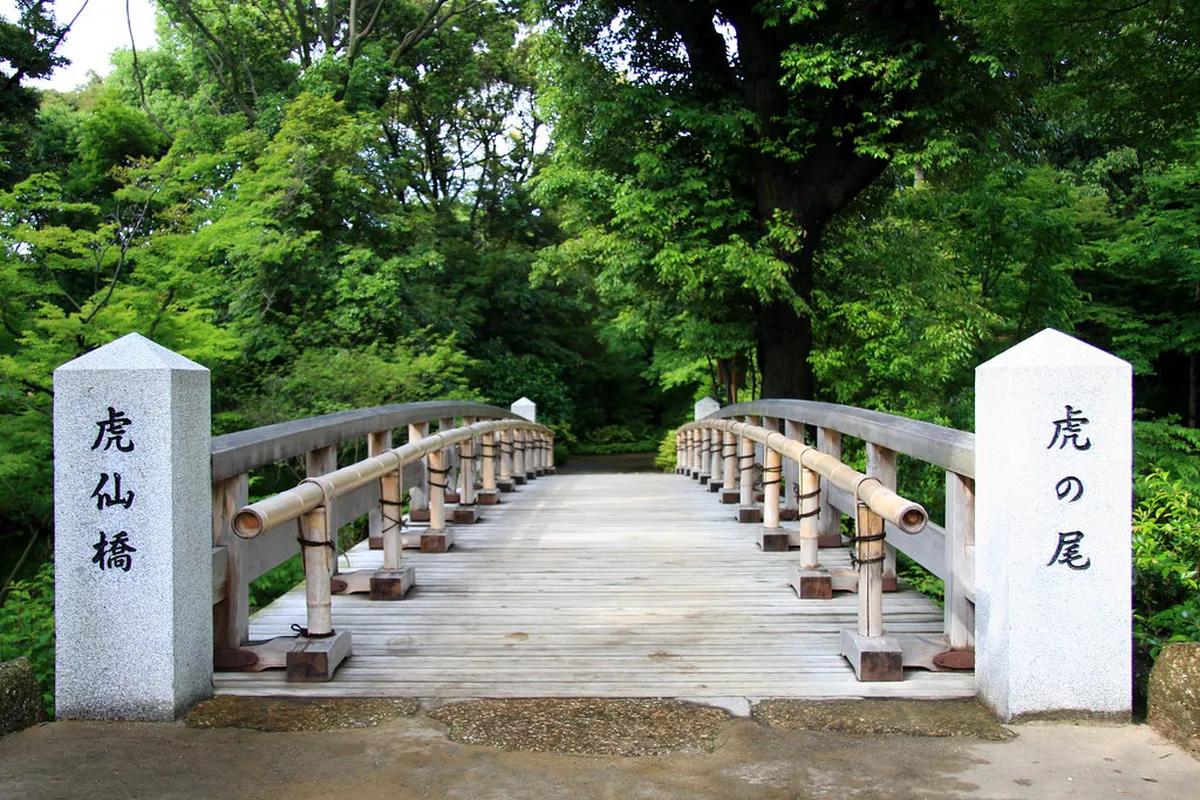
Adjacent to the museum lies Tokugawa-en, a strolling landscape garden that once served as a retirement residence for the Owari Tokugawa clan. This garden features a large central pond, Ryusen-ko, representing the ocean in traditional Japanese garden design. You can cross wooden bridges and walk along stone paths that offer changing perspectives of the water, rock arrangements, and seasonal plantings. It is a perfect place to relax and reflect after absorbing the dense history inside the museum galleries.
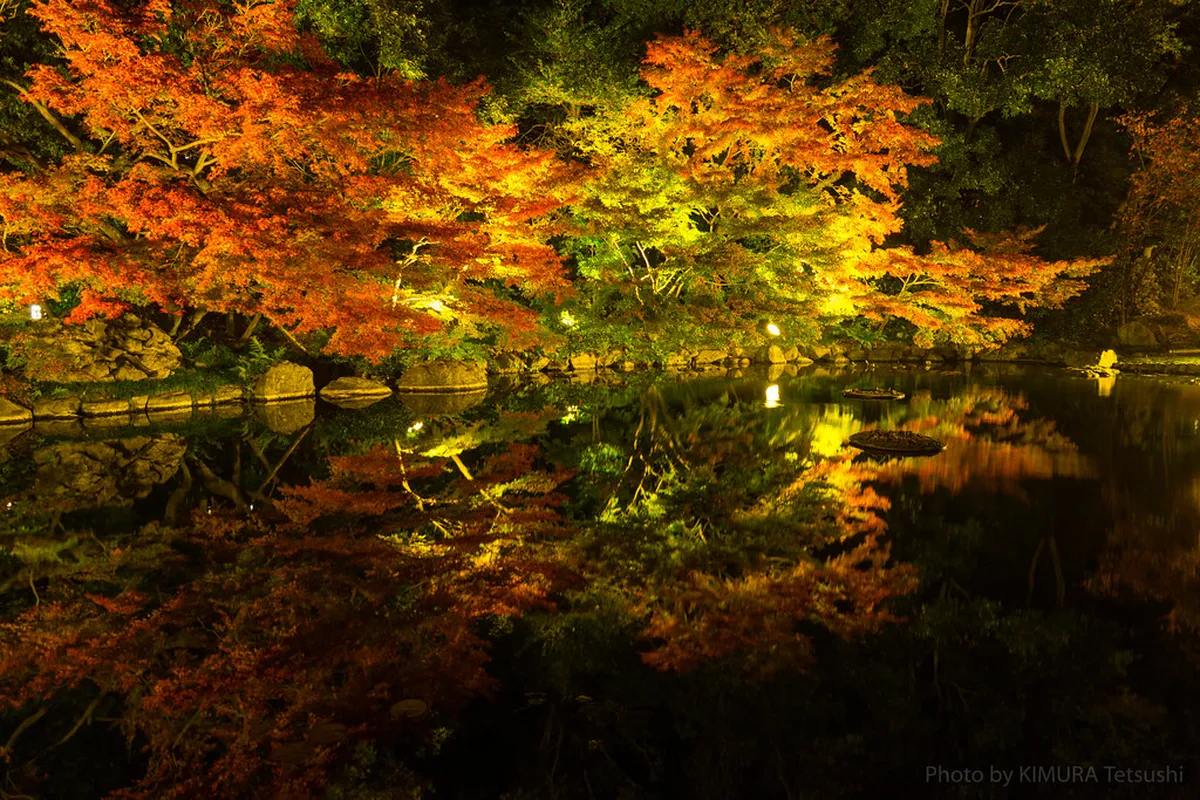
Seasonal changes bring different highlights to the garden throughout the year. Peonies bloom in spring, irises appear in early summer, and vibrant maple leaves turn the garden red and orange in late November. The waterfall at the back of the park provides a soothing backdrop that masks the noise of the surrounding residential streets. Many visitors enjoy a meal at the Ryusen-tei restaurant, which overlooks the pond and serves refined local cuisine.
The Kuro-mon, or Black Gate, survived the air raids of 1945 and serves as a powerful reminder of the area's resilience. Walking through this Sanken-wide Yakuimon gate — made from Japanese zelkova — feels like stepping back into the Meiji era when the Owari mansion was still in use. Consider visiting Noritake Garden later in the day if you enjoy combining industrial history with lush green spaces. The contrast between the two sites captures Nagoya's dual identity as a city of feudal heritage and modern manufacturing.
Unique Local Experiences Near the Museum
The stretch of Higashi Ward between Nagoya Castle and Tokugawa-en is officially designated the "Bunka no Michi" — the Cultural Path. This walking route, about 2 km long, passes through preserved Meiji and Taisho-era buildings that trace Nagoya's path from Edo feudalism to modern industrialization. Most visitors take a taxi directly to the museum and miss this district entirely. Walking the Cultural Path instead adds 30–40 minutes but gives the whole visit a narrative arc that the museum alone cannot provide.
Along the route you will find several Western-style merchant residences and local galleries that are open to the public at no charge. The twin halls of the Futaba Museum, a preserved 1920s merchant's home, are particularly worth a quick stop. This residential context sharpens your appreciation for the scale of the Tokugawa estate — you understand viscerally how much land the clan controlled compared to even wealthy commoners. The Higashi Ward office provides a free Cultural Path map in English, available at Ozone Station and at the museum entrance desk.
For those interested in traditional arts beyond the collection itself, the museum runs a tea ceremony experience on select Saturdays. Reservations can be made via the official website and cost around ¥500 in addition to museum admission. This is one of the most affordable hands-on tea ceremony experiences in Nagoya and takes place in a room directly adjacent to the historic tearooms displayed in gallery three. It sells out weeks in advance during the autumn foliage season, so book as early as possible for October and November visits.
The museum runs a hands-on tea ceremony on select Saturdays for around ¥500 plus admission — one of the most affordable such sessions in Nagoya. It sells out weeks ahead during autumn foliage season (October–November), so book early via the official website.
Family-Friendly and Budget-Friendly Options in Tokugawa
Traveling with a family requires balance, and the museum offers several ways to keep younger visitors engaged. The detailed models of samurai residences help children visualize how people lived hundreds of years ago. A combination ticket covers both the museum (¥1,600 adult) and Tokugawa-en garden (¥1,750 combined) and saves on total admission costs. Students and children receive significant discounts — the garden alone is ¥300 — so remember to bring valid identification to the ticket counter.
Budget-conscious travelers can enjoy the public areas of the park without paying the full museum entrance fee. The museum shop offers high-quality souvenirs at various price points, from postcards to intricate replicas of samurai gear. Packing a light snack to enjoy in the designated outdoor areas can also help manage your daily travel expenses. If you are looking for more affordable culture, consider visiting Atsuta Jingu which offers free access to its sacred forested grounds.
The museum provides English audio guides that make the complex history accessible to international families. Interactive displays in certain sections allow guests to learn about the weight and feel of samurai equipment. Planning your visit on a weekday avoids the larger weekend crowds and gives children more space to move between galleries. School-age children who have encountered The Tale of Genji in class will find the scroll replicas in gallery six a satisfying real-world encounter with material they know from books.
Getting There and Around
The Nagoya Sightseeing Bus "Me-guru" is the most convenient option from Nagoya Station for first-time visitors. Depart from Platform 11 at the station's bus terminal; the bus stops directly at "Tokugawaen, The Tokugawa Art Museum, Hosa Library" in approximately 30 minutes. The Me-guru runs every 30–60 minutes on weekdays and every 20–30 minutes on weekends and public holidays. A day pass for the Me-guru costs ¥500 and covers all other tourist stops in the city, making it excellent value if you plan to visit multiple attractions.
By city bus, take Bus No. 2 bound for Itaka Shako from Platform 10 at Nagoya Station Bus Terminal. Disembark at Tokugawaen Shindeki Bus Stop (approximately 30 minutes) and then walk 3 minutes to the entrance. By Meitetsu Bus, use Platform 4 on the third floor of the Meitetsu Bus Center, take the bus bound for Sangen-ya, and disembark at the same Tokugawaen Shindeki stop. By JR Chuo Line, take the train bound for Tajimi from Nagoya Station, disembark at Ozone Station (approximately 20 minutes), and walk 20 minutes from the South Exit through the quiet residential streets of the Cultural Path. Use the Meitetsu Bus schedule to confirm current timetables before your visit.
The museum is located at 1017 Tokugawacho, Higashi Ward, Nagoya, Aichi 461-0023. The entrance is marked by traditional stone walls and the historic Kuro-mon Black Gate, which is visible from the street and easy to identify. Wearing comfortable walking shoes is recommended since the museum and garden complex covers a substantial area. Taxis from Nagoya Station take approximately 15 minutes and cost around ¥1,200–¥1,500 depending on traffic.
How to Plan a Smooth Tokugawa Attractions Day
Starting your day early is the best way to avoid the peak tourist rush that typically begins around noon. The museum opens at 10:00, and arriving just before then gives you the best chance for quiet gallery viewing. Check the official calendar for any temporary closures, as the museum is closed on Mondays (open if Monday falls on a national holiday). Last entry is at 16:30, and the museum closes at 17:00.
Consider booking your tickets online in advance during the peak seasons of spring and autumn. This step allows you to bypass the ticket window and head straight into the galleries. Most visitors find that a three-hour window covers the main exhibits comfortably; add an hour if you plan to walk Tokugawa-en and explore the Cultural Path neighborhood. For more detailed Nagoya itinerary planning across multiple days, check our full city guides. After your visit, you might want to explore the Toyota Commemorative Museum to see how Nagoya transitioned into a modern industrial powerhouse.
| Ticket option | Adults | Students |
|---|---|---|
| Museum only | ¥1,600 | ¥700 |
| Museum + Tokugawa-en Garden | ¥1,750 | — |
| Garden only | ¥300 | — |
- Opening Hours: 10:00–17:00 (last entry 16:30)
- Closed: Mondays (open if Monday is a national holiday)
- Museum only: ¥1,600 (adult)
- Museum + Garden combined: ¥1,750 (adult)
- Garden only: ¥300 (adult)
- Students: ¥700
- Me-guru Bus: Platform 11, Nagoya Station — stop "Tokugawaen, The Tokugawa Art Museum"
- City Bus No. 2: Platform 10, Nagoya Station — alight Tokugawaen Shindeki
- JR Chuo Line: Ozone Station South Exit, 20-minute walk
Looking for Day-by-Day Itineraries in Nagoya?
A well-planned day in Nagoya often starts with a morning visit to the historic Tokugawa district. Spend the first half of the day immersed in samurai culture — museum galleries from 10:00, garden walk from 12:00, lunch at Ryusen-tei or a nearby cafe. Many travelers then head toward Sakae, the city center, for shopping and the Nagoya City Science Museum in the afternoon. This balance between old and new provides a comprehensive look at what makes this city so distinctive in Japan's landscape.
If you have a second day, consider focusing on the technological achievements of Aichi prefecture. The Toyota Commemorative Museum tells the story of how Nagoya transformed from a castle town into one of the world's great manufacturing cities. You can find more inspiration for your trip on the Nagoya travel page which lists things to do in Nagoya across all neighborhoods. Ending your Nagoya trip with a visit to a high-rise observation deck provides a bird's-eye view of the city you just explored at street level.
Itineraries should account for travel time between the eastern districts and the central business area. Nagoya is a sprawling city, so grouping attractions by neighborhood is the most efficient approach. The Tokugawa area is relatively self-contained, making it an easy anchor for a half-day cultural excursion. Always leave room for a spontaneous stop at a local kissaten to try Nagoya's famous morning coffee service — thick toast and hard-boiled eggs included at no extra charge.
Tokugawa Art Museum Reviews
Recent visitors have consistently praised the museum for its high-quality displays and the depth of its historical information. A guest in Jul 2025 from Google noted that the Genji scrolls were a highlight of their trip, calling the level of detail in the ancient paintings unlike anything seen in other museums. Such positive feedback highlights why this museum remains a top choice for those seeking authentic Japanese culture in Nagoya.
A Feb 2026 review from Google emphasized the beauty of the gardens during the winter season. Even without the lush green of summer, the structured design of the rocks and pines offered a serene experience. This suggests that the museum and its grounds are worth visiting regardless of the month you arrive — a sentiment repeated by many international visitors who compare the experience favorably to Kyoto's more crowded museum district.
Some visitors have pointed out that English descriptions in the galleries are helpful but could be more extensive. Renting the audio guide is the most common recommendation for those who want to understand the full historical context. A Dec 2025 review from Google specifically highlighted the gift shop as a must-visit for unique gifts that are unavailable at airport souvenir stores. A Nov 2025 visitor from Google praised the quieter atmosphere compared to similar national treasure sites in Kyoto or Tokyo, noting that a weekday morning visit felt almost private.
What's the Weather Like in Nagoya?
Nagoya experiences four distinct seasons, each offering a different backdrop for your museum visit. Spring is arguably the most popular time, with mild temperatures and blooming peonies and irises in Tokugawa-en. Cherry blossoms typically peak in late March or early April, creating a pink canopy over the garden paths. Expect larger crowds during this time as both locals and tourists flock to the outdoor areas of the complex.
Summer in Nagoya is hot and humid, especially in July and August. The air-conditioned galleries provide a welcome escape from the intense afternoon heat. If you visit during summer, plan your garden walk for early morning or after 16:00 to stay comfortable. Carry water and use the shaded rest areas provided throughout the park grounds.
Autumn brings cooler air and spectacular foliage, usually in late November — the same window when the original Tale of Genji scrolls are displayed. This is the single best time to visit if you want both peak scenery and the museum's most prized exhibit. Winter is cold but dry, with occasional snow that turns the garden into a quiet white landscape ideal for those who prefer a contemplative, crowd-free atmosphere. Average winter temperatures range from 2°C to 10°C, so dress in layers and make use of the warm museum interiors.
Your Itinerary and Your Map in One View
Having a clear map is essential for navigating the residential streets of the Higashi Ward where the museum is located. The entrance is slightly set back from the main road — look for the traditional stone walls and the large Kuro-mon Black Gate. You can find the exact location at 1017 Tokugawacho, Higashi Ward, Nagoya, Aichi 461-0023. Most digital maps guide you directly to the Kuro-mon gate, which serves as the primary visitor entrance.
Inside the complex, printed maps are provided at the ticket desk to help you navigate between the gallery buildings and the garden area. The two-building layout — the 1987 new building (galleries 1–6) and the 1935 main building (galleries 7–9) — is logical, but it is easy to get absorbed in one section and run short on time for the other. Keep a rough timeline on your phone: gallery 1–3 (45 min), gallery 4–6 (45 min), main building 7–9 (30 min), garden (30 min). This structure ensures you do not miss the Hatsune Furnishings in gallery five or the reproductions in gallery six.
The museum area is surrounded by several historic sites and smaller temples that are worth a quick look on your way back to the nearest transport stop. Using the free Cultural Path map from the entrance desk helps you identify these hidden gems that most visitors miss entirely. A short walk through the Higashi Ward neighborhood reveals the quiet, upscale atmosphere that has defined this area for over a century.
All Related Maps of Nagoya
Navigating the city is easier when you understand how Higashi Ward connects to other major districts. Most travelers start at Nagoya Station before heading east toward the historic Tokugawa residential area. Detailed maps of local subway lines and bus routes are available at tourist information centers inside Nagoya Station and at the Ozone Station exit. These resources are invaluable for planning smooth transitions between the museum and other key neighborhoods.
The Meijo subway line is a loop that connects many of the city's top attractions, including Nagoya Castle and the Kanayama transport hub. Learning the color-coded Nagoya transport network saves time and reduces travel stress considerably. Many tourist maps also highlight the best walking paths between stations and landmarks like the Nagoya City Science Museum in Sakae. Carrying a physical map as a backup to your digital device is always practical when exploring a new city.
Local neighborhood maps often include recommendations for restaurants specializing in Nagoya's famous miso-based dishes — hitsumabushi eel rice and miso katsu pork cutlet are both within easy reach of the museum. The Higashi Ward has several quiet kissaten cafes that offer a more local experience than the busy station area. Take a moment to study the area map at Ozone Station South Exit before you begin your walk toward the museum, so you can identify the Cultural Path landmarks along the route.
Frequently Asked Questions
How much time should you plan for a Tokugawa Art Museum visit?
You should plan for at least two to three hours to fully enjoy the museum and the garden. This allows enough time to view the National Treasures and walk the pond circuit. If you are a history buff, you might want to stay longer to read the detailed exhibit descriptions.
Is the Tokugawa Art Museum worth including on a short itinerary?
Yes, it is highly recommended for anyone interested in authentic samurai history and Japanese art. It offers a more intimate and preserved experience than many larger city museums. You can easily pair it with a visit to Nagoya Castle for a complete historical day trip.
Are photos allowed inside the Tokugawa Art Museum?
Photography is generally prohibited inside the permanent galleries to protect the fragile artifacts from light damage. However, you are free to take photos in the outdoor garden and near the historic gates. Always check for specific signs as some special exhibitions may have different rules for visitors.
What is the best way to get to the museum from Nagoya Station?
The most convenient way is to take the Nagoya Sightseeing Bus 'Meguru' which stops right at the museum. Alternatively, you can take a city bus or the JR Chuo Line to Ozone Station. From Ozone, it is a pleasant fifteen-minute walk through a quiet residential neighborhood to reach the entrance.
The Tokugawa Art Museum remains a premier destination for anyone seeking to understand the deep cultural roots of Nagoya. From the sharp steel of samurai swords to the delicate gold lacquer of the Hatsune Furnishings and the ancient ink of the Genji scrolls, the collection is truly unparalleled in Japan outside Tokyo's national museums. Combining your museum visit with a walk through Tokugawa-en and the Bunka no Michi Cultural Path provides a layered experience of art, nature, and neighborhood history. Use this 2026 tokugawa art museum visitor guide to ensure your trip is both educational and deeply memorable.
Nagoya offers a wealth of experiences, but few are as historically significant as the legacy of the Tokugawa family. Taking the time to explore this district will give you a new perspective on Japan's feudal past and its modern identity. Whether you are a solo traveler or visiting with family, the museum has something to inspire every guest. We hope your journey through this historic treasure house is one of the highlights of your time in Japan.


