Naminoue Shrine stands as a striking symbol of spiritual heritage perched on a high coral cliff in Naha. This iconic site serves as the most important Shinto shrine in Okinawa and offers breathtaking views of the ocean. Visitors often come expecting the famous vermilion-hall-over-the-sea photo, but the best viewpoint is outside the shrine grounds. Whether you seek spiritual peace or a perfect photo, this 2026 Naminoue Shrine visitor guide will help you plan your journey.
The shrine is deeply connected to the ancient Ryukyu Kingdom and its unique maritime traditions. Locals have worshipped at this spot for centuries to pray for safety at sea and bountiful harvests. Its proximity to the city center makes it one of the most accessible things to do in Naha. You will find a blend of traditional Japanese Shinto and distinct Okinawan beliefs throughout the grounds.
Exploring the cliffside area provides a rare look at how geography and faith intertwine in island life. The nearby beach offers a refreshing break after you finish exploring the sacred structures. This guide covers transport choices, etiquette, accessibility notes, the bridge photo angle, and common mistakes to avoid. Prepare to discover why this location remains a top priority for travelers visiting the southern islands.
What is Naminoue Shrine? (History & Significance)
Naminoue Shrine, or Naminoue-gu, holds a prestigious position as the head of the Ryukyu Hassha, the eight most important shrines of the kingdom. Ancient Ryukyuans believed that the gods resided in a world beyond the sea called Nirai Kanai. They established this sacred site on the cliff to face the horizon and welcome divine blessings. The shrine served as a vital spiritual hub where kings performed rituals for the prosperity of the nation.
The architecture reflects a fascinating mix of mainland Japanese styles and local Ryukyuan aesthetics. While the History of Shinto Shrines often focuses on wood and thatch, Naminoue features bright red colors and tile roofs. Much of the original structure suffered damage during the battles of the mid-twentieth century. Careful reconstruction in the following decades restored the shrine to its former glory for modern worshippers.
Today, the site remains a living place of worship where residents celebrate life milestones and seasonal changes. It acts as a bridge between the historical legacy of the Ryukyu Kingdom and modern Okinawan identity. Learning about its status as the highest-ranking shrine helps visitors appreciate the deep reverence locals feel for this cliffside sanctuary. If you are interested in a wider shrine crawl, Naha also has several other Ryukyu Hassha sites, including Okinogu, Ameku, Sueyoshi, Asato Hachiman, and Shikina Shrine.
Essential Naminoue Shrine Visitor Guide Info: Hours and Fees
Planning a visit to Naminoue-gu is straightforward because the grounds remain open to the public daily. Most travelers find that spending about forty-five minutes to an hour allows enough time to see the main sights, the torii gate, and the bridge viewpoint. The shrine office typically operates from early morning until late afternoon for those wishing to buy charms or amulets. Check the Official Naminoue Shrine Website for specific seasonal closing times before you depart.
Entry to the shrine grounds is completely free for all visitors throughout the year. This makes it an excellent budget-friendly addition to any Naha itinerary. You may want to bring a small amount of yen if you plan to make a traditional offering at the main hall, because small shrine purchases and offerings are easiest with cash. Purchasing a colorful omamori charm is also a popular way to support the shrine's maintenance.
The site is located in the Wakasa district, which is a quiet neighborhood near the bustling port area. It is easy to find using the Google Maps Location on your smartphone. Mornings are usually the quietest time to visit before the larger tour groups arrive, while late afternoon is better for the classic cliff photo. In summer, start earlier if you want to avoid the strongest heat on the walk from the station.
- Quick Facts for Your Visit
- Cost: Free admission
- Hours: Grounds open 24/7
- Office: 9:00 AM - 5:00 PM
- Location: Wakasa, Naha City
How to Get There: Monorail and Bus Directions
Reaching the shrine from central Naha is simple whether you prefer walking or taking public transit. The nearest monorail stop is Asahibashi Station on the Yui Rail line. From there, a pleasant fifteen-minute walk through local streets leads you directly to the shrine entrance. Kencho-mae Station is another viable option if you are starting around Kokusai Street, though the walk is slightly longer and passes through more downtown streets.
Buses are a great alternative if you want to save your energy for exploring the grounds. Several local bus lines run from the Kokusai Street area toward the Wakasa district. Look for buses heading to the Naminoue-guchi stop, which sits just a short distance from the torii gate. Taxi rides from the city center are also practical for families, rainy days, or travelers with limited mobility.
Many visitors choose to combine a trip to the shrine with other nearby cultural attractions. The walk from the monorail allows you to see the local architecture and smaller neighborhood shrines. If you are coming from the airport, the monorail provides the fastest and most reliable connection to the area. Plan for a bit of extra time if you visit during peak commute hours when traffic can slow down.
- Route Comparison from Kokusai Street
- Walk: best if you enjoy local neighborhoods and have about 25 to 35 minutes.
- Bus: best if you want less walking; get off near Naminoue-guchi and check the return stop before leaving.
- Taxi: best for heat, rain, luggage, or accessibility needs; the ride is usually short from central Naha.
- Accessibility Notes
- The main approach is compact, but expect some slopes, steps, and uneven surfaces around older shrine areas.
- The bridge viewpoint uses a sidewalk beside traffic and can be windy, so it may not suit every wheelchair user or stroller.
- The beach below requires a separate descent from the shrine area; do not assume the shrine path leads directly down to the sand.
Top Highlights: The Vermilion Hall and Shisa Guardians
The most striking feature of Naminoue-gu is the main hall, known as the Honden, with its brilliant red finish. This structure stands out against the green foliage and the dark coral rock of the cliff. Its design honors the Kumano Gongen deities, which were historically significant to the Ryukyu royal family. Take a moment to admire the intricate carvings and the traditional tile work on the roof.
As you enter through the massive stone torii gate, look for the Shisa guardians flanking the pathway. These lion-dog creatures are unique to Okinawan culture and serve to ward off evil spirits. Unlike the stone lions found in mainland Japan, these statues often feature more expressive faces and colorful details. They represent a vital part of the island's folklore and spiritual protection traditions.
The shrine grounds also house several smaller buildings and monuments dedicated to various local spirits. You can find a peaceful garden area that offers a quiet space for reflection away from the main path. The contrast between the sacred atmosphere and the nearby urban landscape is quite remarkable. Move slowly here: many visitors rush straight to the main hall and miss the smaller details that explain Okinawa's resilient faith.
The Best Photography Spot: Naminoue Bridge View
Many travelers are disappointed to find they cannot see the famous cliffside view from inside the shrine. To capture the iconic image of the red hall perched over the ocean, you must leave the grounds. Walk toward the coastal road and head onto the Naminoue-ue Bridge, which acts as a bypass over the water. From the sidewalk of this bridge, you get a clear view of the shrine sitting on the coral rock.
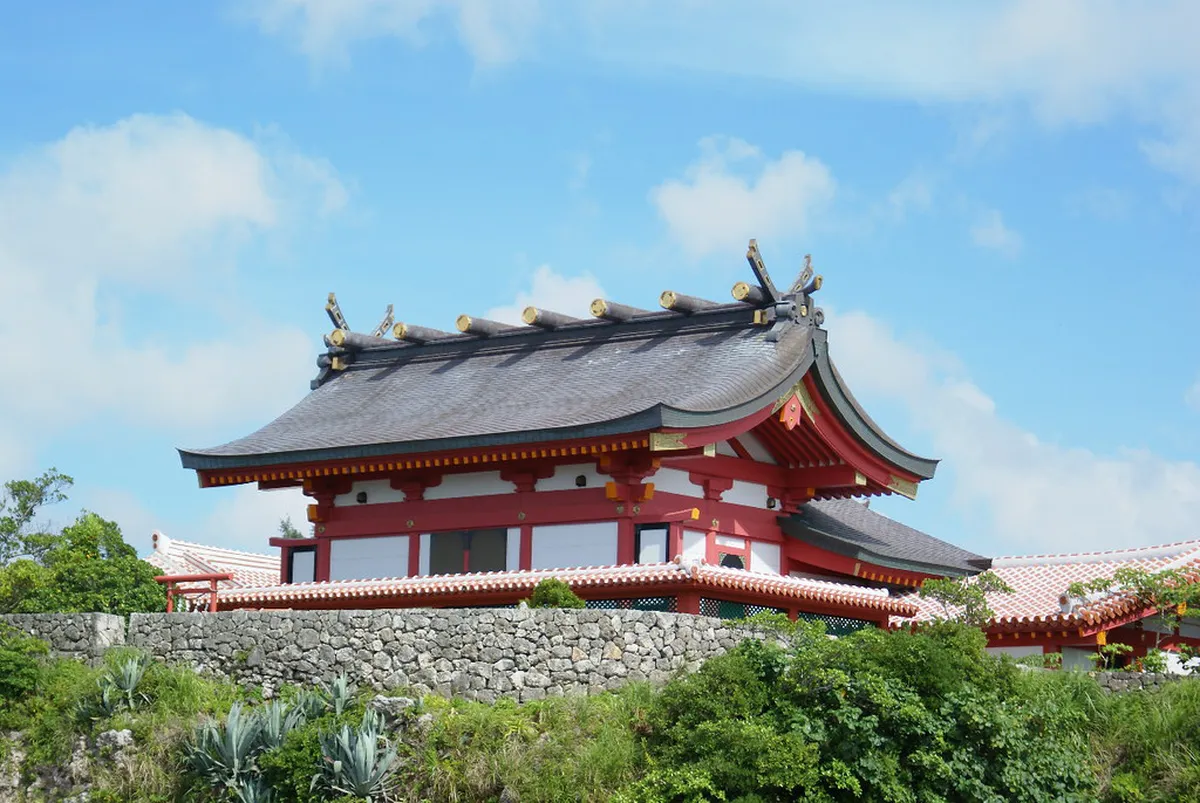
Timing your photography session is essential for getting the best colors in your shots. Late afternoon light often illuminates the red walls of the shrine beautifully against the sea. Morning visits are also great if you want to capture the bright turquoise water of the beach below. Be mindful of your surroundings on the bridge as it can be quite windy and carries heavy traffic.
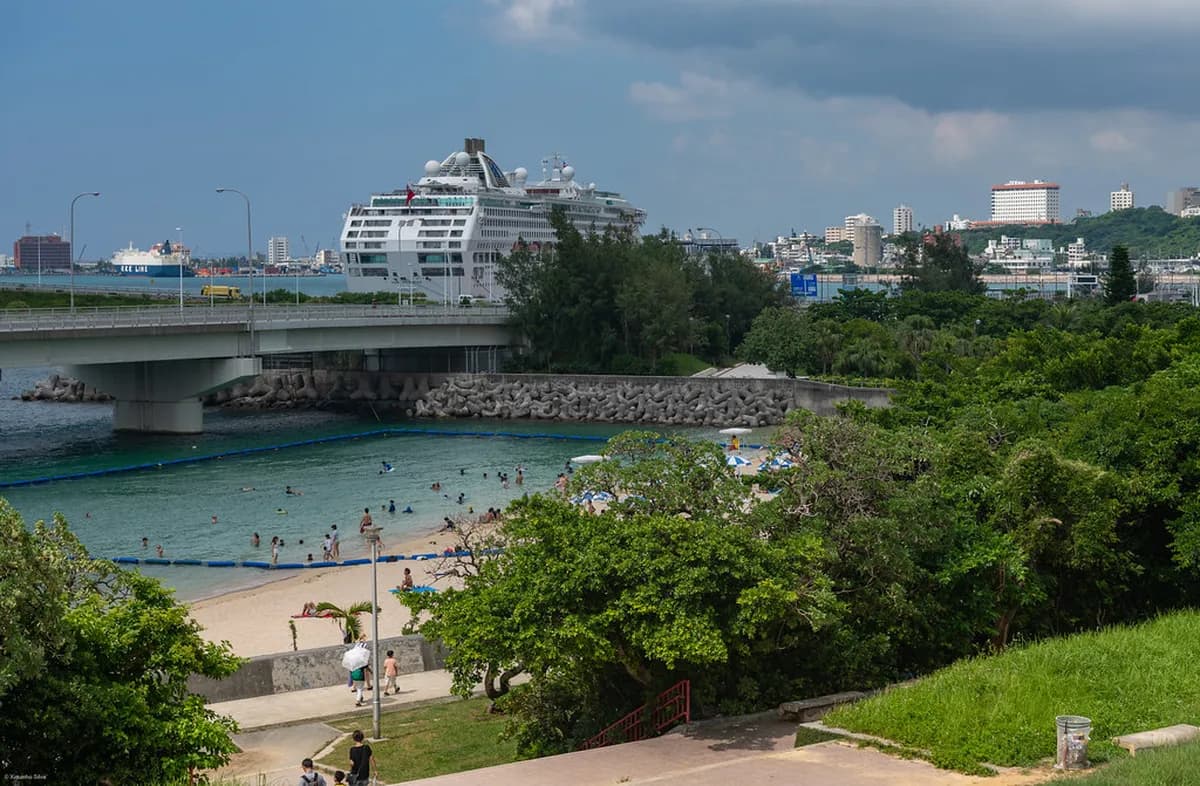
The most common mistake is following map directions only to the shrine entrance and leaving before walking to the bridge. Add the bridge viewpoint to your route before you arrive, especially if photography is a priority. Looking in the opposite direction from the bridge provides a great view of Naha Port, where large cruise ships and ferries come and go from the main harbor. This perspective helps you understand why the shrine was so important to sailors in the past.
Relaxing at Naminoue Beach: Naha's Only City Beach
Located directly below the shrine cliffs, Naminoue Beach is a popular spot for locals and tourists alike. It is the only public swimming beach within Naha city limits, making it one of the best beaches near Naha. The water is divided into two sections by the bridge, offering different views and swimming areas. Lifeguards are on duty during the official swimming season, which typically runs from April through October.
The beach features useful facilities including showers, lockers, and restrooms for public use. You can rent umbrellas and lounge chairs if you plan to spend several hours by the water. The sand is well-maintained and provides a safe environment for families with children. Even in the off-season, the beach is a lovely place for a scenic walk along the shoreline.
While the bridge overhead adds an urban feel, the water remains surprisingly clear and blue. It offers a unique urban beach experience that you won't find anywhere else in Japan. For a smooth visit, see the shrine first while you are dry, then descend to the beach afterward if you want to swim or rest. Bring sun protection in 2026, because the short walk between the shrine, bridge, and beach has exposed sections with limited shade.
Shinto Etiquette and Local Worship Traditions
Following proper etiquette shows respect for the local culture and the sacred nature of the site. Begin your visit at the Temizuya, the water pavilion where you purify your hands and mouth. Use the wooden ladle to pour water over each hand before rinsing your mouth discreetly. This ritual signifies leaving the physical world behind to enter a spiritual space.
When you reach the main hall, it is customary to bow twice before offering a small coin. Ring the bell if one is present, then clap your hands twice to alert the spirits to your presence. Keep your eyes closed for a moment of silent prayer or reflection before bowing once more to finish. These simple actions help you connect with the traditions that have shaped the island for generations.
Okinawan Shinto practices often incorporate elements of ancestral worship and nature spirits. You might notice different types of offerings or decorations compared to shrines in Tokyo or Kyoto. Respect the privacy of those who are clearly there for serious religious purposes, and step aside quickly after praying so others can approach the hall. Avoid taking photos directly into the inner sanctum of the main hall where the deities reside.
Annual Events and the Nanmin-san Festival
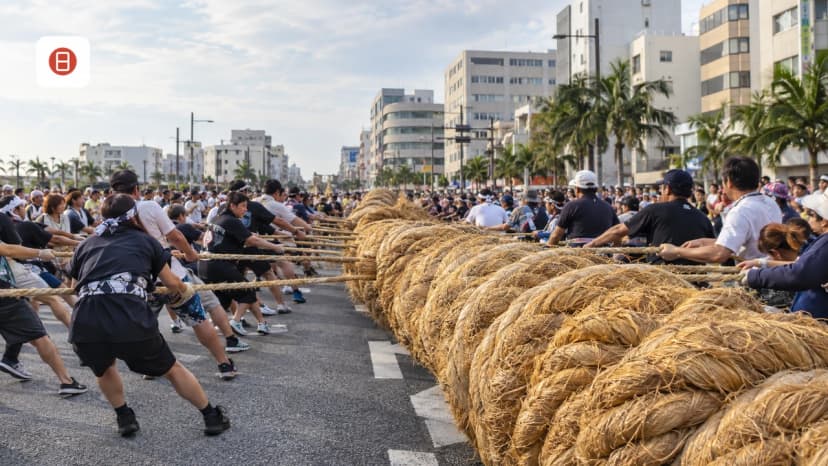
The shrine hosts several vibrant festivals throughout the year that showcase Okinawan culture. The most famous event is the Nanmin-san Festival, held every year in mid-May. This celebration features traditional music, dance performances, and martial arts demonstrations on the shrine grounds. It is a fantastic time to visit if you want to see the community come together in celebration.
New Year's Eve is another major event when thousands of people visit for Hatsumode, the first prayer of the year. The atmosphere is electric with food stalls, bright lights, and long queues of worshippers. Visitors wait for hours to receive their fortunes and buy new charms for the coming months. If you visit during this time, prepare for large crowds and a very festive spirit.
Seasonal ceremonies also take place to mark the beginning of the fishing season or the harvest. These smaller events offer a more intimate look at the spiritual life of the Wakasa neighborhood. Checking the local calendar can help you time your visit with one of these unique cultural displays. If you prefer a quieter 2026 visit, avoid the first few days of January and the busiest festival hours in mid-May.
Frequently Asked Questions
Is Naminoue Shrine free to enter?
Yes, Naminoue Shrine is completely free to enter for all visitors. There is no admission fee to walk through the grounds or visit the main hall. You may choose to bring small coins for traditional offerings or to purchase charms at the shrine office.
How do I get to Naminoue Shrine from Naha Airport?
The easiest way is to take the Yui Rail monorail from the airport to Asahibashi Station. From there, it is a simple fifteen-minute walk to the shrine. Alternatively, a taxi from the airport takes about ten minutes and is very convenient. You can also visit Naha city center first.
Can you swim at Naminoue Beach year-round?
Swimming is only permitted during the official season, which runs from April to October when lifeguards are present. Outside of these months, you can still walk on the sand and enjoy the views. The facilities like showers are usually closed during the winter months.
What is the best time of day to photograph Naminoue Shrine?
The best time for photography is during the late afternoon when the sun hits the red walls of the shrine. This creates a beautiful contrast against the blue ocean and green cliffs. Morning light is also excellent for capturing the clear turquoise water of the adjacent beach.
What are the Ryukyu Eight Shrines?
The Ryukyu Eight Shrines, or Ryukyu Hassha, are the most important Shinto sites established during the Ryukyu Kingdom era. Naminoue-gu is the highest-ranking among them. Other notable shrines in this group include Shuri Castle area sites like Sueyoshi and Asato.
Naminoue Shrine is a must-see destination that perfectly captures the unique spirit of Okinawa. Its combination of stunning cliffside views and deep historical roots makes it a highlight of any trip. By following this Naminoue Shrine visitor guide, you can ensure a smooth and respectful visit to this sacred site. Take the time to explore both the spiritual grounds and the relaxing beach nearby.
Whether you are interested in history, photography, or simply finding a peaceful moment, the shrine delivers. It remains a powerful reminder of the Ryukyu Kingdom's enduring legacy in the modern world. Don't forget to visit the bridge for that iconic photo, and do not leave the Wakasa area without checking whether the beach path fits your schedule. Enjoy your journey through one of the most beautiful and significant landmarks in southern Japan.
To verify current details, consult the Naminoue Shrine on Wikipedia.