Tsuboya remains the spiritual home of traditional Okinawan ceramics, known locally as yachimun. Yachimun is the broad Okinawan word for pottery, while Tsuboya-yaki refers to the pottery style and craft tradition rooted in this specific Naha neighborhood. Visitors can explore cobblestone paths lined with workshops, galleries, shisa guardians, and everyday tableware that shows how ceramic culture still fits into island life.
For 2026, the best way to visit is to treat Tsuboya as a compact cultural district rather than a single museum stop. Start with the museum for context, walk the sujiguwa alleys slowly, compare shop prices before buying heavier pieces, and book any hands-on workshop before you arrive. The district provides a peaceful contrast to nearby shopping streets, but it is still a working residential area where quiet etiquette matters.
Tsuboya: The Heart of Okinawan Yachimun
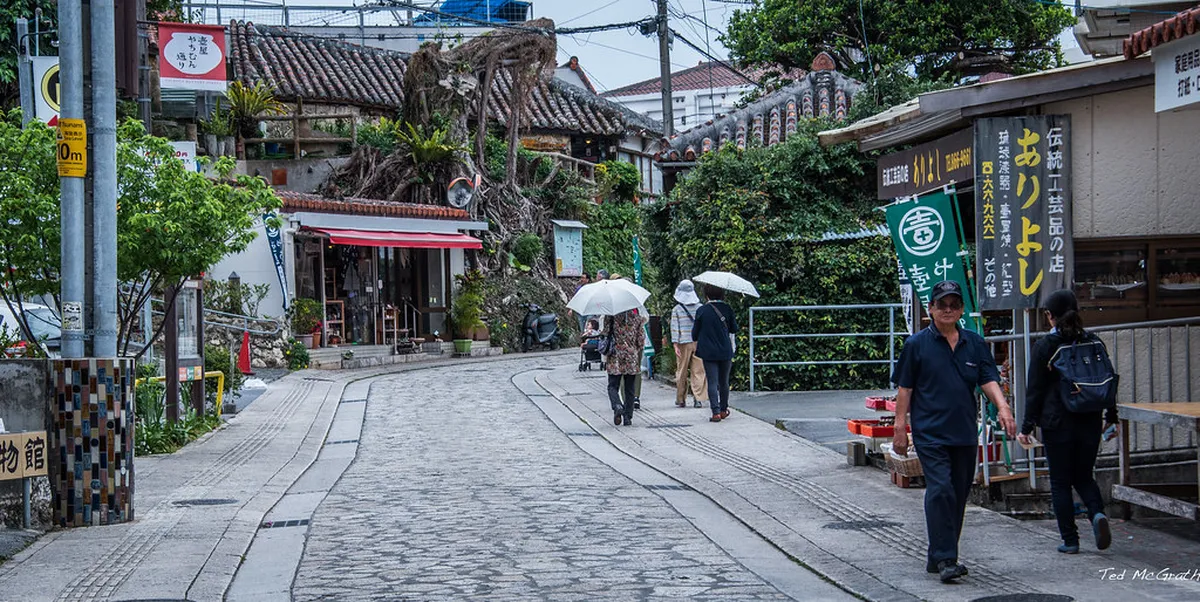
The Tsuboya district has been central to ceramic production in the Ryukyu Islands for over three centuries. Artisans here continue to create pieces that are both functional and artistic, from small chopstick rests to large jars once used for fermenting local awamori liquor. The neighborhood is famous for red-tiled roofs, limestone paving, and ceramic shisa statues guarding homes, workshops, and shop entrances.
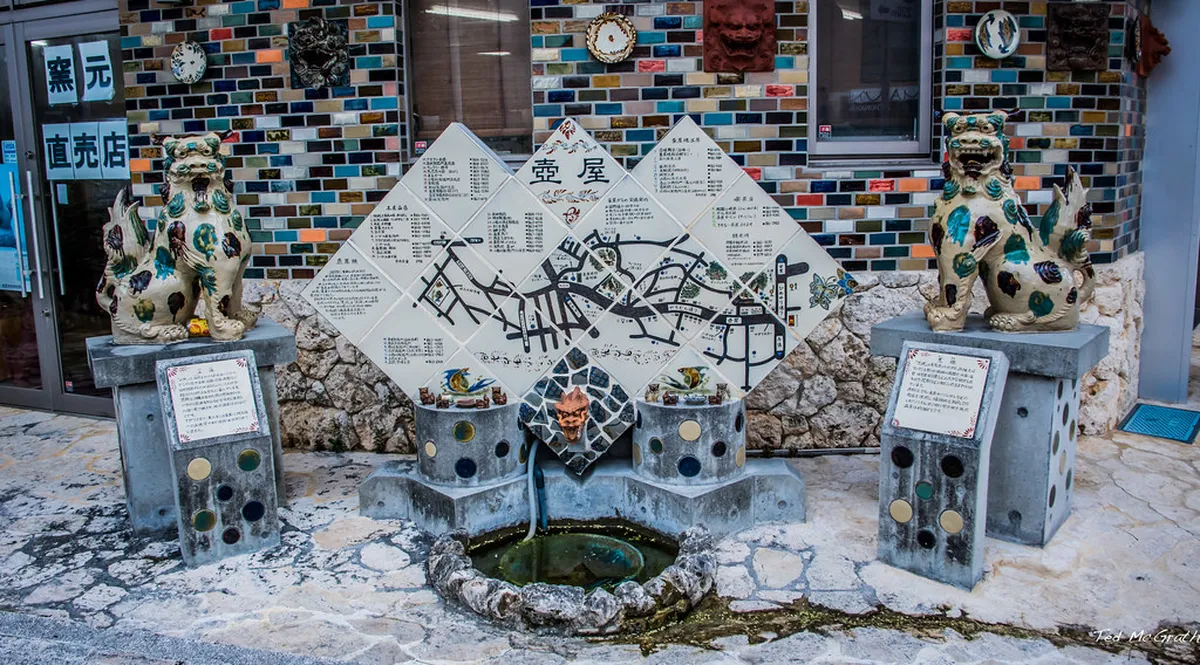
Exploring this area allows travelers to connect with the living history of the Shuri Castle era. Many families have operated workshops in this neighborhood for generations, even as large-scale wood-firing moved elsewhere because central Naha became too dense for smoky kilns. That mix of continuity and adaptation is why Tsuboya feels different from a souvenir arcade: you are seeing a craft district that still sells usable bowls, cups, plates, and guardians made for real homes.
The History and Significance of Ryukyu Ceramics
The origins of this district date back to 1682 when the Ryukyu Kingdom consolidated three major kilns. This centralizing move helped create a distinct ceramic identity that combined techniques from China and Southeast Asia. You can learn more about these early influences through the Ryukyu Pottery History (Wonder Okinawa Archive) documentation. The government of the time wanted to improve the quality and consistency of local ceramic production.
Pottery played a vital role in trade relations between Okinawa and its powerful neighboring nations. Local craftsmen adapted foreign styles to suit the unique clay, climate, foodways, and storage needs of the Okinawan islands. Over time, Tsuboya-yaki became a symbol of the kingdom's artistic sophistication and economic strength. For broader cultural context before or after Tsuboya, pair this stop with the Okinawa Prefectural Museum.
Essential Stop: Naha Municipal Tsuboya Pottery Museum
Start your journey at this museum to understand the technical evolution of Okinawan pottery over the years. The exhibits display ancient tools and beautiful examples of historical Tsuboya-yaki craftsmanship throughout the building. Check the Naha Municipal Tsuboya Pottery Museum Official site for current admission fees and special exhibition schedules. The museum provides a comprehensive overview that helps visitors distinguish between various local styles before they start shopping.
Entry typically costs around 350 yen for adults, making it an affordable cultural experience for everyone. The facility is closed on Mondays, so plan your visit for a Tuesday or the weekend instead. Bilingual signs provide helpful context for international travelers exploring the various galleries on each floor, and an audio guide or English video material may be useful where labels are mostly Japanese. You can also see a reconstructed traditional Okinawan house located right inside the museum grounds.
Exploring the Sujiguwa: The Hidden Alleys of Tsuboya
The winding alleys, or sujiguwa, offer a quiet escape from the modern bustle of the city center. These narrow paths survived the destruction of the Battle of Okinawa, preserving a rare piece of old Naha. You will find stone walls, greenery, ceramic fragments, small shrines, and traditional houses tucked just behind the main shopping street.
The Naha Municipal Tsuboya Pottery Museum charges just 350 yen for adults and is the best place to start your visit. Seeing the historical timeline of Tsuboya-yaki first helps you identify arayachi versus jiyachi styles when shopping in the galleries afterward.
Many of these alleys lead to residential areas where potters still live and work today. Photographers should move slowly, avoid blocking doorways, and treat private yards as off-limits unless clearly marked as a shop or studio. The alleys are most atmospheric in the morning, after light rain, or late in the afternoon when the limestone paving catches softer light.
Historical Landmarks: South Kiln (Fē nu kama)
The South Kiln, or Fē nu kama, stands as a protected cultural property within the district. This climbing kiln was a gift from the Ryukyu King to local potters during the 17th century. It represents the high status that ceramic artists held within the ancient kingdom's social structure. Visitors can see the unique multi-chambered design that allowed for large-scale firing of pottery pieces.
While the kiln is no longer in active use, it remains an important educational site for visitors. The structure is built into a slope to help maintain the high temperatures needed for glazing. It is one of the few remaining examples of this traditional kiln architecture in the city. You can find it located near the end of the main pottery street behind a small cafe.
Hands-on Experiences at Ikutoen Pottery Works
Many travelers enjoy creating their own shisa statues or plates at a local workshop during their visit. Ikutoen is one of the most famous studios offering guided sessions for beginners and more confident makers alike. You should review the Ikutoen Pottery Dojo Appointments page to secure a spot before you arrive, especially during weekends, holidays, and school vacation periods.
Standard trial courses often last about 60 minutes and focus on simple hand-building or painting techniques. Full courses allow for more complex wheel-thrown pieces but require additional time and higher booking fees. Some studios can ship your finished work internationally once it has been fired in the kiln. Creating your own piece of yachimun is a wonderful way to remember your time in Okinawa.
| Workshop choice | Best for | Time needed | Booking note |
|---|---|---|---|
| Painting or decorating a pre-made piece | Families, short visits, beginners | About 60 minutes | Reserve ahead if you need an English-friendly time slot |
| Hand-building a shisa or small plate | Travelers who want a personal souvenir | About 60 minutes or more | Ask when the fired piece will be ready |
| Potter's wheel or fuller course | Craft-focused visitors | Longer session | Confirm price, firing schedule, and shipping before starting |
Traditional Refreshments at Uchinaa Tea House Buku-buku
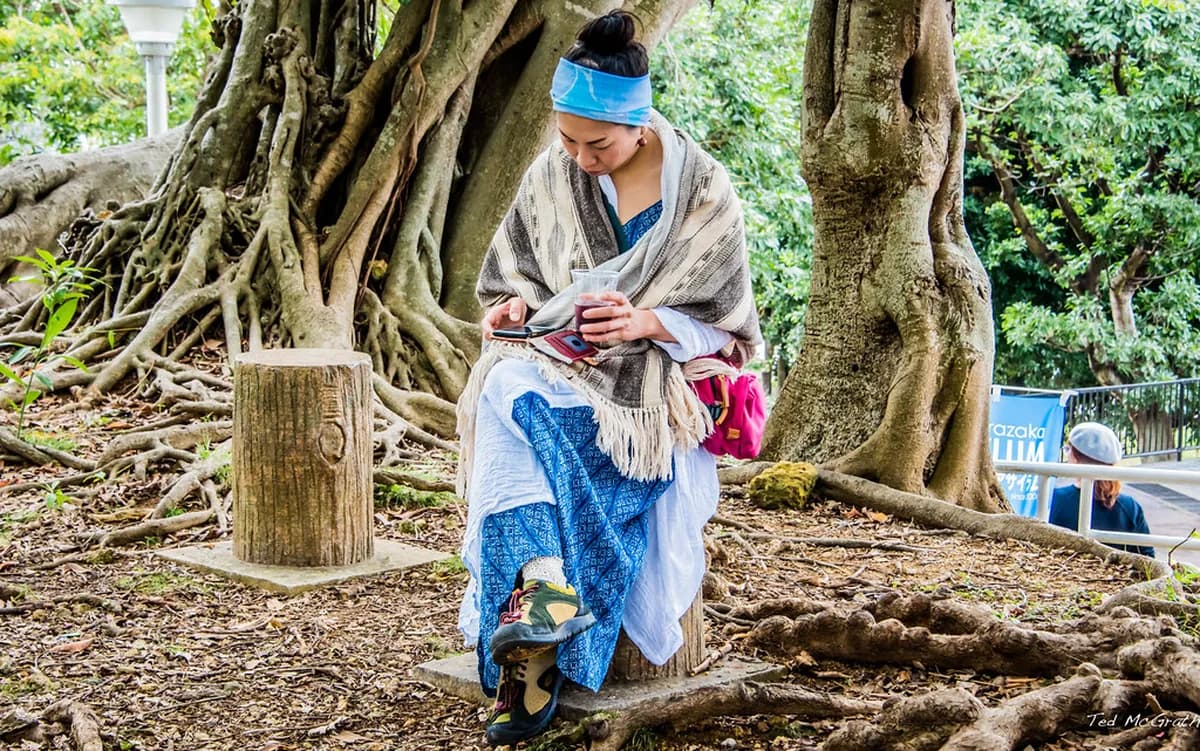
Taking a break at a traditional tea house is the perfect way to soak in the local atmosphere. This specific cafe serves buku-buku tea, a unique Okinawan specialty topped with a thick layer of white foam. The tea is traditionally whisked in a large wooden bowl until it reaches a cloud-like consistency. It is served in beautiful local ceramics, allowing you to appreciate the pottery while you drink.
The tea house itself is a restored traditional building with tatami mat seating and garden views. This experience provides a much-needed rest after walking the cobblestone streets and visiting the museum. The foam is made from roasted rice and jasmine tea, giving it a light and refreshing flavor. It is considered the most culturally appropriate break for anyone exploring the Tsuboya pottery district.
Shopping for Authentic Yachimun: Arayachi vs. Jiyachi
Understanding the two main styles of Tsuboya pottery will help you choose the right souvenir for home. Arayachi refers to unglazed, functional earthenware often used for large storage jars, water containers, roof tiles, and rustic shisa. These pieces have a rugged, earthy appearance that highlights the natural texture of the local clay.
Jiyachi is the glazed variety of pottery that features vibrant colors and intricate painted designs. This style is commonly used for tableware, such as rice bowls, plates, cups, and decorative shisa statues. Prices for small items like chopstick rests start around 500 yen in most local shops. Master-crafted plates or large vases can cost 10,000 yen or more depending on the artist's reputation.
What is the difference between Arayachi and Jiyachi pottery?
| Style | Finish | Common items | Best buy for travelers |
|---|---|---|---|
| Arayachi | Unglazed, earthy, often reddish or natural clay tones | Storage jars, roof tiles, water vessels, rustic shisa | A textured statement piece if you have luggage space |
| Jiyachi | Glazed, colorful, often painted or patterned | Bowls, plates, cups, sake ware, decorative shisa | Practical tableware that is easier to use at home |
A useful shopping mistake to avoid is buying the first piece you see on the main street. Prices, glaze styles, and artist signatures vary widely, so browse several shops before deciding. If you are buying fragile or heavy pottery, ask whether the shop can pack it for checked luggage or arrange insured shipping.
The pottery museum is closed every Monday (or the following Tuesday if Monday falls on a national holiday). Most shops also follow this schedule. Visit on a Tuesday through Sunday to ensure the widest choice of open workshops and gallery space.
Practical Guide: Getting to Tsuboya Yachimun Street
The district is conveniently located just a five-minute walk from the famous Kokusai Street shopping area. Travelers can easily reach the entrance by taking the Yui Rail monorail to Makishi Station, then walking toward the pottery museum and main cobblestone road. The area is also a short walk from the Makishi Public Market for those already exploring downtown.
Most shops and the museum open around 10:00 AM and close by 6:00 PM, with individual shop holidays varying. Visiting on a weekday morning is the best way to avoid the larger crowds of tourists. Wear comfortable walking shoes as the historic cobblestone paths can be uneven in some sections. The district is also a great rainy day activity since many workshops and museums are indoors.
- Transit: Makishi Station is the simplest Yui Rail stop for first-time visitors. Asato Station can also work, but Makishi is more intuitive if you are pairing Tsuboya with Kokusai Street.
- Accessibility: The main street is manageable for many visitors, but the sujiguwa alleys include uneven paving, narrow turns, and small slopes. Wheelchair users and stroller users should prioritize the museum, main street shops, and flatter approaches.
- Best time: Arrive around opening time on a weekday for quieter shops and better conversations with staff. Late afternoon is better for photos but gives you less buffer for workshops and museum time.
- Common mistake: Do not leave workshop booking, international shipping questions, or cash withdrawal until the end of the visit. Small studios may have limited time slots and some shops are easier with cash.
- Visit the Pottery Museum First
- Type: Educational
- Best for: History buffs
- Where: District entrance
- Cost: 350 yen
- Book Workshops in Advance
- Type: Hands-on
- Best for: Families
- Where: Ikutoen Studio
- Cost: 3000+ yen
- Explore the Sujiguwa Alleys
- Type: Sightseeing
- Best for: Photographers
- Where: Back streets
- Cost: Free
- Try Buku-buku Foam Tea
- Type: Culinary
- Best for: Foodies
- Where: Uchinaa Tea House
- Cost: 800 yen
Frequently Asked Questions
How far is Tsuboya from Kokusai Dori?
Tsuboya is located only a five-minute walk from the eastern end of Kokusai Dori. You can easily reach the district by walking past the Makishi Public Market area. It is a very convenient side trip for anyone shopping in downtown Naha.
Can I ship pottery internationally from Tsuboya?
Yes, many of the larger shops and studios like Ikutoen offer international shipping services for their customers. You should ask about shipping costs and insurance before finalizing your purchase. This is a great option for heavy items like large vases or shisa statues.
What is the best time to visit the pottery district?
The best time to visit is on a weekday morning around 10:00 AM when the shops first open. You will encounter fewer crowds and have more time to speak with the local artisans. Most businesses are open daily, but the museum is always closed on Mondays.
Are there pottery workshops for beginners in Naha?
There are several workshops in Tsuboya that cater specifically to beginners and international tourists. These sessions usually last about an hour and cover basic techniques like hand-building or painting. Instructors provide all the necessary tools and guidance to help you create a beautiful souvenir.
The Tsuboya Pottery District is a must-visit destination for anyone interested in Okinawan culture and art. From historic alleys to modern workshops, it works well as a focused two-hour stop or a slower half-day craft walk. Visit the museum first, compare arayachi and jiyachi before buying, and leave enough time for tea or a workshop if you want the district to feel like more than a shopping detour. For a balanced Naha day, pair Tsuboya with Kokusai Street, Makishi Public Market, or the wider Naha attractions hub.
To verify current details, consult the Tsuboya Pottery District on Wikipedia.
For more Naha planning, see our Naha itinerary and 3-day Naha itinerary guides.