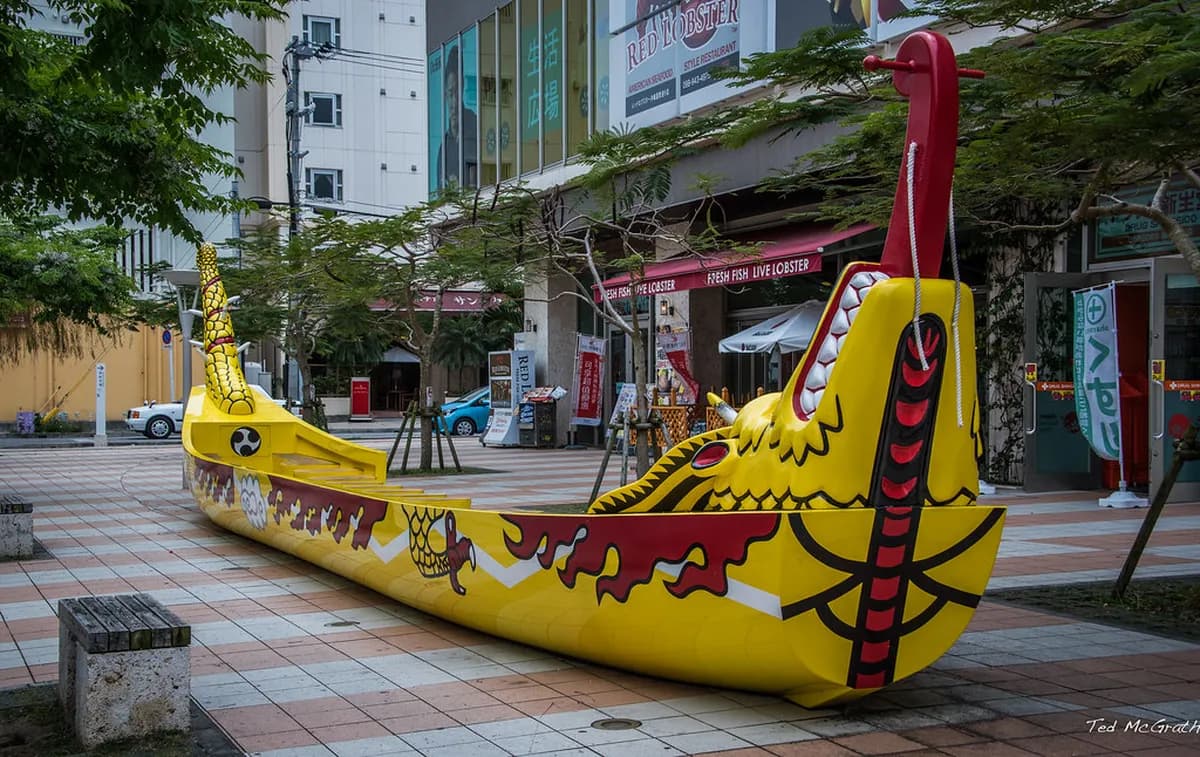
Naha 3 Day Itinerary: The Ultimate First-Timer’s Guide
Plan a Naha 3 day itinerary with routes and car rental tips. Find diving guides and the best spots for Wagyu.
On this page
I built this naha 3 day itinerary after my fourth visit to the Ryukyu islands. This guide helps first-timers navigate the city without any of the usual overwhelm. Last refreshed after my spring visit in 2024, it reflects current travel trends. You will find a balance of historical culture and coastal relaxation here.
Okinawa offers a unique blend of Japanese and indigenous Ryukyuan traditions. Naha serves as the perfect gateway to these tropical experiences. Many visitors struggle to manage the distance between the city and northern attractions. We found that a structured plan prevents unnecessary backtracking across the island.
Most travelers arrive via Naha Airport on budget carriers like Peach Aviation. The city center is easily reachable via the efficient monorail system. I recommend staying near Kokusai Street for the best evening atmosphere. This itinerary ensures you see the highlights without feeling rushed.
3-Day Naha Itinerary At a Glance
This quick summary helps you visualize your upcoming tropical adventure. Each day focuses on a specific region to maximize your limited time. We grouped activities to minimize transit stress and maximize enjoyment. Check the detailed breakdown below for specific costs and timing.
First-timers often underestimate the travel time between Naha and the north. This schedule accounts for those distances while keeping things manageable. You can swap these days based on the local weather forecast. Always prioritize the beach day when the sun is shining brightest.
I suggest printing this list or saving it to your phone. Having a high-level view helps when making last-minute adjustments. The vibe of each day changes from urban to natural. Prepare for a mix of walking and scenic driving.
- Day 1: Naha classics & culture
- Morning: Shuri Castle exploration
- Afternoon: Makishi Market lunch
- Evening: Kokusai Street shopping
- Day 2: Coastal nature & aquarium
- Morning: Churaumi Aquarium visit
- Afternoon: Emerald Beach picnic
- Evening: Motobu sunset dinner
- Day 3: Marine adventure & Wagyu
- Morning: Blue Cave snorkeling
- Afternoon: Luxury Wagyu beef lunch
- Evening: Naha nightlife wandering
Day 1: Arrival to Okinawa and Naha Essentials
Most flights from Tokyo, Osaka, or Fukuoka land at Naha (OKA) Airport before noon. Peach Aviation typically runs the cheapest fares, with one-way Fukuoka-Naha tickets starting around 6,800 yen if you book 30 days out. The Yui Rail monorail platform sits a covered walkway from the arrivals hall, and a one-day pass costs 800 yen — worth buying if you plan to ride more than twice.
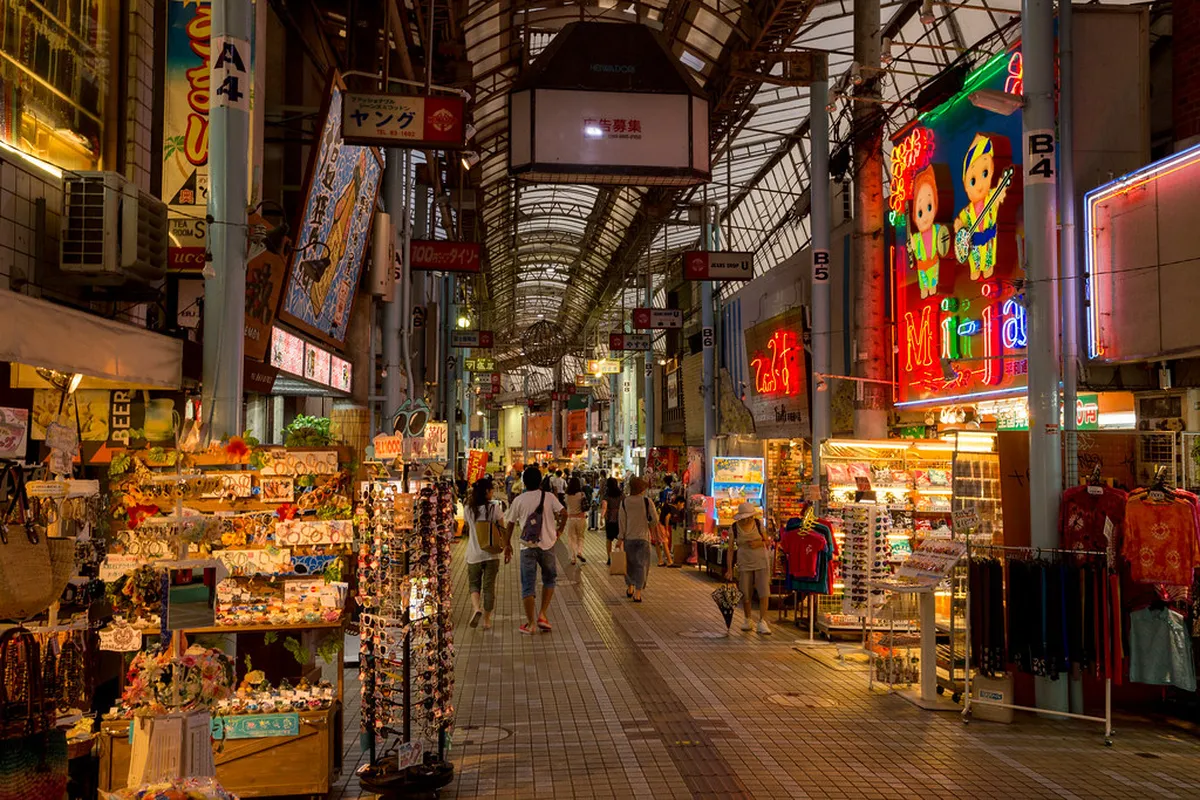
Drop bags at your hotel near Kenchomae or Asahibashi station, then ease into the city with a slow afternoon. Walk the length of Kokusai Street, ducking into Heiwa-dori and Ichiba-hondori arcades for Ryukyu glass and shisa lion souvenirs. Grab a Blue Seal beni-imo (purple sweet potato) ice cream around 4:00 PM when the heat softens.
Loop into the Makishi Public Market before it closes at 9:00 PM. Pick a fish or pork cut downstairs and the second-floor cooks will prepare it for around 500 yen extra — the cheapest sit-down meal you will find on Kokusai Dori. End the night with awamori at a small izakaya off Ukishima-dori; first-timers can ask for the 25-proof house pour cut with water and ice.
Day 2: Shuri Castle, Shikinaen, and Old Naha
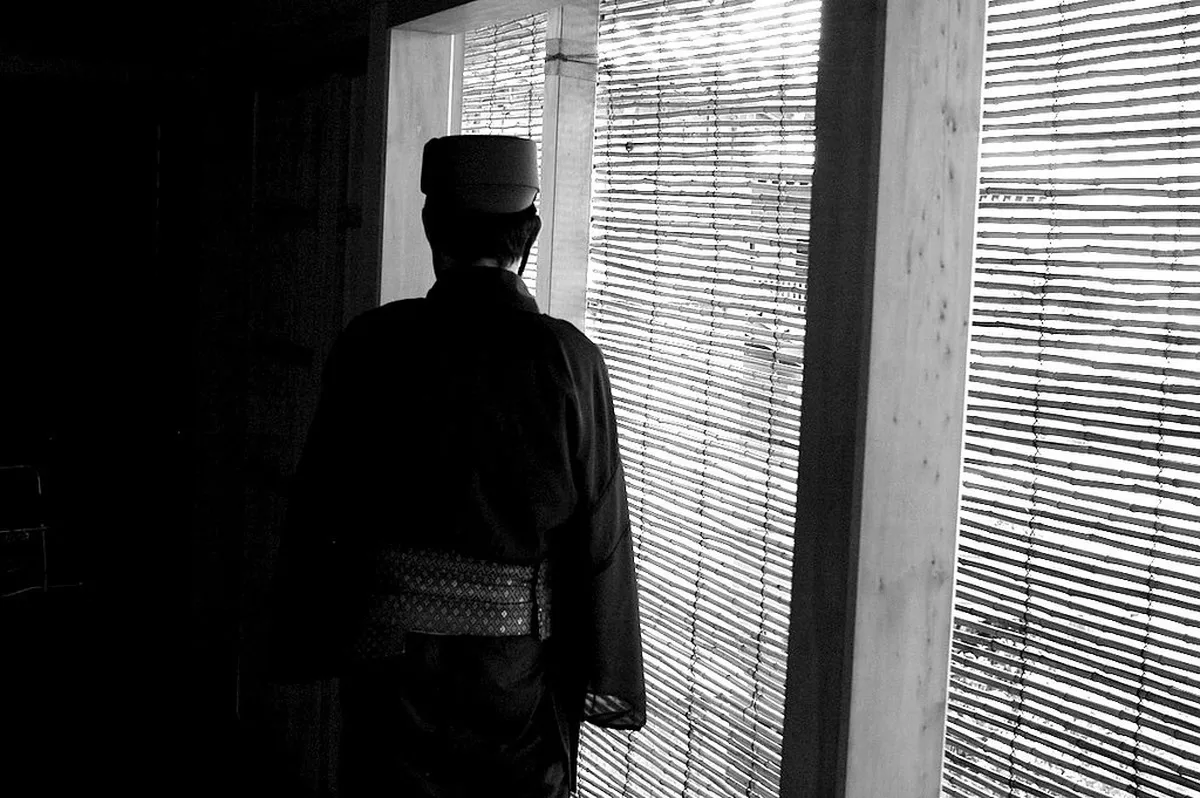
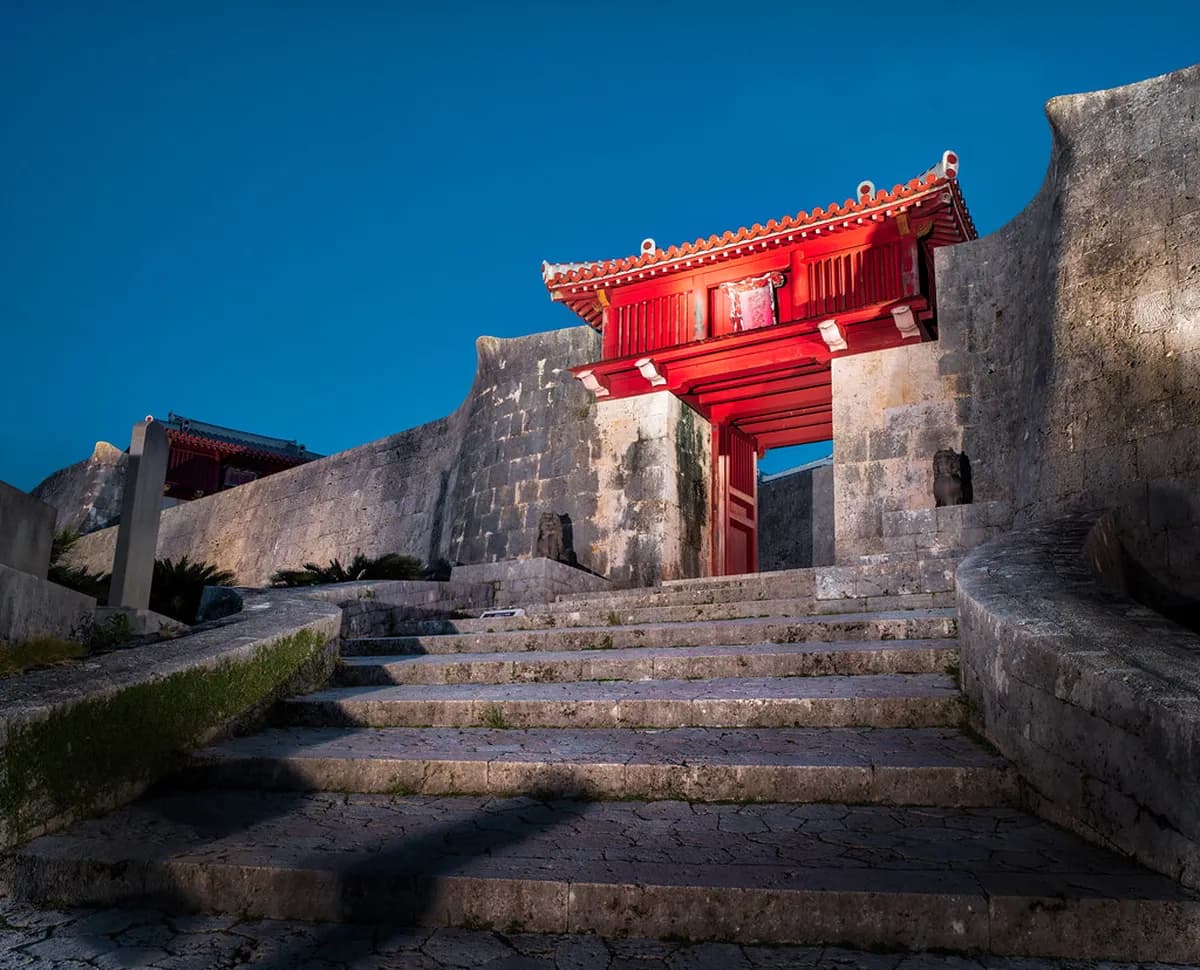
Day two anchors on the Ryukyu Kingdom. Take the Yui Rail to Shuri station and walk fifteen minutes uphill to Shuri Castle. The Seiden main hall is mid-reconstruction after the 2019 fire, but the 2026 visitor route — outlined on the Shurijo Castle Park official site — now includes a covered viewing deck where you can watch carpenters apply lacquer in real time, a detail no other itinerary mentions. Arrive by 8:30 AM to beat tour buses; entry is 400 yen.
From Shuri, taxi or bus to Shikinaen Garden, the Ryukyu royal villa. Most three-day plans skip it, but a 90-minute walk through the limestone teahouses and lotus pond gives you the only quiet green space close to the city. Pair it with a brunch stop at Petit à Petit, a tiny French bakery near Shuri whose cardamom rolls sell out by 11:30.
Spend the afternoon in Tsuboya pottery district and the Naminoue Beach overlook. Tsuboya's stone-paved alleys hold workshops where yachimun bowls run 1,500–4,000 yen, far cheaper than the Kokusai Dori markups. Wrap the day with sunset at Naminoue, then dinner along the Naha nightlife grid in Sakurazaka if you still have energy.
Day 3: Motobu Beaches, Churaumi, and the Blue Cave Wagyu Combo
Day three is the long drive day. Pick up a rental car by 7:00 AM at Naha Airport — Times Car, OTS, and Mandarin-speaking Nemo Rental all run shuttles, with compact cars at 5,500–7,500 yen per day in shoulder season. The Okinawa Expressway gets you to Motobu in roughly 90 minutes; the toll runs 1,020 yen each way.
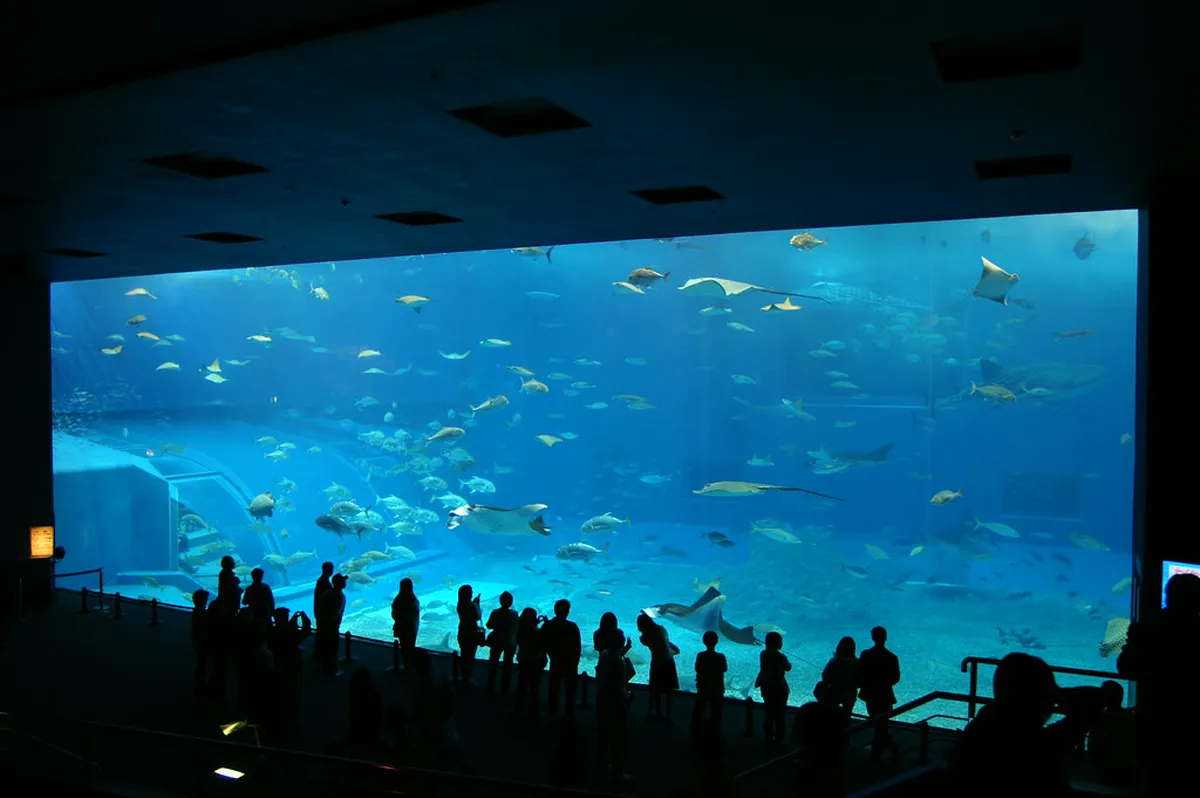
Most travelers do Churaumi Aquarium first (1,880 yen, but FamilyMart and Lawson sell discount tickets for 1,690 yen — buy at any konbini before you drive north). Confirm the Kuroshio Sea tank schedule on the official Churaumi Aquarium site, since the above-water observation course is occasionally closed for maintenance. Then walk to the adjoining Emerald Beach for a free swim from 8:30 AM to 5:30 PM in summer. For lunch, the Wagyu-diving combo competitors hint at is best done in reverse: book a 9:00 AM Blue Cave snorkel slot at Maeda Cape (around 4,500 yen with gear) on a separate west-coast loop, then drive ten minutes inland to Yakiniku Yamamoto in Onna for an A5 Ishigaki Wagyu lunch course at 6,000 yen — half the dinner price.
Return to Naha by sunset along Route 58. If you have one extra day, lock in day trips from Naha to the Kerama Islands by high-speed ferry from Tomari Port (about 2,500 yen each way, 50 minutes to Tokashiki).
Where to Stay: Naha vs Motobu vs Yomitan
The Yui Rail day pass costs 800 yen and covers all monorail stations including the airport, Kokusai Street (Makishi), and Shuri Castle (Shuri station). If you plan two or more rides on days one or two, the day pass pays for itself and is easier than buying single tickets each time.
Your base shapes the whole trip. Most three-day visitors split between Naha for nights one and two and a northern resort for night three, but a single base also works if you do not mind the drive. Use the comparison below to pick.
- Naha (Kokusai Dori / Asahibashi): Best for first-timers, monorail access, and nightlife. Business hotels from 7,500 yen, mid-range from 14,000 yen. Downside: 90-minute drive to Churaumi.
- Motobu Peninsula (Bisezaki / Sesoko): Best for aquarium and beach mornings. Resorts like Hotel Orion Motobu run 22,000–35,000 yen. Downside: thin restaurant scene after 9:00 PM.
- Yomitan / Onna (West Coast): Best for diving, sunsets, and Wagyu-yakiniku belt. Hotel Nikko Alivila and Hoshinoya range 28,000–55,000 yen. Downside: needs a rental car for everything.
| Base area | Best for | Nightly rate (approx) | Main downside |
|---|---|---|---|
| Naha (Kokusai / Asahibashi) | First-timers, monorail access, nightlife | 7,500–14,000 yen | 90-min drive to Churaumi |
| Motobu Peninsula | Aquarium and beach mornings | 22,000–35,000 yen | Thin restaurant scene after 9 PM |
| Yomitan / Onna (West Coast) | Diving, sunsets, Wagyu-yakiniku | 28,000–55,000 yen | Rental car required for everything |
Typhoon season runs August through early October. Airlines waive change fees when a named storm is within 24 hours of landfall, but dive operators and Kerama ferries cancel first. If travelling during this window, keep day three flexible and have an indoor backup — Shuri Castle and Churaumi Aquarium both work well in bad weather.
For a deeper breakdown by neighborhood, see where to stay in Naha. Couples on a honeymoon usually pick Yomitan for the resort feel; solo travelers and culture-first visitors do better staying in Naha all three nights and day-tripping north.
Should I Rent a Car in Okinawa?
Public transit thins out fast outside Naha. The Yui Rail covers the city well, but no train reaches Motobu, the Blue Cave, or the southern Peace Park. Buses run, yet the 117 express to Churaumi takes nearly three hours each way. For a three-day plan that includes the north, a rental car is effectively required on day three; on days one and two you can rely on the monorail and walking.
Bring your International Driving Permit (IDP) — Japanese police enforce this strictly and rental desks will refuse you without one. Speed limits are low (40 km/h on most arterials, 80 km/h on the expressway) and average speed cameras line Route 58. Parking at Kokusai Dori costs roughly 300 yen per hour at Times lots; most northern attractions have free parking. For details on transit alternatives, see getting around Naha.
Mandarin and Cantonese speakers should look at Nemo Rental, which staffs bilingual agents and ships GPS units pre-set in simplified Chinese — a relief if you are arriving from Taipei or Hong Kong on a direct flight. English speakers can stick with Times, OTS, or Toyota Rent A Car at the airport.
Family-Friendly and Budget-Friendly Options
Okinawa is one of the easiest Japanese destinations for families. Strollers roll fine on Kokusai Dori's wide pavement, and Churaumi Aquarium has nursing rooms on every floor. The Yui Rail offers free travel for children under six, and most hotels lend cribs at no charge. For older kids, the DMM Kariyushi Aquarium near American Village mixes interactive screens with marine tanks and rarely has queues.
Budget travelers can keep a three-day total under 35,000 yen excluding flights. Stack 7-Eleven onigiri breakfasts (around 150 yen) with Makishi Market lunches and one izakaya dinner. Skip the rental car on days one and two; use the 800-yen Yui Rail day pass instead. The free Naminoue Beach replaces a paid resort beach if you stay city-side. For evening food, see the Naha food guide for cheap eats under 1,000 yen.
How to Plan a Smooth Naha Day: Heat, Typhoons, and Timing
Okinawa hits 32°C with 80% humidity from June through September. Front-load outdoor stops before 11:00 AM and after 4:00 PM, and book a midday museum or aquarium block to escape the sun. Pack a foldable umbrella — sudden squalls hit the west coast almost daily in early summer. Vending machines outnumber bus stops; you will never struggle to refill water.
Typhoon season runs August through early October, with peak activity in late August. Airlines waive change fees when a named typhoon is within 24 hours of landfall, but ferries to Kerama and Blue Cave dive shops cancel first. If your travel dates fall in this window, build day three as your "flex" day and keep the aquarium or Shuri Castle (both indoor-friendly) as fallbacks.
For winter visitors (December through February), water temperatures drop to 21°C, which kills casual snorkeling but opens whale-watching season off the Kerama coast. Spring (late March through May) and late October are the sweet spots: warm enough to swim, dry enough to drive without typhoon risk. JNTO's official Okinawa destination guide tracks seasonal advisories alongside ferry and reef-condition notes. See the full Naha itinerary hub for season-tuned alternates.
Add an Extra Day: Day-Trip Extensions
With a fourth day, the Kerama Islands win every time. Tokashiki and Zamami have reef snorkeling that rivals the Maldives at a fraction of the cost — around 10,000 yen for a half-day boat with gear. Catch the 9:00 AM ferry from Tomari Port and the last return at 4:30 PM; book seats one week ahead in summer.
American Village in Chatan suits travelers who want a low-key shopping afternoon. The seaside promenade, Ferris wheel, and Sunset Beach pair well with a sunset Mexican dinner at Taco Loco. Look at day trips from Naha for the full list including Cape Manzamo, Bios Hill, and Cape Zampa.
For history-first travelers, head south to the Okinawa Peace Memorial Park and Himeyuri Monument. The cliffs of Mabuni and the Korean monument anchor a sober half-day, and the southern coast's gusuku ruins (Itokazu, Tamagusuku) finish the loop. The Naha bus terminal runs the 89 line direct, or it is a 40-minute drive on Route 331.
Frequently Asked Questions
What is the best month to visit Naha?
The best months are April, May, and October for mild weather. Avoid the peak typhoon season in August and September. These months offer the best balance of sun and comfort.
How do I get from Naha Airport to the city center?
Take the Yui Rail monorail directly from the terminal to the city. The journey to Kokusai Street takes about 15 minutes. It is the most affordable and fastest option available.
Which part of Okinawa should I stay in?
Stay in Naha for nightlife and easy monorail access to the airport. Choose Motobu if you prefer nature and proximity to the aquarium. Both areas offer excellent accommodation options for travelers.
This itinerary offers a perfect blend of Ryukyu history and island beauty. You will leave Naha with a deep appreciation for its unique culture. Remember to pack plenty of sunscreen and stay hydrated in the heat. Okinawa is a destination that rewards those who plan ahead.
Whether you are diving or dining, the island provides endless memories. I hope this guide makes your first visit smooth and enjoyable. Safe travels as you explore the wonders of the East China Sea. Enjoy every moment of your tropical Japanese escape.
Use our Naha attractions hub to plan the rest of your trip.
Free: The Naha Essentials guide
Top things to do, where to stay, a perfect day plan, getting around, and the best time to go — a Naha mini-guide you can take offline.
You might also like

Continue reading
More guides you'll find useful