

8 Best Day Trips from Naha: A Complete Okinawa Guide (2026)
Discover the best day trips from Naha, including the Kerama Islands and Churaumi Aquarium. Includes driving tips and ferry guides for your 2026 trip.
On this page
After exploring Okinawa's capital three times, I have learned that Naha serves as the perfect base for island adventures. The city offers a unique blend of Ryukyu heritage and modern Japanese convenience that makes planning excursions quite simple. Our editors have vetted these routes for 2026 to ensure each one is manageable within a single day for both hotel guests and cruise passengers stepping off at the Naha Cruise Terminal.
Travelers should distinguish between two boarding points that often get confused on maps. Tomari Port handles regional ferries to the Kerama Islands and other small isles. The Naha Cruise Terminal at Wakasa, about ten minutes by taxi from Kokusai-dori, is where international cruise lines like Royal Caribbean and Princess dock. Knowing which gate you are leaving from is the difference between catching the 9:00 AM ferry to Zamami and missing it entirely.
Okinawa's geography means your experience will vary depending on whether you head north toward the mountains, central toward the resort coast, or south to sacred sites. Understanding getting around Naha is the first step for any successful excursion into the wider prefecture. Book rental cars and fast-ferry tickets at least two weeks ahead during summer, Golden Week (29 April to 5 May), and Obon in mid-August.
Transportation Logistics: Cars, Ferries, and Bus Passes
Driving on the left side of the road is the single biggest adjustment for North American and European visitors. Okinawa's roads are wide and well-signed in English, but city streets in Naha have narrow lanes, sudden left-turn lanes that double as bus stops, and right-of-way rules that favor through traffic. Most rental agencies require an International Driving Permit issued in your home country before arrival, and a valid passport. The Okinawa Expressway connects Naha Interchange to the northern Motobu Peninsula in roughly 90 minutes when traffic is light, with tolls of about 1,020 yen one way.
For groups of three or four, a compact rental at 5,500 to 8,000 yen per day plus fuel is almost always cheaper and faster than buses. Solo travelers do better with the Yanbaru Express Bus, which runs direct from Naha Airport and Asahibashi to Churaumi Aquarium in about 2 hours 50 minutes for around 2,500 yen one way. The 1-day Okinawa Bus Pass at 2,500 yen also covers Routes 20, 28, and 120 to most central and northern stops. Within the city itself, the Yui Rail monorail handles Shuri Castle, Kokusai-dori, and the airport for 230 to 370 yen per ride.
Tomari Port (Tomarin building) is the central hub for Kerama-bound ferries. Ticket counters open at 7:00 AM, and you must arrive at least 30 minutes before departure to complete the boarding manifest required by the Coast Guard. The port has ATMs that accept Visa and Mastercard, a Lawson convenience store, paid lockers at 300 to 600 yen, and a multi-story parking garage at 200 yen per hour. Bring your passport for ID checks on inter-island routes; a Japanese driving license or residence card works for residents.
Online ferry reservations for Zamami open 60 days in advance. Book early for July and August departures — the high-speed Queen Zamami catamaran sells out two to three weeks ahead during peak summer season.
Kerama Islands: The Ultimate Tropical Escape
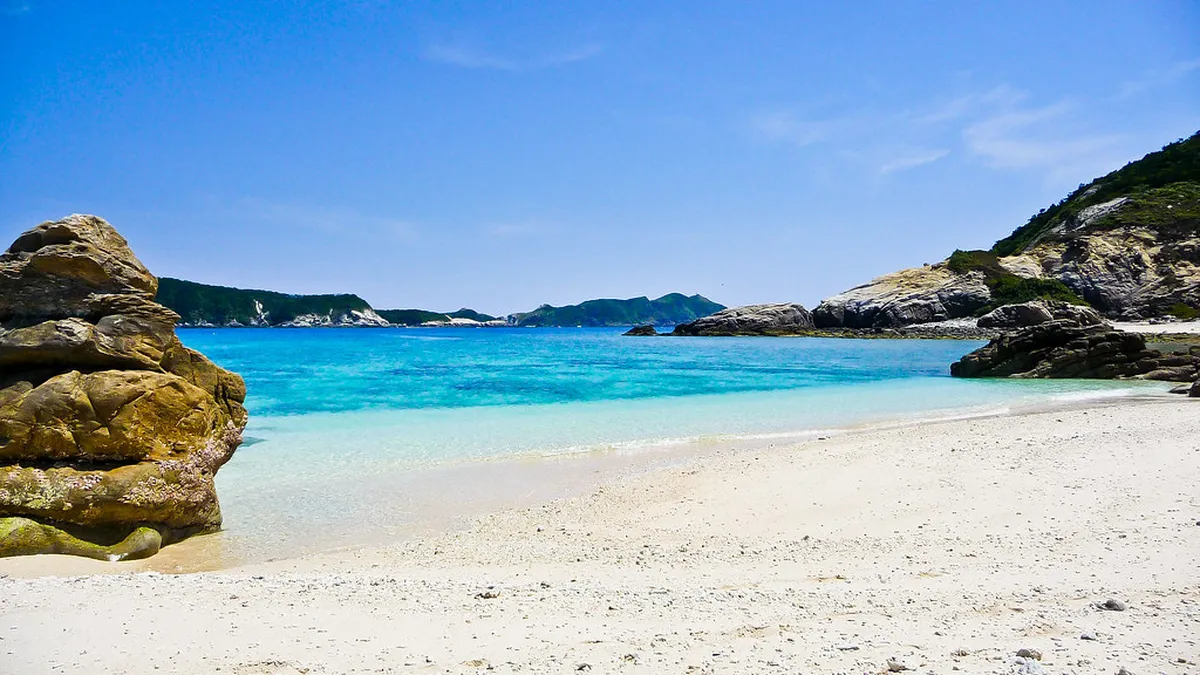
The Kerama Islands sit about 40 kilometers west of Naha and protect what locals call "Kerama Blue," a shade of water so clear that snorkelers report 30-meter visibility on calm days. Tokashiki and Zamami are the two day-trip-friendly islands, both reachable from Tomari Port. Tokashiki has the wider Aharen and Tokashiku beaches, while Zamami is better for sea-turtle sightings at Furuzamami Beach, where green turtles graze on seagrass within 50 meters of shore.
Ferry choice matters more than most guides admit. The Queen Zamami high-speed catamaran reaches Zamami in 50 minutes for 3,200 yen one way (6,170 yen round trip), but it cancels in winds above 10 meters per second and sells out two to three weeks ahead in July and August. The slower Ferry Zamami takes 2 hours for 2,150 yen one way, runs in rougher weather, and rarely fills up. For Tokashiki, the Marine Liner Tokashiki runs 35 minutes at 2,530 yen, and the Ferry Tokashiki takes 70 minutes at 1,690 yen. Online reservations open 60 days out at the official Zamami Village and Tokashiki Village booking sites; you still pick up paper tickets at the Tomarin counter on the day.
Plan for a 9:00 or 10:00 AM departure and the 4:00 or 4:30 PM return. Anything later and you risk being stranded if seas pick up. Pack reef-safe sunscreen (Hawaii-style oxybenzone-free brands), a rash guard, and cash; cards are not accepted at most beach shacks or shuttle buses on the islands.
| Route | Ferry | Journey time | One-way fare |
|---|---|---|---|
| Naha → Zamami | Queen Zamami (fast) | 50 min | 3,200 yen |
| Naha → Zamami | Ferry Zamami (slow) | 2 hours | 2,150 yen |
| Naha → Tokashiki | Marine Liner Tokashiki (fast) | 35 min | 2,530 yen |
| Naha → Tokashiki | Ferry Tokashiki (slow) | 70 min | 1,690 yen |
Fast-ferry routes cancel when winds exceed 10 meters per second. Check Zamami Village and Tokashiki Village ferry status pages by 7:30 AM on your departure day. Refunds are processed at the Tomarin ticket window on the same day if sailings are canceled.
Northern Route: Churaumi Aquarium, Kouri Island, and Motobu
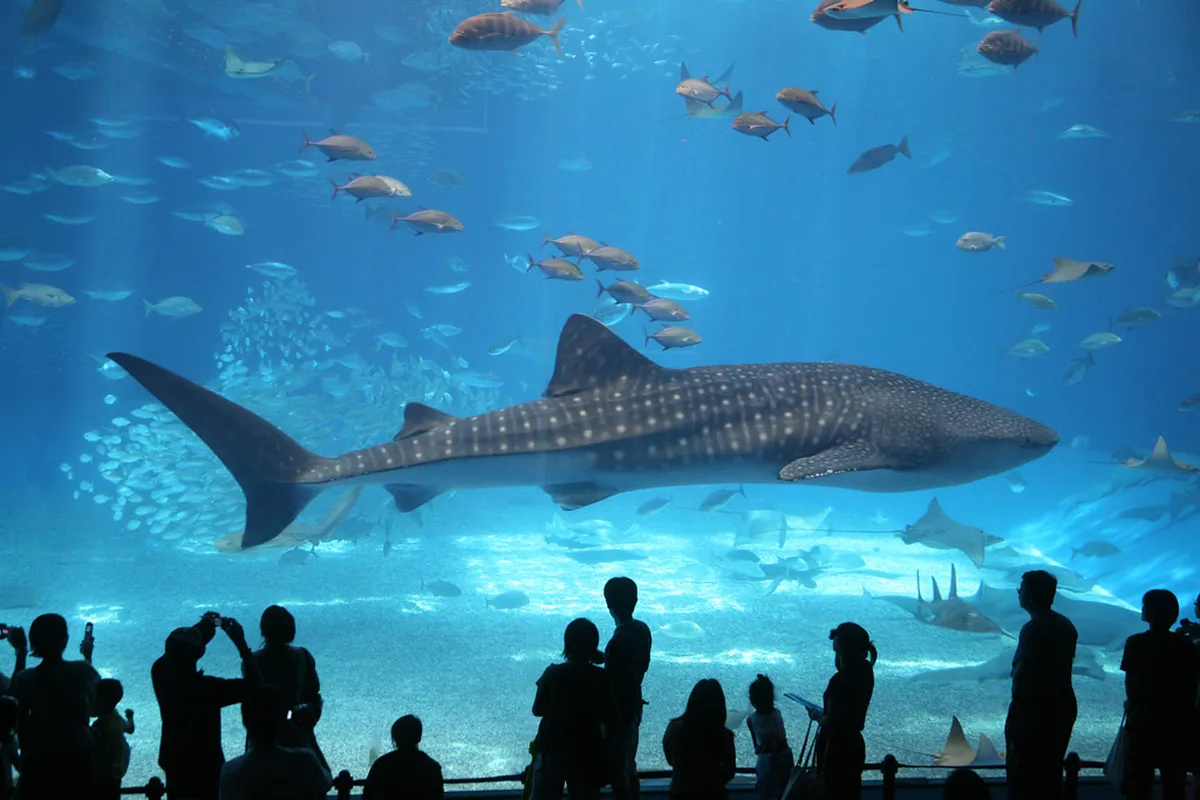
The northern route is the most popular driving day from Naha and the easiest to combine into a single loop. Leave by 8:00 AM, take the expressway to Kyoda Interchange, and you will reach Okinawa Churaumi Aquarium by 10:00 AM. The Kuroshio Tank, holding three whale sharks and a dozen manta rays in 7,500 cubic meters of water, is the headline. Adult admission is 2,180 yen, and the after-4:00 PM discount drops it to 1,510 yen if you can flip the route and start with Kouri Island instead.
Park in the P7 multi-story garage rather than the surface lots. P7 is shaded, which keeps the car interior under 35 degrees in summer, and it puts you closest to the whale shark tank entrance via the West Gate elevator. The surface lots P1 to P5 require a 10 to 15 minute walk and bake in the sun. Allow three to four hours inside the aquarium, then drive 25 minutes east to Kouri Island via the 2-kilometer Kouri Bridge for Heart Rock and a swim at Tinu Beach. The aquarium itself is profiled in detail on the Churaumi Aquarium overview. Bise Fukugi Tree Road, a 300-year-old windbreak forest near Motobu Port, is a free 30-minute walk that most tour buses skip.
Stop at Michi-no-Eki Kyoda on the way home. This roadside station sells discounted Churaumi tickets at 1,950 yen (a 230-yen saving), local Agu pork buns at 350 yen, and Tarami pineapple soft serve at 450 yen. Buy aquarium tickets here before you arrive at the gate to skip the ticketing queue entirely. Roadside stations like Kyoda are integral to Okinawan car culture and almost always cheaper than tourist-zone shops.
Central Route: Cape Manzamo and Mihama American Village
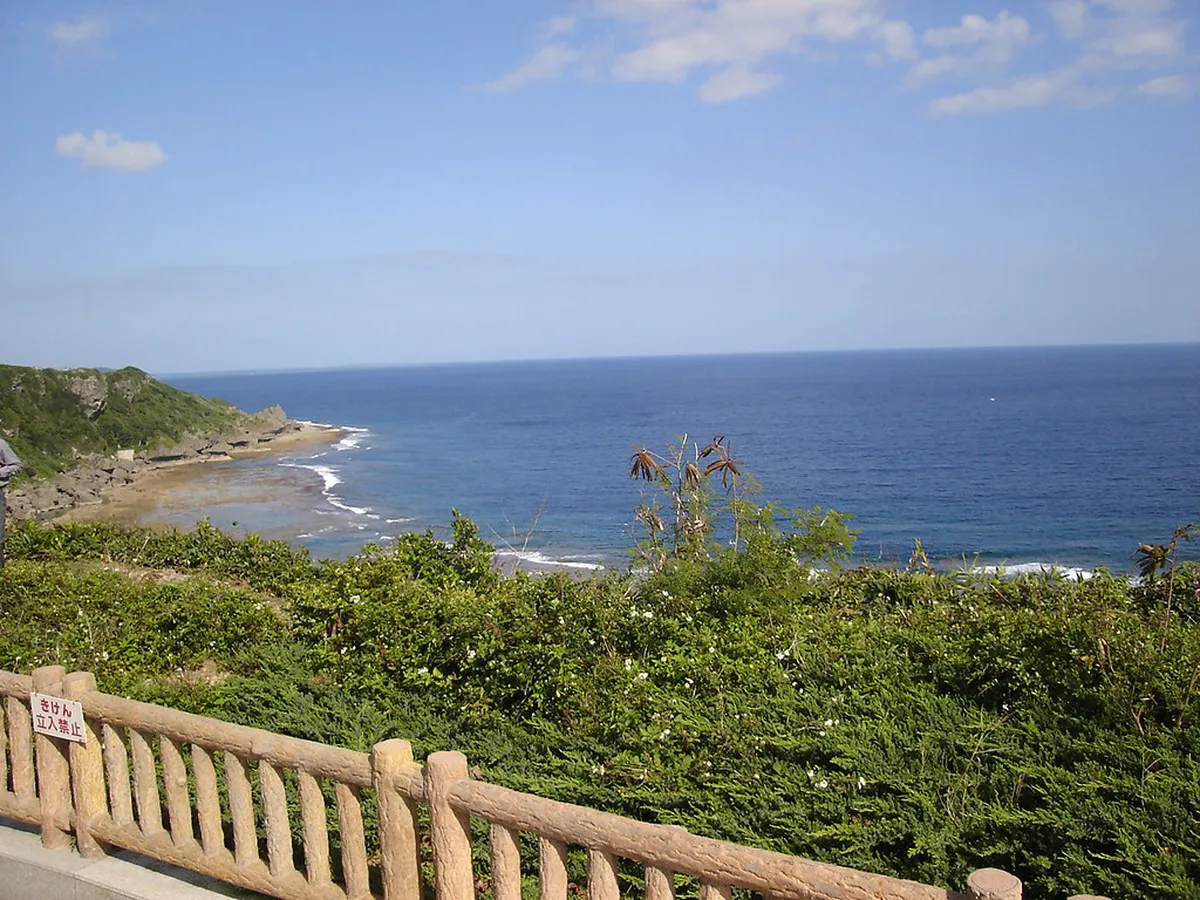
The central route is the right call for travelers who want resort-coast scenery without committing to a full northern drive. Cape Manzamo, 50 minutes by car from Naha, is a free clifftop park where the limestone bluff resembles an elephant's trunk dipping into the East China Sea. Sunset between 18:30 and 19:30 from April to September is the strongest visual moment; arrive by 17:30 for parking. Wear closed shoes since the path skirts an unfenced 20-meter drop.
Drive 25 minutes south to Mihama American Village in Chatan, an open-air complex built on a former US military housing site. The Ferris wheel, Depot Island shops, and Sunset Beach boardwalk make this the most kid-friendly day trip on the list. Most stores open at 10:00 AM and close at 22:00. Skip the chain restaurants and head to Transit Cafe for chili shrimp tacos around 1,400 yen, or Zhyvago Coffee Roasters for an iced Okinawa-blend pour-over. Cruise passengers without a car can use the discounted Mihama American Village bus pass from Naha for combined transport and entry to nearby Ashibinaa outlet mall.
If you have an extra hour, detour to Zakimi Castle ruins, a UNESCO World Heritage Ryukyu fortification with free entry and 360-degree views over the central plain. It is 15 minutes from American Village and almost always empty on weekday afternoons.
Southern Route: Sefa Utaki, Peace Memorial, and Sky Cafes
The southern route is shorter on driving time but heavier on emotional weight. Sefa Utaki, a UNESCO World Heritage limestone grotto, served as the most sacred space for the Ryukyu Kingdom's chief priestesses. Entry is 300 yen, the trail is 700 meters of forested stone, and the site closes twice yearly for traditional lunar ceremonies (typically late May and late October). Photography of the inner sanctum Sangui is requested off out of respect.
Twenty minutes west, the Okinawa Peace Memorial Park and adjacent Himeyuri Monument commemorate the 1945 Battle of Okinawa, which killed roughly 240,000 people including a third of the civilian population. The Peace Memorial Museum charges 300 yen and uses survivor testimony in English subtitles; allow 90 minutes minimum. The Former Japanese Navy Underground Headquarters in Tomigusuku, on your way back to Naha, is a 450-yen, hour-long walk through tunnels where 4,000 sailors died, including Rear Admiral Ota Minoru. None of these sites are casual stops; plan a respectful, slower pace.
End the southern loop with a sky cafe before driving back. Cafe Yabusachi in Nanjo perches above Ou Island with floor-to-ceiling glass and rice-bowl set lunches at 1,800 yen; reservations open online seven days ahead and weekend lunch slots fill by Friday morning. Hamabe-no-Chaya, the original 1990s sea cafe, has no reservations but turns tables faster. Both have free parking, and both close by 18:00, so plan an early dinner back in Kokusai-dori.
Ie Island: Hiking Mt. Gusuku and Wartime Sites
Ie Island sits 9 kilometers off Motobu Peninsula and is the quietest day trip on this list. The Ie Sonei ferry departs Motobu Port four to five times daily, takes 30 minutes, and costs 730 yen for adults one way (1,390 yen round trip). Bicycle rentals at the Ie Port pier run 1,000 yen for the day; rental cars require advance booking through Ie Village Tourism.
The signature climb is Mt. Gusuku, locally called "Tatchu," a 172-meter volcanic plug that rises straight out of the island's flat farmland. The trail is steep, takes 30 minutes round trip, and rewards you with views across the entire Motobu coast on clear days. The Lily Field Park blooms across late April and early May with 1 million Easter lilies. The Ie Island War Museum (Niyatiya Cave) and the Ernie Pyle Memorial honor the American war correspondent killed here in April 1945; both are free and rarely busy.
Catch the 16:00 or 17:00 ferry back to make the 18:00 Yanbaru Express bus or your rental car return in Naha by 19:30.
Shuri Castle and Naha's Historic Quarters
Shuri Castle is technically inside Naha, not a day trip, but it is the cultural anchor of every Okinawa visit and easily slots into a half-day. The main hall (Seiden) is being rebuilt after the October 2019 fire, with completion scheduled for autumn 2026. The 400-yen reconstruction-zone pass lets you watch shipwrights using traditional Ryukyu timber-frame techniques behind glass viewing galleries; this access ends once the building reopens. The surrounding Sonohyan-utaki gate, Shureimon, and the Tamaudun royal mausoleum all remain open. See our Shuri Castle Naha guide for accessible paths and the Yui Rail directions from Kencho-mae.
Pair Shuri with the Tsuboya Pottery District, a 15-minute monorail ride away. This is where Naha's pottery kilns have operated for 350 years, and the small Tsuboya Pottery Museum charges 350 yen. Walk Yachimun Street for handmade shisa lion-dog statues at 2,000 to 8,000 yen; these are far more authentic than the mass-produced versions sold elsewhere on Kokusai-dori. End at Makishi Public Market for an upstairs lunch where vendors will cook your fish from the ground floor for a 500-yen plating fee.
Okinawa World and Gyokusendo Cave
Okinawa World, 30 minutes south of Naha, sits above one of the largest cave systems in Japan. The 5-kilometer Gyokusendo Cave, of which 890 meters is open to the public, holds an estimated 1 million stalactites and an underground river you can hear but rarely see. Temperature inside stays at 21 degrees Celsius year-round, making this the best rainy-day backup or summer afternoon escape from 33-degree surface heat.
The combined pass at 2,000 yen covers the cave, the Kingdom Village artisan complex (where you can watch glassblowers and indigo dyers at work), and the Habu snake museum. Eisa drum performances run at 10:30, 12:30, 14:30, and 16:00 on the central stage and are the most polished folk-music shows you will see outside of festival season. Pair Okinawa World with Sefa Utaki on a single southern day if you have a rental car; bus connections between the two are awkward.
Whale Watching and Seasonal Marine Tours
Between late December and early April, Pacific humpback whales migrate from Alaska through the warm Kerama Strait to breed and calve. Tours leave Tomari Port and Naha Port at 8:30 and 12:30 daily for 5,500 to 6,500 yen per adult, last about three hours, and most operators (Cerulean Blue, Kerama Kayak Center) offer a 50 percent refund or free re-booking if no whales are sighted. February is peak; sighting rates run above 95 percent.
Bring layers; the open boats are 5 to 8 degrees colder than shore in the wind. Reef-safe seasickness pills (Bonine or Japanese Anaron) help on choppy mornings. Shoulder-season divers can also book diving day trips to the Blue Cave at Cape Maeda from January onward; visibility runs 15 to 25 meters and the entry fee is 8,000 to 10,000 yen including gear.
Rainy Days and Typhoon Season: Backup Plans
Okinawa's typhoon season runs roughly from June to October, with the heaviest weather usually in August and September. Rain is common outside that window too, so it pays to keep a fallback for every day trip on this list. The Kerama ferries are the most exposed. As covered above, the fast boats cancel in winds above 10 meters per second, and in a typhoon the slow ferries stop too.
If a boat day falls through, swap in one of these indoor or weather-tolerant options:
- Churaumi Aquarium: Most of the visit is indoors, and the Kuroshio Tank is the same in any weather. Rain also thins the crowds on weekdays.
- Okinawa World and Gyokusendo Cave: The cave stays cool and dry, so a downpour changes little underground.
- Shuri Castle and the historic quarter: Take the Yui Rail and pair the castle with a long lunch nearby. Outdoor stretches are short.
- Mihama American Village: The shops, arcades, and cafes cover a full afternoon.
Avoid cliff-edge stops such as Cape Manzamo and the Kouri Bridge viewpoints in strong wind. Check the Japan Meteorological Agency forecast the evening before, then confirm ferry status on the morning of departure. If you can choose your dates, the best time to visit Naha guide shows which months carry the least weather risk. Book refundable rental cars and hotels where you can, since a typhoon can close roads and cancel flights for a day or more.
Tomari Port and Naha Cruise Terminal: Avoiding Confusion
The two ports trip up first-time visitors more than any other Okinawa logistic. Tomari Port (Tomarin) is at 3-25-1 Maejima, a 15-minute walk from Miebashi Monorail Station, and handles ferries to Tokashiki, Zamami, Aka, Kume, and the Daito Islands. The Naha Cruise Terminal at Wakasa Pier (4-6 Wakasa) handles international cruise ships and is a 10-minute taxi from Kokusai-dori at roughly 1,200 yen.
If you booked through your cruise line, the bus drop is at the Cruise Terminal, not Tomarin. To reach Tomari Port from a cruise stop, take a taxi (10 minutes, around 1,500 yen) or walk 25 minutes along the harbor. The Tomarin building has English signage, paid Wi-Fi, and a small museum about the outer islands that is free to browse while you wait.
Ferries cancel at the terminal's discretion. If winds exceed 13 meters per second, fast-ferry routes go first, then slow ferries from about 15 meters per second. Check the Zamami Village and Tokashiki Village ferry status pages by 7:30 AM the morning of departure. If sailings are canceled, refunds are processed at the Tomarin ticket window the same day, and a backup northern-route plan saves the day.
Bus vs. Car: Cost Trade-offs for the Northern Route
The clearest way to decide between bus and rental is to price out the most popular northern day, Naha to Churaumi Aquarium and back. For a solo traveler, Yanbaru Express Bus round trip costs 5,000 yen plus 2,180 yen aquarium entry, totaling 7,180 yen and 5 hours 40 minutes of bus time, leaving 4 hours at the aquarium.
For four travelers, a compact rental at 6,500 yen per day plus 2,800 yen tolls and 3,000 yen fuel splits to 3,075 yen per person, plus 2,180 yen entry, totaling 5,255 yen and 3 hours of driving (plus stops). The car wins on cost per head, time, and the ability to add Kouri Island, Bise Forest, or Michi-no-Eki Kyoda. The bus wins for solo travelers who do not have an International Driving Permit or do not want to drive on the left.
If your group is two, the math is roughly even: 6,150 yen per person by car versus 7,180 yen by bus. Most two-person groups still pick the car for the route flexibility.
Enter your actual party and bags in the Naha–Churaumi bus vs rental-car calculator to replace this example with a whole-group comparison.
What to Skip: Overrated Day Trips
Nago Pineapple Park is the most-recommended attraction we consistently steer travelers away from. The 1,200-yen entry fee is high for what is essentially an automated cart ride past plastic pineapple displays into a multi-room gift shop. If you are already in Nago, the free Nago Castle Park hilltop or the nearby Neo Park (which has free-roaming flamingoes and capybaras) are far better uses of an hour.
Glass-bottom boat tours that leave from Naha city harbor underwhelm because the coral near urban ports has been damaged by run-off and shipping. Save your marine viewing budget for a Kerama snorkel where you can see green sea turtles, parrotfish, and intact coral within 5 meters of shore.
Kokusai-dori itself is worth an evening, not a day. Most souvenir shops sell mass-produced goods imported from outside Okinawa. Use the street for dinner and Orion beer; do your shopping at Tsuboya for pottery or Makishi Market for awamori liquor and Okinawa-grown produce.
Is a Car Rental Necessary for Okinawa?
A car rental gives access to hidden beaches, sky cafes, and Yanbaru forest trails that buses never reach. Major chains (Times, OTS, Nippon Rent-A-Car) operate counters at Naha Airport with shuttle pickup, English navigation systems, and ETC toll-card rentals at 330 yen per day. For a southern luxury base near Sefa Utaki, the Glory Island Okinawa Yabusachi Resort offers ocean views and free parking.
Solo travelers and non-drivers can absolutely make this trip work on buses and the monorail. The Yanbaru Express, the 1-day Okinawa Bus Pass, and the Yui Rail together cover Churaumi, American Village, Shuri Castle, and the Cruise Terminal. Use the where to stay in Naha guide to pick a hotel near Asahibashi or Kencho-mae stations so the bus terminal and monorail are both walkable.
The hybrid play is to rent a car only on the days you do the northern or southern routes (typically two days of a four-day trip) and use buses for everything else. Daily rentals starting from Asahibashi run 4,500 yen for compacts and avoid airport queues entirely.
Which Day Trip Fits Your Time and Group
With eight options, the right pick depends on how many days you have and who is travelling. This quick planner uses the routes and costs described above.
| Situation | Best choice | Why |
|---|---|---|
| Snorkeling or beach day | Zamami or Tokashiki | Clear water and turtles; the 9:00 AM boat gives a full day |
| Families with young children | Mihama American Village | Short drive, Ferris wheel, easy meals |
| Cruise passengers with limited hours | Shuri Castle or the southern route | Close to the port; no long expressway drive to worry about |
| Culture and history | Sefa Utaki and Shuri Castle | Ryukyu Kingdom sites within Naha and the south |
| One big sight, car available | Northern route | Aquarium, Kouri Island, and Bise in one loop |
| No car, no ferry | Yui Rail city sights | Monorail fares of 230 to 370 yen |
Do not stack two long routes in one day. The northern loop alone takes about ten hours door to door, and the Kerama boats fix your return time. If you have three days on the island, put a ferry day first while the weather is best, then a driving day, then a lighter city day. The Naha 3-day itinerary shows how to fit these around the city's own sights.
Frequently Asked Questions
Is one day enough for the Churaumi Aquarium?
A single day is sufficient if you leave Naha by 8:00 AM. The drive takes about two hours each way via the expressway. Most visitors spend three to four hours exploring the tanks and outdoor shows.
How do I get to the Kerama Islands from Naha?
Ferries depart daily from Tomari Port in central Naha. You can choose between the high-speed Queen Zamami or the larger, slower Ferry Zamami. Round-trip tickets should be booked online in advance during the summer months.
Can I visit Shuri Castle during the reconstruction?
Yes, the park remains open to the public daily. Visitors can observe the ongoing reconstruction of the main hall from a designated viewing gallery. This offers a unique look at traditional Ryukyu architectural techniques being used today.
Naha serves as an exceptional gateway to the diverse landscapes and rich history of the Okinawa archipelago. Whether you choose to dive into the Kerama Blue, drive the northern coast to Churaumi, or walk the sacred limestone paths of Sefa Utaki in the south, these excursions reveal a side of Japan that feels closer to Southeast Asia than Tokyo. Plan your transportation early, distinguish your ports, and respect the sacred sites.
Taking the time to venture beyond the city limits reveals the true heart of the Ryukyu spirit. We hope this guide helps you navigate the logistics and discover the most rewarding day trips from Naha during your 2026 visit.
Use our Naha attractions hub to plan the rest of your trip.
Free: The Naha Essentials guide
Top things to do, where to stay, a perfect day plan, getting around, and the best time to go — a Naha mini-guide you can take offline.
You might also like


Continue reading
More guides you'll find useful


