Miyakojima Diving and Snorkeling Guide 2026
Plan Miyakojima diving and snorkeling with the Blue Cave, Yabiji reef, easy beach snorkeling, tour costs, and the best season to book in 2026.
On this page
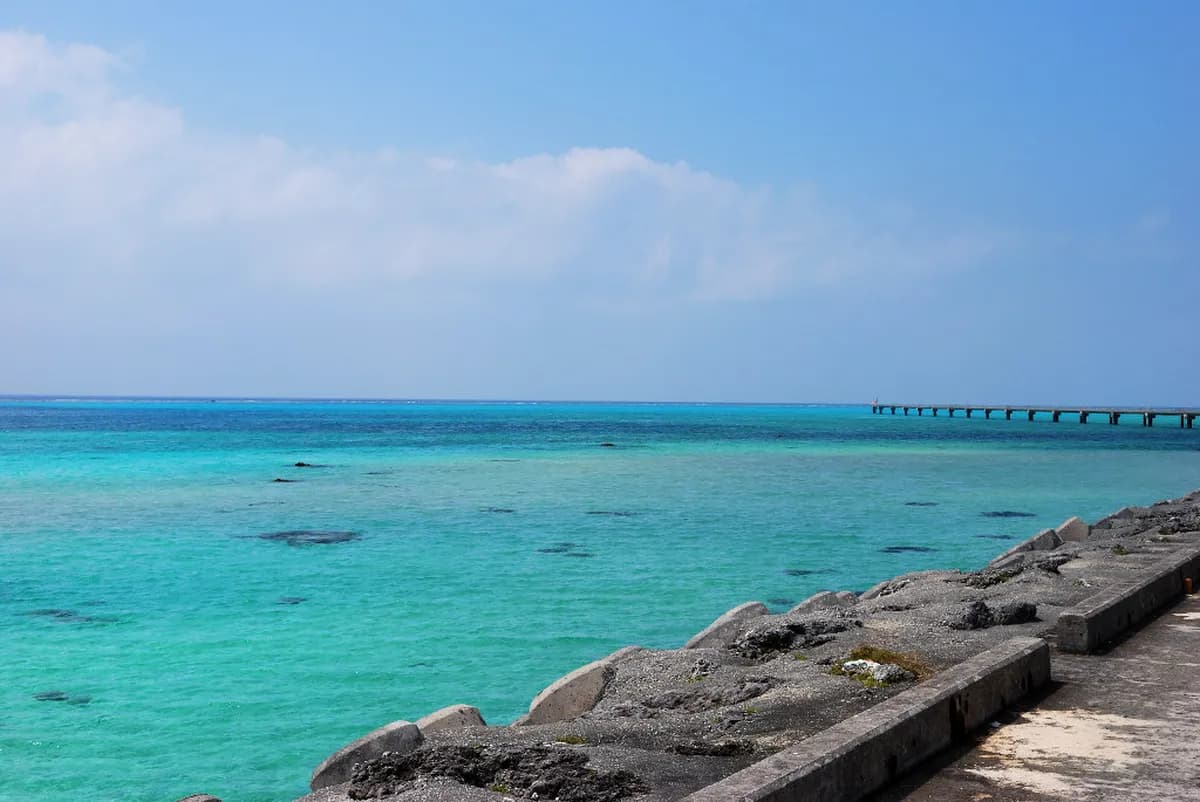
Miyakojima diving and snorkeling draws visitors for one simple reason: the water clarity here rivals almost anywhere in Japan. This flat coral island in Okinawa Prefecture has no rivers to cloud the sea, so visibility often stretches past 20 meters. Certified divers travel from across Asia for the Shimoji-jima Blue Cave and a handful of dramatic terrain dive sites nearby. Snorkelers can wade straight off several beaches into living coral gardens without ever boarding a boat.
We break down where to dive, where to snorkel, and how to choose the right tour for your skill level. You will find the Miyakojima attractions divers plan entire trips around, alongside calmer bays suited to first-timers. Expect real numbers on season, water temperature, and typical tour costs before you book.
Why Miyakojima Is a Top Diving Destination
Miyakojima and its four connected islands formed entirely from raised coral reef, with no mountains or rivers to muddy the water. Rainwater filters through limestone rock for years before it reaches the sea, which keeps the surrounding reefs remarkably clear. That geology is the real reason Miyakojima diving and snorkeling photos look almost unnaturally blue.
Coral cover starts just meters from shore in many spots, so snorkelers rarely need a long swim to see fish. Divers gain access to reef walls, swim-throughs, and sea caves that boats reach in under 30 minutes from the main harbor. Sea turtles, reef sharks, and seasonal manta ray sightings add extra reasons to book a full day on the water. Few Japanese islands pack this much marine variety into such a small stretch of coastline.
The reef system also supports diving and snorkeling in every month of the year, unlike destinations with a short peak season. Water temperature rarely drops below 20 degrees Celsius even in January, so a wetsuit alone covers winter trips comfortably. That year-round window is why Miyakojima keeps attracting repeat divers rather than one-time visitors.
Shimoji-jima Blue Cave and Terrain Dive Sites
The Shimoji-jima Blue Cave sits on the west coast of Shimoji Island, a short bridge crossing from central Miyakojima. Sunlight enters through an underwater opening and turns the cave interior a glowing electric blue, especially near midday. Both certified divers and confident snorkelers can visit, though boat operators generally require basic swimming ability and a life vest.
Beyond the cave, Shimoji-jima's coastline holds some of the most distinctive terrain diving in Okinawa Prefecture. Antonio Gaudi is named for its cathedral-like rock pillars and narrow swim-throughs that open into sudden shafts of light. Devil's Palace threads divers through a maze of tunnels and chambers carved from limestone over thousands of years. The W-Arch site adds twin natural archways that frame passing schools of fusiliers and the occasional white-tip reef shark.
These three sites sit at depths generally suited to Open Water certified divers rather than first-time snorkelers. Most local dive shops run them as a two-tank morning trip, often paired with the Blue Cave as a third dive. Booking at least a day ahead is wise during the July and August peak, when boats fill quickly.
Yabiji Reef and the Spring Low-Tide Window
Yabiji is a sprawling offshore reef system north of Ikema Island, made up of more than 100 individual coral reefs. Japan's Agency for Cultural Affairs protects part of Yabiji as a natural monument, and boat access is the only way in. Most operators run trips here as a full-day charter rather than a quick add-on.
The reef's real spectacle happens during the spring low-tide window, usually a few days around new and full moons in spring. Tide levels drop low enough to expose sections of living reef, letting boats moor beside coral that stays submerged the rest of the year. Local tour operators time departures around these tide charts, so trip dates shift from year to year. Competitors covering Miyakojima rarely mention this seasonal detail, yet it shapes exactly when a Yabiji trip is worth booking.
Snorkelers can join Yabiji trips, but currents around the outer reef can run stronger than at sheltered beaches. Guides typically keep groups closer to the boat unless conditions are calm and clear. If you only have one day for boat-based exploring, ask your operator whether a Yabiji departure lines up with your travel dates.
Easy Snorkeling at Imgya, Yoshino, and Aragusuku
Not every good spot on Miyakojima requires a boat or a certification card. Imgya Marine Garden is a public seaside park where an offshore reef breaks the swell, leaving the lagoon calm enough for young children. Toilets, parking, and rest areas are free, which makes it one of the easiest starting points on the whole island.
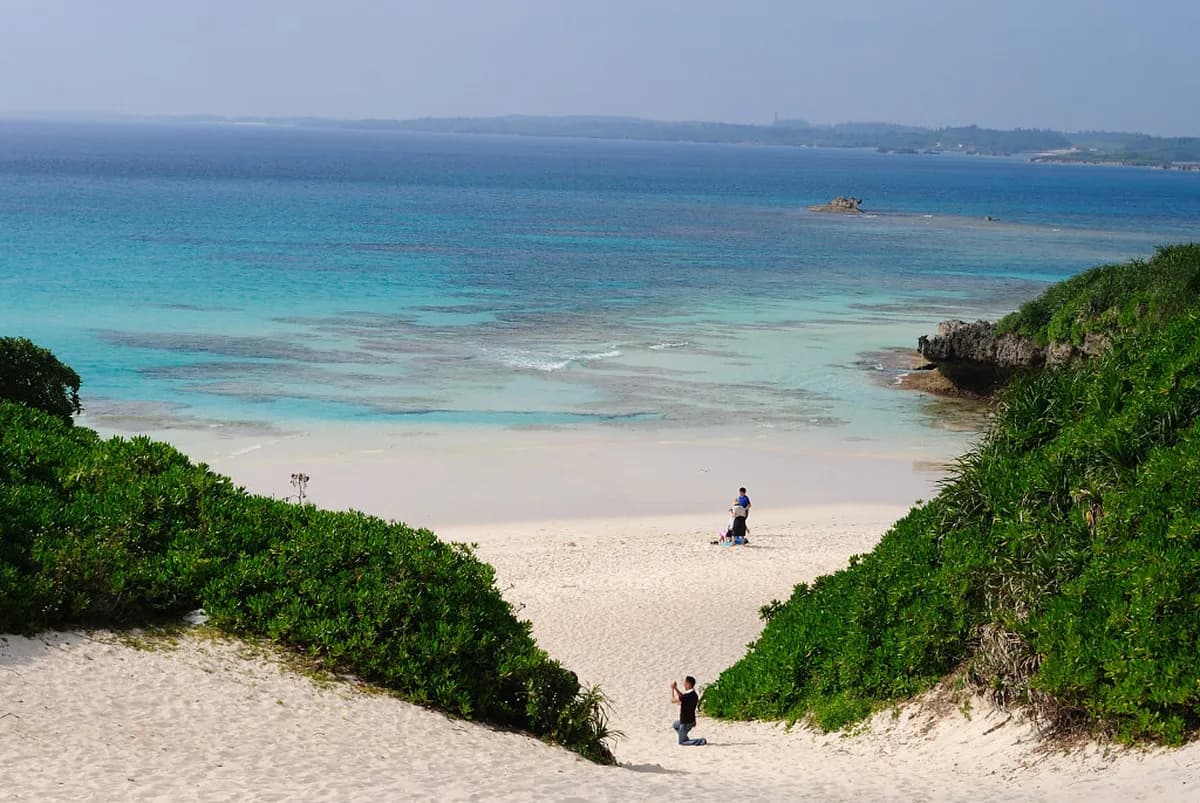
Yoshino Beach, on the main island's southeast coast, packs coral and reef fish within a short swim of the sand. Clownfish, butterflyfish, and the occasional barracuda shelter here, though exposed coral at low tide can make swimming difficult. Rental shops on-site provide snorkel gear and showers, so arriving without equipment is not a problem. For a fuller picture of where else to swim on the island, see our Miyakojima beaches guide.
Aragusuku Beach is the spot locals point to for near-guaranteed sea turtle encounters. Turtles feed on seagrass close to shore, and sightings are most reliable when high tide falls in the morning. Ten or more turtles have been spotted here at once, though numbers vary by season and time of day. Please keep a respectful distance and never chase or touch a turtle you encounter.
Beginner or Certified: Choosing Your Dive Tour
Choosing between a snorkeling tour and a certified dive trip comes down to depth, cost, and how much guidance you want. Snorkeling stays in the top 2 to 3 meters of water, while diving reaches sites a boat cannot safely moor directly above. Mixing the two on one trip is possible, but most shops run separate boats for each activity.
Small-group operators such as Umi pair snorkeling with underwater photography, which suits travelers who want usable photos of the reef. Groups here typically stay under ten guests, so pacing feels less rushed than on larger charter boats. Ask any shop directly whether their tour shares a boat with a diving group, since that can shift the itinerary toward deeper sites.
For cave and terrain diving, look for shops with certified instructors and included insurance, since these trips run beyond snorkel depth. Miyako Island ADVENTURE PiPi runs guided caving and blue-cave snorkeling with water-rescue certified staff, useful if you are undecided between activities. First-time visitors often do best with a small-group operator rather than a large 20-person boat.
- New to snorkeling, no certification
- Shore snorkeling at Imgya or Yoshino needs only a mask, fins, and a life vest.
- Guided beach sessions typically run about two to three hours with a local shop.
- Expect calmer, shallower water than any boat-based dive site around the island.
- Certified Open Water divers
- Terrain sites like Antonio Gaudi and Devil's Palace suit divers with logged deep dives.
- Two-tank morning charters usually include the Shimoji-jima Blue Cave as a bonus stop.
- Bring your certification card, since shops check it before letting you board.
- Families with young children
- Imgya Marine Garden and the calmer side of Yoshino Beach work well for kids.
- Some shops accept children as young as three for shallow, guided snorkel sessions.
- Life vests and shorter swim distances keep the experience low-stress for parents.
- Travelers wanting sea turtles over coral
- Aragusuku Beach offers the most consistent turtle sightings without a boat ride.
- Morning high tide gives the best odds, since turtles feed close to shore then.
- No tour booking is required, just gear rental and a short walk to the water.
Season, Water Conditions, and Tour Costs
Sea temperature around Miyakojima ranges roughly between 21 and 31 degrees Celsius across the year, based on long-term Japan Meteorological Agency records. Winter divers usually wear a 5mm wetsuit, while a thin rash guard is often enough from June through October. Air temperature averages a yearly high near 26 degrees Celsius, so the island rarely feels cold even outside summer.
The rainy season usually runs from mid-May to mid-June, though downpours tend to be short rather than all-day events. Typhoon season peaks in August and September, and at least one storm typically affects the islands each year. Trips can be rescheduled around a typhoon, but it pays to build a spare day into your itinerary during these months.
Snorkeling tours from operators like Miyako Island Snorkeling Class cost about 5,000 to 8,000 yen for a half-day trip. Full two-tank certified dive trips generally run from 10,000 to 15,000 yen, with equipment rental often included. Cave and terrain-diving packages pairing the Blue Cave with Antonio Gaudi or Devil's Palace sit near the top of that range. Always confirm current pricing directly with the shop, since fuel surcharges and season can shift the final total.
Beyond the water, our travel blog covers more Okinawa planning guides if you are building out a longer island itinerary. Booking two to three days ahead is usually enough outside the July and August peak. During peak summer, aim for a week of lead time so your preferred boat and time slot stay available.
Frequently Asked Questions
Do you need certification to dive the Shimoji-jima Blue Cave?
Most Blue Cave trips run as guided snorkeling, so no certification is required, just basic swimming ability and a life vest. Certified Open Water divers can also visit on tank, and shops often pair the cave with terrain dives like Antonio Gaudi on the same morning charter.
What is the best season for Miyakojima diving and snorkeling?
Sea temperatures stay between 21 and 31 degrees Celsius year-round, so diving and snorkeling in Miyakojima never fully shuts down. Many visitors target April through June or October and November, which balance calm water with lower typhoon risk than the August and September peak.
How much does a snorkeling or diving tour cost in Miyakojima?
Half-day snorkeling tours generally cost 5,000 to 8,000 yen per person, including mask and fin rental at most shops. Certified two-tank dive trips run higher, typically 10,000 to 15,000 yen, and cave or terrain-diving packages sit near the top of that range.
Can beginners snorkel at Yabiji reef?
Beginners can join Yabiji trips, but this offshore reef system sits farther out than sheltered beaches and can have stronger currents. Guides usually keep less experienced swimmers closer to the boat, and the clearest access window falls during the spring low-tide period.
Where can I reliably see sea turtles while snorkeling in Miyakojima?
Aragusuku Beach offers some of the most consistent sea turtle sightings on the island, especially when high tide falls in the morning. Locals also mention Wai Wai Beach as a reliable backup, though visibility can vary more with wind direction and tide timing.
Miyakojima diving and snorkeling rewards a little planning, since the best sites split between shore access and boat-only reefs. Beginners can find genuine coral and turtles without ever leaving the sand, especially at Imgya and Aragusuku. Certified divers get some of Japan's most striking terrain diving at Shimoji-jima, all within a short boat ride of the harbor.
Time your trip around the spring low tide if Yabiji's exposed reef is on your list. Check current water conditions and tour pricing directly with operators before you lock in dates. With the right season and the right tour, Miyakojima delivers some of the clearest water you will find anywhere in Japan.
Free guide: Japan's Hidden Gems
12 under-the-radar places beyond Tokyo & Kyoto — with the best season to visit each and a local tip you won't find in the guidebooks.
You might also like


Continue reading
More guides you'll find useful