
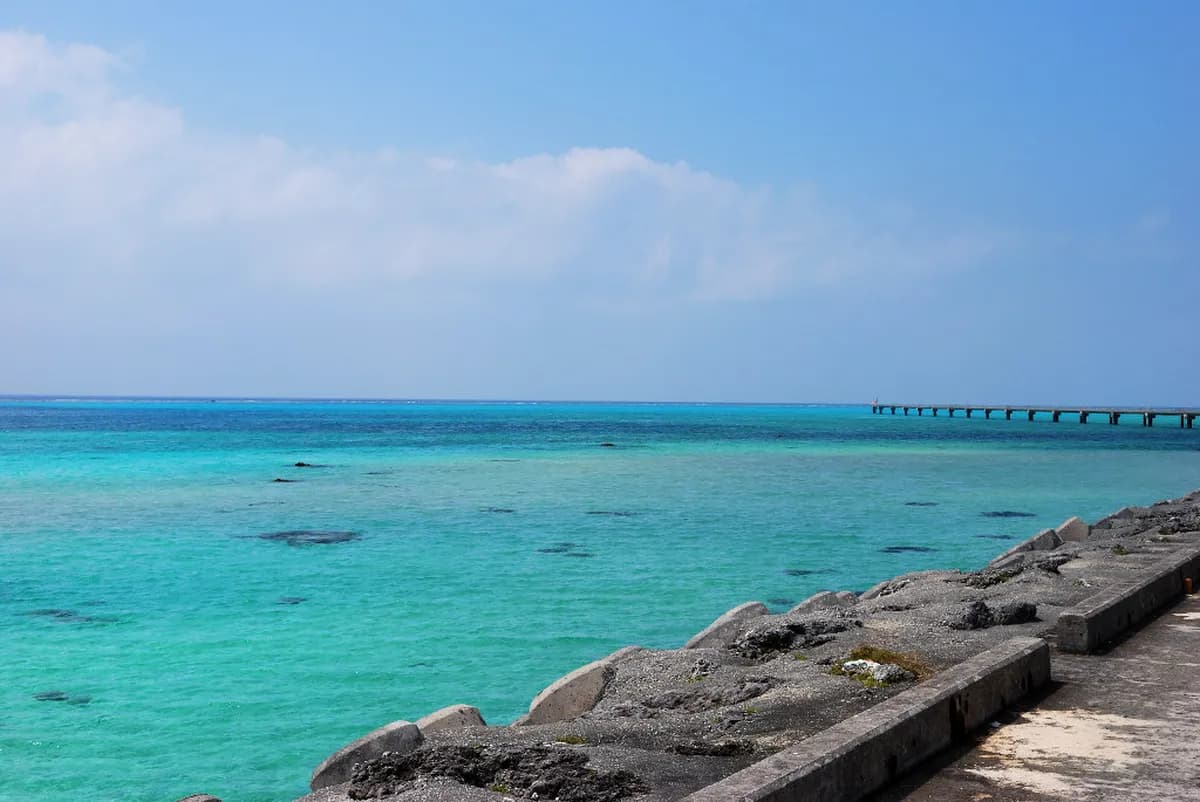
Shimoji Island's Blue Cave, also known locally as Sapphire Cave, is the reason many divers and snorkelers add Miyakojima to a Japan itinerary at all. Sunlight pours through an underwater opening and bounces off the pale sandy floor, filling the chamber with an electric-blue glow that photos rarely do justice. The cave sits below the waterline with no dry entrance, so seeing it is entirely tour- and weather-dependent.
This 2026 guide covers what the cave is, how to reach Shimoji and Irabu Island, and which tour type — snorkel, kayak, glass-boat, or dive — fits your group. It also covers details competitor pages often skip: when the blue glow is strongest, what a licensed operator does for your safety, and how not to confuse this cave with Okinawa's other "blue caves."
What is Shimoji Island's Blue Cave (Sapphire Cave)?
The Blue Cave on Shimoji Island is a sea cave known for its vivid blue luminescence. Sunlight enters through a submerged opening and reflects off the white sandy bottom, producing an ethereal glow that fills the chamber. There is no dry, walk-in entrance — you reach it only from the water, by boat transfer followed by a short snorkel or dive.
Worth clearing up before you book: this is not the "Blue Cave" that turns up in searches for Okinawa's main island near Cape Maeda and Onna Village, nor one of the smaller caves near Ishigaki — those sit roughly 300 km away on different islands. Shimoji's Sapphire Cave is off Miyako, reached via Irabu Island, and books through local dive and snorkel shops rather than the mainland's high-volume tour counters.
Local fishermen have long revered a nearby sea cave, Dairyumon, about 20 meters high, once used to offer prayers to the dragon god. The Sapphire Cave shares that mystical setting. Access is boat- or snorkel-only and depends on the day's swell, so a guided tour is how almost everyone experiences it.
The Allure of a Blue Cave Tour: Why Visit?
Visiting the Blue Cave is less a sightseeing stop than a short adventure. The shimmering light inside creates a genuinely surprising atmosphere the first time you swim in. Most first-timers describe turning around inside the cave, seeing the entrance glow blue behind them, as the strongest memory of their Miyakojima trip.
The waters around the cave also teem with life, so the experience does not end once you leave the chamber — snorkeling and kayak tours get you close to coral and reef fish on the swim out and back, turning a 10-minute boat transfer into a full outing.
Beyond the cave itself, the drive out to Shimoji provides its own scenery: you cross the Irabu Ohashi Bridge, a 3,540-meter toll-free span opened in 2015, with open ocean on both sides for most of the crossing. Worth pulling over at the bridge's roadside lookout before or after your tour.
Getting to Shimoji Island's Blue Cave
Shimoji and Irabu Island connect to Miyako Island by the Irabu Ohashi Bridge, so the cave is reachable in a single day trip without a ferry. The drive from Miyako Airport to the bridge entrance takes about 15 minutes, and crossing the bridge itself adds only a few more.
Once on Irabu, most Blue Cave tours depart from Sarahama Fishing Port, with the boat ride out to the cave taking roughly 10 minutes — short enough that seasickness is rarely an issue, even for nervous first-timers or kids. Operators handle the transfer from port to cave entrance as part of the tour, so you are not navigating this stretch yourself.
Public transport on Irabu is minimal, so a rental car booked alongside your tour is the most reliable plan, especially in peak season (July–August, Golden Week) when both fill up fast. Many shops also offer free pickup from hotels across Miyako Island — worth asking about at booking if you are traveling without a car in 2026.
Recommended Blue Cave Tour Plans: Snorkeling, Kayak & More
Numerous tour operators offer various ways to experience the Blue Cave, and the activity you pick shapes the experience more than the operator does. Half-day plans typically last about 2 hours, costing around ¥7,000–10,000 (about US$47–67). One-day plans run 3 to 6 hours and usually cost ¥13,500–20,000 (about US$90–133), often pairing the cave with a beach stop or SUP session elsewhere on Irabu.
The four main formats break down like this:
- Snorkeling is the most-booked option and suits weak swimmers — most shops provide a life jacket and a guide within reach the whole time, and it is the only format where you enter the water and see the glow from inside the cave.
- Kayak or canoe tours approach the entrance from the surface without requiring you to get in the water, suiting travelers who want the view without the swim.
- Glass-bottom boat tours keep you fully dry and seated, the pick for grandparents, very young children, or anyone who dislikes getting wet — visibility is good but you skip the inside-the-cave immersion.
- No-license trial diving goes deepest and gets closest to the coral and fish, but shops set a minimum age of 10 and charge more, around ¥14,000 (about US$93).
Families tend to do best mixing a glass-boat or kayak plan for younger kids with a separate snorkel slot for confident swimmers, rather than forcing everyone into one activity. Couples often book the one-day plan pairing the cave with a beach or SUP afternoon.
Best Time to Visit: Weather, Season & the Midday Glow
Time of day matters more here than at most Miyakojima sights. The blue glow depends on direct sunlight hitting the underwater opening at a steep angle, so it is strongest from late morning into early afternoon, roughly 10:30 to 14:00, on a clear day. Many shops schedule a morning departure around 9:30 and an afternoon one around 13:30 to bracket this window — book the earlier slot if the forecast looks changeable.
Season matters too. Calmest conditions and best visibility generally run late spring through early autumn, while winter brings a higher chance of wind-driven swell that can shut the cave down for a day or two. Summer (July–August) raises the odds of a sea-turtle sighting, since it falls within their local breeding season, but it is also peak booking season — reserve a week or two ahead.
Because the tour depends on the day's wind and swell, treat the Blue Cave as weather-dependent whatever the season. Most shops allow free cancellation until 18:00 the day before, so book early and watch the forecast closer to your date.
Marine Life: Creatures You Can See at the Blue Cave
The waters here support a genuinely lively reef, not just a photogenic tunnel. Coral near the cave mouth hosts dense schools of small reef fish, and snorkelers are often swarmed within seconds of entering — a little startling at first, and one of the more memorable parts of the swim.
Clownfish are a near-guaranteed sighting, tucked into sea anemones close to the entrance; guides usually point them out. Sea turtles are not guaranteed but are seen often enough to watch for on the swim out, especially in summer when the local breeding season raises the odds.
Two conservation points guides do not always mention up front. Use a reef-safe (oxybenzone-free) sunscreen — regular sunscreen washed off by dozens of snorkelers a day measurably damages coral over time, and some shops now check for it before boarding. And never touch or chase a turtle if you meet one; stay still and let it pass on its own terms, which also gets you the best look.
If your group wants a second, easier snorkel stop without the boat transfer, Imgya Marine Garden on Miyako's east coast offers shallow, shore-accessible coral viewing that pairs well with a Blue Cave morning.
Tour Points to Note and What to Bring
Book only through a licensed local dive or snorkel operator — currents around the cave mouth and boat traffic at Sarahama Port are real hazards, and licensed shops carry the training to manage both. Check conditions before your slot; strong winds or swell lead to cancellations, and most shops allow free cancellation until 18:00 the day before.
Bring minimal items. Most operators supply life jackets, masks, and fins, so a swimsuit under your clothes plus a towel and change of clothes afterward covers most of what you need.
Apply reef-safe sunscreen before you arrive, wear a hat on the boat, and consider a rash guard both for sun and for the venomous jellyfish (including habu jellyfish) present in Okinawan waters at various points in the year. Bring a reusable water bottle, especially in summer.
If prone to motion sickness, take preventative medication before boarding — the crossing is usually calm but can turn choppy with little warning. Tell your guide about any health concerns beforehand.
Booking Your Blue Cave Day Trip: Tips for Choosing a Tour
When booking, consider duration and activity type together. Some tours focus solely on the cave, while others combine it with a stop at Sunayama Beach, so decide upfront whether snorkeling, kayaking, glass-boat, or trial diving fits your group best.
Yes, the Blue Cave is worth building into a short itinerary — the half-day plan needs only about 2 hours from Sarahama Port, so it fits alongside a beach day or a Higashi Henna Misaki drive. Look for operators offering free cancellation until 18:00 the day before.
Compare group sizes: smaller groups get more guide attention, larger groups are usually cheaper per person. For families, confirm the minimum age per activity — glass-boat plans typically have no limit, snorkeling starts around age 3 with a life jacket, and trial diving is usually 10 and up.
Read recent reviews for guide professionalism, equipment condition, and how the operator handles weather changes.
Irabu Island After the Tour: Ways to Enjoy Your Day
A half-day tour leaves plenty of daylight. Around Sarahama Port, small local diners serve seafood bowls and Okinawa soba using the day's catch — an unhurried lunch before heading back over the bridge.
Toriike Pond, two connected freshwater sinkholes and a designated national natural monument, is a short drive from the port and worth 20–30 minutes for photos. The coastal road along Irabu's west side offers repeated ocean-view pull-offs if you have a rental car.
Local shops near the port sell handmade crafts and Miyako-grown goods — a better souvenir stop than the usual airport gift shop. Between the cave, the pond, and lunch, Irabu comfortably fills half a day on its own.
Participant Experiences and Reviews
Recurring themes in visitor reviews back up the planning advice above. Water clarity and the blue glow consistently exceed expectations, even from travelers who read about it beforehand. Guides get singled out often for handling nervous first-timers well, keeping beginners calm and close during the swim into the cave.
Families mention children's reactions to the fish and occasional turtle sightings as a highlight in its own right, separate from the cave. A recurring piece of practical advice from past visitors: book the earliest available slot for the best light, and expect the plan to shift if the operator judges conditions unsafe that day — most reviewers who had a tour changed still rated the alternative stop positively.
Couples frequently describe the tour as a highlight of a honeymoon or anniversary trip, while solo travelers note it is easy to join alone since group tours mix participants by default. Across profiles, the consensus is that the cave earns its reputation, provided expectations about weather dependency are set correctly beforehand.
Frequently Asked Questions
Which Shimoji Island Blue Cave visitor guide options fit first-time visitors?
First-time visitors should consider a half-day snorkeling or kayak tour. These options provide a great introduction to the cave's beauty and marine life. Many tours include equipment and an experienced guide. They offer a comprehensive yet manageable experience.
How much time should you plan for a Shimoji Island Blue Cave visit?
A half-day plan typically lasts about 2 hours, including travel to and from the cave. For a more relaxed experience or to combine with other activities, a full-day plan can take 3-6 hours. This allows for deeper exploration and enjoyment.
What kind of marine life can I see in the Blue Cave?
Inside and around the Blue Cave, you can expect to see vibrant coral reefs and various tropical fish. Clownfish are a common sight, and lucky visitors might even spot sea turtles. The clear waters offer excellent visibility for marine observation.
Can you swim in Shimoji Island's Blue Cave?
Yes, swimming and snorkeling are popular activities within the Blue Cave. Most tours provide life jackets and snorkeling gear for participants. The calm, clear waters make it an ideal spot for an invigorating swim. Always follow your guide's instructions for safety.
What should I bring on a Blue Cave tour?
Bring your swimsuit, a towel, and sun protection like reef-safe sunscreen and a hat. A change of clothes and a reusable water bottle are also recommended. Tour operators usually provide essential snorkeling or kayaking equipment. You can leave most other items securely at the port.
Exploring Shimoji Island's Blue Cave remains one of the clearest reasons to add Miyakojima to a 2026 Okinawa itinerary. The blue glow, the short boat transfer via Irabu, and the reef life along the way add up to more than a photo stop — provided you plan around the weather rather than against it.
Whichever format you choose — snorkeling, kayak, glass-boat, or trial dive — book with a licensed operator, target the late-morning to early-afternoon window for the strongest light, and hold a flexible cancellation policy in case the sea has other plans. With prices, timing, and logistics covered here, you have what you need to book with confidence rather than guesswork.
For official details, visit the Shimoji Island Blue Cave guide on Japan Guide and Shimoji Island Blue Cave on Wikipedia.