
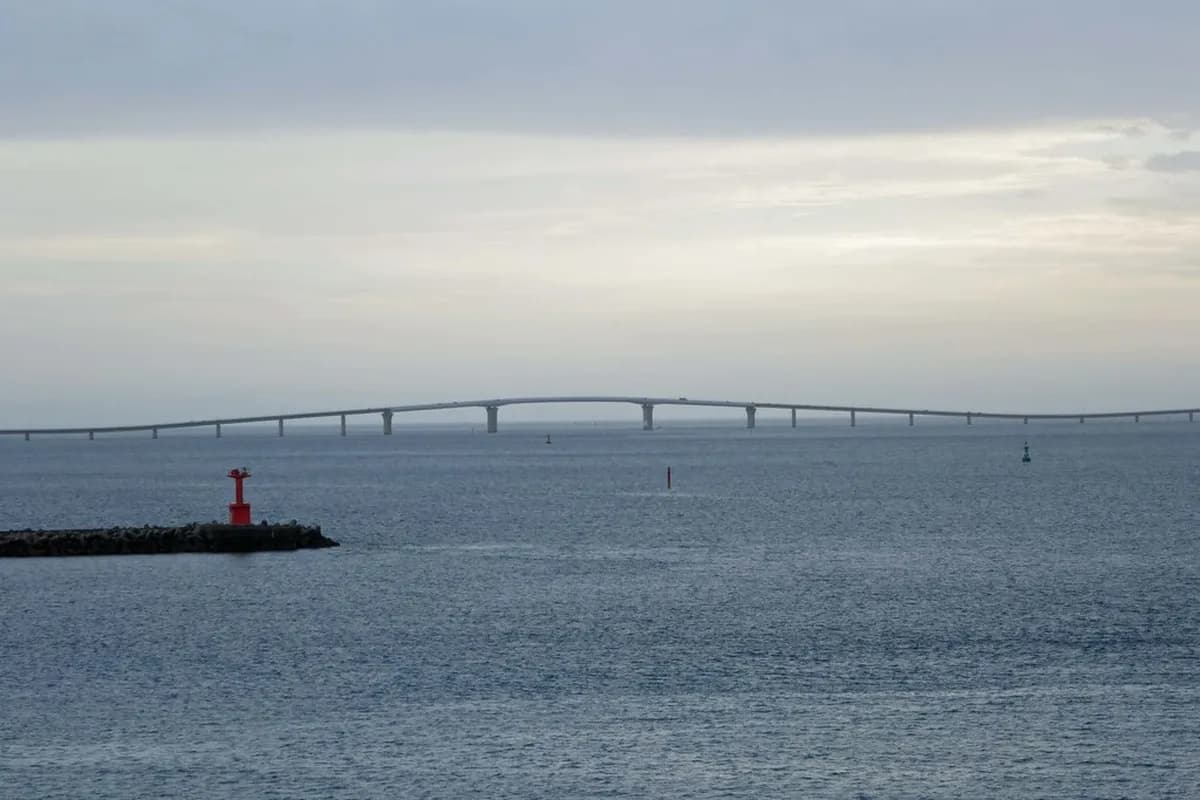
The Irabu Ohashi Bridge stands as a true marvel in Miyakojima, connecting Miyako Island to Irabu Island across a shallow reef lagoon glowing every shade of "Miyako Blue."
This impressive structure is Japan's longest toll-free bridge, stretching 3,540 meters over stunning turquoise waters since it opened in January 2015.
A visit here promises breathtaking views and access to unique island experiences on Irabu and Shimoji Islands.
This 2026 irabu ohashi bridge visitor guide covers the drive itself, the best photo spots, what to do once you cross, and the practical details first-time visitors ask about most.
Irabu Ohashi Bridge: An Overview of Japan's Longest Toll-Free Crossing
The Irabu Ohashi Bridge is a remarkable feat of engineering and a highlight of any Miyakojima trip.
It spans an impressive 3,540 meters, gracefully arcing over the vibrant reef shallows. This bridge connects Miyako Island to Irabu Island, offering easy access to new adventures.
Opened in 2015, the bridge quickly became a beloved landmark.
It provides a crucial link and an iconic scenic drive for all visitors.
The bridge's design allows boats and small ships to pass underneath, with its highest point reaching about 27 meters above sea level.
This elevated section creates a feeling of floating over the ocean as you drive. The entire structure is maintained by Okinawa Prefecture, ensuring its pristine condition.
Best of all, crossing the Irabu Ohashi Bridge costs absolutely nothing.
This toll-free status makes it an accessible attraction for every traveler. It truly earns its reputation as a bucket-list drive in Okinawa, offering pure Miyako blue views.
Driving the Irabu Ohashi Bridge: What to Expect
Driving across the Irabu Ohashi Bridge is an experience in itself, feeling like you are traversing the open sea.
The bridge features a unique "wave-like" construction that adds to its visual appeal. This design also creates gentle rises and dips, enhancing the sense of movement.
Remember that the speed limit on the bridge is 50 km/h.
Respecting this limit ensures safety for everyone and allows you to fully appreciate the views.
There are designated areas known as "Hashizume Plazas" at both ends of the bridge.
These plazas offer convenient spots to pull over and take photos or simply soak in the scenery. You can also find restrooms and small shops there.
Travelers should note that the bridge is open 24 hours a day, with no gates or toll booths at either end.
Cars, scooters, and bicycles use the traffic lanes; a separate, unshaded pedestrian and cyclist lane runs alongside for anyone who wants to walk part of the way. At 3.5 kilometres each way with little cover from the sun, most visitors choose to drive or cycle across rather than walk the full span, especially in summer. Consider renting a car in Hirara or at Miyako Airport to enjoy this scenic drive fully — book ahead during Golden Week (late April to early May) and the August peak season, when kei-cars and compacts sell out first.
Best Photo Spots and Viewpoints Along the Bridge
Capturing the beauty of the Irabu Ohashi Bridge is a must for any visitor.
The "Hashizume Plazas" at both ends of the bridge offer excellent vantage points for photos. These spots provide wide-angle views of the bridge stretching across the blue sea.
For the most vibrant "Miyako Blue" hues, plan your visit between 10:00 AM and 2:00 PM.
During these hours, the sun is high enough to illuminate the reef fully. This lighting makes the water appear an incredible shade of turquoise.
Another prime location is the Makiyama Observatory on Irabu Island.
From here, you get a panoramic view of the bridge curving elegantly over the ocean. It’s perfect for wide-shot photography, showing the bridge's immense scale.
Consider visiting in the late afternoon for stunning sunset shots.
The changing light creates dramatic colors over the water and the bridge. Early morning can also offer soft, diffused light, ideal for serene photos.
Driving the bridge and viewing it from an observatory give you two genuinely different photographs, so plan for both if time allows.
Behind the wheel, you get the sensation of movement — the road rising and dipping over the wave-like deck with the sea filling the windshield on both sides, best captured from a passenger seat with a phone or wide-angle lens. From Makiyama Observatory, by contrast, you get the shot everyone recognizes: the full 3,540-meter arc curving into the distance, with the reef's color bands visible in a way you simply cannot see from the deck itself.
Exploring Irabu and Shimoji Islands: Top Attractions Nearby
Beyond the Irabu Ohashi Bridge, the islands of Irabu and Shimoji offer a wealth of natural beauty and attractions.
Once you cross the bridge, you are within a short drive of some of Okinawa's most photographed spots. These islands provide diverse landscapes, from pristine beaches to unique geological formations.
One popular spot is 17END on Shimoji Island, located about 5 minutes from the bridge.
This beach at the end of Shimojishima Airport's runway offers a unique experience. Landing planes often pass directly overhead, creating an exciting photo opportunity.
Toriike Pond, approximately 20 minutes from the bridge, features two sapphire sinkholes.
These ponds are connected to the open sea by fascinating underwater caves, making them a popular diving and snorkeling site. It is a designated national natural monument.
Nakanoshima Beach, about 25 minutes away, is perfect for first-time snorkelers.
Its shallow, protected reef teems with marine life in calm waters. Another gem, Sawada-no-hama Beach, is also 25 minutes from the bridge. This beach is celebrated as one of Japan's "100 best beaches" and is especially loved for its spectacular sunsets.
For those seeking a unique natural wonder, the Shimoji Island Blue Cave is an absolute must-see.
This stunning sea cave offers incredible blue light effects, especially during certain times of the day. It provides an unforgettable adventure for divers and snorkelers alike.
Planning Your Visit: Practical Tips and Itinerary Suggestions
Planning your trip to the Irabu Ohashi Bridge and surrounding islands ensures a smooth and enjoyable experience.
A rental car is highly recommended for exploring Miyakojima and its connected islands. Many rental companies offer English support, making the process easier for international visitors.
You can find various vehicle types, from kei-cars to minivans, to suit your travel needs.
Book your accommodation on Miyako or Irabu Island well in advance, especially during Golden Week and the August peak season, when rooms and rental cars both sell out fast.
A common single-day loop itinerary starts from Hirara on Miyako Island. Drive across the Irabu Ohashi Bridge to Toguchi-no-hama Beach.
Continue to 17END and then to Toriike Pond before heading back across the bridge for dinner. This loop typically takes about 6 hours, including stops at various attractions.
If your schedule is tight, the bridge is still worth building into even a short itinerary. Budget at least 30 minutes for the crossing itself with a stop at one of the Hashizume Plazas, or a half-day if you plan to continue on to 17END, Toriike Pond, or the Blue Cave — since it's free and requires no reservation, the reward-to-time ratio is one of the best on the island.
For additional activities, consider exploring Higashi Henna Misaki on Miyako Island.
This beautiful cape offers dramatic cliffs and a historic lighthouse. Another excellent option is Sunayama Beach, famous for its unique rock arch and crystal-clear waters.
The Imgya Marine Garden provides calm waters perfect for snorkeling and enjoying marine life.
No matter your itinerary, the Irabu Ohashi Bridge serves as a perfect starting point for your island adventures. Don't forget to check out more things to do in Miyakojima for a complete travel plan.
Know Before You Go: Driving Customs and Safety
Japan drives on the left, and the Irabu Ohashi Bridge is patrolled — police periodically park at the Hashizume Plazas to enforce the 50 km/h limit, so treat it as a real speed check rather than a suggestion.
Never stop in a traffic lane for photos; pull fully into a Hashizume Plaza or a marked layby first, since there is no shoulder on most of the span and following traffic moves quickly.
Mobile signal is generally reliable along the bridge itself, but it can weaken around Toriike Pond and the quieter beaches on Irabu and Shimoji, so download offline maps before you set out.
Fill your tank on Miyako Island before crossing — Irabu and Shimoji have very few gas stations, and some close early in the evening. In an emergency, dial 110 for police or 119 for fire and ambulance; both operators can usually connect you to English-language support.
For families with young children, the Hashizume Plazas make an easy, low-effort stop with restrooms nearby, while photographers and drivers chasing the best light should time their crossing for the 10:00–14:00 window and again near sunset. Cyclists should plan around the wind — the bridge sits fully exposed to sea breezes, and afternoons can be noticeably gustier than mornings.
Frequently Asked Questions About Irabu Ohashi Bridge
Frequently Asked Questions
How long is the Irabu Ohashi Bridge?
The Irabu Ohashi Bridge spans an impressive 3,540 meters over the water. This makes it Japan's longest toll-free bridge, connecting Miyako Island to Irabu Island. Its length offers a truly scenic and memorable driving experience across the vibrant blue sea.
Are there any tolls to cross Irabu Ohashi Bridge?
No, there are no tolls to cross the Irabu Ohashi Bridge. It is completely free for all vehicles, which is a significant advantage for visitors. This allows for easy access between Miyako Island and Irabu Island, encouraging exploration.
Can pedestrians or bicycles cross Irabu Ohashi Bridge?
Pedestrians are not permitted to cross the Irabu Ohashi Bridge for safety reasons. However, bicycles and scooters are allowed, offering an alternative way to experience the scenic route. Most visitors opt to drive across in a rental car for convenience and speed.
What is the speed limit on Irabu Ohashi Bridge?
The speed limit on the Irabu Ohashi Bridge is 50 km/h. Adhering to this limit is crucial for safety and allows drivers to fully appreciate the stunning views. Police often monitor the bridge, so always respect the posted speed limits.
What is the best time to photograph Irabu Ohashi Bridge?
For the most vivid "Miyako Blue" water, the best time to photograph the Irabu Ohashi Bridge is between 10:00 AM and 2:00 PM. During these hours, the sun is high and illuminates the reef below, enhancing the water's brilliant color. Sunset also offers dramatic and beautiful shots.
The Irabu Ohashi Bridge is more than just a connection between islands; it is a destination in itself.
Its stunning views and toll-free access make it a highlight of any 2026 Miyakojima trip. Use this irabu ohashi bridge visitor guide to plan your perfect adventure.
From scenic drives to exploring hidden gems on Irabu and Shimoji Islands, unforgettable memories await.
Start planning your journey today to experience this magnificent blue crossing.
To verify current details, consult the Irabu Ohashi Bridge on Wikipedia and Irabu Ohashi Bridge guide on Japan Guide.