Skip to content
Japan Activity logo
Japan Activity
Things to Do in Gifu: 6 Top Attractions (2026 Guide)

Things to Do in Gifu: 6 Top Attractions (2026 Guide)

A curated guide to 6 of Gifu's most-visited attractions — tickets, opening hours and visitor tips for each, verified for 2026.

4 min readBy Kenji Tanaka
Share this article:
On this page

Gifu is one of central Japan's most rewarding day trips — an easy 20-minute train ride from Nagoya, with a hilltop castle, a riverside old town and a 1,300-year-old cormorant-fishing tradition packed into a compact area. We've narrowed the field to 6 sights that consistently reward the time and ticket price — each entry below links to a full visitor guide with verified opening hours, current pricing, and the practical tips that don't make it into the official site's FAQ. Bookmark this page as your starting point.

Top 6 attractions in Gifu

Nagara River Cormorant Fishing (Ukai)

Nagara River Cormorant Fishing (Ukai)

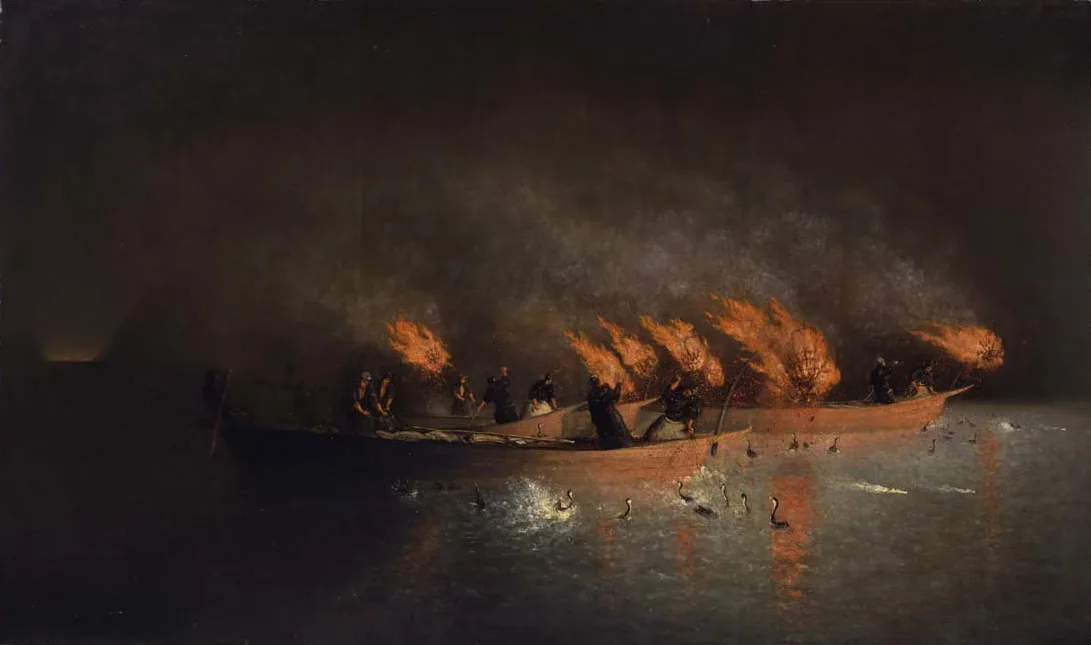
Nagara River Cormorant Fishing (Ukai) is a 1,300-year-old nighttime spectacle held nightly from May 11 to October 15 on the Nagara River in Gifu City, Gifu Prefecture. Spectators board traditional roofed yakatabune viewing boats and drift alongside the usho—Imperial Household fishing masters—as their trained cormorants dive into torch-lit water to catch sweetfish (ayu). Boats depart near Nagarabashi Bridge at 18:15, 18:45, or 19:15, with the fishing ceremony starting at 19:45; the cruise returns around 20:30–21:00. Ticket prices range from ¥2,100 to ¥5,100 depending on age and peak dates. Performances are cancelled on full-moon nights and during high water; advance reservations are strongly recommended.

Visitor guide →
Gifu Great Buddha (Shoho-ji)

Gifu Great Buddha (Shoho-ji)

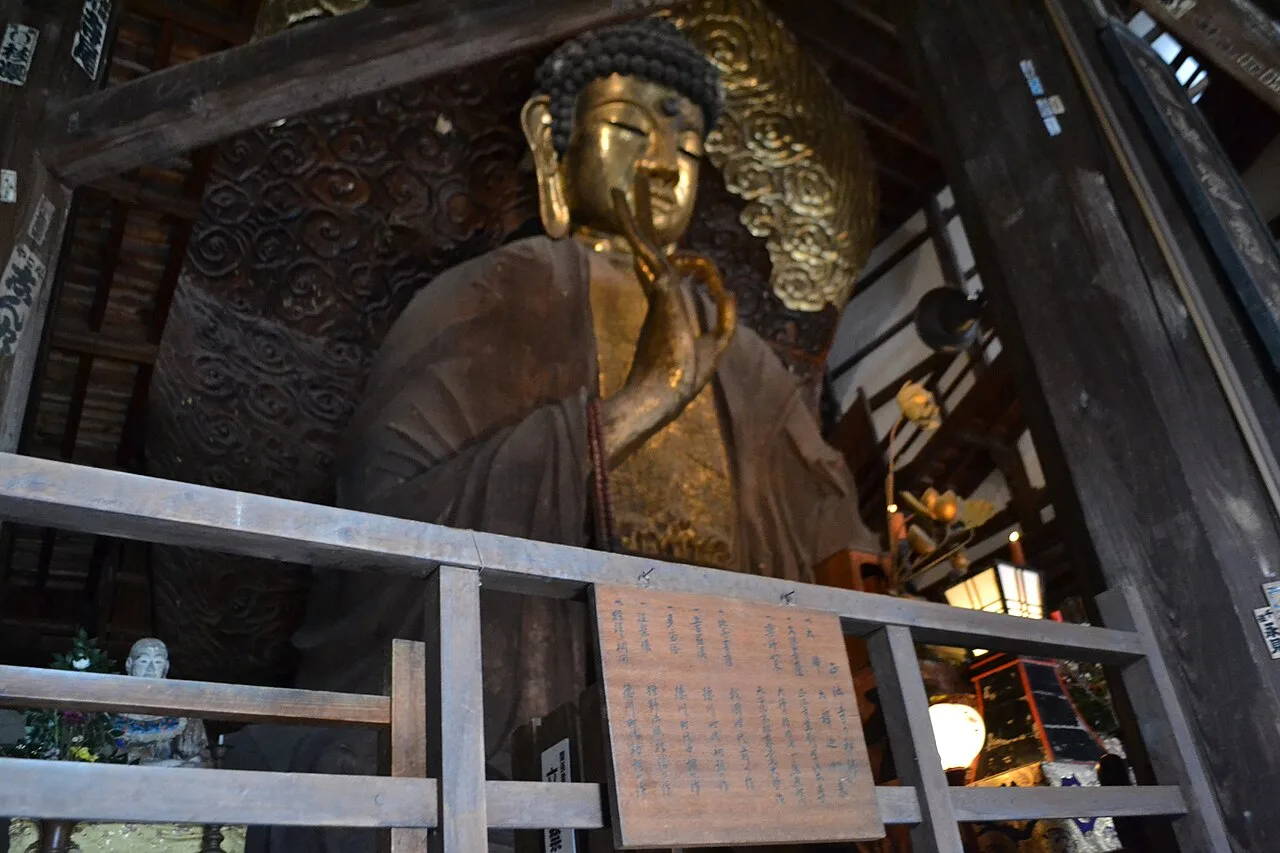
The Gifu Great Buddha (岐阜大仏) stands 13.7 metres tall inside Shōhō-ji, a Huangbo Zen temple near Gifu Park in Gifu City, Japan. Completed in 1832 after 38 years of painstaking work, it is the largest dry-lacquer (kanshitsu) Buddha in the country — built over a ginkgo-wood pillar and bamboo lattice frame covered in clay, hand-copied Buddhist sutras, and layers of lacquer and gold leaf. Ranked among Japan’s three great Buddhas alongside Nara’s Tōdai-ji and Kamakura’s Kōtoku-in, the statue is a rare surviving example of the kanshitsu technique at this scale. Admission is ¥200 for adults; open daily 09:00–17:00.

Visitor guide →
Kawaramachi Old Town

Kawaramachi Old Town

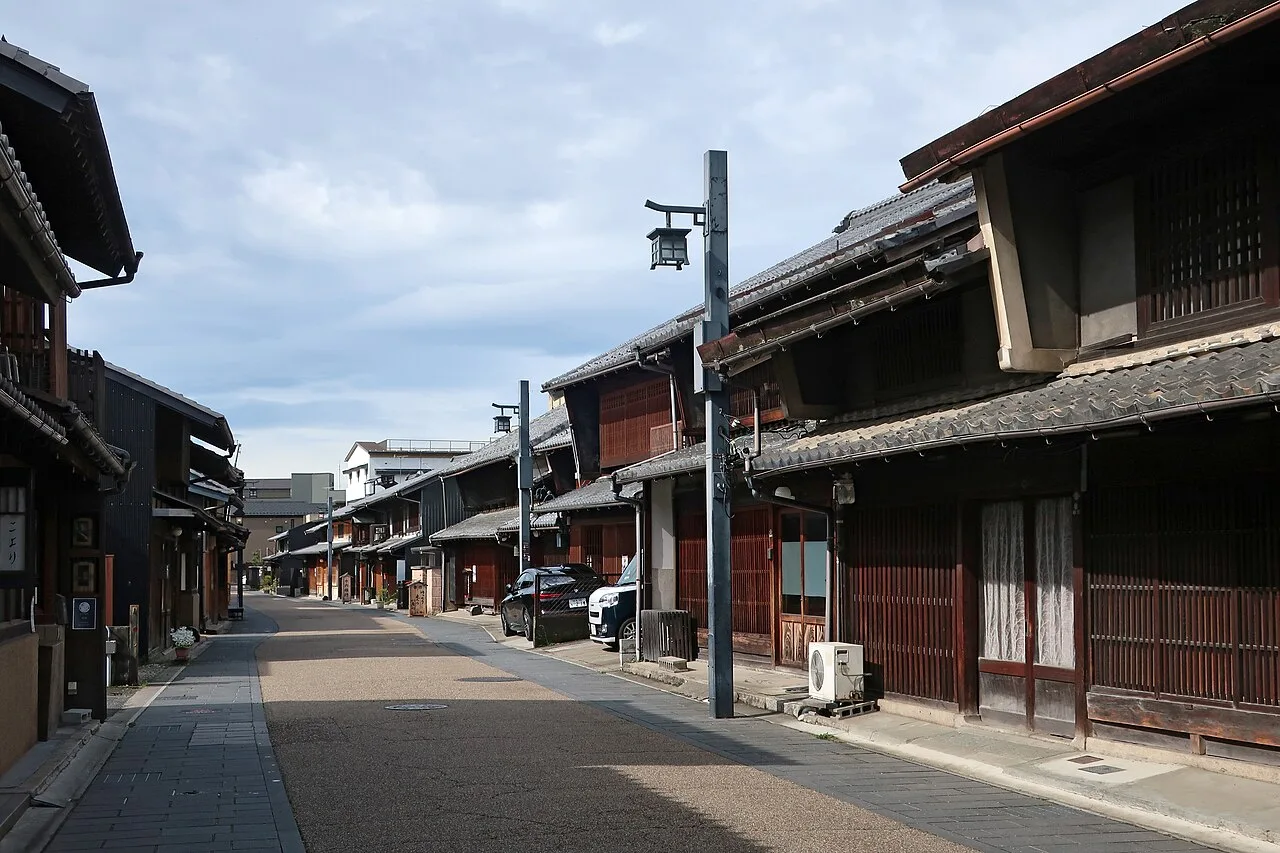
Kawaramachi Old Town is Gifu City's best-preserved historic merchant quarter, stretching along the south bank of the Nagara River directly below Gifu Park and Mt. Kinka. Founded as a river port during the reign of Oda Nobunaga, its narrow lanes are lined with Edo- and Meiji-period machiya townhouses — recognisable by their wooden lattice fronts — today converted into craft shops, sake breweries, and riverside cafes. The district is also the departure point for Gifu's famous ukai cormorant-fishing boats, which operate on the Nagara River from mid-May through mid-October.

Visitor guide →

Planning your visit to Gifu

Most of these attractions are clustered in walkable districts. Pair two or three per day, rather than trying to sprint between them — opening-hour overlap and ticket-window queues make a tight schedule riskier than it looks on a map. The individual guides linked above each call out the best time of day to visit and which nearby sights are worth bundling.

Gifu sits just 20 minutes from Nagoya by train. For full itineraries, transport and where to stay, see our guide to things to do in Gifu — and if you are basing yourself in the city, browse more things to do in Nagoya and the wider Nagoya attractions hub.