
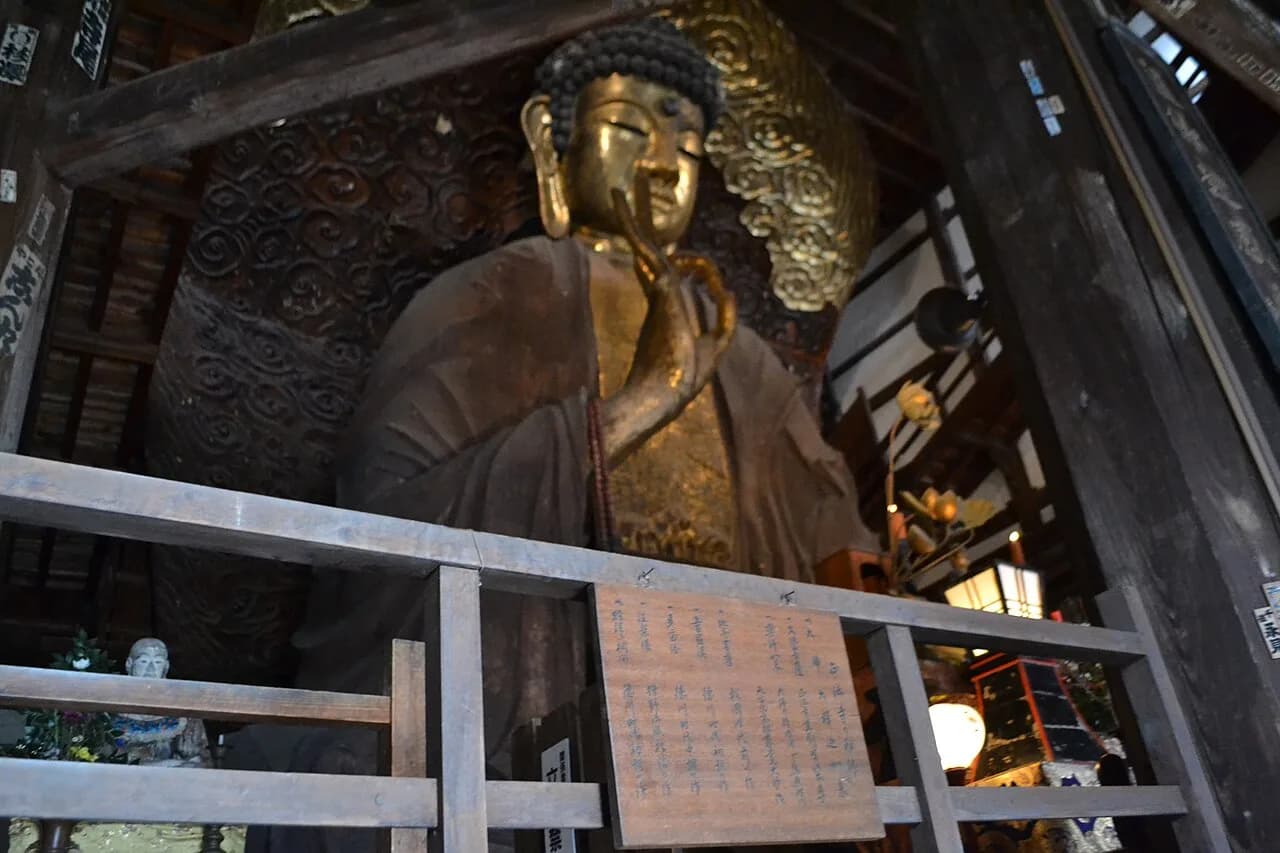
Discover the serene beauty of the Gifu Great Buddha (Shōhō-ji), a magnificent statue nestled in the heart of Gifu City.
This comprehensive gifu great buddha (shoho-ji) visitor guide offers everything you need for an unforgettable journey.
You will find practical tips, historical insights, and suggestions for nearby attractions.
Prepare to explore one of Japan's most impressive and lesser-known Buddhist treasures.
Discovering the Gifu Great Buddha (Shōhō-ji)
The Gifu Great Buddha (Shōhō-ji) stands as a testament to devotion and unique craftsmanship. It is one of Japan's three great Buddha statues, often overlooked by international travelers. This impressive figure resides within the peaceful Shōhō-ji Temple grounds. Visiting offers a tranquil escape from bustling city life.
Completed in 1832 after 38 years of construction, this Buddha offers a profound spiritual experience. Its serene expression and grand scale inspire awe in all who visit. The statue provides a deep connection to Japan's rich Buddhist heritage. It truly represents a hidden gem in the Gifu region.
Many visitors describe a sense of calm and wonder upon seeing the Gifu Great Buddha. Its presence invites contemplation and quiet reflection. This destination is perfect for those seeking cultural immersion and peaceful moments. Plan your journey to witness this remarkable artistic achievement.
History and Unique Construction of the Great Buddha
The Gifu Great Buddha's origins trace back to the late 18th century, initiated by the 11th chief priest of Shōhō-ji Temple. He envisioned a large Buddha to pray for peace and protection from earthquakes and famine. Construction began in 1790, a monumental undertaking for its time. This project truly reflected the community's deep spiritual aspirations.
What makes this statue truly unique is its construction method. The framework consists of bamboo, carefully shaped and bound together. Clay was then applied over the bamboo, followed by multiple layers of lacquer. Finally, gold leaf covered the entire surface, creating a radiant finish.
Over 13,000 sutras were carefully placed inside the bamboo framework. This practice imbued the Buddha with immense spiritual power and blessings. The intricate process highlights the incredible dedication of its creators. Such craftsmanship makes the Gifu Great Buddha a marvel of traditional Japanese art.
Planning Your Visit to Shōhō-ji Temple
Planning ahead ensures a smooth and enjoyable visit to the Gifu Great Buddha. Knowing the essential details will help you maximize your time at this sacred site. Check all information before your trip, especially for seasonal changes. This preparation guarantees a stress-free experience.
The Gifu Great Buddha is located within Shōhō-ji Temple at 8 Daibutsuchō, Gifu, 500-8018, Japan. You can easily find it using Google Maps for precise directions to the temple entrance. The temple is part of a charming, historic area perfect for exploration. It is easily accessible within Gifu City.
Shōhō-ji Temple typically opens from 9:00 AM to 5:00 PM daily. Admission for adults is usually 200 yen, with reduced fees for children. Always confirm current operating hours and admission fees on the official Gifu Daibutsu website before your visit. Prices and schedules can sometimes change without notice.
The best time to visit is during the spring (March to May) or autumn (September to November). These seasons offer pleasant weather for exploring the temple grounds and nearby Gifu Park. Weekdays generally see fewer crowds, allowing for a more peaceful experience. Aim for early mornings to enjoy the tranquil atmosphere.
Allocate approximately 30 minutes to one hour for your visit to the Gifu Great Buddha and Shōhō-ji Temple. This allows ample time to appreciate the statue and explore the temple's smaller halls. If you wish to meditate or simply sit in contemplation, plan for a longer stay. Consider combining your visit with other nearby attractions for a full day.
Exploring the Shōhō-ji Temple Grounds
Beyond the magnificent Gifu Great Buddha, the Shōhō-ji Temple grounds offer several other points of interest. Take time to wander through the serene garden areas. These spaces provide quiet spots for reflection and photography. The entire complex exudes a sense of peace and history.
You will find smaller temple halls dedicated to various deities. Each hall features unique architectural details and religious artifacts. Observe the intricate carvings and traditional Japanese design elements. These smaller structures add to the temple's rich cultural tapestry.
A small shop near the entrance often sells charms, amulets, and souvenirs. These items make for meaningful mementos of your visit. Consider purchasing a unique gift or a spiritual token. Supporting the temple helps with its ongoing preservation efforts.
How to Get to Gifu Great Buddha
Reaching the Gifu Great Buddha is straightforward from Gifu's main transportation hubs. Efficient public transport options make it easy for visitors to access. Plan your route based on your starting point and preferred travel method. Gifu City offers good connectivity for tourists.
From JR Gifu Station, take a local bus bound for Gifu Park or Nagara Bridge. The bus ride typically takes about 15-20 minutes. Alight at the Gifu Koen-mae (Gifu Park) bus stop. From there, the temple is just a short walk away.
Alternatively, a taxi from JR Gifu Station will take around 10-15 minutes. This option offers convenience, especially if you are traveling with luggage or in a group. Confirm the fare with the driver before starting your journey. Taxis are readily available outside the station.
For those who enjoy walking, the temple is about a 30-minute stroll from JR Gifu Station. This walk allows you to see more of Gifu City along the way. It's a pleasant option on a nice day. Consider exploring Gifu attractions on foot if time permits.
Beyond the Buddha: Top Experiences in Gifu & Nearby
Gifu offers a wealth of experiences beyond the Great Buddha, catering to diverse interests. From ancient traditions to natural wonders, there's something for everyone. Combine your temple visit with other exciting activities for a richer trip. Explore the unique culture and landscapes of Gifu Prefecture.
**Mino Pottery Experience** Engage in a hands-on Mino pottery experience in Tajimi City, Gifu Prefecture. This activity lets you create your own unique piece of Mino ware. It is perfect for families, with options suitable for children using an electric potter's wheel.
Consider a Mino pottery experience for its creative outlet and cultural immersion. Expect 1-2 hours for the session, with costs around 3,000-5,000 yen per person. Booking in advance is highly recommended, especially during peak seasons. This activity offers a tangible souvenir and a fun learning opportunity.
**Walk and Cycle the Ancient Nakasendo Road (Magome, Ena Gorge)** Explore sections of the historic Nakasendo Road, a former Edo-period highway. Magome and Ena Gorge offer picturesque routes for walking and cycling. Rentals are available in various towns along the trail. The scenic beauty makes for a memorable outdoor adventure.
The Nakasendo Road provides a glimpse into old Japan, with preserved post towns. Routes vary in difficulty, from gentle strolls to more challenging hikes or cycles. Costs for bike rentals typically range from 1,000-2,500 yen for a few hours. This activity is ideal for history buffs and nature lovers.
**Takayama's Japanese Drum & Traditional Arts Show** Experience the vibrant energy of a Japanese drum and traditional arts performance in Takayama. This unique show combines powerful drumming with other traditional performing arts. It offers a captivating cultural evening for all ages. Check local listings for schedules and venues.
Booking tickets in advance is advisable, especially during festival times. Prices vary depending on the venue and show, typically from 3,000-6,000 yen. The show provides an exciting insight into Japanese performing arts. It's a fantastic way to cap off a day trip to Takayama.
**Seki Katana Museum Tour & Knife Sharpening** Delve into the world of Japanese swords at the Seki Katana Museum. Seki City is renowned for its blade-making history, dating back centuries. Take a tour to learn about the intricate process of forging katana. Some tours even offer knife sharpening experiences.
The museum tour typically lasts 1-2 hours, with admission around 500-1,000 yen. A knife sharpening experience might add another 30 minutes and extra cost. This activity is perfect for those interested in samurai history and traditional crafts. It offers a unique perspective on Japanese artistry.
**Day Trips to Takayama & Shirakawa-go** Consider a day trip to the charming city of Takayama and the UNESCO World Heritage site of Shirakawa-go. Both locations offer stunning traditional architecture and rich cultural experiences. You can opt for self-guided exploration or join a private custom full-day tour. Tours often depart from Gifu or Nagoya.
A private tour can offer convenience and tailored itineraries, but at a higher cost (e.g., 30,000-50,000 yen). Self-guided travel via bus or train is more budget-friendly but requires careful planning. Shirakawa-go's gassho-zukuri farmhouses are particularly beautiful in winter. Explore Gifu Castle before heading out on your day trip.
**Make Your Own Samurai Knife with a Certified Swordsmith!** For an unparalleled experience, forge your own samurai knife under the guidance of a certified swordsmith. This rare opportunity takes place in Seki City, the heart of Japanese blade-making. Participants learn traditional forging techniques firsthand. It's an immersive dive into ancient craftsmanship.
This specialized experience is typically a full-day activity, costing upwards of 50,000 yen. It requires advanced booking and is best suited for adults with a keen interest in traditional crafts. Safety precautions are paramount, with expert supervision throughout the process. This offers an incredibly unique and memorable souvenir.
**Former Meitetsu Mino Station** Visit the Former Meitetsu Mino Station, a historically significant railway station. This preserved station offers a nostalgic look into Japan's railway past. It is part of the scenic Nagara River Railway line. The station now serves as a museum and local attraction.
Entry is often free or very low cost, making it a budget-friendly stop. Allow 30-45 minutes to explore the old station building and its exhibits. It's ideal for railway enthusiasts and those interested in local history. Combine it with a visit to the nearby Oyada Shrine’s Hinkoko Festival if timing aligns.
Insider Tips for a Smooth Visit
Enhance your Gifu Great Buddha visit with these insider tips for a truly smooth experience. Being prepared helps you appreciate the site's tranquility and history. These suggestions will help you navigate the temple and surrounding areas. Consider these points before you embark on your journey.
Wear comfortable shoes, as you will be walking around the temple grounds and potentially nearby Gifu Park. Dress respectfully, as Shōhō-ji Temple is a place of worship. This means covering your shoulders and knees. Modest attire is always appreciated in religious sites.
Combine your visit to the Gifu Great Buddha with other nearby attractions. Gifu Park, Gifu Castle, and the Mount Kinka Ropeway are all within easy reach. A full day of exploration can be planned around this central area. Check out the Gifu Park for a pleasant stroll.
Consider purchasing a Gifu City bus day pass if you plan on visiting multiple sites via public transport. This can save money and simplify your travel within the city. The pass offers unlimited rides on designated routes. It is a convenient option for extensive sightseeing.
Always carry some cash, as smaller shops or temple donation boxes may not accept credit cards. Many smaller eateries also prefer cash payments. Having yen on hand ensures you can make purchases easily. ATMs are available at major stations and convenience stores.
Frequently Asked Questions (FAQs)
Frequently Asked Questions
Which Gifu Great Buddha (Shōhō-ji) visitor guide options fit first-time visitors?
First-time visitors should prioritize a guide covering history, practical details like opening hours, and transportation. This article serves as a comprehensive starting point. Combining the Buddha with a visit to Gifu Castle and Gifu Park creates a well-rounded initial experience.
How much time should you plan for Gifu Great Buddha (Shōhō-ji)?
Plan for 30 minutes to one hour to fully appreciate the Gifu Great Buddha and explore the Shōhō-ji Temple grounds. If you wish to meditate or simply relax in the peaceful atmosphere, allocate a bit more time. This allows for a respectful and unhurried visit.
What should travelers avoid when planning their visit to Gifu Great Buddha (Shōhō-ji)?
Avoid visiting during public holidays without checking for increased crowds or altered hours. Do not arrive without confirming current admission fees or opening times, as these can change. Also, avoid loud conversations or disruptive behavior inside the temple, respecting its sacred nature.
Is Gifu Great Buddha (Shōhō-ji) worth including on a short itinerary?
Yes, the Gifu Great Buddha is definitely worth including, even on a short itinerary. Its unique construction and serene atmosphere offer a distinct cultural experience. Since a visit typically takes less than an hour, it can easily fit into a busy day exploring Gifu City.
Are there any specific cultural etiquettes to observe when visiting Shōhō-ji Temple?
Yes, observe several cultural etiquettes. Dress modestly, covering shoulders and knees. Remove your shoes before entering the main Buddha hall. Speak softly and avoid taking photos during prayer times. These practices show respect for the temple and its worshippers.
The Gifu Great Buddha (Shōhō-ji) offers a truly unique and enriching cultural experience in Japan.
Its fascinating history, distinctive construction, and tranquil setting make it a must-visit destination.
Utilize this comprehensive gifu great buddha (shoho-ji) visitor guide to plan your perfect trip.
Discover the hidden gems of Gifu and create lasting memories of your Japanese adventure.
Planning a visit? See our things to do in Gifu and Gifu Great Buddha guide.