
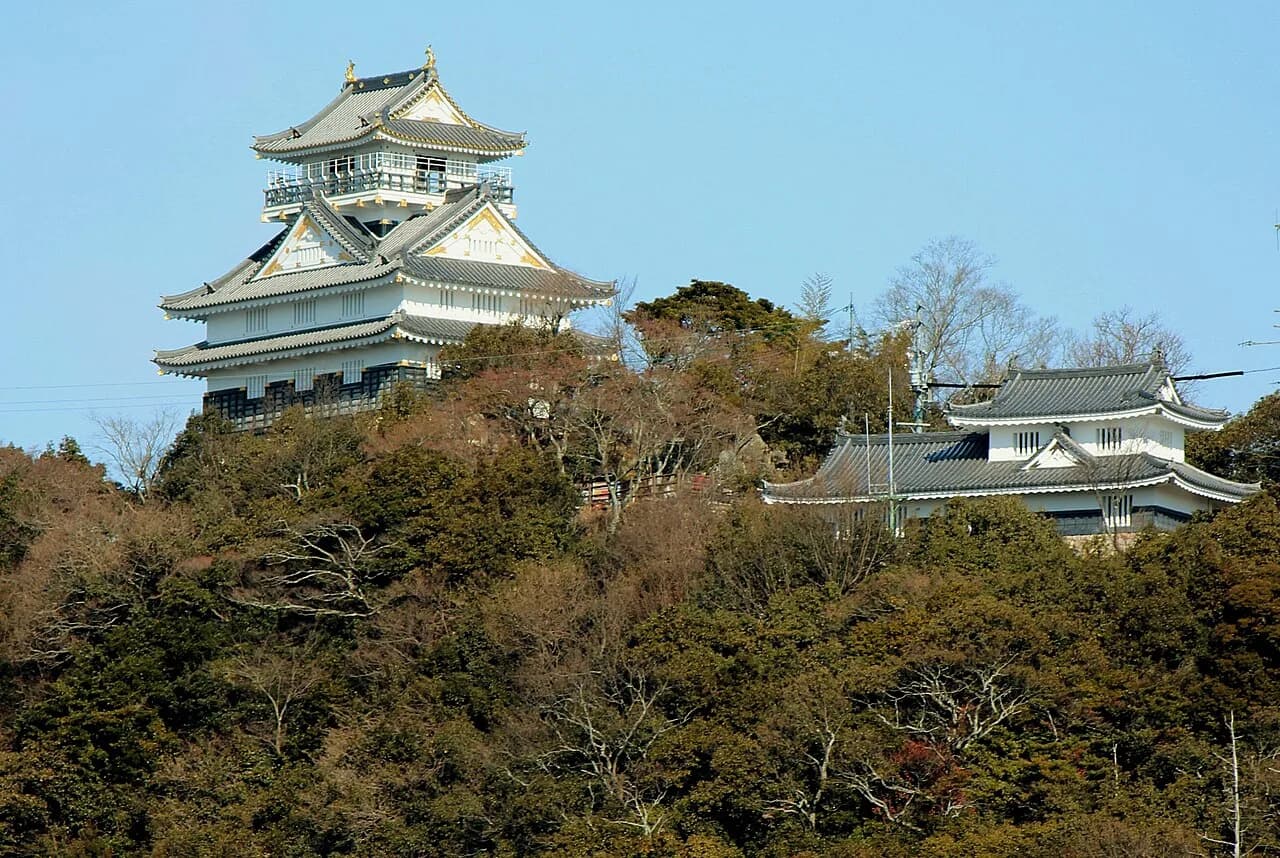
Discovering Gifu Castle offers a unique journey into Japan's samurai past.
This iconic fortress sits atop Mount Kinka, providing breathtaking views of Gifu City and the Nagara River.
Our comprehensive Gifu Castle visitor guide helps you plan an unforgettable trip.
Explore its rich history, practical details, and nearby attractions for a perfect visit.
Why Visit Gifu Castle? A Glimpse into Nobunaga's Legacy
Gifu Castle stands as a powerful symbol of Japan's Sengoku period. It was once the stronghold of the legendary samurai Oda Nobunaga.
He renamed the area 'Gifu' and used the castle as his base for unifying Japan.
Visiting this site allows you to walk in the footsteps of a pivotal historical figure.
The castle's strategic location on Mount Kinka made it nearly impenetrable.
Nobunaga's vision transformed this mountain fortress into a grand symbol of power.
The current castle keep, rebuilt in 1956, houses a museum detailing its fascinating history.
Exhibits showcase artifacts and information about Nobunaga and the castle's many transformations.
Getting to Gifu Castle: Ropeway, Hiking & Access Options
Accessing Gifu Castle typically begins at Gifu Park, located at the base of Mount Kinka.
From JR Gifu Station or Meitetsu Gifu Station, take a local bus to the Gifu Koen-mae stop.
The journey is short, usually taking about 15 minutes.
This area is also home to other Gifu attractions worth exploring.
The most popular way up is via the Mount Kinka Ropeway.
This scenic ride offers stunning views as you ascend to the summit station. The Mount Kinka Ropeway operates frequently throughout the day.
Alternatively, several hiking trails lead to the castle.
These paths vary in difficulty and take between 40 to 90 minutes to climb.
Hikers should wear appropriate footwear and carry water.
The hiking routes provide a more immersive natural experience.
Highlights of Gifu Castle: What to See & Do
The main castle keep is the primary draw, offering historical exhibits and incredible views.
Inside, you will find samurai armor, weapons, and maps related to the castle's past.
Climb to the top floor for a spectacular 360-degree panorama of Gifu City, the Nagara River, and distant mountains.
Bring a good camera to capture these memorable vistas.
Near the summit, you can visit the Kinkazan Squirrel Village.
Here, visitors can interact with friendly squirrels in a safe, controlled environment. Feeding the squirrels is a popular and enjoyable activity for all ages.
Explore the Nobunaga Residence Ruins, located just below the castle.
These excavated remains offer insight into the scale of Nobunaga's original mountain palace. Signboards explain the layout and significance of the different structures.
Photography enthusiasts will find many excellent spots around the castle.
The best times for photos are early morning or late afternoon, when the light is softer. Capture the castle against the backdrop of the city or during seasonal changes.
The castle offers different perspectives from various points on the mountain.
Planning Your Visit: Practical Information & Tips
Gifu Castle is typically open from 9:30 AM to 5:30 PM, but hours can vary seasonally.
Always check the City of Gifu official website for the most current information, especially for 2026.
The entrance fee for the castle is usually 200 yen for adults.
Ropeway tickets are purchased separately.
Consider purchasing a combined ticket for the ropeway and castle to save money.
Accessibility to Gifu Castle can be challenging due to its mountain top location.
The ropeway is generally accessible, but the castle itself involves stairs.
Strollers can be used on the ropeway but may be difficult inside the castle keep. Wheelchair users may find access limited beyond the ropeway station.
Wear comfortable shoes, as there is a fair amount of walking involved.
Bring water, especially if you plan to hike. Restrooms are available at Gifu Park and near the castle summit.
Choose Your Gifu Castle Route: Itineraries for Every Traveler
Tailor your Gifu Castle visit to match your interests and available time.
Different itineraries cater to history buffs, scenic view seekers, or families.
Consider your physical fitness level when choosing between the ropeway and hiking.
Each route offers a unique perspective of this historic site.
For a quick 2-hour visit, take the ropeway directly to the summit.
Explore the castle keep and enjoy the panoramic views, then head back down.
This option is perfect for those on a tight schedule or with limited mobility.
A half-day trip (3-4 hours) allows for more exploration.
Ride the ropeway, visit the castle, and spend time at the Kinkazan Squirrel Village. You can also briefly explore the Nobunaga Residence Ruins.
This route balances history with unique animal encounters.
A full-day adventure (5+ hours) lets you experience everything.
Hike one of the trails up, explore the castle, the squirrel village, and the ruins. Afterwards, descend via the ropeway and explore Gifu Park.
This comprehensive option is ideal for history enthusiasts and active travelers.
Combine it with a visit to the Gifu Great Buddha for a full cultural immersion.
Gifu Castle Through the Seasons: Best Time to Visit
Gifu Castle offers distinct beauty in every season, making the best time to visit subjective.
Spring (March-May) is popular for cherry blossoms around Gifu Park.
The weather is mild and pleasant for hiking or exploring the castle grounds.
The views from the castle keep are clear and vibrant during this time.
Summer (June-August) brings lush greenery and warmer temperatures.
Evenings can be magical, with extended opening hours for night views of the city.
However, summer also means higher humidity and more crowds.
Autumn (September-November) showcases stunning fall foliage on Mount Kinka.
The vibrant reds and golds create a picturesque backdrop for the castle.
Cooler temperatures make hiking very enjoyable. This season is a favorite for photographers.
Winter (December-February) offers a serene, less crowded experience.
While cold, a clear winter day can provide crisp, expansive views.
Sometimes, the castle is even dusted with snow, creating a magical scene.
Check for any special winter operating hours before your visit.
Beyond the Castle Walls: Nearby Attractions & Experiences
Your Gifu Castle visitor guide extends beyond the mountaintop.
Gifu Park at the base of Mount Kinka is a beautiful spot for a stroll.
It features traditional Japanese gardens, a history museum, and tranquil ponds.
The park offers a peaceful transition before or after your castle adventure.
Just a short walk from Gifu Park lies Kawaramachi Old Town.
This charming area preserves traditional Japanese architecture with quaint shops and cafes. It's perfect for finding unique souvenirs and enjoying local snacks.
Don't miss the chance to experience Nagara River cormorant fishing (Ukai) during summer evenings.
This ancient fishing technique is a designated Important Intangible Folk Cultural Asset.
For local food, try Gifu's specialty, 'ayu' (sweetfish), often grilled whole.
Many restaurants in Kawaramachi Old Town and around Gifu Station serve this delicacy. Look for local sake and traditional Japanese sweets as well.
Essential Gifu Castle FAQs
Useful Japanese Phrases for Your Gifu Trip
Learning a few basic Japanese phrases can greatly enhance your trip to Gifu.
Locals appreciate the effort, even if your pronunciation isn't perfect.
These simple phrases can help with directions, shopping, and dining.
They make interactions smoother and more enjoyable.
Start with greetings like 'Konnichiwa' (Hello) and 'Arigato gozaimasu' (Thank you very much).
'Sumimasen' (Excuse me/Sorry) is useful for getting attention or apologizing.
For directions, try 'Doko desu ka?' (Where is it?) while pointing to a map. Ask 'Ikura desu ka?' (How much is it?) when shopping.
In restaurants, 'Oishii desu' (It's delicious) is a great compliment.
When leaving, say 'Gochisousama deshita' (Thank you for the meal).
A simple 'Hai' (Yes) or 'Iie' (No) also goes a long way.
These phrases will help you connect with the local culture. Enjoy your visit to Gifu.
Frequently Asked Questions
What is the history of Gifu Castle?
Gifu Castle has a long history dating back to the 13th century, originally known as Inabayama Castle. It gained prominence under Oda Nobunaga in the 16th century. He used it as a base for his efforts to unify Japan. The current castle keep is a 1956 reconstruction, housing a museum.
How much time is needed to visit Gifu Castle?
A typical visit to Gifu Castle, including the ropeway ride and exploring the castle keep, takes about 2 to 3 hours. If you wish to hike, visit the Squirrel Village, or explore Gifu Park, allow for a half-day or more. Plan accordingly for a relaxed experience.
Are there any closures or special events at Gifu Castle?
Gifu Castle generally remains open year-round, but specific closures for maintenance can occur. Special events, like extended evening hours for night views, happen seasonally. Always verify current operating hours and any potential closures on the official Gifu City website before your visit.
What are the best things to see and do at Gifu Castle?
The main castle keep offers historical exhibits and stunning panoramic views from its observation deck. Visitors can also enjoy the Kinkazan Squirrel Village for animal interaction. Exploring the Nobunaga Residence Ruins provides insight into the castle's past. Hiking trails offer scenic routes to the summit.
Gifu Castle offers a captivating blend of history, culture, and natural beauty.
From its strategic position atop Mount Kinka, it provides a window into Oda Nobunaga's legacy.
Planning your visit with this Gifu Castle visitor guide ensures a smooth and memorable experience.
Embrace the adventure and discover the charm of Gifu City.
Planning a visit? See our things to do in Gifu and Gifu Castle and Mt Kinka guide.