
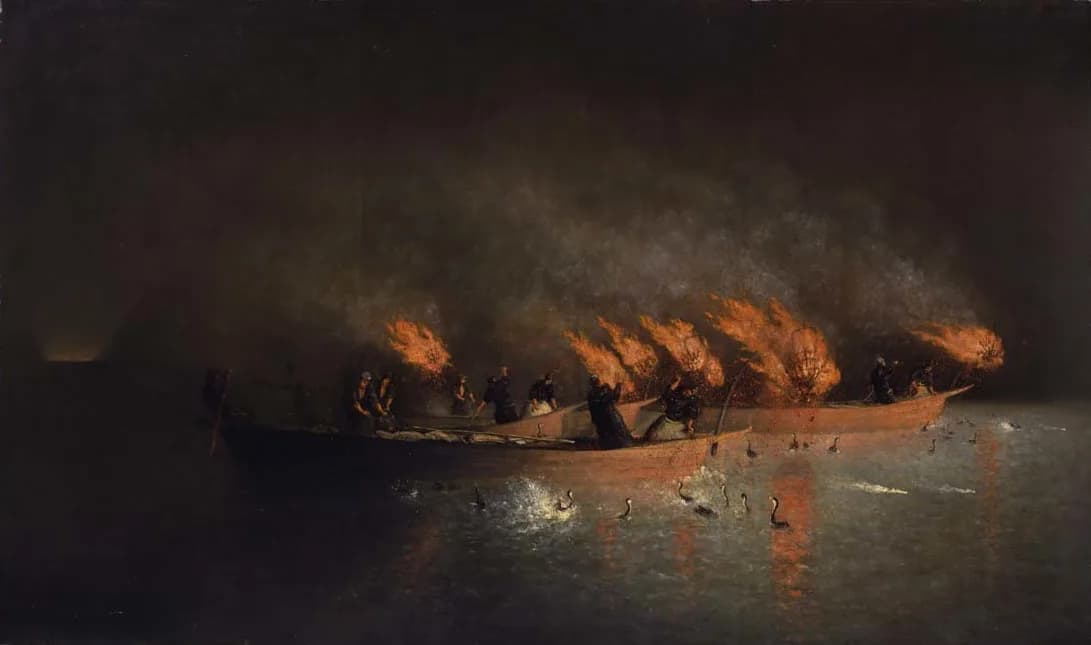
Experience the ancient art of Nagara River cormorant fishing (Ukai) in Gifu, Japan. This historic tradition dates back over 1,300 years. It offers a captivating glimpse into Japan's rich cultural heritage.
Master fishermen, known as 'Usho', guide trained cormorants to catch ayu (sweetfish). The dramatic evening spectacle unfolds on the Nagara River. This visitor guide helps you plan your unforgettable trip.
Discover essential details for your Ukai adventure. Learn about the best viewing options and nearby attractions. Prepare for a truly unique Japanese experience.
Introduction to Nagara River Cormorant Fishing (Ukai)
Nagara River cormorant fishing, or Ukai, is a deeply rooted tradition in Gifu Prefecture. This ancient practice has been passed down through generations. It showcases a remarkable bond between humans and nature.
The Usho, dressed in traditional attire, command their birds with skill and precision. Torches illuminate the river, creating a mesmerizing scene. This unique cultural performance attracts visitors from around the world.
Ukai fishing takes place from May 11th to October 15th each year, except during full moon nights and high water. It serves as a powerful symbol of Gifu's identity. The tradition continues to thrive today. Learn more about the history of Ukai on Wikipedia for deeper context.
Planning Your Ukai Visit: Essential Information
The best time to experience Nagara River cormorant fishing is during the summer months. July and August offer warm evenings and the full spectacle. However, these months also bring larger crowds and higher demand.
Consider visiting in late May or early September for fewer people. The Ukai season runs from May 11th to October 15th. Always check the official schedule for exact dates and times. You can find up-to-date information on the Gifu Cormorant Fishing on the Nagara River UKAI (English) website.
Booking your viewing boat in advance is highly recommended, especially on weekends. Prices vary depending on the boat type and meal options. Dressing in layers is wise, as evenings on the river can get cool.
Wear comfortable shoes for walking to the boarding area. Bring insect repellent during warmer months. A light rain jacket can also be useful for unexpected showers.
Getting to Nagara River and Around Gifu
Gifu City is easily accessible by train from major cities like Nagoya. From Nagoya Station, take a JR Tokaido Line rapid train to Gifu Station. The journey typically takes about 20-30 minutes. For more regional train information, check the Nagoya Railroad (English) site.
Once at Gifu Station, local buses frequently run to the Nagara River area. Look for buses heading towards Gifu Park or Nagara-bashi. The bus ride takes around 15-20 minutes.
Many key attractions are located near the river. Consider exploring Gifu Park before the evening Ukai performance. The park offers beautiful gardens and historical sites.
Walking from Gifu Park to the Ukai boarding area is a pleasant stroll. Taxis are also readily available from Gifu Station for direct transport. This ensures a smooth arrival for your evening activity.
The Ukai Experience: What to Expect
Your Ukai experience typically begins with boarding a traditional viewing boat. These boats come in various sizes, from private vessels to larger shared boats. Many options include dinner or snacks on board.
As dusk settles, the Usho and their cormorants begin their work. Large bonfires are lit on the fishing boats, illuminating the river. This light attracts the sweetfish to the surface.
The Usho expertly manage their cormorants, which dive into the water to catch fish. A snare around the bird's neck prevents it from swallowing larger fish. This ancient technique is truly remarkable to witness. The cormorants are highly trained for this specific fishing method.
The atmosphere on the river is festive, with boats gathered to watch the spectacle. Remember to respect the Usho and their craft by keeping noise levels down. Photography is allowed but avoid flash during the actual fishing process.
Oze Cormorant Fishing: Japan's Oldest Imperial Tradition
While Nagara River Ukai is famous, Oze Cormorant Fishing holds a special distinction. It is considered Japan's oldest form of Ukai. This tradition has historically served the Imperial Household.
The Oze Usho are direct descendants of a lineage that has performed for emperors. This connection highlights the profound cultural significance of the practice. It is a living piece of Japanese history.
Oze Ukai typically involves a more intimate setting, often with fewer boats. This provides a slightly different viewing experience for visitors. It emphasizes the deep respect for tradition and the Usho's skill.
Experiencing Oze Ukai offers a unique perspective on this ancient art. It connects you to centuries of imperial patronage. This makes it a truly special part of your Gifu visit.
Discover Authentic Japan in Tsumago & Magome, Nakasendo
Extend your Gifu adventure with a trip to the historic Nakasendo post towns of Tsumago and Magome. These beautifully preserved villages transport you back to the Edo period. They offer a stark contrast to modern city life.
Walking the ancient Nakasendo Trail between these two towns is a highlight. The path is well-maintained and relatively easy, taking about 2-3 hours. You will enjoy scenic mountain views and traditional Japanese architecture.
**Travel Trade-offs:** This side trip requires a full day from Gifu. Access involves a train to Nakatsugawa, then a local bus. Costs include transport and potential entrance fees for museums. It is best for travelers who enjoy history, light hiking, and authentic cultural immersion.
You will find traditional inns, local craft shops, and charming cafes. This area provides a peaceful escape from the bustling tourist spots. It allows for a deeper appreciation of rural Japan.
Handmade Paper Mino-Washi and Traditional Swords of SEKI
Gifu Prefecture is renowned for its traditional crafts, including Mino-Washi paper. This delicate, durable paper has a history spanning over 1,300 years. It is celebrated for its exquisite quality.
Visit the Mino-Washi Akari Art Museum in Mino City to learn about its creation. You can even try your hand at making your own Mino-Washi. This offers a hands-on cultural experience.
Seki City, another Gifu gem, is famous for its traditional sword making. The Seki Hamono Museum showcases the intricate process of crafting Japanese swords. You can observe master craftsmen at work. This provides a fascinating insight into samurai culture.
**Travel Trade-offs:** Visiting Mino and Seki typically requires separate half-day trips from Gifu City. Transport involves local trains or buses. These experiences are ideal for those interested in traditional Japanese artistry and history.
City of Water: Enjoying "Masu" Making and Local Crafts
Gifu is often called a 'City of Water' due to its abundant rivers and springs. This natural resource influences many local traditions and crafts. Explore the city's connection to water in unique ways.
One popular activity is making 'masu' wooden cups. These traditional square cups are often used for drinking sake. Several workshops in Gifu offer this fun and creative experience.
You can also visit sake breweries in the region to taste local brews. Many breweries utilize Gifu's pure spring water. This contributes to the distinct flavor of their sake. Explore the charm of Kawaramachi Old Town, known for its traditional wooden houses and shops.
**Travel Trade-offs:** Masu making and brewery tours are typically half-day activities. They are easily accessible within Gifu City. These are perfect for travelers seeking hands-on craft experiences and local culinary delights.
Other Popular Unique Experience Tours in Gifu
Gifu Prefecture offers a diverse range of unique tours beyond Ukai. Consider a day trip to Takayama, known for its beautifully preserved old town. It is famous for its traditional wooden houses and sake breweries.
Another option is visiting the Gifu Great Buddha, a majestic and serene statue. It resides within the Shohoji Temple grounds. This provides a moment of peace and reflection.
For nature lovers, a ride on the Mount Kinka Ropeway offers stunning panoramic views of Gifu City. You can see the Nagara River and Gifu Castle from above. The summit also provides access to Gifu Castle.
**Travel Trade-offs:** Takayama is a full-day trip, requiring an early start. Gifu Great Buddha and Mount Kinka are easily combined into a half-day within Gifu City. Choose tours that align with your interests and available time.
Tips for a Memorable Nagara River Ukai Trip
Arrive early to secure good seats on your viewing boat if unassigned. This allows you to choose a spot with the best view of the Usho and cormorants. You can also enjoy the pre-fishing atmosphere.
Consider having dinner at one of the riverside restaurants before boarding. Many offer local Gifu cuisine, including ayu sweetfish. This enhances your overall cultural immersion.
Explore Gifu Castle or the surrounding areas earlier in the day. This maximizes your time in Gifu before the evening Ukai event. It offers a fuller experience of the city.
Don't forget to charge your camera and bring extra batteries. The low light conditions on the river can be challenging for photography. Capture the magical moments of Ukai fishing. Check the official Ukai website for any last-minute updates on schedules.
Frequently Asked Questions
Which Nagara River Ukai experiences fit first-time visitors?
First-time visitors should consider a standard viewing boat tour that includes a meal. These tours offer a comprehensive experience of the Ukai tradition. They provide comfortable seating and good views of the fishing process.
How much time should you plan for the Ukai experience?
Plan for approximately 2-3 hours for the entire Ukai experience. This includes boarding, the fishing demonstration, and returning to shore. Allow extra time for travel to the Nagara River area.
What should travelers avoid when planning their Ukai visit?
Avoid visiting during the full moon, as Ukai fishing does not occur then. Also, do not forget to book tickets in advance, especially for peak season. Avoid loud conversations during the fishing demonstration out of respect.
Is the Ukai experience worth including on a short itinerary?
Yes, the Ukai experience is highly recommended even on a short itinerary. It is a unique and culturally significant event in Gifu. Its evening timing allows for other daytime sightseeing in Gifu City or nearby areas.
Nagara River cormorant fishing (Ukai) offers a truly unique cultural experience in Gifu, Japan. This ancient tradition combines history, nature, and skilled craftsmanship. It creates an unforgettable evening spectacle.
By following this visitor guide, you can plan your trip with confidence. Explore Gifu's rich traditions, from Ukai to traditional crafts and historic towns. Prepare for an enriching journey into authentic Japan.
Embrace the magic of the Nagara River and its legendary Usho. This will create lasting memories of your time in Gifu. Your adventure into Japan's heartland awaits.
Planning a visit? See our things to do in Gifu and Nagara River ukai guide.