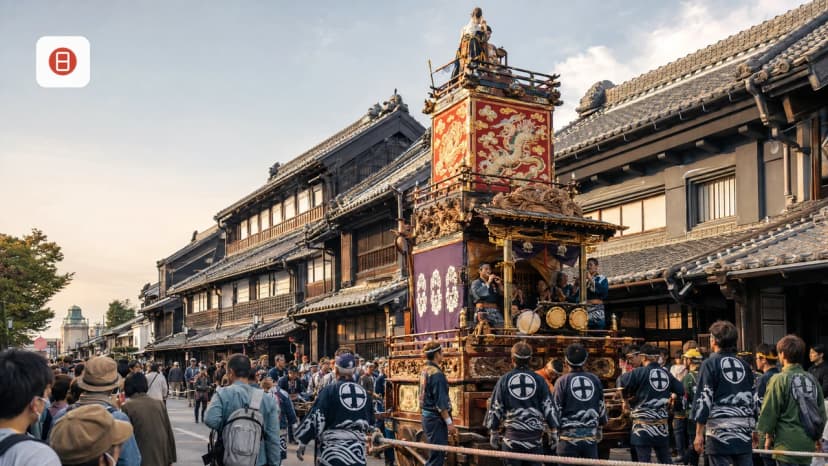
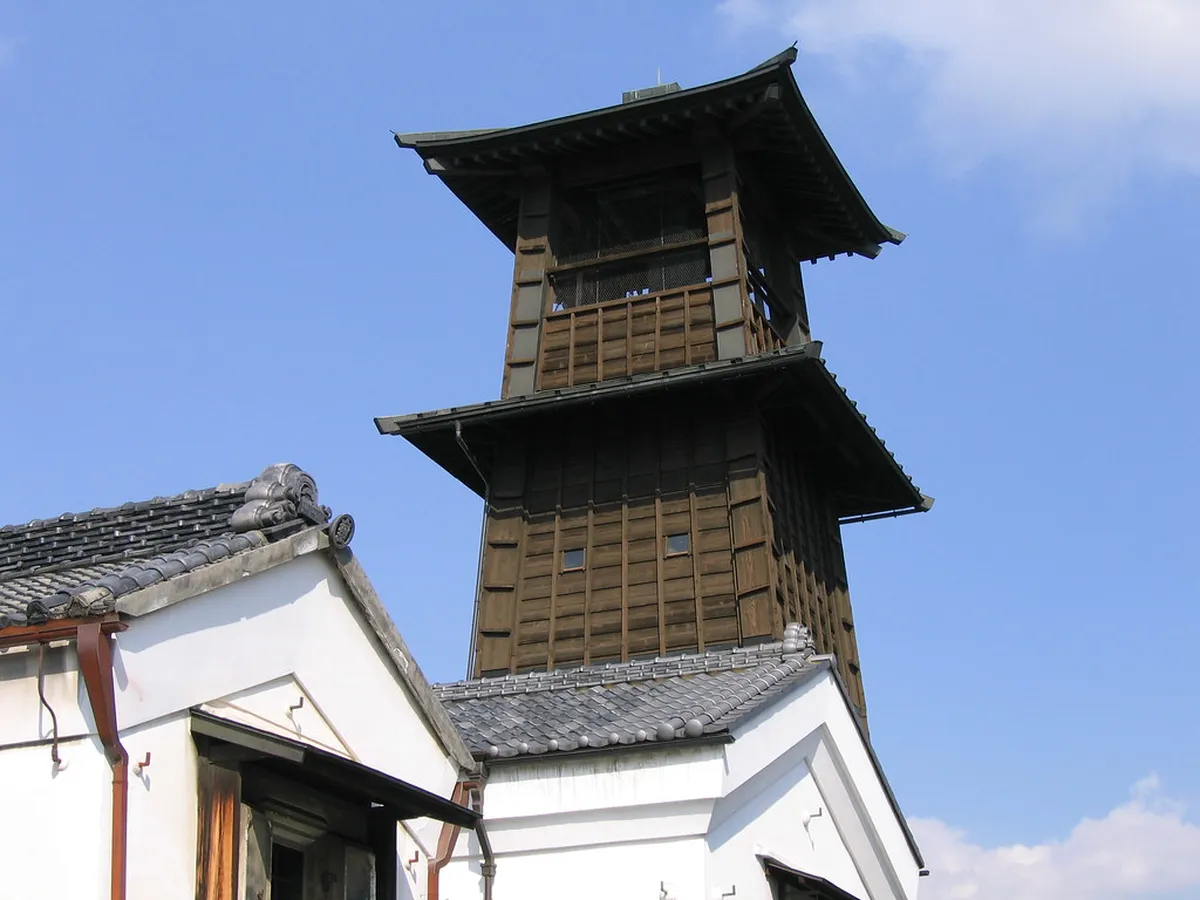
Toki no Kane, the Bell of Time, is the landmark most visitors associate with Kawagoe. The three-storey wooden tower rises above the Kurazukuri warehouse district and still marks the day with a deep bell chime.
For a 2026 visit, treat it as an outdoor attraction rather than a museum. You cannot climb the tower, but you can hear it ring, photograph it from the street, and combine it easily with the main Little Edo walking route.
This visitor guide focuses on the practical decisions that matter on the ground: when the bell rings, which station to use, when to photograph it, what is nearby, and the mistakes that make a short Kawagoe stop feel rushed.
The Symbol of Little Edo: Kawagoe's Iconic Bell Tower
Toki no Kane stands in the old merchant quarter of Koedo Kawagoe, a city nicknamed Little Edo for its preserved warehouse streets. Its height, dark timber, and exposed bell make it the visual anchor of the neighborhood.
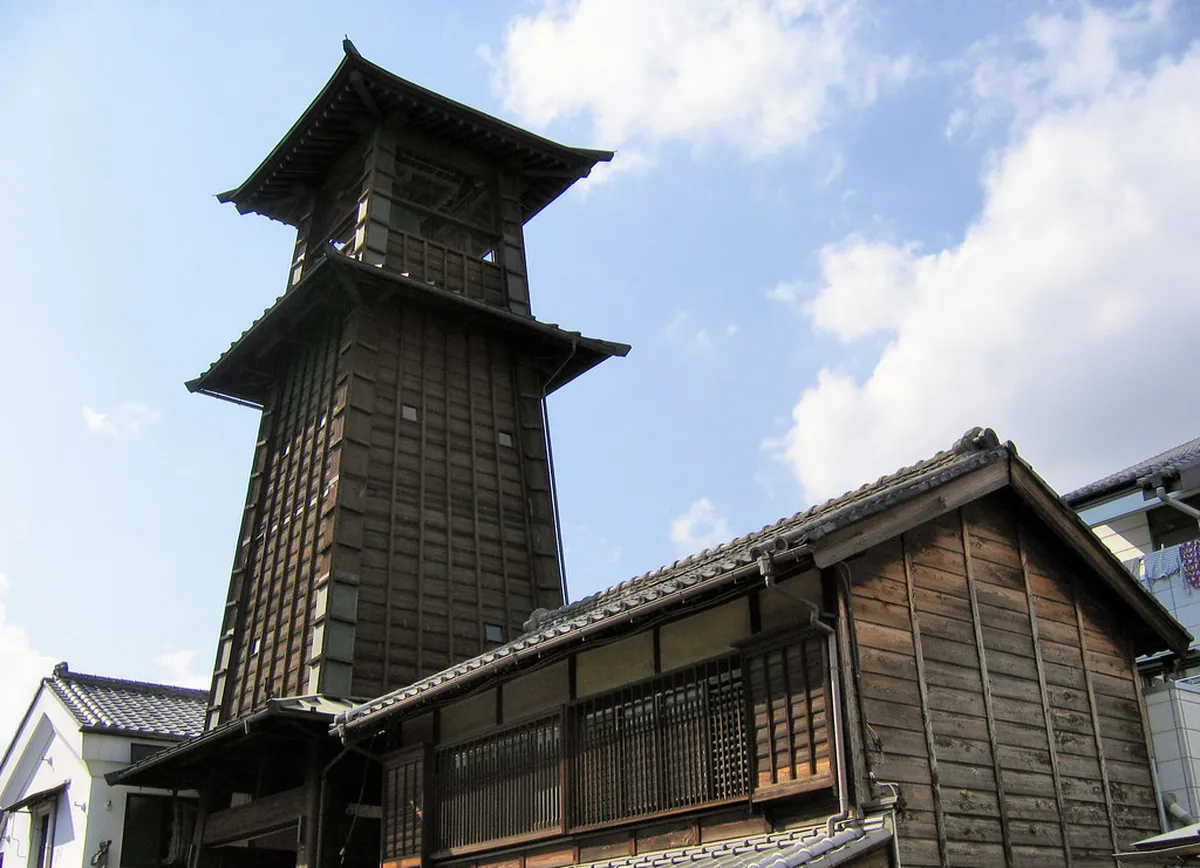
The tower is also a sound landmark. The chime carries across the narrow streets, mixing with incense, sweet potato snacks, shopfront chatter, and the heavy clay-walled buildings along Kurazukuri Street.
The best way to visit is simple: arrive before a chime time, stand back from the base so the full tower fits in view, then walk the surrounding lanes instead of treating the tower as a quick single-photo stop.
History: A Bell Rebuilt Before the Shops
The first Toki no Kane is traditionally linked to Sakai Tadakatsu, lord of the Kawagoe Domain, during the early Edo period. For townspeople without personal clocks, the bell helped organize the working day.
The current tower is the fourth generation. After the Great Kawagoe Fire of 1893 damaged much of the commercial district, local merchants prioritized rebuilding the bell tower before restoring their own shops. The 1894 rebuild gave the town back its shared sense of time.
That history explains why the tower is more than street scenery. It represents Kawagoe's recovery after fire, the merchant culture behind the warehouse district, and a civic tradition that is still audible in 2026.
How Tall is Toki no Kane and How Old is It?
Toki no Kane is about 16 meters tall. The present structure dates to 1894, while the original bell-tower tradition reaches back nearly 400 years to the Edo period.
The tower's proportions are part of its appeal: tall enough to be seen over the surrounding kura warehouses, but still built at a human scale within a compact streetscape. The visible timber frame and bronze bell make it easy to read as a working time bell rather than a decorative monument.
Because it is a protected historic structure, visitors view it from street level only. There is no observation deck, interior route, or stair access.
When the Bell Rings: Daily Chime Schedule
Viewable 24 hours; Bell rings 06:00, 12:00, 15:00, 18:00. The chime was selected as one of Japan's 100 Soundscapes by the Ministry of the Environment, so timing your visit around the sound is worth the small effort.
- 06:00: quietest streets and the best chance for empty photos.
- 12:00: convenient for lunch plans, but usually busier.
- 15:00: popular with day trippers and often the easiest chime to catch.
- 18:00: atmospheric, especially around sunset or blue hour.
Arrive five to ten minutes early. The bell rings briefly, and the narrow street becomes harder to move through when visitors gather at the last moment.
Best Times for Photography and Lighting
Dawn is the strongest option for architecture photos because the street is calm, the light is soft, and the tower can be framed without crowds. It also pairs naturally with the 06:00 chime.
Late afternoon and the 18:00 bell are better for mood. The tower can become a silhouette against the sky, and the surrounding shop lights add a warmer Little Edo atmosphere. Midday works for documentation, but harsh light and foot traffic make clean images harder.
A common mistake is standing too close beneath the tower. Step back along the street, include the warehouse rooflines, and keep clear of traffic because the area around the tower remains a functioning local street.
Getting to the Bell Tower: Transport and Access
From Tokyo, most visitors arrive through Kawagoe Station, Kawagoe-shi Station, or Hon-Kawagoe Station. The best choice depends on whether you want the fastest rail route or the shortest walk to the old town.
- Tobu Tojo Line to Kawagoe Station: efficient from Ikebukuro and useful if you are starting elsewhere on the Tobu/JR side.
- Seibu Shinjuku Line to Hon-Kawagoe Station: usually the closest station for walking into the historic district.
- JR Kawagoe Line to Kawagoe Station: practical if you are connecting through JR routes, including Omiya.
- Koedo Loop Bus: useful for families, hot weather, rain, or anyone conserving energy for the old-town walk.
Walking from the stations generally takes about 15 to 25 minutes. Hon-Kawagoe is the more convenient walking start for many visitors; Kawagoe Station has more rail options but leaves a longer approach.
Experiences to Enjoy in Kawagoe (Beyond the Tower)
The bell tower works best as part of a half-day route through the warehouse district, not as a standalone stop. Continue along Kurazukuri Street for kura architecture, small shops, and sweet potato snacks.
Kimono rentals are popular around Kawagoe and can make photos feel more connected to the setting. The trade-off is pace: sandals, fittings, and photo stops slow the 400-meter warehouse walk, so leave extra time if you book a rental.
Food stops are easy around the tower. Kawagoe is known for sweet potato sweets, rice crackers, local cafes, and casual restaurants; if you search for "Toki no Kane restaurant," expect options around the landmark rather than inside the tower itself.
What's Near Toki no Kane: Nearby Recommended Spots
Immediately nearby is Starbucks Coffee Kawagoe Kanetsuki-dori, known for Edo-style architecture and a small Japanese garden. A few minutes away, Kashiya Yokocho offers retro candy shops and family-friendly snacks.
For a wider route, add Kita-in Temple, Naritasan Betsuin, and Kawagoe Hikawa Shrine. These stops give the day more variety than staying only on the shopping streets.
If time is limited, prioritize the tower, Kurazukuri Street, and Kashiya Yokocho. If you have most of a day, add the temples and shrine after lunch or before the evening chime.
Helpful Travel Info for Visitors (Hours & Costs)
Entry is free. Free. The tower is an outdoor landmark, so you do not need a ticket, reservation, or timed entry to see it from the street.
Viewable 24 hours; Bell rings 06:00, 12:00, 15:00, 18:00. Shops, cafes, and nearby snack stalls keep their own hours, and many old-town businesses wind down by late afternoon, so do not leave food or shopping plans too late.
Accessibility is mostly straightforward because the surrounding district is relatively flat, but the route can be crowded on weekends and holidays. Wheelchair and stroller users may prefer the bus approach and weekday mornings. The tower itself has no interior access, elevator, or climbing route.
Common mistakes in 2026 include arriving at midday expecting empty photos, confusing Kawagoe Station with closer Hon-Kawagoe Station, assuming the tower is a paid museum, and missing the chime by arriving exactly on the hour.
Frequently Asked Questions
What times does the Toki no Kane bell ring?
The bell rings four times every day at 6:00 AM, 12:00 PM, 3:00 PM, and 6:00 PM. Arrive a few minutes early because the chime is brief.
Can you go inside or climb the bell tower?
No. Toki no Kane is viewed from the public street only. There is no interior visitor route, observation deck, or climbing access.
How tall is Toki no Kane and how old is it?
The tower is about 16 meters tall. The current structure was rebuilt in 1894, while the original bell-tower tradition dates back nearly 400 years.
Where is the bell tower and how do I get there?
It is in Kawagoe's Kurazukuri district, about a 15 to 25-minute walk from Hon-Kawagoe, Kawagoe-shi, or Kawagoe stations. A short Koedo Loop Bus ride is also convenient.
When is the best time to photograph Toki no Kane?
Dawn is best for empty streets and soft light. The 18:00 chime is better for atmosphere, silhouettes, and blue-hour photos.
Is there an entry fee to see the bell tower?
There is no entry fee to see Toki no Kane. It is an outdoor landmark that visitors view from the street.
Toki no Kane is a compact stop, but it gives Kawagoe its clearest identity: merchant history, preserved warehouse streets, and a bell sound that still marks local time.
Plan around one of the four daily chimes, choose Hon-Kawagoe if you want the simplest walk, and pair the tower with Kurazukuri Street, Kashiya Yokocho, and at least one temple or shrine for a fuller Little Edo route.
For the latest official information, see the Toki-no-Kane (Bell of Time) official site and Toki-no-Kane (Bell of Time) on Wikipedia.