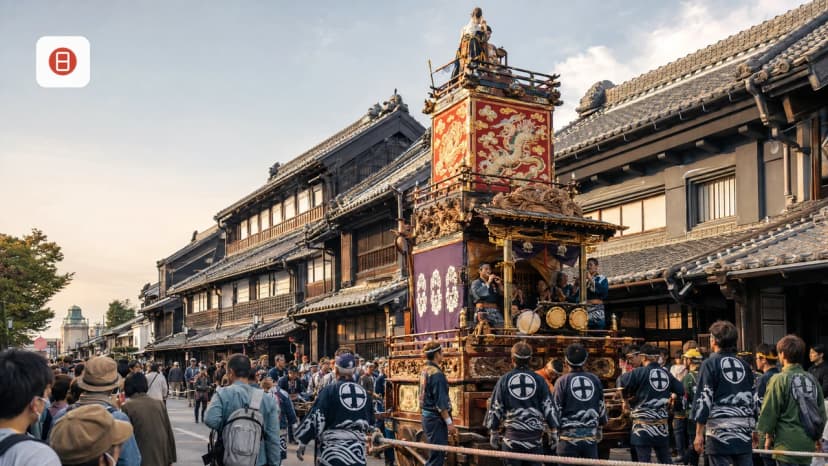
The Kurazukuri Warehouse District, also called Ichibangai or Kurazukuri Street, is the historic core of Kawagoe's Little Edo area. The street is lined with black clay-walled merchant warehouses built to resist fire, with shops, cafes, snack stands, and landmarks clustered within an easy walk. In 2026, it works best as a half-day old-town route rather than a single photo stop.
Must-See Kurazukuri Attractions
The main landmark is the Toki no Kane bell tower, a symbol of Kawagoe that rises just off Ichibangai. The bell is known for ringing four times daily at 6:00 am, 12:00 pm, 3:00 pm, and 6:00 pm, so timing a visit around one of those slots adds context.
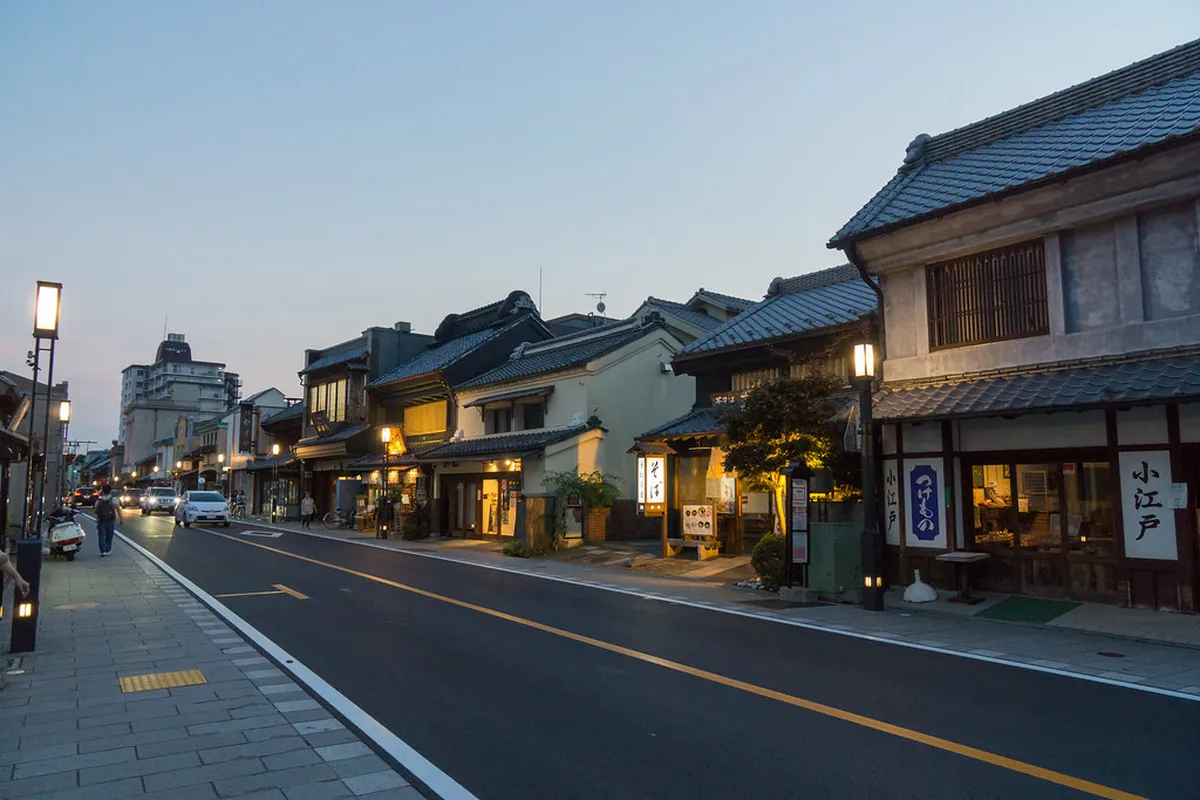
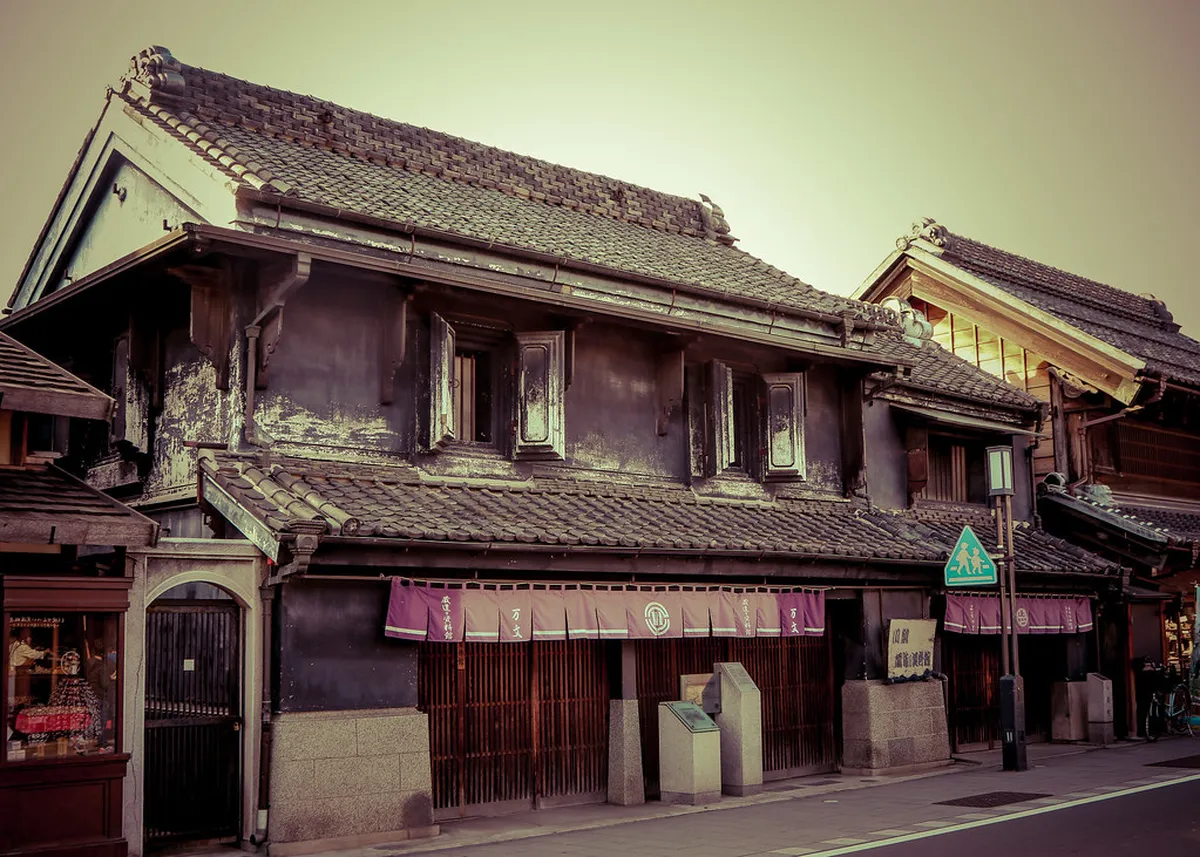
On Ichibangai itself, slow down for the black plaster walls, heavy tiled roofs, thick shutters, and deep eaves. These practical fireproof details are why the area feels different from a recreated old-town set.
The Osawa Residence is the key building to know. Built in 1792, it is widely cited as the oldest surviving kurazukuri building in Kawagoe and a National Important Cultural Property.
Museums, Art, and Culture in Kurazukuri
Ichibangai is strongest when you treat the storefronts as part of the attraction. Some warehouses now operate as craft shops, cafes, sweet shops, and local product stores, so the cultural value is in the mix of preserved facades and active use. If you plan around a museum or paid interior, check that facility before you go.
For a broader cultural route, pair Kurazukuri Street with Kita-in Temple, which preserves buildings connected with Edo Castle history, or the Kawagoe Festival Museum area if festival floats are a priority. This gives first-time visitors architecture, temple history, and festival culture without needing a car.
Small galleries, craft stores, and kimono rental shops sit around the old town and Taisho Roman Street. Reserve kimono rental ahead on weekends, and confirm workshop language support before building one into the day.
Parks, Gardens, and Outdoor Spots in Kurazukuri
A short walk north of the warehouse district brings you to Kawagoe Hikawa Shrine, a popular stop for matchmaking prayers, seasonal displays, and shrine photography. It is a useful second anchor if Ichibangai feels crowded.
Naritasan Betsuin is another practical add-on, especially if you want a quieter temple stop before returning toward the station.
For cherry blossom season, the Shingashi River area is the scenic detour to research before your trip. Late March to early April is the usual planning window around Kawagoe, but blossom timing changes each year.
Family-Friendly and Budget-Friendly Options in Kurazukuri
Kashiya Yokocho, or Penny Candy Lane, is the easiest family add-on from Ichibangai. The narrow lane is known for old-fashioned sweets, inexpensive snacks, and Kawagoe's sweet potato flavors. It can bottleneck on weekends, so visit earlier in the day with children.
Food is one of the best low-cost reasons to linger. Look for sweet potato chips, dango, senbei, soft-serve, and small seasonal sweets rather than planning a long restaurant meal in the most crowded part of the day.
For the verified cost baseline, Entry is free. Free (public street). You only pay for food, shopping, rentals, museums, or paid activities.
How to Plan a Smooth Kurazukuri Warehouse District (Ichibangai) Visitor Guide Day
The simplest first-time route is Hon-Kawagoe Station, Taisho Roman Street, Toki no Kane, Ichibangai, Kashiya Yokocho, then either Kawagoe Hikawa Shrine or Kita-in Temple. This keeps the old-town sights in a natural line.
Use this timing rule for 2026 planning: arrive before late morning for photos, stay through lunch if food is a priority, and leave flexible time for weekend crowds. The verified baseline is Street open 24 hours; Most shops 10:00–17:00. Individual museums, rental shops, and restaurants may keep different hours.
Common mistakes are treating Ichibangai as car-friendly, arriving at peak weekend lunch time with a stroller, and assuming every traditional building is open for interior viewing. The main street has vehicle traffic, narrow sidewalks in places, and busy crossings.
How do I get to the Kurazukuri street?
From Tokyo, the common gateways are Kawagoe Station, Kawagoe-shi Station, and Hon-Kawagoe Station. Kawagoe Station is useful for JR and Tobu access, while Hon-Kawagoe is generally closer to the old town. Expect roughly 15 to 25 minutes on foot depending on the station, pace, and route.
If you do not want the full walk, use the local tourist buses that connect the station area with major Kawagoe sights. They help in rain, summer heat, or when traveling with older relatives, but can be slow during festivals and weekend congestion.
Accessibility is mixed rather than difficult. The district is mostly walkable, but sidewalks can be narrow, traffic passes through the street, and some old buildings have steps. Wheelchair users and stroller users should prioritize the bus and avoid the tightest lunch-hour crowds.
Festivals and Events in Kawagoe
The Kawagoe Festival is the biggest annual event for this area and is usually held on the third Saturday and Sunday of October. It brings decorated floats, music, and dense crowds into the old town, including the Kurazukuri zone.
Spring cherry blossoms and summer wind chime displays around Kawagoe Hikawa Shrine are easier to combine with a normal sightseeing day. These seasons add atmosphere, but weather and exact dates vary, so confirm 2026 event calendars before making fixed plans.
Choose your timing by goal: weekday morning for architecture and photos, weekend midday for food energy, October festival days for floats, and evening for a quieter mood after many day-trippers leave.
An adventure through archaeology, history and movie locations
Kawagoe grew wealthy as a merchant town connected to Edo, and the warehouse district reflects that role. The kurazukuri buildings were expensive, practical investments for merchants who needed to protect goods from fire and theft.
The old-town look also makes Kawagoe a common setting for period-style photography and screen productions. Visitors interested in locations should focus on the continuous streetscape: Ichibangai, Toki no Kane, the old postbox, Taisho Roman Street, and side lanes all contribute to the preserved atmosphere.
Taisho Roman Street is the natural contrast to Kurazukuri Street. Its early modern storefronts show a different period of Japanese design, with a softer mix of Japanese and Western influence.
Flights, Hotels, and Local Transport
Most international visitors should treat Kurazukuri Street as a Tokyo-area day trip, not a reason to rent a car. Rail access from central Tokyo is the simplest option, and a prepaid IC card makes transfers easier. A Japan Rail Pass is usually not the deciding factor because practical Kawagoe routes may use private railways as well as JR.
Staying overnight in Kawagoe makes sense for quieter evening streets, festival access, or a slower Saitama itinerary. First-time Tokyo visitors can comfortably stay in Tokyo and visit Kawagoe for the day.
A rental car is a poor fit for the warehouse district because streets are narrow, parking is limited, and walking is the main attraction.
A street built to survive fire
The district's signature look comes from fire prevention. After the Great Kawagoe Fire of 1893, the clay-walled warehouses that survived became the model for rebuilding. Thick plaster, tiled roofs, and heavy shutters helped protect valuable goods.
The black, heavy appearance is practical first and beautiful second. The dark plaster finish, deep walls, and shuttered openings make the buildings look weighty because they were designed as protective shells.
Best-fit visitors are architecture fans, photographers, food walkers, families who want a compact old-town route, and Tokyo travelers who want history without a long-distance train trip.
Quick Planning Answers
How long do you need? Plan one hour for a focused street walk, two to three hours with Toki no Kane and Kashiya Yokocho, or half a day with Hikawa Shrine, Kita-in Temple, food stops, and shopping.
Which route fits first-time visitors? Start from Hon-Kawagoe if you want the shortest old-town approach, or Kawagoe Station if your train route is simpler. Walk through Taisho Roman Street, Toki no Kane, Ichibangai, and Kashiya Yokocho in one direction.
Where should you stay? Most visitors do not need to stay in Kawagoe, but an overnight can be worthwhile for festival trips, evening photography, or a slower Saitama itinerary.
Frequently Asked Questions
What is the Kurazukuri street in Kawagoe?
The Kurazukuri street, or Ichibangai, is a historic district lined with traditional clay-walled warehouses. These buildings were designed to be fireproof during the Edo period. Today, they house various shops and cafes that provide a unique glimpse into Japan's merchant history. It is the heart of Kawagoe sightseeing for most visitors.
Is it free, and how long do you need?
Entry is free. Free (public street). Plan one hour for a focused street walk, two to three hours with Toki no Kane and Kashiya Yokocho, or half a day if you add shrines, temples, food stops, and shopping.
Why are the buildings black and so heavy-looking?
The buildings use dark plaster, thick clay walls, tiled roofs, and heavy shutters for fire protection. This heavy construction protected valuable merchant goods and became the model for rebuilding after the Great Kawagoe Fire of 1893.
When is the best time to visit to avoid crowds?
The best time to visit is on a weekday morning before late morning. Weekends and public holidays can become extremely crowded with day-trippers from Tokyo. For planning, use the verified baseline: Street open 24 hours; Most shops 10:00–17:00.
The Kurazukuri Warehouse District is Kawagoe's essential attraction because it combines preserved merchant architecture, easy food stops, and nearby temples and shrines in one compact area. Go early for photos, use public transport, keep the verified free-entry and shop-hour baseline in mind, and build the day around walking rather than rushing between paid sights.
For the latest official information, see the Kurazukuri Warehouse District (Ichibangai) official site and Kurazukuri Warehouse District (Ichibangai) on Wikipedia.