Kawagoe Kurazukuri Warehouse Street: 8 Things to Know
Plan your trip to Kawagoe Kurazukuri Warehouse Street with our guide on Little Edo history, the best street food, and essential travel tips for a smooth visit.
On this page
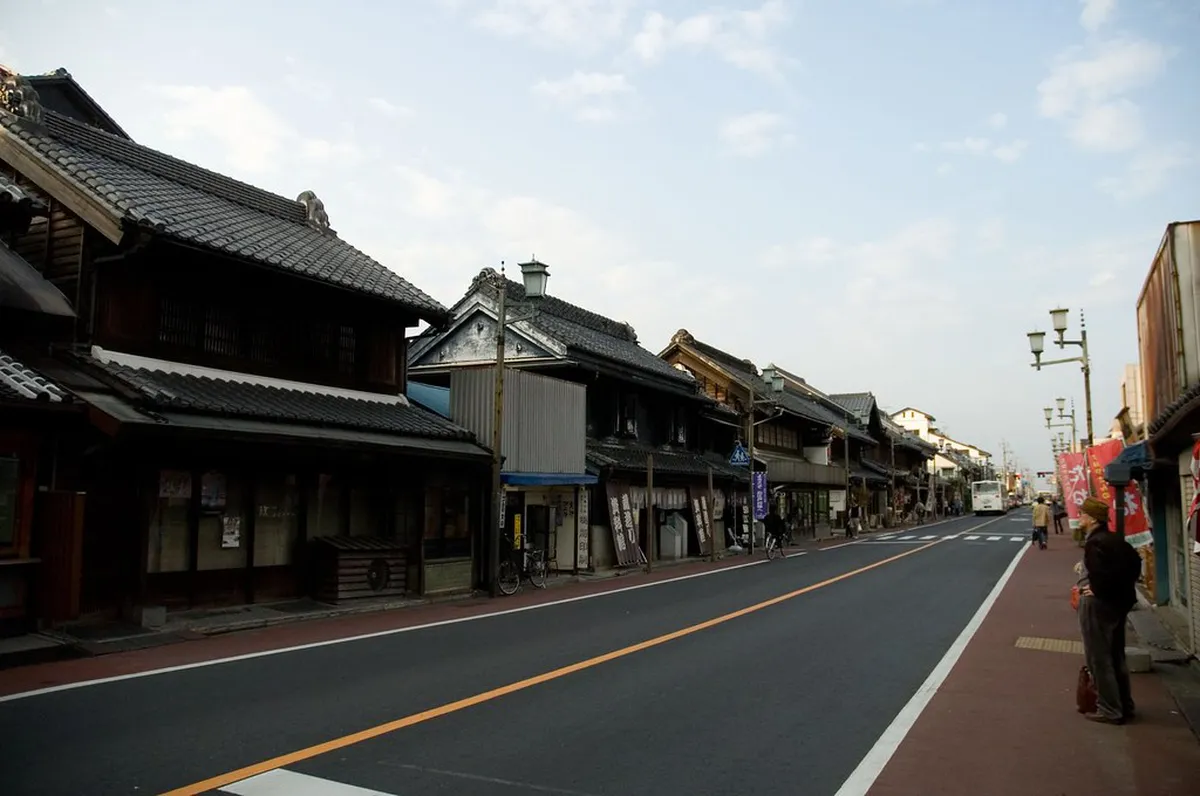
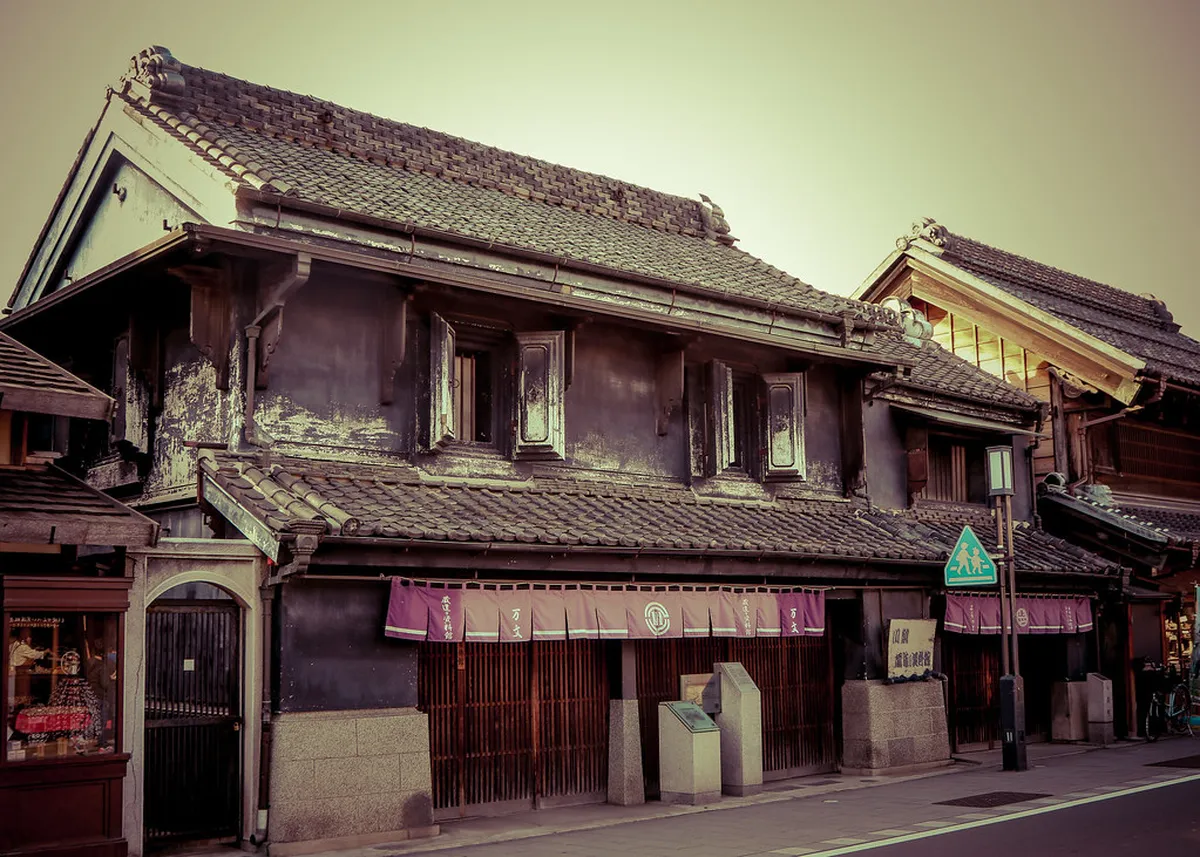
Kawagoe's Kurazukuri Warehouse Street is one of the best-preserved Edo-period streetscapes in Japan — and it sits just 30 minutes from central Tokyo. This historic district in Saitama Prefecture lines a single main road north of the train stations with clay-walled merchant warehouses that have stood since the late 1800s. Many travelers visit on a Kawagoe Day Trip From Tokyo Travel Guide to experience the atmosphere of old Japan without flying to Kyoto. The street is compact enough to walk in a few hours, but dense enough in food, history, and craft shops to fill a full day.
The History of the Kurazukuri Warehouse District
Kawagoe earned its "Little Edo" nickname because of its historic role as a supply city for Edo — the city now called Tokyo. During the Edo period (1603–1868), Kawagoe was one of the major trading hubs feeding the shogunate capital, and the Tokugawa government stationed trusted officials there to oversee commerce along the Shingashi River route. The city grew wealthy, and its merchant families built accordingly.
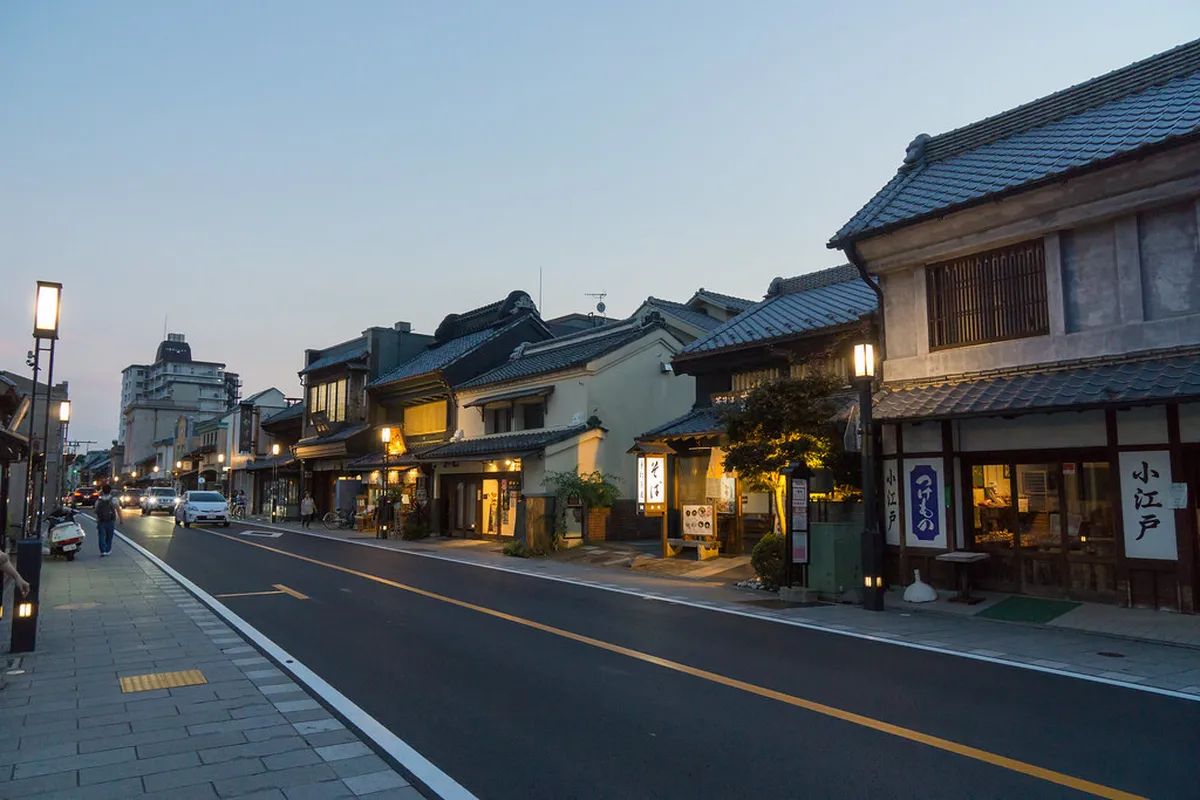
The term Kurazukuri describes a warehouse construction method using layered, fire-resistant clay walls instead of the wooden framing common to most Japanese buildings. When the Great Fire of Kawagoe swept through the city in 1893 and destroyed large parts of the merchant quarter, the few kurazukuri buildings that survived intact stood as proof of the method. Within a decade, the wealthiest merchants rebuilt in the same style — investing far more per building than a wooden shop would cost, precisely because they could afford to and wanted everyone to know it.
The black finish on the outer walls serves two purposes that most visitors never hear about. Polished black-clay plaster (nuri-kabe) was the most expensive facing a Meiji-era merchant could apply, so rows of glossy black facades were a visible statement of wealth. It also provides slightly better heat absorption — keeping the clay damp longer in a fire — though the main fireproofing comes from the sheer wall thickness, which reaches 30 cm or more on the best examples. A secondary bonus emerged during World War II: the dark surfaces broke up building outlines at night, making the district harder to target in air raids, and the area largely survived intact while much of central Japan was rebuilt from rubble.
The architecture reflects the deep influence of the Edo period on local design, and today the district is formally protected as a nationally designated historic preservation zone.
How to Get to Kawagoe from Tokyo
Three train lines connect Kawagoe to central Tokyo, and the right choice depends on where you are staying. The Tobu Tojo Line from Ikebukuro Station is the fastest option: a rapid express takes just 30 minutes and drops you at Kawagoeshi Station, about a 10-minute walk north to the warehouse district. The ticket costs around ¥480 one way. This is the default choice for most visitors staying in northern or central Tokyo.
Travelers starting from Shinjuku can take the Seibu Shinjuku Line to Hon-Kawagoe Station, which lands you slightly closer to the warehouse street — roughly 7 minutes on foot — but the journey takes around 45 minutes and requires more navigation of the Seibu network. The JR Kawagoe Line from Shinjuku or Omiya also terminates at Kawagoe Station and is useful if you hold a JR Pass, though journey times run 50–60 minutes depending on transfers.
One practical note that catches first-time visitors: Kawagoe Station (Tobu/JR) and Hon-Kawagoe Station (Seibu) are separate buildings about 500 m apart. Both are a manageable walk from the district, but plan your return route before you head out — navigation apps sometimes route you back to a different station than the one you arrived at.
Most shops and 12 Essential Tips and Things To Do In Kawagoe begin closing around 17:00. Arriving at the district by 10:00 gives you a full seven hours and keeps you ahead of the tour-bus crowds that typically peak between 12:00 and 14:00.
Must-See Landmarks: Toki no Kane and Beyond
The Toki no Kane bell tower stands at the heart of the historic district and is the most photographed symbol of Kawagoe. The original structure was built in the early 1600s to help merchants and residents track the time. It burned down during the Great Fire of 1893 and was rebuilt within a year in the same wooden style — the current tower dates to 1894 and stands about 16 metres tall. The bell rings four times daily at 06:00, 12:00, 15:00, and 18:00; if you time your arrival, hearing it echo across the clay-roofed street is genuinely atmospheric.
A short distance south along the main street is the Kurazukuri no Machinami Museum, built inside a former tobacco warehouse. This is the single best stop for understanding what you are actually looking at on the street. Cross-section displays show the internal layering of the clay walls — the structural timber frame, successive clay coats, and the final lacquered plaster finish — that allowed these buildings to survive fires that destroyed their wooden neighbours. Admission is ¥500 for adults and ¥200 for children; it opens at 09:00 and closes at 17:00, with the last entry at 16:30. It is closed on Mondays and the day after a public holiday. Budget 30–40 minutes inside.
The Kawagoe Festival Museum is a larger venue further along the same street, housing the enormous decorated floats (dashi) used in the autumn parade. Admission is ¥300 for adults and ¥100 for children. If you cannot visit in October, this is the most efficient way to understand the scale of the festival before you explore the rest of the district.
Sampling Local Street Food and Sweet Potato Treats
Exploring 11 Essential Kawagoe Street Food Stops and Tips is a highlight for most visitors. Kawagoe's association with sweet potatoes (satsumaimo) dates to the Edo period, when the sandy Saitama soil proved ideal for the crop and the city supplied them to the capital. That heritage now shows up in every possible snack format along the main street.
The most popular item is sweet potato soft-serve ice cream, typically purple or orange depending on the variety used. You will also find osatsu chips (thin-sliced, deep-fried sweet potato crisps), baked whole potatoes wrapped in paper, sweet potato beer sold from a few specialist shops, and imo-koi — steamed sweet potato dumplings with a slightly sticky exterior. Most vendors post prices in Japanese and English; expect ¥300–¥600 for most individual items.
Beyond sweet potatoes, the main street also has dango stalls (sticky rice balls on skewers with soy caramel or miso glaze), hand-rolled rice crackers made in view, and several traditional noodle shops occupying the warehouse interiors. A few foreign-style cafés now sit alongside the older vendors if you need a coffee break mid-morning.
Exploring Kashiya Yokocho (Candy Alley)
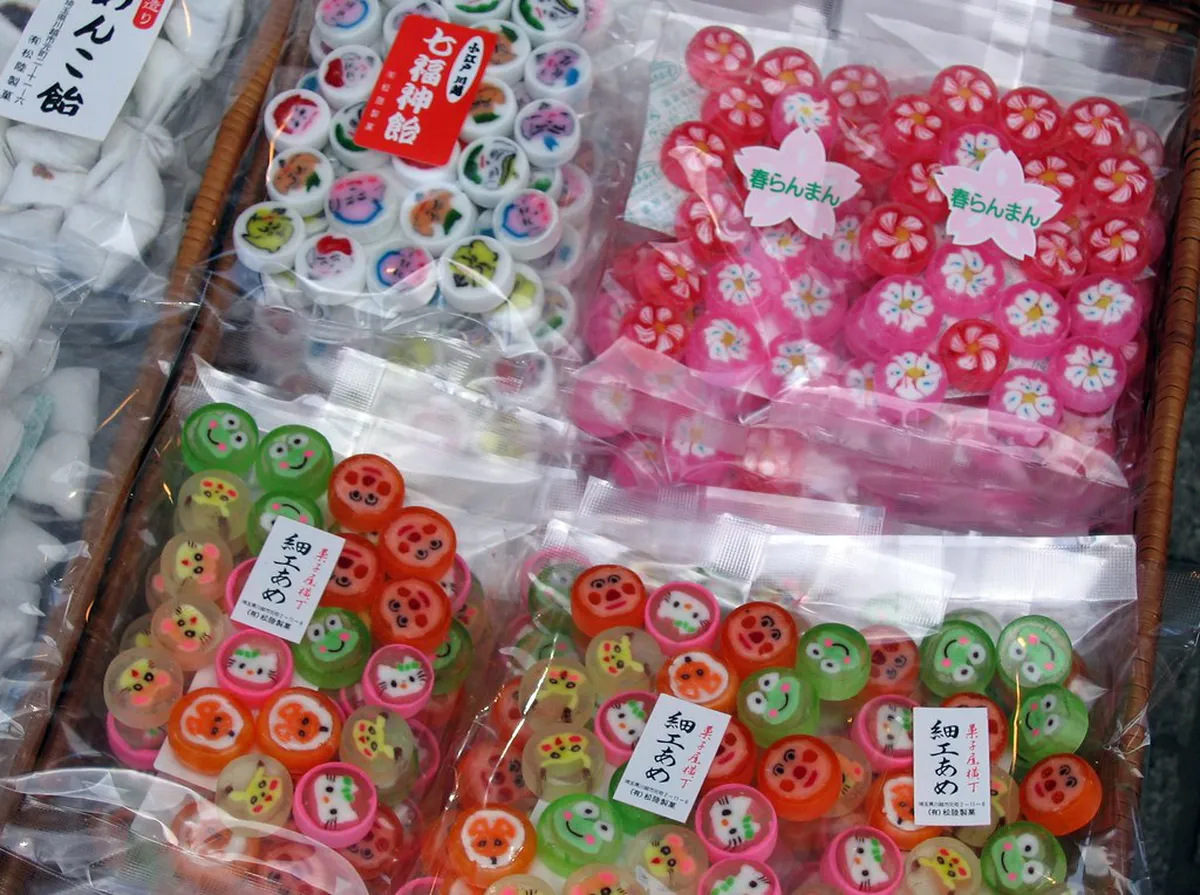
At the far northern end of the Kurazukuri street, a narrow lane branches off into Kashiya Yokocho — the alleyway locals call Candy Alley or Penny Candy Lane. The lane began selling sweets in the early Meiji period, when a confectioner named Suzuki Tozaemon first started making candy near the Yoju-in temple. After the Great Kanto Earthquake of 1923 devastated Tokyo, the demand for affordable sweets surged as families looked for small comforts, and Kashiya Yokocho briefly housed over 70 candy shops in a space barely 100 metres long.
Today the number has settled to around 20 shops, but the atmosphere is genuinely old Japan. The Ministry of the Environment chose the scent of the alley — caramelised sugar, cinnamon, and dried rice crackers — as one of Japan's "100 Scent Sceneries." Most items are sold loose by weight or in small paper bags for ¥100–¥500. Look for fugashi (puffed wheat candy soaked in brown sugar syrup), hard fruit-flavoured candies in hand-painted tins, and mochi-based sweets that vendors only make in small batches each morning.
Kashiya Yokocho is busiest between 11:00 and 14:00. If you want the unhurried version, visit first thing when you arrive — around 10:00 — before the tour groups reach this end of the street.
Timing Your Visit for Kawagoe Festivals
Kawagoe runs three main festivals through the year, all centred on the Kurazukuri district. The Kawagoe Spring Festival takes place in May and features costumed processions and street performances. The Million Lights Festival (Hyakumangoku Lantern Festival) fills summer evenings with lit paper lanterns hung across the main street. The Kawagoe Festival in mid-October is the biggest: massive two-storey dashi floats — some weighing several tonnes — are pulled through the narrow streets by teams of residents in Edo-period dress, accompanied by hayashi flute and drum music.
The October festival dates vary slightly each year (it falls on the third Saturday and Sunday of October in 2026). During the festival, the main street is closed to vehicles and pedestrian density becomes extreme by mid-afternoon. If you want to watch the float processions without being squeezed, arrive by 09:00 and claim a spot near the Toki no Kane intersection, where multiple floats converge and the musical competitions (hikkawase) spontaneously break out.
Outside festival season, the Kawagoe Festival Museum at 2-1-10 Motomachi provides the best substitute. The building houses several original dashi in full display, and video screens recreate the street atmosphere during the parade. It is open 09:30–17:00 daily except Mondays, with adult admission at ¥300.
Nearby Attractions: Hikawa Shrine and Kita-in Temple
The Kawagoe Hikawa Shrine Wind Chime Festival: 2026 Visitor Guide sits about 15 minutes on foot northeast of the warehouse district. It is dedicated to the deity of marriage and has been an active worship site for over 1,500 years. The entrance is marked by a 15-metre-tall wooden torii gate — one of the tallest in the Kanto region. Inside, the shrine is well known for its seasonal wind chime displays (furin kazari) in summer and for its en-musubi fortune-telling, where visitors fish small wooden slips from a trough of water to receive relationship predictions. Check the Kawagoe Hikawa Shrine location before you set out, as it is easy to miss on a first visit.
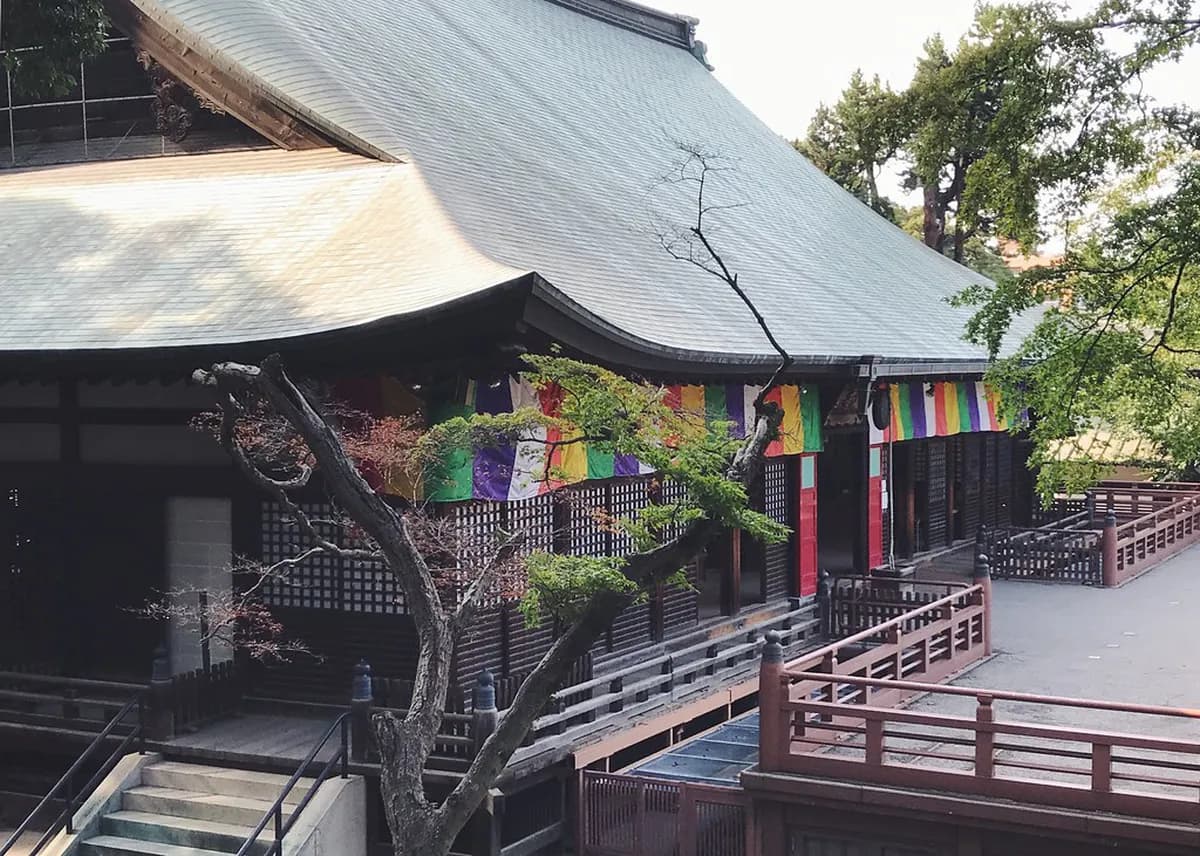
Kita-in Temple is a 10-minute walk southwest of the main warehouse street and is one of the most historically significant sites in the entire city. After the temple burned down in the early Edo period, the third Tokugawa shogun Iemitsu had a section of Edo Castle physically dismantled and transported to Kawagoe to rebuild it — making Kita-in home to the only surviving rooms of Edo Castle anywhere in Japan. The temple grounds also contain 540 stone rakan statues (disciples of the Buddha), each carved with a different expression; local folklore holds that if you visit at night and touch one, it will feel warm.
Both sites are free to enter at the grounds level; Kita-in charges ¥400 to enter the castle rooms and the rakan garden. Combining Hikawa Shrine, Kita-in, the warehouse district, and Kashiya Yokocho in a single day is a standard and satisfying full-day route.
Practical Visitor Information (Hours and Fees)
The Kurazukuri district does not charge an entry fee — the main street itself is public. Individual shops, museums, and shrines have their own hours and prices. Most retail shops open between 10:00 and 10:30 and close at 17:00. Temples and shrine grounds typically open earlier (around 09:00) but some inner sanctuaries close at 16:30. The Kurazukuri no Machinami Museum is open 09:00–17:00 (closed Mondays, ¥500 adults). The Kawagoe Festival Museum is open 09:30–17:00 (closed Mondays, ¥300 adults).
The district address for navigation purposes is 7-9 Saiwaicho, Kawagoe, Saitama 350-0063. There are coin lockers at both Kawagoe Station and Hon-Kawagoe Station — leave large bags there before walking up, since the narrow streets and market stalls make backpacks awkward. Most shops are cash-preferred though an increasing number now accept IC cards and major credit cards in 2026.
Weekends between late September and late November are the busiest period, with domestic tourists from Tokyo and Saitama filling the street from mid-morning. If you visit on a weekday, the district feels considerably quieter and several shops will be more willing to let you ask questions about the architecture or confectionery. The short walk from either station means a rainy-day visit is still worthwhile — the dark clay facades and the covered sections of Kashiya Yokocho look particularly atmospheric in wet weather.
Frequently Asked Questions
What is special about Kawagoe?
Kawagoe is special because it preserves the architectural style of the Edo period better than most cities. Known as Little Edo, it features unique clay-walled warehouses and a historic bell tower. It offers a perfect cultural escape for those following a Kawagoe Itinerary: The Ultimate 1-Day Guide to Little Edo from Tokyo.
What is the meaning of Kurazukuri?
Kurazukuri refers to a traditional Japanese architectural style using thick clay walls for fireproofing. These structures were built by wealthy merchants to protect their goods from urban fires. The heavy black plaster finish became a symbol of status and prosperity during the Meiji era.
What time do shops in Kawagoe open?
Most shops in the Kurazukuri district open between 10:00 AM and 10:30 AM daily. While some cafes might open earlier, the main retail stores follow these standard hours. Visitors should arrive early to enjoy the streets before the afternoon tour groups arrive.
Where is Kawagoe located?
Kawagoe is located in Saitama Prefecture, just north of the Tokyo metropolitan area. It is easily accessible within 30 to 60 minutes by train from major hubs like Shinjuku and Ikebukuro. This proximity makes it one of the most popular day trip destinations for travelers.
The Kawagoe Kurazukuri Warehouse Street offers a compact but rich encounter with Edo-period merchant culture — real surviving architecture, active festivals, and food traditions that predate modern tourism. The combination of the Toki no Kane bell, the Kurazukuri Museum's construction displays, Kashiya Yokocho, and Kita-in Temple makes for a genuinely full day without feeling rushed. Arrive before 10:00, visit the Museum early when it is quiet, and work your way south toward the sweet potato vendors as the street wakes up.
For tickets, hours, and visitor details, see our Kurazukuri warehouse district visitor guide.
Free guide: Japan's Hidden Gems
12 under-the-radar places beyond Tokyo & Kyoto — with the best season to visit each and a local tip you won't find in the guidebooks.
You might also like


Continue reading
More guides you'll find useful