Kawagoe Hikawa Shrine Wind Chime Festival: 2026 Visitor Guide
Plan your visit to the 2026 Kawagoe Hikawa Shrine Wind Chime Festival. Includes 2026 dates, illumination times, new photography rules, and travel tips from Tokyo.
On this page
Last updated June 2026. The Kawagoe Hikawa Shrine Enmusubi Wind Chime Festival runs from Saturday 27 June to Sunday 6 September 2026. Shrine gates open at 9:00 and close at 20:00 daily. This is the most precise schedule confirmed so far for the 2026 season.
The festival celebrates the Japanese summer tradition of cooling the soul through sound. Around 1,500 colorful handmade glass wind chimes hang across the shrine grounds this year. Visitors often combine this visit with a broader Kawagoe Day Trip From Tokyo Travel Guide. The event has been running since 2014 and draws well over 100,000 visitors across its three-month run.
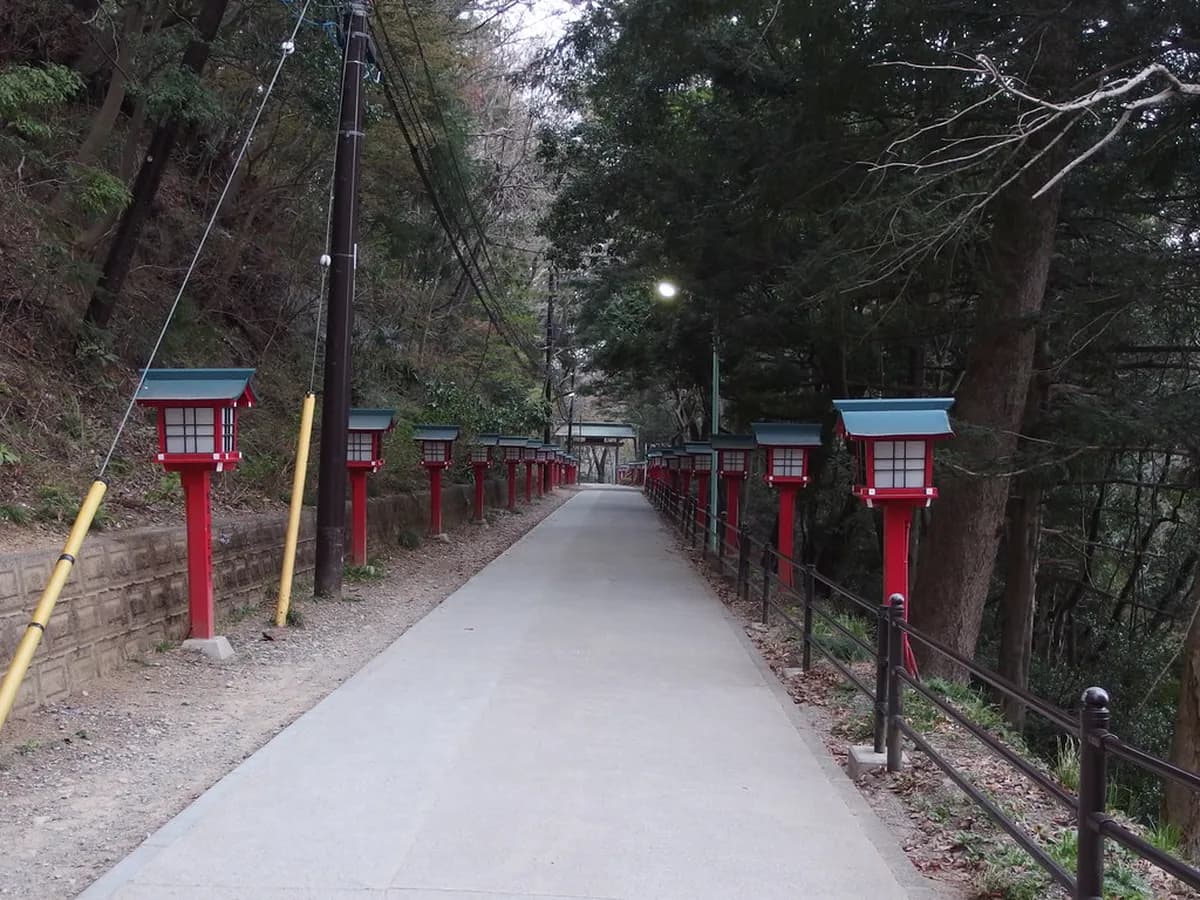
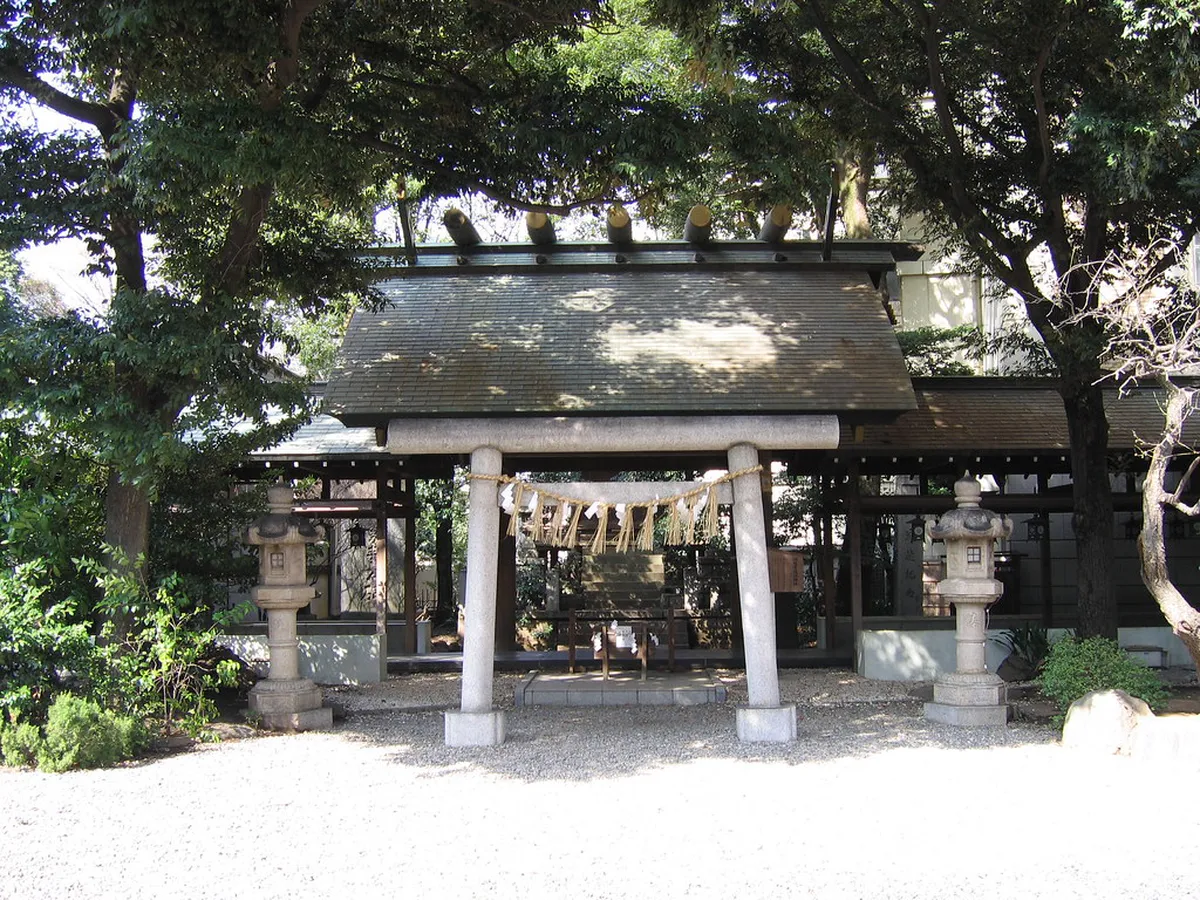
Kawagoe Hikawa Shrine has stood for over 1,500 years and is dedicated to five deities associated with family harmony and love matches. The festival, known locally as the Enmusubi Furin, layers a spectacular summer light display on top of these deep Shinto traditions. This guide covers the 2026 schedule, evening illuminations, shrine rituals, new photography rules, and how to reach the shrine from Tokyo.
What is the Kawagoe Hikawa Shrine Wind Chime Festival?
The festival grew from 888 wind chimes at its 2014 debut — 888 being considered an auspicious "angel number" in Japan — to a peak of 2,000 chimes in later years. For 2026 the display stands at approximately 1,500 chimes in total. All of them are handmade by artisans and donated to the shrine.
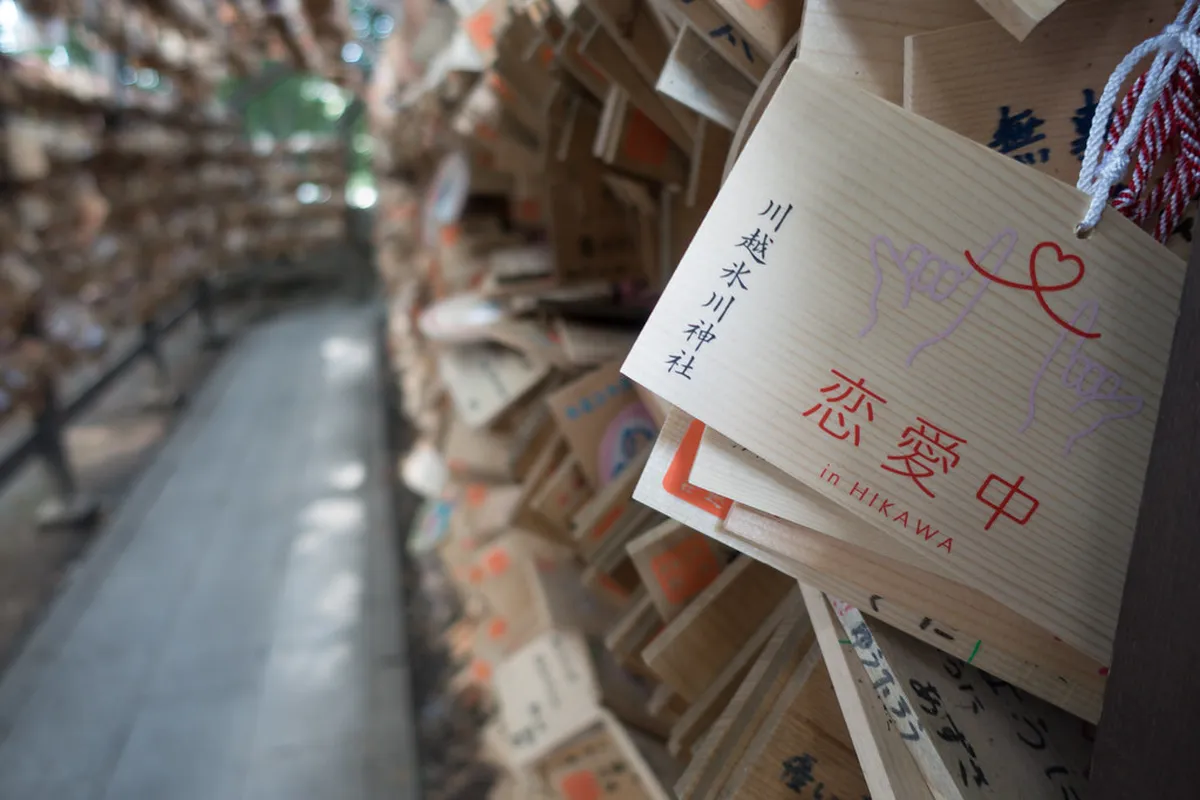
The shrine is famous as a power spot for love and marriage. Enmusubi means "marriage ties," and visitors come specifically to pray for a good match or to strengthen an existing relationship. The Wind Chime Corridor and the glistening river were added over the years to deepen the romantic atmosphere. Since 2019, small glowing koi akari "love light balls" have also been available as amulets.
The visual appeal of the event is strongest in the evening. Soft LEDs illuminate the delicate glass spheres as dusk falls, creating a tunnel of light and gentle sound. The night atmosphere draws a different crowd from the daytime visitors, and the wait for a clear photo of the illuminated river requires patience. Many visitors choose to wear a yukata for the occasion — Kawagoe's rental options are covered below. You can also read about other 12 Essential Tips and Things To Do In Kawagoe to plan a full day.
2026 Festival Schedule and Evening Illuminations
The 2026 Enmusubi Wind Chime Festival runs from Saturday 27 June to Sunday 6 September 2026. The shrine grounds are open 9:00–20:00 every day. Note that closing time has been 20:00 since the pandemic; older guides that state 21:00 are out of date. Wind chimes are occasionally taken down early when a typhoon warning is issued, so check local news during August.
The River of Light illumination switches on at 18:30 each evening and runs until closing at 20:00. Wind chimes themselves are lit from dusk. Crowds peak between 18:30 and 19:30, so arriving by 17:30 gives you time to walk the Wind Chime Corridor before the evening rush.
One practical detail that many visitors miss: tanzaku wish-strip sales stop at 19:00 on weekdays and at 19:30 on weekends and public holidays. If buying a wish strip is on your list, plan accordingly. The shrine also hosts its own Tanabata festival on 7 August, which is spectacular but noticeably more congested than a normal summer evening.
| What | When |
|---|---|
| Gates open / close | 9:00 / 20:00 daily |
| River of Light illumination | From 18:30 each evening |
| Wind chimes lit at dusk | Approx. 18:00–18:30 (seasonal) |
| Tanzaku on sale (weekdays) | Until 19:00 |
| Tanzaku on sale (weekends / holidays) | Until 19:30 |
| Festival run 2026 | 27 June – 6 September |
Key Highlights: Wind Chime Corridor and the River of Light
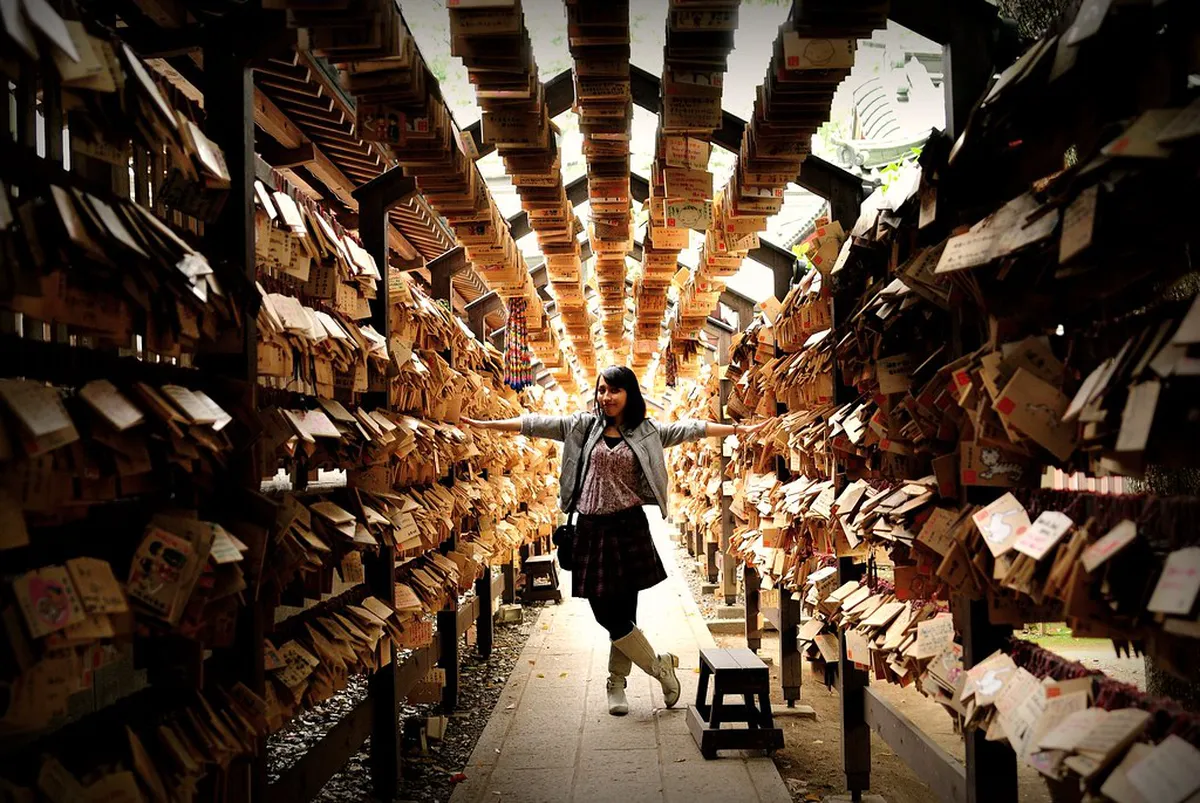
The Wind Chime Corridor — Furin Kairo — is the visual centerpiece of the festival. Hundreds of glass spheres hang from overhead frames along the main path through the shrine. Walking through it on a breezy day produces a layered, resonant sound that is unlike anything in a typical temple visit. The corridor connects into a wider courtyard where bamboo and pinwheel displays have been added in recent years.
The River of Light (Hikaru Kawa) is a separate attraction that uses projection mapping and dry ice to make the small stream through the grounds glow like the Milky Way. The symbolism is deliberate: the shrine itself was said to have been discovered by following a luminous river, and the Milky Way connects directly to the Tanabata star-festival story of two lovers separated by the celestial river. The River of Light typically opens a week or so after the wind chimes, and the exact 2026 start date has not been confirmed at time of writing.
The two attractions have different characters at night. The wind chime corridor is soft and ambient. The river draws a crowd that queues for photographs, so it requires more patience. Arriving on a weekday and splitting your time — corridor first, then river at 18:30 — is the most efficient approach. Lucky cloud mist machines also appear at various points in the grounds, providing welcome cooling during the peak heat of July and August.
Shrine Rituals: Writing Wishes and Purification
Tanzaku are small wooden or paper strips on which visitors write personal wishes and attach them to wind chimes throughout the Furin Kairo. The act connects to the Tanabata tradition of hanging wishes on bamboo, but here it is overlaid with the shrine's Enmusubi power. Most wishes relate to love and marriage, though any sincere prayer is appropriate at a Shinto shrine.
A second ritual, Hitogata Nagashi, involves a small paper doll that you float down the glistening river. The river bears the shinto shide and shimenawa marks indicating that a deity is believed to dwell in the water. Sending the paper doll downstream is a purification ceremony — the doll absorbs misfortune and carries it away. Paper dolls are available to purchase from shrine staff and can be used by day or at night during the illumination period.
One cultural detail worth knowing: when making an offering at the main prayer box, a five-yen coin (go-en) is considered the luckiest denomination because go-en is a homophone for the Japanese word meaning "connection" or "fate." At a shrine dedicated to Enmusubi, placing a five-yen coin before your prayer carries specific meaning. It is a small gesture, but one that resonates with the shrine's entire purpose and distinguishes a respectful visitor from a purely sightseeing one.
New Rules: Photography Restrictions and Etiquette
Following several safety incidents in 2024, Kawagoe Hikawa Shrine now prohibits tripods, step ladders, and professional camera rigs throughout the festival grounds. This is a firm rule for 2026. Shrine staff patrol the Wind Chime Corridor and will ask anyone using prohibited equipment to move on. Smartphone and handheld camera photography for personal use remains welcome.
Flash photography is discouraged during the evening illuminations — the effect of the River of Light depends on low ambient light and flash destroys the mood for everyone around you. Avoid standing stationary in the center of the corridor for extended periods when other visitors are waiting to pass. Do not touch the wind chimes or the tanzaku wish strips attached to them; the glass is handmade and fragile.
The broader etiquette point is that this is an active place of worship. Visitors praying or making offerings at the main hall deserve quiet and space. Loud group conversations in front of the prayer hall are considered disrespectful. A measured pace and a respectful posture go a long way, especially during the busy weekend evenings.
How to Get to Kawagoe Hikawa Shrine from Tokyo
Two train lines connect Tokyo directly to Kawagoe. The fastest option is the Tobu Tojo Line from Ikebukuro to Kawagoe Station, which takes approximately 29 minutes on a TJ Liner express. The Seibu Shinjuku Line from Seibu-Shinjuku Station connects to Hon-Kawagoe Station in approximately 45 minutes. Both stations are roughly 1.5–1.8 km from the shrine, a walk of 25–35 minutes on foot.
| Route | From | To | Time | Notes |
|---|---|---|---|---|
| Tobu Tojo Line | Ikebukuro | Kawagoe | ~29 min | Faster; express services run frequently |
| Seibu Shinjuku Line | Seibu-Shinjuku | Hon-Kawagoe | ~45 min | Convenient if starting from Shinjuku area |
From either station you can walk to the shrine via the tourist route through the historic Kurazukuri warehouse district. The walk takes 25–35 minutes and passes through the main Little Edo streetscape, making it a natural part of the day rather than a detour. A tourist bus (Koedo Loop Bus) also runs from both stations and stops near the shrine entrance.
There is no longer a parking lot at the shrine itself. The former dai-ni car park still exists nearby but is now privately run at ¥100 per 30 minutes. Driving is strongly discouraged on weekends during the festival period. Trains are faster, cheaper, and sidestep the parking problem entirely.
Beyond the Shrine: Exploring Kawagoe's Little Edo
Kawagoe earned the nickname "Little Edo" because its clay-walled kurazukuri storehouses survived the fires that reshaped most Edo-period towns. The main historic street, Ichibangai, runs roughly south from the Toki no Kane bell tower toward the station area. Walking it in yukata is one of the iconic summer images of Saitama Prefecture.
A logical walking route from Hon-Kawagoe Station takes you north along the shopping arcade, turns right onto Ichibangai for the storehouses and bell tower, continues past Kashiya Yokocho (Penny Candy Alley) for seasonal sweets, and arrives at the shrine in under 35 minutes. This route covers the historical core without backtracking. On the return leg you can cut south through the Renjakucho shopping street for lunch or a kakigori shaved ice.
Yukata and kimono rental is available from several shops close to Hon-Kawagoe Station and along the historic district. Rental typically costs ¥3,000–¥5,000 for a yukata with accessories for the day. Shops open from around 9:00 and most require return by 17:00–18:00, so book in advance during July and August weekends. Wearing yukata to the shrine is culturally appropriate and ties directly into the Enmusubi atmosphere. Check the Kawagoe Kimono Rental: 1-Day Little Edo Itinerary guide for current shops and prices.
Crowd Timing and Practical Logistics
Weekday mornings between 9:00 and 12:00 are the quietest window by a significant margin. Weekend evenings from 18:00 onward are the busiest — the River of Light draws large queues and the narrow Wind Chime Corridor becomes crowded. If your priority is photography without strangers in frame, aim for a Tuesday or Wednesday morning in early July before the school holiday peak.
The Saitama basin traps heat in summer. Afternoon temperatures regularly hit 35°C / 95°F with high humidity. Arriving before 11:00 and retreating to air-conditioned cafes between 13:00 and 16:00 is a sensible structure for a full day. Returning for the evening illumination at 18:30 gives you the best of both the daytime chimes and the night river without suffering peak afternoon heat.
Entrance to the shrine grounds is free. Tanzaku wish strips, paper dolls for Hitogata Nagashi, charms, and the glowing koi akari love balls all cost extra but no specific prices are fixed — amounts vary by year. Budget travelers should note that the five-yen donation at the prayer box is the only financially necessary ritual. An Kawagoe Itinerary: The Ultimate 1-Day Guide to Little Edo guide can help structure the full day including food stops and other nearby attractions.
Frequently Asked Questions
When is the best time to visit the wind chime festival?
The best time is late July to mid-August for the peak atmosphere. Visit on a weekday morning to avoid the largest crowds. Evening illuminations are best viewed between 6:30 PM and 8:00 PM.
Is there an entrance fee for the Hikawa Shrine festival?
Entrance to the Kawagoe Hikawa Shrine is free for all visitors. You may choose to pay for wooden wish strips or charms. Small donations are also welcome at the main prayer hall.
Can I use a tripod for photos at the shrine?
No, tripods and step ladders are strictly prohibited for the 2026 festival. This rule ensures visitor safety and prevents path blockages. Handheld photography with smartphones or small cameras is still allowed.
The Kawagoe Hikawa Shrine Wind Chime Festival is a magical summer experience. It combines ancient spiritual traditions with beautiful modern lighting and sound. By following the new 2026 rules, you can enjoy a safe visit. This event remains a highlight of any summer trip to the Tokyo area.
Remember to stay hydrated and respect the local shrine etiquette while visiting. The memories of the ringing chimes will stay with you long after. Plan your 2026 journey to Kawagoe today to witness this unique celebration.
For tickets, hours, and visitor details, see our Hikawa Shrine visitor guide.
Free guide: Japan's Hidden Gems
12 under-the-radar places beyond Tokyo & Kyoto — with the best season to visit each and a local tip you won't find in the guidebooks.
You might also like


Continue reading
More guides you'll find useful