

Kawagoe Kimono Rental: 1-Day Little Edo Itinerary
Plan your kawagoe kimono rental with our 1-day itinerary. Discover top shops, pricing, and photo spots in Little Edo for a smooth and memorable Japan trip.
On this page
Updated June 2026. Kawagoe's Kurazukuri warehouse district is one of the few places near Tokyo where wearing a kimono feels genuinely appropriate rather than touristy. The clay-walled storehouses, the chime of Toki no Kane, and the cobblestone lane of Kashiya Yokocho were all built at a scale suited to a slow, on-foot visit — exactly how kimono walking works. This guide covers where to rent, what plans cost, which photo spots to prioritise, and how to time your day around the return deadline.
Most visitors arrive from Tokyo via the Seibu-Shinjuku or Tobu-Tojo lines. The journey takes roughly 30 to 50 minutes depending on your starting point. Hon-Kawagoe Station on the Seibu line puts you closest to the main rental shops, roughly 2 minutes on foot. Kawagoe Station (JR/Tobu) is larger but adds 10 to 15 minutes of walking to the historical centre. Buses run from both stations to the warehouse district in under 10 minutes if you prefer not to walk.
Follow our Kawagoe Itinerary: The Ultimate 1-Day Guide to Little Edo if you want a full day-by-day framework, or read on here for the kimono-specific rental logistics.
Kimono Rental Rikawafuku at the Kawagoe Store
Rikawafuku (also romanised as Lika Kimono) is the most prominent rental operator in Kawagoe and the one most likely to appear in search results and travel forums. The Kawagoe branch sits on the 7th floor of the Actree Kawagoe building at 1-3-5 Shin-Tomi-cho — a 2-minute walk from Hon-Kawagoe Station and about 7 minutes from the start of the Kurazukuri warehouse street. The shop stocks close to 300 garments, including lace kimono, antique kimono, and summer yukata, so pattern selection is rarely an issue even on busy weekends.
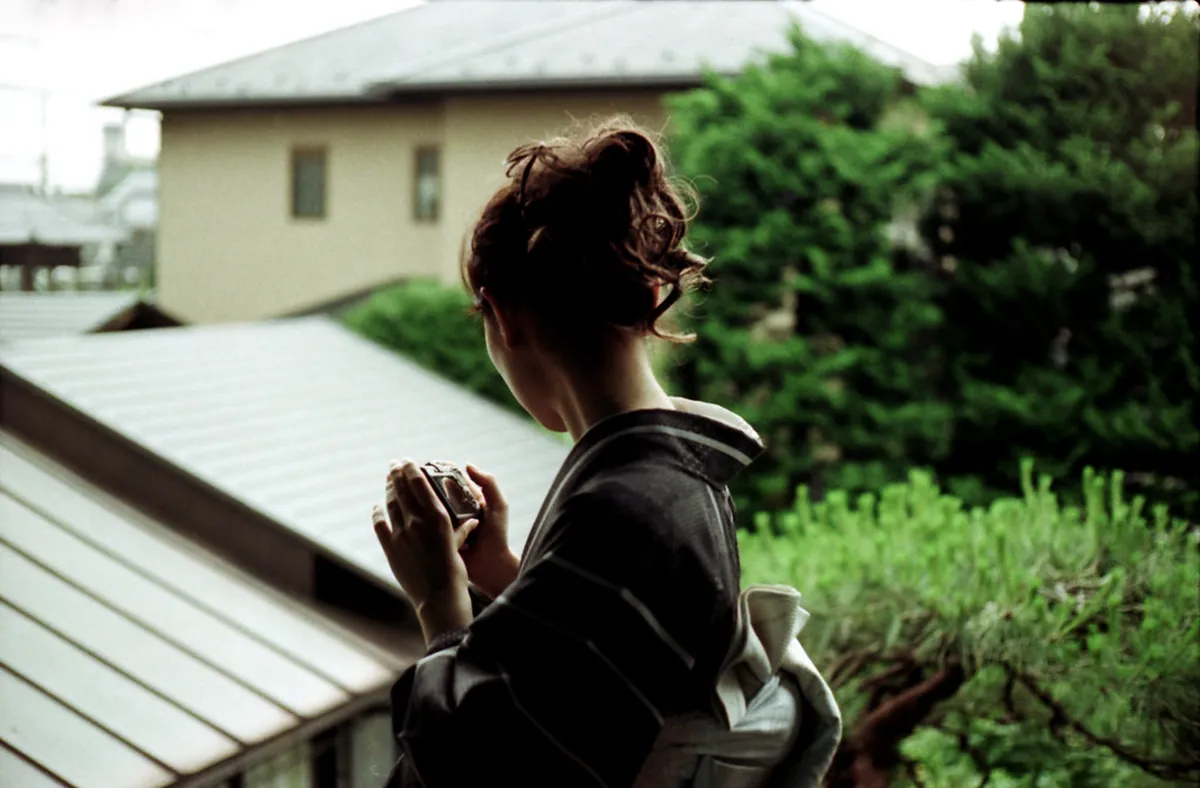
The store opens at 09:00 and last return is 17:30. All plans include women's hairstyling, which is a genuine differentiator compared with smaller local shops that charge separately for hair. Accessories — bags, fans, and hair ornaments — cost ¥500 per item on top of the base plan. A late return incurs a ¥1,000 per-hour penalty, so plan your sightseeing route around the 17:30 deadline from the start.
A second well-known option is Kimono Rental Nanako, located at Joy 7 Building 3F, 1 Chome-16-6 Shintomicho. Nanako is closer to the warehouse district itself and draws strong reviews for its vintage-style selections. Both shops accept walk-ins, but weekends in March–April and October fill up early. Reservations at least two weeks ahead are recommended for peak periods.
Plans and Pricing at the Kawagoe Store
Rikawafuku offers six core plans at the Kawagoe store. The Basic Plan (kimono or yukata without hair styling) starts at approximately ¥3,500. The Hair Set Plan, which includes professional styling, runs around ¥5,500. The Couple Plan bundles two rentals at a discount — typically ¥8,000 to ¥10,000 total — and is worth considering if both parties want hair styling, since the per-person saving is roughly ¥1,000. A Student Discount Plan is available with valid ID and comes in at a lower rate than the standard Hair Set tier.
Men's plans are available and cost slightly less than women's packages because they do not include hair styling by default. Hakama plans (the formal divided skirt often worn at graduation) are also offered with hair set service. Each garment is paired with an obi sash, bag, and sandals — the rental fee covers all of this unless you want specific premium accessories.
Budget roughly ¥4,000 to ¥6,000 per person for a complete outfit with hair, assuming you skip additional paid accessories. Premium silk kimono at the higher end can reach ¥8,000 to ¥10,000. Damage protection costs ¥300 to ¥500 extra and is worth adding if you plan to eat street food or visit during a rainy spring day.
Photo Spots and Walking Route in Kawagoe
After dressing, the logical first stop is the Kawagoe Kurazukuri Warehouse Street: 8 Things to Know. The district is a 12-minute walk from Rikawafuku, or about 7 minutes at a slow kimono pace with rest stops. The warehouses date from the Meiji and Taisho periods and are designated a National Important Traditional Building Preservation District — the heavy plastered facades give photos a depth that brick-and-tile streetscapes elsewhere in Japan rarely match.

The Toki no Kane bell tower stands at the northern end of the warehouse street. The bell rings at 06:00, 12:00, 15:00, and 18:00 — timing a photo or short video during one of those chimes adds a sensory layer that still images alone miss. The area in front of the tower gets crowded by 11:00 on weekends, so aim to arrive before 10:30.
From Toki no Kane, walk south 3 minutes to reach Kashiya Yokocho (Candy Alley). The cobblestone lane is roughly 100 metres long and lined with old-fashioned sweet shops selling sweet potato chips, peppermint candies, and soy-sauce grilled dumplings. The narrow lane and stone paving create natural framing for kimono photos without requiring any special setup. After snacking, continue 8 minutes further to Taisho Roman Yume-dori, a 200-metre street with Taisho-era shopfronts whose faded Western-Japanese architecture contrasts well with traditional garments. For the afternoon, the Kawagoe Hikawa Shrine Wind Chime Festival: 2026 Visitor Guide provides a quieter backdrop and cherry-blossom riverside views in spring.
How Crowded Is Kawagoe in Spring — and How to Plan Around It
Kawagoe draws over 5.5 million visitors per year, and spring is not actually the peak month by raw visitor count — October alone exceeds 1 million arrivals due to the Kawagoe Festival. That said, spring is the heaviest period specifically for kimono rental shops, because sakura season and graduation trips overlap between mid-March and late April. Rental slots at Rikawafuku and other popular shops fill completely on Saturdays and Sundays during this window, sometimes even on weekdays. Book at least three weeks ahead if you are travelling between March 13 and April 20.
Cherry blossoms at Kawagoe peak in late March to early April. The Shingashi River embankment, a short walk behind Hikawa Shrine, is the best local spot — the trees lean over the water and the reflections photograph well in early morning light. The main warehouse street itself does not have many cherry trees, so visitors who come purely for blossom photos should factor in the 15-minute walk to the river.
For those with schedule flexibility, Tuesday through Thursday visits in spring cut wait times significantly. Early morning dressing slots (09:00–09:30) also mean you reach the warehouse street before tour groups arrive from Tokyo, typically after 11:00. Late autumn — specifically the second and third weekends of October — is the other genuinely busy period, when the Kawagoe Festival brings portable shrine processions into the same streets you will be walking.
Walking in Traditional Sandals: The Detail Most Guides Skip
Kawagoe's main sightseeing loop — Rikawafuku to the warehouse street, Toki no Kane, Kashiya Yokocho, Taisho Roman Yume-dori, and back — covers roughly 5 to 7 kilometres on foot. Traditional geta (wooden sandals) or zori (flat sandals) are included with most rental plans, but they are not designed for long urban walks. First-time wearers commonly develop blisters on the thong strap after 2 to 3 kilometres, particularly in hot weather when feet swell.
There are two practical solutions. First, bring a pair of white tabi socks (split-toe cotton socks) from home — they cushion the strap and are acceptable with most kimono styles. Several convenience stores near Hon-Kawagoe Station stock them for around ¥300. Second, ask the rental shop for a sponge sandal pad when you check in. Rikawafuku and Nanako both keep these at the counter; most staff will offer them unprompted if you mention it is your first time in sandals. A third option, if discomfort becomes severe mid-day, is to carry a compact pair of flat shoes in your rental bag and switch when you reach a less-photographed section of the route.
The return time at Rikawafuku is 17:30. Walking pace in sandals is roughly 20 to 30 percent slower than in regular shoes. Build that into your schedule rather than treating it as a buffer — a full circuit of the main spots takes about 4.5 to 5.5 hours at kimono pace, meaning a 09:30 dressing slot gets you back comfortably with time to spare, while a 12:00 start is tight.
Getting to Kawagoe and Local Transport
Kawagoe is 30 to 50 minutes from central Tokyo depending on your departure point. The fastest connection is the Seibu-Shinjuku Line from Seibu-Shinjuku Station to Hon-Kawagoe Station (limited express, around 44 minutes). The Tobu-Tojo Line runs from Ikebukuro to Kawagoe Station in about 30 minutes; this is the more frequent service but leaves you a 10-minute bus or 20-minute walk from the historical centre. A Kawagoe Day Trip From Tokyo Travel Guide is straightforward on either line.
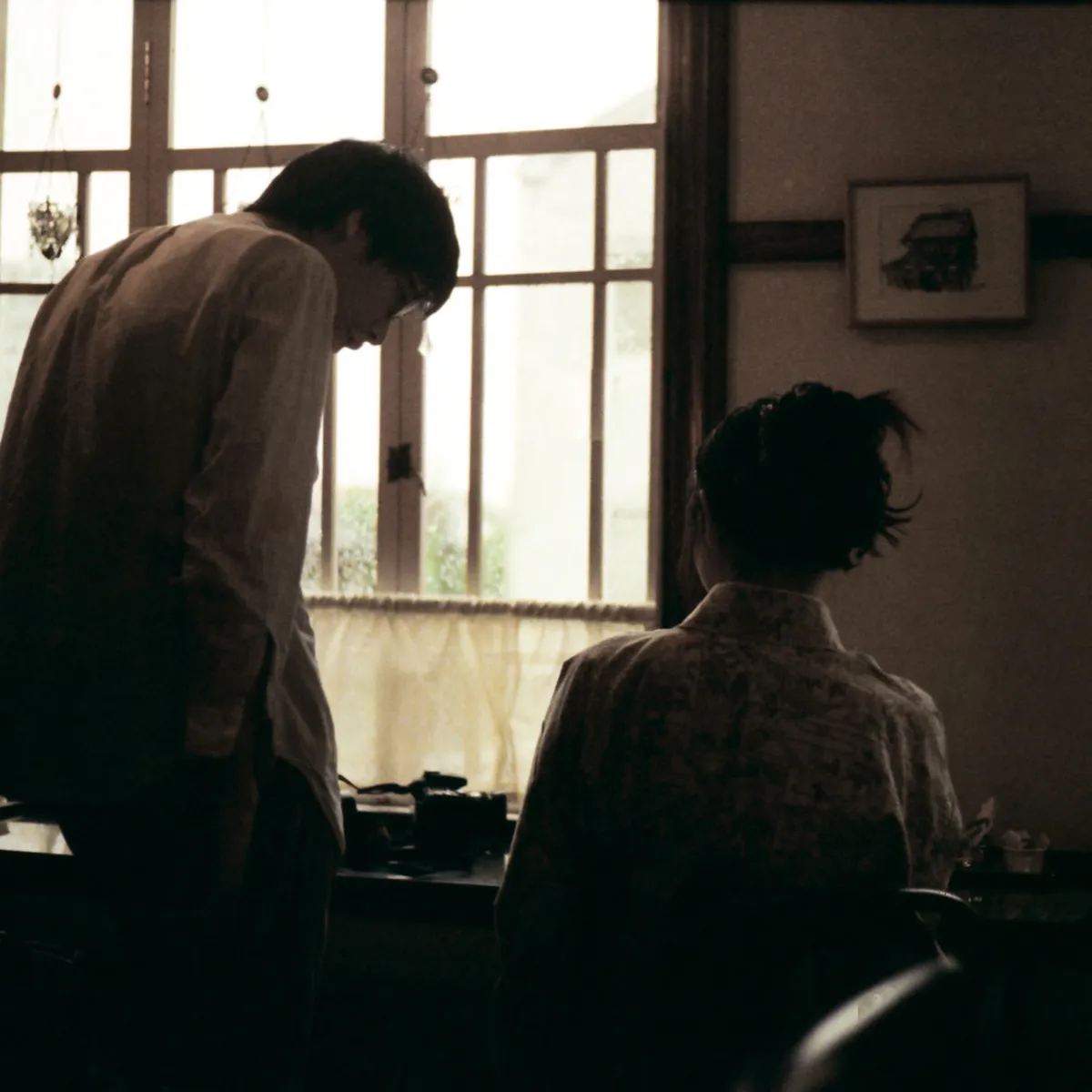
Within Kawagoe, the Kawagoe Loop Bus (¥200 per ride, ¥500 day pass) connects the main stations with the warehouse district, Hikawa Shrine, and Kita-in Temple. If you are walking the full route in a kimono, the bus is most useful for the final leg from Hikawa Shrine back to the rental shop before the 17:30 return deadline.
See our Kawagoe tourism attractions guide for the broader city overview.
Frequently Asked Questions
How much does a kawagoe kimono rental cost?
A basic rental plan typically costs between ¥3,000 and ¥5,000. This price usually includes the garment, belt, and basic accessories. We recommend adding hair styling for an extra ¥1,500.
How long does the kimono dressing process take?
The dressing process usually takes about 30 to 45 minutes per person. We suggest arriving 10 minutes early for your appointment. This allows time for selecting your preferred patterns and colors.
Is Kawagoe a good day trip from Tokyo?
Yes, Kawagoe is an excellent day trip choice from Tokyo. The train ride takes only 30 to 50 minutes from major stations. We recommend it for those interested in Japanese history and architecture.
A kawagoe kimono rental works best when the logistics are sorted before you arrive: a morning dressing slot, tabi socks in your bag, and a clear sense of the 17:30 return deadline. The Kurazukuri warehouses, Toki no Kane, and Kashiya Yokocho form a natural walking circuit that takes 4 to 5 hours at a comfortable pace, leaving time to explore Taisho Roman Yume-dori or reach Hikawa Shrine in the afternoon. Book ahead in spring and October, and the rest of the day takes care of itself.
For tickets, hours, and visitor details, see our Kurazukuri warehouse street.
Free: The Tokyo Essentials guide
Top things to do, where to stay, a perfect day plan, getting around, and the best time to go — a Tokyo mini-guide you can take offline.
You might also like


Continue reading
More guides you'll find useful


