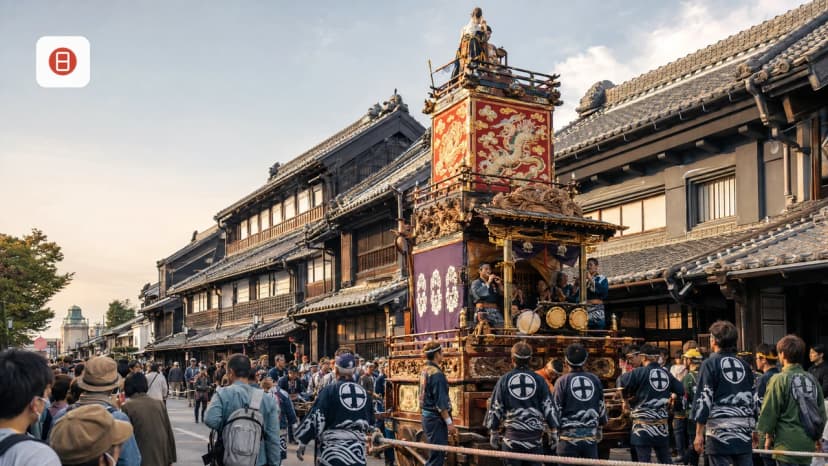
Kawagoe offers a charming escape into Japan's nostalgic past just a short train ride from central Tokyo. This city is famously known as Little Edo because it preserves the atmosphere of ancient Japan. One of its most beloved treasures is Kashiya Yokocho, also known as Penny Candy Alley. Welcome to our kashiya yokocho (penny candy alley) visitor guide for your next trip to Kawagoe.
Walking through this narrow stone path feels like stepping back into the Meiji era. You will find rows of traditional shops selling colorful sweets, handmade treats, rice crackers, toys, and small souvenirs. Many visitors enjoy the simple joy of buying small snacks with loose change. It is a compact, family-friendly stop for travelers seeking a unique cultural experience rather than a long standalone attraction.
Planning a visit to Kawagoe allows you to explore more than just the candy lane. The surrounding district features historic warehouses and beautiful temples from the Edo period. This guide explains what to buy, how to reach the alley, when to go, and which common mistakes to avoid in 2026. Get ready to discover the sweet side of Japanese history in this vibrant neighborhood.
The History of Penny Candy Alley (Kashiya Yokocho)
The history of Kashiya Yokocho dates back to the early Meiji period when the first shops opened. Suzuki Fujizaemon began making simple candies here, which eventually attracted dozens of other skilled craftsmen. By the early 1900s, the alley became a major hub for candy production in the Kanto region. It provided affordable treats to people across the country during difficult times.
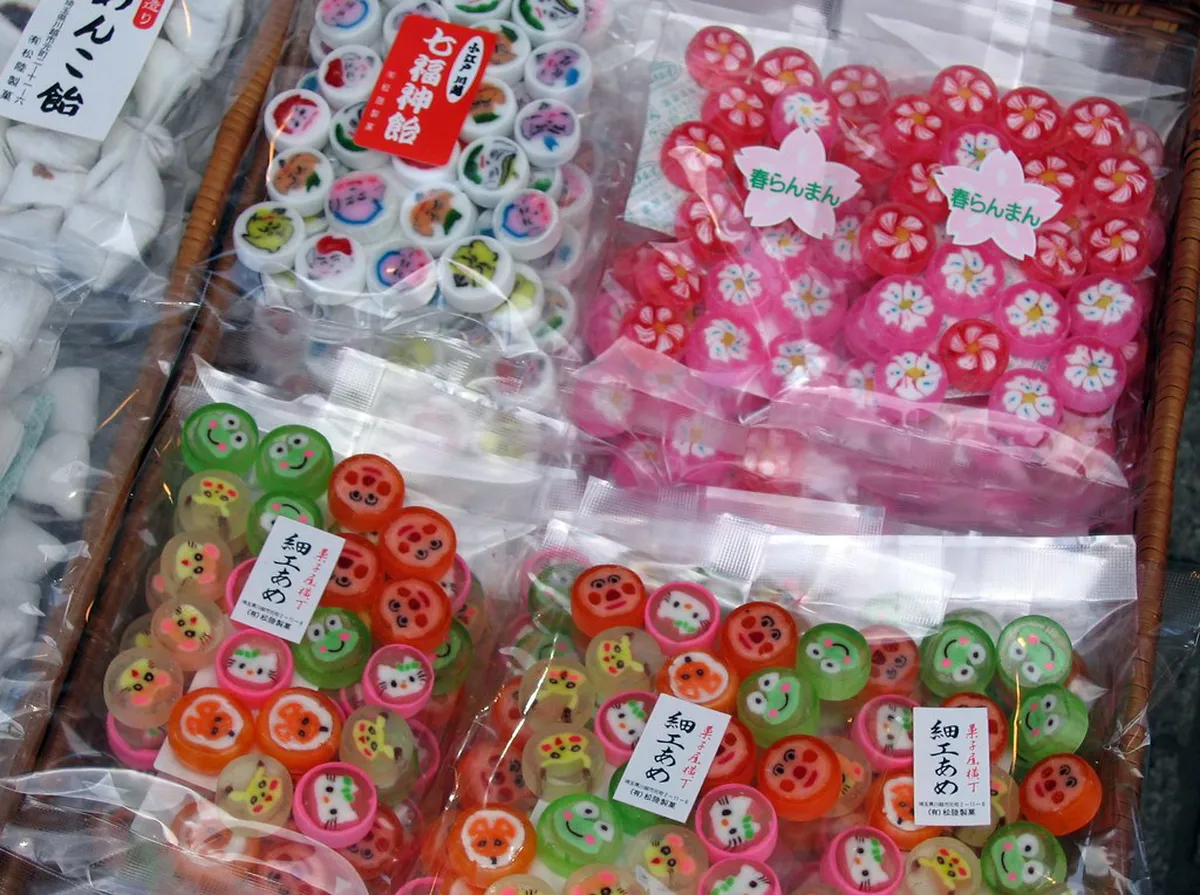
The Great Kanto Earthquake of 1923 significantly changed the candy industry in this specific area. Tokyo's candy factories were destroyed, so Kawagoe stepped in to supply the capital. During this peak period, more than 70 shops operated along this single narrow stone path. This surge in production cemented the alley's reputation as a candy lover's paradise.
Modern visitors can still feel the legacy of those early candy makers today. While the number of shops has decreased to about 20, the traditional spirit remains strong. Each storefront maintains a nostalgic design that reflects the architectural style of the Showa era. Preserving these old-fashioned techniques is a point of pride for the local community.
Fires have occasionally threatened the wooden structures of the alley over the decades. Local residents and shop owners worked together to rebuild and maintain the historic atmosphere. Their dedication ensures that future generations can experience the magic of a traditional candy street. Today, it stands as one of the most popular tourist spots in Saitama Prefecture.
Iconic Candies to Buy: Kintaro-ame and Konpeito
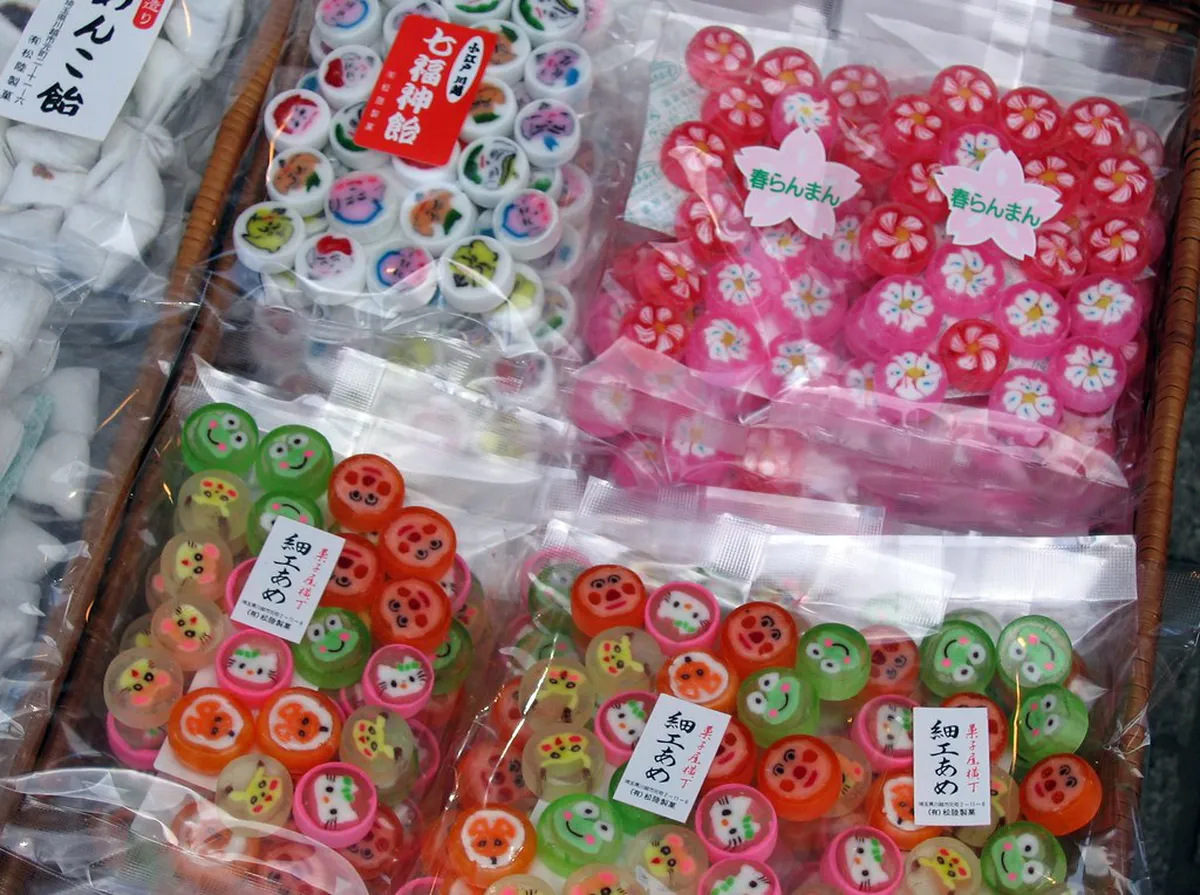
Shopping in Penny Candy Alley is an adventure for your taste buds and your eyes. Kintaro-ame is one of the most famous items you will encounter in the various shops. This hard candy features the face of a folk hero named Kintaro inside every slice. Craftsmen create this effect by layering different colored candy cylinders before stretching them thin. Look closely at each cut piece, because the design stays visible from one end of the candy roll to the other.
Konpeito is another traditional favorite that looks like tiny, colorful stars. These sugar candies were first introduced to Japan by Portuguese traders in the 16th century. They take several days to produce as sugar syrup is slowly drizzled over rotating cores. The result is a crunchy treat that comes in a wide variety of pastel colors.
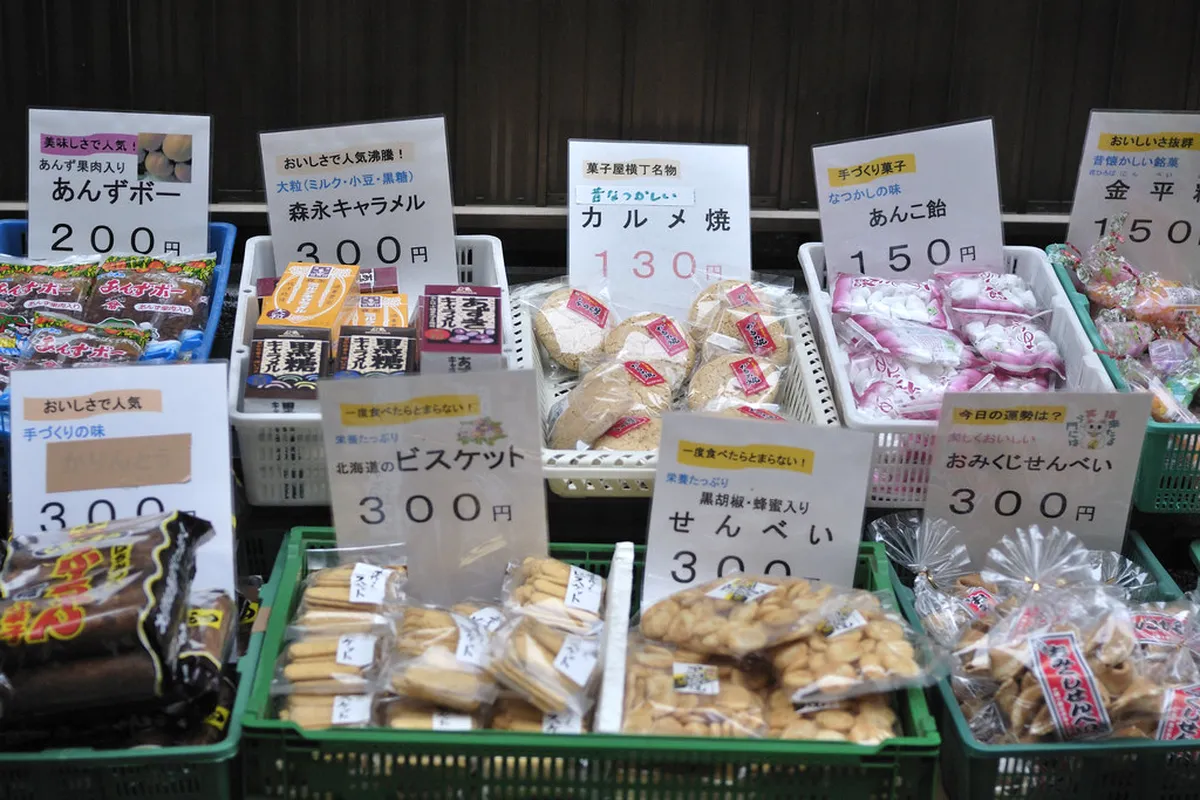
Many shops offer small bags of assorted candies that make practical souvenirs for friends. You can find classic flavors like peppermint, cinnamon, toasted soy bean, and simple sugar. Some vendors still use recipes passed down through family generations, while others mix nostalgic dagashi with modern packaging. Buying these sweets supports the local artisans who keep these traditions alive.
- Kintaro-ame (Traditional Face Candy)
- Type: hard candy
- Design: folk hero face
- Best for: visual souvenirs
- Craft: handmade layering
- Konpeito (Star-Shaped Sugar Sweets)
- Shape: bumpy stars
- Colors: rainbow pastels
- History: Portuguese origin
- Texture: very crunchy
- Higashi and amanatto
- Type: dry sweets and sugared beans
- Best for: tea pairings
- Flavor: gentle sweetness
- Texture: firm or grainy
- Dagashi assortments
- Type: low-cost nostalgic snacks
- Best for: mixed souvenir bags
- Tip: choose sealed packs for travel
- Payment: cash is useful
Kawagoe’s Signature Sweet Potato Treats
Kawagoe is famous throughout Japan for its high-quality sweet potatoes. The local volcanic soil provides the perfect environment for growing these delicious tubers. Farmers in the area have cultivated sweet potatoes since the Edo period to feed the capital. Naturally, this local abundance led to a wide variety of potato-based snacks.
One must-try item is the fugashi, a long stick made of wheat gluten. These sticks are coated in dark brown sugar and often measure nearly a meter long. Children love carrying these giant treats as they walk through the alley. The light and airy texture makes them surprisingly easy to share despite their size.
You should also look for sweet potato chips and purple potato ice cream. Vendors often slice the potatoes into thin, crispy rounds that are lightly salted or sweetened. The ice cream offers a unique earthy flavor that is refreshing on a warm day. Sampling these treats is a core part of the Kawagoe culinary experience.
Many shops also sell steamed sweet potato cakes known as imo-koibito. These soft cakes feature a slice of potato wrapped in a chewy dough. They are best enjoyed while still warm from the steamer, so buy one when you are ready to eat rather than packing it away for later. For souvenirs, choose sealed potato cookies, yokan, or chips that travel better than fresh sweets.
Interactive Experiences: Baking Your Own Rice Crackers
For a hands-on activity, many visitors choose to bake their own rice crackers. Senbei baking is a traditional craft that requires patience and a steady hand. You can find a dedicated shop near the alley that offers this fun experience. It is a great way to learn about Japanese food culture while making a snack.
The experience typically lasts about 20 minutes and is very affordable for travelers. According to the Kawagoe City Official Guide, the cost is around 750 yen. This fee includes the use of a professional oven and three pieces of raw rice dough. Instructors will guide you on how to flip the crackers to ensure even browning.
Watching the flat dough puff up and turn golden is a satisfying process. Once the crackers are toasted, you brush them with a savory soy sauce glaze. You can eat your creations immediately or pack them as a personalized souvenir. If this is a priority, arrive earlier in the day and confirm same-day availability before buying too many snacks.
- Rice Cracker Baking Details
- Duration: 20 minutes
- Cost: 750 yen
- Quantity: 3 crackers
- Skill: beginner level
Why It’s One of Japan’s “100 Scentscapes”
The Ministry of the Environment designated this street as one of Japan's 100 Scentscapes in 2001. This rare honor recognizes the wonderful blend of aromas that waft through the air. You will notice the scent of roasting soy sauce mixed with sweet peppermint. The smell of baking bread, frying potatoes, and grilled rice crackers also adds to the rich atmosphere.
This designation aims to preserve environments that have a unique and pleasant local fragrance. Kashiya Yokocho was chosen because its scents evoke a strong sense of nostalgia. For many Japanese people, these smells remind them of childhood visits to candy stores. It is one of the few places in the country where the air tells a story.
Take a moment to slow down while you explore rather than treating the alley as a quick photo stop. The aromas change slightly depending on which shops are actively cooking or baking. Late morning is often the easiest time to notice the scents before the narrow lane fills with weekend crowds. This sensory experience makes the alley much more than just a visual attraction.
Kashiya Yokocho (Penny Candy Alley) Visitor Guide: Logistics
Reaching Penny Candy Alley from Tokyo is simple and usually takes about an hour. The Tobu Tojo Line from Ikebukuro is convenient for Kawagoe Station or Kawagoe-shi Station, while the Seibu Shinjuku Line runs to Hon-Kawagoe Station. Hon-Kawagoe is often the most practical arrival point for sightseeing because it puts you closer to the Kurazukuri district. From the main stations, expect a 15- to 25-minute walk or use the Koedo Loop Bus when you want to save steps.
Shops typically 10:00–17:00; Many closed Mondays. Weekends, public holidays, and school-trip periods can become very crowded because the lane is short and narrow. For the best balance of open shops and manageable foot traffic, aim for a weekday late morning or early afternoon. Check the Kawagoe City Official Guide before you travel if your visit falls near a holiday or Monday.
Small coins and cash are very useful because many candies cost only a few dozen yen. While some larger shops accept cards, many small stalls still prefer cash payments. Bring a small tote for candy bags and choose sealed sweets if you are returning to Tokyo by train. Eating while walking can block the lane, so step aside near shop fronts before opening snacks.
The alley is mostly level but stone-paved, narrow, and sometimes crowded. Strollers and wheelchairs can pass through slowly, but small shop entrances may have thresholds or tight interiors. Travelers with mobility concerns should consider arriving by bus or taxi near the warehouse district instead of walking the full distance from Kawagoe Station. Comfortable shoes matter because most visitors combine the alley with nearby historic streets.
Common mistakes are arriving late in the afternoon, assuming every shop opens daily, forgetting cash, and treating Kashiya Yokocho as a full-day destination. The alley itself is short, so plan it as a sweet stop within a broader Kawagoe route. Pair it with Kurazukuri Street, Toki no Kane, and one temple or shrine for a satisfying half-day itinerary.
Beyond the Alley: Exploring Kurazukuri Street and the Bell Tower
Your visit to Kawagoe should include a stroll down the famous Kurazukuri Street nearby. This main road is lined with traditional clay-walled warehouse buildings from the Edo period. These fireproof structures now house modern boutiques, cafes, and craft shops. The black-plastered walls and heavy tiled roofs create a striking historical silhouette.
The iconic Toki no Kane bell tower is the most famous landmark in the city. It has stood as a symbol of Kawagoe for over 400 years and still rings today. The bell sounds four times daily to mark the passage of time for residents. Standing beneath the tower offers a great perspective on the city's architectural heritage.
If you have extra time, consider visiting the peaceful Kita-in Temple nearby. This temple complex contains the only remaining buildings from the original Edo Castle. The 540 stone statues of Rakan disciples each have unique facial expressions to discover. It provides a quiet contrast to the busy shopping streets of the warehouse district.
Another popular spiritual stop is the Kawagoe Hikawa Shrine for its beautiful wind chimes. This shrine is famous for its associations with matchmaking and successful relationships. Walking through the tunnel of wooden prayer plaques is a memorable experience. Kawagoe truly offers a complete cultural package for every type of traveler.
Frequently Asked Questions
Is Kashiya Yokocho worth visiting?
Yes, Kashiya Yokocho is absolutely worth visiting for its nostalgic atmosphere and unique snacks. It offers a rare glimpse into Japan's traditional candy-making culture. The affordable prices and variety of treats make it a highlight of any trip to Kawagoe.
What are the best snacks to try in Kawagoe?
You should definitely try the giant Fugashi brown sugar sticks and local sweet potato chips. Kintaro-ame and star-shaped Konpeito are also essential traditional purchases. Many visitors also enjoy the purple sweet potato soft-serve ice cream found near the alley entrance.
How do you get to Kashiya Yokocho from Tokyo?
Take the Tobu Tojo Line from Ikebukuro or the Seibu Shinjuku Line from Shinjuku. The journey takes approximately 30 to 60 minutes depending on the train type. Once in Kawagoe, follow signs for the Kurazukuri district to find the alley.
Are there other temples to visit in Kawagoe?
Yes, besides Kita-in, you can visit Naritasan Betsuin which is located very close by. This temple is known for its monthly antique markets and impressive Buddhist architecture. It is a great addition to a walking tour.
Kashiya Yokocho remains a vibrant testament to Japan's enduring love for traditional sweets. A visit here provides more than just sugar; it offers a sensory journey through time. From the aroma of soy sauce to the colorful candy displays, every detail is part of the attraction. This compact lane is easiest to enjoy when you arrive with cash, flexible timing, and room in your Kawagoe walk for nearby sights.
Remember to bring your camera and an appetite for local potato specialties. The kindness of the shop owners and the historic setting will surely leave a lasting impression. Safe travels as you explore the charming streets of Little Edo in 2026. Enjoy the unique scents and flavors that make this alley a national treasure.
For authoritative information, refer to the Kashiya Yokocho (Penny Candy Alley) official site and Kashiya Yokocho (Penny Candy Alley) on Wikipedia.