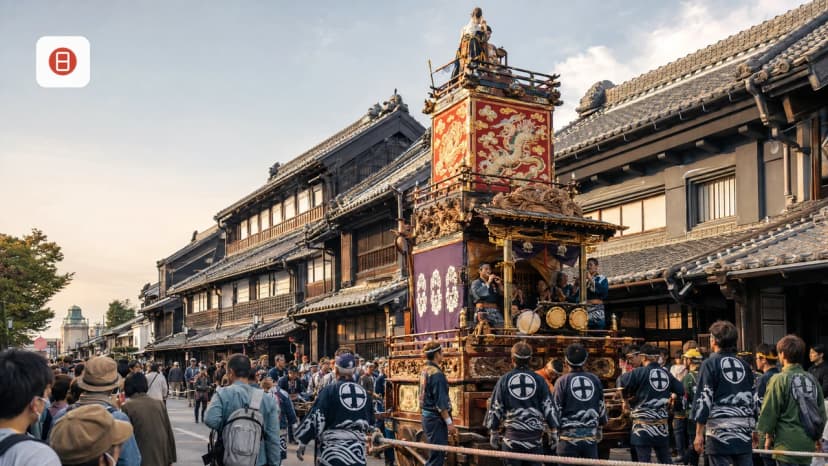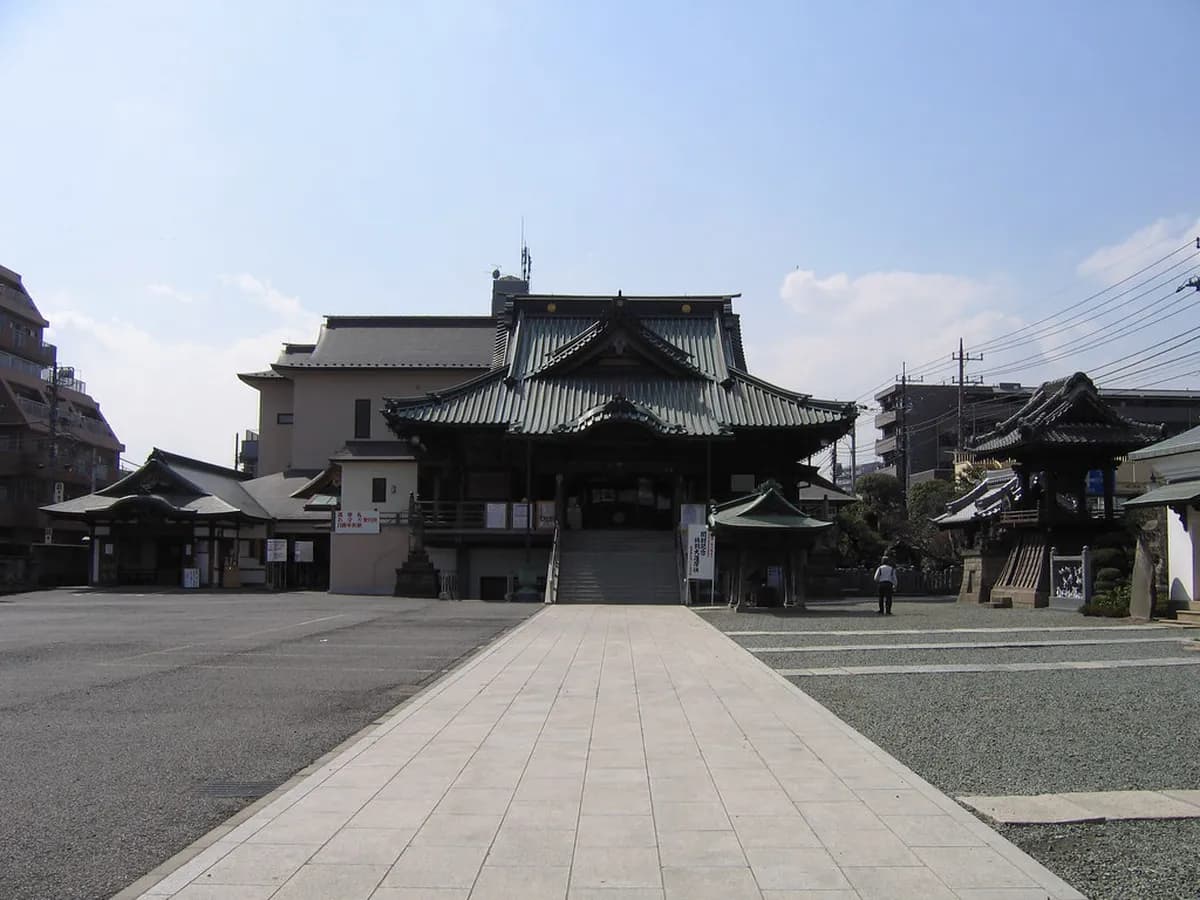
Naritasan Betsuin Kawagoe Daishi (Hongyo-in) is one of the easiest temple stops to add to a Kawagoe day trip.
This revered Buddhist temple is a branch of the famous Naritasan Shinsoji Temple in Chiba, but it has its own local identity as Kawagoe Fudo.
Visitors come for Fudo Myo-o worship, eye health prayers, Rilakkuma amulets, the turtle pond, flower-filled chozu basins, and the antique fair held on the 28th of each month.
For 2026, plan it as a compact but rewarding stop between Kita-in Temple and the Koedo warehouse district.
Must-See Naritasan Attractions
The Hondo, or Main Hall, stands as the central point of Naritasan Kawagoe Betsuin. It houses the principal deity, Fudo Myo-o, a fierce protector deity also known as Acala. Visitors can observe the Buddhist art, make a short prayer, and feel the calmer rhythm of the temple before walking toward busier Koedo streets.
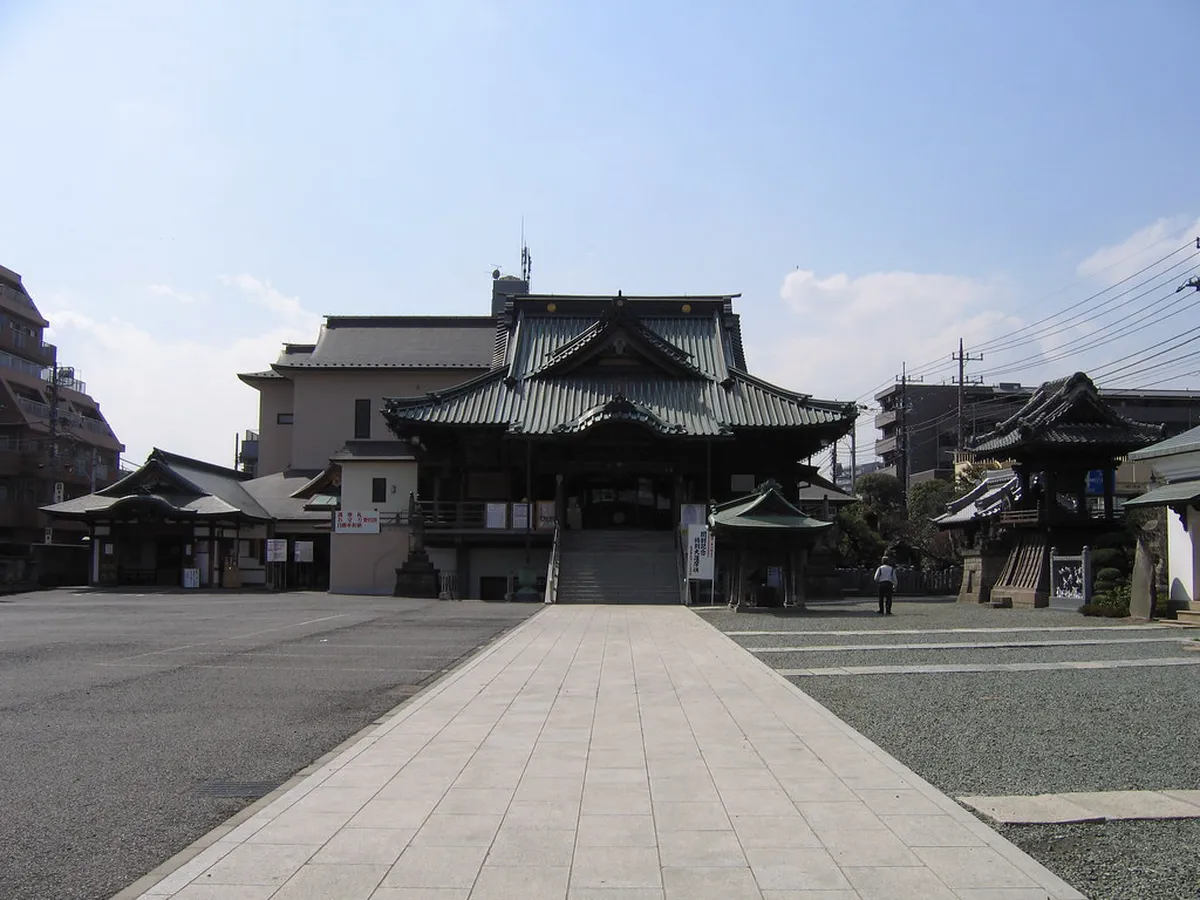
Outside the Hondo, look for the Obinzuru-sama rubbing statue. This revered figure is believed to heal ailments when you rub the corresponding part of its body. The respectful approach is simple: bow lightly, rub the statue gently where you seek healing, then touch the same area on yourself without blocking other visitors.
The temple also features beautiful Hanachozu, which are water basins adorned with vibrant flowers. These artistic displays change seasonally and offer a tranquil spot for contemplation. They provide wonderful photo opportunities during your visit, especially in the morning before the temple grounds become busier.
Families should also look for the turtle pond and the smaller prayer points around the grounds. The site is compact, so most visitors can see the highlights in 25-45 minutes, or longer if they attend the antique fair or a seasonal ceremony.
History and Spiritual Significance of Hongyo-in
Naritasan Kawagoe Betsuin's history dates back to 1847 when Ishikawa Tomegoro founded it. He brought a bunshin, or divided spirit, of Fudo Myo-o from Naritasan Shinsoji Temple. This act established the temple as a significant spiritual center in Kawagoe, separate from the much larger head temple in Narita.
The temple holds a special reputation for eye health prayers. Legend says that Tomegoro, who was blind, regained his sight after praying to Fudo Myo-o. Many visitors now come to seek blessings for their own eyesight, following his inspiring story.
This spiritual connection draws people seeking comfort and healing. The temple offers specific prayers for various needs, reflecting its deep commitment to community well-being. It remains a place of profound spiritual significance for many.
Naritasan Kawagoe Betsuin is also one stop on Kawagoe's Seven Lucky Gods pilgrimage, where visitors honor Ebisuten. If you are following the pilgrimage route in 2026, bring a notebook or stamp sheet and allow extra time for the nearby temples.
The Monthly Antique Fair and Seasonal Events
The monthly antique fair at Naritasan Kawagoe Betsuin is a major highlight. It takes place on the 28th of every month, attracting numerous vendors and treasure hunters. You can find a wide array of unique items, from pottery to vintage kimonos.
The fair typically runs from 5 AM to 4 PM, offering early birds the best selection. Arrive by 7 AM for the best selection of unique finds and fewer crowds. This popular event transforms the temple grounds into a bustling marketplace.
For the 2026 antique market, bring cash in small bills, a reusable bag, and comfortable shoes. A common mistake is arriving late in the afternoon expecting the same energy; many serious shoppers come early, and some stalls may start packing up before closing if weather or crowds are poor.
Another significant event is the Hiwatari Festival, or Fire Walking Festival, held every November 23rd. Participants walk barefoot across burning embers, symbolizing purification and prayer for good fortune. Special tatami mats are laid down to ensure safety for all participants.
The Setsubun Bean Throwing ceremony also draws large crowds each year. Honored guests throw beans from a 20-meter long stage set up in the courtyard. Ceremonies usually occur at 1 PM and 3 PM, offering a lively cultural experience.
Seasonal displays can include wind chimes in summer and flower arrangements at the chozu basin. Check event details close to your visit because weather, temple rites, and crowd controls can affect the exact layout.
Family-Friendly Features and Rilakkuma Amulets
Naritasan Kawagoe Betsuin offers unique Rilakkuma amulets, a popular collaboration with San-X. These charming omamori feature the beloved bear character and are available in various designs. They make memorable souvenirs and gifts, especially for younger visitors and collectors.
Do not treat the amulet counter like a normal souvenir shop. Omamori are religious items, so receive them respectfully, avoid opening them, and ask temple staff if you are unsure which charm fits your purpose. Eye health, traffic safety, and character-themed amulets are the most useful categories for many visitors.
The temple also has a tranquil turtle pond, a favorite spot for children and adults alike. Watching the turtles swim peacefully provides a moment of calm during your visit. It adds a touch of nature and serenity to the temple grounds.
During summer, the temple hosts a beautiful wind chimes event. Hundreds of colorful wind chimes create a soothing symphony with every breeze. This ephemeral display adds a magical atmosphere and is very popular for photos.
These elements make the temple an engaging destination for families. Everyone can find something to enjoy, from spiritual contemplation to fun discoveries. The blend of tradition and modern appeal is truly unique.
Practical Visitor Information: Hours and Fees
The temple grounds are generally open from 8 AM to 4 PM for visitors. Access to the main halls and grounds is usually free of charge. You can explore the various buildings and gardens during these hours.
The monthly antique fair, however, starts much earlier, opening at 5 AM on the 28th. This allows vendors to set up and early shoppers to browse before the main temple crowds arrive. Plan accordingly if you wish to attend the market.
There is free parking available for approximately 20 cars at the temple. This is convenient for those traveling by car, though spaces can fill quickly during peak times. Consider public transport during busy events.
For specific event schedules or any changes to operating hours, check the Official Naritasan Kawagoe Betsuin Website. This ensures you have the most current information before your visit. Confirming details helps prevent any unexpected surprises.
Accessibility is manageable but not perfectly smooth. The grounds are relatively compact, yet temple steps, gravel, market crowds, and narrow vendor lanes can slow wheelchair users, strollers, and travelers with heavy luggage. If mobility is a concern, visit outside the antique fair and use a taxi or bus stop near the temple instead of walking from the station.
How to Get to Naritasan Kawagoe Betsuin
Reaching Naritasan Kawagoe Betsuin from Tokyo is straightforward using public transportation. Kawagoe is easily accessible from several major Tokyo stations. This makes it a popular day trip destination.
From Ikebukuro Station, take an express train on the Tobu Tojo Line. The journey takes approximately 31 minutes to Kawagoe Station. This is a fast and efficient way to reach the city.
Alternatively, you can depart from Seibu Shinjuku Station using a Red Arrow Limited Express. This comfortable option takes about 44 minutes to Hon-Kawagoe Station. A special fare of 470 yen applies for this service.
Once in Kawagoe, the temple is about a 15-20 minute walk from either Kawagoe Station or Hon-Kawagoe Station. You can also take a local bus or a taxi for a quicker trip. Consult Google Maps for walking directions.
The most efficient 2026 route depends on what else you plan to see. Hon-Kawagoe Station is convenient for walking toward the old warehouse district after the temple. Kawagoe Station has more rail connections and buses. Kawagoe-shi Station can work well if you are coming on the Tobu Tojo Line and want a quieter walk.
Common transit mistakes include confusing this temple with Naritasan Shinsoji in Chiba, searching only for "Naritasan" in a map app, and underestimating weekend walking time through central Kawagoe. Use the full name "Naritasan Kawagoe Betsuin Hongyoin" or the address area "Kawagoe Kubomachi" when navigating.
Best Places to Visit Nearby in Saitama
After exploring Naritasan Kawagoe Betsuin, venture into the charming Koedo district. This historic area, often called "Little Edo," features well-preserved Edo-era buildings. It offers a delightful step back in time.
Walk along Kurazukuri Street, known for its traditional clay-walled merchant houses. Many of these buildings now house shops selling local crafts and sweets. The architecture itself is a major attraction.
Don't miss the iconic Toki no Kane, or Bell of Time, a historic bell tower. It rings four times a day, maintaining a tradition from centuries past. This landmark is a symbol of Kawagoe.
Visit the delightful Kita-in Temple, another significant Buddhist complex nearby. It is famous for its Gohyaku Rakan statues, which are 500 stone disciples of Buddha. Each statue has a unique expression, making for an interesting visit.
For food after your visit, continue toward Koedo and look for sweet potato snacks, dango, senbei rice crackers, and unagi restaurants. Kashiya Yokocho is the easiest pairing if you are traveling with children or want nostalgic sweets.
Recommended Kawagoe Itineraries
A perfect morning in Kawagoe starts at Naritasan Kawagoe Betsuin, especially on antique fair days. Arrive early to browse the market and enjoy the temple's serene atmosphere. Then, head towards the historic district.
For the afternoon, explore the Koedo district, starting with Kurazukuri Street. Enjoy lunch at a traditional restaurant and try local delicacies like unagi (eel). Visit Kashiya Yokocho, or Penny Candy Alley, for nostalgic sweets.
Consider a themed itinerary, focusing on temples and shrines. After Naritasan, visit Kita-in Temple and then Kawagoe Hikawa Shrine. Hikawa Shrine is known for matchmaking prayers and its beautiful wind chime corridor in summer.
For a short 2026 visit, pair Naritasan Kawagoe Betsuin with Kita-in and Toki no Kane, then leave extra time for snacks around Kurazukuri Street. For a slower day, add Hikawa Shrine and the Seven Lucky Gods route, but avoid overloading the itinerary if you are visiting during the antique fair.
Kawagoe offers a rich blend of history, culture, and delicious food. Plan your day to include both spiritual sites and vibrant market experiences. A full day allows for a comprehensive exploration of this charming city.
Weather and Best Time to Visit
Kawagoe experiences four distinct seasons, each offering a unique charm for visitors. Spring (March-May) and autumn (September-November) generally provide the most pleasant weather. These shoulder seasons are ideal for sightseeing.
Spring brings cherry blossoms, adding a beautiful backdrop to the temple grounds. Autumn offers stunning foliage, especially around the temple and nearby parks. The temperatures are mild and comfortable for walking.
Summer (June-August) can be hot and humid, but it also features lively festivals like the wind chime event. Winter (December-February) is cold but offers fewer crowds and a peaceful atmosphere. Some attractions may have reduced hours in winter.
The best time of day depends on your goal. Choose early morning for the antique fair, mid-morning for a calmer temple visit, and late morning to early afternoon if you want to combine Naritasan with lunch in Koedo. Avoid peak midday heat in July and August unless you are comfortable walking in humid weather.
Consider visiting during a specific event like the Hiwatari Festival in November for a unique cultural experience. Always check the weather forecast before your trip to pack appropriately. The Kawagoe Koedo Tourism Association website offers seasonal event information.
Interactive Maps and Navigation Tips
Navigating Naritasan Kawagoe Betsuin and the wider Kawagoe area is made easy with modern tools. Using interactive maps can greatly enhance your exploration. Always have a charged phone or a physical map handy.
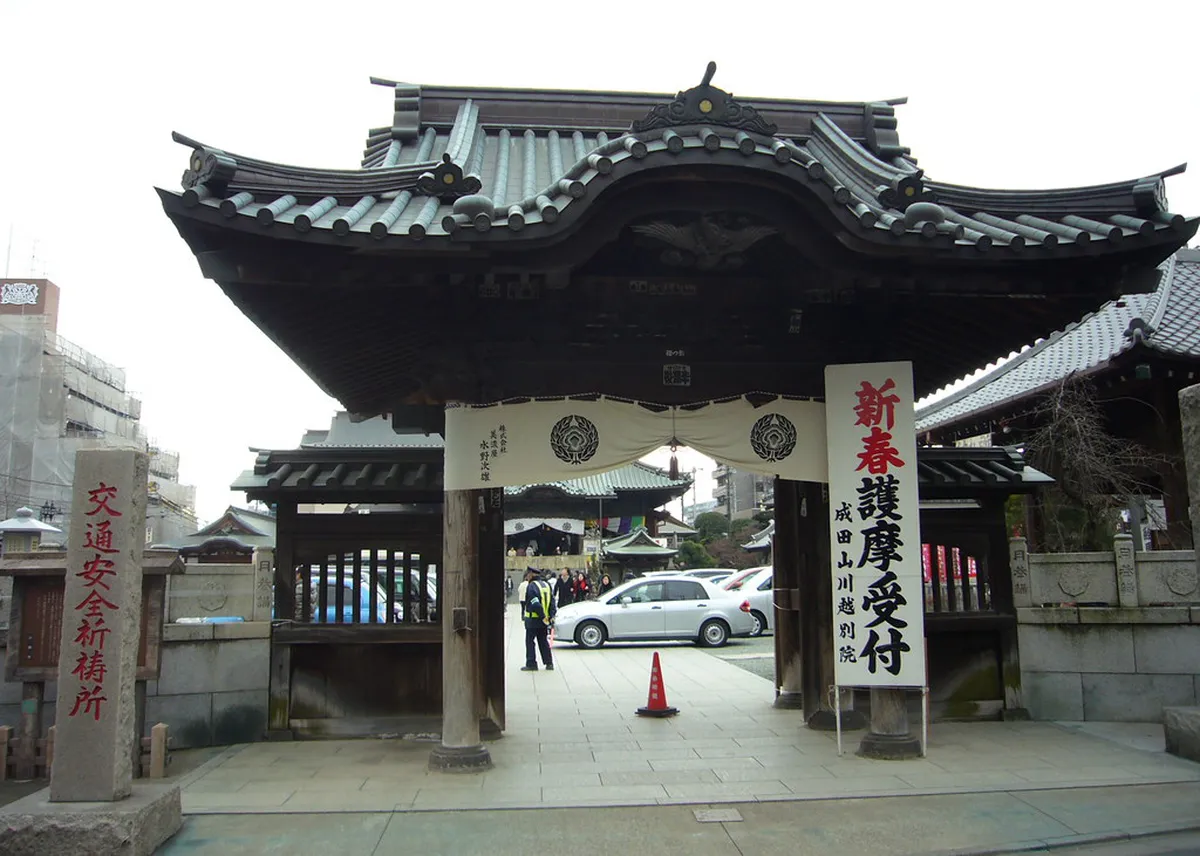
Utilize Google Maps for precise directions to the temple and surrounding attractions. You can save locations offline for use without internet access. This is especially helpful in unfamiliar areas.
Look for local Kawagoe tourism maps available at train stations and information centers. These often highlight walking routes and points of interest. They provide a good overview of the historic Koedo district.
When attending the antique fair, note the layout of vendors, which can be extensive. Ask for directions if you are searching for specific types of items. Comfortable shoes are a must for exploring both the temple and the market.
Save the temple, Kita-in, Toki no Kane, and your return station before leaving Tokyo. Kawagoe is walkable, but backtracking wastes time on a day trip, especially if you plan to shop or stop for food.
Frequently Asked Questions
When is the antique fair at Naritasan Kawagoe Betsuin?
The antique fair at Naritasan Kawagoe Betsuin is held on the 28th of every month. It typically starts early, around 5 AM, and continues until 4 PM. This popular event draws many vendors and visitors looking for unique treasures.
Where can I buy Rilakkuma amulets in Kawagoe?
You can purchase the special Rilakkuma amulets directly at Naritasan Kawagoe Betsuin (Hongyo-in). These unique omamori are a collaboration with San-X and are exclusive to the temple. They make charming souvenirs and gifts for fans.
Is Naritasan Kawagoe Betsuin free to enter?
Yes, entry to the main grounds and halls of Naritasan Kawagoe Betsuin is generally free. There might be fees for special events or specific prayer services. The monthly antique fair on the 28th also offers free entry for browsing.
How do I get to Naritasan Betsuin from Shinjuku?
From Shinjuku, take the Seibu Shinjuku Line's Red Arrow Limited Express to Hon-Kawagoe Station. The journey takes about 44 minutes. From Hon-Kawagoe, it's a short walk or taxi ride to the temple. You can also take the Tobu Tojo Line from Ikebukuro.
What is the Hiwatari Festival in Kawagoe?
The Hiwatari Festival, or Fire Walking Festival, is an annual event at Naritasan Kawagoe Betsuin on November 23rd. Participants walk barefoot across burning embers as a spiritual purification ritual. It is a powerful and visually striking ceremony.
Naritasan Betsuin Kawagoe Daishi (Hongyo-in) offers a rich blend of spirituality and cultural charm.
From its historic roots to unique amulets and lively festivals, there is much to discover. Plan your visit to experience the tranquility and vibrant events.
This guide provides the essential information for a fulfilling trip to this special Kawagoe landmark. Enjoy your exploration of this significant Japanese temple.
For official details, visit the Naritasan Betsuin Kawagoe Daishi (Hongyo-in) on Wikipedia.