Kurazukuri Warehouse District (Ichibangai)
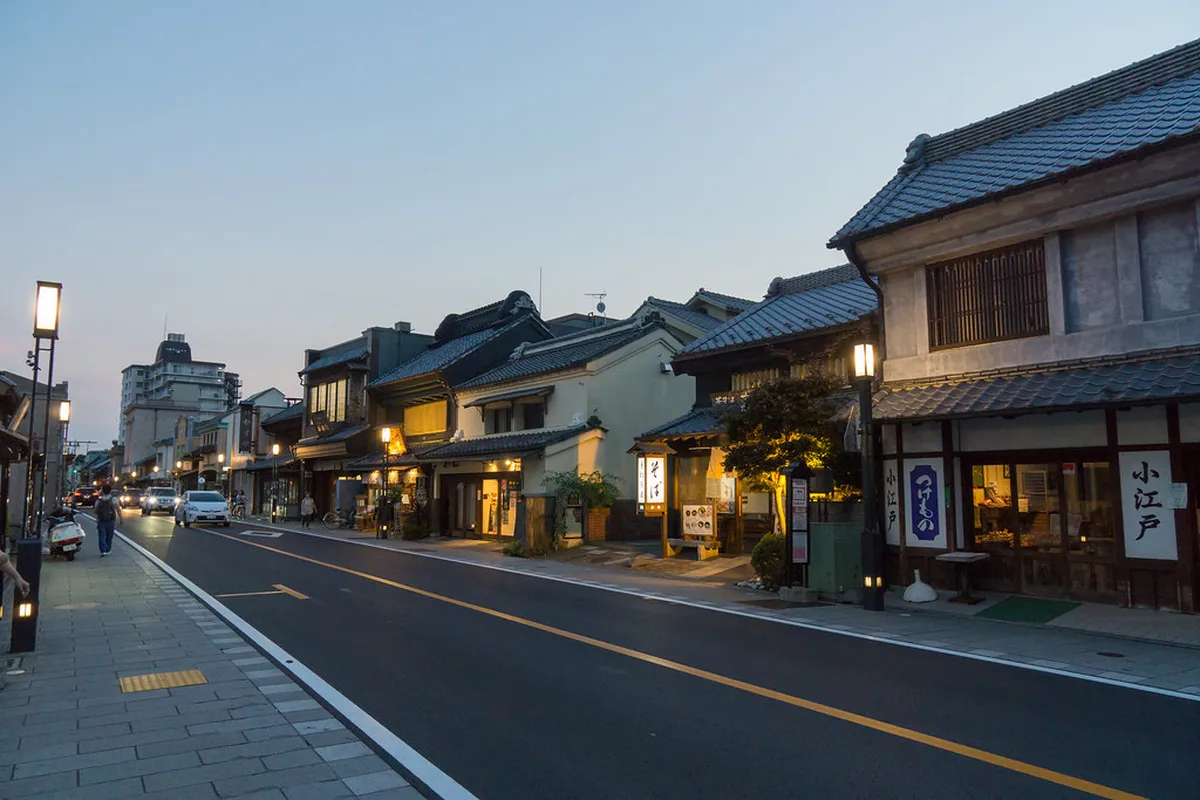
Kawagoe's iconic street of Edo-period kurazukuri (clay-walled) merchant warehouses, the heart of the Little Edo district.
Visitor guide →
Plan your Kawagoe trip with our 2026 guide to the best attractions and things to do in Little Edo — Kurazukuri warehouse street, temples, the sweet-shop alley, half- and full-day itineraries, free vs paid sights, and how to get there from Tokyo.
Kawagoe — known across Japan as Koedo, or "Little Edo" — is the rare day trip where the headline attraction is the streetscape itself. Just over half an hour north of central Tokyo in Saitama Prefecture, the old castle town survived the fires and redevelopment that erased most of Tokyo's Edo-period fabric, and today its main thoroughfare is still lined with heavy, fire-resistant kurazukuri clay-walled merchant warehouses. Walk five minutes off that street and you find a wooden bell tower that has chimed the hours since the 17th century, a cobbled alley of old-fashioned sweet shops, and two of the most historically important temple complexes in the greater Tokyo region.
What makes Kawagoe so easy to recommend in 2026 is the mix: nearly every headline sight is free to walk up to and look at — the warehouse street, the bell tower, the shrine, the candy alley — with only a couple of paid interiors (the main one being Kita-in's inner halls and the 540 Rakan statues, around ¥400). That means you can build a satisfying half-day on almost no budget, or stretch it to a full day by adding temple interiors, kimono rental, a festival museum, and a sweet-potato lunch. This hub page is your map to the whole area: the six anchor attractions below each link to a full visitor guide with verified hours, prices and directions, and the sections that follow group everything by area and category, lay out walking itineraries, and answer the practical questions — how long to spend, when to go, and how to get there.
Kawagoe's iconic street of Edo-period kurazukuri (clay-walled) merchant warehouses, the heart of the Little Edo district.
Visitor guide →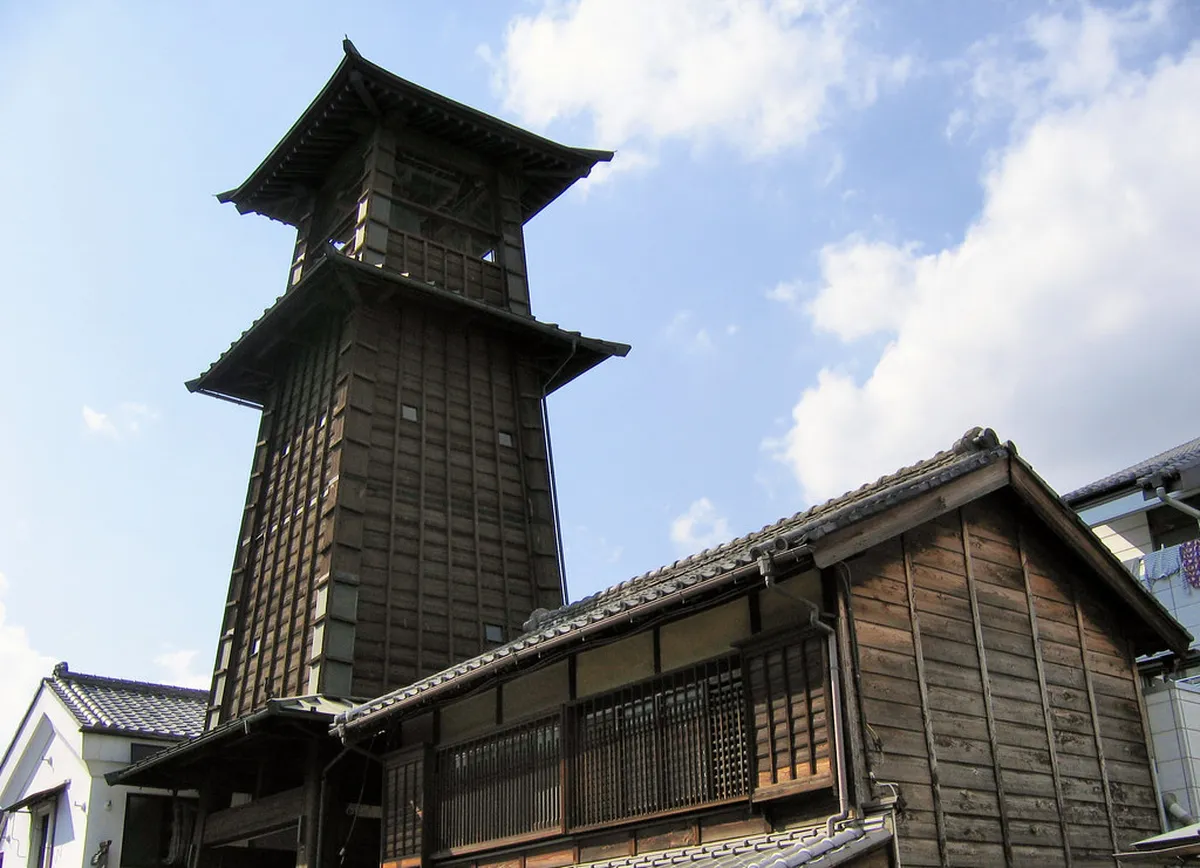
The symbol of Kawagoe — a three-storey wooden bell tower that has chimed the hours over the warehouse district since the Edo period.
Visitor guide →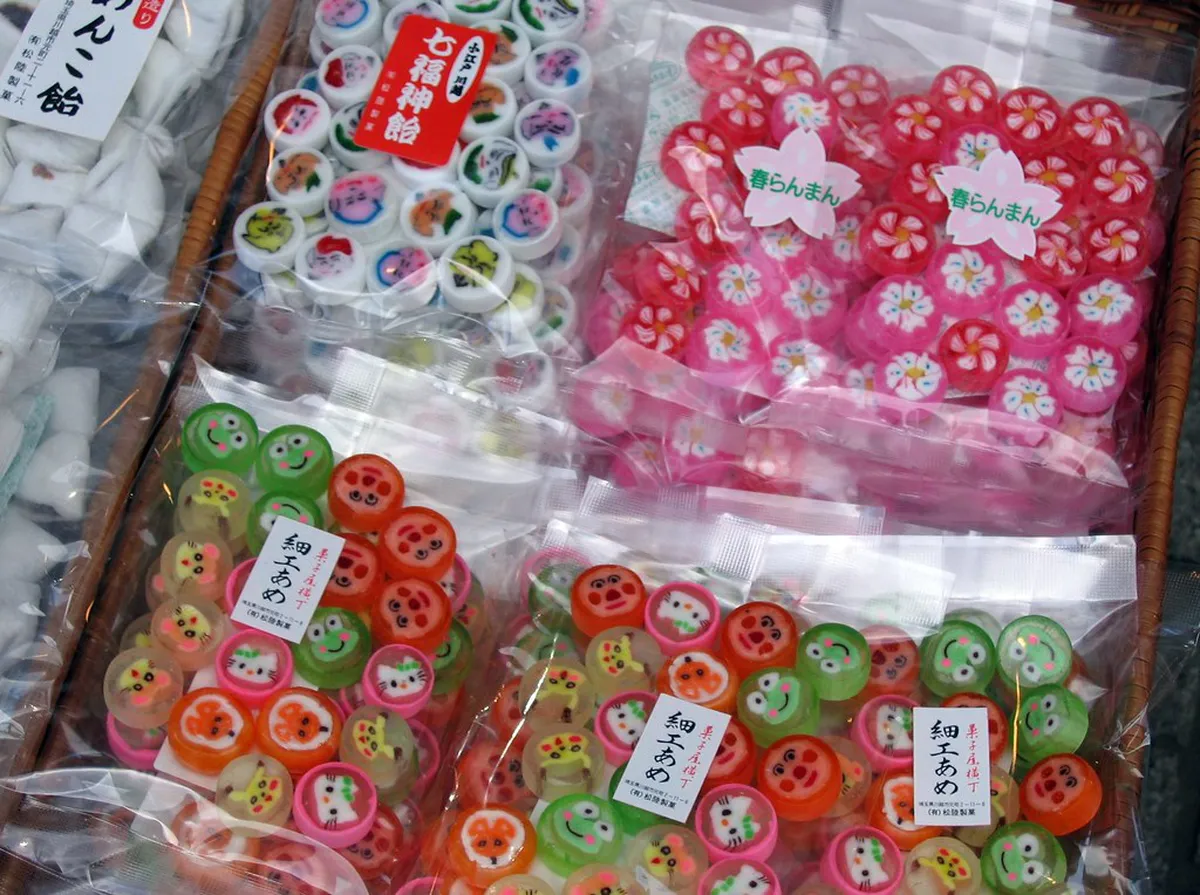
A nostalgic cobbled alley of old-fashioned sweet shops selling dagashi candy, sweet-potato treats and giant senbei crackers.
Visitor guide →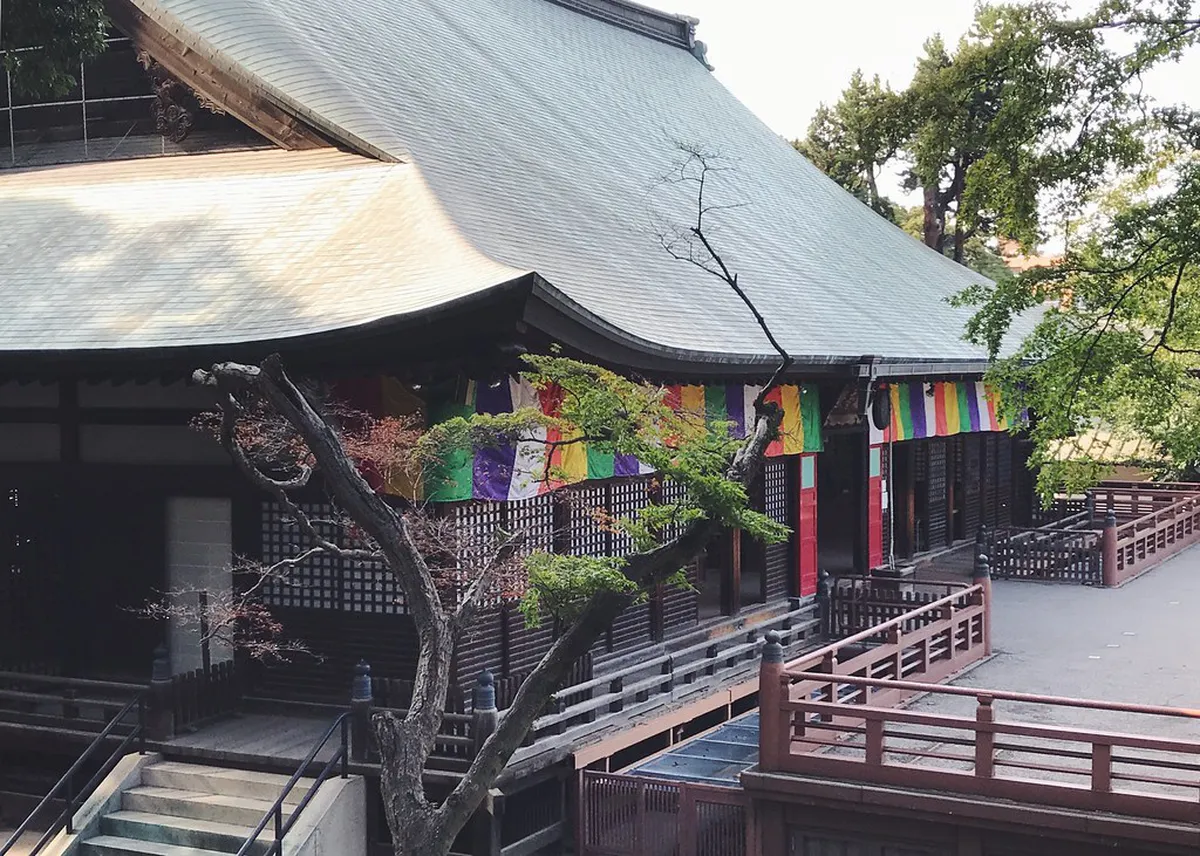
Head temple of the Tendai sect in the Kanto region, home to 540 Rakan statues and the only surviving rooms of Edo Castle.
Visitor guide →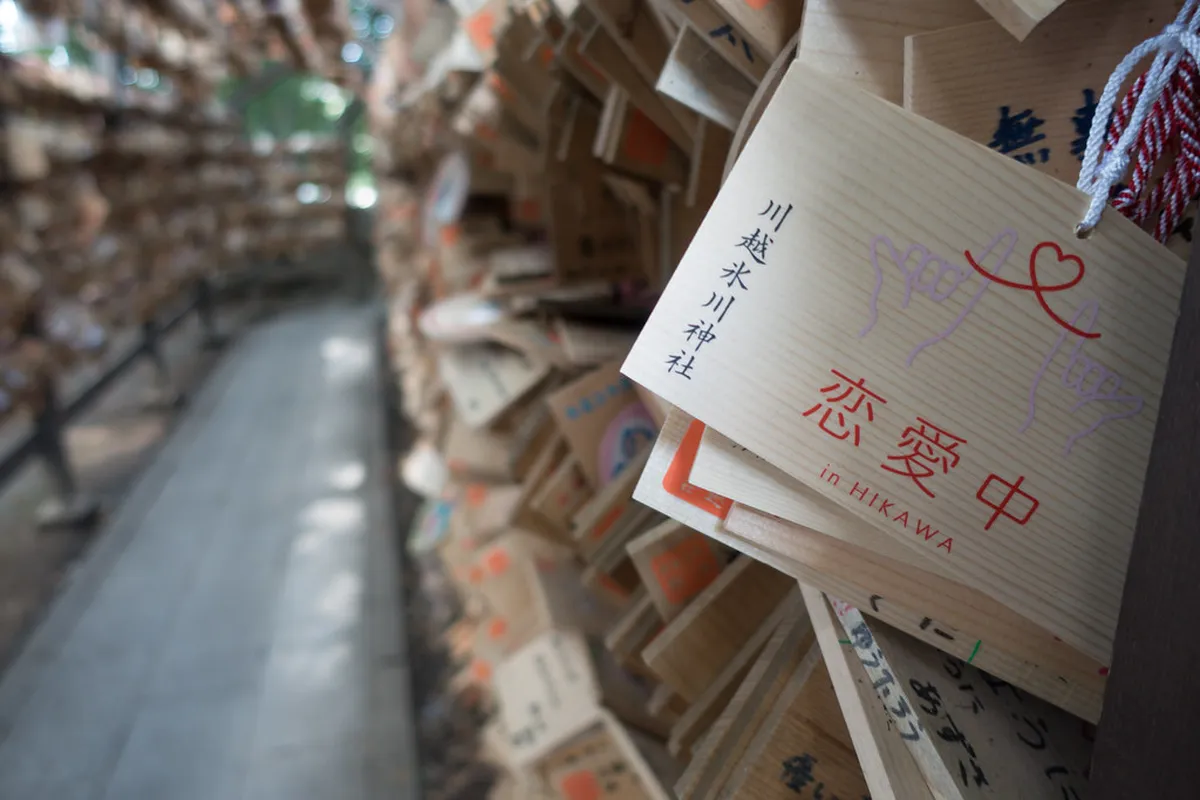
A 1,500-year-old shrine dedicated to marriage and matchmaking, famous for its summer Enmusubi Furin wind-chime festival and tunnel of torii.
Visitor guide →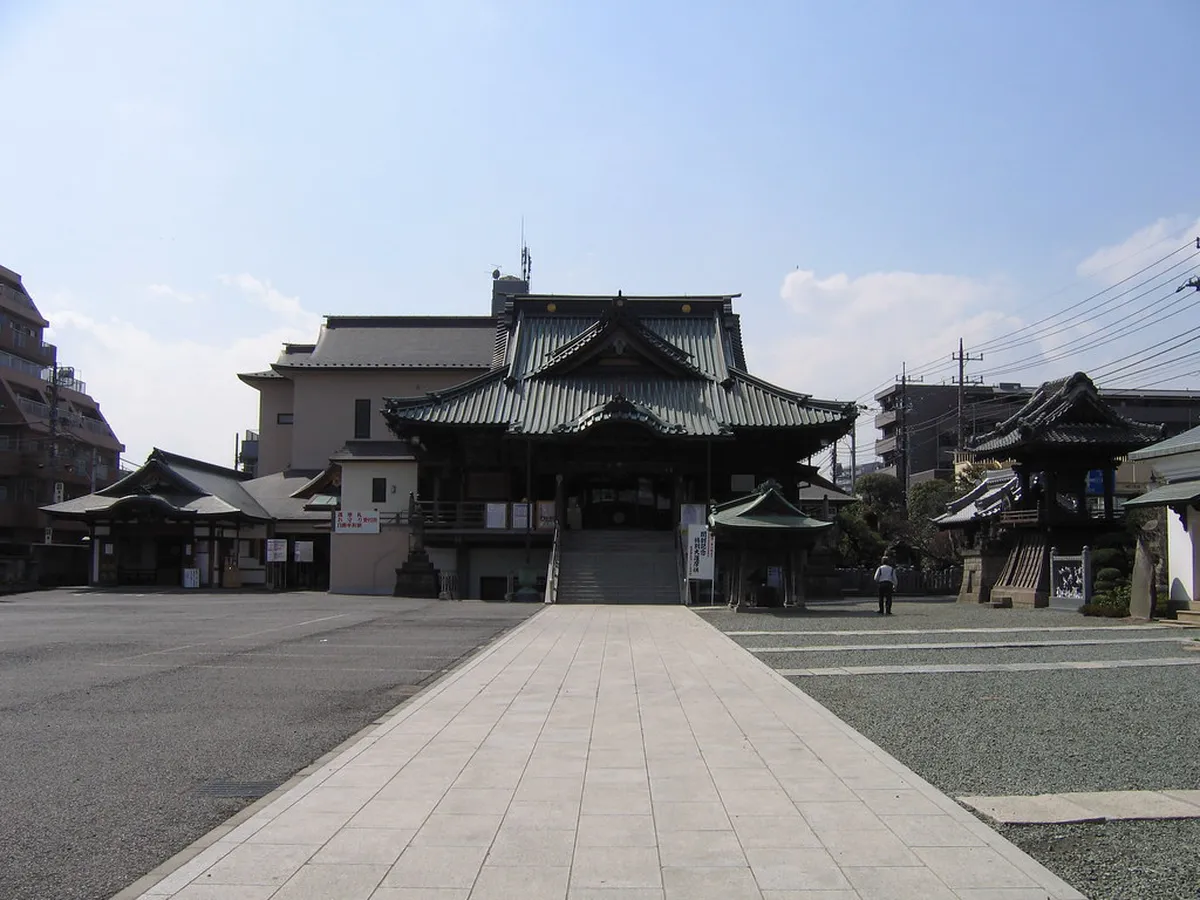
A branch of Narita's famous Shinshoji temple, known locally as Kawagoe Daishi and for its lively antique flea market held on the 28th of each month.
Visitor guide →Kawagoe's sights cluster into three walkable zones, and understanding the geography is the single biggest time-saver on a day trip. The good news: the whole historic core is compact, and you can cover all three zones on foot in a day, or pick one or two for a relaxed half-day.
This is the postcard Kawagoe. Kurazukuri Street (Ichibangai) runs for several hundred metres and is lined with more than 30 surviving black-plastered Edo merchant warehouses, most now converted into shops, cafés and craft stores. A two-minute detour up a side lane brings you to Toki-no-Kane, the three-storey wooden Bell of Time that is the symbol of the city, and just beyond it the sloping cobbles of Kashiya Yokocho, the penny-candy alley. Everything in this zone is within a five-minute walk of everything else, which is why most visitors start here.
About a 15-minute walk south of the warehouse street sits Kawagoe's temple cluster. Kita-in is the head temple of the Tendai sect in the Kanto region and the area's single most important historic site — it preserves the only surviving rooms of the original Edo Castle, relocated here in the 17th century, and its garden of 540 Gohyaku Rakan statues, each with a different face. A short walk away, Naritasan Betsuin (Kawagoe Daishi) hosts a lively antique flea market on the 28th of every month.
To the northeast, a 10–15 minute walk from the bell tower, Kawagoe Hikawa Shrine is a roughly 1,500-year-old shrine devoted to marriage and matchmaking. It draws crowds for its tunnel of tightly packed torii gates, its riverside cherry blossoms in spring, and above all its summer Enmusubi Furin wind-chime festival, when thousands of glass chimes are strung across the grounds.
If you would rather plan around what you enjoy than where things sit on a map, here is how Kawagoe's attractions break down.
The reason Kawagoe earns the "Little Edo" name. The Kurazukuri warehouse street and the Toki-no-Kane bell tower are the core, supported by the retro Taisho-Roman Street of early-20th-century Western-style shopfronts a few blocks south. This is open-air, free, and best enjoyed slowly with a coffee or a sweet-potato snack in hand.
Kawagoe punches far above its size on history. Kita-in and Naritasan Betsuin anchor the temple offering, while Hikawa Shrine is the headline Shinto site. Grounds are free; only Kita-in's inner halls and Rakan garden charge admission.
Kawagoe is sweet-potato country, and the local snack culture is a genuine attraction in its own right. Kashiya Yokocho is the historic heart of it — dagashi candy, giant senbei crackers and sweet-potato ice cream — but the warehouse street itself is dense with imo (sweet potato) croquettes, soft-serve and craft beer.
Beyond the headline sights, look for the Kawagoe Festival Museum (home to the 8-metre floats of the October Matsuri), the Koedo Kurari sake-tasting hall stocking brews from across Saitama, and the city's many kimono-rental shops, which let you stroll the warehouse street in period dress.
One of Kawagoe's best features for budget travellers is how little you have to pay to enjoy it. The defining experiences — wandering the warehouse street, photographing the bell tower, browsing the candy alley, walking through Hikawa Shrine's torii tunnel — are all completely free. Temple and shrine grounds are free to enter; you only pay to go inside specific buildings or special areas.
The one paid attraction most visitors do buy a ticket for is the inner precinct of Kita-in — the Edo Castle rooms and the 540 Rakan statue garden — which costs roughly ¥400 for adults (about ¥200 for children). Other optional spends are experiential rather than admission-based: kimono rental (typically ¥3,000–5,000 for the day), a sake flight at Koedo Kurari (around ¥500 for three samples), and the rickshaw rides you'll see touting along the main street. In short, you can have a full, memorable Kawagoe day for the price of a train ticket and lunch, with paid extras strictly optional.
Ideal if you're combining Kawagoe with something else or arriving after lunch. From the station, take the Koedo Loop Bus or walk to the warehouse district. Start on Kurazukuri Street, detour to Toki-no-Kane and snack your way down Kashiya Yokocho, then loop to Hikawa Shrine if time allows. This covers the visual highlights without rushing.
The best way to experience Kawagoe properly. Arrive mid-morning and begin at the temple zone while it's quietest — Kita-in's Rakan garden and Edo Castle rooms, then Naritasan Betsuin (especially rewarding on the 28th for the flea market). Walk north into the warehouse district for lunch and the Kurazukuri Street–bell tower–candy alley trio, then finish at Hikawa Shrine in the late afternoon light. Add kimono rental in the morning if you want photos in period dress. For a day-by-day version with timings, see our full Kawagoe itinerary.
Kawagoe is one of the easiest day trips from Tokyo because three separate rail lines serve it, so you can usually leave from whichever hub is nearest your hotel.
From the stations, the historic core is a 15–20 minute walk, or you can hop on the Koedo Loop Bus, a retro-styled bus that circles all the main attractions; a one-day pass is the easy choice if you're visiting several zones. Once you're in the old town, everything is walkable — the three attraction zones form a loose triangle you can cover comfortably on foot. If you're planning the wider Tokyo side of the trip, our Kawagoe day trip from Tokyo guide covers departure timing, passes and what to pair it with.
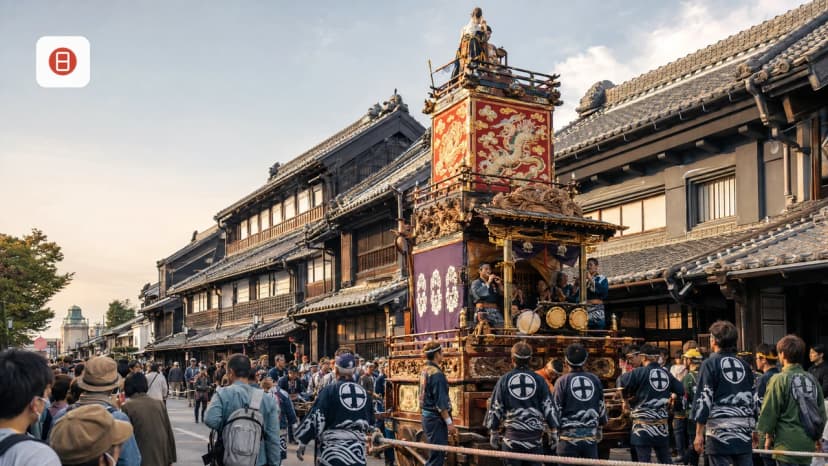
Kawagoe rewards a visit in any season, but a few dates stand out. Summer (July–September) brings the Enmusubi Furin wind-chime festival at Hikawa Shrine, when the grounds fill with thousands of glass chimes and evening illuminations — the city's most photogenic event. Mid-October is the famous Kawagoe Matsuri, a 370-year-old festival when enormous wheeled floats parade down the warehouse street; it's spectacular but extremely crowded, so plan accommodation and timing carefully. Autumn (late November) layers fall colour over the temple gardens, and spring brings cherry blossoms along the Shingashi River near Hikawa Shrine.
For everyday visits, aim for a weekday morning. The warehouse street and candy alley get genuinely congested on weekends, public holidays and especially during Golden Week (late April to early May), when day-trippers from Tokyo arrive in force. An early start lets you photograph the streetscape before the crowds and the tour groups arrive.
Kawagoe is already a low-cost day out, but a few tactics stretch the budget further. First, lean into the free attractions — the warehouse street, bell tower, candy alley and all the shrine and temple grounds cost nothing, so you can have a full day for the price of transport and food. Second, use a discount rail pass: both Tobu and Seibu sell Kawagoe day passes that bundle the round-trip fare with discounts at participating attractions and shops, and the Tobu pass also includes Koedo Loop Bus rides — usually cheaper than buying everything separately. Third, treat kimono rental as a shared splurge rather than a per-person one; many shops offer couple or group rates, and a half-day plan is plenty for photos on the warehouse street. Finally, eat like a local: the sweet-potato snacks, croquettes and dagashi sweets along Kashiya Yokocho are inexpensive and arguably more characteristic than a sit-down restaurant lunch.
Plan on at least 3–4 hours to see the warehouse street, bell tower and candy alley without rushing. To add the temple zone (Kita-in and Naritasan Betsuin) and Hikawa Shrine, allow a full day of 6–8 hours.
Yes — Kawagoe is one of the most popular day trips from Tokyo precisely because it preserves an authentic Edo-period streetscape that central Tokyo has lost. If you enjoy historic architecture, temples, traditional sweets or photography, it's well worth the half-hour trip.
Absolutely. Kawagoe is designed for it: it's about 30 minutes from Ikebukuro on the Tobu Tojo Line, and the entire historic core is walkable, so a half- or full-day round trip from Tokyo is the standard way to visit.
Most are. The warehouse street, Toki-no-Kane bell tower, Kashiya Yokocho candy alley, and all the shrine and temple grounds are free to enter. The main paid attraction is the inner precinct of Kita-in Temple (the Edo Castle rooms and 540 Rakan statues), which costs around ¥400 for adults.
The Tobu Tojo Line from Ikebukuro is the fastest at roughly 30 minutes. The Seibu Shinjuku Line to Hon-Kawagoe Station drops you closest to the old town, and the JR Kawagoe Line is handy for JR Pass holders.
Kawagoe is famous as "Little Edo" (Koedo) for its preserved street of kurazukuri clay-walled warehouses, the Toki-no-Kane bell tower, its sweet-potato treats and candy alley, the historic Kita-in Temple, and the October Kawagoe Matsuri festival.
Weekday mornings are best for avoiding crowds year-round. For events, July–September brings the Hikawa Shrine wind-chime festival, mid-October hosts the Kawagoe Matsuri, and spring and late autumn add cherry blossoms and fall colour respectively.
Kawagoe sits in Saitama Prefecture just north of Tokyo, about 30 minutes by rapid train from Ikebukuro and 45–60 minutes from Shinjuku — close enough for an easy day trip.
This hub links to detailed visitor guides for each of the six anchor attractions above, but the rest of our Kawagoe coverage rounds out the planning. Start with our complete things to do in Kawagoe overview for the wider list of sights and experiences, then map out your day with the Kawagoe itinerary and the Kawagoe day trip from Tokyo guide for transport timing and what to combine it with. For more on the city's history and tourism information, see the official Kawagoe tourism association and the Kawagoe (Saitama) overview on Wikipedia.