Gifu Day Trip From Nagoya Travel Guide
Plan your gifu day trip from nagoya with top attractions, transit times, seasonal tips, and practical hotel picks for a smoother 2026 visit.
On this page
Last updated June 2026.
Gifu sits just 18 to 20 minutes from Nagoya by express train, making it one of the easiest day trips in central Japan. The city packs a medieval castle, a colossal bronze Buddha, and a riverside historic district into a compact and walkable area. A half-day covers the main highlights; a full day lets you stay for the famous evening cormorant fishing on Nagara River.
Most visitors base themselves in Nagoya and make Gifu a standalone excursion or pair it with Inuyama or Shirakawa-go. The train fare runs around 470 yen each way, and no advance booking is needed for the journey. We put together this guide to help you plan your time and get the most from a day in Gifu.
Getting from Nagoya to Gifu
The quickest route is the JR Tokaido Main Line Special Rapid, taking about 18 to 20 minutes from Nagoya to JR Gifu Station. Fares are approximately 470 yen each way, and trains run frequently with no seat reservation required. Checking the timetable before you leave Nagoya helps you plan arrival at Gifu Park with minimal waiting.
A second option is the Meitetsu line, running from Meitetsu Nagoya Station to Meitetsu Gifu Station in around 30 minutes. Meitetsu Gifu Station sits only a short walk from JR Gifu Station, so both routes drop you in a convenient area. The Meitetsu fare is similar to JR, and the trains run on schedule throughout the day.
From JR Gifu Station, Gifu Park and the base of Mount Kinka are about 15 minutes away by the Gifu City Loop Bus. The bus stops near all the main attractions and offers a convenient, low-cost connection from the station. Taxis are also available outside the station for around 900 to 1,200 yen if you prefer a faster, direct ride.
- JR Tokaido Main Line Special Rapid
- Take this direct service from Nagoya Station to JR Gifu Station with no reservation needed.
- The journey covers the distance in approximately 18 to 20 minutes each way.
- Fares run around 470 yen per person in each direction.
- Meitetsu Line from Nagoya
- Board at Meitetsu Nagoya Station and arrive at Meitetsu Gifu Station in about 30 minutes.
- The Meitetsu station sits a short walk from JR Gifu Station in the same part of town.
- Fares are comparable to the JR option, with regular departures throughout the day.
- Gifu City Loop Bus
- Catch this bus from outside JR Gifu Station to reach Gifu Park and the castle area.
- The ride from the station to Gifu Park takes approximately 15 minutes on this route.
- A day pass offers better value than single-ride tickets if you plan to use the bus several times.
Must-See Gifu Attractions
Gifu Castle stands at the peak of Mount Kinka and offers panoramic views across the city and surrounding mountains. The current structure is a 1950s reconstruction built to the dimensions of the original 16th-century fortress. A ropeway carries you to the top in about four minutes, or you can hike the forested trail in roughly one hour. Our complete guide to Gifu Castle and Mount Kinka covers current opening hours, ropeway fares, and the best viewing spots.
Just below the ropeway entrance, Shohoji Temple houses the Gifu Great Buddha, a 14-meter bronze figure from the early 19th century. The statue was built to honor victims of earthquakes and disease, giving it a more solemn historical weight than similar figures elsewhere. Its scale rivals the famous Buddhas at Nara and Kamakura, yet Gifu's version draws noticeably smaller crowds. See our guide to the Gifu Great Buddha for admission details and photography tips.
Kawaramachi is Gifu's most intact historic neighborhood, running along the Nagara River with old merchant houses and craft studios. The street is known for two local crafts: Gifu paper lanterns, called chochin, and hand-painted oil-paper umbrellas, called wagasa. Several studios offer short workshop sessions where visitors can try painting a lantern panel for around 1,000 to 2,000 yen. Read our Kawaramachi old town guide for the best shops, river walks, and cafe stops.
- Gifu Castle on Mount Kinka
- Reach the summit by ropeway in about four minutes or hike the trail in around one hour.
- The castle interior contains exhibits about the 16th-century warlord history of Gifu Prefecture.
- Panoramic views from the top extend across the Nobi Plain to the mountains on clear days.
- Gifu Great Buddha at Shohoji Temple
- The 14-meter bronze statue sits inside the temple hall a short walk from the Gifu Park ropeway entrance.
- It ranks among Japan's three largest seated Buddhas alongside those in Nara and Kamakura.
- Admission to the temple is modest, and the grounds stay quiet even during busy travel seasons.
- Kawaramachi Historic District
- Walk along the Nagara River from Gifu Park to reach the main stretch of traditional merchant houses.
- Craft workshops for lanterns and umbrellas line the street and accept visitors without prior booking on most days.
- Local cafes in the area serve matcha and seasonal sweets inside historic renovated buildings.
Culture, Museums, and Craft in Gifu
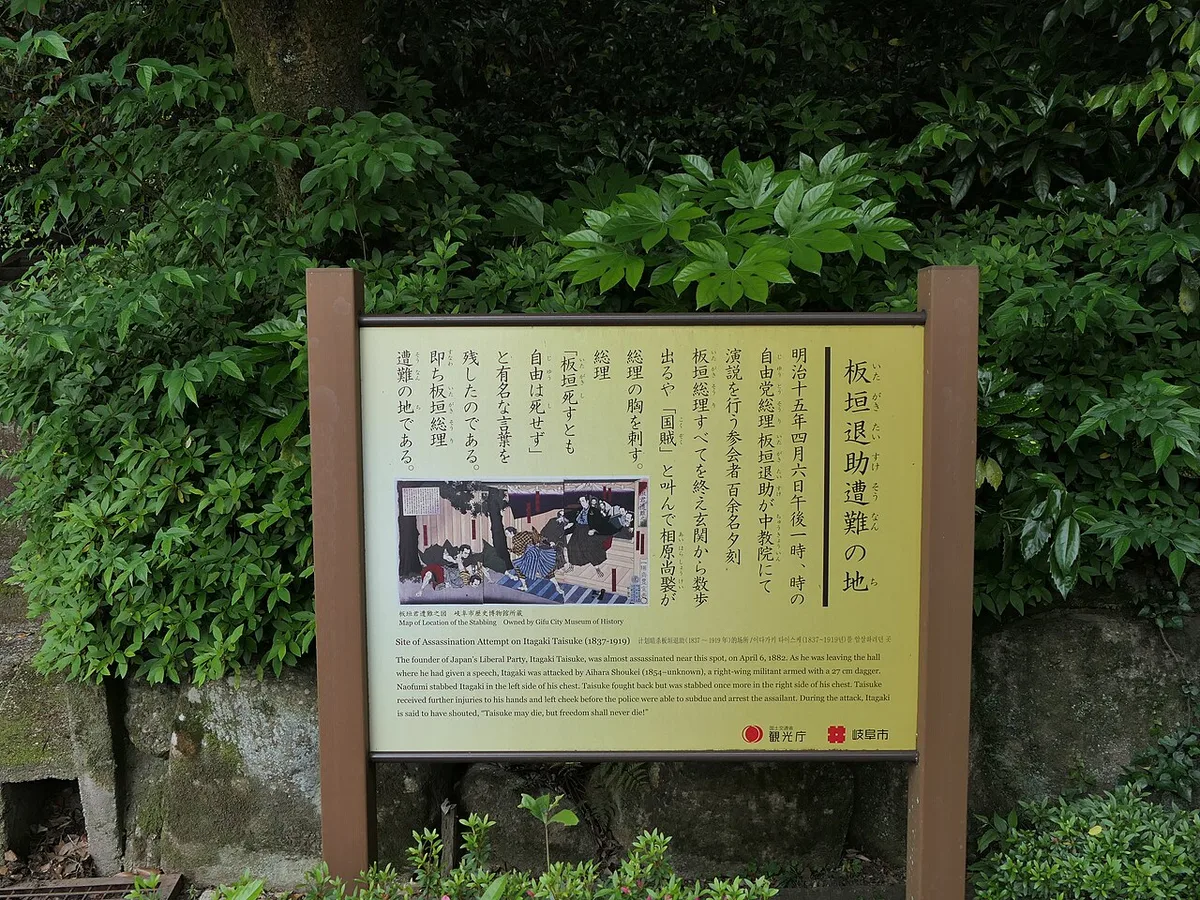
Gifu City played a central role in 16th-century Japan, serving as a base for warlord Oda Nobunaga during his campaigns to unify the country. The Gifu City Museum of History, located near Gifu Park, covers this period through scale models, artifacts, and English-language signage. Most visitors move through the exhibits in about one hour, making it a good first stop before heading to the castle.
The city's two signature craft traditions, chochin lanterns and wagasa umbrellas, have been produced here for several centuries. A handful of workshops near Kawaramachi accept walk-in visitors for 30 to 60-minute sessions covering basic lantern painting or umbrella assembly. Costs typically run between 1,000 and 2,500 yen per person, and booking ahead is smart during spring and autumn peak periods.
History-focused travelers can extend the day to Sekigahara, located about 30 minutes west of Gifu by local train. The Battle of Sekigahara in 1600 was the defining conflict that unified Japan under Tokugawa rule after 150 years of civil war. A purpose-built museum in the town center and reconstructed camp sites in the valley make this an immersive historical addition. Browse our guide to Gifu's top attractions for more ideas on filling extra hours in the area.
Parks, Gardens, and Seasonal Highlights
Gifu Park spreads across the base of Mount Kinka and acts as the main hub connecting the castle, temples, and city museum. A Japanese garden and shaded walking paths inside the park offer a calmer alternative to the busy ropeway area. Arriving before 9:00 AM gets you ahead of the ropeway queue and into the castle before organized tour groups come through.
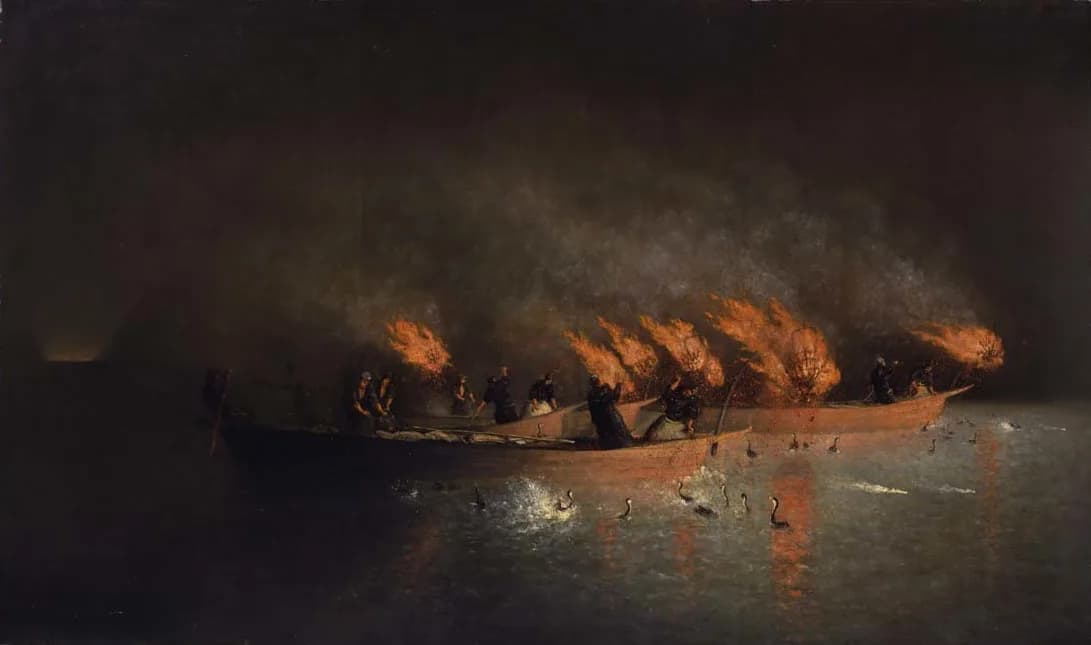
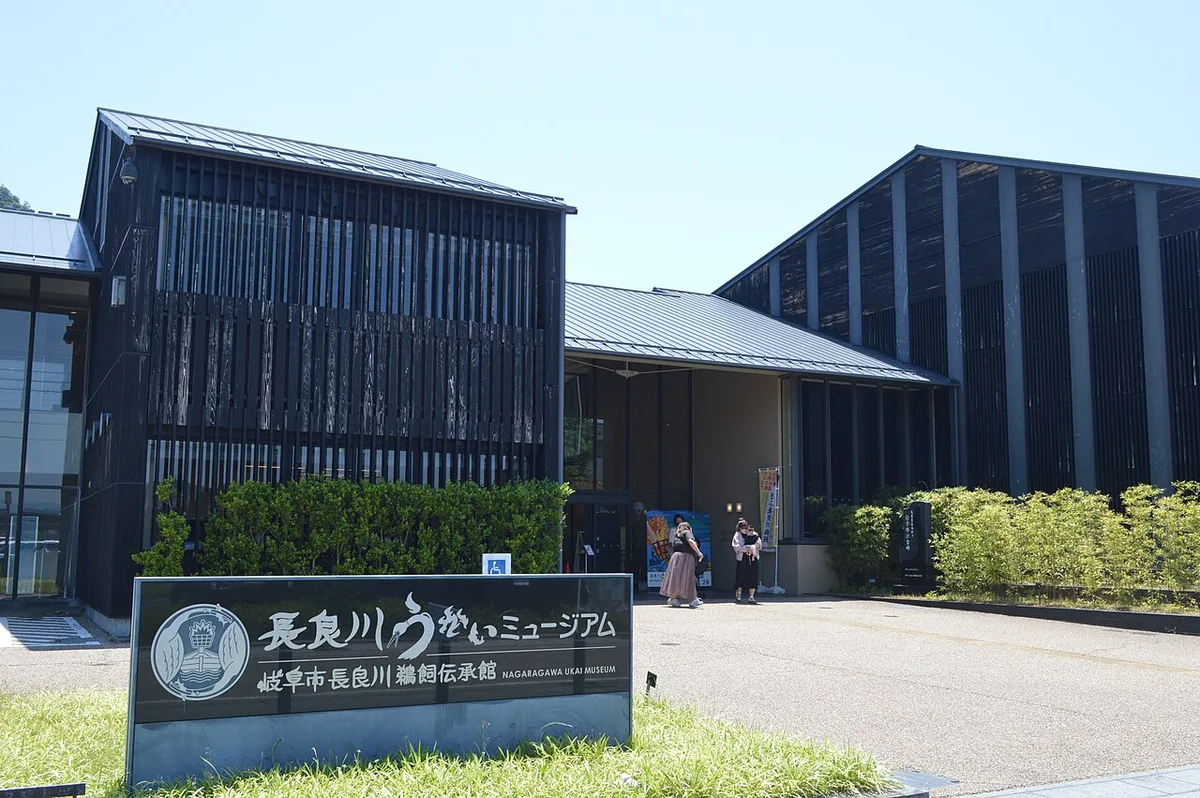
Spring draws visitors to several well-regarded cherry blossom spots around Gifu, including Kamagatani and Shinsakai Riverside. Blossoms usually peak in late March to early April, lining the riverbanks and park paths with pale pink and white. Summer and autumn shift attention to Nagara River, where the traditional ukai cormorant fishing runs from May through mid-October.
Autumn turns Mount Kinka's forested slopes red and orange from late October through November, making the ropeway ride especially scenic. Winter visits are quieter, with shorter lines at the castle and a calm atmosphere along the Kawaramachi river paths. Cold clear mornings produce sharp mountain views from the castle platform if you arrive before midday clouds roll in.
Each season brings a distinct character to the day trip, which explains why many Nagoya residents return to Gifu several times a year. Our guide to the best time to visit Gifu breaks down what to expect month by month across the area.
Where to Stay in Nagoya
Nagoya is the natural base for a Gifu day trip, with direct trains running from Nagoya Station every 30 minutes or less. The city has a wide range of accommodation near the main train stations, which makes early morning departures easy. Booking a hotel close to Nagoya Station or Sakae cuts the time between waking up and boarding your Gifu train.
For travelers who want a classic Japanese experience, a capsule hotel near the station is a practical and distinctive choice. 9H Nine Hours Nagoya Station is a well-reviewed capsule option with clean pod-style rooms and direct access to the JR platforms. The minimalist design keeps costs low while the prime location makes catching an early Gifu train effortless.
Budget travelers who prefer a private room will find strong options in Sakae, Nagoya's central entertainment and shopping district. Hotel androoms Nagoya Sakae offers modern rooms at a fair price with easy access to both the subway and JR lines. From Sakae, the subway reaches Nagoya Station in under 10 minutes, making early Gifu trains straightforward to catch.
Both hotel areas sit close to Nagoya's main attractions, so you can explore the city on days when you are not on a day trip. Nagoya Castle, Osu shopping district, and Atsuta Shrine all make worthwhile stops before or after your Gifu excursion.
How to Plan Your Gifu Day Trip
A half-day in Gifu works well if you want to see the castle, Great Buddha, and Kawaramachi without a rushed pace. Allow three to four hours from Gifu Station arrival to cover these three main stops comfortably. Taking the 8:00 or 9:00 AM train from Nagoya puts you at Gifu Park before most tour groups arrive.
Arriving before 9:00 AM helps you beat the ropeway queue and explore Gifu Castle before organized tour groups arrive. This early timing gives you several peaceful hours to enjoy the main attractions with shorter wait times.
A full day makes the most sense between May and mid-October, when you can add the evening Nagara River ukai to your schedule. Ukai typically starts around 7:00 PM, leaving the afternoon free to revisit favorite spots or rest in the park. Dinner boats that combine the fishing spectacle with a riverside meal book up weeks ahead, so reserve early in the season.
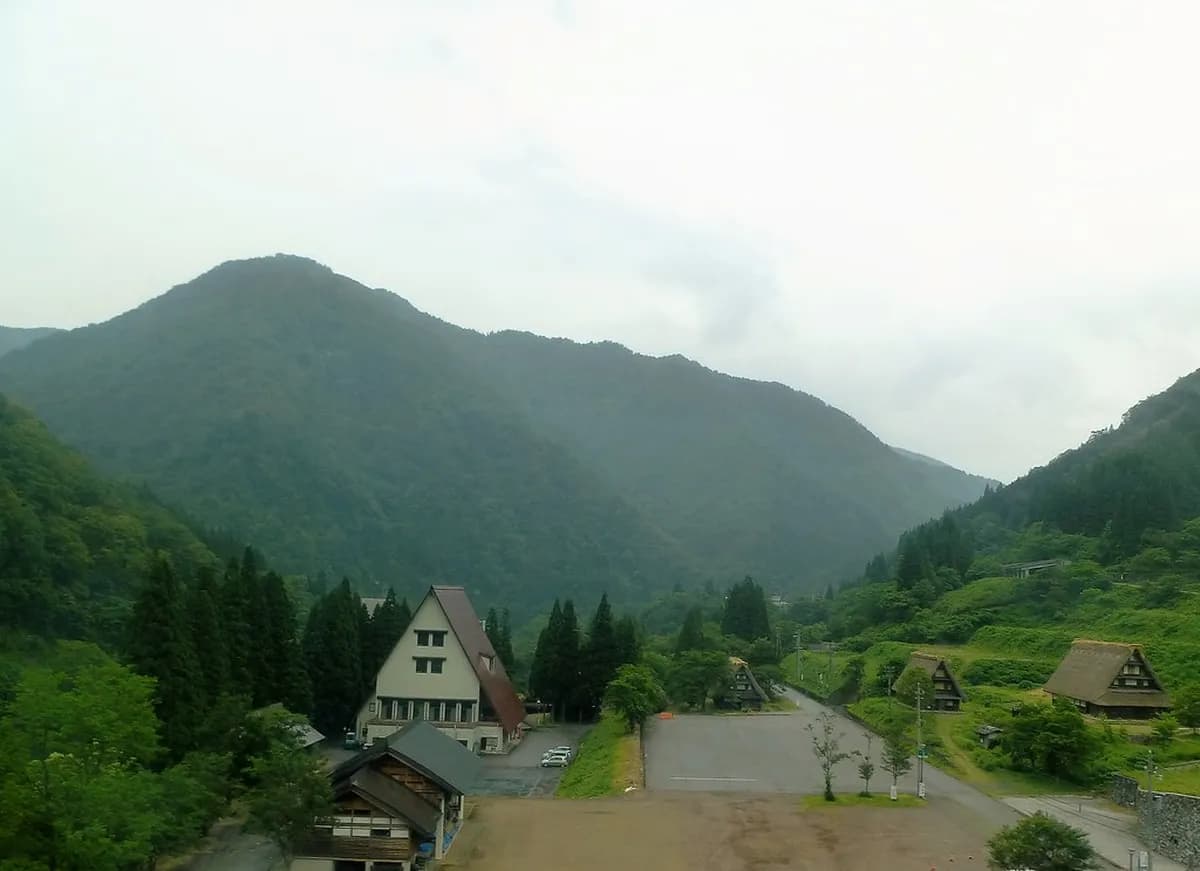
Gifu also works well paired with Inuyama, another historic castle town about 30 minutes from Nagoya in a different direction. Visiting both on separate days gives you two distinct day trips without repeating the same type of experience. Shirakawa-go, the UNESCO World Heritage village with thatched-roof farmhouses, is another strong option but requires most of a full day from Nagoya.
Wear comfortable shoes, since the Mount Kinka area involves either a ropeway queue or a steep hill walk. Bring some yen in cash, as smaller shops and workshops in Kawaramachi do not always accept card payments. Our Gifu day itinerary guide includes a full sample schedule with suggested timings and estimated admission costs.
What to Eat Before or After Gifu
If we are leaving Nagoya early, the easiest food plan is a station-area breakfast before the JR Tokaido Main Line ride. Nagoya coffee shops often serve a morning set until around 11:00 AM, usually coffee plus toast and egg for about 500 to 800 yen. That keeps the Gifu morning light and avoids spending castle time hunting for a meal.
For lunch or dinner, decide whether you want the meal in Gifu or back in Nagoya. Gifu is better for a slower riverside lunch near Kawaramachi, especially if you are staying for ukai. Nagoya is better for regional specialties after the return train: misokatsu usually runs about 1,200 to 2,000 yen, while hitsumabushi is more of a splurge at roughly 3,000 to 5,000 yen. If you return after the evening cormorant fishing, plan on a later dinner near Nagoya Station or Sakae, where more restaurants stay open past 9:00 PM.
Frequently Asked Questions
How long does the train ride from Nagoya to Gifu take?
The JR Tokaido Main Line Special Rapid connects Nagoya Station to JR Gifu Station in about 18 to 20 minutes, with fares around 470 yen each way. The Meitetsu line is a slightly longer alternative at around 30 minutes from Meitetsu Nagoya to Meitetsu Gifu. Both options run frequently throughout the day with no seat reservation required.
How much time should you plan for a Gifu day trip from Nagoya?
A half-day of three to four hours covers Gifu Castle, the Great Buddha, and Kawaramachi at a comfortable pace. A full day allows time for the evening ukai cormorant fishing on Nagara River, which runs from May through mid-October. Add travel time from Nagoya and plan to leave by 8:00 or 9:00 AM for a full-day visit.
Can you see cormorant fishing on a Gifu day trip from Nagoya?
Yes, the Nagara River ukai season runs from mid-May through mid-October, with sessions typically starting around 7:00 PM. Dinner boats that combine the fishing show with a riverside meal are available but fill up quickly in peak months. Our guide to Nagara River cormorant fishing explains how to book a boat and what the evening experience involves.
Is a Gifu day trip from Nagoya worth it on a short Japan itinerary?
Gifu offers castle history, Buddhist heritage, and living craft traditions in a compact area within 20 minutes of Nagoya by train. It suits first-time visitors wanting something quieter than Kyoto, as well as returning Japan travelers seeking less-crowded cultural depth. The short ride and low cost make it easy to justify even on a tight schedule.
Gifu rewards day-trippers from Nagoya with a strong mix of castle history, Buddhist heritage, and riverside culture. The short train ride, affordable fares, and compact layout mean you can cover the highlights without a rushed schedule. Whether you have a half-day or can stay for an evening ukai session, Gifu delivers more than most visitors expect.
Use Nagoya as your base and aim to leave by 9:00 AM to reach the castle area before crowds build. If you visit between May and October, staying for the evening cormorant fishing turns a solid day trip into a memorable one. Gifu is an easy addition for anyone spending two or more days in Nagoya.
For the complete picture, browse our guide to things to do in Gifu before you go.
Free: The Nagoya Essentials guide
Top things to do, where to stay, a perfect day plan, getting around, and the best time to go — a Nagoya mini-guide you can take offline.
You might also like


Continue reading
More guides you'll find useful