Gifu Great Buddha Shoho-ji Travel Guide
Visit the Gifu Great Buddha at Shoho-ji Temple — discover its history, admission prices, opening hours, and tips for a smooth 2026 trip from Nagoya.
On this page
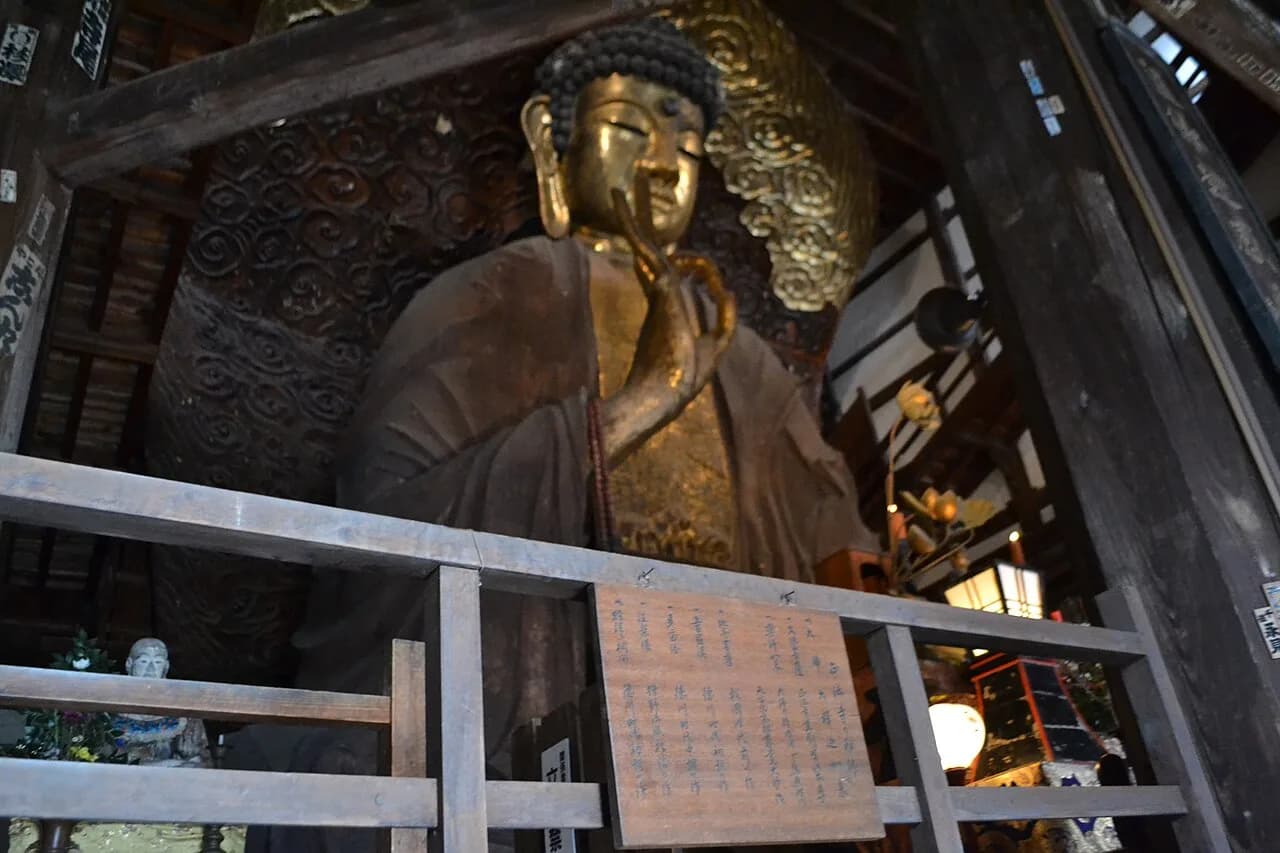
The Gifu Great Buddha at Shoho-ji Temple is one of the most striking sights in central Japan. Standing 13.7 metres tall, this golden statue is counted among Japan's Three Great Buddhas alongside the famous figures in Nara and Kamakura. Unlike those two, the Gifu Daibutsu is the largest dry-lacquer Buddha in Japan, a title earned through 38 years of patient construction.
Admission costs just a few hundred yen, and the temple is a short bus ride from JR Gifu Station. Whether you are visiting on a Gifu Day Trip From Nagoya Travel Guide or spending more time in the prefecture, Shoho-ji fits easily into any schedule. This guide covers everything you need to plan a smooth and memorable visit.
Last updated June 2026.
What Makes the Gifu Great Buddha Unique
The Gifu Daibutsu was completed in 1832 after 38 years of construction, a feat of sustained devotion and craftsmanship. The project began under a Buddhist monk named Inryu, who wanted to create an image that would bring peace to the region. Artisans used a large gingko tree as the central pillar and built a wooden and bamboo skeletal frame around it. The exterior was finished with clay before the surface was wrapped in pages from Buddhist sutras.
Once the sutra paper dried and hardened, craftspeople applied layer after layer of lacquer using the kanshitsu dry-lacquer method. Gold leaf was then pressed carefully onto the surface, giving the statue its warm, luminous finish that still glows inside the dim hall. This kanshitsu technique was widely used in ancient Japan but is rarely seen at this scale. You can read more about the construction history at en.Wikipedia.org.
The statue's serene expression is often described as unusually gentle compared with other large Buddhas in Japan. Its slight downward gaze and softly closed eyes create a calming atmosphere that many visitors find surprisingly moving. Even travellers without a strong interest in Buddhist art tend to find the hall quieting and well worth the short detour.
Inside Shoho-ji Temple: What to Expect
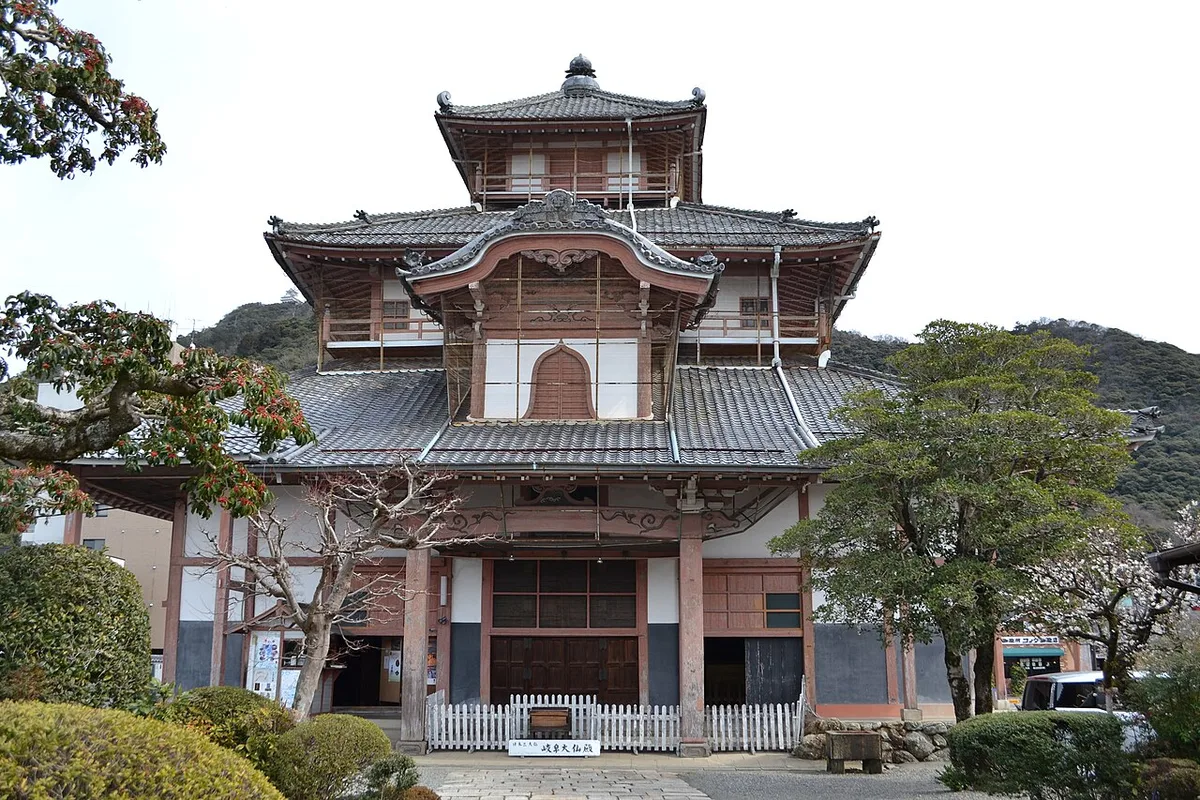
Shoho-ji Temple sits on a quiet plot at the foot of Mount Kinka, inside the northern edge of Gifu Park. The main gate opens onto a stone path that leads directly to the hall housing the Great Buddha. The grounds are compact, so most visitors cover the entire temple in 20 to 40 minutes.
Inside the hall, the statue fills the space almost completely, making the scale feel more immediate than photographs suggest. The warm gold of the surface catches the available light, and the surrounding silence deepens the meditative quality of the visit. There is no elaborate museum or multilingual exhibition, so arrive with an unhurried mindset and let the atmosphere do the work.
The hall also houses smaller statues and religious objects in the surrounding alcoves, which reward a slow walk around the perimeter. A few English-language signs near the entrance provide enough context to understand the statue's significance. Photography is generally permitted inside, though we recommend checking posted notices near the gate before you start shooting.
Hours, Admission, and Getting There
Shoho-ji Temple is open daily from 9:00 to 17:00, with no regular closure days listed for most of the year. Admission is 200 yen for adults (high school age and above) and 100 yen for children. Groups of 30 or more receive a reduced rate of 150 yen per adult and 50 yen per child. Confirm current hours and pricing before your visit at Visitgifu.com.
From JR Gifu Station, take the bus from terminal stop number 12 heading toward Gifu Park. The ride takes roughly 15 minutes, and you alight at the Gifu Koen Rekishi Hakubutsukan-mae stop. A five-minute walk through the park then brings you to the temple gate. See our getting to Gifu guide for full station access details and transport options from Nagoya and Osaka.
Driving is possible, but parking near the park can be limited on weekends and public holidays. The bus option is straightforward and sidesteps any parking hassle, making it the practical choice for most visitors. Taxis from the station take about 10 minutes and cost roughly 1,000 to 1,200 yen one way.
Nearby Attractions to Combine on the Same Day
Shoho-ji Temple is ideally placed for pairing with the other main sights around Gifu Park. The park contains a statue of Oda Nobunaga, hillside walking paths, and a small history museum. A five-minute walk from the temple gate brings you to the base of the Mt Kinka Ropeway and Gifu Castle. The ropeway lifts you up to sweeping views over the city and the Nagara River below.
The Nagara River, a short walk downhill from the park, is famous for its centuries-old cormorant fishing tradition. Summer evenings from late May through mid-October bring out the ukai fishing boats, with viewing vessels available for tourists. Our guide to Nagara River Cormorant Fishing Ukai covers booking, seasons, and what to expect on the water.
The Kawaramachi district, Gifu's old merchant quarter, sits about 15 minutes on foot south of Gifu Park. Its preserved streetscapes, traditional craft shops, and quiet riverside paths make it a good complement to a morning at the temple. Explore our Kawaramachi old town guide to see what this neighbourhood offers before you go.
Planning Tips for a Smooth Visit
The Gifu Great Buddha and its surrounding sights work well as a half-day or full-day itinerary from the city centre. Arriving at the temple before 10:00 usually means fewer visitors and a quieter atmosphere inside the hall. Autumn, particularly October and November, brings colourful foliage to Gifu Park and adds a scenic backdrop to the walk from the bus stop. Check our Best Time To Visit Gifu Travel Guide guide for seasonal highlights and festival dates.
From Nagoya, the journey to Gifu takes about 20 minutes by JR or Meitetsu train, making this an easy regional day out. Allow at least 30 to 45 minutes for Shoho-ji itself, plus extra time for the ropeway or a park walk. For a structured day plan covering the temple, castle, and river in one trip, see our Gifu itinerary guide.
Bring small change for the admission fee, as a card machine is not guaranteed at this smaller temple. The site involves modest walking on stone paths, so comfortable footwear makes the visit easier. If you have specific access requirements, contact the temple directly on 058-264-2760 before visiting to confirm facilities.
Arriving at the temple before 10:00 usually means fewer visitors and a quieter atmosphere inside the hall.
Frequently Asked Questions
How do I get to Shoho-ji Temple from JR Gifu Station?
Take the bus from terminal stop number 12 at JR Gifu Station and ride approximately 15 minutes to the Gifu Koen Rekishi Hakubutsukan-mae stop. From there, walk five minutes through Gifu Park to reach the temple gate. Taxis take about 10 minutes and cost roughly 1,000 to 1,200 yen one way.
What are the opening hours and admission prices for the Gifu Great Buddha?
Shoho-ji Temple is open daily from 9:00 to 17:00. Admission is 200 yen for adults (high school age and above) and 100 yen for children, with group discounts for parties of 30 or more. Prices are accurate at time of writing; verify current details on the official tourism site before your visit.
How long should I plan to spend at Shoho-ji Temple?
Most visitors spend 20 to 40 minutes at the temple, which is enough to view the Great Buddha and walk slowly around the hall. Adding the Mt Kinka Ropeway and Gifu Castle brings the total to a comfortable half-day. Allow a full day if you also plan to walk along the Nagara River and explore Kawaramachi.
Is the Gifu Great Buddha worth visiting on a day trip from Nagoya?
Yes — the Gifu Great Buddha is reachable from Nagoya in about 20 minutes by train and costs very little to enter. Pairing it with the Mt Kinka Ropeway, Gifu Castle, and a riverside walk gives you a full half-day without rushing. It is particularly good value for first-time visitors to the Chubu region.
What makes the Gifu Great Buddha different from the Nara and Kamakura Buddhas?
The Gifu Daibutsu is the largest dry-lacquer Buddha in Japan, built around a wooden and bamboo frame wrapped in Buddhist sutra paper. Unlike the outdoor bronze statues in Nara and Kamakura, it sits inside a temple hall and has an unusually gentle expression. Construction took 38 years and was completed in 1832.
The Gifu Great Buddha at Shoho-ji Temple is a quietly impressive sight that tends to stay with visitors long after they leave. Its low admission price, short travel time from Nagoya, and closeness to Gifu Castle make it easy to include on any visit. Whether you have a full day or just a couple of hours, the temple rewards the short detour.
The best visits pair the Great Buddha with a ropeway ride and a riverside stroll for a full, memorable day. We hope your visit to the Gifu Daibutsu leaves the same lasting impression it leaves most travellers.
Pair the Great Buddha with the rest of the city using our guide to things to do in Gifu.
Free guide: Japan's Hidden Gems
12 under-the-radar places beyond Tokyo & Kyoto — with the best season to visit each and a local tip you won't find in the guidebooks.
You might also like

Continue reading
More guides you'll find useful