Kanazawa Castle stands as the defining landmark of a city that was never bombed or occupied during Japan's modern conflicts — which means its historic districts, including the castle park, survived the 20th century largely intact.
The Maeda clan ruled the wealthy Kaga Domain from here for nearly 290 years, and today the restored gates, turrets, and gardens tell that story in remarkable detail.
Most of the grounds are free to enter in 2026, with a small paid section covering the reconstructed wooden structures at the heart of the park.
This guide covers everything you need to plan a visit: opening hours, ticket prices, the best route through the grounds, seasonal highlights, and the details most first-timers miss.
What is Kanazawa Castle?
Kanazawa Castle was the seat of the Maeda family, who built the Kaga Domain into one of Japan's wealthiest feudal states — the "Kaga Hyakumangoku" domain, named for its rice production of one million koku per year. Construction in its current location began in 1583 when Maeda Toshiie entered Kanazawa, and the clan continued to develop the site for over two centuries.
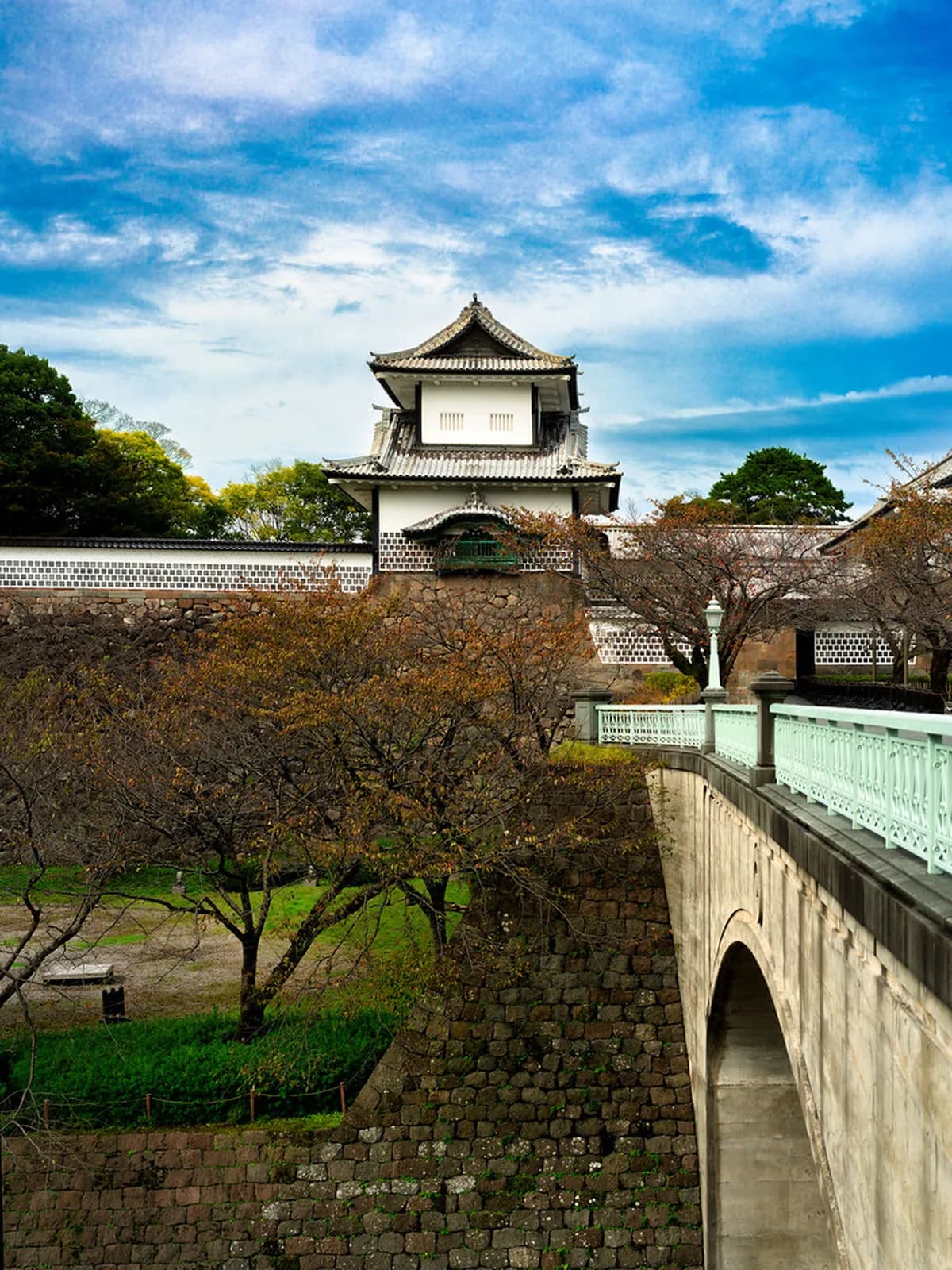
The original main keep was destroyed by fire in 1602 and was never rebuilt. A series of subsequent fires consumed other structures over the centuries, leaving only the Ishikawa-mon Gate (rebuilt 1788, designated an Important Cultural Property) and the Sanjukken Nagaya storehouse from the original Edo-period buildings. Starting in 2001, Ishikawa Prefecture undertook a major restoration program, reconstructing the Hishi Yagura turret, Gojukken Nagaya warehouse, and Hashizume-mon Tsuzuki Yagura using traditional joinery methods and historical documents.
The site opened as Kanazawa Castle Park in 2001 and has been expanded in stages since. The most recent addition was the Nezumitamon Gate and wooden bridge, completed in July 2020 after 140 years. The park now covers roughly 30 hectares in the heart of the city, bordered by Kenrokuen Garden to the east and Oyama Shrine to the west.
You can learn more about the warriors who lived near here by visiting the Nagamachi Samurai District a short walk to the southwest.
Opening Hours and Entry Fees for 2026
The main park grounds are free to enter year-round, with no closing days. Hours change seasonally: 07:00–18:00 from March 1 to October 15, and 08:00–17:00 from October 16 through February. These are the hours the gates are unlocked; you can remain on the grounds until closing but should plan arrivals accordingly.
The three paid structures — Hishi Yagura turret, Gojukken Nagaya warehouse, and Hashizume-mon Tsuzuki Yagura — are open 09:00–16:30 with last entry at 16:00, every day of the year. Admission is ¥320 for adults and ¥100 for children aged 6–17. Seniors aged 65 and over enter free with valid ID. The combined ticket with Kenrokuen Garden costs ¥500 in 2026, saving ¥130 over buying both separately — this is the best value for most visitors since the two sites are adjacent and take a full half-day together.
Cash and IC cards are accepted at the main ticket windows. Credit card acceptance is expanding but not universal at all booths as of 2026. Check the official Ishikawa prefectural site for any fee updates before you arrive.
Budget 1.5–2.5 hours for the castle park alone. If you are combining the visit with Kenrokuen Garden next door, plan for 3.5–4.5 hours at a relaxed pace. The paid interiors close promptly at last entry 16:00 — do not arrive after 15:30 if you want to see all three structures.
| Area / structure | Hours (2026) | Admission |
|---|---|---|
| Free park grounds & gardens | Mar 1–Oct 15: 07:00–18:00 / Oct 16–Feb: 08:00–17:00 | Free; no closing days |
| Paid structures (Hishi Yagura, Gojukken Nagaya, Hashizume-mon Yagura) | 09:00–16:30 (last entry 16:00) | ¥320 adults / ¥100 children 6–17 / seniors 65+ free |
| Combined ticket with Kenrokuen Garden | Same as paid structures | ¥500 (saves ¥130 vs buying separately) |
The paid structures (Hishi Yagura, Gojukken Nagaya, Hashizume-mon Yagura) close at last entry 16:00 every day — do not arrive after 15:30 if you want to see all three. The gates of the free park grounds also lock at closing time (18:00 summer, 17:00 winter).
How to Get to Kanazawa Castle from JR Kanazawa Station
The Kanazawa Loop Bus is the fastest and easiest option. Board at Bus Stop 7 on the East Exit of JR Kanazawa Station and ride about 10 minutes to the "Kenroku-en/Kanazawa Castle" stop, which drops you directly in front of the Ishikawa-mon Gate. The fare is ¥210 per ride; a one-day pass costs ¥600 and pays for itself after three rides — easy if you also plan to visit Higashi Chaya District or Omicho Market on the same day.
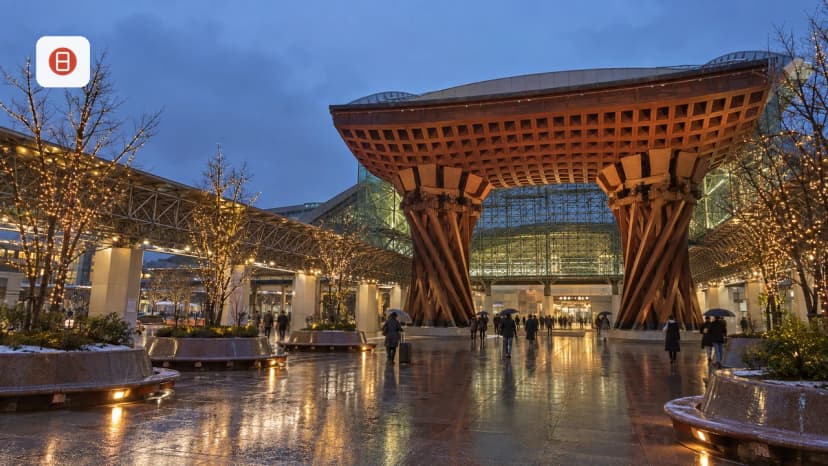
Walking from the station is also practical in good weather. The route via the Korinbo shopping boulevard takes 20–25 minutes on flat, well-signposted pavements. English wayfinding is reliable throughout the city centre. On the way you pass the Tsuzumi-mon Gate at the station itself, a striking modern structure shaped like traditional drum frames that makes a good first photo stop.
Taxis from the East and West exits run ¥1,000–¥1,500 to the main gate depending on traffic. Groups of three or four will find a taxi cheaper per person than individual Loop Bus fares for a single trip. If you are driving, the nearest public car park is the Kenroku-en underground car park, a 400-metre walk from the castle (¥200/30 minutes, approximately ¥1,200 for a three-hour visit). Street parking enforcement is strict throughout this zone.
Best Entrance and Recommended Route Through the Grounds
There are five entrances to the park. For first-time visitors, enter through Ishikawa-mon Gate on the east side. This is the most photogenic structure in the park and immediately conveys the defensive scale the Maeda clan intended. Walking through its massive timber doors and beneath the distinctive white lead-tile roof sets the tone for the entire visit.
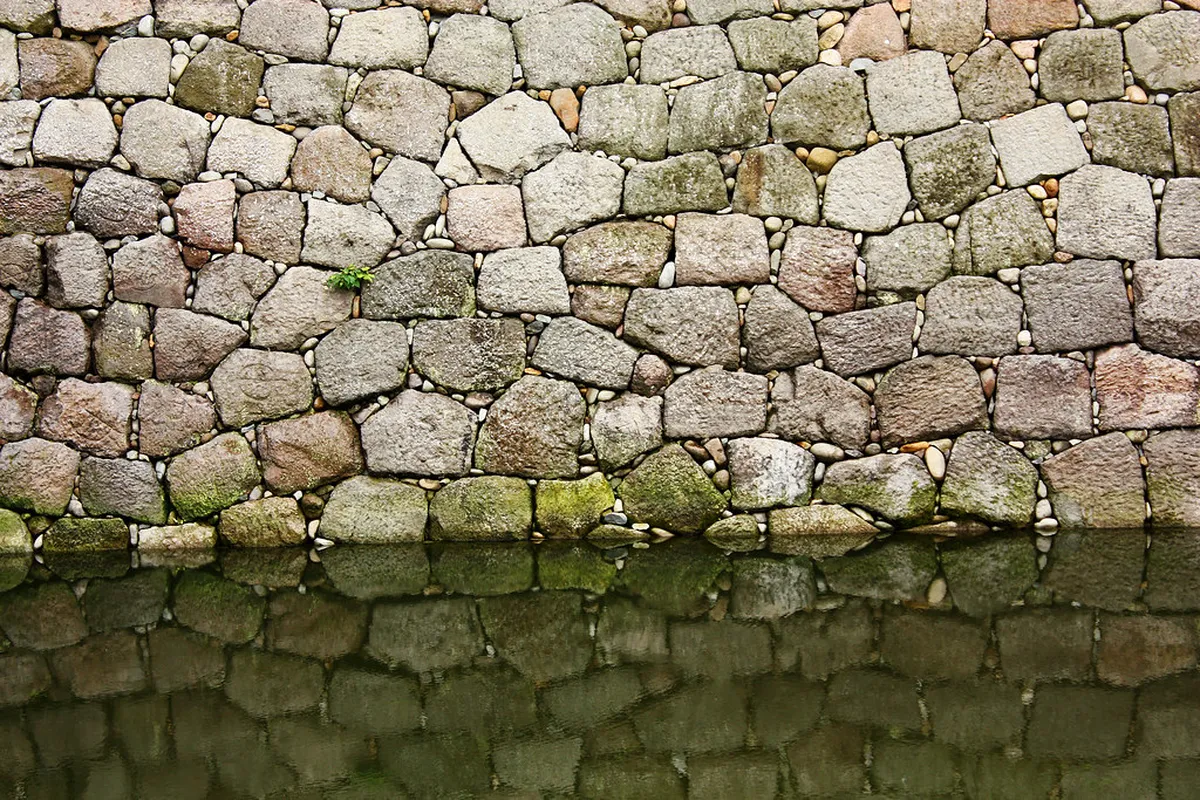
For a full two-hour circuit, follow this route: Ishikawa-mon Gate → Ninomaru Plaza (the central open lawn) → Hishi Yagura and Gojukken Nagaya interior (paid, allow 45 minutes) → Hashizume-mon Tsuzuki Yagura → Gyokusen-inmaru Garden → Nezumitamon Gate on the western side. The western gate is under-visited and worth the detour — it connects to Oyama Shrine via a restored wooden bridge that gives a unique vantage point over the castle's massive stone foundations. Most tour groups never reach this side, so it stays quiet even on peak days.
If you have only 45–60 minutes, skip the paid interiors and walk the free outer circuit: Ishikawa-mon → Ninomaru Plaza → Gyokusen-inmaru Garden → exit via Hashizume-mon. This loop is entirely free and covers the park's most striking views. The Tsuru-no-maru rest house partway around the circuit is a good midpoint stop — it has a cafe, a 4K theatre showing what the Ninomaru Palace looked like in the Edo period, and glass walls with direct views across the Gojukken Nagaya.
Top Highlights Inside Kanazawa Castle Park
The Gojukken Nagaya is the centrepiece of the paid section. This 90-metre-long warehouse (the name translates roughly as "fifty-bay long house") was the Maeda clan's main arsenal. Walking the full interior length reveals how the building was assembled entirely without metal nails or fasteners — scale models at the far end explain the traditional joinery techniques. Allow 20–30 minutes. This is also the best spot for architectural detail photography.
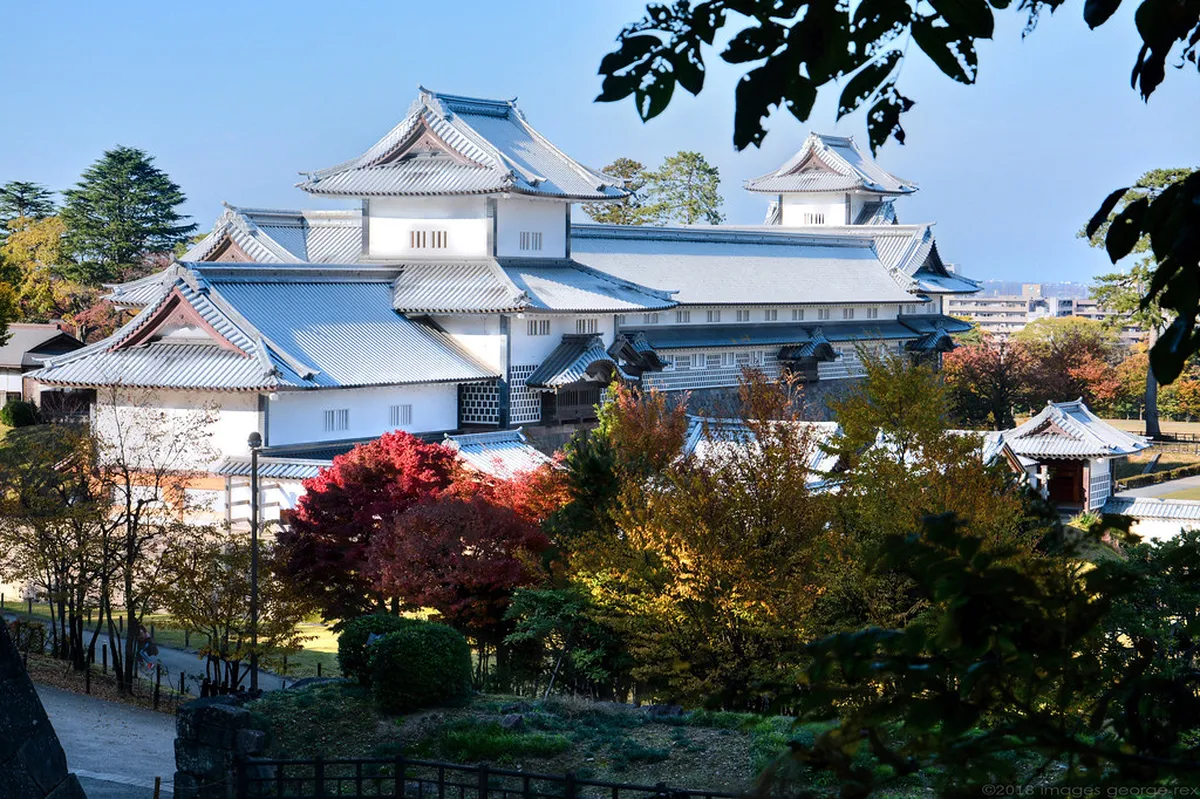
The Hishi Yagura turret sits at the junction of the Gojukken Nagaya and has a distinctive diamond-shaped floor plan. The 100 structural pillars inside are all rhombic in cross-section — an engineering choice that reduced blind spots for the watchmen inside. From the third floor you get a clear view across Ninomaru Plaza that is especially dramatic at golden hour. The Hashizume-mon Tsuzuki Yagura, connected to the other end of the long house, was the formal watchtower guarding the Ninomaru's main entrance gate.
The Gyokusen-inmaru Garden is the quietest corner of the park at any hour. Restored in 2015 to its Edo-period layout, it features a koi pond, stone lanterns, stepped waterfalls, and a tea house. The garden uses a 22-metre change in elevation to create a three-dimensional landscape — the effect is more dramatic than the flat plan suggests. Evening light shows operate here on selected winter nights; check the visitkanazawa.jp website for the 2026 schedule.
The Ishikawa-mon Gate (built 1788, Important Cultural Property) is the top photography location in the park. The white lead tiles on the roof were deliberately chosen by the Maeda clan to double as a bullet supply in wartime — a detail worth mentioning to anyone who asks why the roof looks so unusually pale. The best shot: stand in Kenrokuen Garden and frame the gate through cherry trees in spring or yellowed ginkgo leaves in late November. Morning light hits the white tiles from the east, so arrive before 10:00 for glare-free photography.
Kanazawa Castle's Stone Walls: Japan's Most Varied Collection
The stone walls (ishigaki) of Kanazawa Castle are one of the least-promoted but most genuinely interesting features of the site. Over nearly 290 years of occupation, the Maeda clan constructed walls using six distinct techniques — ranging from roughly stacked natural stones to precisely cut and fitted blocks — and the full range is still visible today. The park authorities have marked a dedicated stone wall walking course that takes about 30 minutes and identifies each wall type.
Look for the carved markings cut into individual stones throughout the castle grounds. These are quarry marks and ownership symbols left by the labourers who cut and transported the stones. There are over 200 distinct carved designs recorded across the site, including circles, triangles, squares, and swastikas (an auspicious Buddhist symbol in this context). Finding different symbols as you walk is a genuinely engaging detail that children and adults both notice once it is pointed out.
The area near the Nedari-mon Gate on the north side contains some of the oldest walls, showing rough-hewn nozurazumi stacking that predates the later, more sophisticated techniques. The walls near the Hishi Yagura show the polished kirichikomi-zumi style from the 17th-century expansion. No other surviving castle in Japan has this range of techniques visible in a single compact site — which is why the designation "museum of stone walls" has stuck among Japanese heritage specialists.
Best Seasons and Events at Kanazawa Castle in 2026
Spring (late March to mid-April) is the most popular season. Around 400 cherry trees — Someiyoshino, early-flowering varieties, and mountain cherries — bloom around the outer castle walls, the inner moat of the Hyakuken Hori, and across Ninomaru Plaza. The combination of white lead-tile rooftops and pink blossoms is the signature Kanazawa image. Arrive before 09:00 or after 16:00 on weekends to avoid the densest tour groups. Evening illumination during cherry blossom season extends the viewing window and the castle grounds feel entirely different under artificial light.
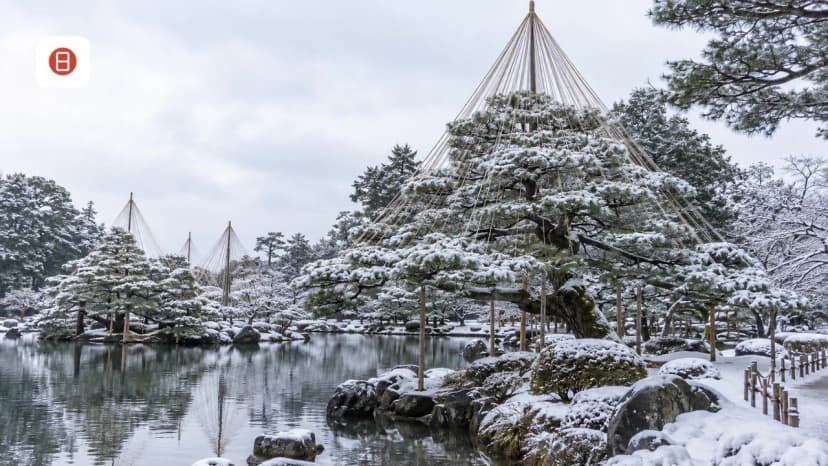
Winter (late November to February) transforms the park with yukizuri rope structures — the distinctive cone-shaped frames draped over pine trees to prevent snow damage. These are unique to Kanazawa's garden culture and appear from late November. The castle under snow is visually striking and the grounds are almost empty on weekday mornings. Winter park hours are shorter (08:00–17:00 from October 16); dress in warm layers. Night illumination events run on selected dates through the winter at Gyokusen-inmaru Garden; the visitkanazawa.jp events calendar has specific dates for 2026.
Autumn (mid-October to late November) offers rich foliage with more manageable crowds than spring. Maple trees around Gyokusen-inmaru Garden peak in mid-to-late November, producing deep reds and oranges against the white castle walls. Air quality is typically excellent after the summer rain season and this is the best period for high-quality photography without spring crowds. Summer visits are the least comfortable due to heat and humidity, though extended hours until 18:00 and the lush grounds make early-morning visits worthwhile.
Spring (late March to mid-April) is the most popular season — around 400 cherry trees bloom around the outer walls and Ninomaru Plaza. Arrive before 09:00 or after 16:00 on weekends to avoid the densest tour groups. The combined ¥500 ticket with Kenrokuen Garden saves ¥130 and covers the castle's three paid structures — the best value if you plan to visit both sites.
Combining Kanazawa Castle Park with Kenrokuen Garden
Kenrokuen Garden and Kanazawa Castle Park share a boundary wall. The combined ¥500 ticket covers the castle's paid structures and Kenrokuen's entry, saving ¥130 versus buying both separately. The two sites connect via a pedestrian underpass near the Kenroku-en Shimo Entrance on the south side of the garden, making it easy to move between them without returning to the main road.
Most visitors do Kenrokuen first — it opens from 07:00, and the garden photography is best before 09:00 when the light is low and crowds are thin. Cross into the castle grounds before the paid structures open at 09:00. This sequence puts you in the castle interiors at opening time, 30–45 minutes ahead of most tour groups. The combined visit takes 3.5–4.5 hours at a relaxed pace; add an hour during cherry blossom season when both venues fill quickly after 10:00.
The Kenrokuen Garden guide covers the six attributes that give the garden its name, the best interior walking routes, and seasonal highlights in more detail. For a full-day sequence that also includes Higashi Chaya District and Omicho Market with realistic walking times, the Kanazawa itinerary is the most practical starting point.
Accessibility and Practical Tips
The three paid structures (Hishi Yagura, Gojukken Nagaya, Hashizume-mon Tsuzuki Yagura) all have barrier-free, step-free entrances — confirmed by the Ishikawa prefectural parks authority. The main gravel paths through the park are firm-packed and generally manageable for wheelchairs and pushchairs, though some uneven sections exist near the older stone foundations. The Nezumitamon Gate area on the western side has a narrower gravel path that may be more challenging. The visitor centre near Ishikawa-mon Gate has accessible toilets and free coin locker luggage storage. English-language audio guides are available for hire at ¥300.
- Wear sturdy walking shoes — gravel paths cover several kilometres across the full grounds
- Bring yen for ticket windows (cash preferred at some booths; IC cards accepted at main windows)
- Carry a compact umbrella — sudden rain is common year-round in Kanazawa
- No drone photography is permitted anywhere on the grounds
- Food and drink are not permitted inside the paid structures
- Dogs are permitted on leads in the free park areas but not inside paid structures
- The evening free illumination (Saturday and selected weekday nights, sunset to 21:00) covers all major gates and structures — check the castle's current schedule on arrival
After a long walk through the grounds, you might duck into unassuming Grill Otsuka near the Nagamachi district for a hearty local meal.
Frequently Asked Questions
Is Kanazawa Castle Park free to enter in 2026?
Most areas of the park remain free for the public to enjoy throughout the year. You only need to pay a small fee to enter the inner restored buildings like the turrets. Check the Kanazawa guide for the latest ticket prices and seasonal opening hours.
What are the opening hours for Kanazawa Castle Park?
The park gates usually open at 7:00 or 8:00 in the morning and close around 18:00. These hours can vary slightly depending on the season and specific holiday events. The inner buildings like the Gojukken Nagaya typically open at 9:00 and close by 16:30.
How long does it take to visit Kanazawa Castle Park?
A basic walk through the grounds takes about one hour for most visitors. If you plan to enter the turrets and explore the Gyoku-inmaru Garden, you should budget at least two to three hours. Many people spend a half-day combining the castle with Kenrokuen Garden.
Is Kanazawa Castle Park accessible for wheelchairs?
The main paths of the park are wide and paved with gravel or stone, making them mostly accessible. Some of the older stone walls and steep hills may require assistance or alternative routes. The interior of the restored turrets involves steep wooden stairs that are not wheelchair accessible.
Kanazawa Castle Park rewards visitors who slow down and look closely — at the joinery inside the Gojukken Nagaya, the carved symbols on the stone walls, and the unexpected quiet of the Gyokusen-inmaru Garden.
The majority of the experience is free, and the ¥320 paid section delivers some of the finest surviving examples of traditional Japanese castle construction anywhere in the country.
Combining a morning here with Kenrokuen Garden next door remains the single best half-day itinerary in Kanazawa in 2026.
For more Kanazawa planning, see our guides to things to do in Kanazawa and how to visit Kanazawa Castle Park.
For authoritative information, refer to the Kanazawa Castle official site and Kanazawa Castle on Wikipedia.