
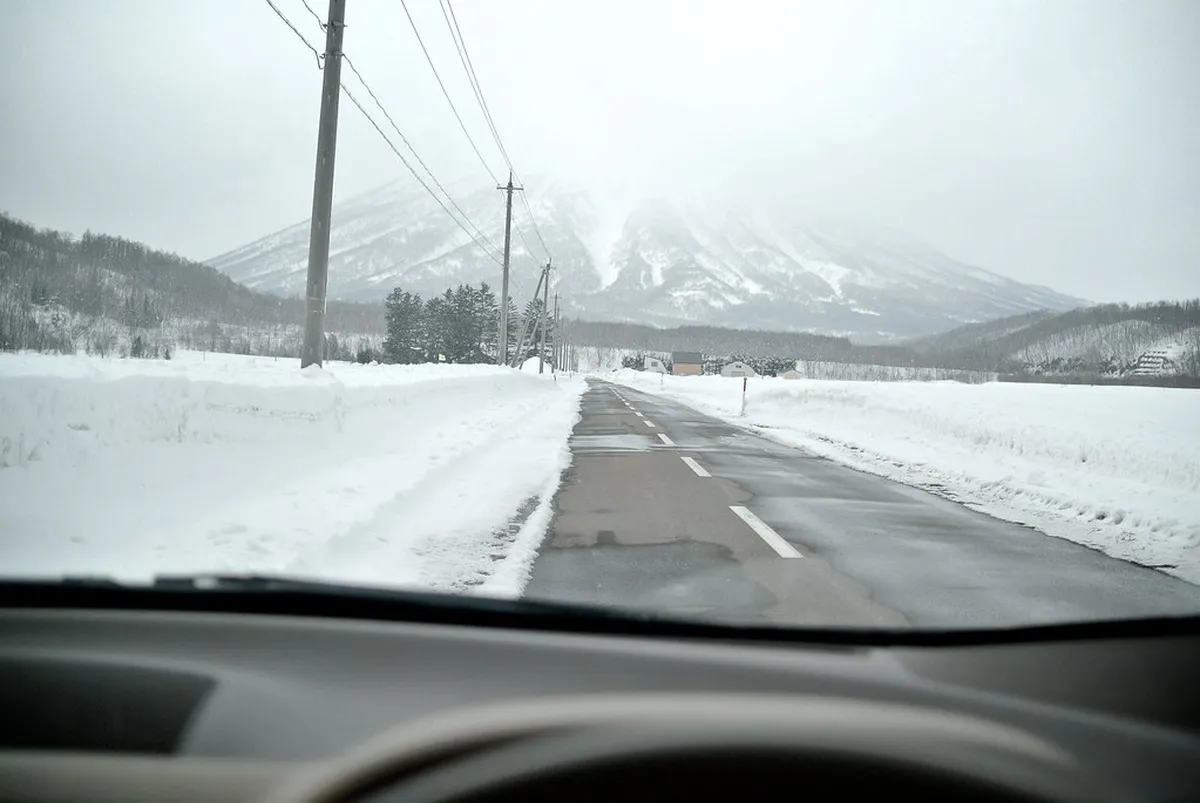
Mount Yotei
Mount Yotei (Ezo-Fuji) is a 1,898m symmetrical volcano near Niseko, Hokkaido, offering a challenging full-day summit hike with free public access from July to October.
Visitor guide →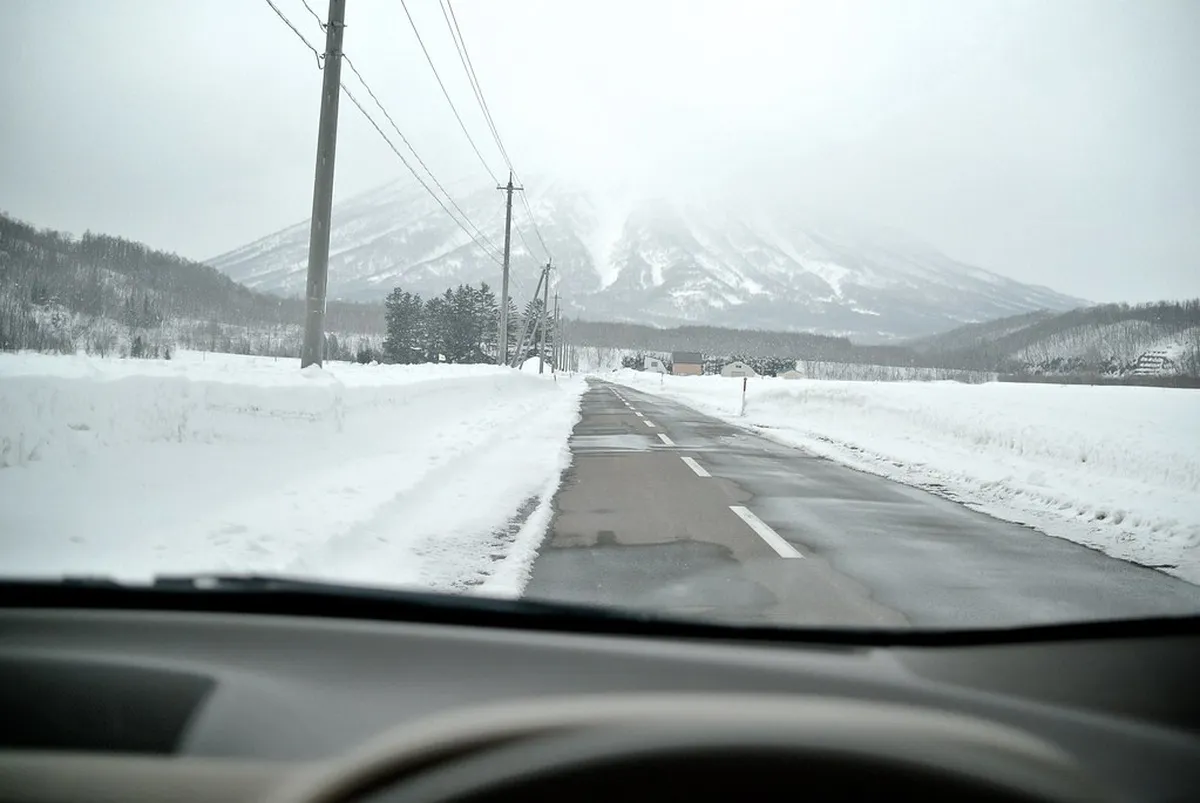
Things to do in Niseko: 10 must-visit attractions across winter & green season, with verified 2026 ticket prices, onsen fees, itineraries and travel tips.
Niseko, in the mountains of western Hokkaido, is Japan's most famous all-season resort town — and its attractions reward visitors in completely different ways depending on when you arrive. In winter it draws skiers and snowboarders from around the world for the lightest, deepest powder in Japan: more than 15 metres of dry snow falls across the four interlinked resorts of Niseko United each season. In the green months from June to October, the same slopes give way to hiking trails, white-water rafting on the Shiribetsu River, Japan's longest zipline, and the full-day summit climb up Mount Yotei, the 1,898 m volcano known as "Ezo-Fuji" that looms over the whole valley.
Year-round, Niseko's volcanic geology delivers a third draw: some of Hokkaido's best onsen (natural hot springs), from the large Konbu Onsen resort area to the milky sulphur baths of remote Goshiki Onsen. There is even quiet culture here — the Arishima Memorial Museum sits on a former tenant farm with Mt Yotei framed in the window. We've narrowed the field to the 10 attractions that consistently reward the time and ticket price, and each entry below links to a full 2026 visitor guide with verified opening hours, current pricing, and practical access notes. Use this page to plan whether you're coming for the powder, the green season, or both.
Planning a wider trip? See our Japan travel guide, the things to do in Niseko guide, and getting around Japan.
Mount Yotei (Ezo-Fuji) is a 1,898m symmetrical volcano near Niseko, Hokkaido, offering a challenging full-day summit hike with free public access from July to October.
Visitor guide →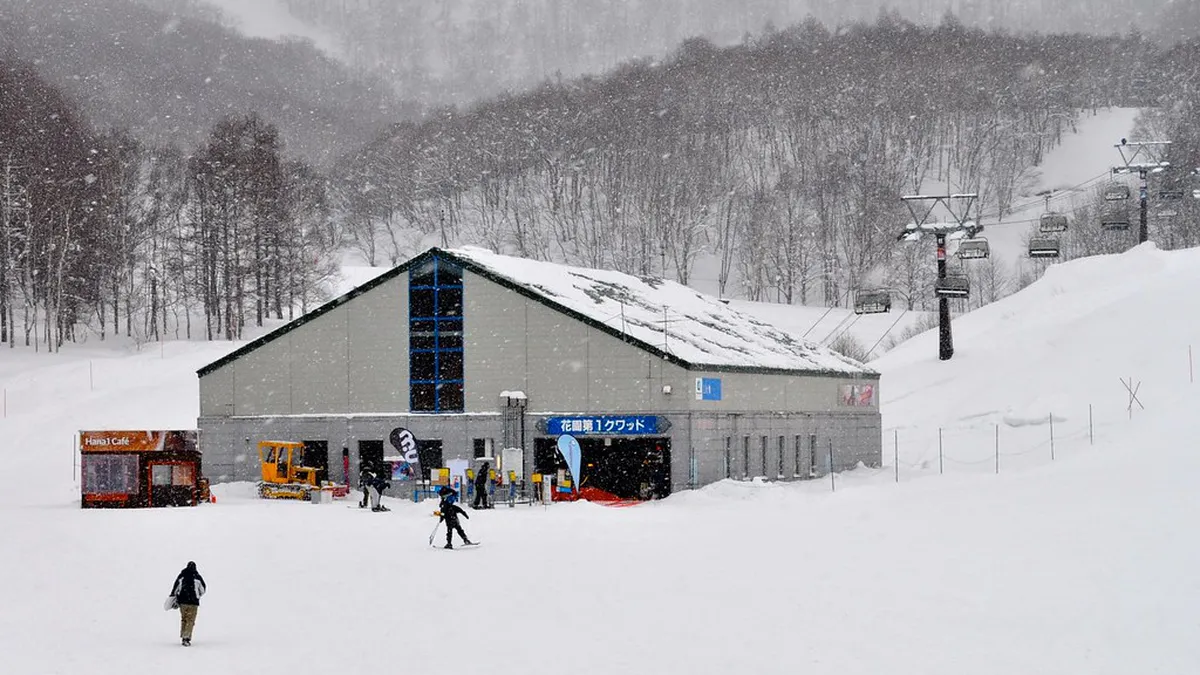
Niseko Annupuri is the westernmost of Niseko United's four interlinked ski resorts in Hokkaido, Japan, famous for deep powder, beginner-friendly slopes, night skiing, and a summer sightseeing gondola.
Visitor guide →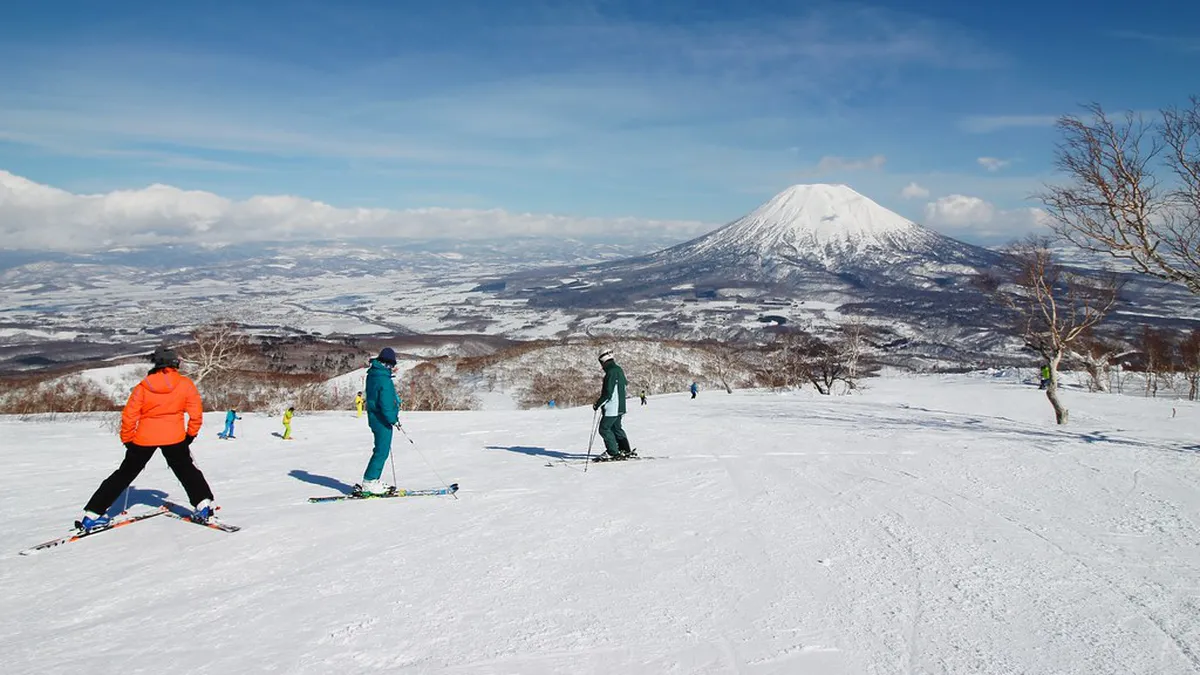
Niseko Grand Hirafu is the largest ski resort in Niseko United, Kutchan, Hokkaido. Find 2026 lift ticket prices, season dates, night skiing, gondola hours and beginner terrain.
Visitor guide →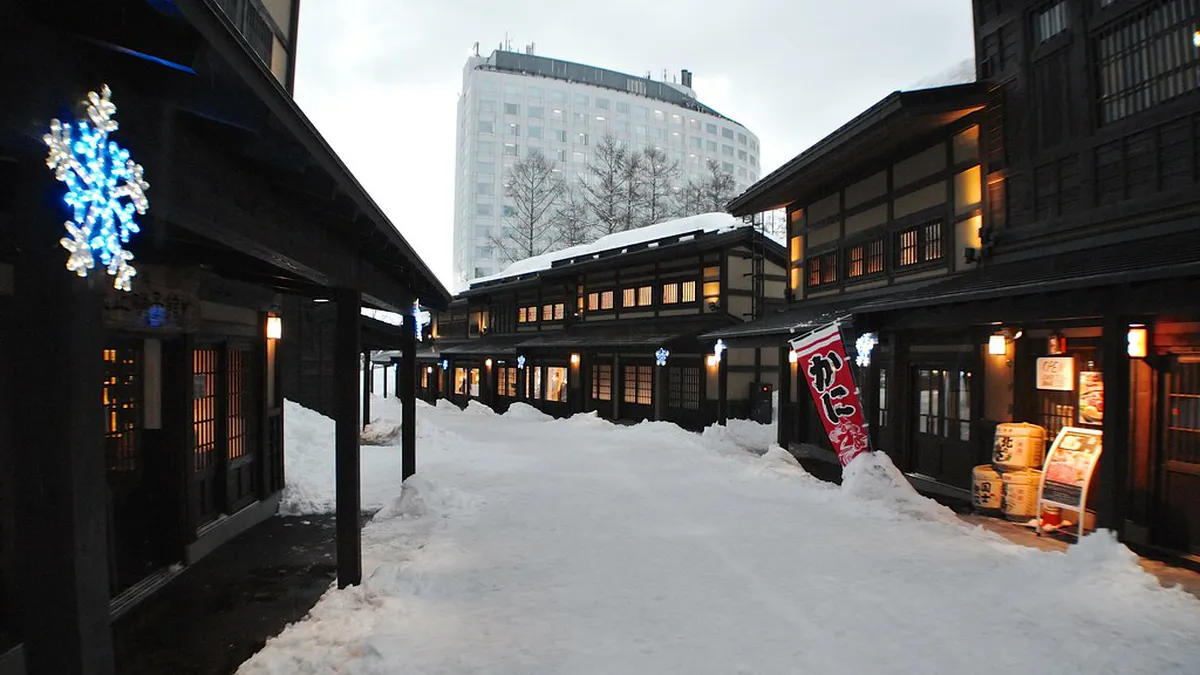
Niseko Village is an integrated ski resort and village on Mount Niseko Annupuri in Hokkaido, Japan. Discover 2026 lift ticket prices, ski season dates, gondola and summer activities, Hilton and Green Leaf hotels, and how to get there.
Visitor guide →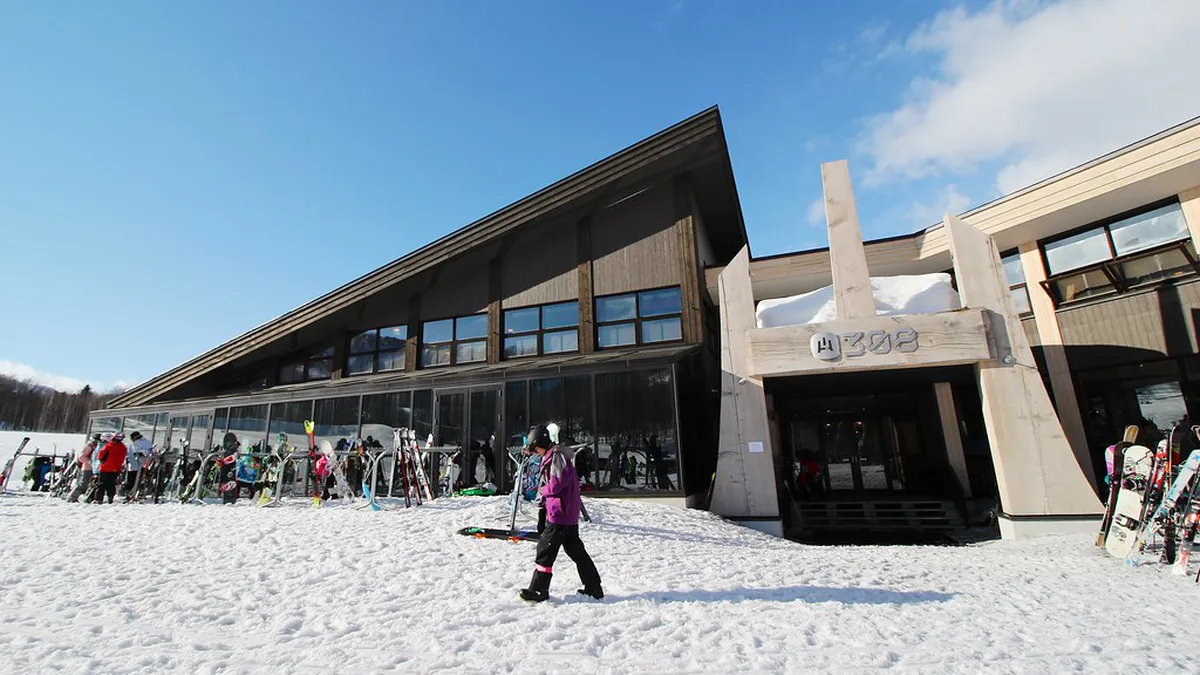
Niseko Hanazono in Kutchan, Hokkaido is home to Hanazono Zip World - including MACH 3, Japan's longest zipline at 1,700m and 110+ km/h - plus rafting, tree trekking and world-class winter powder skiing.
Visitor guide →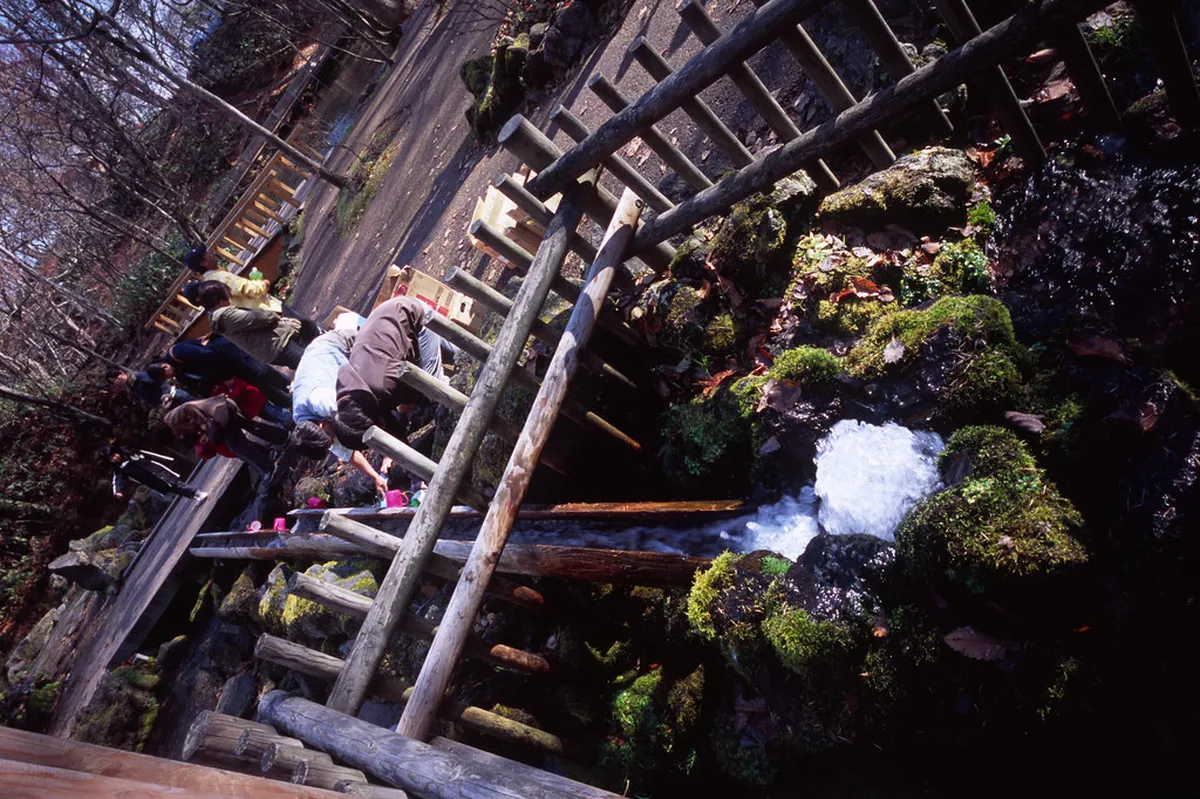
Visit Fukidashi Park near Niseko in Kyogoku, Hokkaido - a free natural spring park where Mount Yotei's snowmelt surfaces as 80,000 tons of pure spring water daily. One of Japan's 100 Remarkable Waters, open 24/7 year-round with free parking and drinkable spring water.
Visitor guide →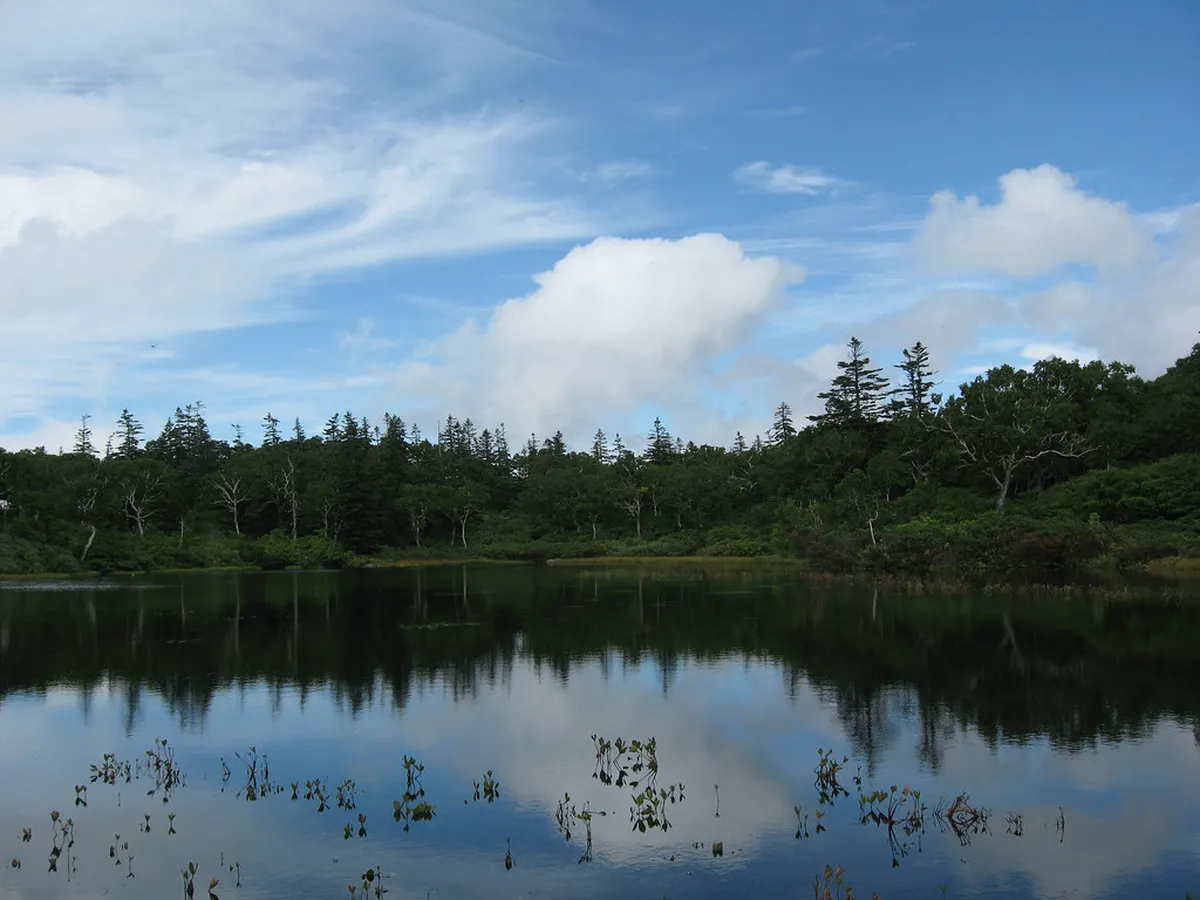
Shinsen-numa is a free, scenic high-moor marsh at 765m on Niseko's Panorama Line in Hokkaido. Explore the barrier-free boardwalk trail, alpine flora, and mirror-like pond - accessible late spring to autumn (road closed in winter).
Visitor guide →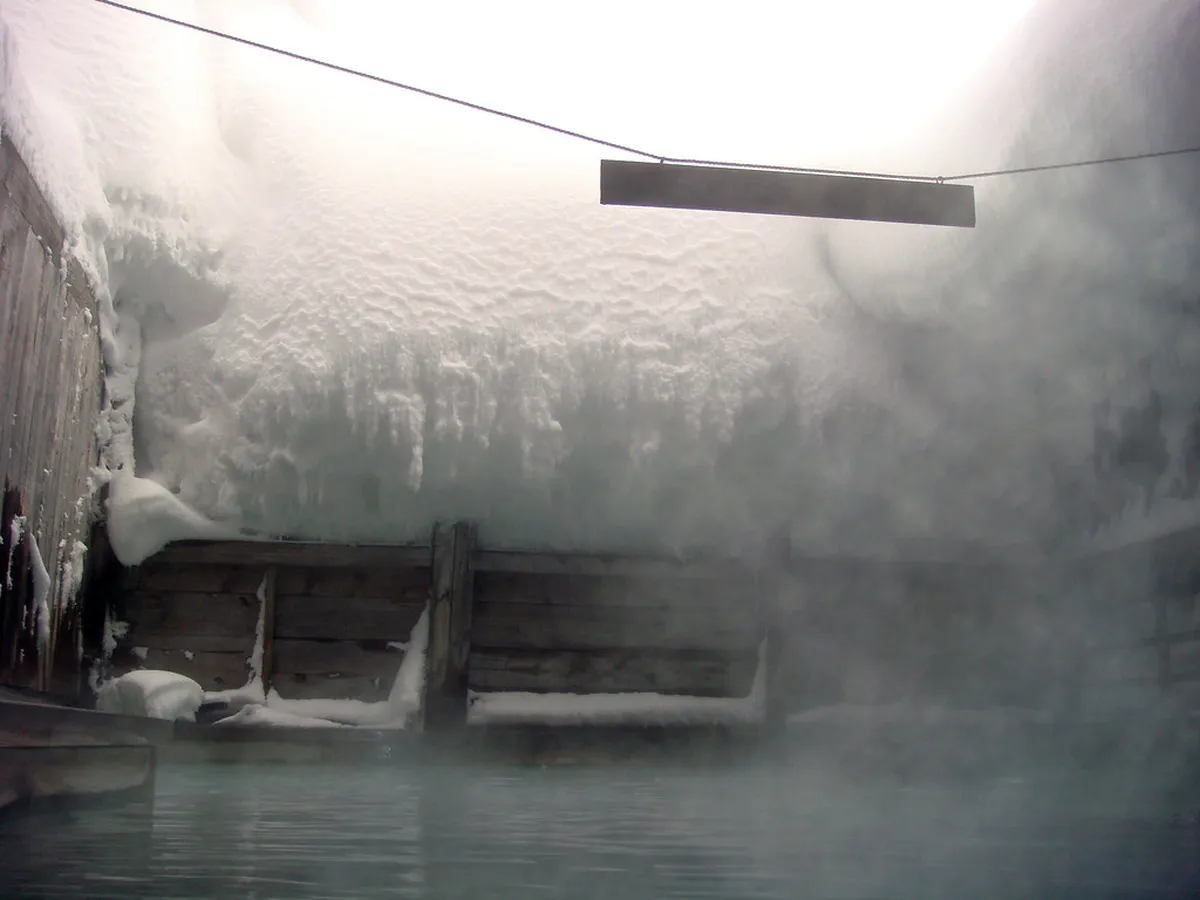
Niseko Konbu Onsen, Hokkaido's largest hot-spring resort area at the foot of Mt. Yotei. Day-use bathing (~¥600-1,500), beauty-bath mineral waters, access, and the best ryokan.
Visitor guide →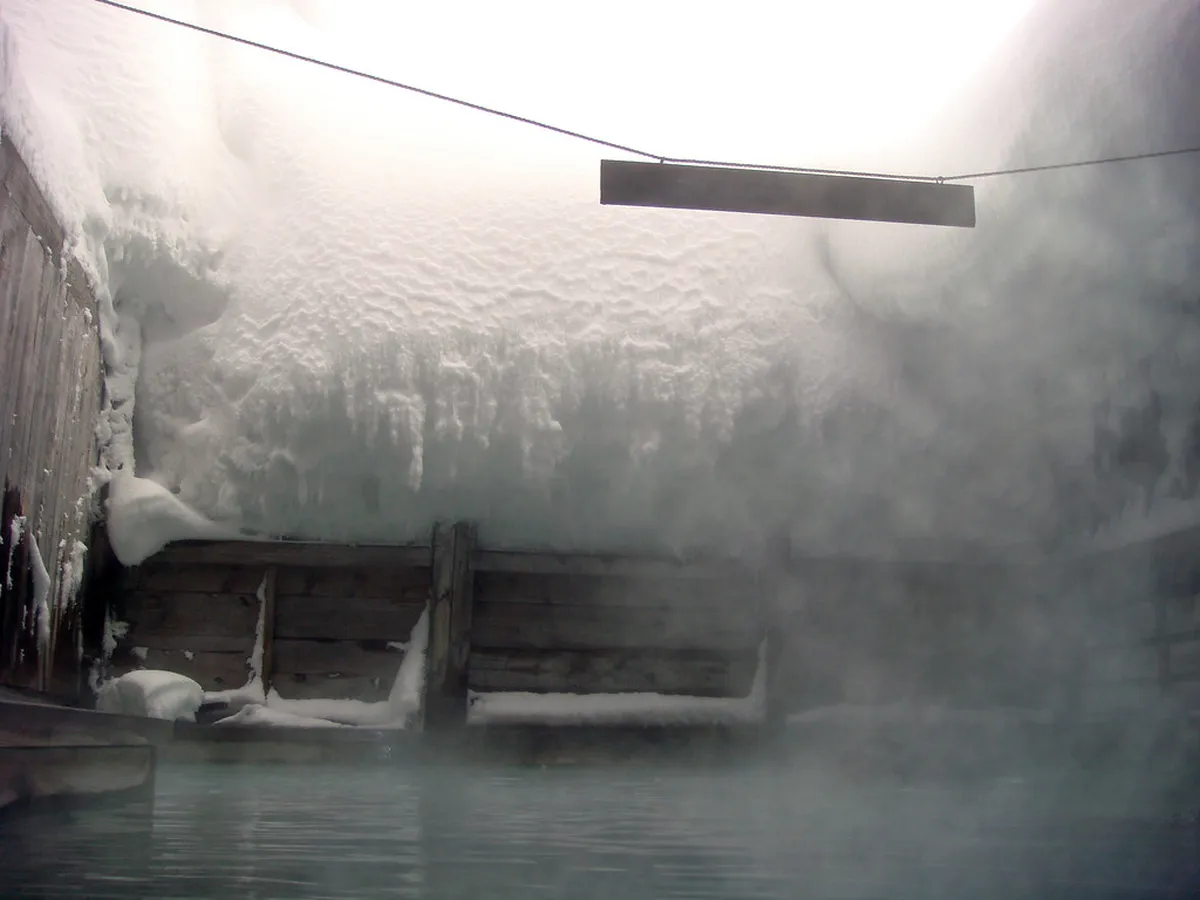
Niseko Goshiki Onsen is a remote 750m mountain hot spring in Hokkaido with milky sulfur water and indoor plus open-air baths. Day-use bathing is ¥800 for adults; open year-round with reduced winter hours.
Visitor guide →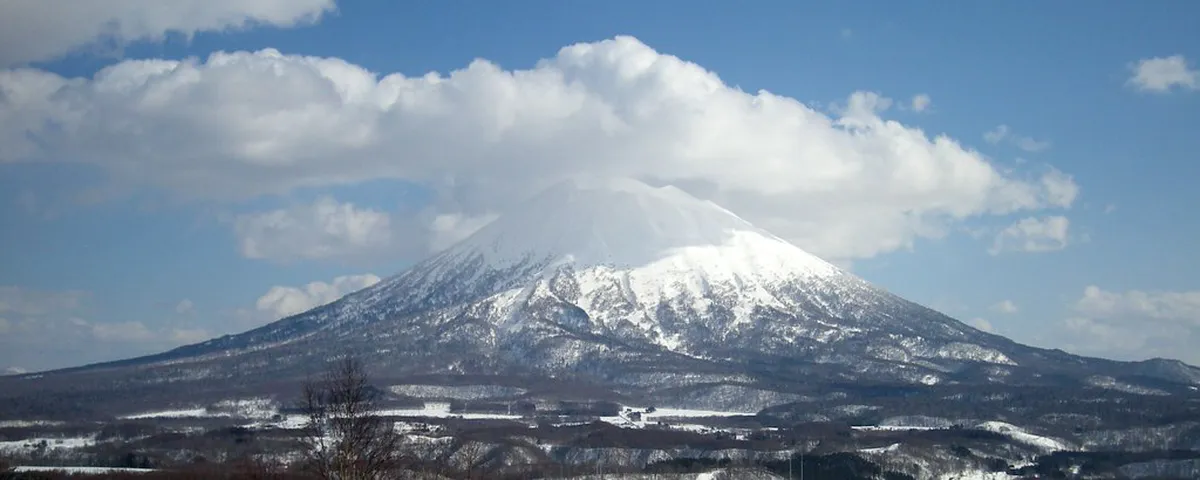
Visit the Arishima Memorial Museum in Niseko, Hokkaido, honoring author Arishima Takeo on his former family farm. Adult admission ¥500, open 10:00-16:30 with Mt. Yotei views.
Visitor guide →More than almost any destination in Japan, what you do in Niseko depends entirely on the season — the same gondola that serves powder skiers in February carries hikers to summit trails in August. Plan around the calendar rather than around a single bucket list.
The headline attractions in winter are the four ski resorts of Niseko United — Niseko Annupuri, Niseko Grand Hirafu, Niseko Village and Hanazono — all linked on a single all-mountain lift pass. Night skiing runs at Hirafu and Annupuri, and non-skiers can join snowshoe tours, snow rafting and snowmobile trips. Mountain roads such as the Panorama Line close, and high-elevation ponds like Shinsen-numa are inaccessible until late spring.
When the snow clears, the mountains open up for hiking. The summit climb up Mount Yotei is the marquee outing; for an easier walk, the boardwalk loop at Shinsen-numa Marsh circles a mirror-like alpine pond. Hanazono Zip World runs Japan's longest zipline, rafting hits its stride on the Shiribetsu River, and the spring-fed pools of Fukidashi Park are at their most photogenic against green forest.
Niseko's hot springs run all year — Konbu Onsen and the remote Goshiki Onsen are open in every season, offering the perfect après-ski soak in winter and a quiet mountain bath in summer. The Arishima Memorial Museum stays open through the seasons for travellers who want a slower, cultural half-day.
If you'd rather browse by type of attraction than by month, here's how Niseko's 10 sights group together.
Niseko Annupuri, Niseko Grand Hirafu, Niseko Village and Hanazono form Niseko United — four faces of the same mountain, interlinked by lifts and one all-mountain pass. Hirafu is the largest and liveliest, Annupuri the gentlest and best for beginners, Niseko Village the most resort-integrated, and Hanazono the family- and adventure-focused base (it also runs the zipline and rafting in summer).
Mount Yotei is the region's defining peak and a genuine full-day summit hike. Shinsen-numa Marsh offers a barrier-free boardwalk through alpine moorland, and Fukidashi Park is a free spring-water park where 80,000 tonnes of Mt Yotei snowmelt surface daily — one of Japan's 100 Remarkable Waters.
Konbu Onsen is the area's largest hot-spring resort, with multiple ryokan offering day-use bathing. Goshiki Onsen sits at 750 m up the mountain with milky sulphur water and open-air baths — the more atmospheric, rustic choice.
The Arishima Memorial Museum honours novelist Arishima Takeo on his former family farm, with literary exhibits and sweeping Mt Yotei views — the one stop for a rainy day or a culture break.
Several of Niseko's best attractions cost nothing, which helps balance the budget against lift passes and accommodation.
Free attractions: Hiking Mount Yotei (free public access, roughly July–October), the boardwalk trail at Shinsen-numa Marsh, and Fukidashi Park, which is open 24/7 year-round with free parking and drinkable spring water.
Paid attractions: Ski lift passes (a Niseko United all-mountain day pass is around ¥9,800 in 2026), Hanazono Zip World (around ¥15,000 for the flagship zipline experience), onsen day-use bathing (¥600–¥1,500 at Konbu Onsen, ¥800 at Goshiki Onsen), and the Arishima Memorial Museum (¥500 adult admission).
| Attraction | Cost | Season |
|---|---|---|
| Mount Yotei hike | Free | Jul–Oct |
| Shinsen-numa boardwalk | Free | Late spring–autumn |
| Fukidashi Park | Free (24/7) | Year-round |
| Niseko United all-mountain lift pass (day) | ~¥9,800 | Dec–May |
| Hanazono Zip World (flagship experience) | ~¥15,000 | Late Apr–mid-Oct |
| Konbu Onsen day-use | ¥600–¥1,500 | Year-round |
| Goshiki Onsen day-use | ¥800 | Year-round (reduced winter hours) |
| Arishima Memorial Museum (adult) | ¥500 | Year-round (closed Mon) |
The Niseko United all-mountain pass (around ¥9,800/day in 2026) covers all four resorts and the inter-resort shuttle — a better value than single-resort tickets if you plan to ski more than one zone. Multi-day rates lower the cost further.
Two or three full days is enough to cover Niseko's highlights in either season. Pair attractions geographically and around opening hours rather than racing between them.
Day 1: Ski one face of the mountain — start at Grand Hirafu for the widest terrain and lively village, then ride the inter-resort lifts toward Annupuri. End with night skiing at Hirafu. Day 2: Explore Niseko Village and Hanazono, try a snow-rafting or snowmobile tour if you want a break from the slopes, and soak away the aches at Konbu Onsen in the evening. Day 3 (optional): A relaxed morning lap, lunch in Hirafu, then a cultural stop at the Arishima Memorial Museum before departure.
Day 1: Tackle the Mount Yotei summit hike (start early — it's a full day) and reward yourself with a soak at remote Goshiki Onsen. Day 2: Ride the gondola for the view, do the Hanazono Zip World zipline or Shiribetsu River rafting, then cool off at Fukidashi Park. Day 3 (optional): Drive the Panorama Line to the easy boardwalk loop at Shinsen-numa Marsh, then finish with the museum or a final onsen at Konbu Onsen.
Most international visitors arrive via New Chitose Airport (Sapporo), about 2–2.5 hours from Niseko by road. In winter, direct resort shuttle buses and private transfers run frequently from the airport and central Sapporo; book ahead during peak powder season. Trains run on the JR Hakodate Line to Kutchan and Niseko stations, with local buses connecting to the resort villages.
Within the ski area, the free or low-cost Niseko United shuttle loops between Annupuri, Niseko Village, Grand Hirafu and Hanazono in winter, so you can stay car-free if you're only skiing. For the green-season nature attractions, though — Mount Yotei trailheads, Fukidashi Park (in neighbouring Kyogoku) and Shinsen-numa on the Panorama Line — a rental car is by far the easiest way to get around, as public transport to these spots is limited or seasonal.
December–February is peak powder season, when the famously dry "Japow" snow falls most consistently and the resorts are at their busiest (and priciest). March to early May brings spring skiing with warmer, sunnier days and quieter slopes — Niseko United typically runs lifts into early May. The green season from June to October is ideal for hiking, rafting and pond walks, with wildflowers in summer and excellent autumn foliage in late September and October.
One scheduling note for green-season visitors: the scenic Panorama Line (Route 66), the road to Shinsen-numa and Goshiki Onsen, closes through winter and early spring due to snow — confirm it's open before planning that drive. May and November are quiet shoulder months when some mountain attractions and lifts are between seasons.
The Panorama Line (Route 66) to Shinsen-numa and Goshiki Onsen closes due to snowpack through winter and early spring. Confirm the road is open before scheduling a green-season drive along this route.
Niseko has a reputation as one of Japan's pricier resort towns, but a few tactics keep costs down. If you plan to ski more than one resort, buy the Niseko United all-mountain pass (around ¥9,800/day in 2026) rather than single-resort tickets — it lets you ride lifts and inter-resort connections across all four faces on one pass, and multi-day rates lower the daily cost further.
Build in the free nature attractions — hiking Mount Yotei, the Shinsen-numa boardwalk and Fukidashi Park cost nothing and are among the most memorable things to do here. For onsen, look for inexpensive day-use bathing passes (¥600–¥1,500 at Konbu Onsen, ¥800 at Goshiki Onsen) instead of pricey in-room private baths, and travel in the spring or autumn shoulder seasons for noticeably lower accommodation rates than midwinter.
Two to three days covers Niseko's main attractions in either season. A 2–3 day ski trip lets you sample all four Niseko United resorts plus an onsen evening, while a green-season visit gives you time for the Mount Yotei hike, the zipline or rafting, and a couple of ponds. Powder enthusiasts and keen hikers often stay 4–5 days or longer.
Yes. Niseko's green season (June–October) is increasingly popular for hiking Mount Yotei, white-water rafting on the Shiribetsu River, Japan's longest zipline at Hanazono Zip World, gondola rides for the views, and quiet pond walks at Shinsen-numa and Fukidashi Park — all at a fraction of winter prices and crowds.
Niseko is famous for having some of the best powder snow in the world — over 15 metres of light, dry snow falls each season across the four interlinked Niseko United ski resorts. It's also known for Mount Yotei ("Ezo-Fuji"), abundant volcanic onsen, and a year-round adventure scene that has made it Japan's most international resort town.
Yes. Hiking Mount Yotei has free public access (roughly July–October), the boardwalk trail at Shinsen-numa Marsh is free, and Fukidashi Park — a spring-water park with drinkable mountain water — is free and open 24/7 year-round with free parking.
Not if you're only skiing — the Niseko United shuttle links all four resorts in winter, and airport transfers run frequently. But for green-season nature attractions like Mount Yotei, Fukidashi Park and Shinsen-numa, a rental car is by far the easiest option, as public transport to those spots is limited and seasonal.
December to February is peak powder season, with the most consistent dry snowfall. March to early May offers spring skiing — warmer, sunnier and far less crowded, with lifts typically running into early May.
Yes. Mount Yotei is a popular full-day summit hike (around 8–10 hours round trip) with free public access in the snow-free months, roughly July to October. It's a strenuous climb of nearly 1,900 m, so start early, carry plenty of water, and check the weather before setting out.
Niseko is one of Japan's pricier resort towns, especially for midwinter accommodation and lift passes. You can keep costs down with the all-mountain pass (around ¥9,800/day), free nature attractions, inexpensive onsen day-use passes (from ¥600), and by visiting in the quieter spring or autumn shoulder seasons.
Once you've picked your attractions, line up the practical details with our in-depth Niseko guides: build your day-by-day plan with the Niseko itinerary guide, dig deeper into the slopes with the Niseko skiing guide, and find the right soak in our Niseko hot springs guide. Coming in the warmer months? See what's on in our Niseko summer activities guide.


