Niseko Grand Hirafu is the busiest and most village-like base in the Niseko United ski area on Hokkaido island. This niseko grand hirafu visitor guide is written for travelers using Hirafu as their main base in 2026, whether they plan to ski every day or mix snow activities with dining, onsens, and short side trips around the Niseko region. The attraction's appeal is simple: reliable powder, a broad lift network, English-friendly services, and the liveliest apres-ski scene in Niseko.
Grand Hirafu works best for first-time Niseko visitors who want convenience, nightlife, ski schools, and rental shops close together. It is also the most practical base for mixed-ability groups because beginners can stay near lower green runs while confident skiers move quickly toward steeper terrain and official gate access. Plan early for accommodation, transfers, lessons, and dinner reservations; the common mistake is assuming Hirafu can be treated like a walk-up resort during peak winter weeks.
Must-See Niseko Grand Hirafu Visitor Guide Attractions
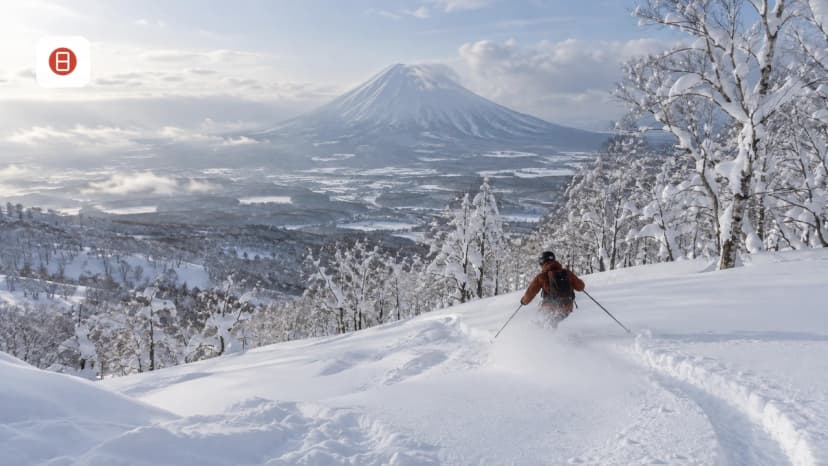
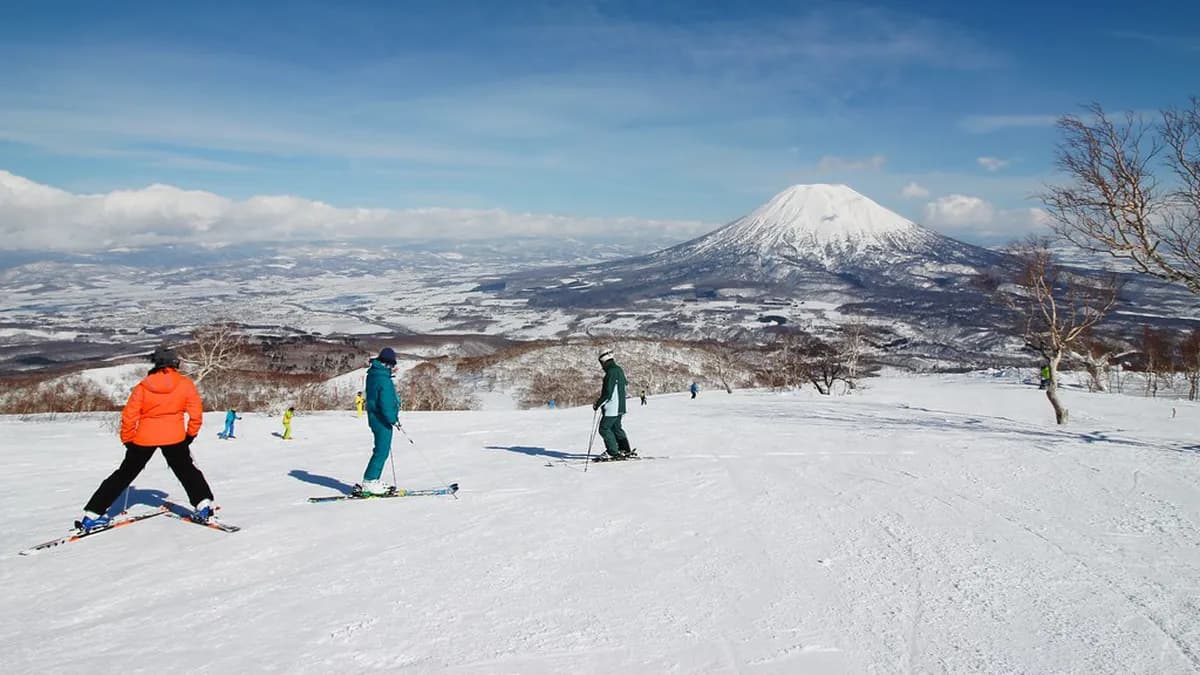
The stunning silhouette of Mount Yotei serves as the iconic backdrop for almost every activity in Grand Hirafu. You can enjoy the best views of this volcanic peak from the upper lifts during clear mornings, especially before clouds build around the summit. The mountain is often called the Mount Fuji of Hokkaido because of its nearly perfect symmetrical shape and grand presence. Photographers should head to the upper slopes early to capture the morning light hitting the snow-covered crater.
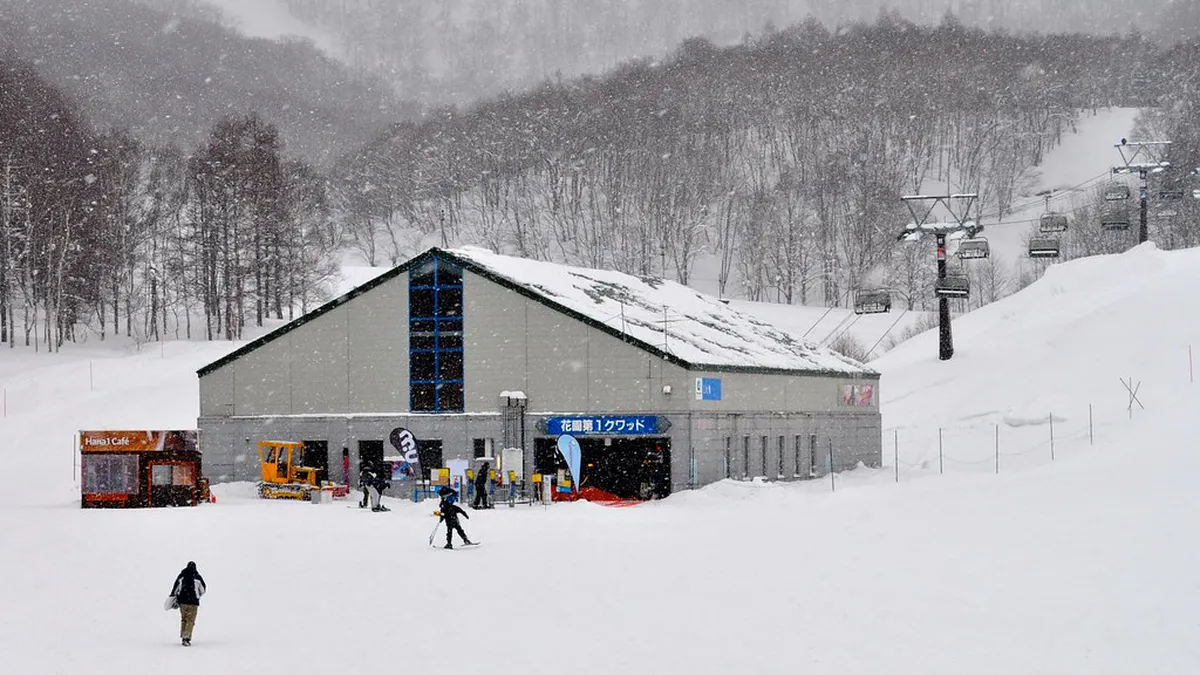
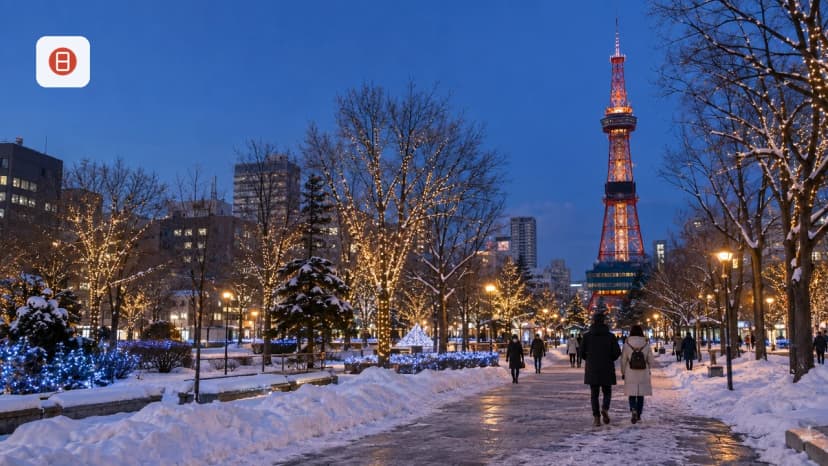
Hirafu Main Street is the central artery of the village and comes alive with lights and energy after the sun sets. Travelers will find boutique shops, cafes, bars, ramen counters, and food trucks between the upper and lower villages. Walking through this area explains what makes Hirafu unique among Japanese ski towns: it feels international and energetic, but the mountain, onsens, and Hokkaido food culture remain close at hand. Reserve popular restaurants ahead if dining is a priority, because same-day tables can be difficult in peak season.
The Grand Hirafu gondola and lower base lifts provide quick access to the middle of the mountain for skiers, snowboarders, and some sightseers. Before choosing a lift or meeting point, review the Grand Hirafu resort full map so your group understands the difference between the gondola base, family zones, upper village, and shuttle stops. This avoids one of the most common first-day mistakes: booking rentals, lessons, and accommodation in places that look close on a map but sit uphill from each other on snowy roads.
Museums, Art, and Culture in Niseko
The Arishima Memorial Museum offers a fascinating look into the life of a famous Japanese novelist who lived here. The museum building features beautiful architecture and sits within a peaceful park that is lovely to explore in any season. Visitors can learn about the history of land development in Hokkaido and the literary contributions of Takeo Arishima. This cultural stop provides a quiet break from the busy ski slopes and a deeper connection to local history.
Local art galleries in the Hirafu area showcase the work of talented artists who are inspired by the rugged Hokkaido landscape. You can find unique pottery and traditional crafts that make for perfect souvenirs or gifts for friends back home. Many shops focus on sustainable materials and celebrate the natural beauty found throughout the surrounding mountains and forests. Exploring these creative spaces helps you appreciate the artistic community that thrives in this snowy environment.
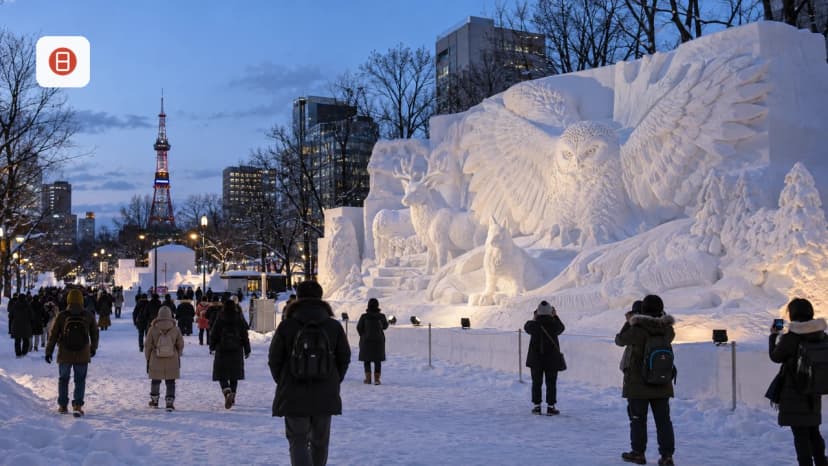
Cultural events and festivals often take place during the peak winter months to celebrate the local heritage and the snow. You might see traditional drum performances or ice carving demonstrations in the village center during your visit. Participating in these events is a great way to meet locals and learn about the customs of the Niseko region. Keep an eye on the local event boards to see what special activities are planned during your specific travel dates.
Parks, Gardens, and Outdoor Spots in Niseko
A visit to Fukidashi Park is highly recommended for anyone who appreciates pure spring water and lush greenery. The park is famous for its natural spring where cold water flows directly from the mountains at a constant temperature. Many people bring their own bottles to fill up with the delicious water that is filtered naturally through volcanic rock. The walking paths around the spring are well-maintained and offer a serene escape into nature for the whole family.
During the warmer months, the marshlands of Shinsen-numa offer some of the most beautiful hiking opportunities in the area. The wooden boardwalks protect the delicate ecosystem while allowing visitors to see rare alpine plants and crystal-clear ponds. This spot is particularly popular in the autumn when the leaves turn vibrant shades of red, orange, and gold. It is a peaceful location that showcases the diverse natural beauty of Hokkaido beyond the winter snow season.
Summer hiking trails on the Niseko peaks provide a different perspective of the landscape for active outdoor enthusiasts. The climb to the summit of the mountain offers rewarding views of the entire valley and the distant Sea of Japan. Make sure to wear sturdy boots and carry plenty of water as the weather can change quickly at higher altitudes. Guided nature walks are also available for those who want to learn more about the local flora and fauna.
Family-Friendly and Budget-Friendly Options in Niseko
Families can enjoy a relaxing soak in the local onsens after a long day of playing in the deep snow. Many hot springs offer family-friendly facilities and private baths that allow everyone to relax together in comfort. Travelers looking to treat themselves should compare properties by shuttle access, boot storage, restaurant proximity, and private onsen options rather than luxury branding alone. Consider staying at a property like Andaru Villas for a luxury family retreat, and you can Book here for your stay.
Eating on a budget is possible in Grand Hirafu if you know where to find the best local food trucks. These mobile kitchens serve everything from hot ramen and gyoza to international favorites like tacos and gourmet burgers. The food truck village in the center of town is a popular spot for a quick and affordable dinner. Prices are generally much lower than the formal sit-down restaurants found in the high-end hotels and resorts.
Using the free shuttle buses is an excellent way to save money on transportation while exploring the different resort areas. Accessibility requires extra planning because Hirafu's roads can be steep, icy, and uneven after fresh snow. Families with strollers, older travelers, and visitors with mobility needs should prioritize lodging close to a shuttle stop or lift base, confirm step-free entrances with the property, and avoid relying on long uphill walks after dark. Check the latest bus schedules online or at your hotel front desk to plan your daily movements efficiently.
How to Plan a Smooth Niseko Attractions Day
Planning your journey from Sapporo or New Chitose Airport is the first step toward a successful winter holiday. You can find detailed information on the best transport options and bus schedules by clicking here. Direct winter buses are usually the simplest option for visitors carrying ski bags, while train routes can suit travelers who want a slower rail journey through Kutchan. Rental cars add flexibility for onsens and nearby restaurants, but winter driving is best left to confident drivers with snow-road experience.
Using a digital Japan Google Map is essential for navigating the winding streets and finding hidden gems in the village. Pin your accommodation, rental shop, lesson meeting point, dinner reservations, convenience stores, and shuttle stops before you arrive. The time cost of mapping ahead is small, but the payoff is high when visibility drops or your group is walking in ski boots. Reliable internet access is common in town, but saving an offline map remains a smart backup.
The best time to visit depends on your priorities. Deep-powder travelers usually target midwinter, families often prefer slightly calmer shoulder periods, and non-skiers may enjoy clearer late-season days when village walks and side trips feel easier. Experience Niseko in your inbox by signing up for local newsletters that provide snow reports, lift notices, restaurant updates, and event information. These updates help you adjust plans when wind, visibility, or lift operations change, which is more useful than locking every hour of the itinerary before arrival.
- Best fit for a first visit: Stay in Hirafu, book transfers early, and schedule rentals or lessons for the first full day.
- Best fit for budget control: Use shuttles, food trucks, and a pass that matches the terrain you will actually ski.
- Best fit for non-skiers: Choose lodging near village dining, onsens, and shuttle routes rather than only slope access.
Essential Guide to Ski Hire in Niseko
| Lift Pass | Adult (online) | Adult (counter) | Notes |
|---|---|---|---|
| Grand Hirafu + Hanazono 1-day | ¥10,400 | ¥11,000 | Regular season Dec 13–Mar 22 |
| Niseko United All Mountain 1-day | ¥11,400 | ¥12,000 | Includes all 4 Niseko United areas |
| Ace Gondola / daytime lifts | 08:30–16:30 | Standard daily hours | |
| Night skiing lifts | Until 19:00 | Dec 13, 2025 – Mar 22, 2026 | |
Finding the right equipment is crucial for enjoying the legendary powder snow that Niseko is famous for worldwide. We recommend visiting Rhythm for a wide selection of high-quality skis and snowboards tailored to local conditions. Their expert staff can help you choose the best gear based on your skill level, the current snow depth, and whether you plan to stay on groomers or hunt softer snow. Booking rentals online in advance often means a faster fitting process upon arrival.
Many rental shops in Grand Hirafu offer convenient delivery and pick-up services directly to your accommodation or hotel. This service saves you from carrying heavy equipment through the snowy streets on your first and last days. If your boots feel uncomfortable, most shops allow you to swap them for a different size at no extra cost. Do not wait until lift opening on your first ski morning for fitting if you can avoid it; evening pickup or delivery reduces the chance of losing the best snow window to paperwork and boot adjustments.
Don't forget to rent a helmet and goggles with low-light lenses to handle the frequent snowy and overcast conditions. Proper eye protection is essential for seeing the terrain clearly when the famous Hokkaido powder is falling heavily. Most shops also provide clothing rentals if you do not want to pack your own heavy winter jackets and pants. Check binding settings, edges, boot fit, and board or ski width before leaving the shop, especially if you are switching from piste gear to powder-focused equipment for the first time.
Other Niseko Guides You May Like to Read
Exploring the neighboring resort of Niseko Annupuri offers a more relaxed atmosphere with wide, groomed runs for all levels. This area is known for its beautiful forest trails and slightly fewer crowds compared to the busy Hirafu village. It is a great choice for families who want a peaceful day on the slopes with plenty of space. The onsens in the Annupuri area are also highly rated for their traditional charm and soothing natural waters.
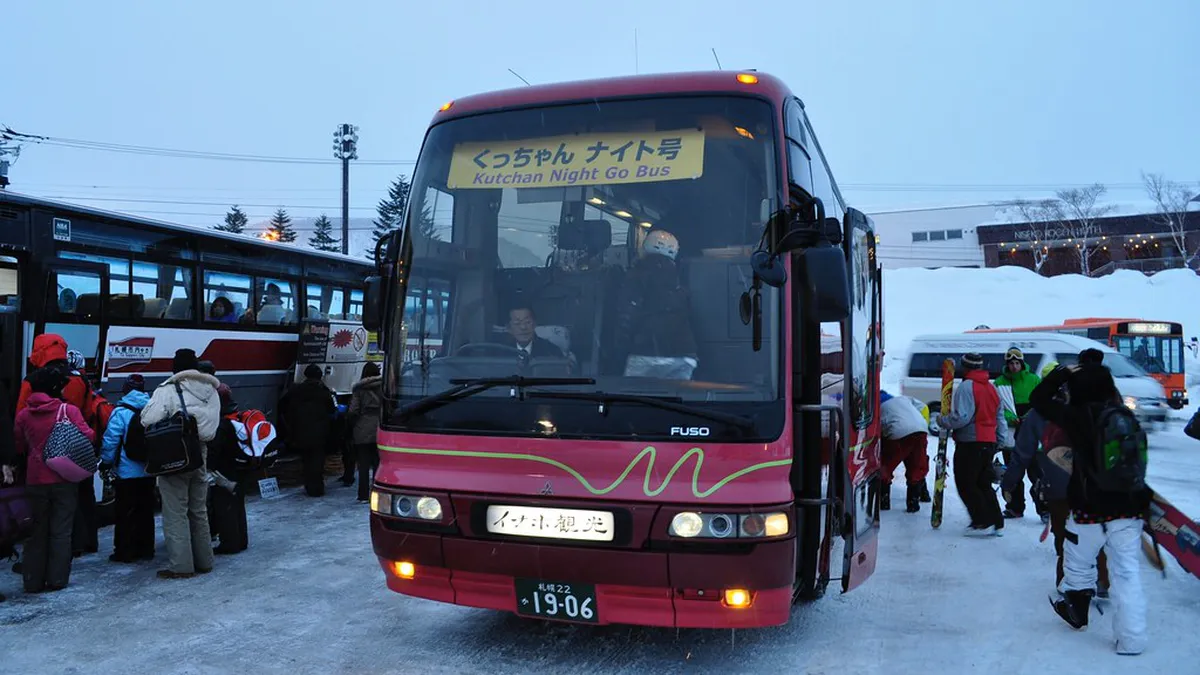
For those seeking a modern resort experience, Niseko Village features luxury hotels and a compact shopping area called The Village. See our Hirafu vs Village comparison for detailed differences. The terrain here includes steeper sections and groomed trails that wind through silver birch trees. You can also find the Hanazono Niseko area nearby, which suits visitors looking for newer base facilities, terrain-park features, and family snow activities. Each resort feels different, so use side trips to match terrain, dining, and crowd preferences rather than treating every Niseko base as interchangeable.
Deciding between an All Mountain Pass or a Grand Hirafu Pass depends on how much you plan to explore. The All Mountain Pass makes sense for confident skiers staying several days, groups that want to compare all four resort zones, or travelers who value flexibility when weather shifts. A Grand Hirafu-focused pass may suit short stays, first-timers taking lessons near the base, and visitors who prefer spending more time in Hirafu's village rather than moving across the mountain network.
Intermediate Red Runs and Mixed-Ability Days
Intermediate skiers often get the most value from Grand Hirafu because the mountain offers a useful bridge between gentle lower runs and more exposed upper terrain. Red runs let progressing visitors build speed control, practice variable snow, and move between lift pods without committing to black terrain too early. On stormy days, stay lower where trees improve visibility; on clear days, work higher gradually and keep an easy return route in mind.
For mixed-ability groups, set a fixed meeting point at the base before splitting up. Beginners can repeat lower green runs or take lessons, intermediates can sample groomed red terrain, and advanced skiers can move toward steeper sections without forcing everyone into the same lap. This approach saves time, reduces stress, and makes Hirafu more enjoyable than trying to keep the full group together all day.
Advanced Terrain and Challenging Black Runs
Advanced skiers should head straight for the Miharashi run to experience some of the best tree skiing in Japan. This area features steep sections and deep powder pockets that will challenge even the most experienced winter sports enthusiasts. Always check the daily gate report before attempting to enter backcountry areas through the official resort gates. Safety is the top priority, so ensure you have the proper avalanche gear, local knowledge, and a realistic exit plan before heading off-piste.
The peak of Mount Annupuri can be reached by a short hike from the top of the highest chairlift when conditions and gate status allow. From the summit, experienced riders can access long, open lines, but exposure, wind, visibility, and avalanche risk change quickly. Do not follow tracks blindly; if you are new to Niseko's gate system, book a qualified guide or stay within marked resort terrain.
Challenging black runs like the Large Course offer steep pitches that are often covered in deep, soft moguls. These trails require good technique and physical stamina to navigate successfully throughout the entire day. If you are looking for a thrill, the Super Ridge provides a steep drop with views of the village below. Always ski with a partner when exploring the more difficult and remote parts of the Grand Hirafu mountain.
- Miharashi Advanced Run
- Type: Black Diamond
- Terrain: Steep Trees
- Access: King Lift 3
- Difficulty: Very High
- Peak Hiking Gate
- Type: Backcountry Access
- Terrain: Open Bowl
- Access: King Lift 4
- Requirement: Avalanche Gear
Beginner Friendly Trails and Easy Green Runs
The Holiday run is one of the best places for beginners to practice turns on a wide and gentle slope. This trail is well-groomed to create a smooth and predictable surface for those who are still learning. The lower section of the mountain features several green runs that lead directly back to the main village area. Most beginner trails are conveniently located near base lodges where you can find food, restrooms, rentals, and lesson meeting points.
The Family run offers a safe environment for children and novice skiers to build confidence at a slow pace. Lifts in this area are designed to be easier for newer skiers than the higher mountain chairs. You will find many instructors working with students in these zones because of the consistent and gentle terrain. If you are asking "Do I need a ski lesson?", the answer is yes for true beginners and often yes for anyone new to powder, because Niseko snow can feel very different from firm groomed pistes elsewhere.
Niseko United provides several dedicated learning zones that are separated from faster traffic on the main mountain. These areas often feature magic carpets which are much easier for beginners to use than traditional chairlifts. Once you feel comfortable on the flat sections, progress to longer green runs in good visibility rather than following stronger friends too high too early. Always stay aware of your surroundings and follow the mountain code to ensure a safe experience for everyone.
How to Book the Best Ski Lessons in Niseko
Buying lift tickets online saves approximately 5% versus the counter price. For peak weeks, book ski school, transfers, and dinner reservations well in advance — same-day availability is limited at Hirafu during the busy Christmas–New Year and February powder seasons.
Booking a professional instructor is the fastest way to improve your skills and understand the mountain layout. Grand Hirafu is home to several high-quality ski schools that offer lessons in English and many other languages. Whether you are a total beginner, a cautious intermediate, or an expert looking for a mountain guide, there is a program for you. Private lessons provide personalized attention and can be tailored to your goals, but they also sell out quickly in holiday periods.
Group lessons are a more affordable option and a useful way to meet other travelers with similar skill levels. Schools like GoSnow are centrally located and offer comprehensive programs for both children and adults during the season. Looking for ski lessons whilst in Niseko, Japan should be handled before arrival, not after you see the snow report. Confirm your meeting point location the day before your lesson to avoid confusion on the morning of your start.
Many ski schools also offer specialized clinics for powder skiing, freestyle techniques, and backcountry safety skills. A lesson can make your entire trip more enjoyable by giving you the tools to handle different snow conditions without overestimating your ability. Instructors often know which zones suit the day's weather and visibility, which is more useful for most visitors than chasing famous run names. Ask your school about multi-day packages if you want steady progress rather than a single orientation session.
Short Itinerary, Common Mistakes, and 2026 Tips
Is Niseko Grand Hirafu worth including on a short itinerary? Yes, if your trip includes skiing, snowboarding, winter dining, or a first look at the Niseko resort scene. For a one-day visit, keep the plan simple: arrive with transfers confirmed, collect rentals early, ski lower and mid-mountain zones, and reserve dinner before the evening rush. For two or three days, add a lesson, one onsen visit, and one side trip to a neighboring Niseko United area.
The biggest mistakes are underestimating transfer times, booking accommodation far from lifts without checking shuttle access, waiting too long to reserve ski school, and planning advanced terrain before understanding the gate system. Another common error is packing only city winter clothing; Hirafu weather can be wet, windy, and snowy in the same day, so waterproof outerwear matters even for non-skiers.
Never enter backcountry areas through official resort gates without avalanche gear (transceiver, probe, shovel), local knowledge, and a realistic exit plan. Always check the daily gate report before attempting off-piste terrain.
Have you been to Niseko, Japan before? Returning visitors should treat 2026 as a fresh planning year rather than relying on old habits. Recheck shuttle routes, restaurant booking rules, rental pickup procedures, and lift-status information close to travel. The village changes quickly, and practical details matter more than a perfect checklist copied from a previous season.
Frequently Asked Questions
Is Niseko Grand Hirafu Family Friendly?
Yes, Niseko Grand Hirafu is very family-friendly with dedicated kids' zones, English-speaking ski schools, and a variety of gentle green runs. The village also offers many family-oriented restaurants and convenient shuttle services. You can find more details about the Niseko area's family facilities online.
Which Niseko Grand Hirafu visitor guide options fit first-time visitors?
First-time visitors should focus on the lower village area for easy access to rentals and beginner slopes like the Holiday run. Booking a group lesson and using the free shuttle bus are also highly recommended for a smooth first experience. These options help you navigate the resort with confidence.
How much time should you plan for a Niseko Grand Hirafu visit?
Most travelers find that five to seven days is the ideal amount of time to explore the mountain and enjoy the village. This duration allows for a mix of skiing, cultural visits, and relaxation in the local onsens. Shorter trips are possible but may feel rushed during peak times.
What should travelers avoid when planning their Niseko trip?
Avoid visiting without pre-booking your accommodation and airport transfers, as these services often sell out months in advance. You should also avoid skiing in the backcountry without proper gear and knowledge of the local gate system. Planning ahead ensures a much safer and more enjoyable winter holiday.
Niseko Grand Hirafu remains the most convenient choice for many first-time Niseko visitors because it combines strong lift access, rental options, ski schools, dining, nightlife, and nearby cultural stops in one compact base. Use this 2026 guide to match the resort to your travel style: lessons and lower slopes for beginners, red-run progression for intermediates, official-gate discipline for advanced riders, and shuttle-friendly planning for families or non-skiers. With the right reservations and realistic mountain plan, Hirafu is one of the easiest places to experience Hokkaido powder without giving up village convenience.
For official details, visit the Niseko Grand Hirafu official site and Niseko Grand Hirafu on Wikipedia.