Niseko Goshiki Onsen provides a rare mountain retreat for those seeking authentic Japanese hot spring culture away from busy resort crowds.
Sitting at roughly 750 metres elevation in the saddle between Mt. Niseko Annupuri and Mt. Iwaonupuri, this is one of the few onsens in the region that draws water directly from a volcanic source without filtering or dilution. Travelers visit this remote spot to enjoy the deep relaxation that only high-altitude kakenagashi (free-flowing) sulfur baths can offer in Hokkaido. This guide gives you the practical details you need to reach Goshiki, understand the water, and get the most from your visit in 2026.The area is known for its high sulfur content, which gives the water a milky, color-shifting appearance and a distinctive mineral scent. While many resort-area hotels offer polished bathing facilities, Goshiki retains a rustic character that feels genuinely removed from the ski village. Whether you are a solo traveler or visiting with friends, knowing what to expect in advance makes the journey significantly easier. Prepare for a day of soaking surrounded by the volcanic peaks of the Niseko range.
Goshiki Onsen
Goshiki Onsen takes its name — meaning "five colors" — from the way its milky sulfur water appears to shift hue as the light changes through the day. The spring draws water directly from Mt. Iwaonupuri in a free-flowing (kakenagashi) system, meaning the water is not recycled or treated. This matters: the mineral concentration stays consistently high, and regular bathers specifically seek it out over hotel onsens that dilute or heat-recirculate their water. You can review facility details on the Goshiki Onsen website before you go.
Day-use entry is ¥800 for adults and ¥500 for children from age five through elementary school. Payment is cash only, so bring notes rather than relying on cards.
Day-use entry is ¥800 for adults, cash only. Summer hours run 09:00–20:00 (last entry 19:00); winter hours shorten to 10:00–19:00. The mountain access road can be gated during heavy snowfall — always check road status before driving up.
Summer hours run roughly 09:00–20:00 (last entry 19:00) from May through October. Winter hours shorten to approximately 10:00–19:00 (last entry 18:00) from November through April, and the mountain access road can be gated or temporarily closed during heavy snowfall. Always check road conditions and the facility's opening status the morning of your visit before driving up. A restaurant is on site, making it feasible to combine lunch with your soak.
What Makes Goshiki Different from Resort Hotel Onsens
Most visitors arrive in Niseko through the Grand Hirafu or Niseko Village resort areas, where hotel onsens are polished and convenient. Those baths are typically sodium-chloride or bicarbonate springs — softer on the skin and odorless, but processed through filtration and heat management systems. Goshiki is a sulfate spring in kakenagashi format: the water flows in from the source and overflows continuously rather than being retained and recycled. That continuous turnover is why the mineral scent is stronger and the milky color is more pronounced than anything you will encounter in a resort spa.
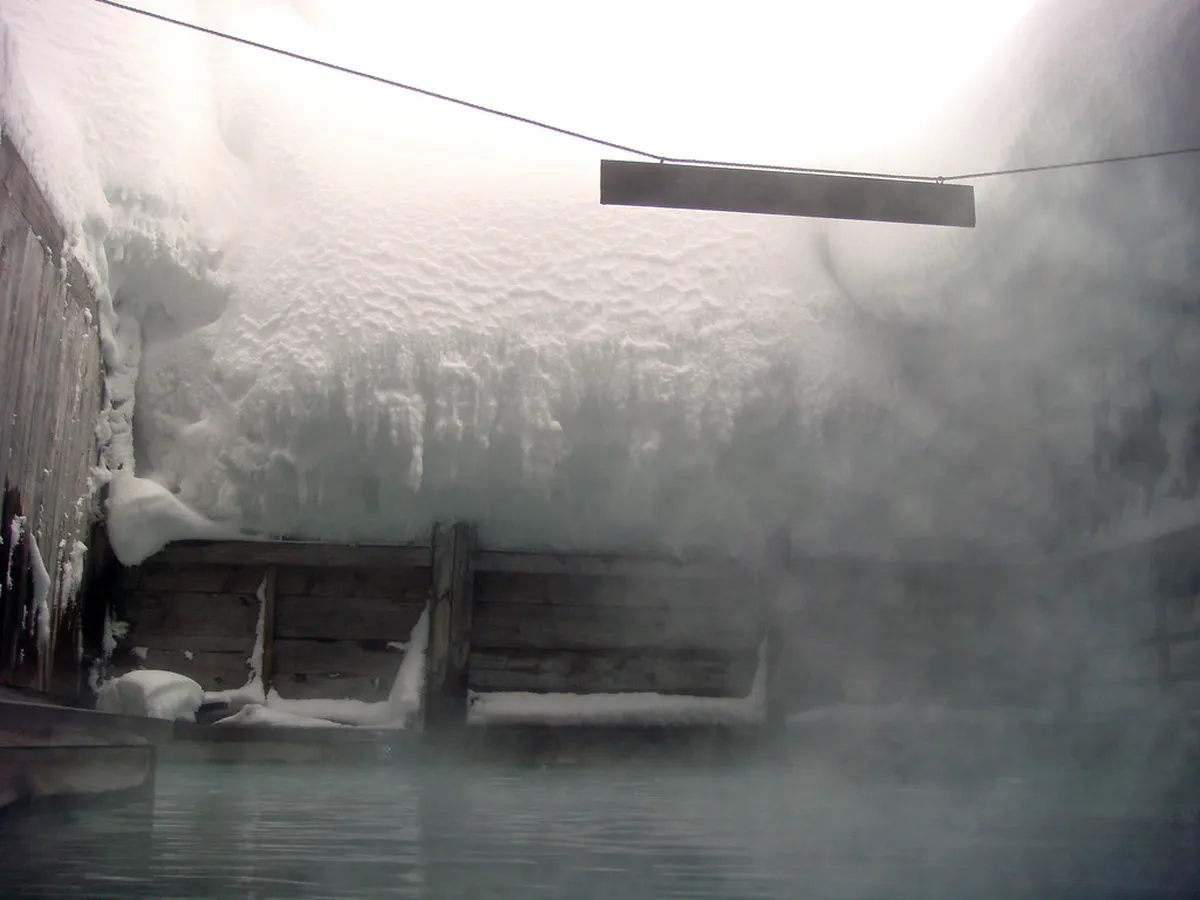
The 750-metre elevation also changes the feel of the experience. Air temperatures are noticeably cooler than at the resort base even in summer, which sharpens the contrast between the hot water and the surrounding air in the outdoor bath. In winter, the steam above the rotenburo is dense and the surrounding snowscape is unobstructed by buildings. This is why the outdoor bath at Goshiki is often cited by repeat visitors as one of the most atmospheric soaks in all of Hokkaido, not just the Niseko area.
One practical note: the sulfur content is high enough that silver jewelry will tarnish quickly in the water. Remove rings and bracelets before entering the baths.
Remove all silver jewelry before entering — the high sulfur content will tarnish it quickly. The scent will also linger on hair for a few hours after your visit, which is normal.
Onsen Etiquette
Japanese onsen follow clear rules that are taken seriously by both locals and the facilities themselves. Wash your entire body at the shower stations provided before entering any bath — entering with soap, sweat, or sunscreen on your skin is considered impolite and unhygienic. Shower stations at Goshiki have body wash and shampoo available. Use them thoroughly before stepping into the water.
Swimsuits and clothing are not permitted in the baths. Nudity is standard practice and expected. You will receive a small modesty towel with entry; use it while moving between the changing room, shower area, and bath, but do not submerge the towel in the water. Tie up long hair so it does not touch the surface of the bath. Dunking your head under the water is prohibited.
Goshiki Onsen has generally been more flexible about tattoos than urban public bathhouses, given its mountain location and international visitor base. However, there is no formal published policy. Visitors with large or visible tattoos should contact the ryokan directly before making the trip. Children are welcome, but check with the facility if you are bringing infants, as some onsens have minimum age guidelines. Alcohol is not permitted before or during bathing — save the Hokkaido craft beer for after your soak.
Benefits of Onsen Bathing
The therapeutic claims around Japanese hot springs are not simply marketing. Sulfur springs like Goshiki have been traditionally associated with skin care, circulation improvement, and relief from joint and muscle pain. The heat encourages blood vessels to dilate, improving peripheral circulation — which is why your skin often looks flushed and feels soft after a long soak. Many skiers and snowboarders specifically time their Goshiki visits for after a hard day on the mountain to speed up muscle recovery.
The minerals dissolved in free-flowing sulfur water also have a mild antibacterial effect on the skin surface, which is why sulfur onsens have a long history of use for conditions like eczema and dermatitis. The sedative effect of sustained heat in a calm environment reduces cortisol levels noticeably — most visitors report feeling genuinely tired rather than just relaxed after 45–60 minutes of soaking. Staying hydrated is important: drink water before you enter and after you exit, as the heat causes significant fluid loss.
Pregnant visitors and those on their menstrual cycle are generally advised to avoid onsen bathing or to consult a physician first. People with cardiovascular conditions should keep soak times short — 15-minute intervals with a cool-down rest period between sessions is a sensible approach at a high-sulfur facility like Goshiki.
Planning Your Visit to Goshiki Onsen
A successful visit to Goshiki requires understanding the logistics of reaching this remote mountain location. Most visitors drive a rental car, as public transport to the higher elevations is very limited. From the central Hirafu area the drive takes roughly 20–30 minutes via the mountain access road; from Niseko Village it is similar. In winter the road can be icy and narrow — ensure your rental vehicle is fitted with snow tires, and confirm the road is open before departing. Local rental agencies in the area routinely fit winter tires from November through April.
Taxi from the resort bases is an option and removes the stress of mountain driving in poor weather. The round trip will cost roughly ¥4,000–¥6,000 from Hirafu depending on traffic and the specific taxi operator. Some accommodation managers and concierge teams at the larger properties can arrange shared shuttles to Goshiki, which brings the per-person cost down considerably if you are traveling in a group of four or more.
Allow at least 90 minutes to two hours for the full visit once you arrive — 60 minutes of soaking plus time to shower, rest, and dry off. The best seasons for combining scenery with comfort are late spring (May–June) and autumn (September–October), when the mountain roads are clear, the crowds are smaller than peak ski season, and the outdoor bath temperature contrast is ideal. Summer visits offer a cool escape from the heat common elsewhere in Japan, with the added bonus of wildflowers on the surrounding slopes.
The Best Onsen Around Niseko
The wider Niseko region is home to a variety of hot springs, each with different mineral compositions and atmospheres. Kiranoyu Onsen is a one-minute walk from JR Niseko Station, making it the easiest to reach without a car. It offers granite and rock open-air baths, multiple indoor pools, and a dry sauna, all for ¥500 per adult. The alkaline spring water is clear and odorless — a contrast to Goshiki's milky sulfur baths.
Hirafutei Onsen sits close to the main Hirafu base area and is one of the few onsens with direct views of both Mt. Yotei and Mt. Annupuri simultaneously. Hours run 07:00–10:30 and 15:00–23:00, which makes it viable for early risers or post-dinner soaks. Entry is ¥1,200 for adults and ¥600 for children. The spring is sodium-chloride and hydrogen carbonate — softer and milder than Goshiki but with more convenient access from the ski lifts.
Yugokorotei at Niseko Annupuri, accessible via the Niseko Annupuri ski area, runs its geothermal spring at a natural 54°C before cooling to bathing temperature. The outdoor bath sits in a forested pavilion and stays open until midnight, making it one of the few options if you want a late-evening soak. Entry is ¥1,000. The Niseko Konbu Onsen area, slightly further from the resort clusters, features several large hotel properties with both public and private bath options — worth a half-day detour if you want to compare multiple spring types in one area.
Kyogoku Onsen is about 20 minutes from Hirafu by car and is especially good for families, with a large facility, multiple pool styles, and proximity to Fukidashi Park. Open 10:30–21:00, entry ¥600, but note that Kyogoku does not allow tattoos. Yukoro Onsen in central Hirafu is the only proper public onsen walking distance from the village, open daily with both indoor and outdoor pools — useful if you want a soak without renting a car.
| Onsen | Adult Entry | Hours | Notable Feature |
|---|---|---|---|
| Goshiki Onsen | ¥800 | 09:00–20:00 (summer) | Milky sulfur, kakenagashi, rotenburo |
| Kiranoyu | ¥500 | Varies | 1 min from JR Niseko Station, granite baths |
| Hirafutei | ¥1,200 | 07:00–10:30 / 15:00–23:00 | Views of Yotei and Annupuri |
| Yugokorotei (Annupuri) | ¥1,000 | Until midnight | 54°C source, forested pavilion |
| Kyogoku Onsen | ¥600 | 10:30–21:00 | Family-friendly, no tattoos |
Parks, Gardens, and Outdoor Spots in Niseko
Nature lovers will find ample space in the numerous parks and protected lands surrounding the resorts. The Shinsen-numa marshland is popular for its wooden boardwalks and clear ponds. Autumn is a spectacular time to visit when the foliage turns shades of red and gold. The terrain is relatively flat, making it accessible for visitors of most fitness levels.
Fukidashi Park is another essential stop where natural spring water flows directly from the base of the mountains. Locals and tourists alike bring bottles to fill with the cold, mineral-rich water that is renowned across Japan. The park features stone paths and small bridges that create a quiet setting for a picnic after a morning soak at a nearby onsen. It is a budget-friendly destination that showcases the environmental purity of the Niseko area.
Must-See Niseko Attractions
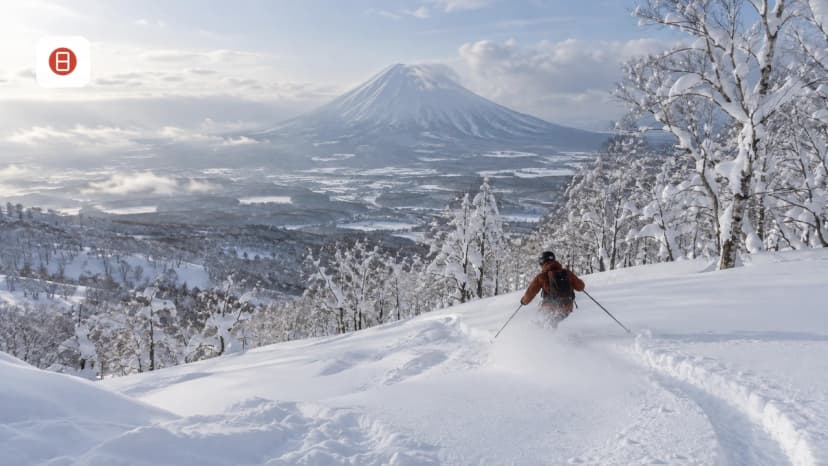
Niseko is famous for its powder snow and volcanic landscapes that draw visitors throughout the entire year. Many visitors photograph Mount Yotei, the iconic cone-shaped peak visible from most parts of the region. The area offers diverse activities ranging from world-class skiing in winter to lush hiking trails during the warmer summer months. For a comprehensive look at what the region has to offer, our guide to Niseko attractions covers the full range of activities. Exploring the local villages provides a glimpse into the blend of international culture and traditional Japanese hospitality found here.
The central hub of Niseko features shops and restaurants catering to global tastes. You can find everything from high-end dining to cozy local bars serving Hokkaido craft beer. The Arishima Memorial Museum is worth a visit for those interested in literary history — it honors a notable Japanese novelist who lived and worked in this scenic area, with exhibits covering the social changes of early twentieth-century Hokkaido. Local art galleries and craft workshops provide a quieter alternative to physical activities on lower-energy days.
Frequently Asked Questions
Which niseko goshiki onsen visitor guide options fit first-time visitors?
First-time visitors should focus on the main indoor and outdoor sulfur baths for the most traditional experience. These pools offer clear signage and a straightforward entry process for those new to Japanese bathing culture. Check the Niseko travel guide for more basic etiquette tips.
How much time should you plan for Niseko Goshiki Onsen?
Plan for at least 90 minutes to two hours at the facility. This allows enough time for a thorough soak in both the indoor and outdoor pools. You should also factor in the 20-30 minute drive from the main Hirafu or Village resort areas.
What should travelers avoid when visiting Goshiki Onsen?
Avoid wearing expensive jewelry as the high sulfur content in the water can tarnish metals like silver. You should also avoid visiting immediately after a heavy meal or drinking alcohol. Always stay hydrated by drinking plenty of fresh water before and after your soak.
Niseko Goshiki Onsen remains one of the most distinctive experiences available to any traveler visiting Hokkaido in 2026. The combination of free-flowing kakenagashi sulfur water, open-air mountain views, and genuine rustic atmosphere is difficult to replicate at resort-based facilities. By planning your access in advance — checking road conditions, bringing cash, and timing your visit for shoulder season if possible — you can enjoy everything Goshiki offers without logistical surprises. It is a stop that rewards the extra effort involved in reaching it.
For official details, visit the Niseko Goshiki Onsen official site and Niseko Goshiki Onsen on Wikipedia.