
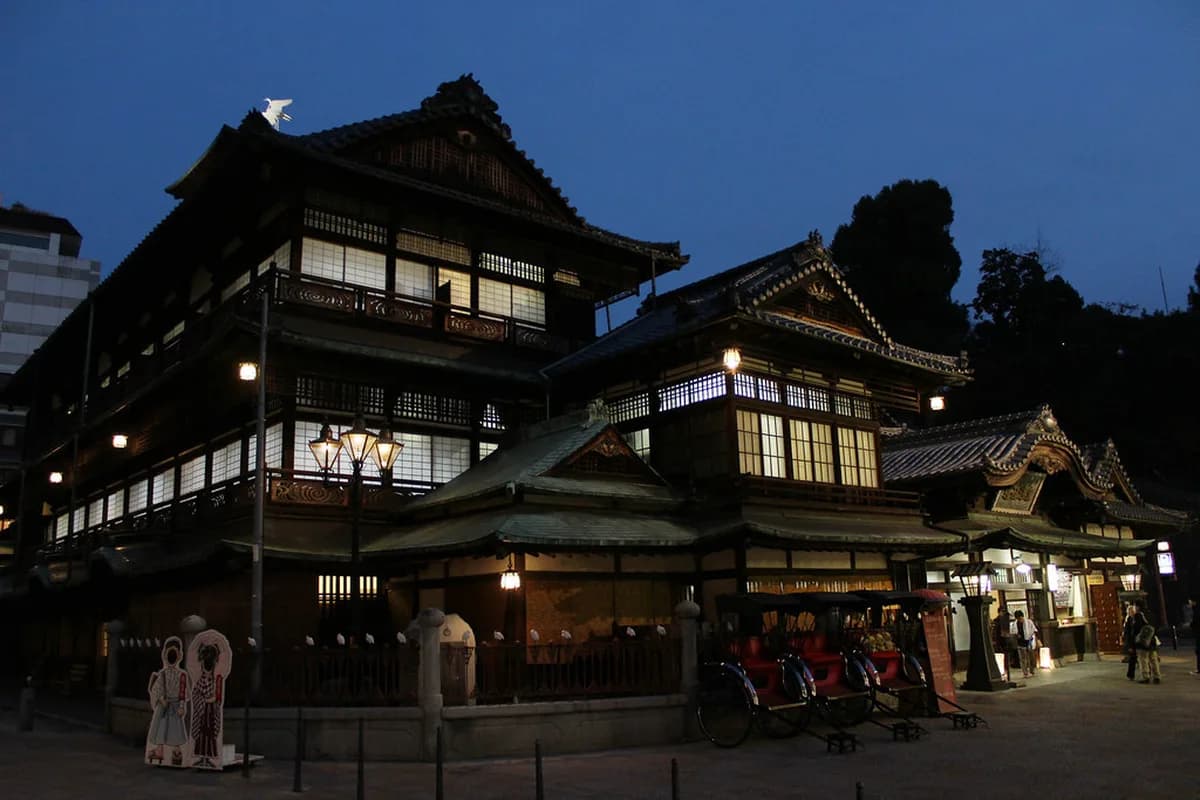
Welcome to the oldest hot spring in Japan, a place where history and healing waters meet. Located in the heart of Matsuyama, this iconic bathhouse offers a journey back through time for every traveler. Our dōgo onsen honkan visitor guide explains everything you need for a perfect soak. You will discover how to navigate the recent renovations and historical charms of this legendary site.
The bathhouse stands as a symbol of Matsuyama's deep cultural heritage and resilient spirit. Many visitors come to see the architecture that inspired famous literary works and animated films. Whether you seek a quick dip or a luxurious private lounge, this guide covers every detail. Prepare to immerse yourself in a tradition that has lasted for over three millennia.
The History and Magic of Dōgo Onsen Honkan
Dōgo Onsen Honkan is widely considered the oldest hot spring in Japan with roots dating back 3,000 years. Legend says an injured white heron discovered the healing waters and cured its leg in the spring. The current wooden structure was built in 1894 and serves as a designated Important Cultural Property. Walking through the entrance feels like stepping into a living museum of Meiji-era design.
Literary fans often visit to see the room where Natsume Soseki wrote his famous novel, Botchan. The main building features a maze of wooden hallways and steep stairs that inspired the bathhouse in Spirited Away. Look up at the Shinrokaku tower to see the red glass windows that glow beautifully after sunset. A drum sounds from this tower three times a day to signal the time to the local community.
The building recently underwent a massive five-year renovation project to preserve its structural integrity. This work ensured that future generations can continue to enjoy the authentic atmosphere of the baths. Artistic installations often decorate the exterior, blending ancient history with contemporary Japanese creativity. Every corner of the Honkan tells a story of emperors, poets, and everyday bathers from centuries past.
Comparing the 3 Bathhouses: Honkan, Asuka no Yu, and Tsubaki no Yu
The Dogo district features three distinct public bathhouses, each offering a unique atmosphere and experience. Honkan remains the primary draw for those seeking the most historical and traditional setting. If you want to see the specific differences in facilities, check the Tsubaki no Yu Official Site for local details. Choosing the right bathhouse depends on whether you value history, modern comfort, or local authenticity.
Asuka no Yu serves as a newer annex that recreates the architectural style of the Asuka period. This facility features high-end traditional crafts from Ehime and offers more spacious bathing areas for families. Visit the Asuka no Yu Official Site (fees & reservations) to see their special private bathing rooms. The courtyard outside often hosts colorful seasonal displays that make for excellent travel photos.
Tsubaki no Yu is the preferred choice for Matsuyama residents who want a simple, daily soak. It lacks the ornate decorations of the other two but provides a quiet and functional environment. Travelers on a budget often appreciate the lower entry price and the genuine local vibe here. You will find that the water quality remains excellent across all three locations in the district.
- Honkan Bathhouse
- Best for: History
- Vibe: Ancient
- Key: Ghibli
- Cost: Moderate
- Asuka no Yu
- Best for: Art
- Vibe: Elegant
- Key: Modern
- Cost: Premium
- Tsubaki no Yu
- Best for: Locals
- Vibe: Simple
- Key: Quiet
- Cost: Budget
Honkan Bathing Plans: Kami no Yu vs. Tama no Yu
The Honkan offers different tiers of service that determine which baths and lounges you can access. Kami no Yu is the most affordable option and provides access to the large communal stone baths. This plan is perfect for those who want a quick, refreshing soak without extra frills. The granite tubs are deep and allow you to fully submerge in the naturally heated alkaline water.
Tama no Yu provides a more exclusive experience with access to smaller, more refined bathing areas. This tier includes a rental yukata, snacks, and access to the second-floor communal lounge. Relaxing on the tatami mats with a cup of tea after your bath is a highlight for many. The view from the upper floors offers a unique perspective of the bustling streets below.
Following the July 2024 reopening, the Rei no Yu bath is once again available for visitors. This bath was historically reserved for the Imperial family and features exquisite marble and tile work. Booking a private room on the third floor allows you to tour the Yushinden, the special imperial suite. These premium plans often sell out quickly, so checking availability early in the day is essential.
Entry Fees and Reservation Requirements (2024 Update)
Prices at the Honkan have been updated following the completion of the major renovation works. A basic soak in the Kami no Yu currently costs ¥650 for adults and is valid for one hour. You can find the full list of prices on the Dogo Onsen Honkan Official Site (fees & reservations). Keep in mind that last entry is usually 30 minutes before the 23:00 closing time.
The premium Tama no Yu plans range from ¥2,000 to ¥2,500 depending on the lounge choice. Private rooms on the third floor are highly coveted and require a reservation at the front desk. Staff members speak some English and can help you navigate the various ticket options available. Cash and major credit cards are generally accepted at the automated ticket machines.
Reservations for the most popular rooms can sometimes be made in person on the day of your visit. Arriving early in the morning, around the 6:00 opening time, gives you the best chance for a slot. If the Honkan is fully booked, the nearby Asuka no Yu often has more immediate availability. Always verify current hours online as special events or maintenance can occasionally change the schedule.
What to Bring and Onsen Etiquette
Dogo Onsen is famous for being very welcoming to international travelers with tattoos. Unlike many other Japanese baths, they do not require you to cover your ink with patches. This open-minded policy makes it a top choice for diverse groups of foreign visitors. You should still follow the standard rules of quiet and respectful behavior while inside.
Before entering the hot water, you must wash your body thoroughly at the seated shower stations. Small towels are used for washing but should never touch the water in the main tub. Most people rest their folded towel on their head while they soak in the mineral-rich springs. Rinsing off after the bath is optional, as the minerals are beneficial for your skin.
Basic toiletries like soap and shampoo are provided in the communal bathing areas. You can rent towels and yukatas for a small fee if you did not bring your own. Lockers are available for your shoes and clothes, usually requiring a small 100-yen coin. Ensure you stay hydrated by drinking water or local mikan juice after your session.
Exploring Dōgo Haikara-dori Shopping Street
The Haikara-dori shopping arcade connects the Dogo Onsen station to the main bathhouse entrance. This L-shaped street is lined with souvenir shops, cafes, and traditional craft boutiques. Walking through the arcade in your rental yukata is a quintessential part of the Dogo experience. The atmosphere is especially lively in the evening when the lanterns are lit.
You must try the Botchan Dango, a colorful three-flavor rice dumpling named after the famous novel. Many shops also sell high-quality Imabari towels, which are a famous product of Ehime Prefecture. Look for stores offering 'mikan juice on tap' for a fun and refreshing regional treat. These citrus-themed shops highlight the diverse varieties of oranges grown in the local hills.
The arcade is also a great place to find unique chopsticks and wooden crafts. Several small shrines and hidden statues are tucked away between the modern storefronts. Take your time to browse the local art galleries that showcase Matsuyama's creative side. Shopping here supports the local economy and provides lasting memories of your trip.
Nearby Sights: Isaniwa Shrine and Dogo Park
Just a short walk from the bathhouse, Isaniwa Shrine sits atop a steep flight of stone stairs. This shrine is famous for its rare Hachiman-zukuri architectural style and vibrant red paint. The elevated location provides a peaceful escape and a great view of the surrounding district. It is a perfect spot for a quiet morning walk before the crowds arrive at the baths.
Dogo Park is another nearby gem that contains the ruins of the ancient Yuzuki Castle. The park features beautiful walking paths, a museum, and many cherry blossom trees in spring. You can explore the reconstructed samurai residences to learn about the area's feudal history. The lookout point at the top of the hill offers panoramic views of the city.
If you have more time, consider visiting the nearby Ishite-ji Temple, which is part of the 88-temple pilgrimage. This temple is known for its mysterious tunnels and unique collection of Buddhist statues. Another architectural highlight is Bansuiso, a French-style villa built in the early 20th century. These sites are all easily accessible using the local tram system or by walking.
Where to Eat: Local Delicacies and Street Food
Matsuyama is famous for its sea bream, known locally as Tai, which is served in various ways. Tai-meshi is the most popular dish, featuring fresh fish served over seasoned rice. You can find many restaurants near the Honkan that specialize in this regional delicacy. The Uwajima-style Tai-meshi uses raw fish and a raw egg for a rich, savory flavor.
For a quick snack, look for Jakoten, which are fried fish cakes made from local small fish. These savory treats are best enjoyed hot and fresh from a street vendor's stall. The crispy exterior and chewy texture make them a favorite for both locals and tourists. Pair your snack with a cold local craft beer for the perfect post-onsen meal.
Sweet lovers should not miss the chance to try various mikan-flavored desserts and ice creams. Ehime is the top producer of citrus in Japan, and the quality is truly exceptional. Many cafes offer tasting flights where you can sample different types of orange juice. This culinary journey is the perfect way to round out your visit to Matsuyama.
Getting There: Access from Matsuyama and the Airport
Reaching the Dogo Onsen district is straightforward thanks to Matsuyama's efficient transportation network. From Matsuyama Airport, the most convenient option is the dedicated limousine bus service. Check the Matsuyama Airport Limousine Bus Info for current departure times and fares. The ride takes approximately 40 minutes and drops you off very close to the station.
If you are arriving by train at JR Matsuyama Station, take the Iyotetsu tram line 5. The tram ride takes about 20 to 25 minutes and costs a flat fare of ¥230. You will enjoy the vintage charm of the trams as they clatter through the city streets. This route also passes near Matsuyama Castle, which is another must-see attraction.
Travelers coming from Tokyo or Osaka usually take the Shinkansen to Okayama Station first. From Okayama, you can transfer to the Limited Express Shiokaze train for a scenic journey to Matsuyama. Planning your trip to Matsuyama is easier when you understand these key transit links. The city is compact enough that once you arrive in Dogo, most sights are within walking distance.
Frequently Asked Questions
Do you have to book Dogo Onsen in advance?
While the basic Kami no Yu bath does not require a reservation, the 3rd-floor private rooms often do. You should visit the front desk early in the day to secure a slot for premium plans. Check the Matsuyama travel guide for more local booking tips.
Do I wear clothes in an onsen?
No, you must be fully undressed to enter the communal bathing water in Japan. Swimsuits are generally not permitted in traditional bathhouses like the Honkan. You may use a small towel for modesty while walking between the shower and the bath.
What to do at Dogo Onsen?
Beyond bathing, you can explore the Haikara-dori shopping street and visit the historic Isaniwa Shrine. Many visitors enjoy watching the Botchan Karakuri Clock perform its hourly show near the station. Relaxing in a yukata while eating local dango is a popular tradition.
Can I go to an onsen with my girlfriend?
Most public baths in the Honkan are gender-segregated, so you will bathe separately. However, you can book a private family bath at the nearby Asuka no Yu for a shared experience. Meeting up in the communal lounges after your soak is a standard practice.
Dōgo Onsen Honkan is more than just a bathhouse; it is a cornerstone of Japanese cultural history. From its legendary origins to its 2024 restoration, it continues to captivate travelers from around the world. We hope this visitor guide helps you plan an unforgettable trip to Matsuyama. The warm waters and timeless architecture are waiting to provide you with a truly unique experience.
For the latest official information, see the Dōgo Onsen Honkan on Wikipedia.
For more Matsuyama planning, read our Matsuyama Itinerary: The Best 2-Day Plan for 2026 guide, explore the 12 Best Things to Do in Matsuyama, Japan (2026), or dive deeper with our Dogo Onsen Guide: Bathhouses, Prices, and 2026 Tips.