Matsumoto Castle
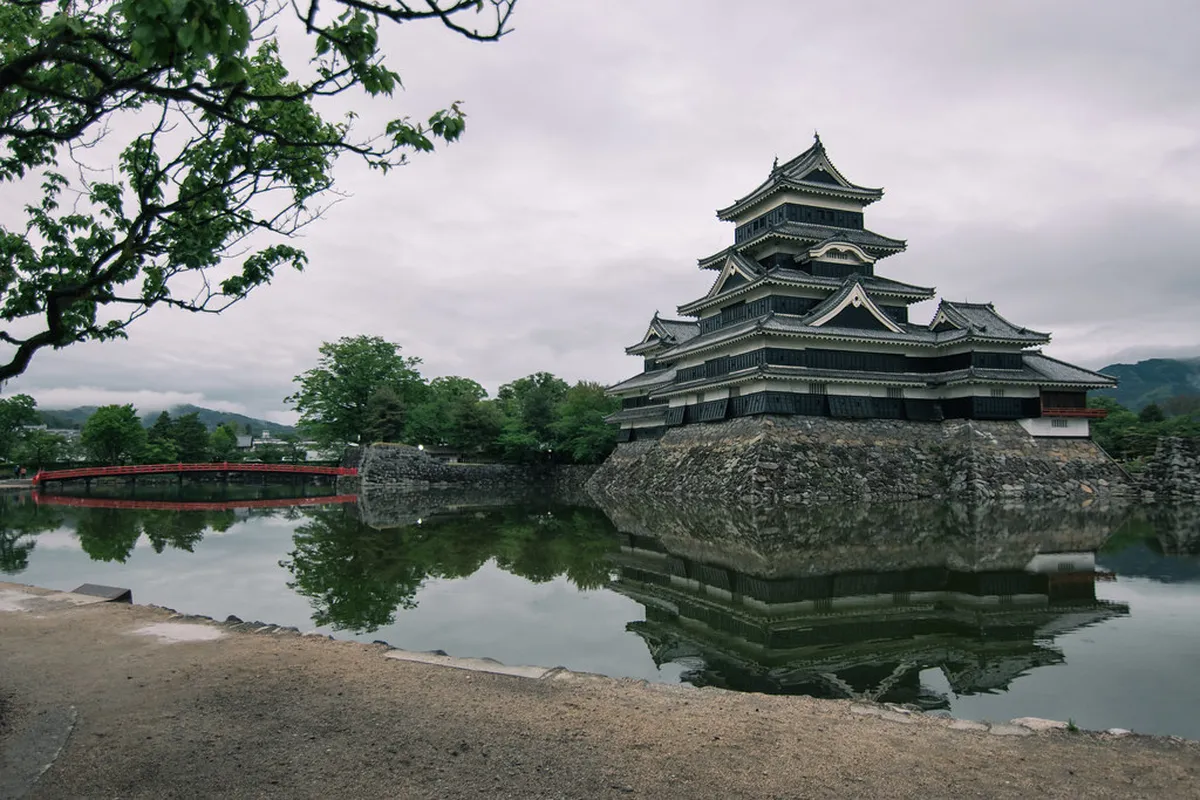
Matsumoto Castle is a National Treasure of Japan in Nagano Prefecture, famous for its original late-16th-century wooden keep and striking black exterior.
Visitor guide →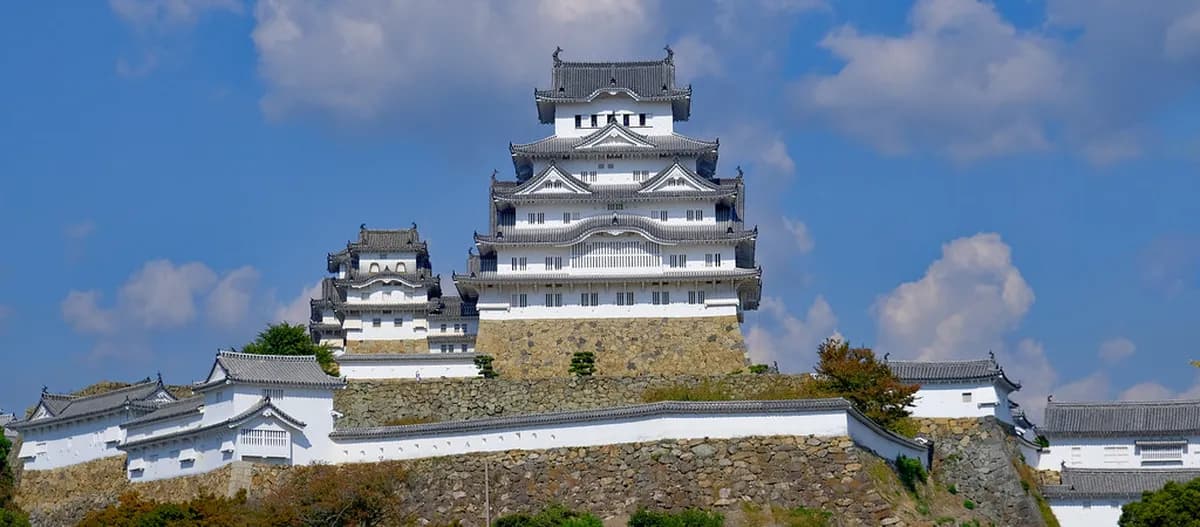
Things to do in Matsumoto in 2026: National Treasure castle, Edo streets, Yayoi Kusama art and the Japan Alps gateway — with verified ticket prices and opening hours.
Matsumoto packs an unusual amount of variety into a compact, walkable castle town in the heart of Nagano Prefecture. Its centerpiece, Matsumoto Castle, is one of only five castles in Japan designated a National Treasure, with an original black-lacquered keep that has stood since the late 1500s — no concrete reconstruction here. A short stroll from the moat, the preserved Edo-era merchant lanes of Nakamachi and Nawate still trade in crafts, soba, and sake the way they did two centuries ago, while the city's most famous daughter, polka-dot artist Yayoi Kusama, anchors the Matsumoto City Museum of Art.
What sets Matsumoto apart from other Japanese castle towns is what sits on its doorstep. The city is the recognised gateway to the Japan Alps, putting world-class alpine scenery within a short bus or train ride: the car-free valley of Kamikochi, the wide-open plateau of Utsukushigahara Highland, and the spring-fed channels of Daio Wasabi Farm in neighbouring Azumino. That mix — National Treasure history in the morning, 3,000-metre peaks in the afternoon — is why Matsumoto rewards anything from a half-day to a three-day stay. Few Japanese cities of its size let you stand inside an original feudal keep and reach an alpine valley ringed by 3,000-metre summits on the same ticket of free time.
This 2026 guide narrows the field to 10 attractions that consistently justify the time and ticket price. Each card below links to a full visitor guide with verified opening hours, current admission prices, and practical tips that rarely make the official FAQ. The sections that follow group these sights by area and category, lay out free-versus-paid options, suggest one- to three-day itineraries, and answer the questions travellers ask most before they go.
Planning a wider trip? See our Japan travel guide, the things to do in Matsumoto guide, and getting around Japan.
Matsumoto Castle is a National Treasure of Japan in Nagano Prefecture, famous for its original late-16th-century wooden keep and striking black exterior.
Visitor guide →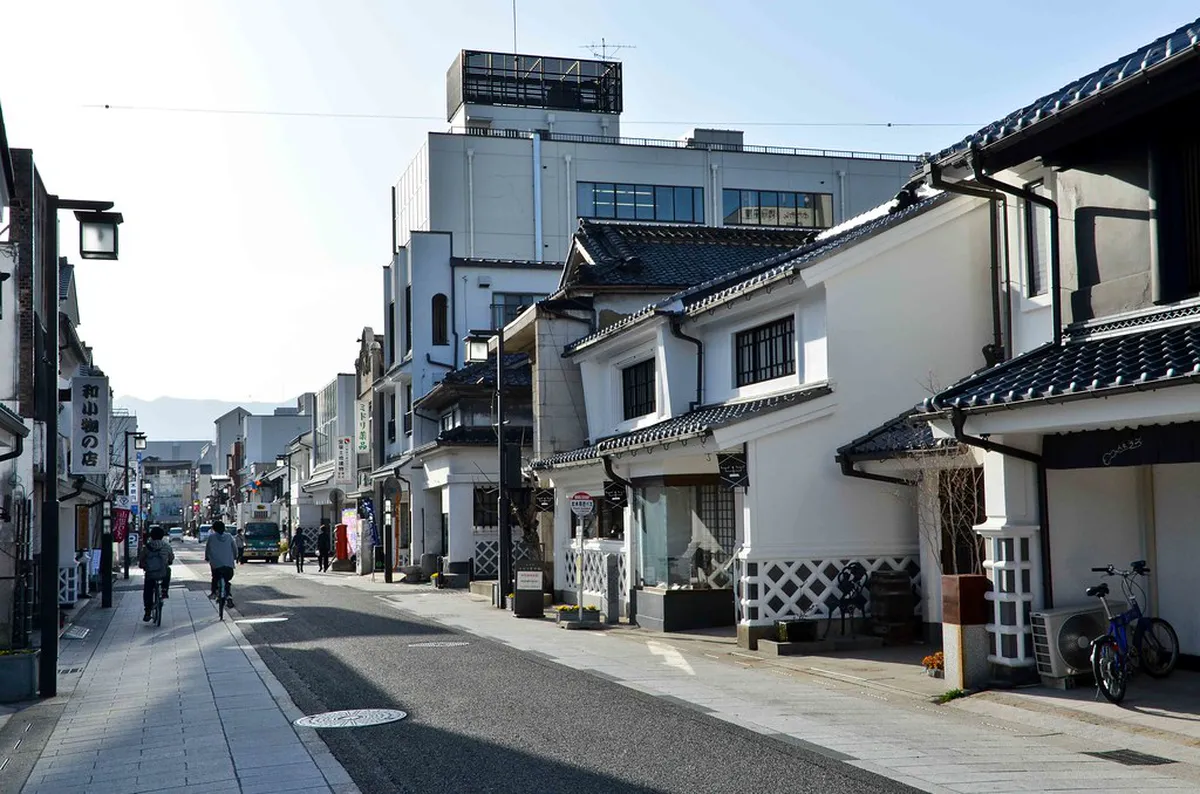
Nakamachi Street is a historic merchant district in central Matsumoto, Nagano, lined with preserved Edo- and Meiji-era kura storehouses now housing craft shops, folk-art stores, cafes, and restaurants. The free public street is a short walk from Matsumoto Castle.
Visitor guide →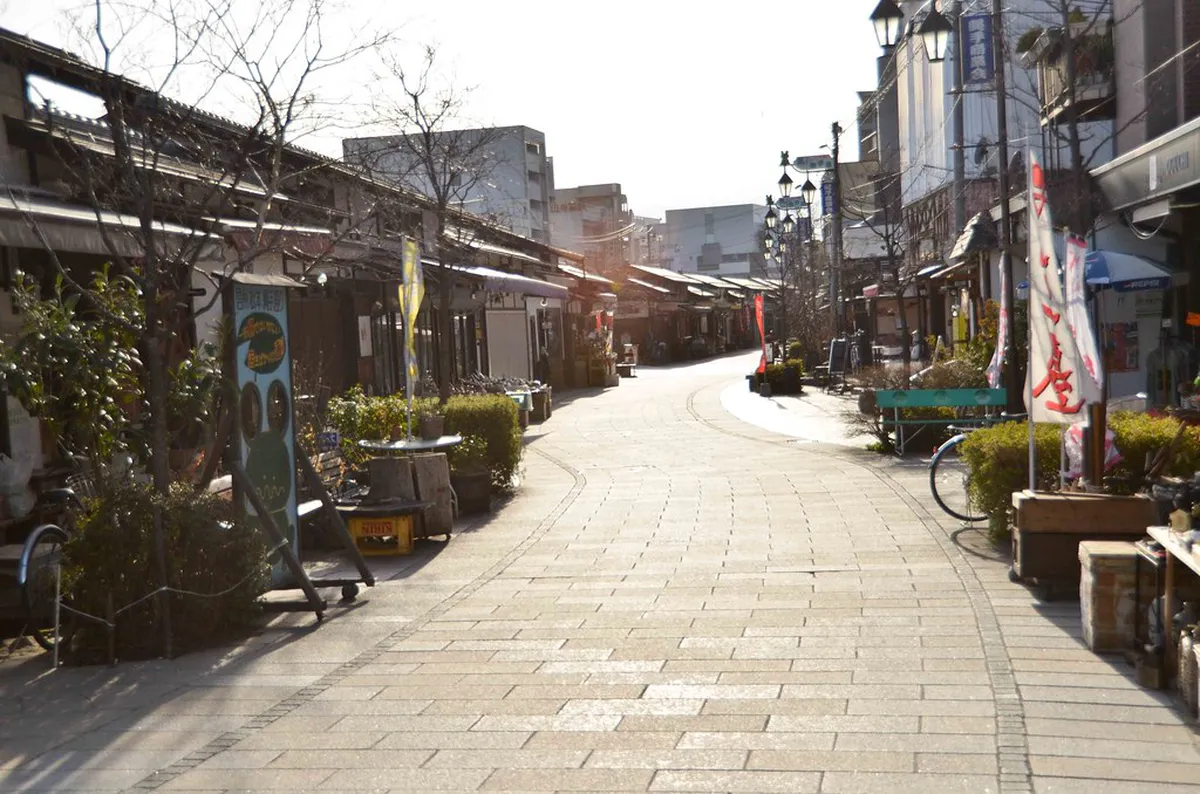
Nawate Street is a roughly 200-meter traditional shopping lane along the Metoba River in central Matsumoto, nicknamed 'Frog Street' (Kaeru Michi) for its many frog (kaeru) statues and themed shops. This free pedestrian lane is lined with more than 50 craft stores, cafes, and food stands and leads to Yohashira Shrine.
Visitor guide →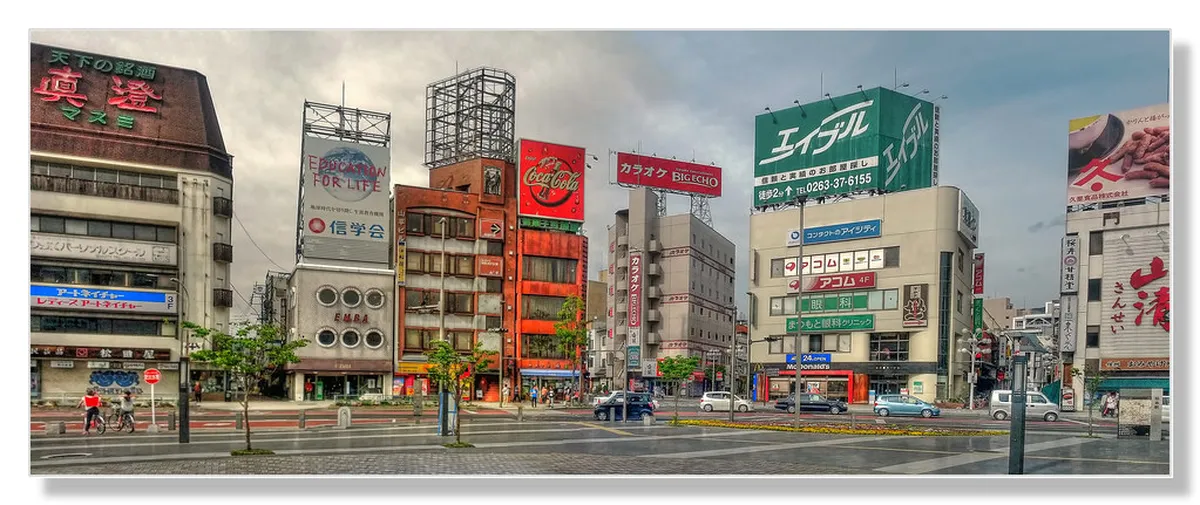
The Former Kaichi School (Kyu-Kaichi Gakko) in Matsumoto is Japan's oldest Western-style school building, completed in 1876 and designated a National Treasure in 2019. Now an education museum, it reopened in November 2024 after a multi-year seismic retrofit.
Visitor guide →
Matsumoto City Museum of Art is a Nagano museum dedicated to artists tied to the city, best known for its collection of Yayoi Kusama works and her polka-dotted exterior. Open 9:00-17:00, closed Mondays, with permanent-collection admission of ¥800 for adults.
Visitor guide →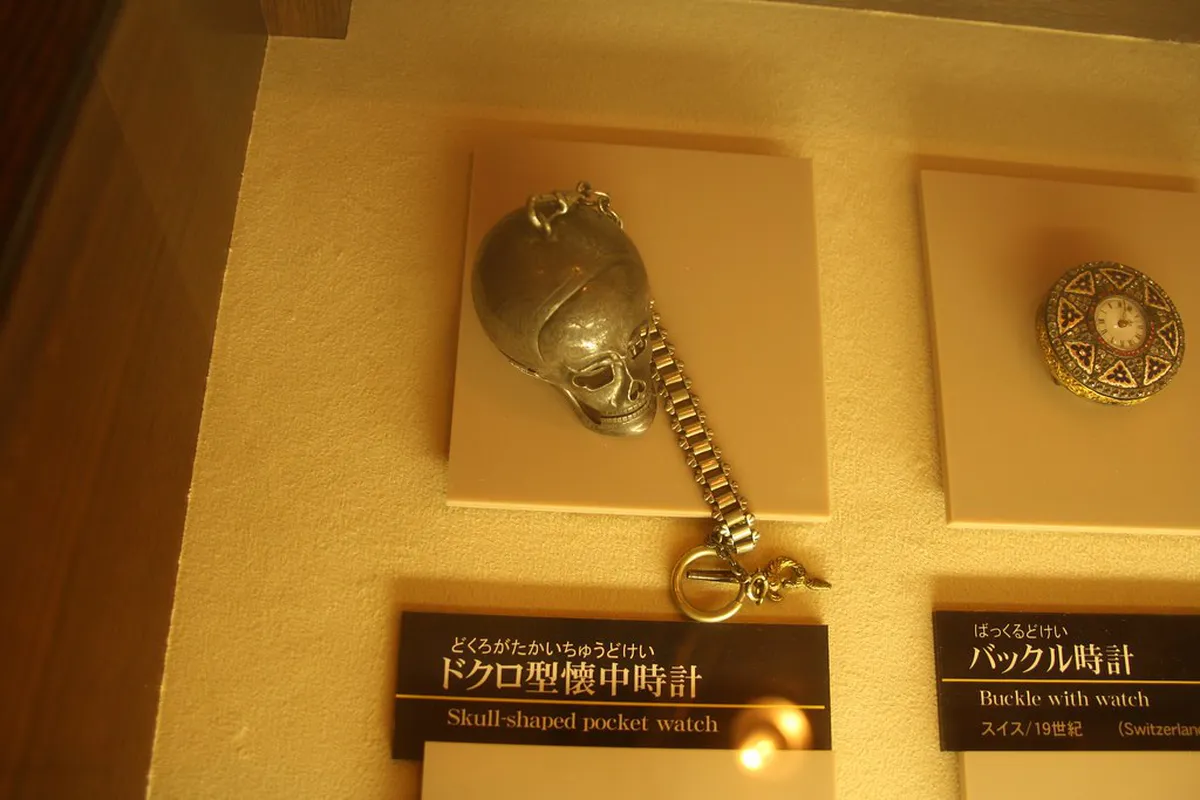
The Matsumoto City Timepiece Museum in central Matsumoto, Nagano, displays over 300 Japanese and international clocks and watches, many kept in working order. Its facade features the largest pendulum clock in Japan.
Visitor guide →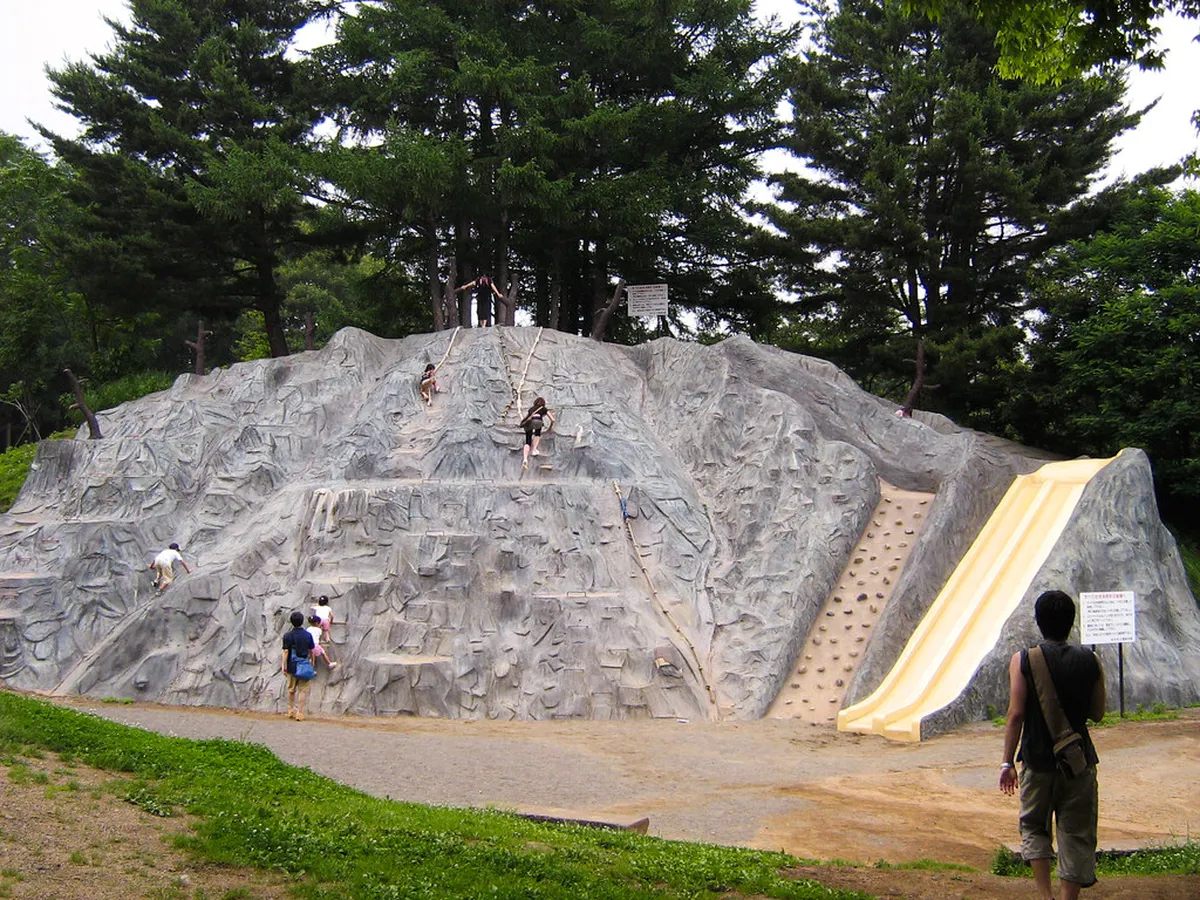
Matsumoto Alps Park is a large hilltop park in the northwestern hills of Matsumoto, Nagano, offering panoramic views of the Northern Japan Alps alongside a nature museum, a free zoo, playgrounds, and the 630-meter Alps Dream Coaster. Entry to the park is free, with small fees for select attractions.
Visitor guide →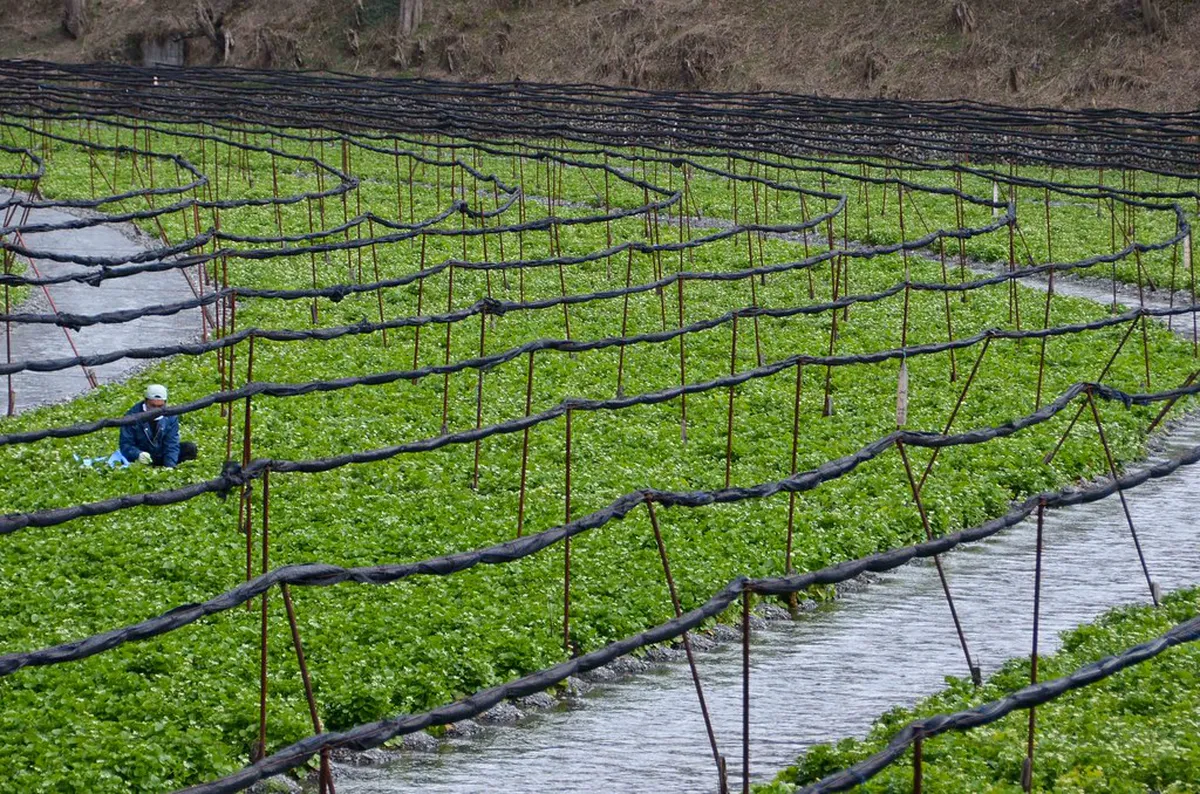
Daio Wasabi Farm in Azumino, Nagano is one of Japan's largest wasabi farms, with free-entry walking trails through fields fed by Northern Alps snowmelt. It is a popular, easy half-day trip from nearby Matsumoto.
Visitor guide →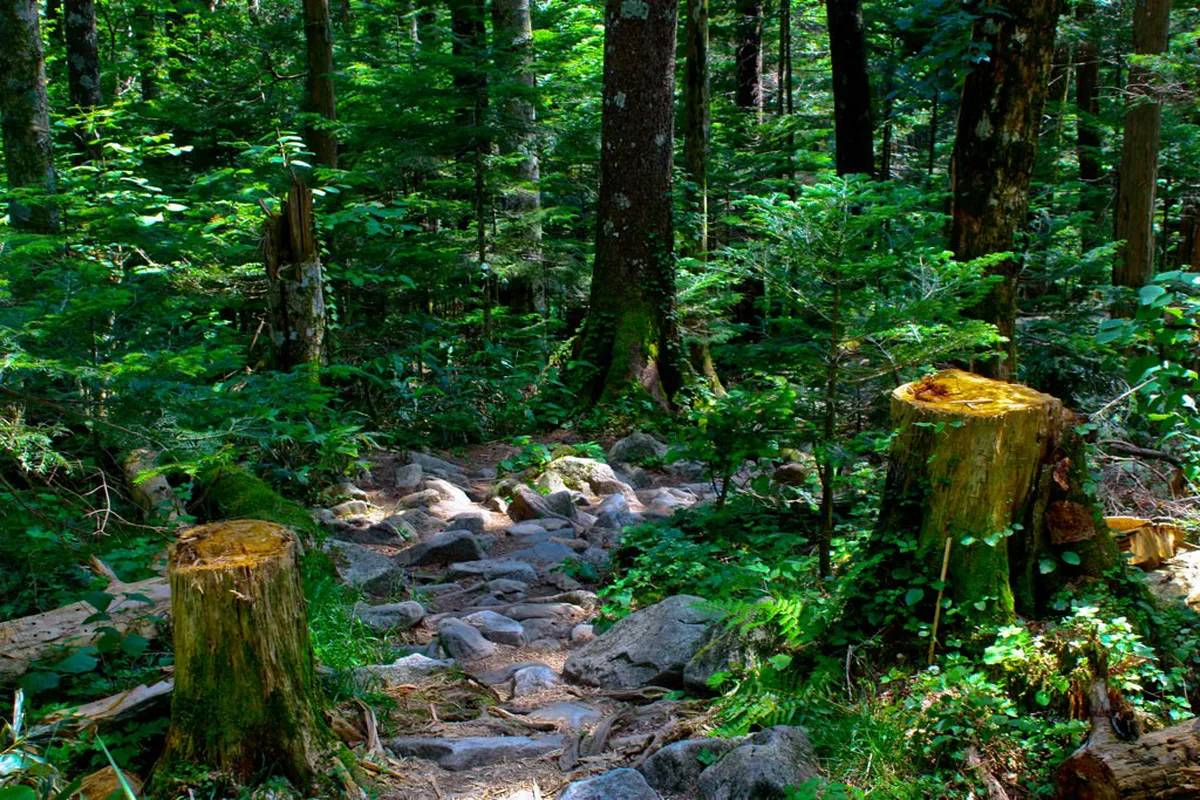
Kamikochi is a remote alpine highland valley in the Northern Japan Alps of western Nagano Prefecture, accessed from Matsumoto. Free to enter but car-free and open only from mid-April to mid-November, it is one of Japan's most celebrated mountain scenery and hiking destinations.
Visitor guide →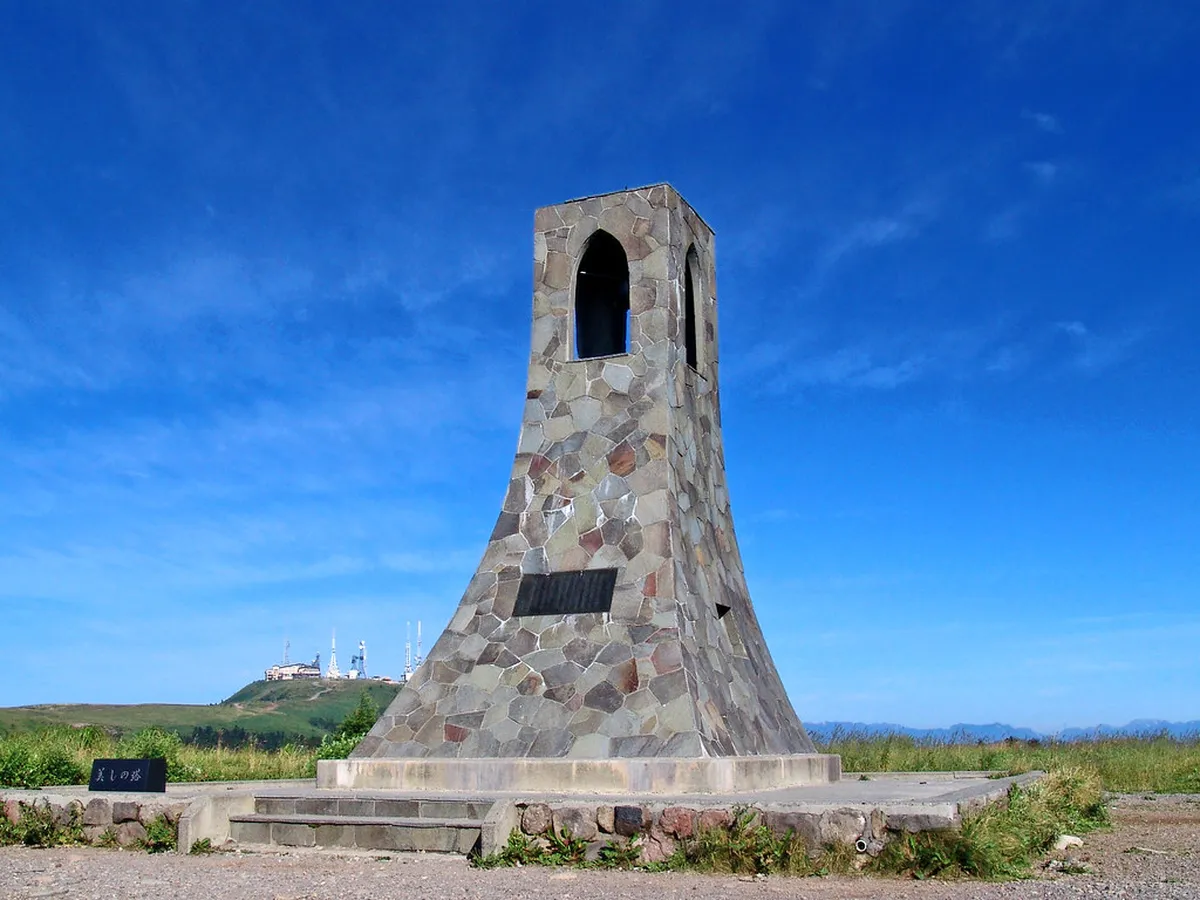
Utsukushigahara Highland is a vast grassy volcanic plateau at about 2,000 meters near Matsumoto in Nagano, known as the 'observatory of the Alps' for its sweeping mountain panoramas, free-roaming cattle, and the Utsukushi-ga-hara Open-Air Museum. Highland access is free year-round in principle, but the approach road closes in winter and reopens roughly late April to mid-November.
Visitor guide →Matsumoto's attractions fall into two natural zones: the compact castle-town core you can walk in an afternoon, and a ring of Japan Alps day trips reached by bus or local train.
Everything inside the old castle town sits within a 20-minute walk of Matsumoto Castle. Matsumoto Castle is the obvious anchor, with Nakamachi Street and Nawate Street (the frog-themed "Kaeru Michi") just across the Metoba River, and the Former Kaichi School — Japan's oldest Western-style schoolhouse and a National Treasure — a few minutes north. The Matsumoto City Museum of Art (Yayoi Kusama) and the Timepiece Museum are both east of the castle, an easy stroll or one stop on the loop bus.
The mountain attractions need a half-day each. Daio Wasabi Farm sits in Azumino, about 25–30 minutes north by JR Oito Line to Hotaka Station plus a short taxi or cycle. Kamikochi is roughly 90 minutes away by train to Shin-Shimashima and a connecting bus (private cars are banned in the valley). Utsukushigahara Highland rises to around 2,000 metres east of the city, reached seasonally by bus or car along a road that closes in winter. Matsumoto Alps Park bridges the two zones — a hilltop park in the city's northwest hills with Northern Alps views, a free zoo, and an alpine slide.
If you prefer to plan around interests rather than geography, here is how the ten sights break down.
A surprising share of Matsumoto's best sights cost nothing to enter, which makes the city friendly to budget and family travellers. Plan a day around the free attractions and you only pay for the experiences you most want to see inside.
| Attraction | Adult | Student / Child | Closed |
|---|---|---|---|
| Matsumoto Castle | ¥1,300 (¥1,200 online) | ¥400 | Year-end period |
| Former Kaichi School | ¥700 (¥600 online) | ¥300 | 3rd Tue (Mar–Nov); Tues Dec–Feb |
| Matsumoto City Museum of Art | ¥800 (¥700 online) | Free (high school and under) | Mondays |
| Matsumoto Timepiece Museum | ¥500 | ¥200 | Tuesdays |
Combine the castle, Kaichi School, and Museum of Art and you are looking at roughly ¥2,800 in admissions — easily a full day's worth of paid sightseeing, with the streets and parks filling the gaps for free.
Start at Matsumoto Castle when it opens to beat the queues at the keep's steep internal staircases, which become a bottleneck by mid-morning. Cross the river to Nawate and Nakamachi streets for a soba lunch and craft shopping among the white-walled storehouses. Add the Former Kaichi School for its photogenic Meiji-era facade or the Yayoi Kusama museum for the polka-dot installations in the afternoon, depending on your interests. Finish with the Timepiece Museum if you have an hour to spare. A single day comfortably covers the walkable core without feeling rushed.
Spend day one in the castle town as above. On day two, pick one alpine escape: Daio Wasabi Farm in Azumino for an easy half-day and a soba-and-wasabi lunch, or — in season — a longer trip to Kamikochi for the valley's iconic Kappa Bridge and riverside walks. Treat these as separate days rather than cramming both with the castle.
Add Utsukushigahara Highland on day three for sweeping ridge-top panoramas, free-roaming cattle, and the open-air sculpture museum at around 2,000 metres — weather permitting, since the access road is seasonal. Alternatively, use the extra day to slow down with Matsumoto's soba, sake breweries, and the craft-beer bars tucked along Nakamachi, or revisit a favourite sight at a quieter hour. Three days suits travellers who want both the history and the mountains without rushing either, and leaves room for the long bus connections the alpine attractions require.
The castle-town core is genuinely walkable — Matsumoto Castle is about a 15-minute walk from Matsumoto Station, and Nakamachi and Nawate are on the way. For the wider city, the Town Sneaker loop bus runs four colour-coded routes connecting the station, castle, and museums for a few hundred yen per ride (a one-day pass covers all loops). For the Japan Alps attractions you'll switch to rail: the JR Oito Line reaches Hotaka for Daio Wasabi Farm in about 30 minutes, while Kamikochi requires a train to Shin-Shimashima plus a connecting bus. Bicycles, including rentals near the station, are a pleasant way to cover the flat city centre.
The castle town core is walkable from Matsumoto Station in 15 minutes. A Town Sneaker all-day bus pass (¥500) covers all four loop routes and is worth it if you plan to add Alps Park or the museums to your castle day. Nakamachi and Nawate streets are free — save your budget for paid entry fees.
Spring (late March–April) brings cherry blossom to the castle moat — the black keep framed by pink sakura is Matsumoto's signature image. Summer (June–August) is prime season for the mountains: Kamikochi and Utsukushigahara Highland are at their lushest, with cooler highland air a welcome escape from the lowland heat. Autumn (October–November) delivers foliage across the Alps and quieter castle grounds. Winter is the catch for nature lovers: both Kamikochi and the Utsukushigahara access road close for the season (roughly mid-November to late April), so plan alpine trips for late spring through autumn. The city-centre attractions — castle, streets, and museums — stay open year-round.
The Timepiece Museum closes on Tuesdays while the City Museum of Art closes on Mondays — plan Wednesday through Sunday to keep both open on the same day. Kamikochi is only accessible mid-April to mid-November; the Utsukushigahara Highland road also closes in winter.
Matsumoto is one of the easier Japanese cities to enjoy on a budget. Lean on the free streets and parks — Nakamachi, Nawate, the grounds of Matsumoto Alps Park, and Daio Wasabi Farm cost nothing and fill half a day on their own. Walking the castle town instead of taking the loop bus saves on transport across the compact core. If you plan to enter several paid sights, check whether the tourist information centre near the station is offering any combination tickets or city passes for the castle, Kaichi School, and museums, which can shave the per-site cost. Finally, time mountain trips for the open season so you are not paying for closed-road detours.
One day covers the castle town core — Matsumoto Castle, Nakamachi and Nawate streets, and one museum. Two days lets you add a Japan Alps day trip such as Daio Wasabi Farm or Kamikochi, and three days allows Utsukushigahara Highland plus a slower pace for the city's soba and sake culture.
Matsumoto Castle. It is one of only five castles in Japan designated a National Treasure, with an original late-16th-century wooden keep and a distinctive black exterior. Adult admission is ¥1,300 in 2026, and it is the single sight no first-time visitor should skip.
Many are. Nakamachi Street, Nawate Street, the grounds of Matsumoto Alps Park, Daio Wasabi Farm, and the Kamikochi valley are all free to enter. Paid sights include Matsumoto Castle (¥1,300), the Former Kaichi School (¥700), the City Museum of Art (¥800), and the Timepiece Museum (¥500).
No. Kamikochi is open only from roughly mid-April to mid-November; the valley closes over winter. Private cars are banned year-round, so access is by bus or taxi from Shin-Shimashima. Plan your visit for late spring through autumn.
Late March to April for cherry blossom at the castle, summer (June–August) for the alpine attractions at their greenest, and October–November for autumn foliage. The city-centre castle, streets, and museums are open all year, but the Kamikochi and Utsukushigahara mountain roads close in winter.
Yes. The direct JR Limited Express Azusa from Shinjuku reaches Matsumoto in about 2.5 hours, making the castle town an achievable day trip. To include a Japan Alps attraction such as Kamikochi, however, you'll want at least one overnight stay.
The castle town is walkable — about 15 minutes on foot from Matsumoto Station to the castle. The Town Sneaker loop bus links the station, castle, and museums, while the JR Oito Line reaches Hotaka (for Daio Wasabi Farm) and connecting trains and buses serve Kamikochi.
Ready to turn this list into an actual route? Map your days with our Matsumoto itinerary guide, check seasonal timing and crowds in when to visit Matsumoto, and sort out the journey from the capital with how to get to Matsumoto from Tokyo. Each guide pairs naturally with the attraction pages linked above.