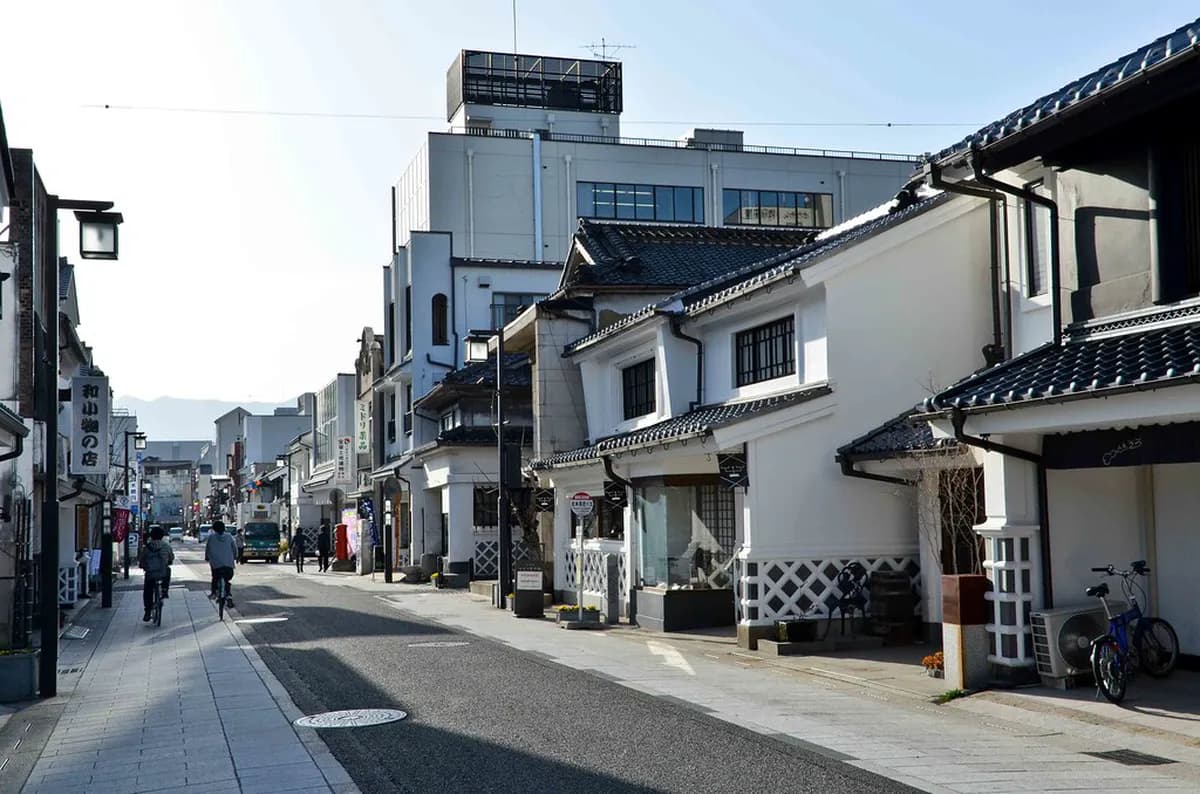
Nakamachi Street serves as a stunning window into the architectural heritage of the Edo period within Matsumoto city. This historic district features beautifully preserved storehouses known as kura, famous for their striking black and white geometric patterns. Travelers often visit this area to experience a slower pace of life while browsing artisanal crafts and local delicacies. Our comprehensive nakamachi street visitor guide helps you navigate the best shops, museums, and hidden corners of this neighborhood.
Must-See Nakamachi Attractions
The primary draw of this district is the sheer concentration of traditional kura buildings that line the narrow road. These structures once served as fireproof warehouses for merchants selling grains, sake, and textiles during the 19th century. Nakamachi sits in the central former castle-town area, close enough to pair naturally with Matsumoto Castle and the Metoba River on the same walk—two highlights you'll find in our things to do in Matsumoto guide.
Exploring the side alleys reveals smaller workshops where craftsmen still produce traditional Japanese goods. You will find various landmarks that highlight the merchant history of the Nagano region. The street layout remains relatively unchanged, preserving the intimate atmosphere of a historic trade hub. Look for the distinctive wells scattered throughout the district, which still provide fresh mountain water to locals.
Photographers will appreciate the high-contrast visuals of the buildings against the backdrop of the Japanese Alps. Weekday mornings and late afternoons are the easiest windows in 2026 for cleaner photos, softer light, and fewer people standing in shop entrances. Checking the Japan Journeys: Nakamachi Guide can provide additional historical context for specific landmarks.
Museums, Art, and Culture in Nakamachi
Cultural enthusiasts should prioritize a visit to the Matsumoto Scale Museum, located in a renovated kura. This unique institution displays weighing instruments used throughout Japanese history and shows how precision shaped merchant trade in the region. Admission fees are modest, making it an easy addition to an afternoon itinerary.
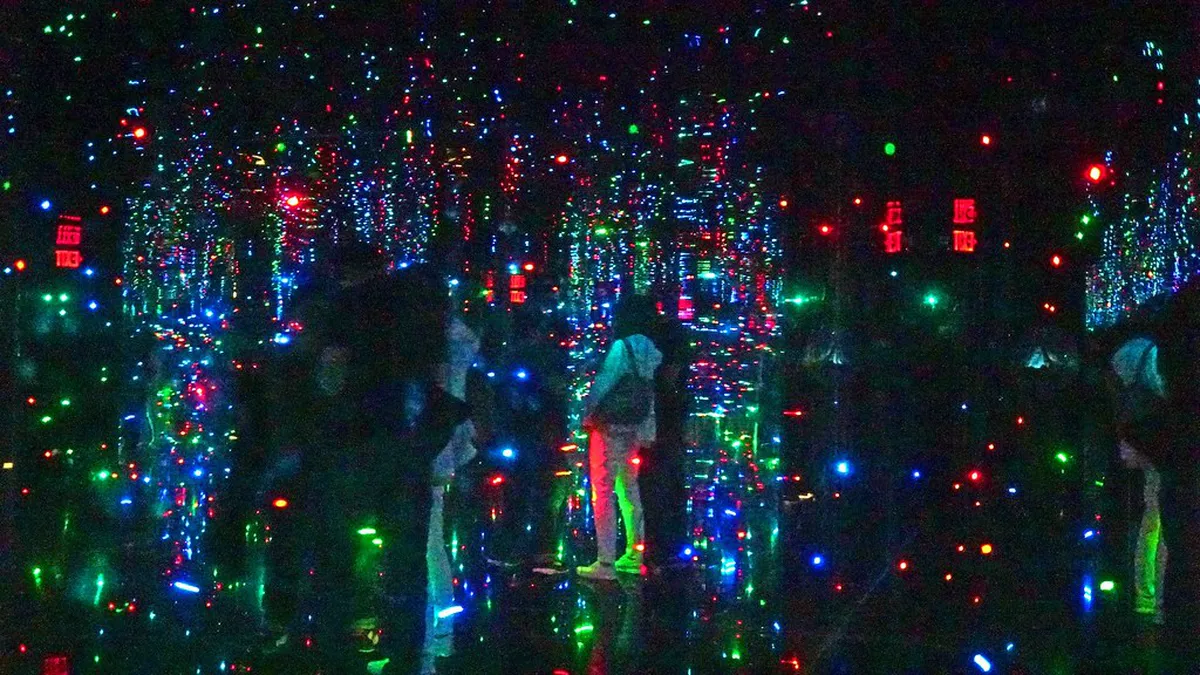
Several private galleries along the street showcase contemporary art alongside traditional folk crafts, including pottery, textiles, lacquerware, and woodblock prints inspired by the surrounding mountains. Visitors interested in larger collections can easily walk to the Matsumoto City Museum of Art nearby, known for its permanent installations by Yayoi Kusama.
Parks, Gardens, and Outdoor Spots in Nakamachi
The Metoba River runs parallel to the historic district and offers a scenic path for a gentle stroll. Crossing the small bridges leads you directly toward the quirky and colorful Nawate Street. This riverside area provides excellent views of the historic buildings reflecting in the water during sunset, with benches for a quick rest between sightseeing stops.
For more open space, extend the walk to the castle gardens and moats after exploring Nakamachi. The route shows the transition from merchant life to samurai history in a compact area, making it a perfect addition to your Matsumoto itinerary. Keep an eye on the weather, as mountain breezes can make the riverside paths chilly and sudden rain can make the older paving slick.
Family-Friendly and Budget-Friendly Options in Nakamachi
Nakamachi Street is free to walk. Shops open around 10:00 and close by 17:00. Every Saturday (April–December) a morning market runs from 09:30, where local farmers sell fresh vegetables and seasonal flowers. The Kurassic-kan former sake brewery is free to enter for the courtyard and rest areas.
Families traveling on a budget will find that the best part of Nakamachi is entirely free to enjoy. Admiring the exterior architecture of the storehouses costs nothing, and children often enjoy spotting the different geometric wall patterns. The street is mostly flat, but stroller users and wheelchair users should expect narrow walking space and occasional raised thresholds inside older converted kura shops.
Street food delights offer an affordable way to sample local flavors without a full restaurant bill. Look for taiyaki, Nagano apple sweets, miso-flavored snacks, and bakeries using regional ingredients—perfect for exploring the local food scene covered in our Matsumoto food guide. Budget travelers should also take advantage of the free public wells for fresh drinking water, then rest by the Metoba River between shop visits.
How to Plan a Smooth Nakamachi Attractions Day
Nakamachi is not a pedestrian-only zone — cars and delivery trucks share the narrow road. Stay on the sidewalk while photographing. Tuesday is the most common closing day for local businesses; plan your visit Wednesday through Sunday. Strollers and wheelchairs will encounter narrow shop thresholds inside older kura buildings.
A successful visit requires understanding that Nakamachi is not a fully pedestrianized zone. Cars and delivery trucks still use this narrow street, so visitors must remain alert while taking photos. Walking on the narrow sidewalks is safer than standing in the middle of the road during busy hours. Photographers should be especially careful when framing shots of the white walls to avoid oncoming traffic.
Most shops and museums in the district open around 10:00 AM and close by 5:00 PM. Arriving early allows you to explore the architecture before the retail businesses begin their day, while late afternoon works well for softer light after lunch crowds thin. Tuesday is a common closing day for many local businesses, so plan your visit accordingly. You can find more logistical tips on the Kamikochi Advisory: Nakamachi History page.
The walk from Matsumoto Station to the district takes approximately 10 to 15 minutes, and the route is simple enough for most first-time visitors. The Town Sneaker bus is another convenient option for travelers with luggage, limited mobility, or tight weather windows. Wear comfortable shoes as the historic pavement can be slightly uneven in certain sections. Check the latest schedules for 2026 before relying on bus timing.
- Recommended Duration for a Full Visit
- Time: 2 to 3 hours
- Activity: Shopping, architecture, snacks, and one museum stop
- Best for: Casual explorers and first-time Matsumoto visitors
- Cost: Free street access
- Best Way to Reach the District
- Mode: Walking or Town Sneaker bus
- From: Matsumoto Station
- Distance: 1.2 kilometers
- Tip: Combine it with Matsumoto Castle and Nawate Street
- Common Mistakes to Avoid
- Mistake: Treating the road like a pedestrian mall
- Mistake: Arriving after shops begin closing
- Mistake: Assuming every old storehouse is step-free inside
- Mistake: Planning a long seated meal at the tiny brewery taproom
The History of Black and White ‘Namako Kabe’ Design
The distinctive wall design seen throughout Nakamachi is known as 'Namako Kabe' or sea cucumber walls. The name comes from the rounded white plaster ridges that resemble the shape of the sea creature. Builders applied these thick plaster layers over square tile joints to create a waterproof seal, producing the striking black and white pattern visible today.
Beyond its visual appeal, the design helped fireproof the merchant district against the urban fires that threatened Edo-period towns. Thick, non-combustible plaster protected valuable goods stored inside the warehouses, while modern preservation keeps the traditional color scheme visible across the Matsumoto historic area.
Have a Beer on Brewery Lane: Matsumoto Brewery Taproom
Brewery Lane is a tiny side street that has become a favorite spot for craft beer enthusiasts. The Matsumoto Brewery Taproom offers local ales brewed with pure mountain water, often including seasonal beers that highlight regional ingredients like honey or ginger. The atmosphere is modern yet cozy, blending neatly with the surrounding historic buildings.
Visitors should be aware that the taproom is exceptionally small with very limited seating. There is often only one table available upstairs, which fills up quickly during the weekends, so this is better for a quick standing drink than a long meal. If the space is full, consider ordering a takeout beer or moving on to another nearby cafe instead of waiting in the lane.
Kurassic-kan: Exploring the Former Sake Brewery
Kurassic-kan is a massive complex that once operated as a prominent sake brewery in the heart of the city. The interior features enormous wooden beams and high ceilings that demonstrate traditional construction methods. It now serves as a community hub where visitors can rest and enjoy the historic ambiance, with entry to the main courtyard and rest areas free for the public.
The facility often hosts cultural events, art exhibitions, and seasonal craft markets. Exploring the rooms gives a sense of the scale required for sake production, while the heavy wooden doors, old joinery, and calm garden corners make it a useful pause point on any nakamachi street visitor guide itinerary.
Unique Local Shops and Hidden Gems
Shopping in Nakamachi is a highlight for those looking for authentic Japanese souvenirs. Traditional miso shops offer fermented soybean pastes produced using long-standing methods, and many provide small samples so you can choose your preferred flavor profile. Artisanal craft stores sell handmade paper, wood carvings, lacquerware, textiles, and modern home goods inside repurposed storehouses.
Hidden gems include small incense shops and specialty tea dealers tucked away in the side alleys. Prices for high-quality crafts can be high, and tax-free shopping is not something to assume at every small store. Carry some cash, ask before photographing interiors, and support these local businesses to help maintain the vibrant cultural life of the district.
- Top Items to Buy in Nakamachi
- Item: Aged local miso
- Item: Temari cotton balls
- Item: Hand-crafted lacquerware
- Item: Regional sake bottles
- Must-Visit Specialty Shops
- Type: Traditional Miso Shop
- Type: Folk Craft Gallery
- Type: Antique Pottery Store
- Type: Local Tea Merchant
Frequently Asked Questions
Which Nakamachi Street visitor guide options fit first-time visitors?
First-time visitors should focus on a walking tour that includes Kurassic-kan and the Scale Museum. These sites provide the best introduction to the district's merchant history. Combining the walk with a visit to Matsumoto Castle ensures you see the city's most iconic landmarks in one afternoon.
How much time should you plan for Nakamachi Street?
Plan for approximately two to three hours to explore the street thoroughly. This allows enough time for browsing several shops, visiting a museum, and enjoying a local snack or craft beer. If you enjoy photography or slow shopping, you might prefer a half-day visit to capture every detail.
What should travelers avoid when planning a visit to Nakamachi?
Avoid visiting on Tuesdays if possible, as many local shops and museums are closed. You should also be careful not to stand in the middle of the road, as the street remains open to car traffic. Additionally, do not expect large seating areas at the local brewery taproom during peak hours.
Is Nakamachi Street worth including on a short Matsumoto itinerary?
Yes, it is highly recommended even for short trips due to its central location. The district offers a unique architectural contrast to the castle and provides excellent shopping opportunities. It is one of the most photogenic and culturally rich areas in the city, making it a must-see destination.
Nakamachi Street remains a vital part of the cultural identity of Matsumoto, offering a perfect blend of history and modern artisan life. The striking Namako Kabe architecture and the variety of local shops make it a rewarding destination for any traveler. Whether you are sampling local miso or admiring the mountain views, the district provides a memorable experience in the heart of Japan. Use this guide to ensure you don't miss the hidden gems and historic wonders of this beautiful merchant street.
For the latest official information, see the Nakamachi Street official site and Nakamachi Street official site.