
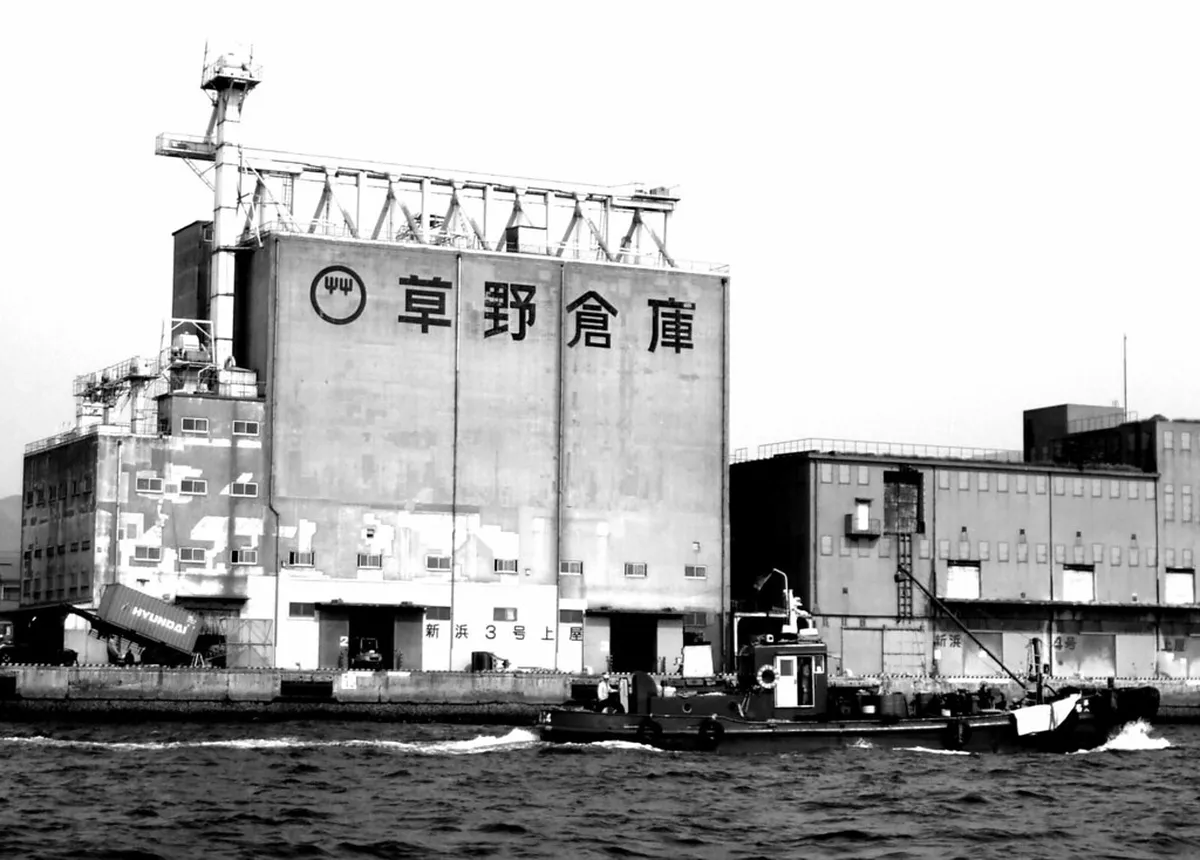
Mojiko Retro
A photogenic old port quarter at the tip of Kyushu where restored Meiji and Taisho brick-and-stone buildings ring the harbour — home to yaki-curry cafes, a retro observation tower and views across the strait to Honshu.
Visitor guide →
Things to do in Kitakyushu: Mojiko Retro, Kokura Castle, and Kawachi Wisteria Garden, plus a day-trip itinerary, getting-around tips, and the best time to visit. 2026 guide.
Kitakyushu sits at the northern tip of Kyushu, about a 16-minute shinkansen ride from Fukuoka's Hakata Station, and it packs an unusual range of things to do into a compact, walkable area: a restored Meiji-era port district, a rebuilt castle keep with a working café on top, and one of Japan's most photographed wisteria gardens. This guide covers the three attractions worth building a trip around, how to string them into a single day (or a relaxed overnight), what each one actually costs, and the practical details — opening hours, seasonal timing, getting around — that decide whether your visit goes smoothly.
A photogenic old port quarter at the tip of Kyushu where restored Meiji and Taisho brick-and-stone buildings ring the harbour — home to yaki-curry cafes, a retro observation tower and views across the strait to Honshu.
Visitor guide →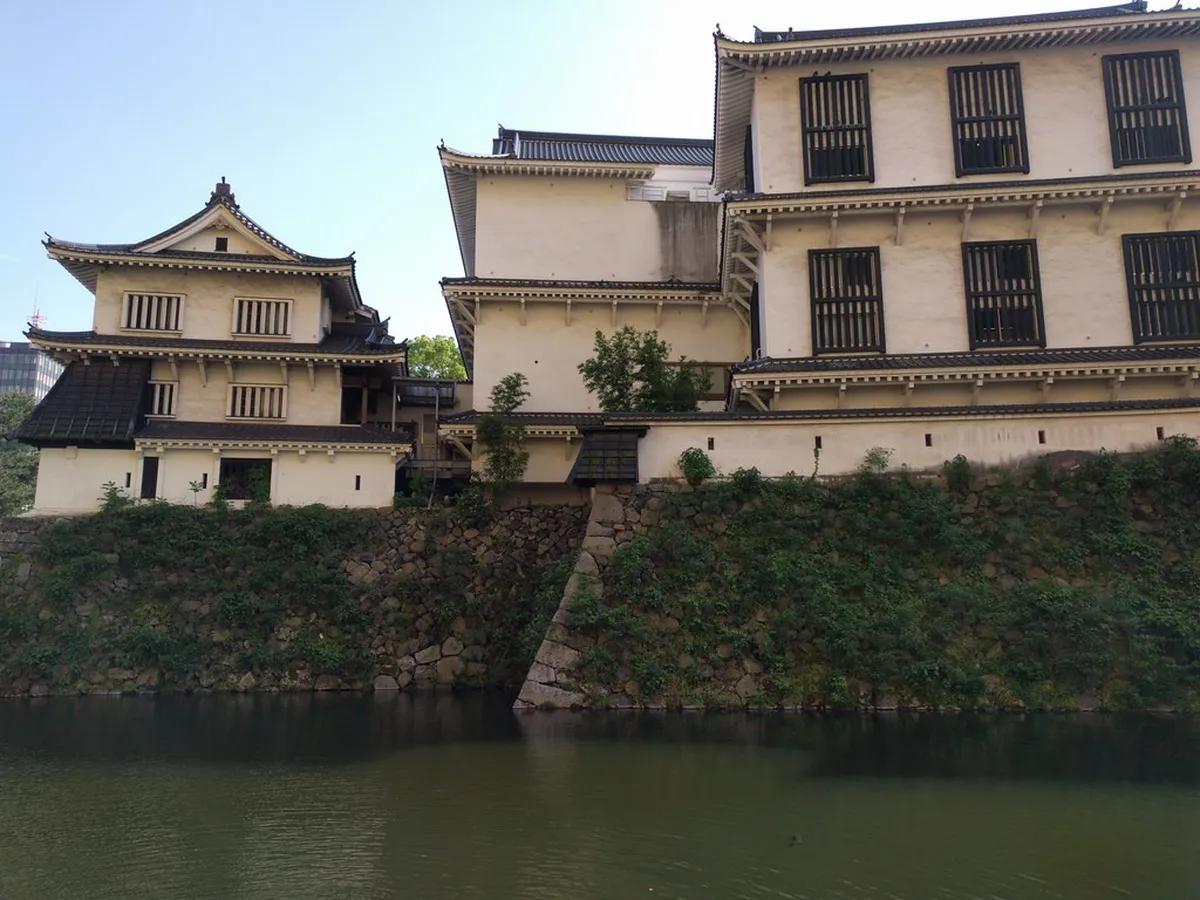
Kitakyushu's landmark castle in the heart of Kokura — a 1959 reconstruction of the 1600s original, with an unusual flared top floor, hands-on history exhibits inside, and a Japanese garden and riverside park at its foot.
Visitor guide →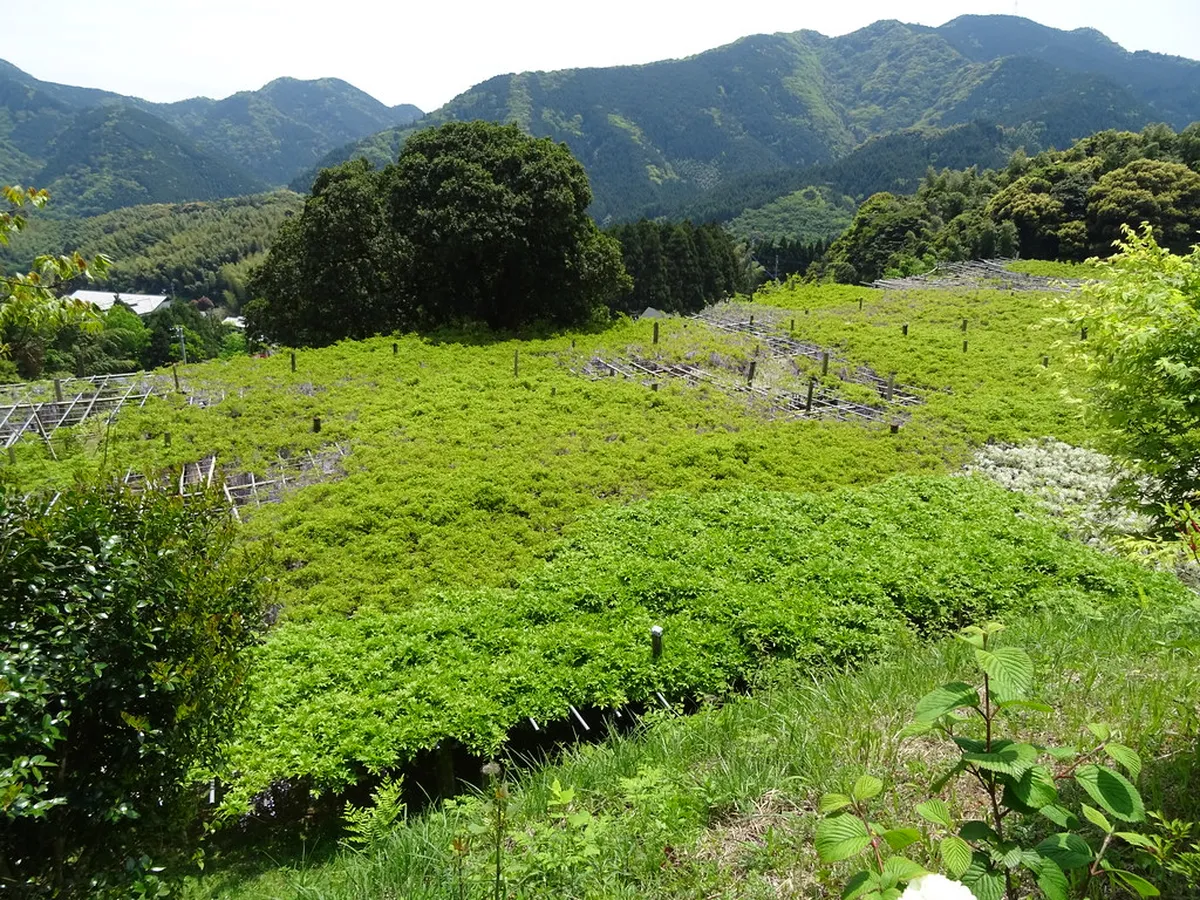
The hillside garden behind Kitakyushu's world-famous wisteria tunnels — walk through cascading canopies of purple, pink and white blossom in late April, or under fiery maples in November. Peak-season entry is timed and must be booked ahead.
Visitor guide →Mojiko Retro is free to walk around, and it's the single best reason to build extra time into a Kitakyushu day. The district sits where the Kanmon Strait narrows to barely 700 meters between Kyushu and Honshu, and from the early 1900s it grew into one of Japan's three major international ports alongside Yokohama and Kobe. That boom left behind a cluster of Meiji- and Taisho-era brick-and-stone buildings — the old Moji Customs House, the former Osaka Shosen building, and Mojiko Station itself, a 1914 Neo-Renaissance terminal that's one of the few train stations in Japan designated an Important Cultural Property.
Budget an hour or two for wandering the harbourfront, crossing the Blue Wing Moji pedestrian drawbridge (it swings open several times a day — check the posted schedule if you want to see it move), and climbing the free Mojiko Retro Observatory for a panoramic view across the strait to Shimonoseki on the Honshu side. Yaki-curry — Mojiko's signature dish, curry rice baked with cheese under a grill — originated here and is sold at dozens of cafes along the retro streets, so it's worth timing lunch around it. Everything in the district itself is free to enter; the only paid stop nearby is the optional Kanmon Kaikyo Museum.
Kokura Castle is the only castle keep in Fukuoka Prefecture, and it sits right in the center of the city, a 15-minute walk from Kokura Station — no bus or taxi needed. Adult admission to the castle tower is ¥350 (combination tickets covering the adjoining Kokura Castle Garden and Tanga Market are available at the ticket counter), and the five-story reconstruction — rebuilt in 1959 after fire destroyed the 1602 original — is open daily, typically 9:00 AM to 6:00 PM with last entry 30 minutes before close, and slightly shorter hours in winter.
Inside, exhibits cover the castle's history under the Hosokawa and Ogasawara clans and swordsman Miyamoto Musashi's ties to the area, alongside interactive displays — try-on samurai and princess costumes, a horseback-archery (yabusame) simulator — that make it more engaging for kids than a typical castle museum. The top floor has a café with strait views, and the surrounding Kokura Castle Garden, a separate small admission, is a formal Edo-period-style garden worth 20-30 minutes on its own.
The Kawachi Wisteria Garden (Kawachi Fuji Garden) is the reason Kitakyushu shows up on international bucket lists, but it's the one attraction here you can't visit on a whim. Its wisteria tunnels and 22-meter dome bloom for a short window — typically late April through early May — with a second, quieter opening for autumn foliage in November. Outside those two windows the garden is closed to the public entirely, so check the official bloom-status updates before building a trip around it.
During peak bloom, entry is timed and ticketed on-site, and admission is priced by bloom quality on a sliding scale — up to roughly ¥1,600 per adult at full peak, less as blooms fade. Expect queues: this is one of the most-photographed gardens in Japan, and peak-week crowds are heavy enough that arriving near opening time (around 8:00 AM) is the only reliable way to avoid a long wait. There's no train station nearby — a taxi or the seasonal shuttle bus from Yahata-Higashi Station is the practical way in, and it's best treated as a half-day trip on its own rather than something bolted onto a Kokura-Mojiko itinerary.
Beyond the three headline sights, Kitakyushu has enough range to fill a second or third day:
Kitakyushu works well as a single-day trip from Fukuoka (Hakata) or as a relaxed overnight if you want to add Mount Sarakura's night view or the Kawachi Wisteria Garden. The shinkansen from Hakata Station to Kokura takes about 16 minutes, which makes a Kokura Castle plus Mojiko Retro combination the easiest version of this trip:
Most visitors spend 5-6 hours in Kitakyushu on a single-day trip covering just Kokura and Mojiko; add a full extra day if the wisteria garden or Mount Sarakura's night view are on your list, since neither pairs comfortably with the other sights on the same afternoon.
Kokura Station is the transport hub for the whole city — Kyushu Shinkansen and Sonic limited-express services connect it to Hakata (Fukuoka) in 15-20 minutes, and the Kitakyushu Monorail runs from the station south through the city center. Mojiko Retro is a separate stop on the JR Kagoshima Main Line, about 15-20 minutes from Kokura by local train, and the district itself is entirely walkable once you arrive — no need for taxis inside Mojiko.
For Mount Sarakura and Hiraodai, a car or bus is more practical than rail; the Kawachi Wisteria Garden similarly has no direct train station, so plan on a taxi or the seasonal shuttle from Yahata-Higashi Station during bloom season. If you're combining Kitakyushu with Shimonoseki across the strait, the Kanmon Kisen ferry from Mojiko is a scenic 5-minute crossing.
Kitakyushu rewards planning around its two big seasonal windows. Late April to early May is peak wisteria bloom at Kawachi Fuji Garden — the single most weather-dependent attraction on this list, so check bloom-status updates in the week before you travel. Late March to early April brings cherry blossoms to Kokura Castle Garden and along the Murasaki River, a quieter and more predictable alternative if wisteria timing doesn't line up with your trip.
Winter (December) turns Mojiko Retro into a lights destination, with seasonal illuminations along the harbourfront extending typical daytime visiting hours into the evening. Outside these windows, Kokura Castle and Mojiko Retro are pleasant to visit year-round; summer (July-August) is hot and humid, so plan castle and outdoor walking for morning or early evening.
Kitakyushu is best known for Mojiko Retro, its restored Meiji-era port district; Kokura Castle, the only castle keep in Fukuoka Prefecture; and the Kawachi Wisteria Garden, one of Japan's most photographed wisteria tunnels. It's also a former steel-industry hub, which gives it a unique "Factory Night View" cruise not found elsewhere in Kyushu.
One day covers Kokura Castle and Mojiko Retro comfortably, around 5-6 hours. Add a second day if you want the Kawachi Wisteria Garden (late April-early May or November only) or Mount Sarakura's night view, since both are half-day detours that don't pair easily with the Kokura-Mojiko route.
Yes — the shinkansen from Hakata to Kokura takes about 16 minutes, making Kitakyushu one of the easiest day trips from Fukuoka. Kokura Castle and Mojiko Retro alone justify the trip, and yaki-curry, Mojiko's signature dish, is a reason on its own.
Adult admission to the Kokura Castle tower is ¥350. Combination tickets that include the adjoining Kokura Castle Garden and nearby Tanga Market are available at the ticket counter for a small additional cost.
Yes. Walking the Mojiko Retro district, crossing the Blue Wing Moji drawbridge, and climbing the Mojiko Retro Observatory are all free. The only paid stop in the immediate area is the optional Kanmon Kaikyo Museum.
The garden blooms for a short window, typically late April through early May, with a second, quieter autumn-foliage opening in November. It's closed outside those two seasons, and peak-week admission — priced by bloom quality, up to about ¥1,600 — is timed on-site, so arriving early is the best way to avoid long queues.
Kokura Station is the hub, connected to Mojiko Retro by a 15-20 minute JR local train and to the rest of the city by the Kitakyushu Monorail. Mount Sarakura, Hiraodai, and the Kawachi Wisteria Garden are harder to reach by rail and are best visited by bus, taxi, or a seasonal shuttle bus.
For more on organizing a visit, see our full Kitakyushu attractions guide, a detailed Kitakyushu itinerary, directions in our how to get to Kitakyushu guide, and our dedicated Kitakyushu day trip from Fukuoka guide for a Mojiko Retro-focused itinerary.