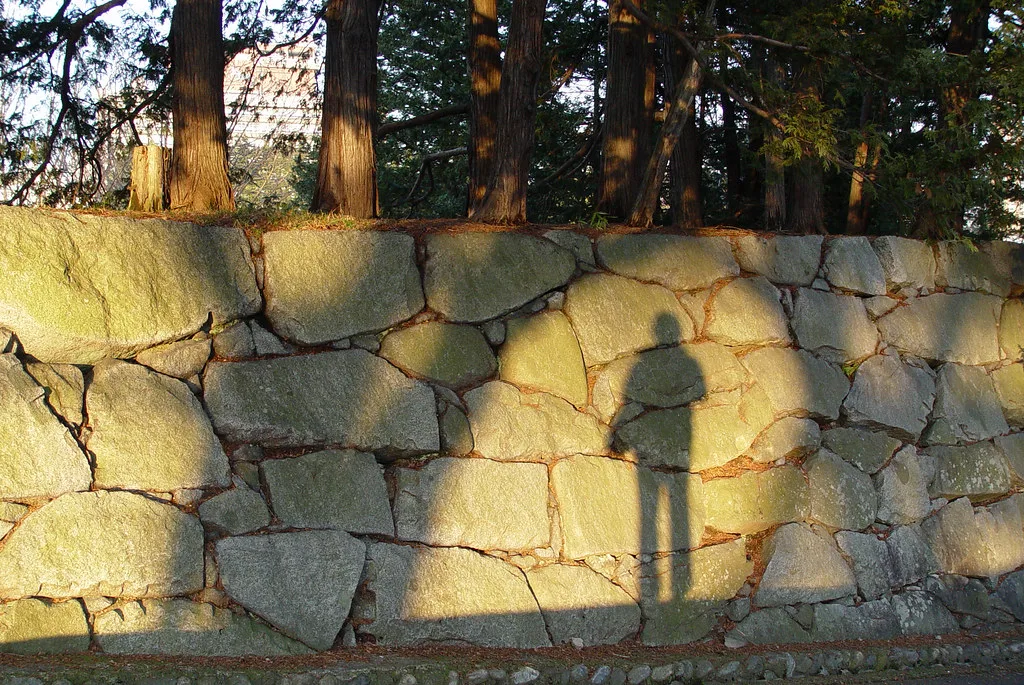
Morioka Castle Ruins Park
A central Morioka park on the ruins of the Nanbu clan's castle — imposing stone walls, moats and spring cherry blossoms.
Visitor guide →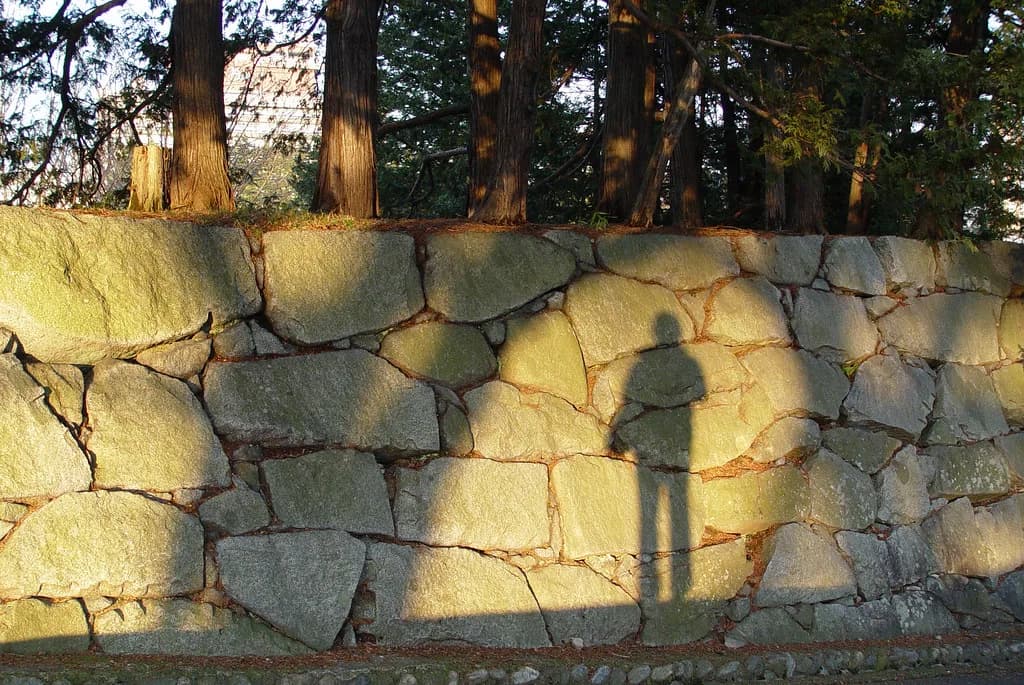
The best Morioka attractions for 2026 — castle ruins, shrines, the old merchant quarter and Koiwai Farm, plus the three great noodles, getting around and how many days you need.
Morioka is the relaxed capital of Iwate Prefecture, a former Nanbu-clan castle town tucked where three rivers meet in the heart of Tohoku — and in 2023 the New York Times ranked it No. 2 on its "52 Places to Go" list, praising the city as "a walkable gem without the crowds" with buzzing coffee shops and historic architecture, all about two hours north of Tokyo by Shinkansen. That is exactly its appeal in 2026: a compact, slow-paced city you can explore on foot, where you can stand among genuine Edo-period castle walls in the morning, slurp all-you-can-eat wanko soba at lunch, and still make a day trip out to a century-old dairy farm beneath Mt. Iwate.
The best Morioka attractions split neatly into a walkable historic core — the castle ruins, the city's grand guardian shrine, and an old merchant quarter by the river — and a handful of museums and farm escapes nearby. Morioka is also the natural gateway to the UNESCO temples of Hiraizumi and the pastures of Koiwai Farm, so a night here opens up the whole of central Iwate. We've narrowed the field to 6 sights that consistently reward the time and ticket price. Each entry below links to a full visitor guide with verified opening hours, current pricing, and the practical tips that don't make it into the official FAQ. Bookmark this page as your starting point.
A central Morioka park on the ruins of the Nanbu clan's castle — imposing stone walls, moats and spring cherry blossoms.
Visitor guide →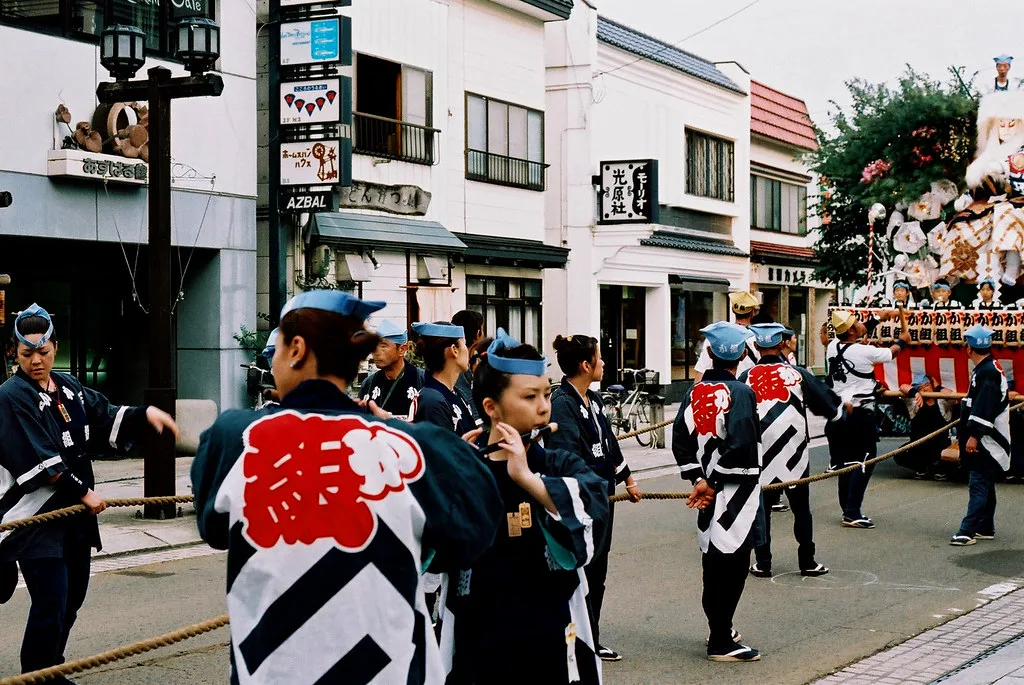
Morioka's grand guardian shrine, founded 1680, with a vivid main hall and lively autumn and New Year festivals.
Visitor guide →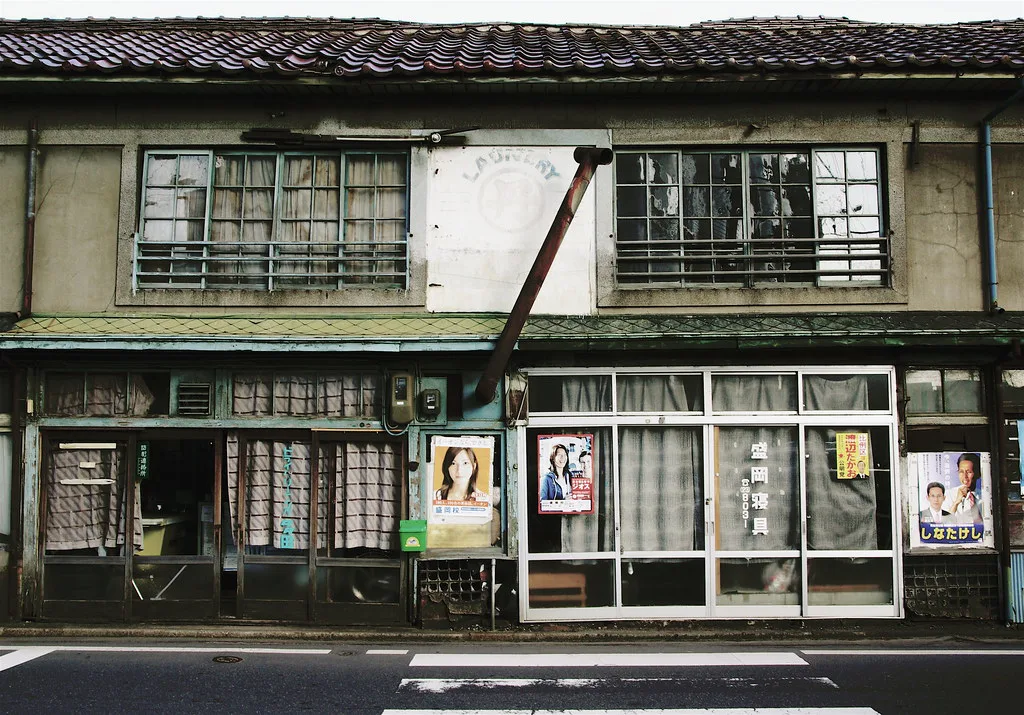
A museum at the edge of the castle park telling Morioka's story — Nanbu-clan treasures, festival floats and city history.
Visitor guide →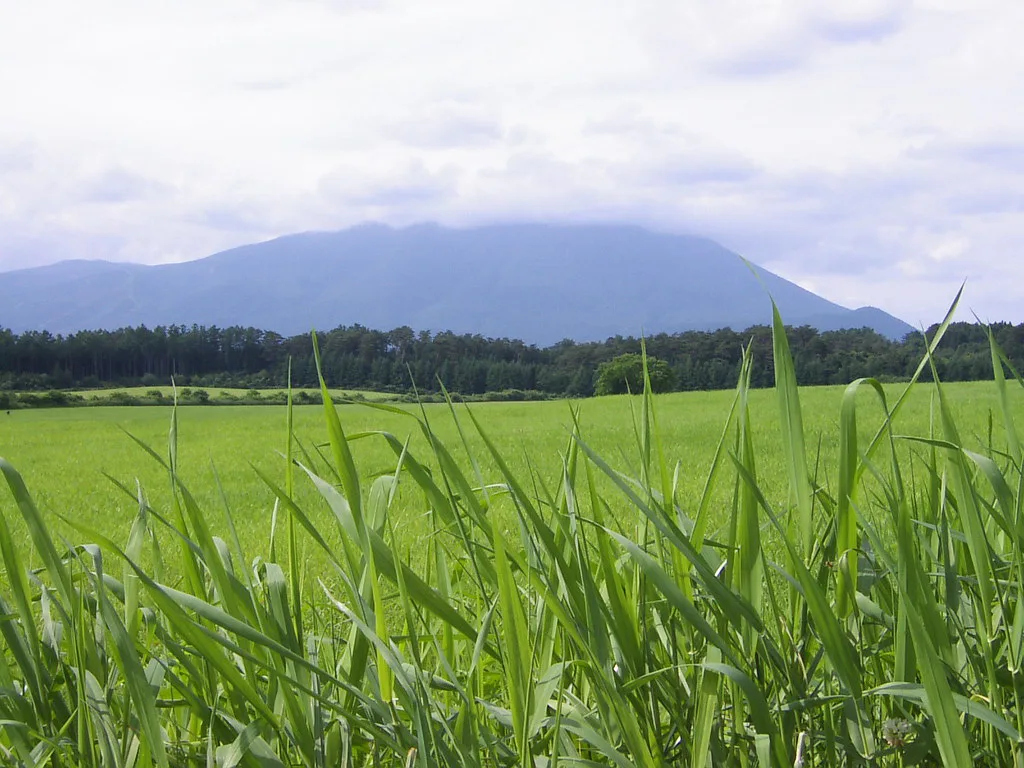
A century-old dairy farm below Mt. Iwate — pastures, farm activities, fresh ice cream and the iconic lone cherry tree (ipponzakura).
Visitor guide →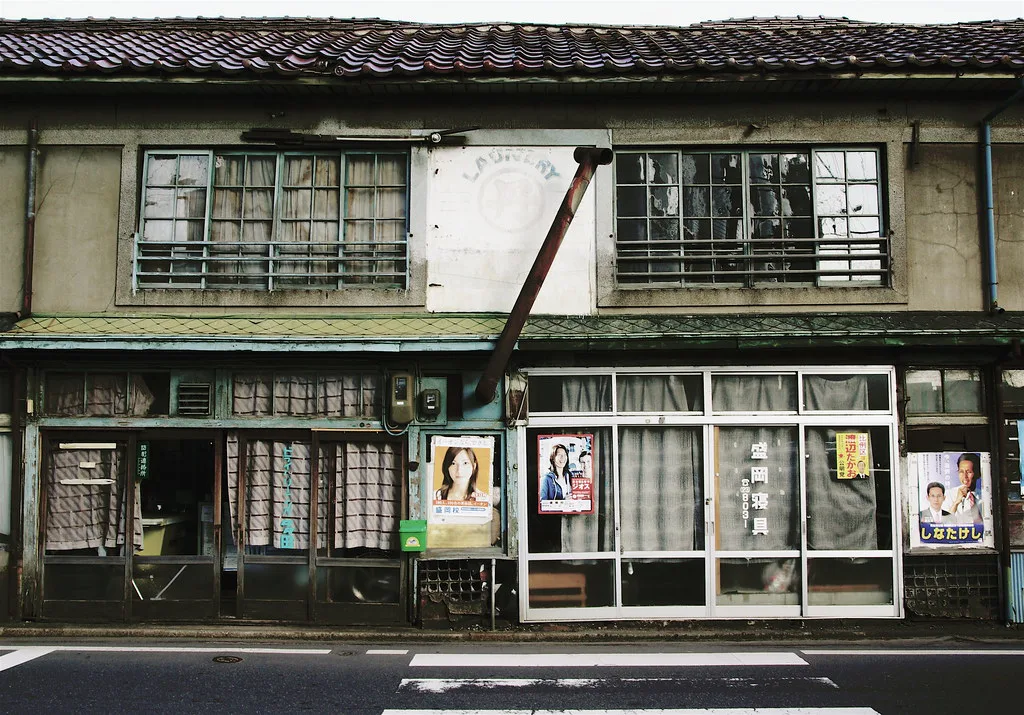
A small museum near the Nakatsu River celebrating Morioka-linked poet Ishikawa Takuboku and artist-poet Takehisa Yumeji.
Visitor guide →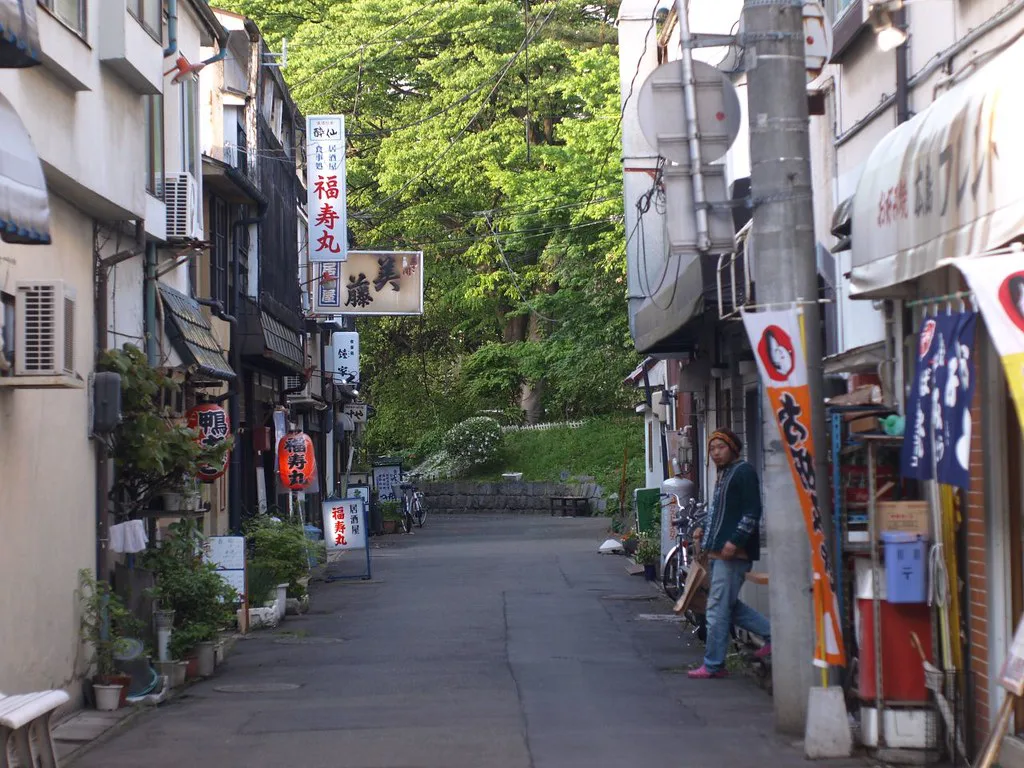
Morioka's atmospheric old merchant quarter by the Nakatsu River, anchored by the Edo-era Gozaku general store and craft workshops.
Visitor guide →Morioka's sights fall into three loose groups, which makes route-planning easy. Most of the historic core is walkable, and the museums and farm sit just outside the centre.
Morioka Castle Ruins Park (Iwate Park) is the green heart of the city, laid out across the towering stone ramparts of the Nanbu clan's castle and reopened as a public park in 1906 — the single best place to picture the castle town the New York Times fell for. A short walk away, the Morioka History and Culture Museum sits at the edge of the park and tells the city's story through Nanbu treasures and the giant floats of the Sansa Odori festival. For a literary detour, the Takuboku-Yumeji Museum near the Nakatsu River honours the Morioka-linked poet Ishikawa Takuboku and the artist-poet Takehisa Yumeji.
The Gozaku merchant district is Morioka's atmospheric old quarter along the Nakatsu River, anchored by the Edo-era Gozaku general store and dotted with craft workshops and cafés — prime territory for nambu-tekki ironware and a slow coffee. From there it is a manageable walk to Morioka Hachimangu Shrine, the city's grand vermilion guardian shrine founded in 1680, liveliest during its September festival and at New Year.
Koiwai Farm spreads across rolling pastures below Mt. Iwate, about 40 minutes from the city — a century-old working dairy farm with farm activities, fresh milk ice cream and the famous lone cherry tree (ipponzakura) that blooms in early May. It is the easiest half-day escape from the centre and the highlight of a two-day Morioka stay.
One of Morioka's quiet pleasures is how much costs nothing. You can build a full, satisfying day here without buying a single ticket, then add one or two paid sights to round it out.
Free to enter:
Paid attractions (approximate adult admission):
Prices are a guide for 2026 — check the linked visitor guides for current figures, combination tickets and seasonal hours before you go.
No attraction list for Morioka is complete without its food, because the city is famous for the san dai men — three great noodles — and the New York Times singled out the all-you-can-eat wanko soba experience by name. Wanko soba is the headline event: a server tops up tiny bowls of buckwheat noodles one slurp at a time until you slap the lid on, often racing for a personal record. Jaja-men is a comforting bowl of flat udon-style noodles with savoury miso meat sauce, cucumber and a final swirl of egg-and-broth "chitan-tan." Reimen (Morioka cold noodles) is a chewy, Korean-influenced cold dish in a clear, refreshing broth with kimchi heat and a slice of fruit. Build at least one of these into your day. For the full story, read our guides to wanko soba in Morioka and Morioka jaja-men and reimen.
One day is enough to enjoy Morioka's walkable core: the castle ruins park, Hachimangu Shrine, the Gozaku merchant district and a museum or two, with a wanko soba or jaja-men lunch in between. Because the city is so compact, you rarely need transport beyond your own feet.
Two days let you slow down and reach beyond the centre — spend the first day in the historic core, then give the second to Koiwai Farm beneath Mt. Iwate or a day trip to the UNESCO temples and gardens of Hiraizumi, both easy from Morioka. Two nights is the sweet spot for most travellers who want more than a stopover.
Getting to Morioka is simple: the Tohoku Shinkansen runs direct from Tokyo Station in about 2 hours and 10–15 minutes, and Morioka is also the junction for the Akita and Hokkaido Shinkansen lines. Once you arrive, the historic core is genuinely walkable — the castle park, shrine, Gozaku district and most restaurants sit within a 20–30 minute stroll of one another across the rivers.
For longer hops or tired legs, the Den-den-mushi loop bus circles the central sights for a flat fare in both clockwise and anti-clockwise directions, making it easy to ride one stop or loop back to the station. Koiwai Farm is reached by bus or a short train-plus-bus combination, and Hiraizumi is a quick Shinkansen or local train south.
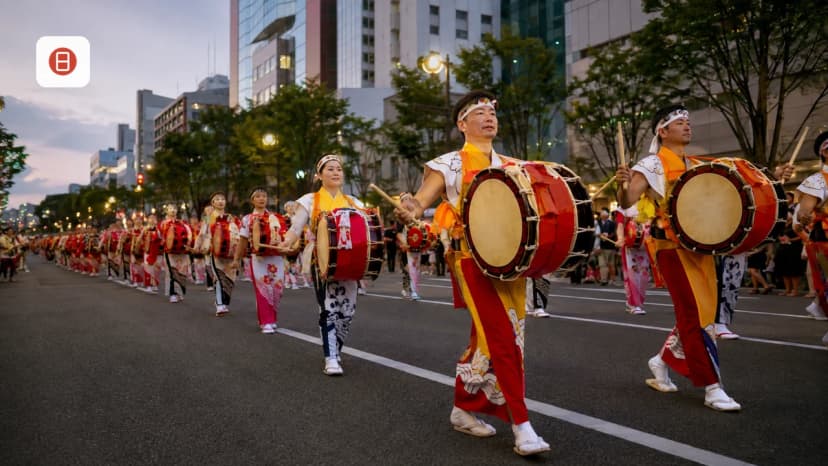
Morioka rewards visitors year-round, but three windows stand out. Late April brings cherry blossoms to the castle ruins park, and Morioka is home to the famous Ishiwarizakura — a centuries-old cherry tree growing straight out of a split granite boulder. Early August hosts the Morioka Sansa Odori, one of Japan's great summer festivals, with thousands of drummers and dancers and a Guinness-record taiko procession through the streets. Autumn (mid-October to early November) sets the park and surrounding mountains alight with foliage, often the most photogenic — and least crowded — time of all. Winter is quiet and cold but pairs beautifully with a steaming bowl of jaja-men.
Morioka is famous as a relaxed castle town in Iwate Prefecture, its three great noodles — wanko soba, jaja-men and reimen — its Nambu ironware (nambu-tekki), and the August Sansa Odori drum festival. In 2023 the New York Times ranked it No. 2 on its "52 Places to Go" list, praising its walkability, lack of crowds and coffee culture.
The top attractions are Morioka Castle Ruins Park, Morioka Hachimangu Shrine, the Gozaku merchant district, the Morioka History and Culture Museum, the Takuboku-Yumeji Museum, and Koiwai Farm just outside the city. Eating the three great noodles is itself a must-do.
Take the Tohoku Shinkansen direct from Tokyo Station to Morioka — the fastest Hayabusa services make the trip in about 2 hours and 10 minutes. Morioka Station is also the junction for the Akita and Hokkaido Shinkansen lines.
One day is enough for the walkable city centre. Add a second day to visit Koiwai Farm or take a day trip to the UNESCO temples of Hiraizumi, making two nights the ideal length for most travellers.
Many are. Morioka Castle Ruins Park, Hachimangu Shrine and the Gozaku merchant district are all free to explore. Paid sights are modest — roughly ¥300 each for the History and Culture Museum and the Takuboku-Yumeji Museum, and about ¥800 for Koiwai Farm.
Late April for cherry blossoms (including the famous Ishiwarizakura), early August for the Sansa Odori festival, and mid-October to early November for autumn foliage are the three standout windows. Each suits a different traveller, and autumn tends to be the least crowded.
Use these guides to turn this list into an itinerary. Start with our full things to do in Morioka guide for the wider city, then go deeper on Morioka Castle Ruins Park and Koiwai Farm. Staying two days? Pair Morioka with a day trip to the UNESCO temples and gardens covered in our Hiraizumi attractions guide, an easy hop south by train.