8 Best Izakaya in Morioka: Local Nightlife & Dining Guide
Find the best izakaya in Morioka: nostalgic Sakurayama alleys, Saien bar-hopping, and craft beer near the station. Iwate sake picks and otoshi tips for 2026.
On this page
Last updated July 2026: Morioka's izakaya scene rewards travelers willing to wander past the station, and this guide points you toward the best izakaya in Morioka without the guesswork. Expect fewer tourists than Sendai or Tokyo, plus a heavier focus on Iwate Prefecture sake and Sanriku coast seafood than you'll find in a typical Morioka food guide. Pair this list with the broader 13 Best Restaurants in Morioka (2026 Guide): Noodles, Wagyu, and Izakayas for daytime meals, then use the neighborhood breakdown below to pick a lane for the evening.
Morioka's Izakaya Scene: An Overview
Morioka's after-dark dining centers on two anchor zones: the Saien entertainment district and the narrow lanes of Zaimokucho near the Nakanohashi bridge. Both areas mix small counter-seat izakaya with standing bars, and neither feels built for large tour groups. Compared with Sendai or Tokyo, the scene stays compact enough to cover on foot in one evening. Menus lean on Iwate Prefecture ingredients: Sanriku coast seafood, mountain vegetables, and local sake rather than imported spirits. Seasonal timing shifts what's on offer too. Check the best time to visit Morioka guide before you book. If your trip lines up with Morioka's cherry blossom season, expect menus to shift toward spring vegetables and lighter seafood dishes.
8 Best Izakaya and Drinking Spots in Morioka
These eight picks group Morioka's evening scene by what each does best, from nostalgic alleyway drinking to modern craft beer. Each entry flags who it suits best: solo diners, bar-hopping groups, or sake enthusiasts working through Iwate labels. Confirm current hours and menu prices directly with each venue, since small izakaya adjust offerings by season, and some of the smallest counters change opening days week to week.
- Zaimokucho's Lantern-Lit Alleys Near Nakanohashi Bridge
- Narrow lanes packed with counter-seat izakaya sit a short walk from the Nakanohashi bridge, the kind of low-key stretch locals favor over station-front chains.
- Best for a first, unhurried izakaya night away from crowds.
- Most counters seat under a dozen guests, so arrive early on weekends or expect to wait outside.
- Saien Entertainment District Standing Bars
- Saien holds Morioka's densest concentration of bars and izakaya, with a livelier, later-running energy than the older alleys across town.
- Best for groups who want to bar-hop between several spots in one night.
- Many venues here run later than Sakurayama's older addresses, though exact closing times vary shop by shop.
- Sakurayama Shrine Alley Izakaya
- Lanes around Sakurayama Shrine keep a Showa-era feel, with narrow frontages and hand-painted signs instead of modern storefronts.
- Best for travelers chasing an old-Japan atmosphere close to Morioka Castle Ruins Park: 7 Essential Tips for Your Visit.
- Cash is the safer bet here; several small counters don't take cards or IC card readers.
- Craft Beer Gastropubs Near Morioka Station
- A newer wave of gastropub-style izakaya near the station pairs Japanese small plates with regional craft beer taps.
- Best for craft beer fans and travelers who want an easier menu just after arriving; see 6 Best Ways to Get to Morioka for train options.
- Picture-and-number menus are more common here than in the older alleys, which helps if you don't read Japanese.
- Odori District Sake Counters
- Odori's izakaya lean toward sake-focused counters, built for working through a flight of Iwate labels with a server who can talk you through them.
- Best for sake enthusiasts pairing pours with seasonal Morioka dishes.
- Ask for Nanbu Bijin or Akabu by name; both are Iwate Prefecture breweries worth looking for on the menu.
- Sanriku Coast Seafood Specialists
- A handful of izakaya across Morioka build their menu around Sanriku coast seafood, brought in fresh rather than frozen.
- Best for travelers who want a seasonal, ocean-forward meal instead of a standard yakitori-and-edamame lineup.
- Ask what's freshest that day; seafood specials shift with the Sanriku catch rather than running on a fixed menu.
- Yakitori and Skewer Counters in Zaimokucho
- Skewer counters in Zaimokucho keep it simple: grilled chicken, vegetables, and a short drinks list.
- Best for solo travelers and budget-conscious diners ordering a few skewers at a time.
- Standing or counter seating is common, so these spots suit a quick stop rather than a long sit-down dinner.
- Late-Night Spots Near Morioka Station
- A small cluster of izakaya near the station stays open past the point most Sakurayama alleys have gone quiet.
- Best for travelers arriving on a late train or saving Morioka nightlife for last on a longer Iwate itinerary.
- Confirm last-order times before you go; Morioka's nightlife winds down earlier overall than Tokyo's.
Neighborhood Guide: Sakurayama, Saien, and Odori
Three areas define Morioka's evening scene, and each suits a different kind of night out. Sakurayama's narrow lanes keep a Showa-era, wander-and-discover feel, and sit near Morioka Castle Ruins Park: 7 Essential Tips for Your Visit for an easy daytime pairing. Saien trades that nostalgia for volume, packing more bars and izakaya into a smaller footprint, and tends to stay lively later into the night. Odori is Morioka's central commercial district, where newer izakaya and sake counters sit alongside daytime shops. Pair an Odori evening with an earlier stop at a Morioka cafe. Downtown Morioka is also home to Morioka Hachimangu shrine. For a fuller list of daytime options, see the Morioka attractions guide. In our editorial assessment, here's how the three districts compare:
Sakurayama's nostalgic lanes lie 20 to 25 minutes on foot from the station, making them a journey compared to Odori's 15-minute walk. This distance gap shapes each district's vibe: isolation preserves Sakurayama's Showa-era character while Odori's proximity to the station supports its modern gastropub scene.
| Neighborhood | Vibe | Typical Price Level | English Signage |
|---|---|---|---|
| Sakurayama | Showa-era, nostalgic alleys | Budget to mid-range | Limited |
| Saien | High-energy, bar-hop friendly | Mid-range | Some |
| Odori | Central, modern gastropub mix | Mid-range to splurge | Moderate |
What to Order: Iwate Sake and Sanriku Seafood Specialties
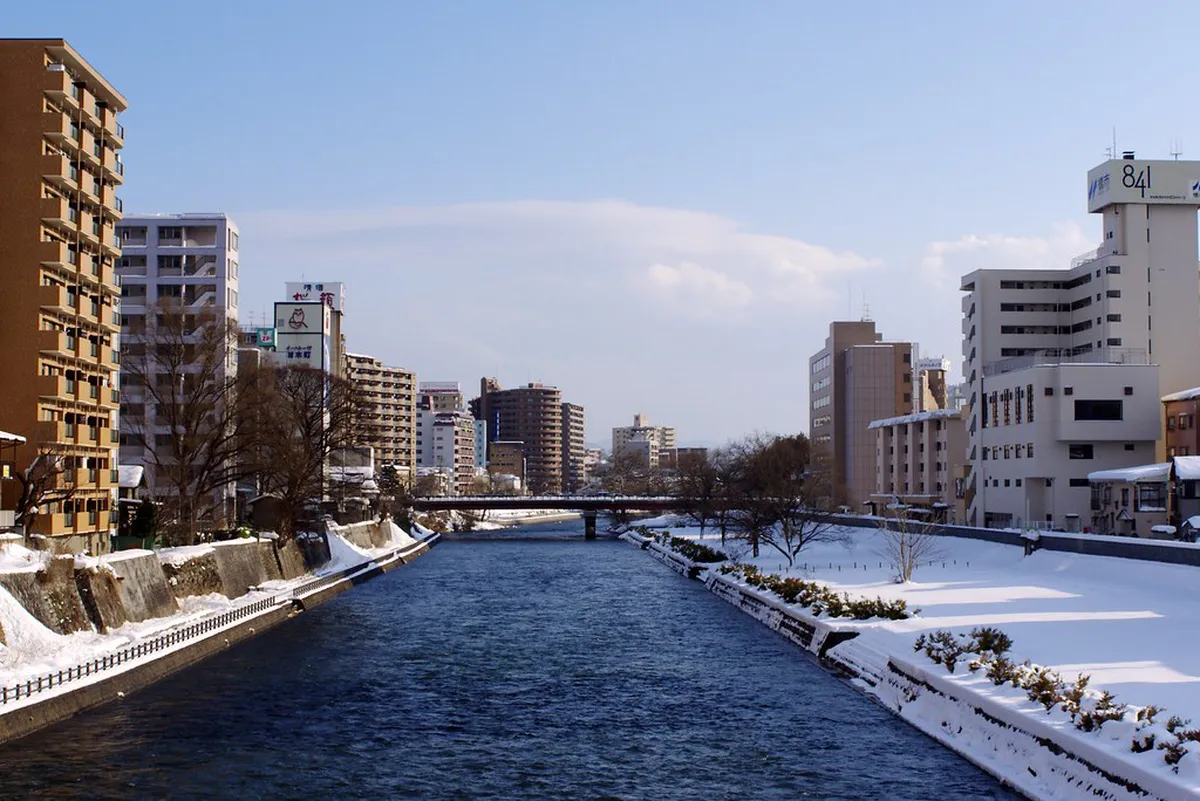
Ordering at a Morioka izakaya is a chance to try Iwate Prefecture specialties you won't find on a standard Tokyo menu. Iwate is sake country, and two labels worth flagging on any drinks list are Nanbu Bijin and Akabu, both brewed within the prefecture. Sanriku coast seafood shows up as sashimi, grilled fish, or seasonal small plates depending on the catch. For a food-forward night before or after drinks, cross-reference the Seasonal Food in Morioka: 2026 Guide to Noodles, Wagyu, Seafood for what's currently in season.
- Iwate sake to look for
- Ask for Nanbu Bijin or Akabu by name if you don't see them listed; both are well-regarded Iwate Prefecture breweries.
- Sanriku coast seafood
- Order whatever the day's seafood special is rather than a fixed dish, since availability shifts with the Sanriku catch.
- Morioka's noodle trio, in appetizer form
- A few izakaya serve small portions of wanko soba or jajamen alongside drinks.
- Full versions belong to dedicated specialists like Morioka's wanko soba houses.
- For jajamen and reimen specifically, see Morioka's jajamen and reimen guide.
Practical Logistics: Costs, Reservations, and Otoshi Etiquette
Morioka doesn't publish one citywide average for an izakaya dinner, but expect menu prices to run lower than comparable spots in Tokyo or Sendai, since the city sees far fewer international visitors. Check the paper menu or the venue's Google Maps listing for current pricing before you order. Budget beyond the menu total for an automatic otoshi, and ask about nomihodai, an all-you-can-drink course, if you're planning a longer night. Most of Saien and Zaimokucho sit within walking distance of central hotels, which makes bar-hopping between districts easy without a taxi. See 9 Best Areas and Tips: Where to Stay in Morioka for neighborhood options.
- Pro tip: the otoshi charge
- Almost every izakaya in Morioka adds an automatic otoshi to the bill, usually a small seasonal dish you didn't order.
- It isn't optional and it isn't a mistake on the check, so factor it into your budget before you sit down.
- Cash matters in the older alleys
- Many small izakaya in the Sakurayama lanes are cash-only, so carry yen rather than counting on a card or IC card reader.
- Reservations
- Larger, newer izakaya near the station often take reservations, especially on weekends.
- Smaller counter-seat spots in Sakurayama and Zaimokucho typically run first-come, first-served.
- Smoking policies vary
- Indoor smoking rules differ by venue in Iwate; some smaller, older izakaya still allow it.
- Ask when you're seated if you'd rather sit in a smoke-free spot.
Mistakes to Avoid in Morioka Nightlife
A few avoidable mistakes trip up first-time visitors to Morioka's izakaya scene.
- Assuming late-night Tokyo hours
- Morioka's nightlife winds down earlier overall than Tokyo's or Sendai's.
- Don't count on finding a table well after midnight outside a few late-running Saien spots.
- Skipping a translation app
- Menus in Sakurayama and Zaimokucho are often Japanese-only with no photos.
- A translation app saves guesswork on unfamiliar dishes.
- Not budgeting for the otoshi
- Forgetting the automatic table charge is the most common source of bill surprise for first-time visitors.
- Build it into your cost estimate from the start.
- Arriving as a large group unannounced
- Counter-seat izakaya in the older alleys often can't accommodate a big group without notice.
- Split up or call ahead if you're traveling with more than four people.
- Confusing izakaya with snack bars
- Japanese "snack bars" are membership- or hostess-style venues, not casual restaurants, and they operate differently from izakaya.
- Stick to venues clearly labeled izakaya, yakitori-ya, or bar for a straightforward drinks-and-food menu.
Getting from Morioka Station to the Main Nightlife Districts
Morioka Station is convenient for arrival-night drinks, but the most atmospheric izakaya districts are farther east. Leave through the east exit and cross the Kitakami River via Kaiunbashi Bridge toward central Morioka.
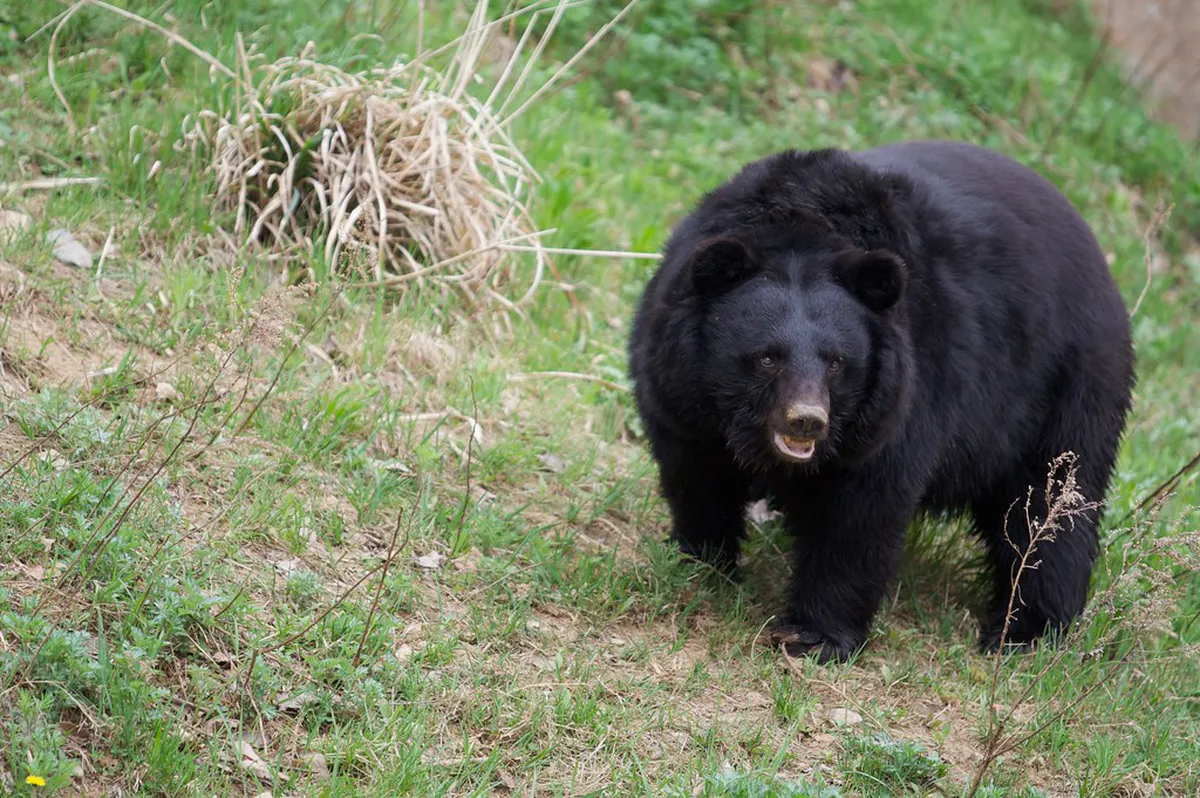
- Odori is roughly a 15-minute walk from Morioka Station and offers the easiest mix of modern izakaya, sake counters, and late-night venues.
- Saien sits beside Odori, so travelers can explore both districts without using a taxi between stops.
- Sakurayama Shrine is beside Morioka Castle Ruins Park, about 20 to 25 minutes on foot from the station.
The Morioka City Loop Bus, known as Denden-mushi, connects the station with central sightseeing areas near the castle park. It is useful for reaching Sakurayama before dinner, although evening service is less frequent.
For a simple bar crawl, start near Sakurayama while the smallest counters still have seats. Continue northwest through Saien and Odori, then finish near the station if you need a late train or nearby hotel.
For trip-planning details, see Morioka Travel Guide - Wikivoyage.
Further reading: Morioka on Wikivoyage · Morioka on Wikipedia
Frequently Asked Questions
What is the average cost of dinner at an izakaya in Morioka?
Morioka doesn't publish a single citywide average for an izakaya dinner, but menu prices generally run lower than comparable spots in Tokyo or Sendai, since the city sees far fewer international visitors. Budget for the menu total plus a per-person otoshi charge, and check the posted menu or the venue's Google Maps listing for current pricing before you order.
Do you need reservations for izakayas in Morioka?
Larger, newer spots near the station often take reservations, especially on weekends. Smaller counter-seat izakaya in Sakurayama and Zaimokucho typically run first-come, first-served, so plan to walk in and wait if a spot looks full.
Are there English-friendly izakayas near Morioka Station?
Craft beer gastropubs and newer izakaya clustered near the station are generally more likely to have English or picture menus than the older alleys in Sakurayama. Even there, don't assume full English service, and keep a translation app on hand regardless of where you land.
What are the "Three Great Noodles of Morioka" and can you get them at izakaya?
Wanko soba, jajamen, and reimen make up what locals call Morioka's noodle trio. Full versions belong to dedicated specialists like Morioka's wanko soba houses. For jajamen and reimen, see Morioka's jajamen and reimen guide. A few izakaya serve smaller, appetizer-style portions late at night, but a dedicated visit suits the full experience better.
What is otoshi, and why does it appear on the bill automatically?
Otoshi is a small appetizer-style table charge added automatically at almost every izakaya in Japan, including in Morioka. It isn't optional and isn't a mistake on the check, so build it into your budget before you sit down. Expect it to add a modest amount beyond the menu total.
Free guide: Japan's Hidden Gems
12 under-the-radar places beyond Tokyo & Kyoto — with the best season to visit each and a local tip you won't find in the guidebooks.
You might also like


Continue reading
More guides you'll find useful