What to Eat in Morioka: 6 Dishes From the Three Great Noodles to Local Specialties
What to eat in Morioka: the Three Great Noodles (wanko soba, reimen, jajamen), plus Iwate wagyu, Nanbu senbei, and where to find each dish in 2026.
On this page
Last updated July 2026. What to eat in Morioka centers on three noodle dishes locals call the Sandaimen: Wanko Soba, Morioka Reimen, and Jajamen. Beyond those three, Iwate Wagyu, Nanbu Senbei, and a long-running coffee-shop scene round out a food itinerary built around Morioka Station and the central Odori district.
Morioka's Sandaimen Identity: A Culinary Gateway to Tohoku
Morioka sits in the Tohoku region of northern Honshu and works as a practical gateway to the wider area, with day trips branching out toward Lake Tazawa, Hachimantai, and Tono. Its food identity, though, is anchored locally around three noodle dishes rather than any single regional ingredient. Each of the Sandaimen arrived from somewhere else: Morioka Reimen traces to Pyongyang-style cold noodles, Jajamen adapts the Chinese dish zhajiangmian, and Wanko Soba turns a familiar buckwheat noodle into a paced, all-you-can-eat format found almost nowhere else in Japan. That mix of Korean, Chinese, and homegrown influence reflects Morioka's postwar food history as much as its geography. Visiting all three during one stay gives a fuller sense of how migrated dishes settle into a new city and pick up local habits along the way. From here, the guide moves from dish-by-dish detail into practical planning: timing, costs, and the mistakes worth avoiding on a first visit.
6 Best Dishes to Eat in Morioka: The Three Great Noodles and Beyond
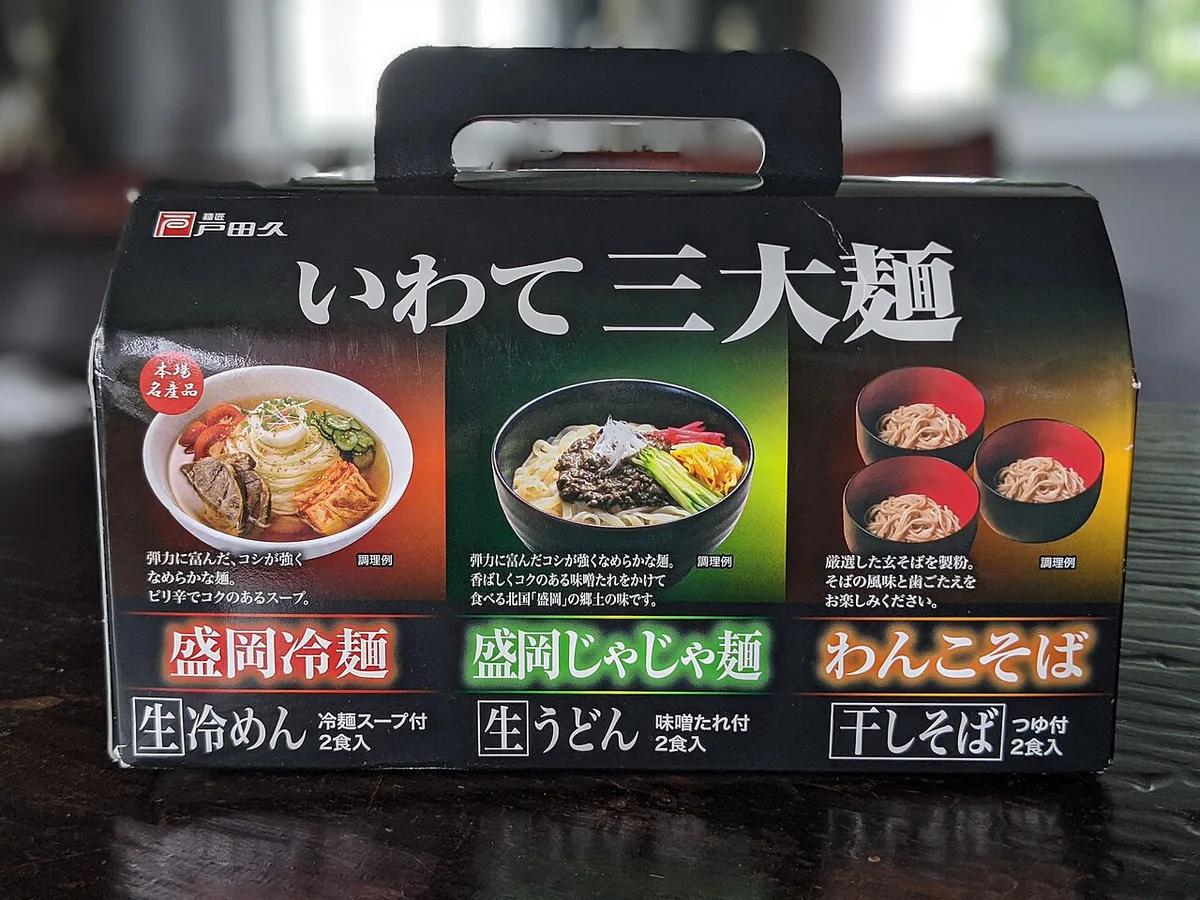
This list opens with the three great noodles, since most visitors build a Morioka food itinerary around all three, then moves into three specialties that round out the wider Iwate food scene. Each entry notes the typical cost and where to find the dish. Full bowl-signaling etiquette lives in the wanko soba guide. Order-by-order specifics for Jajamen sit in the jajamen and reimen guide. This comparison table breaks down which of the three best fits a tight schedule versus a more leisurely meal.
- Wanko Soba
- Servers keep dropping fresh scoops of buckwheat noodles into your bowl the instant you empty it, so a sitting runs as an open-ended count rather than a fixed, plated portion.
- A full sitting at a dedicated wanko soba house typically runs ¥3,000 to ¥4,000 per person, depending on how many rounds you go through.
- Ask staff how that restaurant signals you're finished; the exact method varies by house, and getting it right avoids one more unwanted refill.
- Morioka Reimen
- These translucent noodles are made from potato starch rather than buckwheat or wheat, a direct legacy of the dish's roots in Pyongyang-style cold noodles.
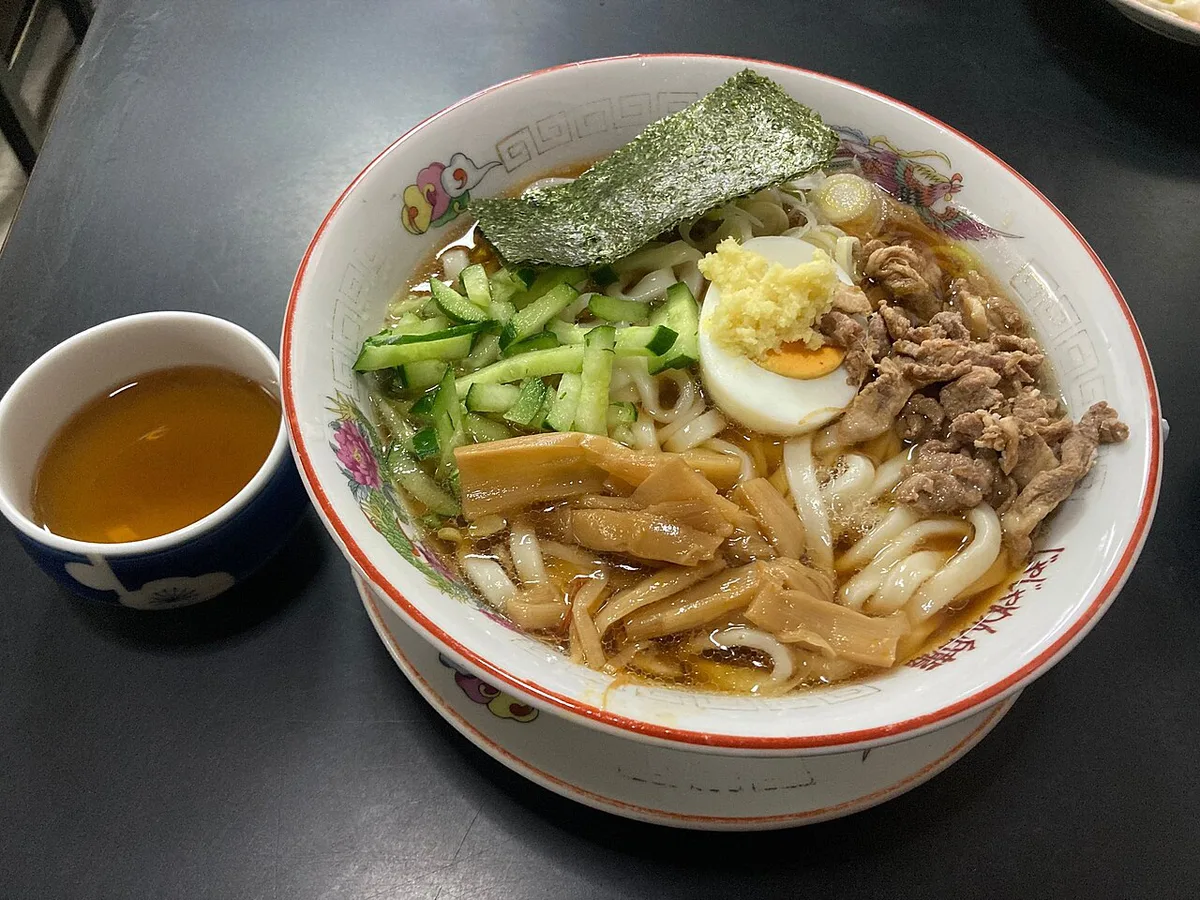
- A bowl arrives cold with kimchi, cucumber, half a boiled egg, and a piece of seasonal fruit such as pear or watermelon, depending on the time of year you visit.
- Reimen is almost always ordered as a closing course after a yakiniku set rather than as a standalone meal, and a full BBQ-and-reimen meal runs around ¥3,100.
- Jajamen
- Flat, udon-style noodles come topped with a savory miso meat sauce, plus raw cucumber and ginger for contrast against the richness of the sauce.
- A bowl typically costs around ¥850, the cheapest and fastest of the three great noodles to order on a tight schedule.
- Ask for chitantan near the end of the meal. The server turns your leftover sauce into a bonus egg-drop soup for a small extra charge.
- Iwate Wagyu
- Local beef, often sold under the Maesawa label, shows up on yakiniku grills and steak counters clustered around the city center near Odori.
- It pairs naturally with a reimen course, since many of the same restaurants that serve BBQ sets also list graded local beef cuts on the menu.
- Specific yakiniku houses that carry it appear in the 13 Best Restaurants in Morioka (2026 Guide): Noodles, Wagyu, and Izakayas, alongside a few spots pouring Iwate sake.
- Nanbu Senbei
- These wheat-flour crackers come plain or studded with peanuts and sesame, and they're Iwate's most recognized regional snack for travelers heading home.
- Boxed sets travel well, making them a practical last stop before boarding a Shinkansen out of Morioka Station.
- Shop-by-shop picks near the station appear in the sweets and souvenirs guide.
- Morioka Coffee Culture
- Long-running kissaten cluster around the central Odori district, offering a slower, quieter counterpoint to the noodle-heavy food scene nearby.
- A coffee stop works well after a wanko soba sitting, when a slower pace suits the rest of the afternoon better than another full meal.
- Longtime favorites worth seeking out are covered in the cafe culture guide.
What a Wanko Soba or Jajamen Sitting Actually Looks Like
A few concrete details make these two sittings easier to picture before walking in. At Azumaya Honten, one of the city's dedicated wanko soba specialists, the waiting area is lined with cat-shaped mascot statues, and the main dining room upstairs uses traditional tatami-style seating at low tables. Expect a short wait during the lunchtime rush, then a paced round of bowl-after-bowl service once you're seated. Kazukara Jajamen, a small counter in the city center, runs on a different rhythm. After the noodles and miso sauce arrive, mix in the condiments laid out on the counter, typically garlic, chili oil, and vinegar, before eating. Restaurants often post simple picture instructions for first-time visitors, since the mixing step and the later chitantan step both trip up newcomers. Neither sitting requires prior experience with Japanese dining customs, but knowing these details in advance makes the first few minutes less confusing.
Which of the Three Great Noodles Fits Your Trip
Each of the three great noodles suits a different kind of meal, so matching the dish to your schedule avoids wasting a stop on the wrong day. Use this comparison to decide which noodle to prioritize first if time is tight. Time needed matters as much as price when only a day or two is available. Jajamen fits into a lunch break without disrupting the rest of a sightseeing plan. Wanko Soba deserves a slower midday slot since the format rewards not rushing. Reimen works best scheduled as a full evening around a yakiniku dinner rather than squeezed between other stops. If time is short, prioritize Jajamen or Wanko Soba over Reimen, since Reimen requires committing to a full BBQ dinner rather than a standalone stop.
Wanko Soba requires 30-45+ minutes, matching its ¥3,000 to ¥4,000 cost. Budget it as the day's main event rather than squeezing it between other stops.
| Dish | Best For | Typical Price | Time Needed |
|---|---|---|---|
| Jajamen | A quick, inexpensive lunch | ~¥850 | 20-30 minutes |
| Morioka Reimen with yakiniku | A celebratory dinner | ~¥3,100 for a set | 60-90 minutes |
| Wanko Soba | A group challenge or bragging rights | ~¥3,000-¥4,000 | 30-45+ minutes |
Where to Eat: Morioka's Food Clusters
Most of Morioka's signature meals sit within a short walk of Morioka Station or the central Odori district, so a single day can realistically cover two of the three great noodles without much backtracking. Pairing each meal stop with a nearby landmark keeps sightseeing and eating on the same route instead of treating them as separate errands. These clusters group restaurants by area rather than by dish, which matters more once you're planning an actual walking route.
- Morioka Station Area
- Reimen restaurants like Seiroukaku sit close to the station, which makes this area a convenient first stop right after arriving.
- Shinkansen connections into the station are covered in the getting to Morioka guide.
- Several hotels within walking distance make this a practical base for a food-focused stay.
- Specific lodging options near the food scene appear in the where to stay in Morioka guide.
- Central Odori District
- Jajamen counters and older kissaten cluster in basements and side streets around Odori, a short walk from the station.
- A short walk away, the Iwate Bank Red Brick building works as an easy landmark to navigate from.
- This district suits an afternoon that alternates between a noodle stop and a coffee break.
- Castle Park and Hachimangu Area
- Morioka Castle Ruins Park and Morioka Hachimangu sit within a short walk of each other, so pairing either with a nearby meal saves backtracking.
- Route details for that stop live in the castle ruins park guide.
- Shrine-specific details sit in the Hachimangu guide.
- Wider sightseeing options for a slower morning appear in the Morioka attractions guide.
- This part of the city sits farther from the station, so allow extra transit time compared with the Odori cluster.
Morioka Food Costs and Reservations
Budgeting for Morioka's signature meals is straightforward once you know the three price tiers. This table lines up typical costs against what each meal includes. Wanko soba specialists can fill up fast around midday, so larger groups should call ahead or check current availability before arriving. Solo diners and pairs typically get seated after only a short wait outside peak lunch hours. Jajamen counters, several of which run on a handful of stools, rarely require advance booking outside major holidays. Reimen-and-yakiniku restaurants sit closer to standard dinner reservations, especially on weekend evenings. Some restaurants offer smaller, solo-friendly portions at a lower price than the full set, so ask if a smaller option exists when budget matters more than the full experience.
| Dish | Typical Cost | What's Included |
|---|---|---|
| Jajamen | ~¥850 | Noodles, miso meat sauce, and an optional chitantan egg add-on |
| Morioka Reimen with yakiniku | ~¥3,100 | A BBQ set plus the cold noodle course |
| Wanko Soba | ~¥3,000-¥4,000 | Unlimited noodle refills until you signal you're finished |
Best Time of Year to Eat in Morioka
Morioka's noodle dishes are served year-round, but the fruit topping a reimen bowl and the overall dining pace shift with the seasons. Planning meals around the season adds one more layer to a Morioka food itinerary. Reimen's fruit topping typically moves from watermelon in summer to pear or apple later in the year, so the same bowl looks different depending on when you visit. Spring visitors combining a food itinerary with hanami should check the Morioka cherry blossoms guide for timing. Other dishes that rotate through the year appear in the Seasonal Food in Morioka: 2026 Guide to Noodles, Wagyu, Seafood. For broader trip timing beyond food, the best time to visit Morioka guide lays out weather and crowd patterns. Winter visits still work for all three noodles, since none of the Sandaimen depend on outdoor seating or warm-weather ingredients. Confirm holiday hours before visiting around New Year, when some family-run noodle counters close for several days.
Mistakes to Avoid When Eating in Morioka
A few small missteps are easy to make on a first visit, and most of them cost you the best part of the meal.
Jajamen's 20-30 minutes timeframe makes it perfect for lunch, but ~¥850 for a complete experience means also asking for chitantan—a bonus egg-drop soup that transforms the dish.
- Skipping the Chitantan Finish
- Ordering jajamen without asking for chitantan means missing the bonus egg-drop soup that many consider the best part of the meal.
- It only takes a couple of minutes, so there's little reason to skip it.
- Expecting Standard Soba Flavor From Reimen
- Reimen's potato-starch noodles are chewier and blander on their own than classic buckwheat soba.
- Kimchi, broth, and other toppings carry most of the flavor, so don't judge the noodle alone.
- Not Choosing a Spice Level
- Reimen broth comes in adjustable heat, so state a preference when ordering instead of accepting a default option.
- A default bowl can land milder or spicier than expected depending on the restaurant.
- Staff are generally happy to adjust it further if the first bowl isn't quite right.
- Treating Wanko Soba as a Quick Stop
- A wanko soba sitting is a paced, multi-bowl event rather than a fast bite between other stops.
- Build in real time for it, especially with a group, rather than scheduling it back-to-back with sightseeing.
- Groups in particular should treat it as the anchor of the day rather than a side activity squeezed between other plans.
- Skipping Evening Options Beyond the Noodles
- Morioka's dining scene extends past the three great noodles once the sun goes down.
- Small-plate spots for a different kind of evening meal appear in the Morioka izakaya and nightlife guide.
- Judging Jajamen by Its Looks
- Jajamen isn't an especially photogenic dish, with a muted brown sauce over pale noodles, so first impressions undersell it.
- Flavor runs richer than the plate suggests, and it remains one of the most ordered dishes in the city center.
How to Finish a Wanko Soba Challenge
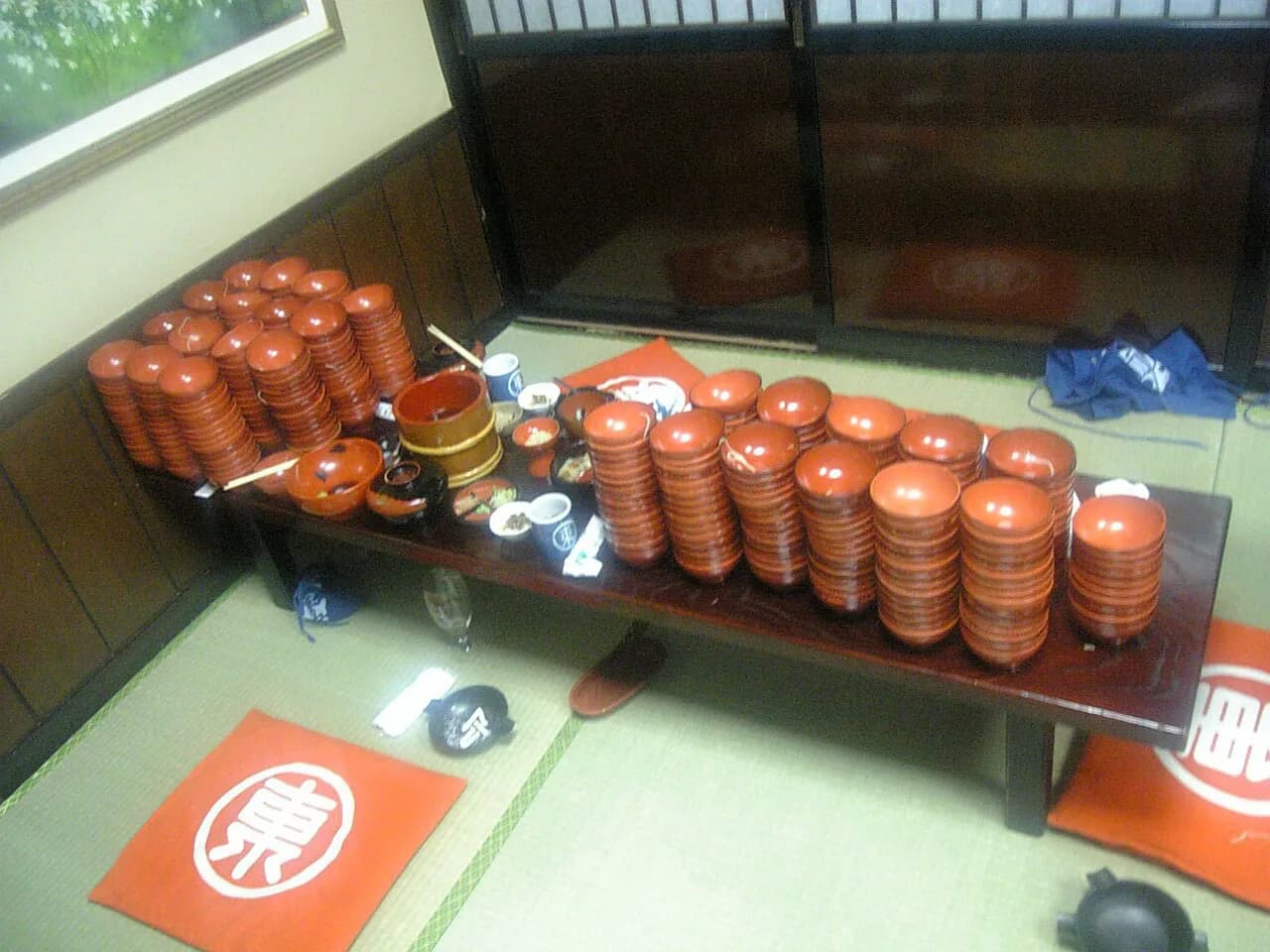
At specialists such as Azumaya Honten and Hatsukoma, a server adds a small portion whenever your bowl becomes empty. The rapid rhythm continues while the server calls encouragement, so eat steadily rather than treating each serving as a separate course.
Side dishes are provided, but eating too many early can make the noodle challenge harder. Keep the bowl close and watch the server before attempting to stop. At many restaurants, you finish by quickly placing the lid over your empty bowl before another portion arrives.
The exact procedure can differ between restaurants and meal plans. Some staff ask diners to show an empty bowl first, while others explain a house-specific signal before service begins. Follow that briefing instead of copying another table.
Servers commonly count the portions, and some restaurants stack or display the used bowls. The total is part of the experience, but there is no required target. Stop when comfortably full and allow extra time afterward before returning to sightseeing.
For trip-planning details, see Morioka - Wikipedia.
Further reading: Morioka on Wikivoyage · Morioka on Wikipedia
Explore food in other cities
Frequently Asked Questions
What are the Three Great Noodles of Morioka?
Locals call them the Sandaimen: Wanko Soba, Morioka Reimen, and Jajamen. Each one represents a different noodle tradition, from an all-you-can-eat buckwheat challenge to a quick miso-sauce lunch. Most visitors try to fit all three into one Morioka stay.
How much should you budget for a Morioka noodle meal?
Jajamen runs about ¥850 a bowl. A reimen-and-yakiniku set costs around ¥3,100, and a full wanko soba sitting typically runs ¥3,000 to ¥4,000 per person.
What is chitantan?
Chitantan is the bonus course at the end of a jajamen meal. Ask your server for it, and the kitchen turns the leftover miso sauce on your plate into a light egg-drop soup. It costs a small amount extra and takes only a couple of minutes to prepare.
Is Morioka reimen spicy?
Broth spice is adjustable, so state a preference when ordering. Restaurants serving reimen alongside yakiniku typically offer a range from mild to spicy. If a restaurant doesn't ask, mention it before the bowl is prepared.
Do you need a reservation for wanko soba?
Larger groups should call ahead or check current availability, since popular specialists get busy around midday. Solo diners and pairs typically get seated after only a short wait outside peak lunch hours. Booking ahead matters most on weekends and during peak tourist season.
Can you eat all three great noodles in one day?
It's possible if you plan the order carefully, since Jajamen is quick and Wanko Soba takes longer. Pair jajamen at lunch, sightsee through the afternoon, then close with a reimen-and-yakiniku dinner near Morioka Station.
Explore Morioka's Food Scene
Dive deeper into Morioka's noodle culture, dining districts, cafes, and seasonal specialties.
Signature Noodles
- Morioka attractions hub: tickets, hours & maps
- 10 Things to Know About Wanko Soba in Morioka
- Morioka Jaja Men And Reimen Travel Guide
Where to Eat
Sweets, Cafes & Souvenirs
Seasonal & Planning
Free guide: Japan's Hidden Gems
12 under-the-radar places beyond Tokyo & Kyoto — with the best season to visit each and a local tip you won't find in the guidebooks.
You might also like


Continue reading
More guides you'll find useful